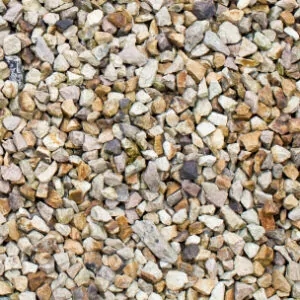
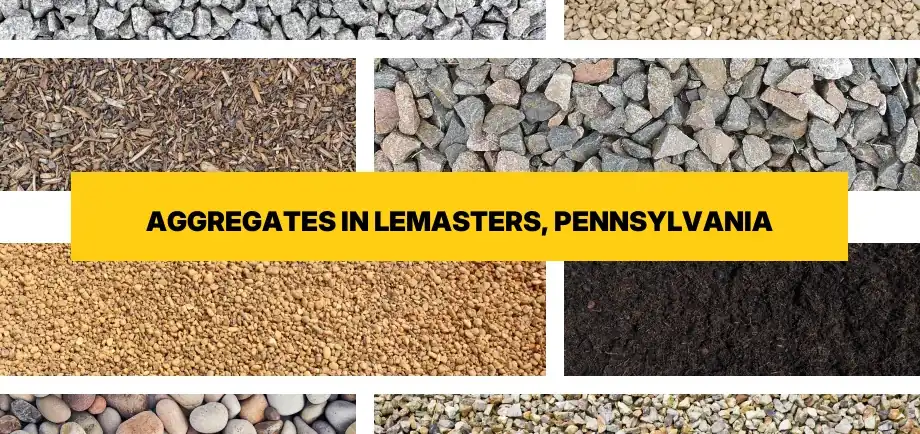
Bulk Aggregate & Gravel Products in Lemasters, Pennsylvania
Local Topsoil, Dirt, Sand, Rocks and Gravel near me in Lemasters, Pennsylvania
Shop Aggregates for Delivery in Lemasters
Order online for free delivery to any Lemasters address.
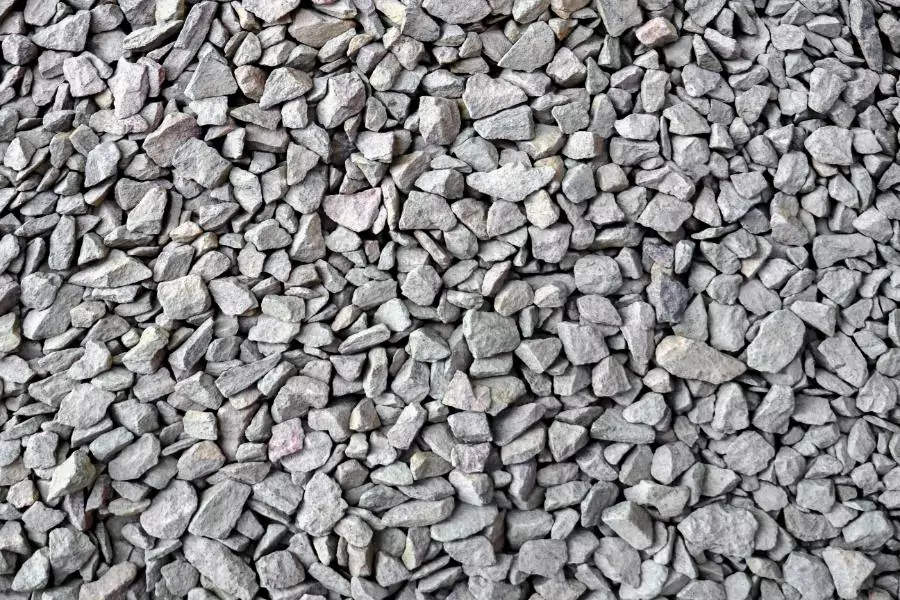
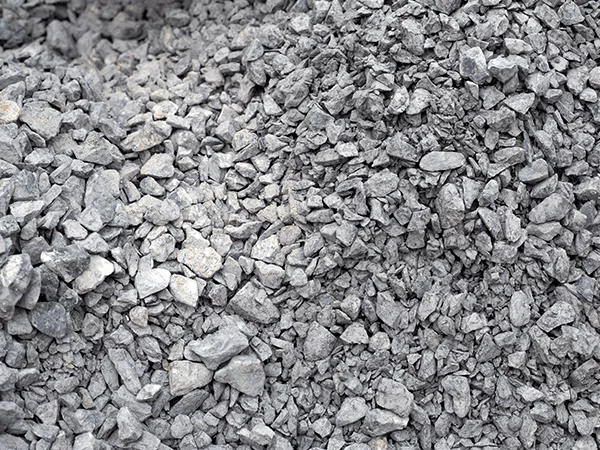


Gravel Monkey is your trusted source for premium aggregates and bulk materials delivery in Lemasters, Pennsylvania. Located in the scenic Cumberland Valley of Franklin County, Lemasters presents unique challenges with its clay-rich soils and rolling terrain. Whether you're improving a farmstead driveway along Route 997, managing drainage near Roadside America Park, or building hardscaping projects in the surrounding countryside, we deliver high-quality aggregates directly to your property with absolutely free delivery throughout Lemasters and neighboring communities including Greencastle, Mercersburg, and Chambersburg.
Complete Aggregate Selection for Lemasters Properties
Our extensive inventory includes every type of aggregate material needed for residential, agricultural, and commercial projects across Franklin County. From foundational materials to decorative stone, we supply the aggregates that perform in Lemasters' challenging soil and climate conditions.
- Driveway Gravel - Engineered aggregate blends for lasting rural and residential driveways
- 3/4 inch Crushed Stone - Versatile aggregate for drainage, foundations, and driveway bases
- #57 Stone - Clean angular aggregate ideal for drainage systems and concrete work
- Crusher Run - Superior compacting base material for driveways and foundations
- Road Base - Heavy-duty aggregate foundation for farm lanes and private roads
- Drain Rock - Clean stone aggregate for French drains and foundation systems
- Pea Gravel - Rounded aggregate perfect for paths, patios, and decorative applications
- River Rock - Natural decorative stone for landscaping and water features
- Walkway Gravel - Comfortable aggregate blend for garden paths and outdoor spaces
- Crushed Concrete - Recycled aggregate for eco-conscious base applications
- Decomposed Granite - Natural compacting aggregate for rustic pathways
- Topsoil - Rich, screened soil for gardens and lawn establishment
- Fill Dirt - Quality earthen material for grading and site preparation
- Mason Sand - Fine sand for masonry, concrete, and construction projects
- Playground Sand - Safe, clean sand for children's play areas
- Washed Sand - Clean, versatile sand for multiple applications
Understanding Lemasters Soil Conditions and Climate
Lemasters sits in the Great Valley section of the Ridge and Valley geological province, characterized by limestone bedrock overlain with heavy clay soils. This geological composition, combined with Franklin County's humid continental climate, creates specific challenges for construction and landscaping projects. The area receives approximately 40 inches of annual precipitation, with wet springs and cold winters that bring freeze-thaw cycles capable of damaging improperly constructed surfaces.
The predominant Hagerstown silt loam and Duffield silt loam soils in the Lemasters area have moderate to poor drainage characteristics due to high clay content. These conditions make proper aggregate selection critical for any project involving driveways, foundations, or drainage systems. Properties near Conococheague Creek and other low-lying areas face additional water management challenges during spring runoff and heavy rainfall events.
Seasonal Considerations for Aggregate Projects
Winter temperatures in Lemasters regularly drop below freezing from December through February, with average lows around 22°F. This creates frost heave conditions that can lift and damage improperly constructed driveways and foundations. Summer brings warm, humid weather with temperatures reaching the upper 80s, which can soften poorly designed aggregate surfaces. Selecting the right crushed stone and base materials ensures year-round performance despite these temperature extremes.
Driveway Aggregates for Lemasters Properties
Long rural driveways are common throughout Lemasters and the surrounding Franklin County countryside. These driveways face unique challenges from agricultural equipment traffic, seasonal weather extremes, and the region's clay-heavy soils. Proper driveway construction requires multiple layers of carefully selected aggregates to create a stable, long-lasting surface.
The foundational layer should consist of larger stone aggregates that won't migrate into the clay subsoil. This prevents the common problem of driveways "sinking" into the ground over time. Above this foundation, a compacting layer binds everything together while maintaining drainage. Finally, a driving surface layer provides traction and a finished appearance while allowing water to percolate through rather than pooling on the surface.
Recommended Driveway Aggregate Combinations
For properties along Route 997 and the rural roads extending toward Fort Loudon, we recommend starting with a 6-inch base layer of road base aggregate. This provides structural stability and prevents the driveway from settling into clay soils. Next, add a 3-inch layer of crusher run, which compacts tightly to create a firm, water-resistant barrier. Finally, top with 2 inches of crushed stone for an attractive, functional driving surface that provides excellent traction in all weather conditions.
Farm lanes and longer driveways near the Maryland border may benefit from crushed concrete as a cost-effective base layer, particularly for sections that won't receive the heaviest traffic. This recycled aggregate performs well in rural applications and represents an environmentally conscious choice for large projects requiring significant material quantities.
Drainage Aggregates for Franklin County Clay Soils
The heavy clay soils prevalent throughout Lemasters create persistent drainage challenges that can damage foundations, flood basements, and turn yards into muddy swamps during spring rains and snowmelt. Proper drainage systems using the right aggregates are essential for protecting property investments and maintaining usable outdoor spaces year-round.
French drains represent the most effective solution for managing groundwater around foundations and in low-lying areas. These systems require clean, angular stone aggregates that allow free water movement while preventing soil infiltration. The aggregate's void spaces must remain open to function properly, which is why using the correct stone size and type is critical for long-term performance.
Drain Rock Applications
Properties experiencing basement moisture issues, particularly those in lower elevations near Conococheague Creek, benefit greatly from properly installed foundation drainage systems. Drain rock surrounds perforated drainage pipes, creating a reservoir for water to flow freely toward discharge points. Unlike rounded aggregates, the angular faces of crushed drain rock interlock while maintaining essential void spaces.
Surface drainage solutions for yards and farm properties work well using #57 stone in swales and drainage channels. This clean aggregate allows water to flow rapidly while preventing erosion of the underlying clay soil. For areas receiving runoff from barns or other agricultural structures, these drainage channels protect property and prevent sediment from reaching local waterways.
| Aggregate Type | Best Applications | Typical Size | Compaction Level | Drainage Quality |
|---|---|---|---|---|
| Crusher Run | Driveway base, foundations | Fines to 1 inch | Excellent | Good |
| 3/4" Crushed Stone | Driveways, general fill | 3/4 inch nominal | Very Good | Excellent |
| #57 Stone | Drainage, concrete aggregate | 1/2 to 1 inch | Moderate | Superior |
| Road Base | Heavy traffic areas, farm lanes | Fines to 1.5 inch | Superior | Good |
| Drain Rock | French drains, foundation drainage | 3/4 to 1.5 inch | Poor (by design) | Superior |
| Pea Gravel | Walkways, decorative landscaping | 3/8 inch rounded | Poor | Excellent |
| Decomposed Granite | Pathways, natural areas | Fines to 1/4 inch | Good | Moderate |
Decorative Aggregates and Landscaping Stone
Beyond functional applications, aggregates serve important aesthetic roles in Lemasters landscaping projects. The rural character of Franklin County lends itself to natural stone features that complement farmhouse architecture and the surrounding Pennsylvania countryside. Decorative aggregates reduce landscape maintenance while adding visual interest and solving practical problems like mud control around doorways and under downspouts.
River rock creates striking visual contrasts in flower beds and around specimen plantings. Available in various sizes from small pebbles to larger stones, these naturally rounded aggregates provide clean, maintenance-free groundcover that suppresses weeds and retains soil moisture during hot summer months. Properties throughout the Lemasters area use river rock to create dry creek beds that manage runoff attractively while preventing erosion.
Walkway and Patio Aggregates
Pea gravel represents an economical and attractive option for garden paths, patio underlayment, and casual outdoor living areas. Its comfortable walking surface and natural appearance suit the rural Lemasters aesthetic perfectly. Unlike solid surfaces that can crack during freeze-thaw cycles, pea gravel adjusts to ground movement without damage, making it ideal for Pennsylvania's climate.
Decomposed granite provides a more formal appearance with better compaction than loose gravel. This material works exceptionally well for pathways connecting various farm buildings or creating defined walking routes through larger properties. When properly installed with edge restraints, decomposed granite creates a nearly solid surface that still allows water penetration, preventing the puddles common with impermeable paving materials.
Aggregates for Agricultural Properties
Agriculture remains an important part of the Lemasters economy, with numerous working farms throughout the area. These agricultural operations have specific aggregate needs related to livestock management, equipment access, and property maintenance. Muddy barnyard conditions, eroded farm lanes, and drainage around agricultural buildings create ongoing challenges that proper aggregate applications can solve permanently.
Barn entrances and high-traffic livestock areas benefit from heavy-duty aggregate bases that remain stable under constant hoof traffic and equipment loads. A thick layer of road base topped with crushed stone creates an all-weather surface that prevents animals from standing in mud, reducing health issues and the constant mess of tracked mud. This investment in proper footing pays dividends in animal health and reduced bedding costs.
Farm Lane Stabilization
The long farm lanes common throughout Franklin County require regular maintenance to remain passable during wet weather and spring thaw. Rather than continually adding more aggregate to soft spots, proper reconstruction using graduated layers creates lanes that last decades with minimal maintenance. Starting with large crusher run or road base creates a structural foundation, while subsequent layers provide the smooth, well-draining surface needed for safe tractor and truck access year-round.
Sand, Topsoil, and Fill Materials
Beyond stone aggregates, complete property improvement projects require quality sand, topsoil, and fill dirt. These materials support the finishing stages of construction projects, establish lawns and gardens, and enable proper site grading that directs water away from structures. Lemasters' clay-heavy native soils often require amendment or complete replacement for successful gardening and lawn establishment.
Mason sand serves essential roles in concrete mixing, masonry projects, and as a base material for paver patios and walkways. Its fine, consistent particle size ensures proper concrete strength and creates a smooth, level base for hardscaping installations. Projects throughout Lemasters use mason sand for everything from mailbox post footings to large barn foundation work.
Topsoil and Garden Applications
The native clay soils around Lemasters challenge gardeners with their poor drainage and tendency to form hard crusts when dry. Imported screened topsoil provides the loose, fertile medium needed for successful vegetable gardens, flower beds, and lawn establishment. This material contains organic matter and has proper drainage characteristics that clay soils lack, enabling plants to develop strong root systems.
Fill dirt serves a different purpose, providing economical material for raising grades, filling low spots, and establishing proper drainage slopes around buildings. While it lacks the fertility of topsoil, fill dirt compacts well and provides stable foundations for subsequent topsoil layers or other finished surfaces. Properties throughout the Route 997 corridor use fill dirt to correct drainage issues and create level building sites on sloping terrain.
Serving Lemasters and Surrounding Franklin County Communities
Gravel Monkey proudly serves Lemasters and the entire surrounding region of south-central Pennsylvania. Our free delivery extends throughout Franklin County, reaching rural properties, agricultural operations, and residential developments across this scenic area.
Primary Service Areas
- Route 997 Corridor - Properties along this main thoroughfare connecting Lemasters to Greencastle and Chambersburg
- Fort Loudon Area - Agricultural properties and residential homes northeast of Lemasters
- Roadside America Park Vicinity - Properties surrounding this local landmark
- Marion Area - Rural properties and farms in this nearby community
- Conococheague Creek Properties - Areas near this important waterway requiring drainage solutions
- Mercersburg Direction - Properties along routes extending southwest toward the Maryland border
- Greencastle Vicinity - Northern Franklin County properties
- Welsh Run Valley - Rural agricultural properties in this scenic valley
Planning Your Aggregate Project
Successful aggregate projects begin with accurate material calculations and proper site preparation. Understanding how much material your specific project requires prevents costly shortages or expensive overages. The depth and area of your project determine total aggregate needs, but soil conditions and intended use also influence these calculations.
Calculating Material Quantities
Driveway projects typically require 4 to 6 inches of total aggregate depth, applied in multiple layers for best results. Measure your driveway length and width in feet, then multiply these dimensions together to find square footage. Multiply square footage by the depth in feet (4 inches equals 0.33 feet) to determine cubic feet needed. Divide cubic feet by 27 to convert to cubic yards, the standard ordering unit for bulk aggregates.
For example, a typical Lemasters farm driveway measuring 200 feet long by 12 feet wide with a 6-inch aggregate depth requires: 200 × 12 = 2,400 square feet × 0.5 feet (6 inches) = 1,200 cubic feet ÷ 27 = 44.4 cubic yards of aggregate material. This calculation helps determine project costs and ensures adequate material delivery.
Site Preparation Considerations
Proper preparation ensures aggregate performance and longevity. Remove all organic material including grass, roots, and topsoil from the project area. These materials decompose over time, creating voids that cause settling and surface depression. In Lemasters' clay soils, consider installing geotextile fabric between the subgrade and aggregate layers to prevent mixing and maintain aggregate integrity.
Address drainage before adding any aggregate. Water flowing under or through the aggregate base causes erosion and failure over time. Create positive drainage slopes directing water away from structures and toward appropriate discharge points. Low areas may require subsurface drainage systems using perforated pipe surrounded by drain rock to remove water before it can damage your aggregate installation.
Maintaining Aggregate Surfaces
Proper maintenance extends the life of aggregate driveways, paths, and other installations. Pennsylvania's freeze-thaw cycles, heavy precipitation, and natural settling all contribute to gradual surface deterioration. Regular attention prevents minor issues from becoming major problems requiring expensive reconstruction.
Grade aggregate driveways annually using a box blade or landscape rake to redistribute material and maintain proper crown for water runoff. This simple maintenance prevents ruts from forming and ensures water sheds to the sides rather than pooling on the surface. Properties throughout Lemasters benefit from this spring maintenance ritual after winter frost damage.
Addressing Common Issues
Potholes and depressions develop in high-traffic areas or where subsurface water causes material displacement. Fill these defects promptly using the same aggregate as your original installation. Compact the new material thoroughly to prevent immediate re-settling. For persistent problem areas, investigate and correct the underlying drainage issue causing the damage.
Edge maintenance prevents aggregate migration into lawn areas and maintains crisp appearance. Install edge restraints along walkways and patio areas to contain loose materials like pea gravel. Driveways benefit from occasional regrading along edges where tire action pushes stone into adjoining grass. Returning this material to the driving surface prevents gradual narrowing and maintains proper driveway width.
Environmental Benefits of Quality Aggregates
Properly selected and installed aggregates provide significant environmental benefits compared to impermeable paving alternatives. In an era of increasing stormwater regulations and environmental awareness, aggregate surfaces support sustainable property management while meeting practical needs.
Pervious aggregate surfaces allow rainfall to infiltrate naturally rather than generating runoff that carries sediment and pollutants to Conococheague Creek and other local waterways. This infiltration recharges groundwater supplies and reduces flooding downstream during heavy rain events. Franklin County's agricultural heritage depends on protecting water quality, making pervious surfaces increasingly important for responsible property stewardship.
Recycled Aggregate Options
Crushed concrete represents an environmentally conscious aggregate choice that performs well in base applications while diverting material from landfills. This recycled aggregate costs less than virgin stone while providing comparable performance in non-decorative applications. Many Lemasters properties use crushed concrete for barn approaches, equipment pads, and other functional areas where appearance is secondary to performance.
Frequently Asked Questions About Aggregates in Lemasters
We deliver a complete range of aggregates including driveway gravel, crushed stone, #57 stone, crusher run, pea gravel, river rock, drain rock, road base, crushed concrete, decomposed granite, topsoil, fill dirt, and various sands throughout Lemasters and surrounding Franklin County areas.
Yes! Gravel Monkey offers FREE delivery to Lemasters and the surrounding Pennsylvania area for all gravel and aggregate orders.
For driveways in Lemasters, we recommend 3/4 inch crushed stone or crusher run as a base layer. These materials compact well in Pennsylvania clay soils and provide excellent drainage during our wet spring seasons and freeze-thaw winter cycles.
Calculate your area in square feet and multiply by the depth needed in feet. For driveways, we recommend 4 to 6 inches of aggregate. Our Gravel Monkey team can help you determine the exact amount based on your specific Lemasters property conditions and soil type.
Lemasters sits on heavy clay soils that retain water. We recommend drain rock or #57 stone for French drains and foundation drainage systems. These clean aggregates allow water to flow freely while preventing soil infiltration common in Franklin County clay.
Yes, crushed concrete works well as a base layer for residential driveways and performs excellently for farm lanes and utility areas. While its appearance makes it less suitable for decorative top layers, it provides cost-effective, stable foundations that perform well in Lemasters soil conditions.
For barn entrances and livestock areas, we recommend road base or crusher run as a foundation, topped with 3/4 inch crushed stone. This combination creates a stable, well-draining surface that handles hoof traffic and stays firm during wet weather common in Franklin County.
Well-constructed aggregate driveways need minimal replenishment. Annual grading redistributes existing material effectively. If significant new stone is needed yearly, underlying drainage issues or insufficient base layers likely require addressing for long-term performance.
Get Your Premium Aggregates Delivered to Lemasters
Gravel Monkey makes aggregate delivery simple, reliable, and affordable throughout Lemasters and Franklin County. Our extensive inventory, knowledgeable team, and commitment to free delivery ensure your project receives the right materials at the right time. Whether you're building a new farm lane through the Welsh Run Valley, improving drainage around your Roadside America Park area property, or creating decorative landscaping features, we have the aggregates you need.
Contact Gravel Monkey today to discuss your project requirements. Our experienced team understands Lemasters soil conditions, climate challenges, and the unique needs of Franklin County properties. We'll help you select the perfect aggregates for lasting results and deliver them directly to your site—absolutely free.

Need help? Reach out for a quote: