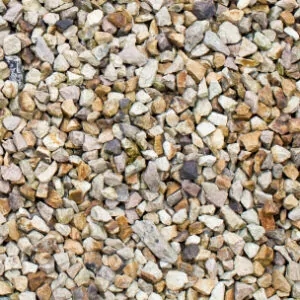
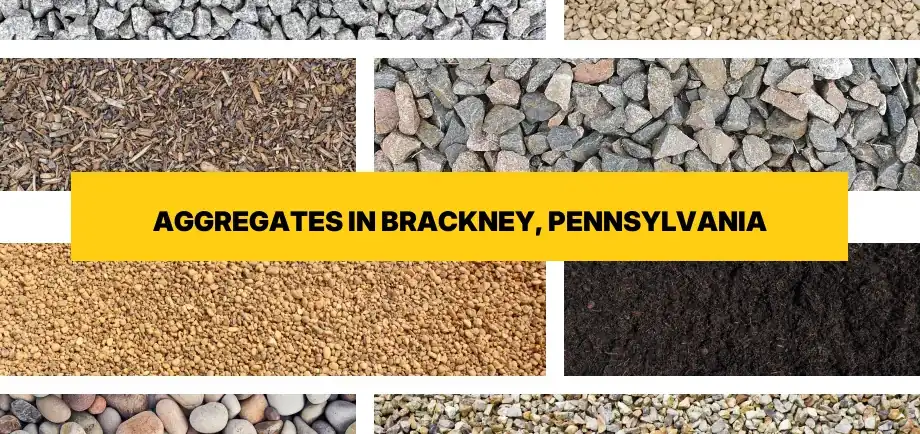
Shop Bulk Materials & Gravel in Brackney, Pennsylvania
Local Topsoil, Dirt, Sand, Rocks and Gravel near me in Brackney, Pennsylvania
Shop Aggregates for Delivery in Brackney
Order online for free delivery to any Brackney address.
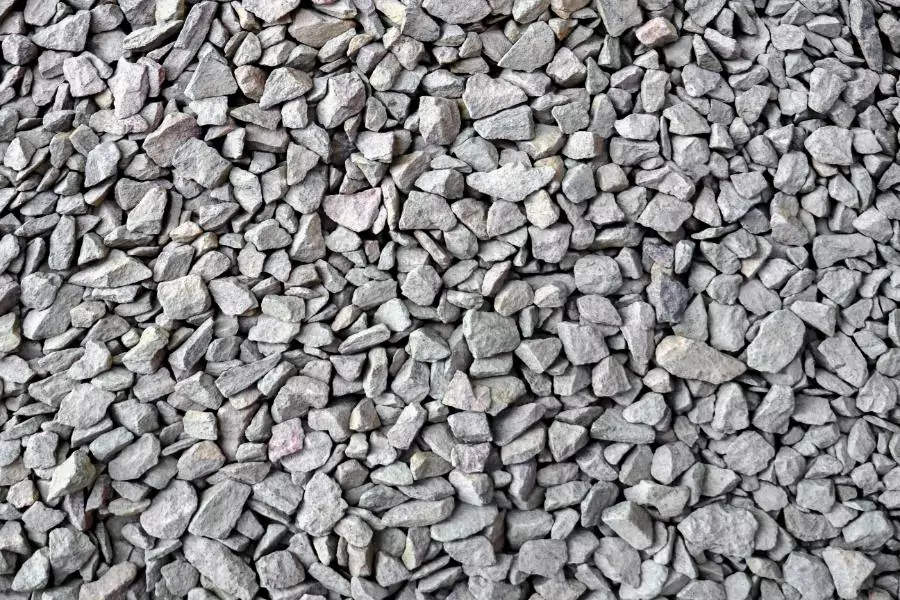
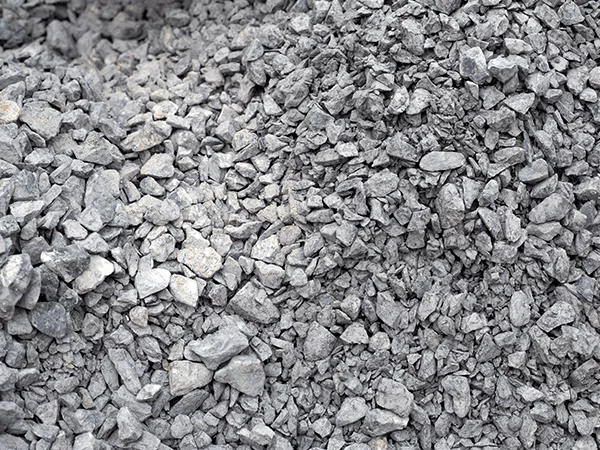


Gravel Monkey is your trusted partner for premium aggregate and gravel delivery throughout Brackney, Pennsylvania. Nestled in the scenic hills of Susquehanna County near the New York border, Brackney presents unique challenges for property owners from harsh winter weather to varied terrain. Whether you're improving a rural driveway along Route 492, creating drainage solutions for a property near Snake Creek, or building a foundation that can withstand Pennsylvania's demanding freeze-thaw cycles, we deliver high-quality aggregates directly to your location with absolutely free delivery throughout the entire Brackney area.
Complete Aggregate & Gravel Selection for Brackney Properties
At Gravel Monkey, we understand that northeastern Pennsylvania projects demand materials that perform year-round. Our comprehensive inventory serves residential homeowners, agricultural operations, and commercial contractors throughout Susquehanna County with aggregates proven to handle the region's climate extremes.
- Driveway Gravel - Premium aggregate blend designed for long-lasting rural driveways
- 3/4 Inch Crushed Stone - Versatile aggregate for bases, drainage, and structural support
- #57 Stone - Industry-standard aggregate for concrete work and drainage applications
- Crusher Run - Superior compacting aggregate for roadways and stable bases
- Road Base - Heavy-duty foundation aggregate for driveways and access roads
- Pea Gravel - Smooth decorative stone perfect for pathways and garden beds
- River Rock - Natural aesthetic stone for water features and landscaping
- Walkway Gravel - Comfortable aggregate for pedestrian paths and garden trails
- Drain Rock - Essential aggregate for French drains and water management
- Crushed Concrete - Eco-friendly recycled aggregate for budget-conscious projects
- Decomposed Granite - Natural compacting aggregate for rustic pathways
- Topsoil - Nutrient-rich soil for gardens and lawn establishment
- Fill Dirt - Essential material for grading and leveling projects
- Mason Sand - Fine sand for masonry and paver installation
- Playground Sand - Safe, clean sand for children's play areas
- Washed Sand - Clean aggregate for concrete mixing and various applications
Understanding Brackney's Unique Geology and Climate Challenges
Brackney sits at approximately 1,400 feet elevation in the Northern Allegheny Plateau, where glacial activity shaped the landscape thousands of years ago. The area's geology consists primarily of glacial till deposits over Devonian-age sedimentary bedrock, creating soil conditions that significantly impact construction and aggregate needs.
Soil Characteristics and Aggregate Requirements
The dominant soil series in the Brackney area include Volusia silt loam and Mardin silt loam, both formed from glacial deposits. These soils feature a fragipan layer at varying depths that restricts water movement, making proper drainage absolutely critical for any construction project. When building driveways or foundations near Snake Creek or along the rural roads branching from Route 492, understanding these soil limitations ensures long-term structural success.
The glacial till composition means Brackney properties often encounter stones and boulders within excavation depths. This natural aggregate presence doesn't eliminate the need for quality brought-in materials; instead, it emphasizes the importance of using properly graded aggregates that complement the native soil structure. Our crushed stone products provide the controlled gradation and compaction characteristics that natural field stone cannot match.
Climate Impact on Aggregate Selection
Northeastern Pennsylvania experiences significant temperature swings, with winter lows frequently below 0°F and summer highs reaching the 80s. This 80+ degree annual temperature range creates intense freeze-thaw cycling that challenges any aggregate installation. The frost depth in Susquehanna County reaches 42 inches, requiring thoughtful base preparation for permanent structures.
Annual precipitation averages around 42 inches, distributed relatively evenly throughout the year with slightly higher amounts during summer months. Snowfall typically exceeds 60 inches annually, with significant accumulation from December through March. Properties in the Brackney area need aggregates that facilitate rapid drainage to prevent ice lens formation during freeze cycles while maintaining structural integrity under heavy snow loads and spring melt conditions.
Aggregate Applications for Brackney Area Projects
Driveway and Road Construction
Rural driveways dominate the Brackney landscape, often extending hundreds of feet from roadways to homes nestled in the hills. These access routes require aggregates that withstand not only vehicle traffic but also the punishment of snowplows and winter maintenance equipment. The combination of steep grades in some areas and the region's heavy clay content makes proper base construction essential.
For new driveway construction throughout Brackney, we recommend starting with a geotextile fabric layer over prepared subgrade, followed by 6-8 inches of compacted crusher run as a stable base. This aggregate base provides the load distribution and drainage capacity needed before adding a 2-3 inch wearing surface of driveway gravel. Properties along flatter terrain near the Susquehanna River valley can sometimes use slightly thinner profiles, while hillside locations benefit from additional base depth.
Drainage Solutions for Pennsylvania Properties
Given Brackney's soil characteristics and precipitation patterns, proper drainage systems prove essential for property longevity. The fragipan layers in local soils create perched water tables during wet periods, potentially causing basement moisture issues, foundation settlement, and driveway deterioration if not addressed through proper aggregate drainage systems.
French drain installations using drain rock wrapped in geotextile fabric effectively intercept groundwater before it reaches foundations or saturates driveway bases. For properties experiencing spring seepage issues common in this region, installing drainage swales filled with larger aggregates provides surface water management that complements subsurface systems. The key is using clean, angular aggregates that maintain void spaces for water movement even under the soil pressures present at Brackney's elevation.
Foundation and Construction Aggregate Needs
Whether building a new barn for agricultural operations, constructing a home foundation, or installing a pole building, proper aggregate preparation determines structural success in Brackney's challenging environment. The combination of expansive clay content and deep frost penetration demands attention to both drainage and frost protection.
Foundation excavations should extend below the 42-inch frost line, with aggregate backfill providing drainage pathways that prevent frost heaving pressures. A minimum 6-inch layer of crushed stone beneath foundation footings ensures proper drainage while distributing structural loads across the variable soil conditions. For agricultural buildings where floor drainage is critical, a complete aggregate base system prevents the moisture accumulation that Brackney's clay-rich soils would otherwise retain.
| Aggregate Type | Primary Use in Brackney | Size Range | Compaction Quality | Drainage Rating |
|---|---|---|---|---|
| Crusher Run | Driveway base, road construction | Fines to 1.5 inch | Excellent | Good |
| 3/4 Inch Crushed Stone | Foundation backfill, general base | 3/4 inch nominal | Very Good | Excellent |
| #57 Stone | Drainage systems, concrete aggregate | 1/2 to 1 inch | Good | Excellent |
| Road Base | Heavy-duty driveways, access roads | Variable gradation | Excellent | Good |
| Drain Rock | French drains, footer drainage | 3/4 to 1.5 inch | Fair | Superior |
| Pea Gravel | Decorative paths, ground cover | 3/8 inch smooth | Poor | Very Good |
| Crushed Concrete | Temporary roads, budget driveways | Variable | Good | Good |
Aggregate Delivery Throughout the Brackney Region
Gravel Monkey provides comprehensive aggregate delivery throughout Brackney and the surrounding Susquehanna County communities. Our service area extends across this predominantly rural landscape where quality materials and reliable delivery make the difference between project success and costly failures.
Local Areas We Serve
While Brackney itself is a small community, our delivery network covers the entire northeastern corner of Pennsylvania. Properties along Route 492 receive the same reliable service as those on remote seasonal roads. We regularly deliver to locations near Snake Creek, throughout the rural areas extending toward Lawsville Center, and to properties in the hills between Brackney and the New York border.
Our service extends to neighboring communities including Kingsley to the southeast, Great Bend to the west along the Susquehanna River, Friendsville to the east, and Hallstead to the south. Agricultural operations around Bridgewater and Montrose also rely on our aggregate supply for farm roads and barn construction projects. The entire northern tier of Susquehanna County falls within our free delivery zone, ensuring rural property owners have the same access to quality aggregates as those in more populated areas.
Whether your property sits along one of Brackney's main routes or at the end of a township road, our delivery trucks navigate the region's terrain to bring materials directly to your site. We understand local road conditions, seasonal access limitations, and the logistical challenges of serving Pennsylvania's rural communities. From the Susquehanna River valley elevations around 800 feet to hilltop properties exceeding 1,600 feet, we deliver aggregates throughout the area's diverse topography.
Seasonal Aggregate Project Planning in Northeastern Pennsylvania
Timing significantly impacts aggregate project success in Brackney's four-season climate. Understanding seasonal advantages and limitations helps property owners plan installations that maximize material performance and minimize future maintenance.
Spring Considerations
Spring presents both opportunities and challenges for aggregate work in Brackney. The frost leaves the ground typically in late March to mid-April, but soil moisture remains high through May as winter snow melts and spring rains arrive. While temperatures become suitable for construction, saturated subgrades complicate compaction efforts. Properties with clay-rich soils need adequate drying time before aggregate placement, or base materials become contaminated with subgrade soils, reducing long-term performance.
For drainage projects, spring offers the advantage of observing natural water flow patterns. Installing French drain systems or surface water management features while water actively moves through the property ensures proper placement. However, excavation in wet conditions proves difficult, and aggregate placement may need to wait until mid to late May when soil moisture decreases.
Summer and Fall Project Windows
Late spring through fall provides the optimal window for aggregate projects in Brackney. June through October offers relatively dry conditions, warm temperatures for effective compaction, and stable subgrades that support construction equipment. Summer's longer daylight hours allow extended work periods, particularly important for larger projects requiring multiple aggregate deliveries.
Early fall is especially favorable for driveway and road base installation. September and October typically feature dry weather, cooler temperatures that reduce operator fatigue, and soil conditions that facilitate excellent compaction. Completing base work before winter allows the aggregate to settle and consolidate through freeze-thaw cycling, creating a more stable foundation for final surfacing the following spring.
Winter Limitations and Planning
Once ground frost establishes in late November or December, excavation becomes impractical and compaction impossible. However, winter serves as an ideal planning period for upcoming projects. Observing how existing driveways handle snowplow traffic, noting where ice accumulates, and identifying drainage problems reveals issues that summer conditions hide.
For properties requiring immediate winter access improvements, spreading crusher run over existing deteriorated driveways provides temporary stabilization without compaction. While not a permanent solution, this approach offers traction and load distribution until proper installation can occur during favorable weather. The material won't compact effectively in frozen conditions, but it still provides functional benefits and can be properly worked in during spring rehabilitation.
Best Practices for Aggregate Installation in Brackney
Proper installation techniques separate successful projects from those requiring premature replacement. Brackney's environmental conditions demand attention to details that might be less critical in milder climates or more stable soil conditions.
Site Preparation Fundamentals
All aggregate installations begin with proper site preparation. Remove existing vegetation, roots, and topsoil down to stable subgrade. In Brackney's clay soils, avoid working wet subgrades; wait for dry conditions or excavate deeper to reach stable material. For driveway applications, establish proper crown for surface water drainage, typically 2-3% slope from centerline to edges.
On slopes common throughout the Brackney hills, install cross-slope drainage features at intervals to prevent water from channeling down the driveway surface. These can be shallow swales filled with aggregate or culverts that direct water into vegetated areas. Without proper water management, even quality aggregates erode on grades exceeding 8-10%.
Compaction Requirements
Proper compaction determines aggregate base longevity, particularly for driveways and roads. Install crusher run or road base in lifts no thicker than 4-6 inches, compacting each layer before adding the next. Use vibratory plate compactors for residential applications or larger roller equipment for extensive projects. Proper moisture content during compaction is critical; aggregates too dry won't bind, while excessive moisture creates a spongy base.
For properties installing their own driveways, renting proper compaction equipment proves worthwhile. Simply spreading aggregate without compaction leads to rutting, settling, and premature failure when heavy vehicles cross the surface. The investment in equipment rental and proper installation pays dividends through years of reduced maintenance.
Edge Restraint and Material Retention
Unrestrained aggregate migrates laterally under traffic, particularly on crowned surfaces where vehicles track near edges. Install edge restraint using treated timber, steel, or buried stone to contain driveway aggregates. For walkways and paths, commercial plastic edging or natural stone borders maintain material placement while adding aesthetic appeal.
In areas where driveways transition to lawn or landscape beds, creating a 4-6 inch depth difference between the aggregate surface and adjacent ground helps contain materials. This prevents aggregate from spreading into grass while creating a defined border that improves appearance and simplifies maintenance.
Aggregate Solutions for Brackney's Agricultural Community
Susquehanna County's agricultural heritage continues strong around Brackney, with dairy operations, beef cattle farms, and crop production requiring specialized aggregate applications. Farm operations present unique challenges that differ from residential projects, demanding aggregates that withstand heavy equipment and livestock traffic while managing the substantial water volumes agricultural sites generate.
Barnyard and Livestock Area Improvements
High-traffic livestock areas around barns and feeding stations quickly deteriorate into mud without proper aggregate surfacing. The combination of animal traffic, manure, and concentrated water from roof runoff creates challenging conditions. Crusher run provides excellent load distribution for these applications, forming a stable surface that sheds water while supporting tractor and heavy equipment access.
For areas where livestock congregate, particularly around water troughs or feed bunks, installing a geotextile base layer before aggregate placement prevents the stone from punching into soft subgrade. A minimum 8-inch depth of well-compacted aggregate maintains functionality through Brackney's demanding seasons. Regular maintenance by adding thin lift layers every few years extends surface life indefinitely.
Farm Lane and Field Access Roads
Agricultural operations require reliable access regardless of weather conditions. Field entrances, farm lanes connecting buildings, and access roads to remote pastures or woodlots need aggregate surfaces that support loaded trucks and equipment. The road base we supply provides the heavy-duty performance farming operations demand, combining proper gradation with durability that withstands seasonal stress.
For seasonal access roads used primarily during dry weather, lighter aggregate applications using crushed concrete offer budget-friendly solutions. While not suitable for year-round heavy traffic, this recycled aggregate performs well for harvest-season field access or timber operation roads where occasional use justifies reduced investment compared to full road base construction.
Understanding Aggregate Costs and Value in Brackney
Material costs represent only one component of total project expense. When evaluating aggregate options for Brackney properties, consider longevity, maintenance requirements, and performance under local conditions. The cheapest immediate option often proves most expensive over time when premature failure necessitates replacement.
Factors Affecting Aggregate Investment
Quality aggregates cost more than field run gravel or recycled materials, but deliver superior performance where it matters. For primary driveways receiving daily traffic and snowplow abuse, premium crusher run provides the compaction and stability that cheaper alternatives cannot match. The additional cost per cubic yard becomes minimal when spread over decades of service life rather than requiring replacement every few years.
Project scale significantly impacts per-unit costs. Larger orders benefit from improved delivery efficiency, while small quantities may carry minimum delivery charges. However, our free delivery policy throughout the Brackney area eliminates this concern, making even modest projects economically viable. Whether installing a small walkway or building half-mile farm lane, delivery costs don't inflate your budget.
Long-Term Value Considerations
Properly installed aggregate bases require minimal maintenance beyond occasional surface dressing. A well-constructed driveway using quality crusher run over proper subgrade preparation provides decades of service with only periodic addition of wearing surface material. Compare this to asphalt or concrete in Brackney's freeze-thaw environment, where cracking and heaving often necessitate expensive repairs within years of installation.
Aggregate driveways offer repair flexibility unavailable with paved surfaces. Developing a low spot or rut? Simply add material and compact. Tree root heave creating an uneven section? Excavate the affected area and rebuild with minimal cost. This maintenance simplicity and repair economy make aggregate surfacing ideal for rural properties where professional contractors may be distant and expensive to mobilize.
Environmental Advantages of Aggregate Applications
Beyond practical performance benefits, aggregate driveways and surfaces offer environmental advantages increasingly important to Pennsylvania property owners. As concern grows regarding stormwater management and ecological impact, aggregate solutions align with sustainable property development principles.
Stormwater Management Benefits
Unlike impervious asphalt or concrete, properly constructed aggregate surfaces allow water infiltration while providing stable vehicle support. This permeability reduces stormwater runoff, decreasing erosion potential and minimizing the burden on local waterways. In areas like Brackney where properties often include substantial driveway lengths, this infiltration capacity proves significant.
Reduced runoff velocity prevents the channelized erosion common with impervious surfaces, particularly on Brackney's varied topography. Water infiltrating through aggregate bases filters gradually through soil rather than rushing across surfaces, carrying sediment and contaminants to streams. This natural filtration protects water quality in Snake Creek and other local waterways.
Recycled Aggregate Options
Crushed concrete represents an environmentally responsible aggregate choice that performs well for many applications while reducing landfill burden. This recycled material provides stable base characteristics suitable for driveways, equipment pads, and farm roads at reduced cost compared to virgin aggregates. By using crushed concrete, property owners participate in the circular economy while still achieving reliable results.
For temporary roads, construction access routes, or seasonal use applications, crushed concrete offers practical performance with environmental benefits. While not recommended for primary residential driveways or high-visibility applications, this material serves excellently where appearance is secondary to function and cost-efficiency. The white-to-gray coloring differs from natural stone aesthetics, but functionality matches conventional aggregates for appropriate applications.
Frequently Asked Questions About Gravel and Aggregates in Brackney
For residential driveways in Brackney, we recommend a minimum 6-inch compacted base of crusher run or road base over prepared subgrade. Heavy-use driveways or those on softer soils benefit from 8-10 inches. Add 2-3 inches of final wearing surface for complete installation. These depths account for Brackney's freeze-thaw conditions and clay soil characteristics.
Proper crown maintaining 2-3% slope from centerline to edges sheds water off the surface. Install cross-slope drainage features on grades to prevent channeling. Edge restraint contains materials and prevents lateral spreading. Using well-graded crusher run rather than single-size stone provides better binding and erosion resistance. For steep sections, consider installing drainage swales or culverts to manage water flow.
Late spring through fall offers optimal conditions for aggregate installation in Brackney. June through October provides dry weather and stable subgrades facilitating proper compaction. Early fall is particularly favorable, as September and October typically feature ideal conditions while allowing the base to settle through winter freeze-thaw before final surfacing in spring.
It depends on existing conditions. If the old base remains stable without major settling or rutting, adding new aggregate over proper preparation can work. However, if significant failures exist or drainage problems caused the deterioration, excavating and rebuilding from subgrade provides better long-term results. We can help assess your specific situation and recommend the most cost-effective approach.
Gravel Monkey provides FREE delivery throughout Brackney and surrounding Susquehanna County. You pay only for the aggregate materials themselves, with no delivery charges added regardless of location within our service area. This makes even remote properties economically viable for quality aggregate projects.
Well-constructed aggregate driveways need minimal winter maintenance. Avoid aggressive snowplow blade angles that dig into the surface; float the blade slightly to remove snow without disturbing base material. Spring typically requires surface grading to redistribute stone displaced by winter traffic and equipment. Add thin lift layers every few years to maintain proper depth and surface quality.
Crusher run generally performs better for driveway bases in Brackney because its variable gradation includes fine material that binds the aggregate together during compaction. This creates a more stable, less permeable base than single-size 3/4 inch stone. However, 3/4 inch crushed stone excels for drainage applications where permeability is desired, such as foundation backfill or French drain trenches.
Measure length and width in feet, multiply together for square footage, then multiply by depth in feet. Divide this result by 27 to convert cubic feet to cubic yards. For example, a 12-foot wide by 200-foot long driveway with 6-inch depth equals 44.4 cubic yards. Our team can help verify calculations and account for compaction factors to ensure you order appropriate quantities.
Get Started with Your Brackney Aggregate Project
Whether you're planning a new driveway installation, need drainage solutions for spring water management, building agricultural infrastructure, or tackling any project requiring quality aggregates, Gravel Monkey delivers the materials and expertise Brackney properties demand. Our understanding of northeastern Pennsylvania's unique conditions, combined with comprehensive aggregate selection and free delivery throughout Susquehanna County, makes us the logical choice for discriminating property owners.
From the hills along Route 492 to properties near Snake Creek, we serve the entire Brackney area with the same commitment to quality and service. Our aggregates perform in Pennsylvania's demanding climate because we understand what local conditions require. Whether you're a homeowner improving your property, a farmer maintaining operational infrastructure, or a contractor serving the region, we provide the aggregates your projects demand delivered when and where you need them.
Contact us today to discuss your specific aggregate needs. Our knowledgeable team can help you select appropriate materials, calculate quantities, and schedule delivery to your Brackney location. With free delivery and quality aggregates proven in Pennsylvania conditions, there's no reason to settle for inferior materials or unreliable suppliers. Let us show you why property owners throughout Susquehanna County trust Gravel Monkey for their aggregate supply needs.

Need help? Reach out for a quote: