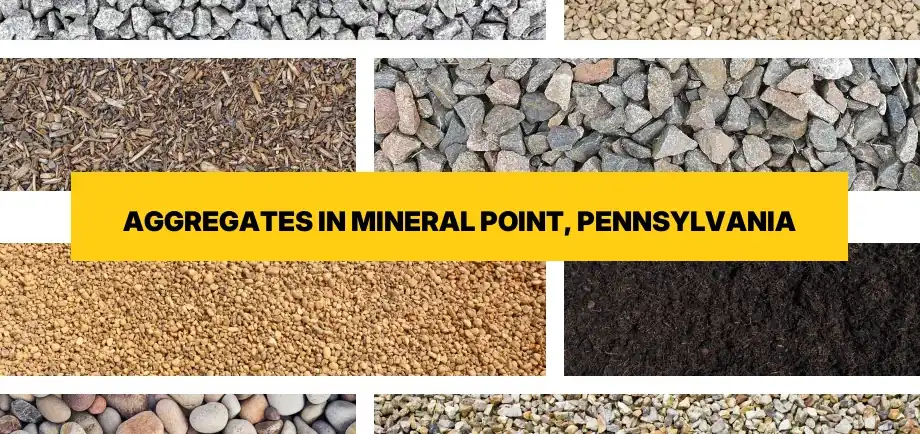
Shop Bulk Materials & Gravel in Mineral Point, Pennsylvania
Local Topsoil, Dirt, Sand, Rocks and Gravel near me in Mineral Point, Pennsylvania
Shop Aggregates for Delivery in Mineral Point
Order online for free delivery to any Mineral Point address.
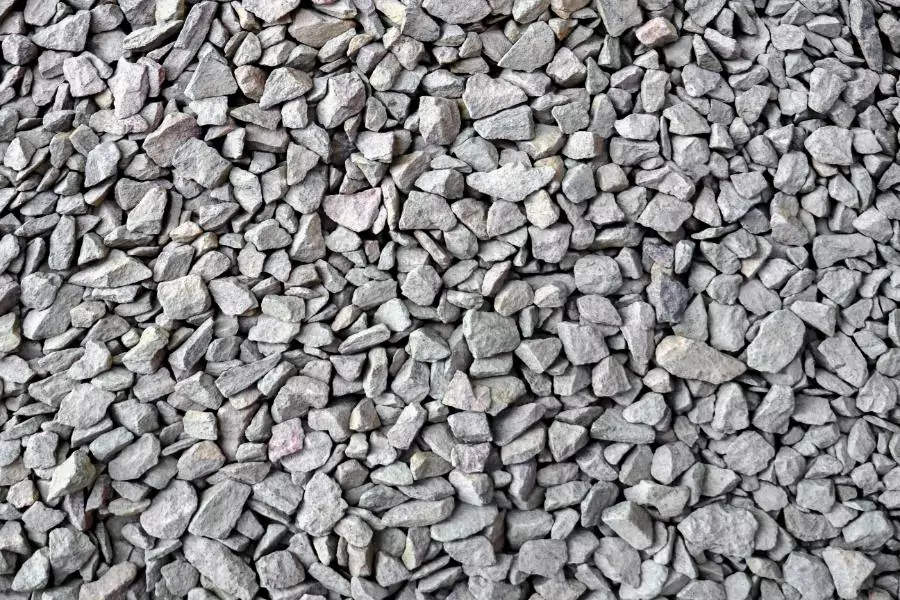
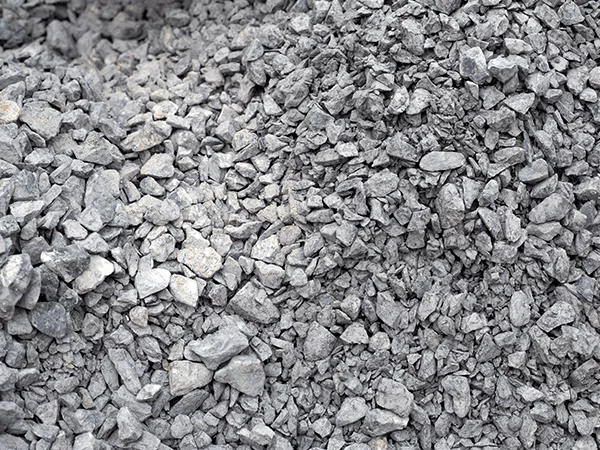


Gravel Monkey is your trusted source for premium aggregates and landscaping materials in Mineral Point, Pennsylvania. Serving residential and commercial properties throughout this historic Fayette County community, we deliver high-quality crushed stone, gravel, sand, topsoil, and specialty materials directly to your project site with free delivery. Whether you're upgrading a driveway near Point Marion, building a patio foundation in the neighborhoods surrounding Georges Creek, or creating French drains to manage the area's challenging clay soils, we provide the exact materials you need for lasting results in southwestern Pennsylvania's unique climate and terrain.
Complete Range of Aggregates and Materials for Mineral Point Projects
Mineral Point's position in the Appalachian Plateau region presents specific challenges for property owners—clay-heavy soils that retain water, rolling hillsides requiring proper drainage, and freeze-thaw cycles that test driveway durability. Our extensive inventory addresses these local conditions with materials proven to perform in Pennsylvania's demanding environment.
- 3/4 inch Crushed Stone - Versatile angular aggregate ideal for driveways and foundations throughout Mineral Point
- #57 Stone - Clean drainage stone perfect for French drains and retaining wall backfill
- Crusher Run - Superior compaction base material combining stone dust and larger aggregates
- Driveway Gravel - Purpose-blended material designed specifically for residential driveways
- Road Base - Heavy-duty foundation material for private roads and substantial driveways
- Pea Gravel - Smooth decorative stone for walkways and landscape accents
- River Rock - Natural rounded stones for gardens and water feature surrounds
- Walkway Gravel - Specially sized material for comfortable walking paths and garden trails
- Crushed Concrete - Eco-friendly recycled aggregate for sustainable construction projects
- Drain Rock - Large angular stone engineered for maximum water flow in drainage systems
- Mason Sand - Fine-grade sand for mortar, concrete, and paver bed applications
- Playground Sand - Clean, safe sand certified for children's play areas
- Washed Sand - Clean aggregate-free sand for precise construction applications
- Topsoil - Nutrient-rich soil for gardens, lawns, and landscaping beds
- Fill Dirt - Compactable earth for grading, leveling, and foundation work
- Decomposed Granite - Natural permeable pathway surface that compacts firmly while draining well
Understanding Mineral Point's Unique Soil and Drainage Conditions
Mineral Point sits within the Pittsburgh Low Plateau section of the Appalachian Plateaus province, where Pennsylvanian-age sedimentary rocks create challenging soil conditions for construction and landscaping. The area's characteristic clay-rich soils—derived from weathered shale and mudstone—present significant drainage challenges that influence every outdoor project.
Properties near Georges Creek and throughout the Jacobs Creek watershed commonly experience poor natural drainage. These heavy clay soils expand when wet and contract during dry periods, creating movement that can destabilize poorly designed driveways and foundations. Understanding these geological realities guides our material recommendations for Mineral Point customers.
The region experiences approximately 40 inches of precipitation annually, distributed relatively evenly throughout the year. Spring rains saturate soils just as freeze-thaw cycles transition to warmer weather, creating particularly challenging conditions for aggregate surfaces. Winter temperatures regularly drop below freezing, with January averages around 28°F, causing frost penetration that can heave improperly installed driveways and walkways.
Climate Considerations for Aggregate Selection
Southwestern Pennsylvania's four-season climate demands materials that perform across temperature extremes. Summer temperatures occasionally exceed 85°F, while winter cold penetrates several inches below grade. This freeze-thaw cycling—the repeated expansion and contraction of moisture in soil—represents the primary threat to aggregate installations in Mineral Point.
Proper base preparation using compactable materials like crusher run or road base creates foundations that resist frost heaving. These blended aggregates contain stone dust that fills voids between larger particles, creating a dense, stable matrix that water cannot easily penetrate. When properly compacted over well-drained subgrade, these materials remain stable through decades of Pennsylvania winters.
Selecting the Right Aggregate for Your Mineral Point Property
Different projects require specific aggregate characteristics. This comparison helps you understand which materials best suit common applications in the Mineral Point area, accounting for local soil conditions and climate factors.
| Aggregate Type | Best Applications | Particle Size | Compaction | Drainage Rating |
|---|---|---|---|---|
| Crusher Run | Driveway base, parking areas, shed foundations | Stone dust to 1 inch | Excellent | Moderate |
| 3/4 inch Crushed Stone | Driveway surface, concrete base, general construction | 3/4 inch nominal | Very Good | Excellent |
| #57 Stone | French drains, retaining walls, drainage fields | 1/2 to 1 inch | Good | Superior |
| Road Base | Heavy-duty driveways, equipment pads, roadways | Blended gradation | Excellent | Moderate |
| Pea Gravel | Walkways, decorative landscaping, ground cover | 3/8 inch rounded | Fair | Very Good |
| River Rock | Garden beds, water features, decorative accents | 1 to 3 inches | Poor | Excellent |
| Drain Rock | Foundation drains, septic fields, water management | 1.5 to 2.5 inches | Fair | Superior |
| Crushed Concrete | Base material, temporary roads, erosion control | Variable blend | Very Good | Good |
For properties in low-lying areas near Georges Creek or in the neighborhoods close to Point Marion where water tables run higher, prioritizing drainage becomes critical. Materials like #57 stone or drain rock allow water to flow freely while maintaining structural support. In contrast, uphill properties with naturally better drainage can utilize denser compacting materials that create supremely stable surfaces.
Professional Driveway Solutions for Mineral Point Properties
Driveways represent one of the most visible and functionally important features of any property. In Mineral Point, where many homes sit on sloped lots carved from the rolling Appalachian terrain, proper driveway construction requires understanding both the materials and the installation techniques that ensure longevity.
The foundation of any successful driveway starts with addressing Mineral Point's clay soils. Clay retains water, which freezes and expands during winter, pushing upward against any surface material. Professional installations excavate below frost line (approximately 36 inches in southwestern Pennsylvania) and replace unstable clay with properly compacted base materials.
Recommended Driveway Aggregate Systems
Standard Residential Driveways: For typical passenger vehicle use, a two-layer system works exceptionally well. Install 4-6 inches of compacted crusher run as the base layer, creating a stable foundation that resists movement. Top this with 2-3 inches of 3/4 inch crushed stone or driveway gravel for the wearing surface. This combination provides excellent stability while allowing surface water to percolate downward.
Heavy-Duty Applications: Properties requiring support for trucks, RVs, or heavy equipment benefit from thicker base layers using road base material. This engineered blend compacts to near-concrete density when properly installed, creating foundations that resist rutting even under substantial loads. A 6-8 inch compacted base topped with 3-4 inches of surface aggregate handles commercial-grade traffic.
Sloped Driveways: Many Mineral Point properties feature significant grade changes. Steep driveways require angular materials that lock together, preventing surface material from washing downhill during heavy rains. Crushed stone varieties with their sharp, fractured edges interlock mechanically, maintaining position on slopes where rounded gravels would migrate.
Addressing Drainage on Mineral Point Driveways
Water management determines driveway longevity. Properties should incorporate crown grading—creating a subtle high point along the driveway centerline so water runs off to both sides rather than flowing down the surface. In areas where runoff concentrates, installing subsurface drains using perforated pipe surrounded by clean stone diverts water before it undermines the aggregate base.
Homes in the hillier sections near the Fayette-Greene county line particularly benefit from proper drainage design. Spring snowmelt and summer thunderstorms can generate significant runoff that overwhelms poorly planned driveways. Strategic placement of drainage swales and culverts prevents erosion while protecting the aggregate investment.
Aggregates for Mineral Point Landscaping and Garden Projects
Beyond functional construction applications, aggregates transform residential landscapes into attractive, low-maintenance outdoor spaces. Mineral Point homeowners increasingly recognize decorative stone as both practical and aesthetically pleasing for various landscape applications.
Pathways and Walkways
Garden paths using pea gravel or walkway gravel create permeable surfaces that prevent the mud issues common in Pennsylvania's clay soils. These materials allow rainwater to infiltrate rather than creating puddles, keeping paths usable even after storms. The natural stone colors complement traditional landscaping while providing clean, stable walking surfaces.
Decomposed granite offers another excellent pathway option, particularly for more formal garden settings. This material compacts into a firm, smooth surface that remains permeable while providing wheelchair and stroller access more easily than loose gravels. Its earth-toned appearance integrates naturally with Pennsylvania's woodland aesthetic.
Garden Beds and Mulch Alternatives
River rock serves as permanent, maintenance-free ground cover in perennial beds and around foundation plantings. Unlike organic mulches that decompose and require annual replacement, stone provides long-lasting coverage that suppresses weeds while allowing water penetration. The thermal mass of rock also moderates soil temperatures, protecting plant roots during temperature swings.
Many Mineral Point gardeners prefer river rock around specimen trees and in highly visible landscape areas where consistent appearance matters. The smooth, rounded stones in various sizes create natural-looking arrangements that enhance rather than compete with plantings.
Drainage Solutions for Landscape Health
Proper landscape drainage protects both plants and structures. French drains constructed with drain rock or #57 stone intercept subsurface water before it saturates planting beds or threatens foundations. These systems prove particularly valuable in Mineral Point's clay soils, where water moves laterally rather than percolating vertically.
Properties near natural drainage channels or in areas receiving runoff from uphill neighbors benefit from carefully designed drainage networks. Perforated pipes surrounded by clean stone create pathways for water to exit problem areas, transforming soggy lawns into usable landscape space.
Commercial and Agricultural Aggregate Applications
Mineral Point's mix of residential properties, small farms, and commercial operations creates diverse aggregate needs beyond typical homeowner applications. Agricultural properties particularly benefit from proper aggregate use in high-traffic areas, livestock facilities, and access roads.
Farm Roads and Equipment Access
Agricultural operations require all-weather access for equipment and livestock management. Properly constructed farm roads using road base or crusher run provide year-round reliability, preventing the mud issues that plague clay-based native soils. These materials handle heavy equipment loads while resisting the rutting that occurs when soils become saturated.
Many Fayette County farms utilize crushed concrete as an economical aggregate for secondary roads and paddock areas. This recycled material performs admirably in applications where surface appearance matters less than functionality, providing substantial cost savings on larger projects.
Livestock and Equestrian Facilities
Barn areas, run-in sheds, and high-traffic paddock gates benefit from proper aggregate footing. A base layer of crusher run topped with smaller crushed stone creates well-drained surfaces that remain usable during wet weather. This prevents the deep mud that creates hoof health issues and makes daily farm chores more difficult.
Equestrian facilities may incorporate specialized materials like washed sand for riding arenas, though proper base preparation remains essential. The key to any livestock area involves creating positive drainage that moves water away from high-use zones.
Proper Installation Techniques for Mineral Point Conditions
Even premium aggregates fail when improperly installed. Understanding installation fundamentals helps Mineral Point property owners achieve professional results, whether handling projects themselves or supervising contractors.
Site Preparation Essentials
Successful aggregate projects start with thorough site preparation. Remove all organic material—topsoil, roots, vegetation—from the project area. These materials decompose over time, creating voids that allow overlying aggregates to settle unevenly. Excavate to planned depth, accounting for both base and surface layers.
In Mineral Point's clay soils, assess whether geotextile fabric makes sense. This synthetic material separates native soil from aggregate layers, preventing fine clay particles from migrating upward into stone layers. Fabric proves particularly valuable in wet areas or where unstable soils create concerns about long-term settlement.
Compaction Best Practices
Compaction transforms loose aggregate into stable, load-bearing surfaces. Mechanical compactors vibrate stone particles into tight arrangements, eliminating air voids and creating density. Place base materials in lifts no thicker than 4 inches, compacting each layer before adding the next. This approach achieves uniform density throughout the aggregate depth.
Materials like crusher run and road base compact most effectively when slightly damp. The moisture lubricates particles, allowing them to nestle tightly together. However, avoid working with saturated materials, which cannot achieve proper compaction. During Pennsylvania's wet springs, waiting for appropriate moisture conditions pays dividends in final performance.
Surface Layer Application
Surface aggregates receive direct traffic and weather exposure, requiring careful installation. Spread material to consistent depth, maintaining proper crown or slope for drainage. Compact surface layers thoroughly, though less aggressively than base materials to avoid crushing smaller particles excessively.
For driveways, consider edging restraints like treated timber or steel rail to contain aggregates and define boundaries. These borders prevent surface stone from gradually spreading into adjacent lawns, maintaining clean edges and reducing long-term maintenance.
Seasonal Factors in Mineral Point Aggregate Projects
Pennsylvania's distinct seasons create both optimal and challenging conditions for aggregate installation. Understanding these timing considerations helps property owners schedule projects for best results.
Spring Projects
Spring offers moderate temperatures ideal for physical labor, but Mineral Point's wet springs complicate aggregate work. Saturated soils cannot support compaction equipment without rutting, and excessive moisture prevents proper aggregate compaction. Wait until soils drain sufficiently—typically late April through May—before beginning major projects.
Spring installations benefit from upcoming summer weather that allows newly installed aggregates to settle naturally. Projects completed in May have the entire growing season to stabilize before facing winter challenges.
Summer Installations
Summer provides optimal installation conditions in southwestern Pennsylvania. Dry weather allows efficient excavation and compaction, while warm temperatures make physical labor more comfortable. However, prolonged dry spells can create dust issues when working with stone dust-containing materials like crusher run.
Lightly moistening extremely dry aggregates during compaction improves results. The goal involves achieving "optimum moisture"—damp enough to aid compaction without creating muddy conditions.
Fall and Winter Considerations
Early fall rivals summer as an excellent installation window. Cooler temperatures make outdoor work more pleasant, while soils typically remain workable until late November. Projects completed in fall have minimal time before winter, so proper base preparation becomes especially critical to resist frost heaving during the upcoming cold months.
Winter projects prove challenging in Mineral Point. Frozen ground prevents excavation, and compaction equipment cannot achieve proper density in cold, rigid materials. Emergency repairs remain possible, but plan major installations for warmer months.
Serving All Mineral Point Area Communities
Gravel Monkey proudly delivers aggregates throughout Mineral Point and surrounding Fayette County communities. Our service area includes properties near Point Marion along the Monongahela River, neighborhoods around Jacobs Creek, homes in the hillier terrain toward New Geneva, and properties extending south toward the Greene County line near Bobtown. We understand the specific challenges facing different areas—from river bottom properties dealing with high water tables to hillside homes managing steep grades and erosion. Whether your project sits within Mineral Point proper or in the surrounding rural areas extending toward Masontown and Carmichaels, we provide the same premium aggregates and reliable free delivery service.
Frequently Asked Questions About Aggregates in Mineral Point
For Mineral Point's clay soils and freeze-thaw conditions, crusher run provides an excellent base material, topped with 3/4 inch crushed stone or driveway gravel for the surface layer. This combination creates stability while providing drainage that protects against frost heaving common in southwestern Pennsylvania winters.
Plan for 4-6 inches of compacted base material (crusher run or road base) plus 2-3 inches of surface aggregate for standard residential driveways. Heavy-use applications may require 8-10 inches total depth. Proper excavation and compaction matter as much as total depth for long-term performance.
Clay particles pack tightly together, creating dense soil with minimal pore space. Water cannot percolate through clay easily, instead moving laterally or pooling on the surface. This characteristic—common throughout Fayette County—makes proper drainage design essential for any outdoor construction project.
Smaller projects like garden paths or landscape borders make excellent DIY projects. However, driveways and other load-bearing applications benefit from professional installation, particularly the excavation and compaction phases. Proper equipment and experience ensure long-lasting results that justify the investment.
Measure length and width in feet, then multiply by depth in feet. Divide this number by 27 to convert cubic feet to cubic yards—the standard ordering unit for aggregates. For a 50-foot by 12-foot driveway with 6 inches depth: 50 x 12 x 0.5 = 300 cubic feet ÷ 27 = 11.1 cubic yards. Order slightly more to account for compaction and irregularities.
Rake or grade the surface annually to redistribute material and maintain proper crown. Add surface aggregate every few years to replace material gradually lost to traffic and weather. Address potholes promptly by filling with matching material and compacting thoroughly. Proper initial installation minimizes maintenance requirements.
Absolutely! We deliver throughout Fayette County, including rural properties, farms, and homes in surrounding communities. Our free delivery extends to the entire Mineral Point service area, ensuring property owners in outlying areas receive the same service and quality as those in town.
Crushed stone features angular, fractured edges that mechanically lock together when compacted, creating stable surfaces that resist shifting under traffic. Rounded gravel particles roll past each other, preventing solid compaction and leading to ruts and displacement. For load-bearing applications, crushed stone varieties vastly outperform rounded materials.
Expert Aggregate Delivery Throughout Mineral Point
Gravel Monkey brings three generations of aggregate industry experience to every Mineral Point delivery. We understand southwestern Pennsylvania's challenging soils, variable weather, and the specific requirements that make outdoor projects succeed in this region. Our comprehensive inventory includes every material type property owners need, from basic fill dirt to specialized drainage aggregates and decorative landscaping stones.
Free delivery eliminates one of the major hassles of aggregate projects—arranging transportation for heavy, bulky materials. We bring your order directly to your property, placing materials where you need them to minimize handling and labor. Our delivery drivers know Mineral Point's roads and terrain, navigating rural lanes and hillside properties with professional skill.
Whether you're planning a new driveway installation, addressing drainage problems, upgrading landscaping, or managing a farm operation, Gravel Monkey provides the materials and expertise that ensure project success. Contact us to discuss your specific needs, get accurate quantity recommendations, and schedule delivery at your convenience. Our team understands local conditions and provides guidance specific to Mineral Point properties, helping you select exactly the right materials for lasting results.

Need help? Reach out for a quote: