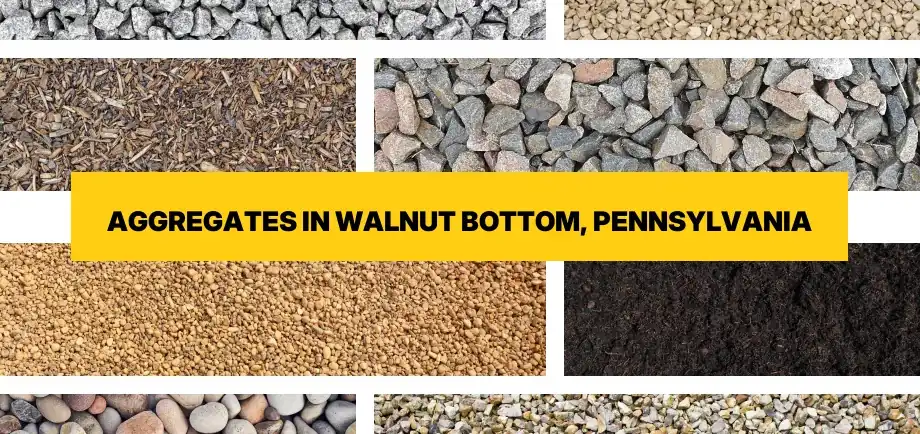
Sand, Aggregates & Gravel for Walnut Bottom, Pennsylvania
Local Topsoil, Dirt, Sand, Rocks and Gravel near me in Walnut Bottom, Pennsylvania
Shop Aggregates for Delivery in Walnut Bottom
Order online for free delivery to any Walnut Bottom address.
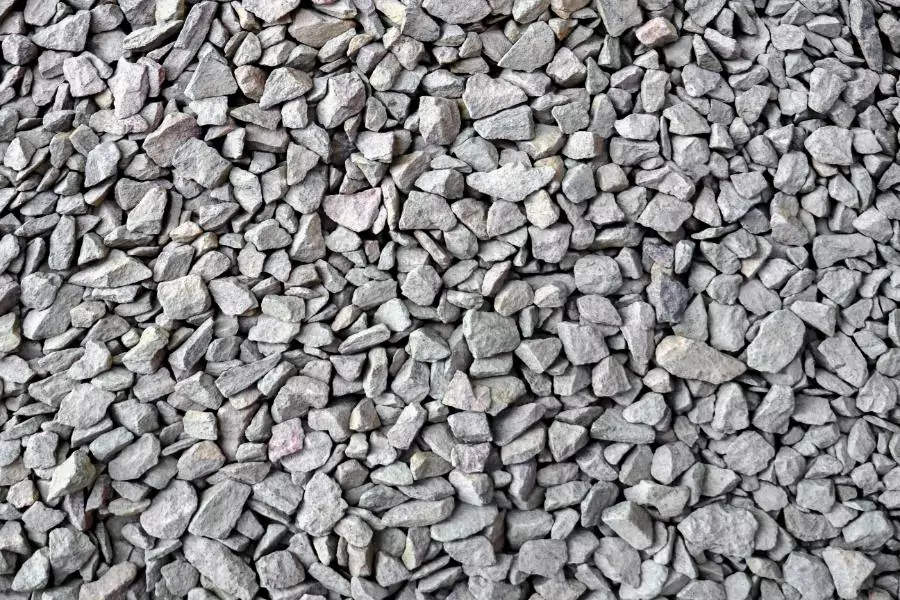
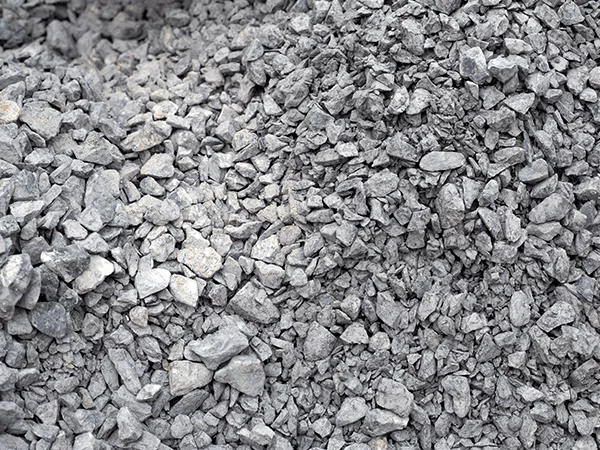


Gravel Monkey is your trusted source for premium gravel and aggregate delivery in Walnut Bottom, Pennsylvania. Nestled in the heart of Cumberland Valley, this charming Southampton Township community has unique geological characteristics that demand high-quality aggregates for lasting construction and landscaping projects. Whether you're building a new driveway along Main Street, creating proper drainage solutions for clay-heavy soils near the historic Old Stone Tavern, or improving a rural property along White Church Road, we deliver professional-grade materials directly to your location with absolutely free delivery throughout the Cumberland Valley region.
Comprehensive Aggregate Materials Available in Walnut Bottom
Our extensive inventory serves residential, commercial, and agricultural properties throughout Walnut Bottom, Shippensburg, Newville, and the greater Cumberland County area. We understand the specific challenges of building in Pennsylvania's limestone-based terrain and provide aggregates engineered for long-term performance in our climate.
- Driveway Gravel - Engineered stone blend perfect for Cumberland Valley residential and farm driveways
- 3/4 inch Crushed Stone - Versatile angular aggregate for driveways, foundations, and drainage applications
- #57 Stone - Industry-standard crushed limestone for drainage systems and concrete work
- Crusher Run - Premium compactable base material ideal for rural and farm lane construction
- Road Base - Heavy-duty aggregate foundation for lasting roadway construction
- Drain Rock - Essential for managing Cumberland Valley's clay soil moisture and preventing water damage
- Pea Gravel - Smooth decorative stone for pathways and landscape features
- River Rock - Natural aesthetic stone for water features and garden beds
- Walkway Gravel - Specialty aggregate designed for pedestrian paths and garden walkways
- Crushed Concrete - Eco-friendly recycled aggregate for sustainable construction projects
- Topsoil - Rich growing medium for gardens and lawn establishment
- Fill Dirt - Quality earth for grading, filling, and leveling projects
- Mason Sand - Fine-grade sand for masonry and mortar applications
- Washed Sand - Clean sand for construction and landscaping projects
- Playground Sand - Safety-tested sand for residential play areas
- Decomposed Granite - Natural compacting material for paths and patios
Understanding Walnut Bottom's Unique Geological Conditions
Walnut Bottom sits in the Great Appalachian Valley, specifically within the Cumberland Valley limestone belt. This geological setting presents distinct characteristics that influence aggregate selection and construction practices. The bedrock consists primarily of Ordovician and Cambrian limestone formations, which weather into the characteristic clay-heavy soils found throughout Southampton Township and neighboring areas.
The local soil profile typically features limestone-derived clay with moderate to poor drainage characteristics. This clay-rich composition creates several challenges for construction projects. During wet seasons, particularly spring and fall when Cumberland County receives its highest precipitation, these soils become saturated and prone to expansion. In winter, freeze-thaw cycles cause frost heave that can damage improperly constructed driveways and foundations. Properties along Valley Road and throughout the agricultural areas around Walnut Bottom regularly experience these seasonal soil movement patterns.
Climate Considerations for Aggregate Projects
Walnut Bottom experiences a humid continental climate with four distinct seasons. Average annual precipitation totals approximately 40 inches, distributed relatively evenly throughout the year. Winter temperatures regularly drop below freezing, with average January lows around 20°F, while summer highs reach the mid-80s°F. This temperature range means aggregates must withstand significant freeze-thaw cycling.
The frost line in Cumberland County extends to approximately 36 inches below grade, which influences foundation depth requirements and the necessity for proper base preparation. Properties near LeTort Spring Run and other waterways must account for seasonal water table fluctuations when planning drainage systems. These environmental factors make proper aggregate selection critical for project longevity.
Driveway Aggregates for Walnut Bottom Properties
Driveways in Walnut Bottom demand carefully selected aggregates to withstand clay soil conditions, seasonal moisture, and Pennsylvania winters. Whether you're building a new driveway for a historic home near the Old Stone Tavern or upgrading a farm lane accessing fields off Route 11, the proper base material makes all the difference.
For residential driveways throughout Southampton Township, a multi-layer approach provides the best results. Start with a compactable base layer that creates a solid foundation and promotes drainage. The angular particles interlock under compaction, creating a stable platform that resists the settling common in clay soils. This base layer should extend below the frost line where possible, particularly for high-traffic areas.
Rural properties and farm lanes benefit from heavy-duty base materials designed for agricultural equipment and sustained use. The compaction characteristics of quality base aggregates create a surface that sheds water rather than allowing pooling, which is essential given Cumberland Valley's clay soil drainage limitations. Many properties along White Church Road and similar rural routes have found success with properly installed aggregate driveways that outperform asphalt in these challenging soil conditions.
Long-Term Driveway Performance
The key to driveway longevity in Walnut Bottom lies in understanding soil interaction. Clay soils expand when wet and contract when dry, creating movement that cracks rigid surfaces. Aggregate driveways flex with this movement while maintaining structural integrity. Proper installation includes adequate depth—typically 6 to 8 inches for residential use and up to 12 inches for farm equipment access.
Edge restraint prevents aggregate migration, particularly important on sloped driveways common in the rolling Cumberland Valley terrain. Properties with significant grade changes benefit from terracing or retention methods that work with the natural topography while maintaining driveway stability.
Comparing Aggregate Types for Cumberland Valley Projects
Different aggregates serve specific purposes in Walnut Bottom's unique environment. Understanding these distinctions helps ensure project success.
| Aggregate Type | Best Applications | Compaction Quality | Drainage Performance | Clay Soil Suitability |
|---|---|---|---|---|
| Crusher Run | Driveway base, farm lanes | Excellent | Very Good | Optimal for clay |
| 3/4" Crushed Stone | Driveways, foundations | Very Good | Excellent | Highly effective |
| #57 Stone | Drainage, concrete mix | Good | Superior | Drainage specialist |
| Road Base | Heavy-duty applications | Excellent | Very Good | Engineered for clay |
| Drain Rock | French drains, footer drains | Minimal | Maximum | Essential for clay |
| Pea Gravel | Decorative paths, landscaping | Poor | Good | Surface use only |
| Crushed Concrete | Eco-friendly base, paths | Good | Very Good | Cost-effective option |
Essential Drainage Solutions for Cumberland Valley Clay Soils
Effective drainage is non-negotiable in Walnut Bottom's clay-rich environment. Without proper water management, even the best construction projects face premature failure. The expansive nature of local clay soils means water control determines long-term success for driveways, foundations, and landscaping features.
French drain systems have become standard practice for properties throughout Southampton Township. These subsurface drainage channels use open-graded aggregates to intercept and redirect water away from structures and hardscapes. Installation involves excavating a trench, lining it with filter fabric to prevent clay infiltration, filling it with appropriate stone, and installing perforated pipe to carry water to safe discharge points.
Foundation perimeter drains protect basements and crawl spaces from hydrostatic pressure that builds in saturated clay soils. Properties near the base of South Mountain or in low-lying areas along LeTort Spring Run tributaries particularly benefit from comprehensive drainage planning. The water table in these locations can rise significantly during spring snowmelt and fall rain events.
Surface Drainage Strategies
Surface water management prevents problems before they reach subsurface levels. Proper grading directs water away from structures and prevents pooling in low spots. Many Walnut Bottom properties incorporate swales—shallow, vegetated channels—that convey runoff to appropriate discharge areas. These work particularly well in agricultural settings where large surface areas generate significant runoff.
Driveway crowning creates a subtle peak in the center that sheds water to edges where it can be collected and directed. This simple technique prevents water infiltration into the base layers where it could cause frost heave or settling. Combined with edge drains or strategically placed culverts, crowned driveways remain stable throughout Cumberland County's weather extremes.
Landscaping Aggregates for Walnut Bottom Gardens and Paths
Decorative aggregates transform ordinary landscapes into attractive outdoor spaces while providing functional benefits. The historic character of Walnut Bottom's residential areas lends itself well to natural stone landscaping that complements traditional Pennsylvania architecture.
Garden pathways benefit from permeable aggregate surfaces that allow water infiltration while providing stable walking surfaces. Unlike concrete or asphalt paths that create impermeable barriers, properly constructed aggregate walks blend with the natural environment and require minimal maintenance. Properties along Main Street and throughout the residential neighborhoods have embraced this aesthetic for connecting garden spaces and outdoor living areas.
Mulch bed borders using natural stone create clean definition between planting areas and lawns. This edging prevents grass encroachment while allowing water and air circulation to plant roots. The contrast between darker soil, green plantings, and light-colored stone creates visual interest that enhances curb appeal throughout the community.
Water Features and Rock Gardens
Natural stone water features capture Cumberland Valley's pastoral character. Whether creating a small fountain as a focal point or constructing a dry creek bed to manage seasonal runoff, carefully selected aggregates provide both beauty and function. Larger rounded stones create naturalistic arrangements while smaller aggregates fill gaps and establish visual continuity.
Rock gardens thrive in Walnut Bottom's climate, offering year-round visual interest with minimal maintenance. Alpine plants nestled among limestone rocks mirror the natural vegetation found in nearby mountain areas. These gardens perform particularly well on slopes where traditional landscaping proves challenging, turning problem areas into landscape assets.
Serving Walnut Bottom's Neighborhoods and Surrounding Communities
Gravel Monkey proudly delivers aggregates throughout Walnut Bottom and the greater Cumberland Valley region. Our service area encompasses diverse property types and community characteristics.
Historic Walnut Bottom Village - The original settlement area around Main Street features historic homes and buildings dating to the 18th and 19th centuries. Properties here often require careful aggregate selection that respects architectural heritage while meeting modern performance standards. We've supplied materials for numerous driveway restorations and period-appropriate landscaping projects that maintain the area's historic character.
White Church Road Corridor - This scenic route connects Walnut Bottom to surrounding agricultural areas and features a mix of historic farms and newer residential properties. The rolling terrain and clay soils require specialized drainage solutions and durable driveway aggregates capable of handling both residential and light agricultural use.
Valley Road Area - Running parallel to the base of South Mountain, this region includes properties with varied topography and drainage challenges. Spring flow from mountain slopes creates unique water management requirements. Our drainage aggregates have helped numerous Valley Road properties establish effective water control systems.
Route 11 Commercial Corridor - The Lincoln Highway through Southampton Township serves commercial and mixed-use properties requiring heavy-duty aggregates for parking areas, access roads, and utility trenches. We regularly supply materials for business site improvements and utility infrastructure projects along this vital transportation route.
Southampton Township Rural Areas - The agricultural heartland surrounding Walnut Bottom includes working farms, rural residences, and recreational properties. Farm lane construction and maintenance represents a significant portion of our aggregate deliveries in these areas, where materials must withstand heavy equipment and seasonal soil conditions.
LeTort Spring Run Vicinity - Properties near this renowned trout stream and its tributaries face unique environmental considerations. We provide aggregates appropriate for sensitive stream corridor locations where erosion control and water quality protection are paramount.
Professional Installation Practices for Cumberland Valley Projects
Proper installation techniques maximize aggregate performance in Walnut Bottom's challenging conditions. While we deliver premium materials, their long-term success depends on correct installation methods adapted to local soil and climate characteristics.
Site preparation begins with removing unsuitable material. In areas with deep clay or organic topsoil, excavation to stable subgrade is essential. Some locations may require geotextile fabric installation to prevent clay infiltration into aggregate layers. This separation layer maintains aggregate integrity and prevents the pumping action that occurs when heavy loads press aggregates into soft subsoil.
Compaction and Layer Building
Systematic compaction creates the density necessary for stable surfaces. Each aggregate layer should be no more than 4 inches thick before compaction, with mechanical compaction using appropriate equipment for the material type and project scale. Residential projects may use plate compactors while larger installations require vibratory rollers.
Moisture content during compaction significantly affects results. Aggregates compact best at optimal moisture content—slightly damp but not saturated. Cumberland Valley's humid climate often provides adequate moisture, but dry periods may require light water application before compaction. Over-wetting, however, creates problems by reducing compaction effectiveness and extending cure times.
Seasonal Installation Considerations
Timing aggregate installation around weather patterns improves outcomes. Spring installation after final frost but before summer heat allows proper settling during the growing season. Fall installation provides similar benefits before winter freeze. Avoid installation during extended wet periods when subgrade soils are saturated and unable to provide adequate support.
Winter installation is possible but requires additional precautions. Frozen subgrade prevents proper compaction and bonding between layers. Snow and ice contamination must be avoided. For necessary winter work, working during daytime temperature peaks and covering completed sections with insulating materials helps achieve acceptable results.
Agricultural Applications in Southampton Township
Walnut Bottom's agricultural heritage continues strong with working farms throughout Southampton Township. These operations require durable aggregates for various applications beyond standard driveways and paths.
Farm lanes connecting fields to barn complexes endure heavy equipment traffic that would quickly destroy inadequately built surfaces. Modern agricultural equipment weighs many tons, concentrating extreme loads on relatively small contact areas. Quality base aggregates spread and distribute these loads, preventing rutting and maintaining year-round access even during wet seasons when clay soils are most vulnerable.
Equipment yards and maintenance areas benefit from aggregate surfaces that resist petroleum contamination while providing stable working platforms. Unlike dirt surfaces that become mud during wet weather, properly installed aggregate yards maintain trafficability and prevent equipment bogging. This improves operational efficiency and reduces soil compaction in surrounding fields.
Livestock Facilities and Paddock Areas
Equestrian properties and livestock operations throughout the Walnut Bottom area use aggregates for barn entrances, sacrifice paddocks, and high-traffic animal areas. These locations experience unique wear patterns from hoof traffic combined with organic waste and water from precipitation and cleaning operations.
Proper drainage is essential in these applications to prevent standing water and associated health issues. Open-graded aggregates allow water percolation while providing firm footing for animals. Many operators install geotextile fabric beneath aggregates in livestock areas to prevent mixing with underlying soil while maintaining drainage capacity.
Frequently Asked Questions About Gravel and Aggregates in Walnut Bottom
We deliver a comprehensive range of aggregates including driveway gravel, crushed stone in multiple sizes, crusher run, road base, pea gravel, river rock, drain rock, recycled concrete, topsoil, fill dirt, and various sand types throughout Walnut Bottom and Cumberland County.
Yes! Gravel Monkey offers FREE delivery to Walnut Bottom and the surrounding Cumberland Valley area for all gravel and aggregate orders. We service the entire region including nearby Shippensburg, Newville, and Carlisle.
For the limestone-based clay soils common in Walnut Bottom and Cumberland Valley, crusher run and road base provide excellent compaction for driveways. Drain rock is essential for managing water in clay-heavy soils to prevent expansion and frost heave during Pennsylvania winters.
For a typical Cumberland County driveway, calculate length times width times depth in feet, then divide by 27 for cubic yards. Most driveways need 4 inches of base material. Our team can help calculate the exact amount for your property.
Spring and fall are ideal for aggregate delivery and installation in Walnut Bottom. Late spring after frost and before summer heat allows proper settling. Fall installation before winter freeze-thaw cycles gives materials time to compact naturally.
Absolutely! We deliver throughout the Cumberland Valley including rural areas, farms, and properties along country roads. Our delivery service covers all of Southampton Township and surrounding communities.
We offer mason sand for bricklaying and mortar work, washed sand for clean applications, and playground sand for safe recreational areas. Each sand type is selected for quality and consistency for Cumberland Valley projects.
Walnut Bottom's rolling terrain requires proper edge restraint, adequate compaction, and sometimes terracing for steep grades. Crowned surfaces that shed water to edges with proper drainage channels prevent washout. We can recommend solutions based on your specific slope conditions.
Environmental Considerations for Cumberland Valley Projects
Walnut Bottom's position within the Chesapeake Bay watershed means construction and landscaping practices affect downstream water quality. Responsible aggregate use includes erosion control measures, proper drainage planning, and selection of materials appropriate for sensitive environmental settings.
Properties near LeTort Spring Run and its tributaries require particular attention to erosion and sediment control. These cold-water streams support sensitive aquatic ecosystems including native trout populations. Aggregate installations in stream corridors should include adequate buffering, stabilization techniques, and selection of materials that minimize fine sediment generation.
Recycled aggregates like crushed concrete offer environmental benefits by diverting materials from landfills while providing performance comparable to virgin stone. These products work well for base layers and non-visible applications where appearance is secondary to function. Many Southampton Township property owners have embraced recycled aggregates as part of sustainable land management practices.
Stormwater Management
Modern stormwater regulations emphasize infiltration and water quality protection. Permeable aggregate surfaces contribute to these goals by allowing precipitation to soak into underlying soils rather than running off into storm sewers and streams. This reduces peak flows during storm events and filters pollutants through natural soil processes.
Rain gardens and bioswales incorporate aggregates in their construction to facilitate drainage while supporting specialized plantings. These green infrastructure elements have gained popularity throughout Walnut Bottom as attractive, functional landscape features that address regulatory requirements while enhancing property aesthetics.
Maintaining Aggregate Surfaces in Pennsylvania's Climate
While aggregate surfaces require less maintenance than asphalt or concrete, periodic attention extends their service life and maintains appearance. Cumberland Valley's seasonal weather patterns create specific maintenance requirements.
Spring inspections should identify winter damage including frost heave displacement and erosion from snowmelt. Raking aggregate surfaces smooths minor irregularities and redistributes material that has migrated from high-traffic areas. Adding fresh aggregate to worn sections restores proper grade and appearance. This is particularly important for driveways that have experienced settlement in soft clay subsoils.
Weed control prevents vegetation establishment in aggregate surfaces. While some property owners prefer minimal herbicide use, periodic weeding or natural suppression methods maintain clean appearances. Fabric barriers beneath aggregates significantly reduce weed problems but should be installed during original construction for maximum effectiveness.
Winter Maintenance Practices
Snow removal on aggregate surfaces differs from paved areas. Setting plow blades slightly higher than the surface prevents aggregate removal while effectively clearing snow. Many Walnut Bottom residents find that aggregate driveways actually perform better than asphalt in winter because dark stone absorbs solar heat, promoting snow melt. The permeable nature also eliminates black ice formation common on impermeable surfaces.
De-icing materials should be used judiciously on aggregate surfaces. While these surfaces don't suffer the chemical damage that affects concrete, excessive salt can migrate into surrounding soils and groundwater. Sand provides traction without chemical concerns and naturally integrates with stone surfaces.
Professional Aggregate Delivery Throughout Cumberland Valley
Gravel Monkey brings professional-grade aggregates directly to your Walnut Bottom property with free delivery throughout Southampton Township and surrounding areas. Our extensive material inventory, local knowledge, and commitment to customer service have made us the preferred aggregate supplier for Cumberland Valley residential, commercial, and agricultural projects.
Whether you're planning a new driveway installation, addressing drainage challenges common in local clay soils, or creating landscape features that enhance your property, we provide the materials and expertise to ensure success. Our team understands Walnut Bottom's unique geological characteristics and can recommend appropriate aggregates for your specific situation.
From historic properties along Main Street to working farms in rural Southampton Township, from residential projects near White Church Road to commercial developments along Route 11, Gravel Monkey delivers the aggregates that make projects succeed. Experience the difference that quality materials and knowledgeable service bring to your next project.

Need help? Reach out for a quote: