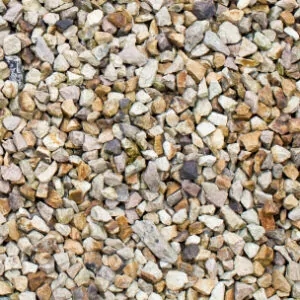
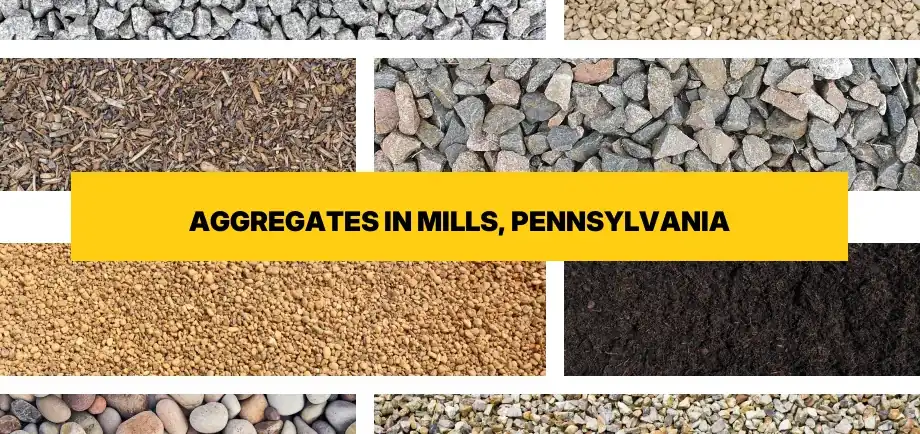
Rock & Driveway Gravel in Mills, Pennsylvania
Local Topsoil, Dirt, Sand, Rocks and Gravel near me in Mills, Pennsylvania
Shop Aggregates for Delivery in Mills
Order online for free delivery to any Mills address.
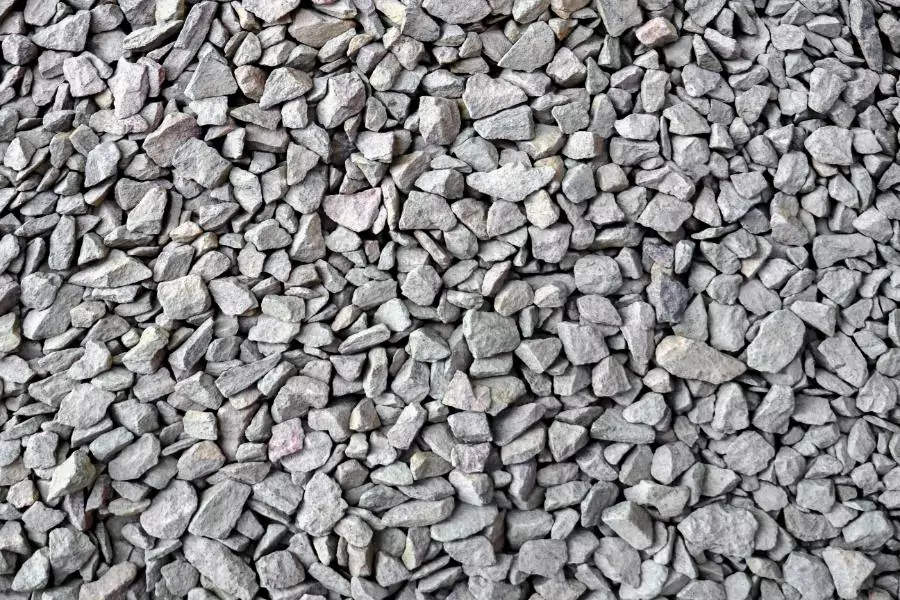
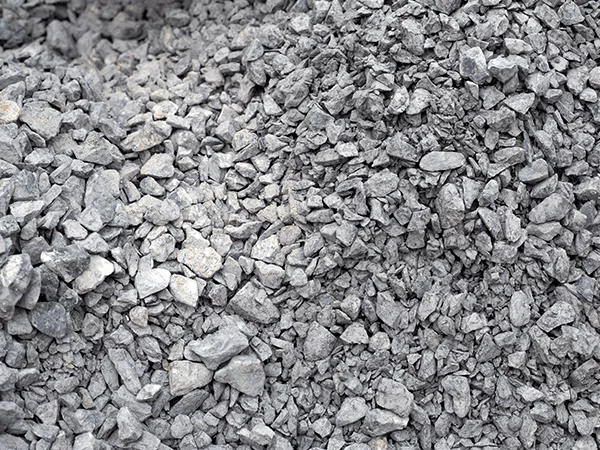


Gravel Monkey delivers premium aggregates and bulk materials throughout Mills, Pennsylvania, serving residential and commercial properties with professional-grade products at no delivery charge. Located in the rolling hills of Westmoreland County, Mills sits within a landscape shaped by Pennsylvania's glacial history and sedimentary geology, making proper drainage and stable foundations essential for any outdoor project. Whether you're improving a property near the Loyalhanna Creek watershed, upgrading a rural driveway along Route 981, or tackling landscaping projects in the surrounding Ligonier Valley area, we supply the high-quality aggregates your Mills property demands.
Complete Range of Aggregates Available in Mills, PA
Our extensive selection covers every application from foundation work to decorative landscaping. Each aggregate type serves specific purposes for Mills properties dealing with the region's clay-rich soils and seasonal weather patterns:
- Driveway Gravel - Engineered blend for long-lasting residential and farm driveways
- 3/4 inch Crushed Stone - Multi-purpose aggregate for bases and drainage applications
- #57 Stone - Clean angular aggregate ideal for drainage systems and concrete work
- Crusher Run - Superior compaction material for roads and heavy-duty bases
- Road Base - Professional-grade foundation for driveways and access roads
- Pea Gravel - Smooth decorative stone for pathways and garden beds
- River Rock - Natural rounded stone for landscaping features
- Walkway Gravel - Comfortable aggregate sized perfectly for pedestrian paths
- Drain Rock - Angular stone engineered for maximum water flow
- Topsoil - Nutrient-rich soil for gardens and lawn establishment
- Fill Dirt - Clean fill for grading and elevation projects
- Crushed Concrete - Eco-friendly recycled aggregate for sub-base applications
- Mason Sand - Fine-grade sand for mortar and masonry work
- Playground Sand - Clean, safe sand for play areas and sandboxes
- Washed Sand - Premium clean sand for concrete and construction
- Decomposed Granite - Natural compactable material for rustic pathways
Serving Mills and Surrounding Westmoreland County Communities
Gravel Monkey proudly serves properties throughout Mills and neighboring communities across western Pennsylvania. Our delivery territory encompasses the scenic Laurel Highlands region, where properties often require specialized drainage solutions due to the area's topography and soil composition. We regularly deliver to locations near the Ligonier Valley, where rolling terrain and seasonal runoff create unique challenges for driveways and landscaping projects.
Our service area extends throughout the greater Westmoreland County region, reaching properties near Ligonier to the east, Latrobe to the north, and Youngstown to the west. The Mills area is characterized by its rural character and agricultural heritage, with many properties featuring long driveways, working farms, and extensive acreage. Properties near the Chestnut Ridge require aggregates that can handle both heavy vehicle traffic and Pennsylvania's freeze-thaw cycles, which can stress inferior materials.
We deliver to residential properties, farm operations, commercial sites, and municipal projects throughout the area surrounding the Loyalhanna Creek watershed. Whether your project is located near the historic Lincoln Highway corridor or tucked into the wooded hillsides characteristic of the region, we ensure timely delivery of quality aggregates. Local contractors and homeowners near Route 981 and Route 711 rely on our materials for everything from driveway renovation to large-scale site development.
Understanding Mills' Soil and Climate Conditions
The Mills area sits within the Appalachian Plateau region of Pennsylvania, where bedrock geology consists primarily of sedimentary formations including sandstone, shale, and coal-bearing strata. This geology has produced soils with significant clay content, particularly in valley locations near waterways. The clay-rich soils common throughout Westmoreland County present specific challenges: poor drainage, frost heaving during winter months, and difficulty maintaining stable surfaces without proper aggregate base materials.
Mills experiences a humid continental climate with four distinct seasons. Winter temperatures regularly drop below freezing, with average January lows around 20°F, while summer highs typically reach the low 80s°F. Annual precipitation averages approximately 42 inches, distributed fairly evenly throughout the year, though spring often brings increased rainfall. This moisture combines with freeze-thaw cycles to create significant stress on driveways, foundations, and outdoor surfaces.
The freeze-thaw cycle poses particular challenges for Mills properties. Water infiltrates soil and aggregate materials during wet periods, then expands upon freezing, creating upward pressure known as frost heave. This process can lift and crack poorly constructed driveways, destabilize foundations, and damage landscaping features. Proper aggregate selection and installation depth become critical factors in preventing these issues across properties in the Ligonier Valley and surrounding areas.
Local soil surveys indicate that many Mills area properties feature soils in the Gilpin-Weikert association, characterized by moderate to steep slopes, shallow depth to bedrock, and seasonal saturation issues. These conditions make proper drainage systems essential for any construction or landscaping project. Aggregates must provide both structural stability and efficient water management to perform well in this environment.
Choosing the Right Aggregate for Your Mills Project
Selecting appropriate materials depends on your specific application, soil conditions, and performance requirements. Here's how different aggregates compare for common Mills area projects:
| Aggregate Type | Best Applications | Compaction Quality | Drainage Performance | Freeze-Thaw Resistance |
|---|---|---|---|---|
| Crusher Run | Driveway bases, roads, parking areas | Excellent | Good | Excellent |
| 3/4" Crushed Stone | Drainage, foundations, general use | Very Good | Excellent | Excellent |
| #57 Stone | Drainage systems, concrete aggregate | Moderate | Excellent | Very Good |
| Road Base | Heavy-duty roads, commercial drives | Excellent | Good | Excellent |
| Pea Gravel | Decorative landscaping, walkways | Poor | Very Good | Good |
| Drain Rock | French drains, foundation drainage | Poor | Excellent | Very Good |
| Crushed Concrete | Sub-base, temporary roads, fill | Very Good | Good | Good |
Driveway Aggregates for Mills Properties
Rural and suburban driveways in Mills face demanding conditions: heavy vehicle loads, steep grades common to the Laurel Highlands topography, and Pennsylvania's harsh winter weather. A proper driveway requires multiple layers of aggregate materials working together to create a stable, long-lasting surface that resists rutting, washouts, and frost damage.
The foundation layer typically consists of crusher run or road base, both excellent choices for Mills area properties. These materials contain a mixture of stone sizes from dust to larger aggregate pieces, allowing them to compact into a dense, stable base that distributes vehicle weight effectively. For properties near the Loyalhanna Creek watershed or other low-lying areas, this base layer should be at least 6 inches deep to prevent moisture infiltration from saturated soils below.
Over the compacted base, a surface layer of 3/4 inch crushed stone or driveway gravel provides the final driving surface. These angular aggregates interlock under traffic, maintaining surface integrity while allowing water to percolate through to the drainage layer below. Properties with steeper slopes benefit from slightly larger aggregate in the surface layer to resist downhill migration during heavy rains common in spring throughout the Ligonier Valley.
For farm driveways and commercial access roads handling heavy equipment or frequent truck traffic, road base provides superior load-bearing capacity. This engineered material compacts to near-concrete density while maintaining some flexibility, crucial for accommodating the ground movement that occurs during freeze-thaw cycles. Many agricultural operations near Mills choose this material for high-traffic areas like barn approaches and equipment storage access.
Proper Driveway Installation Techniques
Success depends on proper preparation and installation techniques suited to western Pennsylvania conditions. First, excavate the driveway area to proper depth—typically 8 to 12 inches for residential drives, deeper for commercial applications. Remove all organic material, topsoil, and unsuitable clay that could create soft spots or drainage issues.
Grade the excavated surface to promote drainage away from buildings and toward appropriate drainage areas. In the Mills area, where clay soils can create perched water tables, consider installing perforated drainage pipe along the driveway edges, backfilled with drain rock to intercept and redirect subsurface water flow. This prevents water accumulation beneath the driveway base.
Install the base layer in 4-inch lifts, compacting each layer thoroughly before adding the next. Proper compaction cannot be overstated—it creates the density and stability that prevent future settling and rutting. Rent a plate compactor or vibratory roller for best results, making multiple passes until the material no longer shows visible compression under the equipment's weight.
After compacting the final base layer, add the surface aggregate and compact it similarly. For areas prone to washouts during heavy rain—common on hillside driveways throughout the Laurel Highlands—consider adding drainage swales or water bars to redirect surface runoff before it gains enough velocity to erode the driveway surface.
Drainage Solutions for Westmoreland County Properties
Effective drainage systems protect foundations, prevent basement flooding, and maintain stable yards and driveways across Mills area properties. The region's clay soils, combined with its rolling topography and reliable precipitation, make drainage management essential for property longevity and usability.
French drains represent the most common drainage solution for Mills properties. These trenches filled with drain rock and perforated pipe intercept and redirect subsurface water flow, preventing moisture accumulation near foundations and in low-lying areas. The angular aggregate used in French drains—typically #57 stone—creates void spaces that allow rapid water movement while preventing soil infiltration that would clog the system.
Foundation drainage systems should be installed at the footing level, completely surrounding the building perimeter. This placement intercepts water before it can enter basement walls or create hydrostatic pressure against foundations. For properties built on the hillsides common near the Chestnut Ridge, upslope interceptor drains may be necessary to capture groundwater flow before it reaches the building site.
Yard drainage challenges often arise in the Mills area due to soil compaction and clay content that prevents water infiltration. Dry wells filled with crushed stone or drain rock can provide infiltration points for surface runoff, reducing standing water and muddy areas. These are particularly effective for capturing roof drainage from downspouts, preventing foundation moisture problems while recharging local groundwater supplies.
For properties experiencing driveway washouts during heavy rains, culvert installations with properly sized crushed concrete or road base approaches help manage water crossing driveways. The aggregate approach prevents erosion and provides stable vehicle access even during wet conditions common in spring throughout western Pennsylvania.
Decorative and Landscaping Aggregates
Beyond functional applications, decorative aggregates enhance Mills area properties with attractive, low-maintenance landscaping solutions. These materials provide visual interest while serving practical purposes like weed suppression, moisture retention, and erosion control on slopes characteristic of the Laurel Highlands terrain.
Pea gravel remains popular for garden pathways, patio areas, and ground cover around plants. Its smooth, rounded stones feel comfortable underfoot and resist embedding in shoes, making it ideal for high-traffic recreational areas. The neutral earth tones complement both traditional and contemporary landscape designs common throughout Westmoreland County properties.
River rock creates natural-looking decorative accents perfect for dry creek beds, water feature surrounds, and mulched planting areas. Available in various sizes, these smooth stones add texture and visual weight to landscape designs. Larger river rock works particularly well for erosion control on slopes, where individual stones are heavy enough to resist displacement during heavy rain events.
Walkway gravel provides an intermediate option between functional and decorative applications. Sized for comfortable walking, this material creates attractive paths through gardens and connects landscape features while providing excellent drainage. Properties near wooded areas use this material for woodland paths that maintain a natural aesthetic while providing stable walking surfaces.
Decomposed granite offers a more formal appearance with its fine texture and ability to compact into a relatively firm surface. This material works well for formal garden paths, patio bases, and Mediterranean-style landscape designs. Its natural color variations complement the stone and brick materials common in western Pennsylvania architecture.
Commercial and Municipal Aggregate Applications
Mills area businesses, municipalities, and contractors rely on quality aggregates for infrastructure projects, commercial developments, and public works throughout Westmoreland County. Gravel Monkey supplies materials meeting specifications for demanding commercial applications while maintaining the same free delivery commitment we extend to residential customers.
Commercial parking lots require substantial base preparation to handle constant traffic loads and Pennsylvania's weather extremes. Road base provides the structural foundation, compacted to specified density and graded for proper drainage. The surface may receive asphalt or concrete pavement, or in some applications, remain as a stabilized aggregate surface using crusher run as the final layer.
Municipal road maintenance consumes significant quantities of aggregates throughout the year. Winter frost heaving creates potholes and surface deterioration requiring regular repair with proper base materials. Road base and crusher run provide the structural repair materials, while clean crushed stone offers temporary surface treatments until comprehensive reconstruction can be scheduled.
Construction sites throughout the Mills area use aggregates for access roads, staging areas, and foundation work. Crushed concrete provides an economical, environmentally responsible choice for temporary roads and work surfaces, offering good compaction and load-bearing capacity at lower cost than virgin aggregate. Once projects complete, this recycled material can remain in place as quality sub-base for permanent improvements.
Contractors working on new development projects require reliable aggregate delivery for multiple applications: foundation drainage systems, utility trench backfill, roadway construction, and site grading. Our ability to supply diverse materials on a coordinated schedule helps keep projects moving efficiently while maintaining quality standards critical for long-term performance in Pennsylvania's challenging environment.
Topsoil and Fill Dirt for Mills Properties
Quality soil products prove essential for establishing lawns, gardens, and proper site grading across Mills area properties. The native clay soils common to Westmoreland County often require amendment or replacement to support healthy plant growth and proper drainage, particularly for properties being developed from former agricultural or wooded land.
Our topsoil provides the organic content and friable texture necessary for successful gardening and lawn establishment. Unlike the heavy clay subsoils native to much of the Mills area, quality topsoil drains adequately while retaining sufficient moisture for plant roots. For vegetable gardens, raised beds, and flower plantings, 6 to 8 inches of topsoil over properly prepared native soil creates optimal growing conditions.
Lawn establishment requires 4 to 6 inches of topsoil over the graded surface. This depth ensures grass roots can penetrate sufficiently for strong establishment while providing adequate nutrient availability. For properties near the Ligonier Valley where slopes are common, proper grading and soil depth prevent erosion while supporting healthy turf that further stabilizes the surface.
Fill dirt serves different purposes than topsoil—primarily structural rather than horticultural. This clean material contains minimal organic content, preventing settling that could occur as organic matter decomposes. Use fill dirt for raising grade elevations, filling depressions, and creating level building sites on the sloped terrain characteristic of the Laurel Highlands.
When establishing proper drainage grading around foundations, fill dirt provides stable material that compacts reliably without future settling. Slope the filled area away from the building at minimum 6 inches over 10 feet of horizontal distance, creating positive drainage that protects foundations from moisture infiltration common in Pennsylvania's wet climate.
Sand Products for Construction and Recreation
Quality sand products serve diverse applications from masonry work to children's play areas across Mills properties. Each sand type offers specific characteristics suited to particular uses, and using the appropriate product ensures optimal results whether you're mixing mortar or creating a safe playground surface.
Mason sand provides the fine, consistent particles necessary for mortar and masonry applications. This washed sand contains minimal clay or silt, ensuring proper cement hydration and strong bonding in mortar joints. Masons throughout Westmoreland County rely on this material for everything from brick patios to stone retaining walls common in Laurel Highlands landscaping.
Playground sand creates safe, cushioned surfaces for children's play equipment and sandboxes. This clean, fine-textured sand contains no sharp particles or contaminants, meeting safety standards for recreational applications. Many Mills area properties with families choose this material for backyard play areas, providing active outdoor recreation in a safe environment.
Washed sand serves construction applications requiring clean aggregate, particularly for concrete mixing and paver installations. The washing process removes clay, silt, and organic material that could compromise concrete strength or cause staining on paver surfaces. Contractors use this premium sand for projects requiring consistent quality and performance.
For equestrian facilities common to the Mills area's rural character, sand provides footing material for riding arenas and paddock surfaces. Mixed with appropriate additives for dust control and compaction resistance, sand creates all-weather riding surfaces that drain well while providing secure footing for horses. The region's horse farms and recreational properties often require bulk sand delivery for arena construction and maintenance.
Environmentally Responsible Aggregate Choices
Crushed concrete demonstrates how recycled materials can deliver performance matching virgin aggregates while reducing environmental impact. This material, created by crushing and processing demolished concrete structures, provides excellent properties for many applications at Mills area properties while diverting material from landfills and reducing demand for quarried stone.
For driveway sub-base applications, crushed concrete compacts effectively and provides good load distribution. Its recycled nature makes it an economical choice for long farm lanes, secondary access roads, and other applications where the base will be covered by other materials. The material performs particularly well in areas subject to freeze-thaw cycling, as the recycled concrete aggregate resists deterioration from repeated freezing.
Erosion control applications also benefit from crushed concrete's angular shape and interlocking characteristics. Used as slope protection or channel lining material, it resists displacement while allowing water infiltration that reduces runoff volume. This dual functionality makes it valuable for stormwater management projects throughout the Mills area's varied topography.
Beyond crushed concrete, sustainable aggregate use includes proper material selection to minimize waste and maximize longevity. Choosing appropriately sized and graded materials for specific applications ensures optimal performance and durability, reducing the frequency of replacement or repair. This approach conserves both natural resources and the energy required for material extraction, processing, and transportation.
Professional Installation Guidelines for Mills Projects
Successful aggregate projects require more than quality materials—proper installation techniques ensure long-term performance and durability in Pennsylvania's challenging climate. Whether you're tackling a DIY project or working with professional contractors, understanding these fundamental principles helps achieve optimal results.
Site Preparation Essentials
Adequate excavation and preparation prevent most aggregate project failures. Remove all organic material, topsoil, roots, and debris from the project area. Vegetation and organic matter will decompose over time, creating voids that lead to settling and surface failure. For driveway and parking area projects, excavate to proper depth based on anticipated traffic loads and soil conditions.
Address drainage at the preparation stage rather than attempting corrections after installation. Grade the excavated surface to direct water away from structures and toward appropriate drainage paths. In Mills area properties where clay soils create slow infiltration, install drainage systems before placing aggregate base materials. This prevents water accumulation that could destabilize the entire project.
Compaction and Layer Thickness
Proper compaction creates the density and stability that determine project longevity. Place aggregate materials in lifts no thicker than 4 inches, compacting each layer before adding the next. Attempting to compact thicker layers results in adequate surface density but loose material beneath, which will settle and fail under use.
Rent or hire equipment appropriate to project scale and material type. Plate compactors work well for small areas and thinner lifts, while vibratory rollers handle larger projects and thicker materials more efficiently. Make multiple passes in different directions until the material shows no visible compression under the equipment. This thoroughness prevents future settling and maintains surface stability.
Seasonal Considerations
Pennsylvania's climate affects aggregate installation timing and techniques. Avoid placing and compacting aggregates when temperatures approach freezing, as frozen ground and materials prevent proper compaction. Spring and fall offer ideal conditions in the Mills area—moderate temperatures and typically drier ground conditions facilitate good compaction results.
Summer installations proceed successfully with attention to moisture content. Aggregates compact best at optimal moisture levels—too dry and particles don't interlock properly; too wet and excess water prevents density. Light watering during hot, dry periods helps achieve proper compaction, while delaying work during heavy rain prevents moisture problems.
Frequently Asked Questions About Aggregates in Mills, PA
Crusher run provides the best performance in Mills' clay-rich soils due to its mixture of stone sizes that compact into a dense, stable base. This material resists the moisture and freeze-thaw issues common in western Pennsylvania while providing excellent load distribution. For surface layers, 3/4 inch crushed stone or driveway gravel offers durability and proper drainage characteristics needed for the local climate.
Residential driveways typically require 8 to 12 inches total depth—6 inches of compacted base material like crusher run, topped with 2 to 4 inches of surface aggregate. Properties with heavy clay soils or steep grades common near the Laurel Highlands may need deeper sections, up to 16 inches in challenging areas. Commercial applications and farm roads handling heavy equipment require even deeper aggregate sections, often 12 to 18 inches total.
Yes, we provide free delivery throughout Mills and the surrounding Westmoreland County area for all aggregate and material orders. This includes residential properties, farms, commercial sites, and municipal projects across the region. Our delivery service covers the entire Mills area, from properties near Ligonier to locations throughout the Loyalhanna Creek watershed and beyond.
Number 57 stone or 3/4 inch crushed stone work excellently for foundation drainage systems in Mills. These sizes provide optimal void space for water flow while resisting soil infiltration that could clog the drainage system. For French drains and foundation perimeter systems, use these aggregates in conjunction with perforated drain pipe and proper filter fabric to ensure long-term performance in Pennsylvania's wet climate.
Spring through fall offer the best installation conditions in Mills, with moderate temperatures and workable ground conditions. Winter installations become problematic when ground freezes or snow covers the work area, preventing proper compaction. However, emergency repairs and some applications can proceed during winter with appropriate techniques. Summer installations work well with attention to moisture content during compaction.
Calculate area in square feet by multiplying length times width. Then multiply by depth in feet to get cubic feet. Divide by 27 to convert to cubic yards, which is how aggregates are typically sold. For example, a driveway 50 feet long by 12 feet wide needing 6 inches depth equals 600 square feet times 0.5 feet equals 300 cubic feet, divided by 27 equals roughly 11 cubic yards. Our team can help verify calculations and recommend appropriate quantities for Mills area projects.
Crusher run contains a blend of stone sizes from dust particles up to larger aggregate pieces, typically 3/4 inch maximum. This mixture allows the material to compact very tightly as smaller particles fill voids between larger stones, creating exceptional stability and load-bearing capacity. Regular crushed stone contains uniformly sized particles that provide excellent drainage but less compaction density than crusher run's blended gradation.
For many applications, crushed concrete performs comparably to virgin stone while offering environmental and economic benefits. It compacts well, provides good load-bearing capacity, and resists Pennsylvania's freeze-thaw cycles effectively. However, for applications requiring specific engineering properties or where the aggregate will remain exposed as a final surface, virgin stone may be preferred for its uniform appearance and performance characteristics.
Professional Aggregate Delivery Throughout Mills, Pennsylvania
Gravel Monkey combines quality materials with reliable delivery service, supporting residential, commercial, and municipal projects across Mills and greater Westmoreland County. Our comprehensive inventory ensures you'll find the right aggregate for your specific application, whether you're building a new driveway along Route 981, improving drainage near the Loyalhanna Creek watershed, or creating attractive landscaping throughout the Ligonier Valley.
Every delivery arrives on schedule with professional drivers familiar with Mills area roads and properties. Our team understands the unique challenges presented by western Pennsylvania's geology, climate, and terrain, and we're ready to help you select materials that will perform reliably for years in this demanding environment. From small residential projects to large commercial developments, we supply the aggregates that make successful outcomes possible.
Experience the difference that quality aggregates and professional service make for your Mills property. Our free delivery commitment, extensive material selection, and local expertise ensure your project starts with the right foundation for long-term success in Pennsylvania's Laurel Highlands region.

Need help? Reach out for a quote: