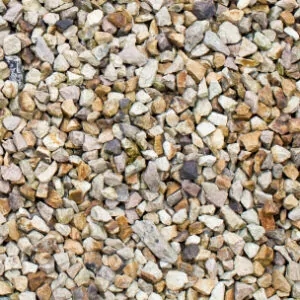
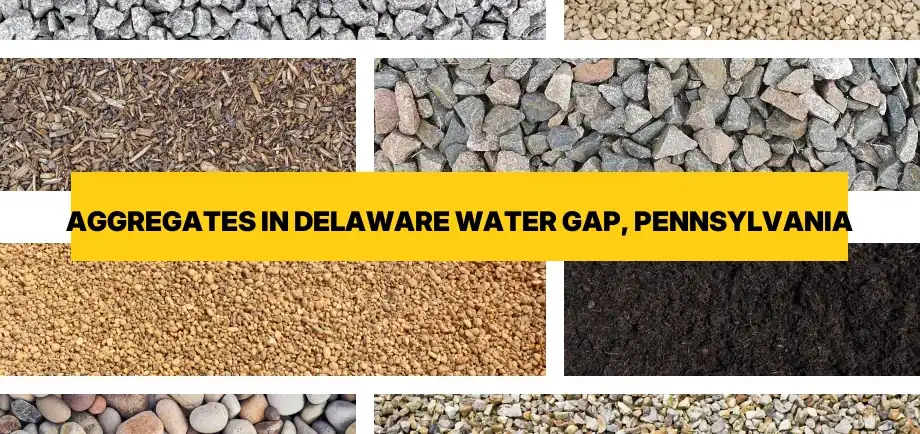
Shop Bulk Materials & Gravel in Delaware Water Gap, Pennsylvania
Local Topsoil, Dirt, Sand, Rocks and Gravel near me in Delaware Water Gap, Pennsylvania
Shop Aggregates for Delivery in Delaware Water Gap
Order online for free delivery to any Delaware Water Gap address.
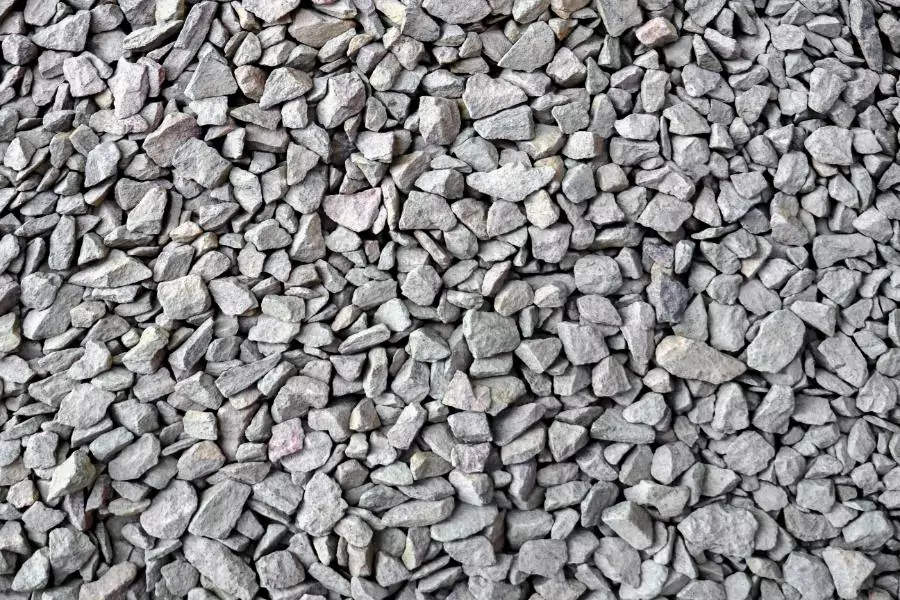
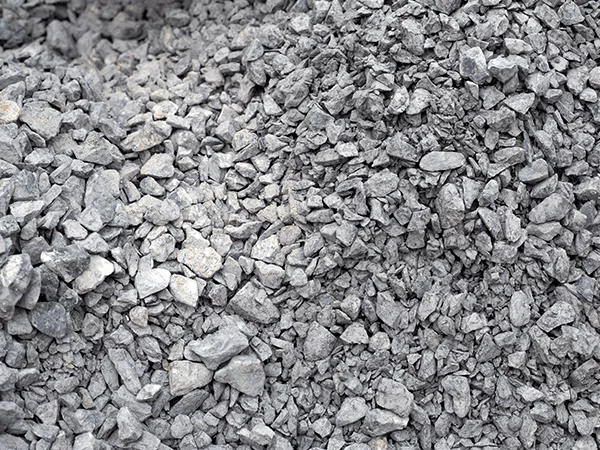


Nestled where the Delaware River carves through the Appalachian Mountains, Delaware Water Gap presents unique challenges for property owners needing quality aggregates and landscaping materials. Gravel Monkey delivers premium gravel, crushed stone, and specialized materials directly to your mountain property with free delivery throughout Monroe County. Whether you're stabilizing a steep driveway near the national recreation area, managing drainage on a wooded lot along River Road, or creating walkways around your Pocono Mountains retreat, we provide the right aggregates for this distinctive glacially-carved landscape.
Complete Range of Aggregates for Delaware Water Gap Properties
The mountainous terrain and glacial soils of Delaware Water Gap demand specialized materials that perform reliably through harsh winters and heavy rainfall. We deliver construction-grade aggregates suited for the Pocono region's geological conditions:
- Driveway Gravel - Engineered base material for steep mountain driveways
- Crusher Run - Superior compaction for grades and roadways
- 3/4 inch Crushed Stone - Versatile aggregate for foundations and drainage
- #57 Stone - Standard construction aggregate for multiple applications
- Road Base - Heavy-duty foundation material for mountain access roads
- Drain Rock - Angular stone for critical drainage systems
- River Rock - Naturally tumbled stone for aesthetic landscaping
- Pea Gravel - Smooth aggregate for pathways and ground cover
- Walkway Gravel - Specialty blend for pedestrian surfaces
- Crushed Concrete - Recycled aggregate for eco-conscious projects
- Topsoil - Nutrient-rich soil for mountain gardens
- Fill Dirt - Grading material for slope management
- Mason Sand - Fine sand for masonry and stonework
- Playground Sand - Safe, clean sand for play areas
- Washed Sand - Clean sand for concrete and various applications
- Decomposed Granite - Natural compacting material for trails
Aggregate Solutions for Delaware Water Gap's Mountain Environment
Delaware Water Gap sits at approximately 400 feet elevation where the Delaware River breaks through Kittatinny Ridge, creating dramatic topography that influences every property decision. The area's geology consists primarily of Oquaga and Marcellus shale bedrock overlaid with glacial till deposits from the Wisconsin glaciation period. This combination creates challenging soil conditions with variable drainage and significant slope considerations.
Properties throughout the borough and surrounding areas face steep grades, with many residential areas along Mountain Road, River Road, and Main Street built on hillsides overlooking the river gap. The region receives over 50 inches of precipitation annually, concentrated during spring thaws and summer thunderstorms rolling through the Appalachian passes. Winter temperatures regularly drop below 20°F, creating freeze-thaw cycles that stress improperly installed aggregates.
Serving All Delaware Water Gap Neighborhoods and Surrounding Areas
We deliver throughout the Delaware Water Gap area including properties near the historic downtown along Main Street, residential neighborhoods on Mountain Road, riverside properties along River Road, hillside homes in the East Side area, vacation properties around Arrow Island Recreation Area, woodland lots near Kittatinny Point, developments approaching Mount Bethel to the north, and mountain retreats extending toward Stroudsburg and East Stroudsburg. Our delivery drivers are experienced with navigating steep, winding Pocono Mountain roads and can access properties that larger commercial vehicles cannot reach.
Why Delaware Water Gap Properties Need Specialized Aggregates
The glacial soils common throughout Monroe County create specific challenges. The mix of clay-rich till, sandy deposits, and rocky substrate means drainage varies dramatically even within a single property. Many lots slope at 15 percent or greater, requiring aggregates with superior compaction and erosion resistance. The Shawangunk conglomerate and sandstone bedrock underlying the area can be extremely close to the surface, limiting excavation depth and requiring proper base materials for any construction.
Freeze-thaw cycles in the Pocono Mountains region are particularly aggressive. When temperatures oscillate around freezing—common from November through April—moisture trapped in soil and aggregate layers expands and contracts, leading to frost heave. Properties without proper drainage and appropriate aggregate materials experience rutting, washouts, and structural settling. This makes material selection critical for long-term performance.
Mountain Driveway Solutions with Premium Aggregates
Steep driveways present Delaware Water Gap's most common challenge. A typical mountain property driveway might ascend 50 to 100 feet over a relatively short distance, creating grades that challenge both traction and structural stability. For these demanding applications, proper aggregate selection makes the difference between a reliable access route and a maintenance nightmare.
Base preparation begins with addressing the native glacial till. This clay-heavy soil expands when wet and freezes solid in winter. We recommend excavating 8 to 12 inches minimum, then installing a compacted base layer using road base or crusher run. These materials contain angular particles ranging from dust to 1.5 inches that mechanically lock together when compacted, creating a stable foundation that resists deformation under load.
The surface layer requires angular aggregates that provide traction on steep grades. Number 57 stone or three-quarter inch crushed stone work excellent as final surface materials. Their angular shape prevents the rolling and migration that occurs with rounded river rock. For properties experiencing significant runoff, incorporating drain rock along driveway edges creates collection channels that prevent water from undermining the aggregate base.
Drainage Systems Essential for Pocono Properties
With Delaware Water Gap receiving 50-plus inches of annual rainfall, drainage infrastructure is non-negotiable. Spring snowmelt from the surrounding Kittatinny Ridge sends volumes of water downslope, while summer thunderstorms can deposit several inches in a single event. Properties without proper drainage experience foundation problems, basement flooding, and yard erosion.
French drain systems using drain rock provide effective subsurface water management. The angular, uniformly-sized stone creates void spaces of approximately 40 percent, allowing water to flow freely while supporting soil structure above. For surface drainage, swales lined with river rock or larger crushed stone slow water velocity and encourage infiltration, protecting downslope areas from erosion.
Many Delaware Water Gap properties benefit from curtain drains installed upslope from structures. These interceptor systems use perforated pipe surrounded by drain rock to capture groundwater before it reaches building foundations. The high water table common in valley areas makes these systems particularly important for basement waterproofing.
Selecting the Right Aggregate for Your Delaware Water Gap Project
Understanding aggregate characteristics helps property owners choose materials suited for specific applications in this mountain environment. Different stone types offer distinct advantages based on particle size, shape, and composition.
| Aggregate Type | Best Applications | Size Range | Compaction | Drainage |
|---|---|---|---|---|
| Crusher Run | Driveway base, road foundation | Dust to 1.5 inches | Excellent | Moderate |
| Road Base | Heavy-duty access roads, steep grades | Dust to 2 inches | Superior | Moderate |
| 3/4 inch Crushed Stone | Driveway surface, foundation base | 0.5 to 0.75 inches | Good | Good |
| #57 Stone | Drainage, concrete aggregate, surface layer | 0.5 to 1 inch | Moderate | Excellent |
| Drain Rock | French drains, foundation drainage | 0.75 to 1.5 inches | Poor | Superior |
| Pea Gravel | Walkways, landscaping, decorative | 0.25 to 0.5 inches | Poor | Good |
| River Rock | Landscaping beds, erosion control | 1 to 3 inches | None | Moderate |
| Crushed Concrete | Temporary roads, sub-base, eco-projects | Dust to 2 inches | Good | Moderate |
Angular aggregates like crusher run and road base derive their compaction properties from particle shape and gradation. The mix of large and small particles allows smaller pieces to fill voids between larger stones, creating a dense, interlocking matrix. When properly compacted with a vibratory roller or plate compactor, these materials achieve load-bearing capacities suitable for vehicle traffic and structural support.
Rounded aggregates like pea gravel and river rock serve different purposes. Their smooth surfaces allow individual particles to roll past each other rather than interlock, making them unsuitable for load-bearing applications but ideal for decorative landscaping and areas where flexibility is desired. These materials work well around foundation plantings, in dry creek beds for erosion control, and as attractive ground cover along walkways.
Working with Pocono Seasons and Weather Patterns
Delaware Water Gap experiences distinct seasonal variations that influence aggregate installation and performance. Understanding these patterns helps property owners time projects appropriately and select materials suited to changing conditions.
Winter Challenges and Freeze-Thaw Resilience
Winter in the Pocono Mountains region brings average January temperatures of 25°F, with overnight lows often dropping to 10°F or below. Snow accumulation averages 40 to 50 inches annually, and periods of freezing and thawing create challenging conditions for inadequately prepared surfaces.
Frost penetration in Monroe County reaches depths of 36 to 48 inches during severe winters. When moisture in soil freezes, it expands with tremendous force, capable of lifting pavement, displacing foundation stones, and destroying improperly installed aggregate surfaces. This makes proper base depth critical—aggregates installed at shallow depths inevitably suffer frost heave damage.
Properties using crusher run or road base as foundation materials fare best through winter cycles. These compacted aggregates create a capillary break that limits moisture migration from underlying soils, reducing frost susceptibility. The material's density also distributes loads across a broader area, minimizing point stress that causes heaving.
Spring Thaw and Drainage Management
March and April bring spring melt events that can overwhelm inadequate drainage systems. Snowpack accumulated on Kittatinny Ridge melts rapidly during warm spells, sending substantial runoff downslope. Properties without proper drainage infrastructure experience washouts, erosion, and structural undermining during these peak flow periods.
Installing drain rock collection systems before spring provides protection against these seasonal surges. French drains positioned upslope from driveways intercept meltwater before it saturates aggregate bases. Driveway culverts using appropriately sized drainage pipe surrounded by drain rock allow water to pass under access roads rather than flowing over and eroding surface materials.
Summer and Fall Installation Windows
Late spring through fall offers optimal conditions for aggregate projects in Delaware Water Gap. Soil moisture stabilizes, equipment operates efficiently, and newly installed materials have time to settle before winter stress. However, summer thunderstorms common in the Appalachian region require attention to temporary erosion control during active construction.
Installing aggregates during dry periods ensures proper compaction. Overly wet conditions prevent achieving target density, while excessively dry materials don't bind effectively. Professional installers understand these nuances and adjust techniques based on current moisture levels and weather forecasts.
Landscaping with Aggregates in Mountain Settings
Beyond functional applications, aggregates create attractive landscape features suited to Delaware Water Gap's natural aesthetic. The region's wooded mountain character calls for materials that complement rather than contrast with the native environment.
Pathways and Recreational Surfaces
Walking paths through wooded lots benefit from aggregates that provide firm footing while maintaining a natural appearance. Walkway gravel offers an ideal surface for garden paths, forest trails, and access routes to detached structures. This specialty aggregate blend includes particles sized for comfortable walking while preventing excessive migration.
Decomposed granite provides another excellent option for paths and recreational areas. This naturally compacting material creates surfaces that feel nearly solid when properly installed but remain permeable to rainfall. Properties near the Delaware Water Gap National Recreation Area often use decomposed granite for trails that connect to public hiking routes, creating seamless transitions between private and protected lands.
For children's play areas, playground sand offers a safe, clean surface material. This washed sand contains no harmful contaminants and provides excellent cushioning for playground equipment. Properties with young families throughout the East Side residential area frequently install playground sand in designated recreation zones.
Decorative Features and Erosion Control
River rock creates stunning visual effects in landscape beds, around water features, and as edging material. The smooth, water-tumbled stones available in various sizes complement Delaware Water Gap's riverside setting. Larger river rock (2 to 4 inches) provides effective erosion control on slopes where establishing vegetation proves difficult due to rocky soils or deep shade.
Pea gravel works beautifully as ground cover around established plantings and in areas where grass struggles to grow. The small, rounded stones allow excellent water penetration while suppressing weed growth. Many properties along Mountain Road use pea gravel in foundation plantings where mature hemlocks and oaks create dense shade preventing turf establishment.
Creating dry creek beds using combinations of river rock and drain rock provides both aesthetic appeal and functional drainage. These features mimic natural watercourses, directing runoff along predetermined paths while creating habitat for beneficial insects and small wildlife. Properties with significant slope benefit from multiple dry creek beds that break up long runs of uncontrolled water flow.
Soil Building for Mountain Gardens and Lawns
The thin, acidic soils typical of Pocono Mountain properties require amendment for successful gardening and landscaping. Native soils derived from weathered shale and glacial deposits often lack the organic content and nutrient levels plants need for vigorous growth.
Topsoil for Garden Development
Quality topsoil provides the foundation for productive gardens in Delaware Water Gap's challenging environment. Our topsoil blends contain high organic matter content and neutral pH, contrasting with the acidic native soils common throughout the region. Whether establishing vegetable gardens, flower beds, or ornamental plantings, imported topsoil gives plants the root zone they need.
Many properties require 4 to 6 inches of topsoil to create viable planting beds, particularly in areas where rocky substrate lies close to the surface. Vegetable gardens benefit from deeper topsoil applications of 8 to 12 inches, providing root crops and deep-rooted plants adequate growing medium. The investment in quality topsoil pays long-term dividends through improved plant health and reduced need for ongoing soil amendments.
Fill Dirt for Grading and Leveling
Hillside properties frequently need fill dirt for creating level areas for structures, patios, and lawns. Unlike topsoil, fill dirt contains minimal organic content, making it ideal for applications requiring stability and resistance to settling. The clay content in quality fill dirt provides binding properties that hold grades even on steep slopes.
Proper grading using fill dirt protects structures from water damage by directing runoff away from foundations. Properties throughout the River Road area often require fill dirt to create positive drainage slopes, particularly where homes were built into hillsides. Combining fill dirt grading with appropriate aggregate drainage systems creates comprehensive water management solutions.
Sustainable Aggregate Choices for the Delaware River Watershed
Properties in Delaware Water Gap sit within the Delaware River watershed, a critical water resource serving millions of people downstream. This location brings responsibility for environmental stewardship, and aggregate choices impact watershed health.
Recycled and Eco-Friendly Materials
Crushed concrete offers an environmentally responsible alternative to virgin stone for many applications. Produced from recycled concrete demolition material, this aggregate performs similarly to natural stone in base and sub-base applications while reducing quarrying impact. Properties using crushed concrete for temporary roads, equipment pads, and utility trenches make a tangible contribution to resource conservation.
Permeable aggregates like drain rock and number 57 stone support groundwater recharge rather than increasing surface runoff. In the Delaware River corridor, maintaining natural infiltration patterns helps preserve stream flow during dry periods and reduces flood peaks during storms. Properties using permeable aggregates for driveways, patios, and parking areas contribute to watershed health.
Erosion Prevention and Sediment Control
The steep slopes characteristic of Delaware Water Gap properties make erosion control essential. Exposed soils on construction sites quickly generate sediment that reaches streams and the Delaware River during rainfall. Strategic aggregate placement prevents erosion and protects water quality.
Installing aggregates promptly after excavation minimizes erosion windows. Driveway projects should progress from bottom to top of slopes, with temporary erosion control measures protecting completed sections while upper portions remain active. Properties near Kittatinny Point and Arrow Island Recreation Area warrant particular attention to sediment control given their proximity to sensitive riparian areas.
Installation Best Practices for Mountain Properties
Successful aggregate installations in Delaware Water Gap's challenging terrain require attention to technical details. Shortcuts during installation lead to premature failure and costly repairs.
Base Preparation and Compaction
Every aggregate project begins with proper base preparation. Remove all organic material, including roots, topsoil, and vegetation, from the project area. These materials decompose over time, creating voids that cause settling. On steep slopes, benching into the hillside creates level platforms that prevent downslope creep of aggregate materials.
Compaction is critical for any load-bearing application. Base materials should be installed in lifts of 4 to 6 inches, with each lift thoroughly compacted before adding the next layer. Vibratory plate compactors work well for residential driveways and paths, while larger projects benefit from vibratory roller equipment. Achieving 95 percent compaction ensures long-term stability and minimizes settling.
Moisture Management During Construction
Controlling water during installation prevents problems. Excavate projects during dry weather when possible, as working in mud prevents achieving proper compaction and creates messy conditions. If rain interrupts work, protect exposed areas with temporary berms and drainage swales to prevent erosion.
Some moisture actually benefits compaction—completely dry aggregates don't bind effectively. Professional installers add water during compaction if materials are too dry, creating optimal conditions for particle interlocking. The goal is achieving "optimum moisture content," where materials compact to maximum density.
Drainage Integration
Every aggregate installation should include drainage components. Crown driveways slightly to shed water toward edges where collection swales direct runoff safely downslope. Install cross-drains under driveways to prevent water from flowing down the driving surface. Edge drains using perforated pipe and drain rock prevent water from saturating aggregate bases from the sides.
Properties with significant slope may require multiple drainage interventions. Capture upslope runoff before it reaches driveways using curtain drains or vegetated swales. Direct water around rather than through aggregate areas when possible. These measures extend aggregate life and reduce maintenance requirements.
Frequently Asked Questions About Aggregates in Delaware Water Gap
We deliver crushed stone, driveway gravel, crusher run, river rock, pea gravel, topsoil, fill dirt, various sand types including mason and playground sand, drain rock, road base, crushed concrete, and decomposed granite throughout Delaware Water Gap and surrounding Monroe County areas.
Yes! Gravel Monkey offers FREE delivery to Delaware Water Gap and the surrounding Pennsylvania area for all gravel and aggregate orders. We proudly serve the entire Pocono Mountains region.
For steep slopes in the Pocono Mountains, we recommend crusher run or road base for driveways due to their compaction properties. Drain rock and number 57 stone work excellent for hillside drainage, which is critical in this high-rainfall area. The rocky, glacial soils here require proper base preparation.
For mountain driveways in Delaware Water Gap, we recommend 4 to 6 inches of aggregate depth due to freeze-thaw cycles and steep grades. Calculate length times width times depth in feet, then divide by 27 for cubic yards. Our team can help estimate your specific needs based on your property's slope and soil conditions.
Absolutely! We deliver to all areas of Delaware Water Gap including properties near the recreation area, along River Road, around Arrow Island, and throughout the Pocono Mountain neighborhoods. Our trucks navigate mountain roads safely and efficiently.
Delaware Water Gap receives over 50 inches of annual rainfall, making proper drainage essential. The area's Oquaga and Wellsboro shale bedrock with glacial till creates drainage challenges. We recommend drain rock, number 57 stone, or crushed stone with high angular content for French drains and swale systems to manage water on sloped lots.
Delaware Water Gap experiences significant freeze-thaw cycles with winter temperatures often below 20 degrees Fahrenheit. Crusher run, road base, and three-quarter inch crushed stone provide excellent stability. These angular aggregates compact well and resist frost heave better than rounded materials.
Yes! While our primary service area covers Delaware Water Gap, Pennsylvania, we also serve nearby areas including Stroudsburg, East Stroudsburg, Mount Bethel, and Portland. We're familiar with both the Pennsylvania and nearby New Jersey sides of the Delaware River corridor.
Expert Aggregate Delivery for Pocono Mountain Properties
Delaware Water Gap's unique geography demands aggregates that perform reliably through extreme weather, steep terrain, and challenging soil conditions. Gravel Monkey understands these requirements and delivers materials specifically suited to mountain properties throughout Monroe County. Our experience with Pocono region geology, drainage patterns, and seasonal variations ensures you receive not just aggregates, but expert guidance for successful project outcomes.
From residential driveways climbing steep hillsides to commercial drainage systems protecting valuable structures, we provide the materials and knowledge needed for lasting results. Our free delivery throughout Delaware Water Gap and surrounding areas removes logistical barriers, allowing you to focus on project execution rather than material procurement. Whether you're a homeowner tackling weekend improvements or a contractor managing multiple sites, we deliver the aggregates you need when you need them.
Contact Gravel Monkey today for expert consultation on your aggregate requirements. We'll help you select appropriate materials, calculate quantities accurately, and schedule delivery that meets your project timeline. Our commitment to quality aggregates and reliable service makes us the trusted choice for Delaware Water Gap property owners who demand the best.

Need help? Reach out for a quote: