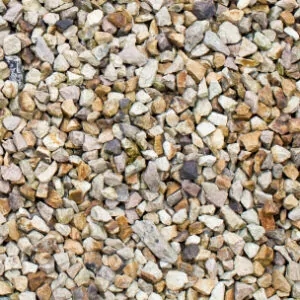

Gravel for Sale in White Earth, Minnesota
Local Topsoil, Dirt, Sand, Rocks and Gravel near me in White Earth, Minnesota
Shop Aggregates for Delivery in White Earth
Order online for free delivery to any White Earth address.
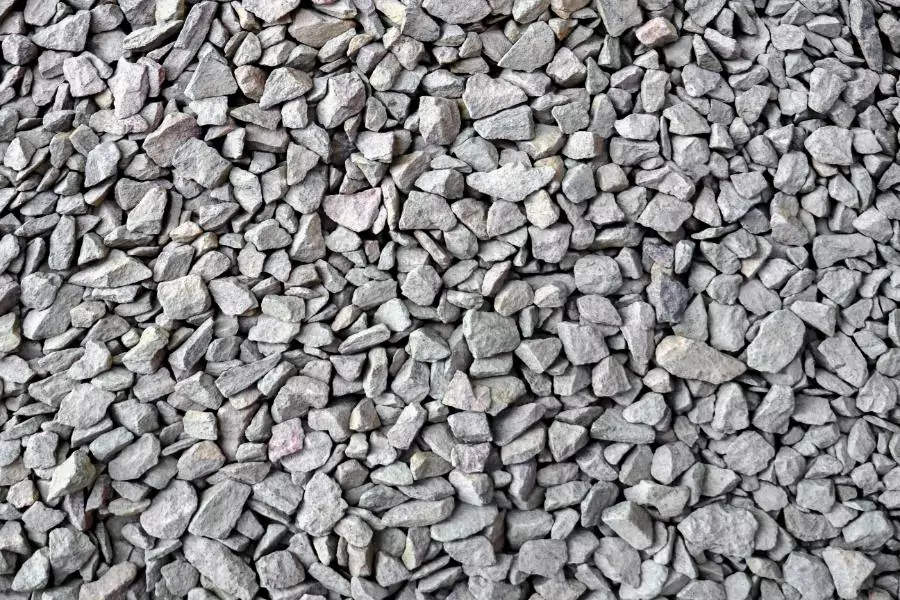
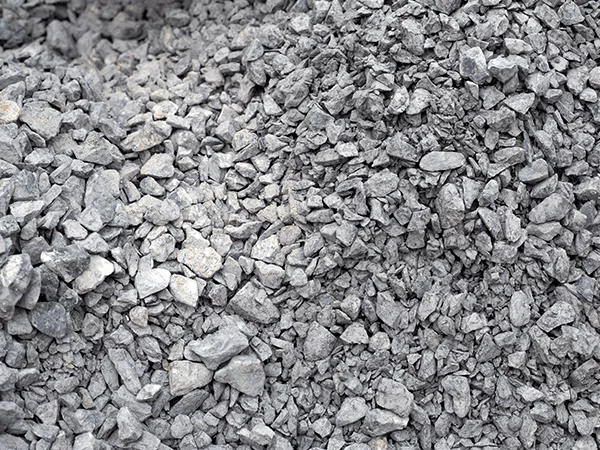


Gravel Monkey is your trusted source for premium aggregates and gravel delivery in White Earth, Minnesota. Situated in Becker County along the White Earth Indian Reservation, our community faces unique challenges from clay-heavy soils, harsh winter conditions, and seasonal flooding. Whether you're improving a rural driveway near Pine Point, upgrading property drainage around Rice Lake, or building a foundation near Naytahwaush, we deliver high-quality aggregates directly to your White Earth location with free delivery every time.
Complete Aggregate & Material Selection for White Earth Projects
Our comprehensive inventory meets the specific needs of White Earth properties, from residential driveways to agricultural access roads. We understand the local soil composition and climate challenges that make proper aggregate selection critical:
- Driveway Gravel - Engineered for Minnesota's freeze-thaw cycles and heavy loads
- 3/4 inch Crushed Stone - Versatile aggregate for bases and compaction projects
- #57 Stone - Superior drainage solution for wet White Earth properties
- Crusher Run - All-weather surface material that binds and compacts
- Road Base - Heavy-duty foundation for access roads and parking areas
- Drain Rock - Critical for managing spring runoff and groundwater
- Pea Gravel - Decorative stone for pathways and landscaping features
- River Rock - Natural aesthetic for water features and garden beds
- Walkway Gravel - Comfortable surfaces for pedestrian areas
- Crushed Concrete - Eco-friendly recycled aggregate option
- Topsoil - Nutrient-rich soil for gardens and lawn establishment
- Fill Dirt - Essential for grading and leveling projects
- Mason Sand - Fine sand for masonry and construction work
- Playground Sand - Safe, clean sand for play areas
- Washed Sand - Clean sand for concrete mixing and landscaping
- Decomposed Granite - Compactable natural pathway material
Understanding White Earth's Unique Soil and Climate Conditions
White Earth, Minnesota presents distinct challenges for construction and landscaping projects. The region sits atop glacial till deposits creating clay-rich, poorly draining soils that expand during freeze-thaw cycles. With average winter temperatures dropping to -10°F and annual precipitation exceeding 25 inches, proper drainage and stable base materials become essential.
The area experiences approximately 170 days with temperatures below freezing each year, creating significant frost heave concerns. Spring thaw typically brings standing water issues as frozen ground slowly releases accumulated moisture. Properties near Twin Lakes, Lake Melissa, and White Earth Lake face additional challenges from seasonal water table fluctuations that can destabilize foundations and driveways.
Local soil classifications show predominantly Hamerly-Bearden association soils – fine-loamy glacial till materials with high clay content and slow permeability. These conditions make proper aggregate base layers critical for any construction project. Without adequate drainage stone and compacted base materials, structures sink, driveways wash out, and water pools around foundations.
Serving White Earth Communities and Surrounding Areas
Gravel Monkey proudly serves all White Earth neighborhoods and the broader Becker County region. Our delivery routes cover properties throughout the White Earth Nation and neighboring communities:
White Earth Central District
The heart of White Earth sees steady residential and community development. Projects here often require road base for new access roads and crushed stone for drainage improvements around older structures. The clay soils in this central area particularly benefit from proper aggregate installation beneath driveways and parking areas.
Pine Point Community
Located on the western edge near Highway 59, Pine Point properties frequently need aggregate solutions for long rural driveways and erosion control. The slightly elevated terrain here requires careful grading with quality fill materials and drainage rock to direct water away from buildings during heavy rains.
Rice Lake Area
Properties near Rice Lake contend with high groundwater and saturated soils during spring runoff. Residents here commonly need drain rock and #57 stone to create French drains and foundation drainage systems. The proximity to open water means extra attention to erosion control and stable driveway surfaces.
Naytahwaush Region
This northeastern community along Highway 113 includes both residential and agricultural properties. Farm access roads benefit from durable crusher run that withstands heavy equipment traffic. Residential projects often focus on driveway upgrades using compacted stone bases that resist Minnesota's punishing freeze-thaw cycles.
White Earth Lake Vicinity
Recreational properties around White Earth Lake require specialized aggregate applications. Seasonal camps and year-round homes alike need properly constructed driveways that drain efficiently. Many lakefront owners invest in decorative aggregates like pea gravel and river rock for attractive landscaping that complements the natural setting.
Twin Lakes District
The Twin Lakes area northwest of central White Earth presents unique drainage challenges. Low-lying properties here benefit tremendously from drainage rock installations that prevent water accumulation. Driveway projects require extra base depth and quality crushed stone to maintain stability in these wetter conditions.
We also regularly service nearby communities including Mahnomen, Ogema, Waubun, and Callaway. Our free delivery extends throughout Becker County and into adjacent Mahnomen and Clearwater counties, ensuring White Earth residents always have access to premium aggregates when they need them.
Choosing the Right Aggregate for Your White Earth Project
Different projects require different aggregate types. Understanding the properties and best applications of each material helps ensure successful outcomes. Here's how our most popular aggregates compare:
| Material | Best Applications | Size | Drainage | Compaction |
|---|---|---|---|---|
| Crusher Run | Driveways, roads, parking areas | Mix of fines to 1 inch | Moderate | Excellent |
| 3/4" Crushed Stone | Concrete bases, drainage layers | 3/4 inch | Excellent | Very Good |
| #57 Stone | French drains, septic fields | 3/4 inch uniform | Superior | Good |
| Road Base | Heavy traffic areas, foundations | Mix of sizes | Good | Superior |
| Pea Gravel | Walkways, landscaping accents | 3/8 inch | Excellent | Poor |
| Drain Rock | Foundation drains, water management | 3/4 to 1 inch | Exceptional | Fair |
| River Rock | Decorative landscaping, erosion control | Various sizes | Good | Poor |
For most White Earth driveways experiencing our harsh winters, we recommend a combination approach: start with a deep road base layer for stability, add a middle layer of crushed stone for drainage, and top with crusher run for a durable all-weather surface. This three-layer system addresses both the drainage challenges from clay soils and the stability needs during freeze-thaw cycles.
Drainage Solutions for White Earth's Clay Soils
The clay-rich soils throughout White Earth create persistent drainage problems. Clay's fine particles pack tightly, preventing water infiltration and creating surface pooling. During Minnesota's spring thaw, frozen ground prevents downward water movement while snowmelt accumulates on the surface. This combination leads to saturated soil conditions that undermine structures and create muddy, impassable driveways.
Proper drainage aggregate installation transforms problematic clay soils into manageable building sites. A well-designed drainage system typically includes several components working together. Foundation drains use drain rock to capture groundwater before it enters basements. French drains filled with #57 stone intercept surface water and direct it away from problem areas. Swales lined with crushed stone provide defined drainage paths during heavy rainfall.
Projects near Lake Melissa or the White Earth River particularly benefit from comprehensive drainage planning. The high water table in these low-lying areas requires careful attention to grading and aggregate placement. Many successful installations combine subsurface drainage with surface grading to handle both groundwater and storm runoff effectively.
Building Driveways That Survive Minnesota Winters
White Earth driveways face extreme conditions. Winter temperatures regularly plunge below zero, creating deep frost penetration. Spring thaw brings rapid temperature swings that create freeze-thaw cycles – the primary enemy of driveway longevity. Without proper construction, driveways develop potholes, washboard surfaces, and failing edges within just a few seasons.
Successful driveway construction begins with thorough subgrade preparation. Remove all organic material including topsoil, which compresses unevenly under load. Grade the subgrade to promote water drainage away from the driveway surface. Consider adding geotextile fabric to prevent clay soils from migrating upward into aggregate layers.
Base layer installation comes next, and this step largely determines long-term performance. A minimum 8-inch compacted base layer suits most residential applications, but heavy vehicles or poor soils may require 12 inches or more. Road base material compacts into a stable platform that distributes load and resists deformation. Near Naytahwaush, where agricultural equipment uses rural driveways, thicker base sections prevent rutting and settling.
The surface layer needs to shed water while providing good traction. Crusher run excels here because its mix of stone sizes and fine particles binds together when compacted, creating a solid but permeable surface. The material interlocks mechanically, resisting displacement under traffic while allowing water to drain through rather than pooling on the surface.
Proper compaction throughout construction cannot be overstated. Each aggregate layer requires thorough compaction in 4-inch lifts using appropriate equipment. Inadequate compaction leads to settling, rutting, and premature failure regardless of material quality.
Seasonal Planning for White Earth Construction Projects
Minnesota's distinct seasons significantly impact construction timing and material performance. Understanding seasonal factors helps property owners schedule projects for optimal results.
Spring Considerations
Spring brings thawing soils and abundant moisture. While this might seem problematic, spring actually offers advantages for certain projects. The ground remains workable once frost leaves, typically by late April. Drainage projects excel during spring because you can observe exactly where water flows and accumulates. Installing French drains or foundation drainage in spring allows immediate confirmation that systems work as designed.
However, spring's moisture content can complicate compaction. Wait for soil to drain sufficiently before attempting to compact aggregate layers. Working with saturated subgrade leads to pumping and instability. Many White Earth contractors prefer late May or early June when soils have dried enough for proper compaction but before summer heat arrives.
Summer Projects
Summer provides ideal conditions for most aggregate installations. Dry soils compact effectively, and warm temperatures allow proper curing of any associated concrete work. Driveway construction proceeds efficiently during summer months. The longer daylight hours and stable weather patterns near Pine Point and throughout the region make summer the busiest construction season.
The primary summer challenge involves dust control. Fine particles in crusher run and similar materials generate dust during dry periods. Light watering during compaction helps, but avoid over-saturating the material.
Fall Preparation
Fall offers a second optimal construction window. Cooler temperatures make physical work more comfortable, and autumn rains usually provide adequate but not excessive moisture for compaction. Many property owners near Rice Lake complete driveway upgrades in September or October, finishing before winter while still having workable conditions.
Fall projects should finish with sufficient time for settling before freeze-up. Newly installed aggregates benefit from several weeks of traffic and weather exposure before facing winter's rigors. This settling period helps identify any soft spots or drainage issues that can be addressed before snow flies.
Winter Limitations
Frozen ground prevents most major aggregate installations during deep winter. However, winter often reveals drainage problems and driveway deficiencies that help plan spring projects. Ice dams and pooling water indicate areas needing improved drainage. Driveway ruts and rough surfaces become obvious candidates for reconstruction once weather permits.
Estimating Material Quantities for Your Project
Accurate material estimation prevents over-ordering while ensuring sufficient supply. Calculate aggregate needs by determining area and depth requirements for your specific project.
For driveways, measure the length and width in feet. Determine required depth based on use and existing conditions. Residential driveways typically need 8-12 inches of total aggregate depth, split between base and surface layers. Multiply length × width × depth (in feet) to get cubic feet, then divide by 27 to convert to cubic yards.
Example: A 12-foot wide by 100-foot long driveway near Twin Lakes with 10 inches (0.833 feet) of aggregate requires: 12 × 100 × 0.833 = 1,000 cubic feet ÷ 27 = 37 cubic yards
Drainage projects calculate differently. French drains typically use trenches 12-18 inches wide and 18-24 inches deep. Measure trench length and multiply by width and depth to determine volume. Add 10% extra for waste and settling.
Foundation drainage around White Earth homes commonly requires 6-12 inches of drain rock extending 12 inches beyond the foundation edge. Measure the perimeter and apply the same cubic volume calculations.
Our team at Gravel Monkey helps verify calculations and recommends appropriate materials for your specific conditions. Proper planning ensures you have exactly what you need without costly shortages or excessive leftovers.
Professional Installation Techniques for Long-Lasting Results
Quality materials only perform well when properly installed. These professional techniques ensure your White Earth aggregate projects deliver maximum longevity and performance.
Site Preparation
Begin every project with thorough site preparation. Remove vegetation, roots, and organic topsoil completely. These materials compress and decompose over time, creating voids that allow aggregate settling. Around Naytahwaush where tree roots commonly invade building sites, excavate deeply enough to eliminate all root structures that might later disrupt your installation.
Grade the excavated subgrade to promote positive drainage. Create a minimum 2% slope directing water away from structures and toward appropriate drainage outlets. On flat sites near Lake Melissa, strategic grading becomes especially important to prevent water accumulation.
Geotextile Fabric Use
Geotextile fabric separates clay subgrade from aggregate layers, preventing contamination and extending service life. The fabric allows water drainage while blocking fine soil particles from migrating upward. This barrier maintains aggregate integrity and drainage capacity over time.
Install fabric directly on prepared subgrade before placing any aggregate. Overlap seams by 12-18 inches and secure edges to prevent displacement during aggregate placement. The modest fabric cost pays dividends through extended driveway life and reduced maintenance.
Compaction Methods
Proper compaction transforms loose aggregate into a solid mass capable of supporting loads without settling. Use appropriate compaction equipment for the material and project scale. Small plate compactors suit walkway and patio projects. Larger vibratory rollers handle driveway and parking area compaction effectively.
Compact aggregates in lifts no thicker than 4 inches. Attempting to compact thicker layers results in poorly consolidated material that settles under traffic. Make multiple passes with compaction equipment, working from edges toward the center and overlapping each pass.
Moisture content affects compaction success dramatically. Slightly damp aggregate compacts more effectively than bone-dry or saturated material. The optimal moisture content allows the material to compact into a firm mass that doesn't stick to equipment. Add light water spray during compaction if material appears too dry.
Maintaining Your White Earth Aggregate Installations
Regular maintenance extends aggregate installation life and preserves appearance. Simple periodic attention prevents minor issues from becoming expensive repairs.
Inspect driveways after spring thaw each year. Look for settling, edge erosion, and surface rutting. Address small problems promptly with additional aggregate and re-compaction. Catch issues early before they expand into major reconstruction needs.
Maintain positive surface drainage. Fill any depressions or ruts that allow water pooling. Standing water accelerates surface degradation and creates freeze-thaw damage during temperature swings. A simple garden rake and additional crusher run restore proper drainage quickly.
Control edge erosion by maintaining defined borders. Properties near the White Earth River face accelerated edge erosion during heavy rains. Install edge restraints or maintain compact vegetated edges to prevent aggregate loss. Periodic addition of material along edges maintains full driveway width and prevents pothole development.
Drainage systems require occasional maintenance too. French drains filled with #57 stone can become clogged with sediment over many years. Most systems function effectively for decades, but periodic inspection ensures continued performance. If standing water develops where drainage systems previously kept areas dry, investigate potential clogs or damage requiring attention.
Reapply surface aggregate every few years depending on traffic levels. Even properly constructed driveways gradually lose surface material through displacement and weather effects. A fresh layer of crusher run every 3-5 years maintains smooth surfaces and extends the base layer life indefinitely.
Frequently Asked Questions About Gravel Delivery in White Earth
Crusher run and road base provide the best winter performance for White Earth driveways. These materials compact tightly while maintaining drainage, resisting freeze-thaw damage and providing good traction on ice. The combination of various stone sizes creates a surface that sheds water while remaining stable under heavy snow loads and plowing activity.
Most White Earth residential driveways require 8-10 inches of compacted aggregate total – typically 4-6 inches of road base or crushed stone base layer topped with 4 inches of crusher run surface layer. Properties with heavy clay soils or commercial traffic should increase depth to 12-16 inches. Areas near Rice Lake or other locations with high water tables may need even deeper installations with additional drainage provisions.
Small projects like walkways and garden beds work well as DIY installations using pea gravel or river rock. However, driveways and drainage systems benefit from professional installation. Proper grading, compaction equipment, and experience with Minnesota soil conditions significantly impact long-term performance. We deliver to both homeowners and contractors, and can recommend experienced local installers familiar with White Earth's unique conditions.
White Earth's clay soils require strategic drainage solutions. Start by identifying where water accumulates or flows during rain and spring thaw. Install French drains using drain rock or #57 stone in problematic areas. Create swales lined with crushed stone to direct surface water away from structures. Foundation drains around buildings prevent basement moisture and foundation damage. Combined surface and subsurface drainage approaches work best in our heavy soil conditions.
Late spring through fall provides optimal installation conditions. Late May through October offers workable ground conditions and appropriate moisture levels for compaction. Summer months between June and August provide the most reliable weather, though early fall (September-October) works excellently too. Avoid installation during spring thaw when soils are saturated, and winter when frozen ground prevents proper work.
Yes! We provide free delivery throughout White Earth, including Pine Point, Rice Lake, Naytahwaush, and all surrounding areas. Our delivery service extends across Becker County and into adjacent regions. We understand rural Minnesota logistics and schedule deliveries efficiently to serve White Earth Nation properties and nearby communities without delivery charges.
White Earth sits on glacial till deposits creating predominantly clay-rich soils with poor drainage characteristics. The Hamerly-Bearden soil associations common here contain high clay content with slow permeability. This creates challenges for construction including poor drainage, frost heave susceptibility, and soil expansion during wet periods. These conditions make proper aggregate base layers and drainage systems more critical than in sandy or loamy soil regions.
Material needs depend on project area and required depth. For driveways, calculate length times width times depth in feet, then divide by 27 for cubic yards. As a general guide, 100 square feet at 3 inches deep requires about 1 cubic yard. Our team helps verify calculations based on your specific White Earth property conditions, soil type, and intended use to ensure you order the right amount.
Environmentally Responsible Aggregate Use in White Earth
The White Earth Nation has long emphasized environmental stewardship and sustainable practices. Our aggregate options support these values through responsible sourcing and eco-friendly alternatives.
Crushed concrete provides an excellent recycled aggregate option. This material reuses demolished concrete structures, diverting waste from landfills while providing functional base and drainage material. Crushed concrete performs similarly to natural stone aggregates while reducing environmental impact. Many White Earth construction projects successfully incorporate recycled materials alongside traditional aggregates.
Proper aggregate installation also protects local water quality. Well-designed drainage systems prevent soil erosion that would otherwise carry sediment into White Earth Lake, Twin Lakes, and local waterways. By controlling runoff and promoting infiltration, aggregate installations actually improve environmental outcomes compared to improperly managed bare soil.
Natural landscaping aggregates like river rock and pea gravel create permeable surfaces that allow rainwater infiltration. These materials support native plantings and wildlife habitat better than impervious surfaces while still providing functional walkways and decorative features around White Earth homes.
Starting Your White Earth Aggregate Project
Ready to improve your White Earth property with quality aggregates? Gravel Monkey makes the process simple and stress-free. Our free delivery throughout the White Earth area ensures you get the materials you need without transportation hassles or hidden fees.
Begin by assessing your project requirements. Measure the area and determine what application you're addressing – driveway construction, drainage improvement, landscaping enhancement, or another use. Consider White Earth's specific challenges including clay soils, freeze-thaw cycles, and seasonal water management needs.
Contact our team to discuss material options and quantities. We understand Minnesota conditions and local soil characteristics. Our experience serving properties throughout the White Earth Nation, from Pine Point to Naytahwaush, helps ensure we recommend appropriate solutions for your specific situation.
Schedule your delivery when convenient. We work around your timeline and property access requirements. Whether you're located off Highway 59, near Lake Melissa, or anywhere throughout the White Earth area, we ensure timely delivery of premium aggregates ready for your project.
Our commitment extends beyond just dropping off materials. We provide guidance on installation best practices, help troubleshoot challenges, and ensure you have the information needed for successful project completion. From initial planning through final installation, Gravel Monkey supports your White Earth property improvement goals with expertise and quality materials.

Need help? Reach out for a quote: