Bulk Aggregate & Gravel Products in Grand Rapids, Minnesota
Local Topsoil, Dirt, Sand, Rocks and Gravel near me in Grand Rapids, Minnesota
Shop Aggregates for Delivery in Grand Rapids
Order online for free delivery to any Grand Rapids address.


Gravel Monkey is your premier source for high-quality aggregates and landscaping materials in Grand Rapids, Minnesota. Situated in the heart of Itasca County where the Mississippi River meets pristine northern lakes, Grand Rapids presents unique challenges for construction and landscaping projects. Our free delivery service brings premium materials directly to your property throughout Grand Rapids, from downtown near Central School to lakeside homes on Pokegama Lake, residential neighborhoods in the Forest Lake area, and rural properties extending to Cohasset and Marble.
Complete Aggregate Selection for Grand Rapids Projects
Grand Rapids sits on glacial till deposited thousands of years ago, creating a landscape characterized by heavy clay soils, mixed with sand and gravel deposits. This unique geology, combined with Minnesota's extreme temperature swings and substantial freeze-thaw cycles, demands carefully selected aggregates for lasting performance. Gravel Monkey delivers materials specifically suited to northern Minnesota conditions.
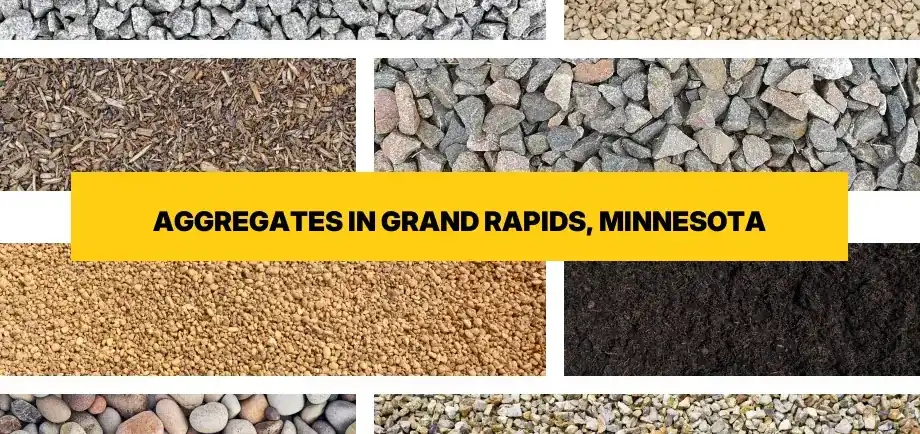
Our comprehensive inventory serves residential, commercial, and municipal projects across Grand Rapids and surrounding communities including Bovey, Coleraine, and Deer River:
- Driveway Gravel - Engineered for Minnesota winters and heavy vehicle traffic
- Crushed Stone - Multiple sizes for foundations, drainage, and base layers
- Crusher Run - Superior compaction for roads and driveways in clay soil
- Road Base - Professional-grade aggregate for durable road construction
- Pea Gravel - Decorative rounded stone for pathways and landscaping
- River Rock - Natural aesthetic perfect for Mississippi River-area properties
- Drain Rock - Large aggregate essential for managing clay soil drainage
- Premium Sand Products - Mason sand, playground sand, and washed sand
- Topsoil - Nutrient-rich soil for gardens and lawn establishment
- Fill Dirt - Grade adjustment and foundation backfill material
- Crushed Concrete - Eco-friendly recycled aggregate for base applications
- Decomposed Granite - Compact, natural surface for trails and patios
Understanding Grand Rapids Soil Conditions and Aggregate Selection
Grand Rapids geography reflects its glacial history, sitting at approximately 1,290 feet elevation where the Laurentian Divide influences water drainage patterns. The area's soils derive primarily from glacial till—unsorted material deposited directly by melting ice sheets—creating the heavy clay content that characterizes much of Itasca County. This clay-rich soil presents specific challenges that proper aggregate selection addresses effectively.
The region experiences approximately 27 inches of annual precipitation, with significant snowfall averaging 55 inches per year. Winter temperatures regularly drop below zero Fahrenheit, while summer highs reach the 80s. This temperature range creates substantial freeze-thaw cycling—the primary cause of pavement failure and driveway degradation in northern Minnesota. Water trapped in soil freezes, expands, and creates upward pressure known as frost heave. When temperatures rise, the ice melts, leaving voids that cause settling and cracking.
Clay Soil Drainage Solutions for Pokegama Area Properties
Properties throughout the Pokegama neighborhood and near Pokegama Lake often struggle with poor drainage due to the high clay content in Grand Rapids soil. Clay particles are microscopically small and pack tightly together, preventing water movement and creating standing water problems. During spring snowmelt and heavy rains, this becomes particularly problematic for basement foundations, driveways, and yard areas.
The solution lies in proper aggregate application. Materials like #57 stone create drainage channels within clay soil, allowing water to move away from structures rather than pooling. This angular crushed stone, typically three-quarter inch in size, features irregular edges that prevent tight compaction while maintaining structural stability. For properties near Forest Lake or along the Mississippi River where water tables run higher, drain rock provides even larger voids for water movement.
Choosing the Right Aggregates for Grand Rapids Weather
Not all aggregates perform equally in northern Minnesota conditions. The combination of clay soil, freeze-thaw cycles, and seasonal moisture variations demands materials engineered for durability. Understanding how different aggregates respond to Grand Rapids weather patterns helps ensure project longevity, whether you're building a new driveway in downtown Grand Rapids or establishing a parking area for your Pokegama Lake cabin.
| Aggregate Type | Best Applications | Drainage Rating | Compaction | Frost Resistance |
|---|---|---|---|---|
| Crusher Run | Driveways, roads, base layers | Excellent | Superior | Excellent |
| 3/4 inch Crushed Stone | Foundations, drainage, sub-base | Excellent | Very Good | Excellent |
| #57 Stone | Drainage systems, concrete base | Outstanding | Good | Excellent |
| Road Base | Heavy traffic areas, parking lots | Very Good | Superior | Excellent |
| Drain Rock | French drains, foundation drainage | Outstanding | Not Required | Excellent |
| Pea Gravel | Pathways, decorative areas | Good | Fair | Good |
| Decomposed Granite | Trails, patios, walkways | Good | Very Good | Very Good |
| Crushed Concrete | Base layers, temporary roads | Very Good | Good | Very Good |
Driveway Aggregates for Cohasset and Rural Properties
Rural driveways extending from Grand Rapids toward Cohasset, Marble, and Deer River require aggregates that handle both seasonal changes and vehicle weight distribution. Many properties in these areas feature longer driveways—sometimes hundreds of feet—connecting homes to county roads. These extended driveways experience differential settling as soil conditions vary along their length, making proper base preparation and aggregate selection critical.
For these applications, 3/4 inch crushed stone provides an excellent foundation layer. This angular aggregate interlocks effectively, distributing weight across the entire driveway surface. Top this base layer with crusher run for a smooth, compactable driving surface that resists rutting. The combination creates a driveway system that stands up to Minnesota winters while minimizing maintenance requirements throughout the year.
Aggregate Delivery Throughout Grand Rapids Neighborhoods
Grand Rapids diverse neighborhoods each present unique considerations for aggregate delivery and material selection. From established residential areas near Central School to newer developments and lakeside properties, understanding local conditions ensures optimal material recommendations.
Downtown Grand Rapids and Central School Area
The historic downtown district and surrounding Central School neighborhood feature mature properties with established infrastructure. Many homes in this area date to the early 20th century, with original foundations and older drainage systems. When upgrading driveways or addressing drainage issues in these central locations, proper aggregate selection preserves the character of established neighborhoods while improving functionality. Walkway gravel enhances pedestrian access, particularly important in this walkable neighborhood where residents frequently stroll to downtown shops and restaurants.
Pokegama Lake and Mississippi River Properties
Waterfront properties along Pokegama Lake and the Mississippi River require special attention to drainage and erosion control. The proximity to water means higher water tables and increased moisture in soil. These conditions amplify freeze-thaw damage during winter months when saturated soil freezes and expands. River rock provides natural erosion control for shoreline areas, while maintaining aesthetic appeal that complements the natural beauty of Grand Rapids water features. For access roads and driveways serving these properties, aggregates with superior drainage characteristics prevent water accumulation that leads to frost heave.
Forest Lake Area Developments
Newer residential developments in the Forest Lake area often feature modern construction on previously undeveloped land. These sites may have disturbed soil conditions from construction activity, requiring additional attention to proper base preparation. Mason sand serves multiple purposes in new construction, from concrete mixing to paver base preparation. For properties establishing new lawns and landscaping, topsoil delivery provides the nutrient base necessary for successful vegetation establishment in Grand Rapids growing season, which typically runs from May through September.
Bovey, Coleraine, and Mining Heritage Areas
Communities like Bovey and Coleraine, part of the greater Grand Rapids area, reflect the region's iron mining heritage. Properties in these areas sometimes feature unique soil conditions resulting from historical mining activity and land reclamation. Crushed concrete offers an economical, environmentally responsible solution for base layers and access roads, particularly appropriate in areas with mining heritage. This recycled material performs well in base applications while supporting sustainable construction practices valued by environmentally conscious northern Minnesota residents.
Seasonal Aggregate Selection and Installation in Northern Minnesota
Grand Rapids experiences dramatic seasonal transitions that affect both aggregate performance and installation timing. Understanding these seasonal factors helps property owners plan projects for optimal results.
Spring Challenges: Frost Heave and Snowmelt Drainage
Spring brings significant challenges to Grand Rapids properties as temperatures fluctuate above and below freezing. This period creates maximum frost heave activity as moisture in soil repeatedly freezes and thaws. Driveways and pathways may show upheaval, cracking, or settling. Spring also brings snowmelt—sometimes several inches of water equivalent from accumulated snow—that must drain properly to prevent basement flooding and foundation damage.
Properties experiencing spring drainage issues benefit from strategic aggregate placement. Creating drainage swales lined with drain rock directs water away from structures. For areas prone to standing water, excavating saturated clay and replacing it with well-draining aggregates like #57 stone creates lasting improvement. Spring installations should wait until soil temperatures stabilize above freezing and excess moisture drains, typically late April through May in Grand Rapids.
Summer Installation: Optimal Conditions for Aggregate Projects
Summer provides ideal conditions for aggregate installation throughout Grand Rapids. Dry soil conditions allow proper compaction, and warm temperatures enable efficient project completion. This season suits all aggregate applications, from new driveway installation to drainage system construction. Playground sand installations for residential play areas work best during summer when children can immediately enjoy new recreational spaces.
Summer also provides opportunity to address issues identified during spring thaw. If driveways showed frost heave damage or drainage proved inadequate during snowmelt, summer offers time to implement comprehensive solutions before winter returns. Road base installation for parking areas or equipment storage serves commercial properties preparing for busy seasons ahead.
Fall Preparation: Winterizing Properties with Proper Aggregates
Fall represents the last opportunity before winter to address property drainage and access issues. Installing proper aggregates in autumn prevents winter problems from developing. Properties with marginal drainage benefit from fall installation of drainage systems using drain rock before ground freezes. Driveway repairs completed in fall, using properly compacted crusher run, cure and settle before winter stress begins.
Grand Rapids residents preparing for winter should ensure driveways crown properly—highest in the center—to shed water and prevent ice accumulation. Adding washed sand to equipment storage areas provides traction during icy conditions and supports heavy equipment weight without rutting during freeze-thaw periods.
Winter Considerations: Planning for Spring Projects
While aggregate installation during Grand Rapids winters proves challenging due to frozen ground and snow cover, winter provides excellent planning time for spring projects. Property owners can assess drainage patterns during snowmelt events, note areas where ice accumulates, and identify access problems caused by snow and cold. These observations inform spring project planning, ensuring materials ordered address actual property conditions rather than assumptions.
Common Aggregate Projects in Grand Rapids and Itasca County
Grand Rapids property owners, from residential homeowners to commercial developers and municipal projects, rely on quality aggregates for diverse applications. Understanding typical project requirements helps ensure proper material selection and quantity estimation.
Residential Driveways: The Foundation of Property Access
Driveways represent the most common aggregate application throughout Grand Rapids. A properly constructed driveway typically requires 4-6 inches of compacted base material, topped with 2-3 inches of finish material. For a standard two-car driveway measuring 12 feet wide and 50 feet long, this translates to approximately 9-12 tons of aggregate total. Properties with softer clay soil or heavier vehicle traffic may require additional depth for long-term stability.
Driveway construction begins with excavation of unsuitable material—soft clay or organic topsoil—followed by installation of geotextile fabric to prevent aggregate mixing with subgrade soil. Base layers of crusher run provide compactable stability, while finish layers can utilize the same material or transition to more decorative options like decomposed granite for visual appeal. The key to Grand Rapids driveway longevity lies in proper drainage: crown the surface to shed water, and ensure adequate slope away from structures.
Foundation Drainage Systems: Protecting Structures from Clay Soil
Grand Rapids clay soil makes foundation drainage systems essential for preventing basement water intrusion and foundation settlement. French drains—trenches filled with drain rock and perforated pipe—collect and redirect groundwater away from foundations. These systems prove particularly important for properties in lower-lying areas near Pokegama Lake or the Mississippi River where water tables run higher.
A typical foundation drainage system requires trenching alongside the foundation perimeter, installing perforated pipe sloped to drain water away from the building, and filling the trench with drain rock that allows water to flow freely to the pipe. For adequate drainage in Grand Rapids clay conditions, trenches should extend 12-18 inches wide and deep enough to reach the foundation footing level. This application typically requires 1-2 tons of drain rock per 10 feet of foundation length.
Parking Areas and Equipment Pads for Commercial Properties
Commercial properties throughout Grand Rapids—from downtown businesses to industrial facilities near the paper mill heritage sites—require durable parking areas and equipment pads that withstand Minnesota weather and heavy loads. These applications demand professional-grade aggregates with superior compaction characteristics and drainage performance.
Road base serves as the preferred material for commercial parking areas, providing maximum compaction and load-bearing capacity. Installation typically requires 6-8 inches of compacted road base for standard parking, or 10-12 inches for heavy equipment areas. Proper grading ensures water drainage toward collection points rather than pooling on the surface. For large parking areas, installing subsurface drainage using #57 stone channels prevents water accumulation within the base material that could cause heaving during winter freeze-thaw cycles.
Landscaping Features: Pathways, Patios, and Decorative Areas
Grand Rapids residents increasingly invest in outdoor living spaces that extend usable seasons despite northern Minnesota climate. Aggregate pathways, patios, and decorative features create functional outdoor areas while complementing natural forest and lake settings characteristic of the region.
Pea gravel pathways provide classic appeal with comfortable walking surfaces that drain quickly after rain. Installation requires 3-4 inches of compacted base material for stability, topped with 2-3 inches of pea gravel. Edge restraints prevent gravel migration into lawn areas. For more formal entertaining areas, decomposed granite compacts into firm patio surfaces that feel solid underfoot while maintaining permeability for drainage. These materials work particularly well in shaded areas under mature trees where traditional lawns struggle to establish.
Erosion Control and Shoreline Stabilization
Properties along Pokegama Lake and the Mississippi River face erosion challenges from wave action, spring runoff, and seasonal water level changes. River rock provides effective erosion control while maintaining natural aesthetics appropriate to waterfront settings. These larger, rounded stones absorb wave energy and protect shorelines without the harsh appearance of concrete retaining walls or riprap.
Effective erosion control requires proper slope grading—typically 3:1 (horizontal to vertical) or gentler—covered with erosion control fabric before rock placement. River rock should be sized appropriately for wave conditions: smaller stones for protected areas, larger sizes for high-energy shorelines. This application typically requires 2-3 tons of rock per 100 square feet of coverage at 4-6 inch depth.
Frequently Asked Questions About Aggregates in Grand Rapids
We deliver a complete range of materials including driveway gravel, crushed stone in various sizes, pea gravel, river rock, crusher run, road base, drain rock, topsoil, fill dirt, multiple sand types, decomposed granite, and recycled crushed concrete throughout Grand Rapids and the surrounding Itasca County area.
Yes! Gravel Monkey offers FREE delivery to Grand Rapids and the surrounding Minnesota area for all gravel, aggregate, and landscaping material orders.
For Grand Rapids harsh winters with freeze-thaw cycles, crusher run and three-quarter inch crushed stone provide excellent drainage and stability. These materials compact well and resist frost heaving better than smoother aggregates.
The amount depends on your project size and material type. For driveways, calculate length times width times depth in feet, typically 4 inches deep. Our team can help you estimate the right amount for your specific Grand Rapids property and soil conditions.
Absolutely! We deliver throughout Grand Rapids including properties near Pokegama Lake, along the Mississippi River, and in all surrounding neighborhoods including Pokegama, Cohasset, and the Forest Lake area.
Grand Rapids sits on glacial till with heavy clay content. Drain rock, number 57 stone, and crusher run provide excellent drainage solutions. These aggregates create channels for water movement, preventing pooling in clay-heavy soil.
Yes, we deliver washed sand and mason sand suitable for septic systems throughout Itasca County. These materials meet specifications for drain field construction and are commonly used in Grand Rapids residential septic installations.
For Minnesota frost conditions, three-quarter inch crushed stone and crusher run work exceptionally well. These sizes allow proper drainage while compacting firmly, reducing frost heave damage during Grand Rapids cold winters.
Why Grand Rapids Properties Trust Gravel Monkey for Aggregates
Northern Minnesota demands more from building materials than temperate climates. The combination of clay soil, extreme temperature swings, significant precipitation, and freeze-thaw cycling requires aggregates specifically suited to these conditions. Gravel Monkey understands these regional challenges and provides materials proven to perform in Grand Rapids environment.
Quality Materials for Lasting Performance
We source aggregates that meet rigorous standards for Grand Rapids applications. Crushed stone features proper angularity for compaction and interlocking. Drain rock provides adequate void space for water movement through clay soil. Sand products arrive clean and properly graded for intended applications. Every material in our inventory serves specific purposes and performs reliably in northern Minnesota conditions.
Free Delivery Throughout Grand Rapids and Surrounding Areas
Distance should never prevent access to quality aggregates. We deliver free throughout Grand Rapids, from downtown properties to rural locations extending toward Cohasset, Bovey, Coleraine, Deer River, and Marble. Whether your project sits on Pokegama Lake shoreline or requires materials for a rural driveway miles from town, our delivery service ensures you receive materials when and where needed.
Expert Guidance for Material Selection
Choosing appropriate aggregates involves understanding both project requirements and local conditions. Our team provides guidance based on actual Grand Rapids soil conditions, climate factors, and intended use. We help calculate quantities, recommend materials for specific applications, and answer questions about installation techniques. This expertise ensures your project begins with proper materials, saving time and preventing costly mistakes.
Supporting Grand Rapids Community Development
From residential improvements in established neighborhoods to commercial development projects and municipal infrastructure work, quality aggregates form the foundation of Grand Rapids continued growth. We take pride in supporting this community development by delivering materials that contribute to lasting, functional improvements throughout Itasca County.
Ready to Start Your Grand Rapids Aggregate Project?
Whether you're planning a new driveway in the Forest Lake area, addressing drainage issues near Pokegama Lake, or preparing a commercial site in downtown Grand Rapids, quality aggregates make the difference between temporary fixes and lasting solutions. Our comprehensive material selection, regional expertise, and free delivery service provide everything needed for successful project completion.
Contact Gravel Monkey today to discuss your project requirements, receive material recommendations specific to your Grand Rapids property, and schedule free delivery. Our team understands northern Minnesota conditions and stands ready to help you select aggregates that perform reliably through every season, year after year.

Need help? Reach out for a quote: