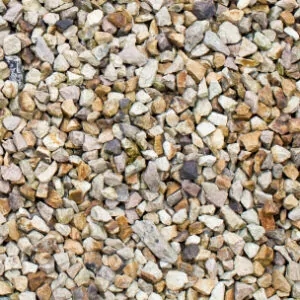

Shop Sand, Stone & Gravel in Aurora, Minnesota
Local Topsoil, Dirt, Sand, Rocks and Gravel near me in Aurora, Minnesota
Shop Aggregates for Delivery in Aurora
Order online for free delivery to any Aurora address.
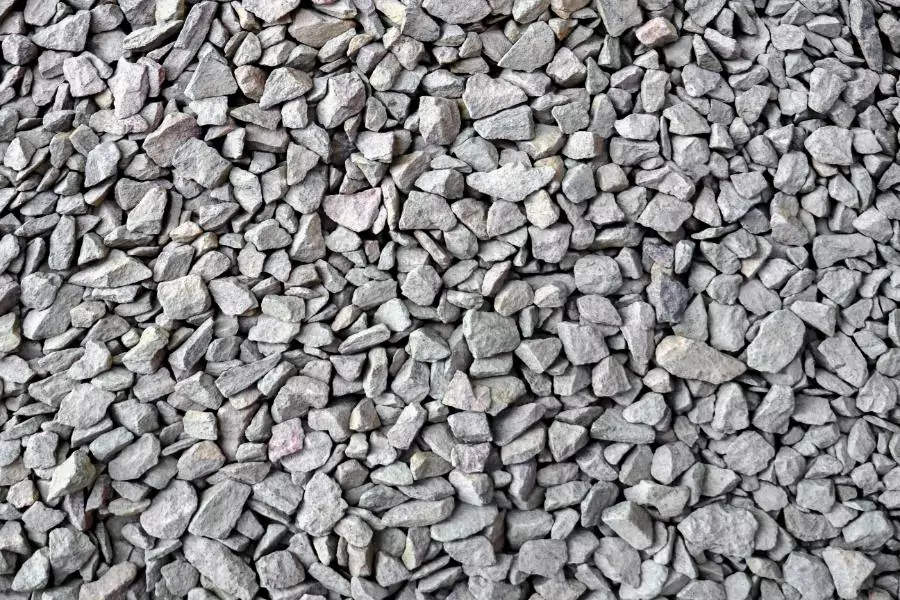
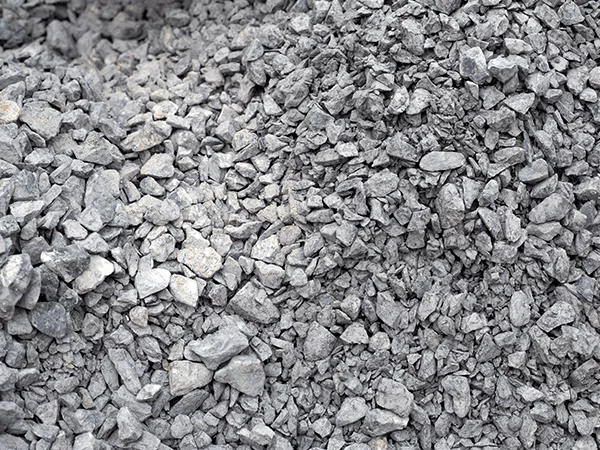


Gravel Monkey provides premium aggregate delivery throughout Aurora, Minnesota, serving the heart of the Iron Range with free delivery on all orders. Whether you're building a driveway near Wynne Lake, creating drainage solutions for clay-rich soils, or tackling construction projects in downtown Aurora, we supply the quality materials northeastern Minnesota properties demand. From the historic mining communities to modern residential developments, Aurora homeowners and contractors trust our aggregates to withstand the region's extreme climate and unique geological conditions.
Complete Range of Aggregates & Construction Materials in Aurora
Aurora's position on the Mesabi Iron Range presents unique challenges for construction and landscaping. The area's glacial till soils, extreme temperature swings from minus 40 in winter to 90 degrees in summer, and heavy spring snowmelt require aggregates that perform reliably year-round. Gravel Monkey delivers materials specifically suited to northeastern Minnesota's demanding conditions.
Our comprehensive selection of aggregates serves residential properties throughout Aurora, from the neighborhoods near St. Mary's Catholic Church to developments along Highway 135, and commercial projects across St. Louis County:
- Driveway Gravel - Engineered for Minnesota's freeze-thaw cycles and frost heave resistance
- 3/4 inch Crushed Stone - Versatile aggregate for foundations, driveways, and compacted bases
- #57 Stone - Premium drainage aggregate ideal for Aurora's clay soils
- Crusher Run - Superior compaction material for road bases and heavy-duty applications
- Road Base - Professional-grade foundation for driveways and access roads
- Pea Gravel - Decorative stone for landscaping and drainage applications
- River Rock - Natural aesthetic material for water features and shoreline protection
- Walkway Gravel - Attractive aggregate for paths connecting Aurora properties
- Drain Rock - Essential for managing spring runoff and foundation drainage
- Crushed Concrete - Eco-friendly recycled aggregate for base layers
- Topsoil - Nutrient-rich soil for Aurora's short but intensive growing season
- Fill Dirt - Quality material for grading and elevation adjustments
- Mason Sand - Fine sand for masonry and construction projects
- Washed Sand - Clean sand for various building applications
- Playground Sand - Safe, tested sand for family play areas
- Decomposed Granite - Natural pathway material that drains exceptionally well
Aggregate Delivery Throughout Aurora & the Iron Range
We deliver premium aggregates and construction materials to every corner of Aurora and surrounding Iron Range communities. Understanding the specific needs of northeastern Minnesota properties helps us recommend the right materials for your location.
Central Aurora & Downtown District
Properties in central Aurora, near the historic downtown area and St. Mary's Catholic Church, benefit from our aggregates for driveway renovation, parking area construction, and commercial site work. The older neighborhoods in this area often feature properties with mature trees and established drainage patterns. When upgrading driveways along Main Street or 2nd Avenue, proper base preparation with quality aggregates prevents future settling and frost damage. Many central Aurora homes require drainage improvements due to the area's clay-rich soils, where our drainage rock and crushed stone excel.
Wynne Lake Area & Northeastern Aurora
The Wynne Lake vicinity and northeastern Aurora neighborhoods present unique opportunities for aggregate applications. Lakefront properties benefit from erosion control solutions using river rock and larger stone aggregates. Seasonal cabin owners and year-round residents near Crab Lake frequently need driveway materials that handle heavy spring runoff while remaining stable during Aurora's harsh winters. The rolling terrain in this area sometimes requires fill dirt for grading projects, combined with proper drainage aggregates to manage water flow from higher elevations.
Highway 135 Corridor & Western Aurora
Development along Highway 135 and western Aurora relies on robust aggregates for both residential and light commercial applications. Properties in this area, extending toward Hoyt Lakes, often feature longer driveways requiring substantial quantities of crushed stone or crusher run. The proximity to the Mesabi Iron Range means soil conditions vary, but most areas contain significant clay content demanding superior drainage solutions. Access roads servicing properties off the highway corridor need stable road base materials that maintain integrity despite heavy snow removal equipment use during Minnesota's extended winter season.
Southern Aurora Near Highway 135 Junction
Southern Aurora, where Highway 135 intersects with local roads, includes newer residential developments and established neighborhoods requiring diverse aggregate solutions. This area's slightly lower elevation compared to central Aurora can accumulate more moisture, making proper drainage installation with quality stone aggregates essential. Properties here often need walkway gravel for connecting garages to homes, decorative pea gravel for landscaping beds, and substantial driveway materials designed for Minnesota's climate extremes.
Aurora's Unique Geological Conditions & Aggregate Selection
Aurora's location on the Mesabi Iron Range creates distinctive geological conditions that significantly impact construction and landscaping projects. Understanding these factors helps property owners select appropriate aggregates.
Glacial Till Soils & Clay Content
Aurora sits atop glacial till deposited during the last ice age, resulting in soils with substantial clay content mixed with varying amounts of sand and gravel. This clay-rich composition expands when wet and contracts during freezing, creating challenging conditions for driveways, foundations, and hardscaping. Proper aggregate selection and installation depth become critical for long-term project success. Most Aurora properties require at least 4 to 6 inches of compacted stone base to minimize frost heave effects. The underlying glacial deposits also mean natural drainage can be poor, necessitating French drains and other drainage solutions using appropriate aggregate materials.
Extreme Temperature Variations
Aurora experiences some of Minnesota's most dramatic temperature swings, with winter lows reaching minus 40 degrees Fahrenheit and summer highs approaching 90 degrees. This 130-degree annual temperature range subjects aggregates to intense freeze-thaw cycles. Materials must resist breaking down under repeated freezing and thawing, maintain structural integrity when saturated with spring snowmelt, and provide stable surfaces regardless of season. Aurora receives approximately 30 inches of precipitation annually, with significant snowfall accumulation. Spring brings rapid snowmelt that tests drainage systems and can destabilize poorly prepared aggregate bases.
Iron Range Mining Heritage Impact
Aurora's proximity to historic and active mining operations influences local geology and construction practices. The Mesabi Iron Range's iron formations and associated rock types affect soil pH and drainage characteristics. Some areas feature more acidic soils due to mining activities, while others contain higher concentrations of iron-bearing minerals. These conditions don't significantly impact most residential aggregate applications but do influence landscaping material choices and long-term maintenance requirements. Local contractors familiar with Iron Range conditions understand how to work with these unique geological features.
Choosing the Right Aggregates for Aurora Projects
Different projects demand specific aggregate types. Aurora's climate and soil conditions narrow the suitable options, but understanding material characteristics helps ensure successful outcomes.
Driveway Construction & Renovation
Aurora driveways face Minnesota's toughest conditions: heavy snow loads, aggressive plowing, chemical exposure from ice melt products, and dramatic freeze-thaw cycles. The foundation layer requires materials that compact firmly yet drain efficiently. Crusher run provides excellent compaction and creates a stable base resistant to shifting. For the surface layer, driveway gravel offers the durability and traction Aurora properties need. Alternative approaches use road base for the foundation with a finishing layer of crushed stone. Proper installation depth matters significantly—Aurora driveways typically need 4 to 6 inches of base material, deeper than properties in milder climates. This extra depth helps prevent frost heave by positioning the aggregate below the frost line penetration zone.
Drainage Solutions for Clay Soils
Aurora's clay-rich soils retain moisture, creating basement seepage, foundation settlement, and soggy yard conditions. Effective drainage systems require aggregates with excellent water flow characteristics. Drain rock specifically engineered for this purpose features sizing that allows water movement while preventing soil infiltration. French drain installations around Aurora foundations typically use drain rock wrapped in filter fabric, directing water away from structures. Surface drainage swales benefit from larger aggregates that remain stable during heavy spring runoff. Properties near Wynne Lake or Crab Lake may need additional drainage considerations to manage high water table periods.
Landscaping & Decorative Applications
Aurora's short but intense growing season creates opportunities for creative landscaping using decorative aggregates. Pea gravel works beautifully for garden bed mulch, providing weed suppression while allowing water penetration. Unlike organic mulches that decompose quickly in Minnesota's climate, stone aggregates remain attractive indefinitely. Walkway gravel creates attractive paths connecting different areas of Aurora properties, offering better drainage than solid surfaces while maintaining a natural aesthetic. River rock adds visual interest around water features, beneath downspouts, or as accents in planting beds. These decorative applications perform functional roles beyond aesthetics—they improve drainage, reduce maintenance, and withstand Aurora's weather extremes.
Aurora Aggregate Comparison Guide
Selecting the optimal aggregate for your Aurora project requires understanding how different materials perform in northeastern Minnesota's conditions. This comparison highlights key characteristics:
| Material Type | Best Applications | Compaction | Drainage | Winter Performance |
|---|---|---|---|---|
| Crusher Run | Driveway base, roads, parking areas | Excellent | Good | Superior frost resistance |
| 3/4" Crushed Stone | Driveways, foundations, general construction | Very Good | Excellent | Excellent stability |
| #57 Stone | Drainage systems, French drains, septic fields | Moderate | Exceptional | Resists frost heave |
| Road Base | Heavy-duty driveways, access roads | Excellent | Good | Outstanding durability |
| Pea Gravel | Landscaping, walkways, decorative use | Poor | Very Good | Requires edging |
| River Rock | Erosion control, water features, accents | Poor | Good | Stable, decorative |
| Drain Rock | Foundation drainage, water management | Poor | Excellent | Prevents water accumulation |
| Crushed Concrete | Base layers, utility trenches, eco-projects | Good | Very Good | Cost-effective, sustainable |
Professional Installation Considerations for Aurora
Successful aggregate projects in Aurora require attention to climate-specific installation factors. These considerations ensure long-term performance despite northeastern Minnesota's challenging conditions.
Proper Base Preparation
Aurora's freeze-thaw cycles demand exceptional base preparation. Start by removing existing unsuitable materials down to stable subgrade. For driveways and parking areas, excavate 8 to 10 inches below the desired finished surface elevation. Install landscape fabric to separate subgrade soil from aggregate layers, preventing clay migration into stone materials. This fabric barrier proves especially important in Aurora due to the clay-rich glacial till. Compact the subgrade firmly before placing any aggregates. Some Aurora properties with particularly poor natural drainage may benefit from additional base depth or specialized drainage installations beneath the aggregate layer.
Layering Strategy
Professional Aurora installations typically use multiple aggregate layers with distinct purposes. The bottom layer employs larger, angular materials like road base or crusher run, compacted in 3 to 4 inch lifts. This foundational layer bears loads and resists frost penetration. Middle layers might use crushed stone for additional stability and drainage. The surface layer depends on project type—driveways might use driveway gravel for traction and durability, while decorative applications could feature pea gravel or decomposed granite. Each layer requires proper compaction using appropriate equipment. Hand tamping suffices for small areas, but mechanical compaction becomes essential for driveways and larger projects.
Edge Restraint & Borders
Aurora's frost heave and spring thaw conditions can shift aggregate materials without proper edge restraint. Driveways benefit from compacted aggregate shoulders extending beyond the traveled surface, or permanent edging using timbers, pavers, or poured concrete. Decorative aggregate areas require metal edging, plastic borders, or natural stone curbing to prevent material migration during snow removal and spring runoff. Proper edging also facilitates snow removal by clearly defining surfaces and preventing plow damage to adjacent landscaping. Properties throughout Aurora, from central neighborhoods to lakefront areas, need edge systems designed for Minnesota's extreme weather.
Seasonal Factors in Aurora Aggregate Projects
Aurora's dramatic seasonal changes influence project timing, material selection, and maintenance requirements for aggregate installations.
Spring Considerations
Spring brings Aurora's most challenging conditions for aggregates. Rapid snowmelt saturates soils, creating soft, unstable conditions. Heavy equipment can damage lawns and compact soils when ground remains frozen beneath surface thaw layers. However, spring also offers excellent conditions for drainage installations, as saturated soils reveal problem areas needing attention. Many Aurora contractors prefer late spring for aggregate projects once soils drain and warm sufficiently for proper compaction. Properties near Wynne Lake and other water bodies may experience higher water tables during spring, requiring special drainage considerations.
Summer and Fall Project Windows
Summer provides ideal conditions for Aurora aggregate projects. Dry soils compact properly, equipment operates efficiently, and completed projects have time to settle before winter. Late summer and early fall offer similar advantages with slightly cooler working conditions. Many Aurora homeowners tackle driveway renovation and landscaping projects during these months, taking advantage of optimal weather before the approaching winter. Fall projects should conclude by mid-October to ensure adequate settling time. Projects completed too late in fall may experience frost heave during the first winter as materials haven't achieved full compaction and settlement.
Winter Maintenance
Aurora's harsh winters test aggregate installations. Proper snow removal techniques preserve driveway surfaces—plow blades should remain slightly elevated to avoid catching and displacing stone. Ice melt products can degrade some aggregates over time, though crushed stone and driveway gravel resist chemical damage better than softer materials. Spring typically brings some surface material displacement requiring minor regrading and occasional addition of fresh stone. This maintenance remains far less intensive than asphalt or concrete repairs, making aggregate surfaces cost-effective for Aurora properties. Decorative aggregates like pea gravel around foundations may need refreshing every few years as some material works into surrounding soils or gets displaced during snow removal.
Free Aggregate Delivery Throughout the Iron Range
Gravel Monkey delivers aggregates and construction materials throughout Aurora and surrounding St. Louis County communities at no additional charge. Our delivery service extends to Hoyt Lakes, Biwabik, Gilbert, and other Iron Range towns, ensuring northeastern Minnesota properties receive quality materials regardless of location.
We understand Aurora's unique access challenges, from steep driveways to lakefront properties with seasonal road conditions. Our delivery professionals work with property owners to determine optimal delivery locations and timing. For larger projects requiring multiple loads, we schedule deliveries to match your construction timeline, ensuring materials arrive when needed without cluttering work sites. Properties throughout Aurora benefit from our knowledge of local roads, seasonal access limitations, and typical project requirements for the region.
Orders typically deliver within days of placement, though spring and fall represent busier periods when construction activity peaks across northeastern Minnesota. We encourage Aurora customers to schedule deliveries in advance during these high-demand seasons. Our team assists with quantity calculations, ensuring you order appropriate amounts for your specific project without significant shortages or excess material. Whether delivering a few yards of decorative pea gravel for a garden project or bulk quantities of crusher run for a commercial driveway, we provide the same professional service and quality aggregates.
Frequently Asked Questions About Aggregates in Aurora, Minnesota
Aurora driveways typically require 4 to 6 inches of compacted aggregate base material due to frost penetration depth in northeastern Minnesota. Properties with poor drainage or heavy use may benefit from 6 to 8 inches. This depth positions the aggregate base below the primary frost heave zone, reducing winter movement and spring settling. The exact depth depends on your specific soil conditions, driveway use, and whether you're installing over existing base material or excavating to subgrade.
Late spring through early fall offers optimal conditions for aggregate installation in Aurora. Soils should be dry enough for proper compaction but not frozen. Summer provides the longest working season with consistent conditions. Early fall projects work well but should complete by mid-October to allow settling before winter. Avoid installation during spring thaw when saturated soils prevent adequate compaction, or late fall when approaching frost limits settling time before winter freeze.
Proper base preparation and drainage prevent washout during Aurora's spring thaw. Install adequate base depth with good compaction, use crown or slope for surface drainage directing water off the driveway, and consider edge restraint to contain materials. Properties with significant runoff crossing driveways may need culverts or cross-drainage swales. Using properly sized aggregates with good angular characteristics helps materials lock together, resisting water movement. Crusher run and road base provide superior stability compared to rounded gravels.
Crusher run contains a blend of stone sizes including fines (stone dust) that fill voids between larger pieces, creating superior compaction and stability. When compacted, crusher run forms a dense, stable base ideal for driveways and roads. Regular crushed stone like three quarter inch material has more uniform sizing, providing better drainage but less compaction. Aurora driveways often use crusher run for the base layer due to its stability, topped with crushed stone for drainage and traction if desired.
Installing aggregates over existing surfaces depends on current condition. If the existing driveway has proper drainage, stable base, and only surface deterioration, adding new aggregate material can work well. However, if the existing base has failed, drainage problems exist, or significant settling occurred, excavating and starting fresh produces better results. Aurora's freeze-thaw cycles can compromise older driveway bases, making complete reconstruction often worthwhile for long-term performance. A professional assessment helps determine whether overlay or replacement makes sense for your specific situation.
Decorative aggregates function well in Aurora for appropriate applications. Pea gravel works beautifully for garden beds, walkways, and landscaping accents. However, areas requiring snow removal need consideration—pea gravel can scatter during plowing. Use edging to contain decorative materials, avoid pea gravel in high-traffic vehicle areas, and accept some spring cleanup may be needed. River rock and larger decorative stones remain more stable during winter. Many Aurora properties successfully use decorative aggregates for landscaping while employing more durable materials like crushed stone for driveways and parking areas.
Properly compacted aggregates settle minimally after installation. Expect 5 to 10 percent settling for crusher run and similar materials with fines, less for clean crushed stone. Aurora's freeze-thaw cycles cause some movement the first winter, with materials finding final positions by the second season. Adequate compaction during installation minimizes settling. Using appropriate base depth accounts for expected settlement, ensuring finished surfaces reach desired elevations. Adding a slight crown to driveways compensates for settling while improving drainage.
Aurora aggregate driveways require periodic maintenance to maintain appearance and function. Spring typically demands surface grading to smooth winter frost heave effects and redistribute materials displaced by plowing. Every few years, adding fresh surface aggregate refreshes appearance and maintains depth as materials compact and work into subgrade. Control vegetation growing through aggregates using landscape fabric during installation and spot-treating weeds as needed. Keep drainage systems functional by clearing culverts and ditches. This maintenance proves far less intensive and expensive than asphalt or concrete repairs, making aggregates cost-effective for Aurora properties.
Ready to Start Your Aurora Aggregate Project?
Whether you're renovating a driveway in central Aurora, improving drainage near Wynne Lake, or tackling landscaping projects anywhere on the Iron Range, Gravel Monkey delivers the quality aggregates and professional service your project deserves. Our free delivery throughout Aurora and surrounding northeastern Minnesota communities means you receive premium materials without worrying about transportation logistics.
Our team understands the unique challenges Aurora properties face, from extreme climate conditions to clay-rich glacial soils. We help customers select appropriate materials for their specific applications, calculate quantities accurately, and schedule deliveries that match project timelines. Contact us today to discuss your aggregate needs and discover why Aurora contractors and homeowners choose Gravel Monkey for reliable materials and exceptional service throughout St. Louis County and the greater Iron Range region.

Need help? Reach out for a quote: