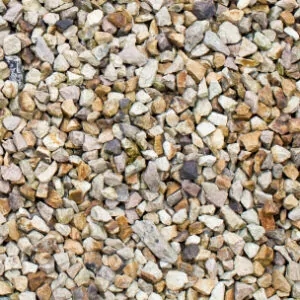
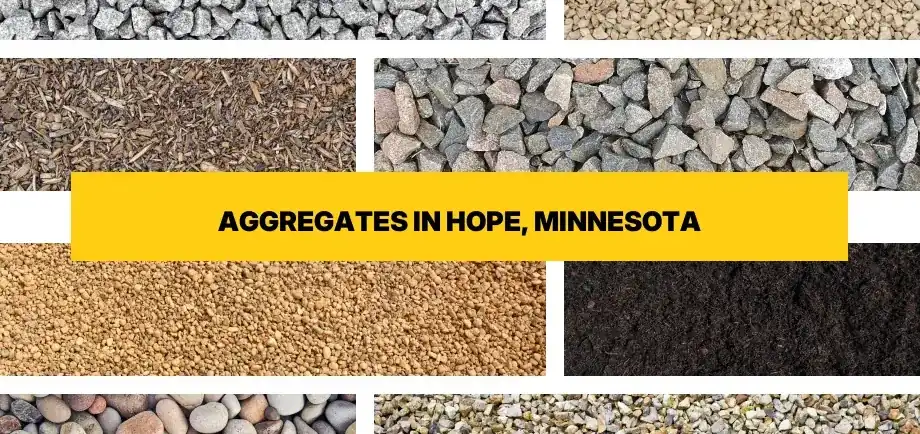
Shop Bulk Materials & Gravel in Hope, Minnesota
Local Topsoil, Dirt, Sand, Rocks and Gravel near me in Hope, Minnesota
Shop Aggregates for Delivery in Hope
Order online for free delivery to any Hope address.
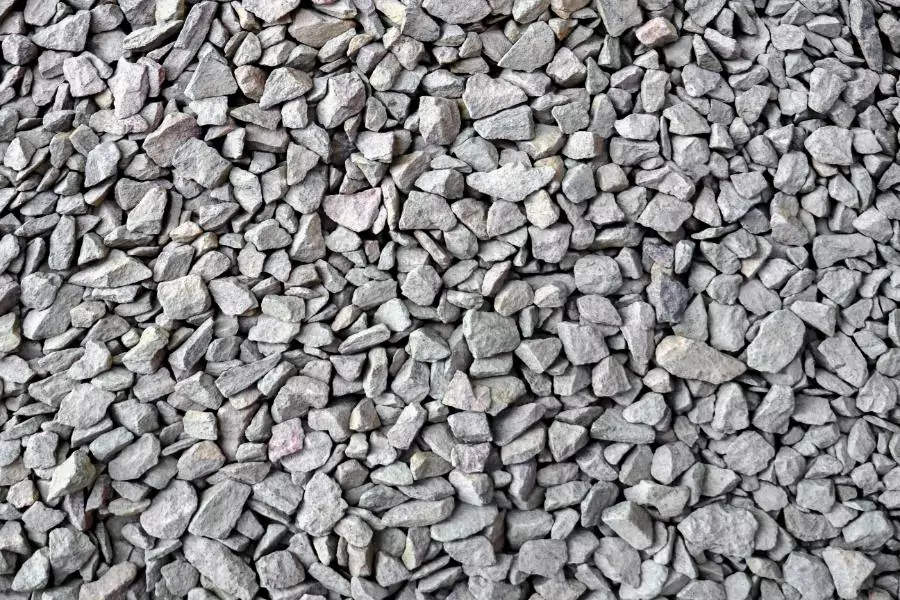
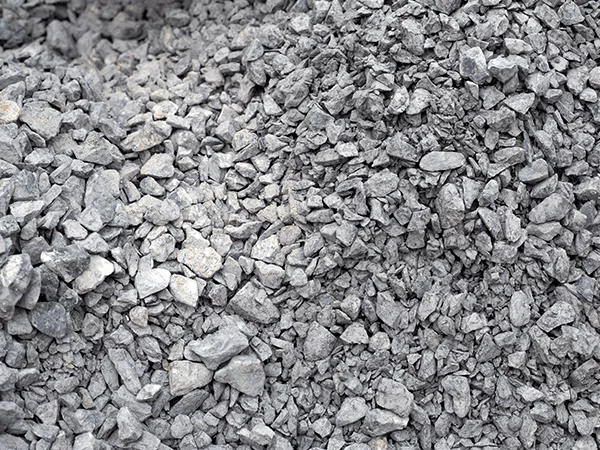


Gravel Monkey delivers premium gravel and aggregates throughout Hope, Minnesota, and the surrounding Steele County region. Whether you're building a new driveway on a rural property near Blooming Prairie, improving drainage on farmland outside Owatonna, or creating walkways in residential areas, we provide free delivery on all bulk materials directly to your Hope location. Our comprehensive selection of aggregates meets the demands of southern Minnesota's unique soil conditions and challenging climate.
Complete Range of Aggregates Available in Hope, MN
Hope's agricultural heritage and growing residential development create diverse material needs across Steele County. We supply high-quality aggregates for every type of project:
- Driveway Gravel - Durable base material engineered for Minnesota's freeze-thaw cycles
- 3/4 inch Crushed Stone - Versatile aggregate for driveways, foundations, and pathways
- #57 Stone - Ideal drainage aggregate for septic systems and French drains
- Crusher Run - Compactable base material that locks firmly into place
- Road Base - Heavy-duty foundation for access roads and farm lanes
- Drain Rock - Angular stone for superior water management
- Pea Gravel - Smooth decorative stone for landscaping and walkways
- River Rock - Natural aesthetic appeal for gardens and water features
- Walkway Gravel - Comfortable surface material for pedestrian paths
- Crushed Concrete - Eco-friendly recycled aggregate for budget-conscious projects
- Decomposed Granite - Natural pathway material with excellent compaction
- Topsoil - Rich organic soil for gardens and lawn establishment
- Fill Dirt - Essential for grading and leveling projects
- Mason Sand - Fine sand for masonry work and paver installation
- Playground Sand - Safe, clean sand for children's play areas
- Washed Sand - Clean multipurpose sand for various applications
Why Hope's Geology Demands Quality Aggregates
Hope sits in southern Minnesota's transition zone where glacial till deposits created the rich agricultural soils that define Steele County. However, these same clay-rich soils present significant challenges for construction and drainage projects. The area's Cordova silty clay loam and Webster clay loam soils are highly expansive, meaning they swell when wet and shrink when dry. This expansion and contraction can cause driveways, foundations, and roads to heave and crack without proper aggregate base preparation.
The region experiences substantial seasonal moisture fluctuation, with annual precipitation averaging 32 inches. Spring snowmelt and summer thunderstorms create periods of saturated soil conditions, while winter temperatures regularly drop below zero degrees Fahrenheit, causing deep frost penetration. These freeze-thaw cycles—sometimes occurring dozens of times between November and April—demand aggregates that provide excellent drainage and stable compaction.
Understanding Hope's Climate Impact on Material Selection
Hope experiences true continental climate conditions with temperature extremes that test construction materials. Winter lows frequently reach -15°F to -25°F, while summer highs push into the upper 80s and low 90s. This 100+ degree annual temperature swing requires aggregates that won't deteriorate under thermal stress. The frost line extends approximately 42 inches deep in Steele County, necessitating proper base depth for any permanent structures.
Properties throughout the countryside around Ellendale and near the Straight River corridor face additional drainage challenges due to relatively flat topography and clay hardpan layers that prevent water percolation. Many homeowners in these areas discover that simply laying gravel on native soil leads to rutting and mud problems. Proper installation requires removing vegetation and topsoil, establishing drainage with angular stone, then building up layers of compactable aggregates.
Aggregate Comparison for Hope Projects
Selecting the right aggregate for your Hope property depends on project type, soil conditions, and intended use. This comparison helps you choose materials that perform reliably in southern Minnesota's demanding environment:
| Aggregate Type | Best Applications | Drainage Rating | Compaction | Freeze-Thaw Performance |
|---|---|---|---|---|
| Crusher Run | Driveway base, farm roads | Good | Excellent | Excellent |
| 3/4 inch Crushed Stone | Driveways, general base | Very Good | Very Good | Excellent |
| #57 Stone | Drainage systems, concrete | Excellent | Good | Excellent |
| Road Base | Heavy traffic areas | Good | Excellent | Excellent |
| Drain Rock | Foundation drainage, septic | Excellent | Fair | Excellent |
| Pea Gravel | Landscaping, walkways | Good | Poor | Very Good |
| Crushed Concrete | Budget driveways, base | Good | Very Good | Good |
| Decomposed Granite | Pathways, patios | Fair | Good | Good |
Serving Hope and Surrounding Steele County Communities
Gravel Monkey provides free aggregate delivery throughout Hope and the greater Steele County area. We regularly serve properties in and around these communities:
Primary Service Areas Near Hope
Our delivery trucks frequently travel the rural roads connecting Hope with neighboring communities. Properties around Owatonna, the Steele County seat located just northwest of Hope, receive regular deliveries for both residential and commercial projects. The Owatonna area's mix of established neighborhoods and new developments creates steady demand for quality aggregates.
East of Hope, the Blooming Prairie area represents another core service zone. This agricultural community sees significant demand for farm lane improvements, equipment pad construction, and residential driveway projects. The rolling terrain around Blooming Prairie requires careful attention to drainage, making proper aggregate selection critical.
South toward the Iowa border, Ellendale and the surrounding countryside form an important part of our service territory. Rural properties in this area often require long driveways and access roads that must handle everything from daily passenger vehicles to heavy farm equipment and livestock trailers.
Extended Service Coverage
We also deliver to properties near Medford to the west and Clinton Falls along the Straight River. Areas around Deerfield in the northern part of Steele County regularly receive aggregate deliveries for both agricultural and residential applications. The Havana Township region and properties near Meriden fall within our standard delivery zone as well.
Common Aggregate Applications in Hope, Minnesota
Residential Driveway Construction
Building a durable driveway in Hope's clay soils requires a multi-layer approach. Successful installations begin by excavating 8-12 inches below the planned finish grade, removing all organic topsoil. For drainage, many contractors install a 3-4 inch layer of drain rock or #57 stone to create a capillary break that prevents groundwater from wicking upward into the driveway base.
The primary base typically consists of 4-6 inches of compacted crusher run or road base. These materials contain a mixture of stone sizes that lock together when compacted, creating a firm foundation that resists frost heaving. The final surface can be additional crushed stone or traditional driveway gravel, depending on aesthetic preferences and budget considerations. Properties with steeper grades or heavy vehicle traffic may require thicker base layers for long-term stability.
Agricultural Access Roads and Farm Lanes
Hope's agricultural properties need access roads that handle substantial weight loads during harvest season and spring planting. Grain trucks, combines, and loaded livestock trailers generate forces that quickly deteriorate poorly constructed farm lanes. Successful rural roads start with proper crowned grading to shed water toward roadside ditches.
Road base provides the strength needed for agricultural traffic, while maintaining adequate drainage to prevent rutting during wet periods. The material's ability to compact into a nearly concrete-hard surface makes it ideal for sections that experience the heaviest use, such as approaches to grain bins or livestock facilities. Some farmers prefer a surface layer of larger stone that provides better traction in muddy conditions while still maintaining a firm base underneath.
Drainage Solutions for Clay Soils
Drainage problems plague many Hope properties due to the region's expansive clay soils and flat topography. French drains and curtain drains provide effective solutions when properly installed with the right aggregates. These systems require clean angular stone like #57 stone or drain rock that won't clog with sediment over time.
Proper installation involves excavating a trench to the required depth, lining it with filter fabric, placing perforated drain tile, surrounding the pipe with 6-12 inches of drainage aggregate, and wrapping the stone with fabric before backfilling. The angular nature of drain rock creates void spaces that allow water to flow freely toward the outlet point. This prevents the hydrostatic pressure that causes basement seepage and foundation movement in clay soils.
Foundation Preparation and Backfill
New construction in Hope demands careful attention to foundation drainage. Building codes require proper grading and drainage aggregate around basement walls and crawl spaces. Crushed stone provides the necessary drainage while supporting the weight of backfill soil above. The stone must extend from the foundation footer up to at least 12 inches below final grade.
Many builders prefer #57 stone for foundation drainage because its consistent size creates reliable drainage characteristics. The stone should connect to perimeter drain tile that carries water away from the structure toward daylight or a sump system. Proper foundation drainage becomes especially critical in Hope's climate, where spring snowmelt can saturate soils for weeks.
Landscaping and Decorative Applications
Beyond structural applications, aggregates serve important aesthetic functions in Hope landscaping projects. River rock creates attractive borders around flower beds, foundation plantings, and water features. The natural rounded stones come in various sizes and color palettes, allowing homeowners to match their home's exterior or create visual contrast.
Walkway gravel and pea gravel provide comfortable surfaces for garden paths and decorative ground cover areas. These smaller, rounded aggregates feel pleasant underfoot while providing good drainage. Decomposed granite offers another natural-looking option that compacts into firm pathways suitable for both foot traffic and light wheeled equipment like wheelbarrows and garden carts.
Seasonal Considerations for Aggregate Projects in Hope
Spring Projects and Mud Season Challenges
Spring presents both opportunities and challenges for aggregate projects in Hope. As frost leaves the ground between late March and early May, soils become saturated with snowmelt and spring rainfall. This period—known locally as mud season—makes some project sites temporarily inaccessible to heavy delivery trucks. However, spring also marks the beginning of the primary construction season, when most homeowners tackle driveway repairs and new installation projects.
Successful spring projects require patience in waiting for adequate soil drainage before beginning excavation work. Working with saturated clay soils creates compaction problems and can damage native soil structure. Many experienced contractors schedule aggregate delivery once site conditions stabilize, typically by mid to late May. Properties with good existing access can receive deliveries earlier, allowing contractors to stockpile materials for use as conditions permit.
Summer Construction Season
Summer provides ideal conditions for aggregate work in Hope. Dry, warm weather allows proper compaction and curing of base materials. June through August represents peak construction season, when delivery schedules fill quickly. Homeowners planning significant projects should order materials several weeks in advance to secure preferred delivery dates.
However, summer also brings intense thunderstorms that can deposit 2-3 inches of rain in a few hours. These storms can temporarily soften working surfaces and create challenges for fresh projects. Contractors often work to complete crucial phases like final grading before predicted severe weather, then resume work once conditions stabilize.
Fall Project Completion
Fall offers another excellent window for aggregate work, though the season proves shorter than summer. September and October typically provide dry conditions and moderate temperatures conducive to quality construction. Many homeowners rush to complete outdoor projects before winter, creating strong demand for materials and contractor services.
Projects must be substantially complete by early November before ground freezing begins. While aggregates themselves aren't damaged by freezing, mechanical compaction becomes impossible once frost penetrates the soil. Late-season projects require careful attention to final grading and drainage preparation, ensuring water doesn't pond where it will freeze and create ice hazards.
Winter Limitations and Spring Planning
Winter essentially halts most aggregate construction work in Hope, as frozen ground prevents excavation and proper material placement. However, winter provides an excellent opportunity to plan upcoming projects, obtain quotes, and secure contractor schedules for spring start dates. Delivery trucks can often access frozen rural properties more easily than during muddy spring conditions, allowing strategic stockpiling of materials for projects that will begin as soon as weather permits.
Professional Installation Tips for Hope Properties
Calculating Material Quantities
Accurate quantity estimates prevent costly material shortages or expensive waste. For rectangular areas like driveways, calculate length times width times depth (all in feet) then divide by 27 to convert cubic feet to cubic yards. A 50-foot by 12-foot driveway requiring 4 inches of base aggregate needs approximately 7.5 cubic yards of material.
However, field conditions often increase material requirements beyond basic calculations. Clay soil excavation may yield soft subgrade that requires additional aggregate for proper support. Irregular areas need careful measurement, breaking complex shapes into rectangular sections for easier calculation. Most contractors order 10-15% additional material to account for compaction, waste, and field adjustments.
Compaction Requirements
Proper compaction transforms loose aggregate into a stable base that resists deformation under load. Professional installation uses mechanical plate compactors or vibratory rollers to achieve adequate density. The process requires compacting materials in lifts no more than 4 inches thick, as deeper layers don't receive adequate compaction energy.
Moisture content significantly affects compaction results. Materials that are too dry don't achieve adequate particle interlock, while overly wet materials compress poorly and may pump under load. Ideal moisture content varies by aggregate type but generally approximates the "handful test"—material should hold its shape when squeezed but not produce visible moisture.
Slope and Drainage Planning
Proper surface grading prevents water accumulation that leads to base failure and surface deterioration. Driveways should slope at least 2% (1/4 inch per foot) away from structures toward designated drainage areas. Crowned driveways with center high points drain toward both edges, while single-slope driveways direct all water to one side.
Low areas that collect water require additional attention. Some situations benefit from installing subsurface drainage before aggregate placement, using perforated pipe surrounded by drainage stone. Other locations need deeper aggregate bases that extend below expected ponding depths, ensuring water doesn't compromise base stability.
Frequently Asked Questions About Gravel and Aggregates in Hope, MN
We deliver a complete range of aggregates including driveway gravel, crushed stone, #57 stone, crusher run, road base, drain rock, pea gravel, river rock, decomposed granite, topsoil, fill dirt, and various sand types throughout Hope and surrounding Steele County areas.
Yes! Gravel Monkey offers FREE delivery to Hope and the surrounding Minnesota area for all gravel and aggregate orders. We proudly serve the entire Steele County region.
For driveways in Hope, calculate length times width times depth in feet, then divide by 27 to get cubic yards. A typical driveway needs 3-4 inches of compacted base material. Our team can help you estimate the right amount for your specific property.
Crushed stone and crusher run work exceptionally well in Hope's climate because they compact firmly and allow proper drainage. The angular edges lock together, preventing heaving during Minnesota's freeze-thaw cycles that occur throughout winter and early spring.
Absolutely! We deliver to rural properties throughout Steele County, including areas around Owatonna, Blooming Prairie, Ellendale, and the countryside surrounding Hope. Free delivery applies to all locations in our service area.
For Hope's heavy clay soils, we recommend starting with a proper drainage layer using drain rock or #57 stone, followed by crusher run or road base. This combination prevents water accumulation and provides a stable foundation despite the expansive clay conditions common in southern Minnesota.
We typically deliver to Hope within 2-3 business days of order placement. During peak construction season from May through September, we recommend ordering a few days in advance to secure your preferred delivery date.
Crushed stone features angular edges that lock together when compacted, making it ideal for structural applications like driveways and foundations. Pea gravel consists of smooth, rounded stones that don't compact well but provide excellent drainage and comfortable walking surfaces for decorative landscaping and pathways.
Get Started With Your Hope Aggregate Project
Whether you're building a new driveway on a rural property, improving drainage around your foundation, or creating beautiful landscaping features, Gravel Monkey delivers the quality aggregates you need throughout Hope and Steele County. Our free delivery service eliminates the hassle and expense of hauling materials yourself, while our knowledgeable team helps you select the perfect products for your specific project requirements and soil conditions.
From crushed stone and crusher run to decorative river rock and pea gravel, we stock comprehensive aggregate selections suitable for Minnesota's demanding climate. Every delivery arrives on time with materials that meet or exceed industry standards for size consistency, cleanliness, and performance. Let us help you complete your project with confidence, knowing you're using aggregates specifically suited to Hope's unique geological and climatic challenges.

Need help? Reach out for a quote: