Shop Bulk Materials & Gravel in Correll, Minnesota
Local Topsoil, Dirt, Sand, Rocks and Gravel near me in Correll, Minnesota
Shop Aggregates for Delivery in Correll
Order online for free delivery to any Correll address.


Gravel Monkey is your trusted local source for premium aggregates and bulk materials delivered directly to properties throughout Correll, Minnesota. Located in Big Stone County along the Minnesota River Valley, Correll presents unique challenges for property owners including heavy clay soils, significant freeze-thaw cycles, and moisture management needs. Whether you're upgrading a rural driveway, constructing a new agricultural access road, or improving drainage around your property, we deliver professional-grade aggregates and materials with absolutely free delivery throughout the Correll area and surrounding communities.
Complete Aggregate Selection for Correll Properties
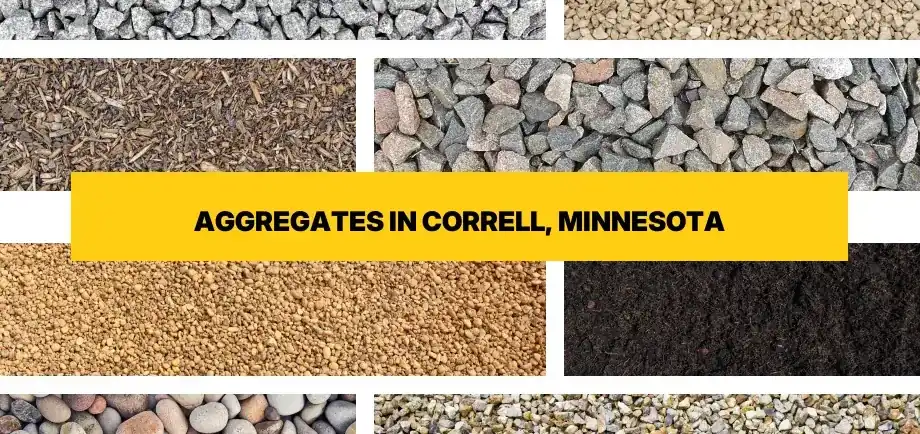
We provide a comprehensive range of gravel, stone, sand, and soil materials specifically suited to the soil conditions and climate challenges of western Minnesota. Our aggregate inventory includes:
- Driveway Gravel - Angular aggregates engineered for long-lasting driveways that withstand Minnesota winters
- 3/4 inch Crushed Stone - Versatile aggregate for bases, drainage systems, and foundation applications
- #57 Stone - Clean, uniform aggregate perfect for drainage fields and concrete projects
- Crusher Run - Compactable blend of stone and fines for superior driveway and road bases
- Road Base - Heavy-duty aggregate base for rural roads and commercial parking areas
- Drain Rock - Open-graded stone for French drains and foundation drainage systems
- Pea Gravel - Smooth decorative stone for walkways and garden beds
- River Rock - Natural river stone for landscaping and erosion control
- Walkway Gravel - Comfortable walking surface for paths and garden trails
- Crushed Concrete - Eco-friendly recycled aggregate for cost-effective base applications
- Topsoil - Rich soil for gardens, lawns, and agricultural applications
- Fill Dirt - Grading and leveling material for property improvements
- Mason Sand - Fine sand for mortar, paver bases, and construction projects
- Playground Sand - Clean, safe sand for children's play areas
- Washed Sand - Screened sand for landscaping and construction uses
- Decomposed Granite - Natural pathway material that compacts beautifully
Understanding Correll's Unique Soil and Climate Conditions
Correll sits in the Minnesota River Valley region of Big Stone County, where properties experience specific geological and climatic challenges that directly impact material selection for construction and landscaping projects. The area features heavy clay soils characteristic of glacial till deposits, which retain moisture and can expand significantly during wet periods and contract during drought conditions.
Western Minnesota experiences extreme temperature variations with winter lows regularly reaching minus 20 degrees Fahrenheit and summer highs approaching 90 degrees. This temperature swing creates intense freeze-thaw cycling that can devastate improperly constructed driveways and foundations. The frost line in Big Stone County extends approximately 60 inches deep, meaning proper aggregate base depth and drainage become critical for any permanent installation.
Annual precipitation in Correll averages around 24 inches, with peak moisture in spring and early summer. Spring snowmelt combined with rain creates saturated soil conditions that challenge drainage systems. Properties near the Whetstone River or Mud Creek areas particularly need effective drainage solutions using proper aggregates to prevent water pooling and frost heave damage.
Clay Soil Challenges in Big Stone County
The predominant clay soils throughout the Correll area present specific construction challenges. Clay retains water, which expands when frozen and contracts when dry, creating movement that damages driveways, foundations, and hardscapes. Successful projects require adequate base depth using compactable aggregates that provide both structural support and drainage pathways to channel water away from structures.
Agricultural properties surrounding Correll often deal with heavy equipment traffic on clay-based soils. Rural driveways and field access roads need substantial aggregate base—typically six to eight inches minimum—to distribute weight and prevent rutting during wet spring conditions when equipment moves to fields for planting season.
Choosing the Right Aggregates for Your Correll Project
Selecting appropriate materials makes the difference between a project that lasts decades and one requiring frequent repairs. The aggregates you choose must address both the load-bearing requirements of your specific application and the drainage needs imposed by local soil conditions.
Driveway Construction in Correll
Rural driveways throughout Big Stone County require proper engineering to withstand both climate extremes and regular vehicle traffic. A successful driveway installation starts with excavating existing clay soil to reach stable subgrade, typically 12 to 18 inches below finished surface elevation.
The foundation layer should consist of large-sized angular aggregate that creates void spaces for water drainage. This base layer, usually six to eight inches after compaction, prevents frost heave by allowing water to drain rather than pooling and freezing beneath your driveway surface. The middle layer uses smaller aggregates that interlock while maintaining drainage, and the surface layer provides a smooth driving surface that sheds water to the edges.
Properties near the Minnesota-South Dakota border where Correll residents often travel toward Ortonville or Clinton experience heavy winds that can erode fine materials from driveway surfaces. Using angular crushed aggregates rather than rounded materials provides better interlock and resistance to wind displacement.
Foundation and Basement Drainage Solutions
Homes and agricultural buildings in Correll need robust foundation drainage because high water tables and spring saturation can create hydrostatic pressure against foundation walls. Installing proper drainage aggregate around foundations prevents water infiltration, basement flooding, and structural damage from freeze-thaw pressure.
Effective foundation drainage uses clean, open-graded stone placed against the foundation wall from footing to grade level. This aggregate provides immediate pathways for water to reach perimeter drain tile rather than saturating backfill soil. For Correll's clay soils, foundation drainage becomes even more critical because clay's low permeability means water moves very slowly through native soil.
Agricultural and Commercial Applications
Farm properties require durable aggregate solutions for equipment yards, grain storage areas, and field access roads. Heavy agricultural equipment—particularly when loaded during harvest season—demands substantial base depth and proper aggregate selection. Equipment pads near grain bins and machinery storage areas benefit from eight to ten inches of well-compacted base material capped with coarser surface aggregate that resists rutting.
Commercial properties throughout Big Stone County, including businesses along Highway 7 between Correll and nearby Barry, need parking areas and access roads engineered for longevity. Commercial applications typically specify road-grade aggregates that meet structural specifications for heavy traffic loads while providing long-term performance in Minnesota's challenging climate.
| Aggregate Type | Best Applications | Typical Size | Drainage Rating | Compaction |
|---|---|---|---|---|
| Driveway Gravel | Residential driveways, rural roads | 3/4" to 1-1/2" | Excellent | Very Good |
| Crusher Run | Driveway base, road base | 3/4" minus with fines | Good | Excellent |
| #57 Stone | Drainage, concrete aggregate | 3/4" | Excellent | Fair |
| Road Base | Heavy-duty roads, commercial lots | Variable blend | Good | Excellent |
| Drain Rock | French drains, foundation drainage | 3/4" to 1-1/2" | Excellent | Poor |
| Pea Gravel | Walkways, decorative landscaping | 3/8" | Very Good | Fair |
| Crushed Concrete | Base material, rural roads | Variable | Good | Very Good |
| Decomposed Granite | Pathways, patios, garden areas | 1/4" minus | Good | Excellent |
Serving Properties Throughout the Correll Area
Gravel Monkey delivers aggregates and materials throughout Correll and surrounding Big Stone County communities. Our service area extends to properties near Odessa to the north, Clinton to the south, and reaches west toward the South Dakota border. We regularly serve customers throughout the rural areas between Correll and nearby Barry, as well as properties along the county roads connecting to Ortonville and Beardsley.
Many of our Correll customers maintain agricultural properties requiring ongoing aggregate needs for access roads, equipment pads, and drainage improvements. We also serve residential properties throughout the township areas surrounding Correll, including homes along the old railroad corridor and properties near the Whetstone River valley. Whether your project sits on Main Street in Correll proper or on a rural section along County Road 7, we deliver quality aggregates with the same commitment to service.
The greater Ortonville area, including Graceville, Dumont, and Wheaton, falls within our delivery range. Properties near Big Stone Lake and those in the farming communities throughout Big Stone County benefit from our comprehensive material selection and free delivery service. We understand that rural Minnesota properties often require bulk quantities, and our delivery capabilities accommodate projects of all sizes.
Working With Minnesota's Seasons in Correll
The dramatic seasonal changes in western Minnesota impact both construction timing and material performance. Understanding these seasonal factors helps you plan successful projects that deliver lasting results.
Spring: Managing Mud and Moisture
Spring presents the most challenging construction conditions in Correll. Snowmelt saturates clay soils creating muddy conditions that make excavation and grading difficult. However, spring also offers the advantage of cooler temperatures that prevent rapid moisture loss during grading work. Projects starting in late April or May should allow extra time for soil drying before final compaction. Adequate aggregate depth becomes even more critical when subgrade soils remain damp.
Summer: Prime Construction Season
Summer months from June through August provide ideal conditions for aggregate projects in Big Stone County. Warm temperatures and typically lower rainfall allow soil to dry adequately, compaction equipment works effectively, and materials cure properly. However, summer drought conditions can make clay soils extremely hard, potentially requiring additional effort during excavation. Projects completed during summer benefit from months of traffic before the next freeze-thaw cycle tests their construction quality.
Fall: Racing the Freeze
Fall construction requires attention to forecast temperatures. Projects must reach completion before sustained freezing prevents proper compaction of aggregate layers. September and early October generally provide excellent working conditions with moderate temperatures and lower precipitation. However, weather windows shorten as November approaches, and early cold snaps can arrive unexpectedly in western Minnesota. Plan fall projects with contingency time built into the schedule.
Winter: Limited But Possible
While winter construction presents obvious challenges, certain projects remain feasible during cold months. Frozen ground can actually support heavy equipment without rutting, making access easier than during spring mud season. However, achieving proper compaction of aggregate layers becomes impossible when materials and ground remain frozen. Winter projects typically focus on material delivery to staging areas for spring installation, though emergency repairs sometimes necessitate winter work.
Detailed Material Selection for Common Correll Projects
Different projects require different aggregate specifications. Understanding these requirements helps ensure your project succeeds.
Residential Driveway Upgrades
Home driveways in Correll typically span 200 to 400 feet from road to house. A standard residential driveway measuring 300 feet by 12 feet requires significant aggregate volume—approximately 45 cubic yards for a six-inch base depth. Starting with proper excavation of existing clay, you build up layers using progressively smaller aggregates. The bottom layer uses four-inch to six-inch stone for structure, middle layers use two-inch to three-inch material, and the surface receives three-quarter-inch aggregate for comfortable driving and attractive appearance.
Farm Lane Construction
Agricultural access roads connecting county roads to farmsteads need extra structural capacity to handle loaded grain trucks, tractors pulling equipment, and heavy implements. Farm lanes should use eight to ten inches of base depth, with the lower six inches consisting of large angular stone that creates structural matrix. Adequate width—typically 14 to 16 feet—allows equipment to pass and provides shoulders for drainage. Crown the driving surface to shed water toward edges where it drains into roadside ditches.
Patio and Entertainment Area Projects
Outdoor living spaces require stable, well-drained bases to prevent settling and shifting. Excavate patio areas to remove clay soil, then build a four-inch to six-inch base using compactable aggregates. Top this structural base with two to three inches of finer material that provides a smooth foundation for pavers, flagstone, or other surface treatments. Proper base construction prevents the frustrating settling and unevenness that plagues patios built directly on clay.
Garden Bed and Landscaping Preparation
Creating successful garden beds in Correll's heavy clay requires amending native soil or replacing it entirely. Remove clay to appropriate depth, install landscape fabric if controlling weeds, then backfill with quality topsoil mixed with compost or organic matter. Raised beds work particularly well in clay areas because they provide superior drainage and warmer soil temperatures for earlier spring planting. Edge beds with decorative river rock or larger stone to define spaces and prevent soil erosion during heavy rains.
Erosion Control Solutions
Properties with slopes, particularly those near Mud Creek or drainage ways, benefit from erosion control using appropriately sized stone. Larger river rock, four to eight inches in diameter, provides weight and stability on moderate slopes while allowing water to flow through rather than sheeting across surfaces. For severe erosion areas, consider riprap—large angular rock that interlocks to resist water force. Combine stone erosion control with vegetation for long-term stability.
Installation Best Practices for Correll Climate
Proper installation techniques significantly extend the life of aggregate projects in Minnesota's challenging climate. Follow these proven practices for optimal results.
Subgrade Preparation
Never skip adequate subgrade preparation. Remove all organic material, soft clay, and unsuitable soils down to firm native material or engineered fill. In areas with high water tables or poor drainage, consider installing subgrade geotextile fabric to separate native clay from your aggregate base. This fabric prevents clay from pumping up through your stone under repeated loading, which would contaminate your clean aggregate and reduce drainage effectiveness.
Compaction Requirements
Each aggregate layer requires proper compaction to achieve design strength and prevent future settling. Compact base layers using heavy plate compactors or roller equipment, making multiple passes over each area. Add material in lifts no thicker than six inches before compaction—thicker lifts prevent adequate densification at the bottom of each layer. Test compaction by walking on completed surfaces; properly compacted aggregate shows minimal movement underfoot.
Drainage Integration
Every project needs planned drainage to channel water away from critical areas. Grade surfaces with adequate crown or slope—typically one-quarter inch per foot minimum—to promote water runoff. Direct this runoff toward vegetation or drainage structures rather than allowing it to pool or flow toward buildings. In areas with severe drainage challenges, combine surface grading with subsurface solutions like French drains to keep water moving through and away from structures.
Edge Restraint
Driveways, walkways, and patio areas need solid edge restraint to prevent aggregate from spreading over time. Use pressure-treated lumber, steel edging, or concrete curbs to contain materials within defined boundaries. Without proper edging, freeze-thaw cycles and traffic gradually push aggregates outward, thinning your surface layer and creating maintenance headaches. Well-restrained edges maintain clean lines and keep aggregates where you placed them.
Planning Your Aggregate Budget in Correll
Understanding material quantities and associated costs helps you plan realistic budgets for property improvements. While Gravel Monkey provides free delivery throughout Correll, calculating total project costs requires accounting for materials, potential excavation, and equipment rental if needed.
Calculating Material Quantities
Accurate quantity estimates prevent costly shortages or expensive excess. Measure your project area in feet (length times width), then multiply by desired depth in feet. Divide this cubic footage by 27 to convert to cubic yards—the standard unit for aggregate ordering. Add 10 to 15 percent extra to account for compaction, waste, and settling. For complex areas with irregular shapes, break the space into rectangles and triangles, calculate each section separately, then sum the totals.
Comparing Material Options
Different aggregates carry different price points reflecting their processing, sourcing, and transportation costs. Crushed recycled concrete typically costs less than virgin quarried stone but performs excellently for many applications including farm roads and base layers. Premium decorative aggregates command higher prices but provide aesthetic value for visible applications. Balance appearance requirements against functional needs and budget constraints to select appropriate materials for each project component.
Long-Term Value Considerations
Quality materials and proper installation provide superior long-term value despite higher upfront costs. A well-constructed aggregate driveway using appropriate base depth and proper materials can last 20 to 30 years with minimal maintenance. Conversely, shortcuts during installation—inadequate base depth, poor drainage, insufficient compaction—lead to premature failure requiring expensive reconstruction. View your investment through a long-term lens weighing initial cost against expected lifespan and maintenance requirements.
Frequently Asked Questions About Aggregates in Correll
We deliver a complete selection including driveway gravel, crushed stone in multiple sizes, #57 stone, pea gravel, river rock, crusher run, road base, drain rock, topsoil, fill dirt, various sands, crushed concrete, and decomposed granite throughout Correll and surrounding Big Stone County areas. Our inventory covers materials for driveways, drainage systems, landscaping, construction, and agricultural applications.
Yes! Gravel Monkey offers FREE delivery to Correll and the surrounding Minnesota area for all aggregate and material orders. We service properties throughout Big Stone County including rural areas, farms, and residential properties regardless of location.
The amount depends on your project size and depth needed. For driveways, calculate length times width times depth in feet, then divide by 27 for cubic yards. Typically driveways need 4 to 6 inches of base material, requiring approximately 1 cubic yard per 80 square feet at 4-inch depth. Our team can help you calculate the exact amount for your Correll property—just provide your measurements and project details.
Crushed stone and crusher run work exceptionally well in Correll because they compact firmly and provide excellent drainage. Proper drainage is critical in Minnesota to prevent frost heave during our cold winters when temperatures regularly drop below zero. Angular aggregates interlock better than rounded materials, creating stable surfaces that resist movement during freeze-thaw cycling.
Absolutely! Crushed concrete is an excellent eco-friendly alternative that performs well for driveways, pathways, and base applications in Correll. It is cost-effective and environmentally responsible while providing durability comparable to virgin aggregates. Many agricultural operations and commercial properties use recycled concrete successfully for access roads and equipment pads.
Big Stone County features primarily clay-rich soils that can hold moisture and experience frost heave. These glacial till soils have low permeability, meaning water drains slowly through native material. Proper drainage with materials like drain rock and adequate base depth with compactable aggregates helps prevent settling and damage during freeze-thaw cycles common in western Minnesota.
Summer months from June through August provide ideal conditions for aggregate installation. Dry, warm weather allows proper soil preparation, effective compaction, and adequate curing time before winter. Spring and fall can also work well but require careful attention to moisture levels and temperature. Avoid installing aggregate projects when ground is frozen or excessively wet, as these conditions prevent proper compaction and long-term success.
Regular maintenance extends driveway life significantly. Rake or blade the surface annually to redistribute aggregate and maintain crown for water drainage. Fill potholes and thin areas promptly to prevent expansion. Add fresh surface material every few years to replace material lost to traffic and weather. Maintain proper edge restraint to prevent aggregate from spreading. Control vegetation along edges and keep drainage ditches clear to prevent water-related damage.
Start Your Correll Property Improvement Project Today
Whether you're building a new driveway, improving drainage around your home, creating outdoor living spaces, or upgrading farm roads, Gravel Monkey delivers the quality aggregates you need with the expertise to guide your material selection. Our comprehensive inventory serves every application from decorative landscaping to heavy-duty commercial construction, and our free delivery throughout Correll and Big Stone County makes your project planning simple and cost-effective.
We understand the unique challenges of working with western Minnesota's clay soils and extreme climate. Our team helps you select appropriate materials and specifications to ensure your project withstands freeze-thaw cycles, moisture fluctuations, and years of use. From the initial planning stages through material delivery, we're committed to your project's success.
Contact Gravel Monkey today to discuss your specific needs, get accurate quantity estimates, and schedule your free delivery. Let us help you build property improvements that last for decades in Correll's demanding environment.

Need help? Reach out for a quote: