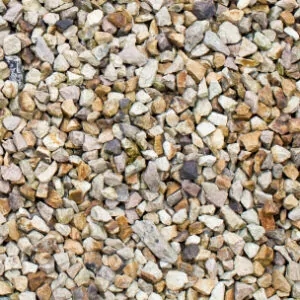
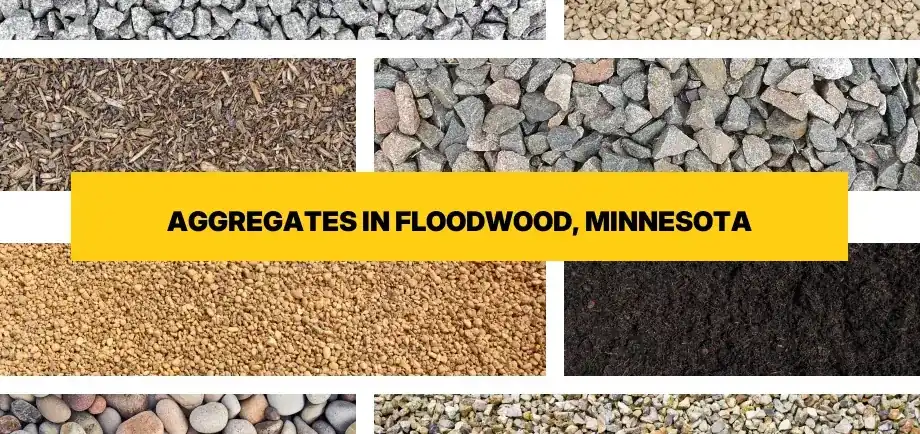
Shop Bulk Materials & Gravel in Floodwood, Minnesota
Local Topsoil, Dirt, Sand, Rocks and Gravel near me in Floodwood, Minnesota
Shop Aggregates for Delivery in Floodwood
Order online for free delivery to any Floodwood address.
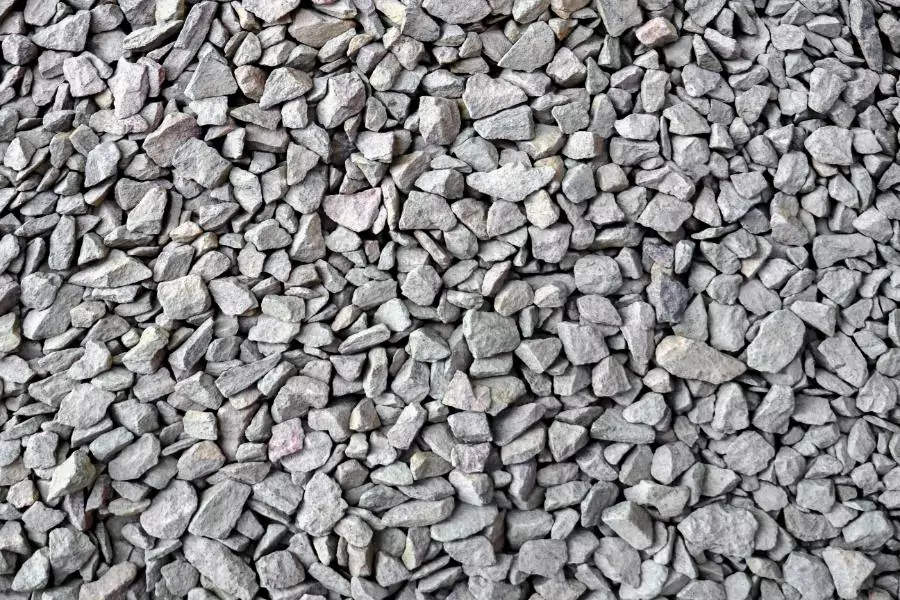
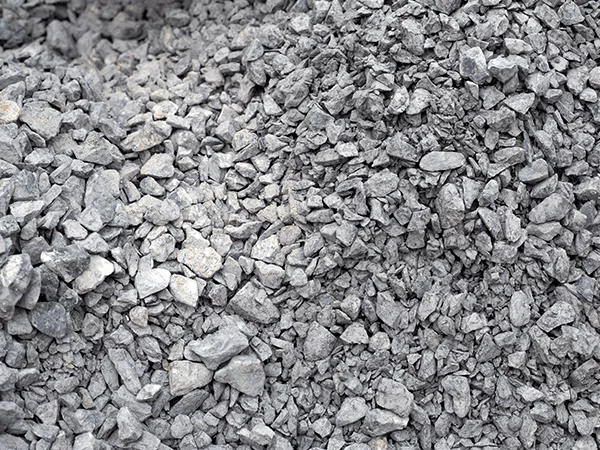


Gravel Monkey delivers premium gravel, aggregates, and landscaping materials throughout Floodwood, Minnesota, with completely free delivery to your property. Whether you're building a new driveway near the Floodwood River, repairing rural roads off Highway 2, or managing drainage on clay-heavy soils common throughout St. Louis County, we provide the quality materials and expert service northern Minnesota property owners depend on year-round.
Complete Aggregate & Material Selection for Floodwood Properties
At Gravel Monkey, we understand the unique challenges Floodwood's climate and geology present. From brutal winter freeze-thaw cycles to spring flooding along the St. Louis River watershed, your projects need materials that perform in harsh northern Minnesota conditions. We stock a comprehensive inventory of aggregates and materials specifically suited for the region:
- Driveway Gravel - Compactable aggregate designed to withstand Minnesota's freeze-thaw cycles
- 3/4 inch Crushed Stone - Versatile angular stone for foundations, driveways, and drainage applications
- #57 Stone - Standard construction aggregate for concrete work and base layers
- Crusher Run - Ideal compactable base that creates solid foundations resistant to shifting
- Road Base - Professional-grade material for road building and heavy-duty applications
- Drain Rock - Essential for managing water in Floodwood's clay-rich soils
- Pea Gravel - Smooth decorative stone for pathways and landscaping accents
- River Rock - Natural aesthetic stone available in multiple sizes
- Walkway Gravel - Comfortable walking surface for paths and garden trails
- Decomposed Granite - Natural compacting material perfect for rustic pathways
- Crushed Concrete - Eco-friendly recycled aggregate for cost-effective base layers
- Topsoil - Rich growing medium for gardens and lawn establishment
- Fill Dirt - Clean material for grading, leveling, and building up low areas
- Mason Sand - Fine sand for masonry work and concrete mixing
- Playground Sand - Safe, certified clean sand for play areas
- Washed Sand - Clean multipurpose sand for various construction needs
Understanding Floodwood's Soil and Geology
Floodwood sits in the heart of northern Minnesota's glacial lake plain region, where ancient glacial activity left behind heavy clay deposits mixed with sandy loam. The predominant soil types in the area include Duluth clay loam and Floodwood muck, both of which present specific challenges for construction and drainage. The clay content in local soils causes significant expansion when saturated and shrinkage during dry periods, creating stress on foundations and driveways.
The region's proximity to the Floodwood River and numerous wetlands means that water management is critical for any ground-level project. Properties throughout Floodwood, particularly those in lower-lying areas near the river floodplain, require proper drainage systems and carefully selected aggregates that won't shift or settle when exposed to moisture. The water table remains relatively high throughout much of the year, especially during spring snowmelt when the St. Louis River watershed swells with runoff.
Understanding these geological conditions is essential when selecting materials. Angular crushed aggregates compact better than rounded stones in clay soils, providing superior stability. Proper base depth becomes especially important given frost depths that routinely reach 5 to 6 feet during harsh Minnesota winters. Quality drainage stone prevents water accumulation that would otherwise freeze, expand, and destroy pavement or base layers.
Building for Floodwood's Extreme Northern Minnesota Climate
Floodwood experiences one of Minnesota's harshest climates, with winter temperatures regularly dropping below -20°F and summer highs occasionally reaching the upper 80s. This temperature swing of over 100 degrees creates extraordinary stress on driveways, foundations, and any structure in contact with the ground. Annual precipitation averages around 28 inches, with significant snowfall totaling 50 to 60 inches each winter season.
The freeze-thaw cycle presents the greatest challenge for aggregate applications in Floodwood. Water penetrates base materials during fall rains, then freezes solid during winter months, expanding with tremendous force. As temperatures fluctuate above and below freezing during spring and fall transition periods, this cycle repeats dozens of times, gradually destroying improperly constructed bases and causing the familiar frost heaving seen on poorly maintained driveways.
Spring brings additional challenges as snowmelt saturates soils and tests drainage systems. Properties throughout Floodwood must manage significant water volume during April and May when accumulated snow rapidly melts. Without proper drainage aggregates and well-designed runoff systems, this seasonal deluge causes erosion, foundation undermining, and washout of driveway materials. The long growing season from late May through September offers ideal conditions for completing outdoor projects before the next winter arrives.
Serving Floodwood and Surrounding St. Louis County Communities
Gravel Monkey proudly serves properties throughout Floodwood and the surrounding region with free delivery to every location. Our service area includes rural properties along County Road 133, developments near Highway 2, and homesteads throughout the greater Floodwood township. We regularly deliver to customers in nearby communities including Gowan to the south, Meadowlands to the east, and Wright to the northwest.
Whether your property sits within Floodwood's town center near Main Street, along rural roads bordering the Floodwood State Forest, or on recreational land near Island Lake, we bring quality aggregates directly to your project site. Our delivery drivers know the local roads well and can navigate seasonal conditions including spring mud and winter snow to ensure your materials arrive when you need them.
Common Aggregate Applications Throughout Floodwood
Residential Driveways Built to Last
Driveways in Floodwood face extreme conditions that demand quality construction. The proper approach begins with excavating existing material down to stable subgrade, then building up layers of carefully selected aggregates. For the base layer, compacted stone provides excellent stability and drainage. The middle layer should consist of well-compacted aggregate that won't shift under vehicle weight, while the top surface needs material that provides traction even in icy conditions.
Many Floodwood homeowners prefer longer driveways given the rural character of the area, with some properties requiring 200 feet or more of driveway from the road to the house. Proper construction of these extended driveways requires significant amounts of aggregate material and careful attention to drainage. Crown the driveway surface slightly to shed water to the sides, and install proper culverts where the driveway crosses ditches or low areas. These details make the difference between a driveway that lasts decades and one that requires constant maintenance.
Foundation Drainage Systems
Given Floodwood's clay soils and high water table, proper foundation drainage is not optional—it's essential for protecting your home or building. Clean drainage stone should surround foundation walls, connected to perforated drain tile that carries water away from the structure. This system prevents hydrostatic pressure buildup against foundation walls and stops water infiltration into basements or crawl spaces.
The drain rock creates void spaces that allow water to flow freely toward the drainage tile rather than accumulating against the foundation. Wrap the drainage stone in filter fabric to prevent clay particles from migrating into the stone and eventually clogging the system. Proper installation extends foundation life and prevents the moisture problems that plague many northern Minnesota homes built without adequate drainage.
Rural Road Maintenance
Many Floodwood residents live on private or township roads that require periodic aggregate addition to maintain a solid driving surface. Spring typically reveals the damage caused by winter frost and snowmelt, with potholes, washboard surfaces, and soft spots appearing throughout the road network. Fresh aggregate application fills these problem areas and restores a smooth, stable driving surface.
For road maintenance work, materials that compact well and interlock under traffic provide the best results. Apply new aggregate during dry conditions when possible, and use a roller or allow traffic to gradually compact the material. Grade the road surface to maintain proper crown and ensure water runs off into ditches rather than pooling on the driving surface. Regular maintenance with quality aggregates prevents small problems from becoming major road failures.
Landscaping and Decorative Stone Applications
Beyond functional applications, quality aggregates enhance property aesthetics throughout Floodwood. Natural stone creates attractive pathways through garden areas, defines planting beds, and adds visual interest to otherwise plain landscapes. Decorative stone also provides practical benefits including weed suppression, moisture retention in planting beds, and reduced soil splash onto house siding during rain events.
The key to successful decorative stone installation involves proper preparation. Remove existing vegetation and roots, then lay landscape fabric to prevent weed growth through the stone. Install edging to contain the stone and prevent it from migrating into lawn areas. A 2 to 3 inch depth of decorative aggregate provides adequate coverage while remaining cost-effective for larger areas.
Aggregate Type Comparison for Floodwood Projects
Selecting the right aggregate for your specific application ensures successful results and long-term durability. Different materials offer distinct advantages depending on your project requirements, budget, and site conditions. This comparison helps Floodwood property owners make informed decisions:
| Material Type | Best Applications | Compaction Quality | Drainage Performance | Minnesota Winter Rating |
|---|---|---|---|---|
| Driveway Gravel | Residential driveways, parking areas | Excellent | Very Good | Excellent - resists frost heave |
| Crusher Run | Road base, driveway foundation | Superior | Good | Excellent - highly stable |
| 3/4 inch Crushed Stone | General construction, drainage | Very Good | Excellent | Very Good - versatile |
| #57 Stone | Concrete aggregate, pipe bedding | Good | Excellent | Good - standard applications |
| Drain Rock | Foundation drains, French drains | Moderate | Superior | Excellent - water management |
| Road Base | Heavy-duty roads, commercial drives | Superior | Good | Excellent - heavy loads |
| Pea Gravel | Walkways, decorative landscaping | Poor | Very Good | Good - decorative use |
| River Rock | Landscaping, erosion control | Poor | Good | Good - aesthetic applications |
| Crushed Concrete | Economic base material | Very Good | Good | Very Good - budget-friendly |
| Decomposed Granite | Natural pathways, patios | Good | Moderate | Good - compacts naturally |
Professional Installation Tips for Northern Minnesota
Proper installation techniques make the difference between projects that last decades and those that fail within a few years. These professional recommendations apply specifically to Floodwood's challenging conditions:
Site Preparation and Excavation
Begin every project by removing unsuitable material down to stable subgrade. In clay soils common throughout Floodwood, this often means excavating deeper than initially planned. Soft, organic material and topsoil must be completely removed, as these materials compress under load and cause settling. For driveway projects, excavate to a depth that accommodates at least 8 to 12 inches of aggregate base material, plus your desired surface layer depth.
Address any drainage issues during excavation. Install culverts where water naturally flows across the driveway path. Create positive drainage away from structures and toward appropriate discharge areas. Consider the spring snowmelt volume when designing drainage solutions—what seems adequate during summer may prove completely insufficient when 50 inches of accumulated snow melts rapidly in April.
Layering and Compaction
Build aggregate bases in lifts no more than 4 to 6 inches thick, compacting each lift thoroughly before adding the next layer. This approach achieves far better compaction than dumping all material at once and attempting to compact the full depth. Use a vibrating plate compactor for residential projects or a roller for larger areas. Make multiple passes over each section, and add slightly more material than needed to account for compaction.
For maximum frost resistance in Floodwood's extreme climate, install aggregate base to depths below the local frost line when possible. While this may seem excessive for a driveway, the added depth prevents frost heaving that would otherwise destroy the surface. The investment in extra base material pays dividends through extended service life and reduced maintenance requirements.
Seasonal Timing Considerations
Plan major aggregate projects for the optimal seasonal window in Floodwood. Late spring through early fall offers the most favorable conditions, with firm ground that supports equipment and adequate time for settling before winter arrives. Avoid installation during spring mud season when wet conditions prevent proper compaction. Similarly, late fall installation risks having new aggregate bases disrupted by early freeze-thaw cycles before adequate settling occurs.
If emergency repairs become necessary during winter months, work with frozen ground actually provides some advantages. Frozen soil offers a firm working platform, and frozen aggregate can be temporarily placed until spring allows proper installation. However, understand that winter installations should be considered temporary fixes requiring proper reconstruction once favorable weather returns.
Maintaining Aggregate Surfaces in Floodwood
Proper maintenance extends the life of aggregate driveways, roads, and other installations. In Floodwood's harsh climate, regular attention prevents minor issues from becoming major problems requiring complete reconstruction.
Spring Inspection and Repair
Each spring after frost leaves the ground, inspect aggregate surfaces for damage caused by winter conditions. Look for areas where frost heaving has displaced material, spots where snowplows may have scraped away surface aggregate, and locations where spring runoff has caused erosion. Address these problems promptly by adding fresh aggregate and re-grading affected areas before they worsen.
Regular Grading
Grade aggregate driveways and roads at least annually, and more frequently if heavy use causes rutting or washboard surfaces. Proper grading redistributes material, restores crown for water runoff, and fills developing low spots. This simple maintenance dramatically extends surface life by preventing water accumulation and the resulting erosion. Time grading operations for dry conditions when material moves easily and compacts properly.
Periodic Material Addition
Even well-maintained aggregate surfaces gradually lose material through traffic displacement, wind erosion, and embedment into underlying soils. Plan to add fresh aggregate every few years to maintain adequate depth and proper surface texture. This preventive approach costs far less than allowing the base to deteriorate to the point requiring complete reconstruction.
Aggregate Solutions for Every Floodwood Property Type
Floodwood's diverse property types each present unique aggregate needs. Residential homeowners often focus on driveway construction and landscaping enhancements. Many properties feature detached garages or outbuildings requiring quality access drives that withstand year-round use. Recreational properties around area lakes need seasonal road maintenance and erosion control solutions.
Commercial operations in Floodwood require durable parking areas and truck access lanes capable of supporting heavy loads in all weather conditions. Agricultural properties throughout the surrounding township need farm lane materials that prevent vehicles from becoming stuck during wet periods while providing stable surfaces during harvest season. Sand and topsoil support agricultural operations ranging from small hobby farms to larger working properties.
Municipal and township road departments maintain an extensive network of gravel roads serving rural Floodwood residents. These roads require regular aggregate addition to combat the damage caused by heavy spring loads on thawing roadbeds, summer grader maintenance that pushes material aside, and general traffic wear. Quality aggregate materials properly applied keep these vital transportation links functional year-round.
Environmentally Responsible Aggregate Use
Gravel Monkey supports environmentally responsible practices throughout our operations. Crushed concrete provides an excellent example of sustainable aggregate use—recycled material from demolished structures gains new life as cost-effective base material, diverting thousands of tons from landfills while reducing demand for virgin quarried stone.
Proper aggregate installation also protects environmental quality. Well-designed drainage systems prevent erosion and sediment discharge into nearby waterways including the Floodwood River system. Quality base materials reduce the frequency of maintenance activities that disturb soils and vegetation. When materials last longer, fewer resources go into manufacturing, transporting, and installing replacement aggregates over time.
Consider environmental factors when planning projects. Preserve natural vegetation where possible to prevent erosion and maintain wildlife habitat. Install silt fencing during construction to prevent sediment runoff. Choose appropriate aggregate types that minimize future maintenance requirements and associated environmental impacts. These practices protect Floodwood's natural beauty while meeting your practical construction needs.
Simple Ordering Process with Free Delivery Throughout Floodwood
Gravel Monkey makes ordering aggregate materials simple and convenient for Floodwood customers. Contact us with your project details including location, material type needed, and approximate quantity required. Our knowledgeable team helps calculate the correct amount based on your project dimensions and application, preventing both shortages and excessive overordering.
We schedule delivery at your convenience, working around your timeline and site conditions. Our professional drivers understand local roads and deliver materials precisely where you need them on your property, whether that's near your home, at a remote building site, or along a rural access road. The delivery service is completely free throughout Floodwood and surrounding areas—no hidden charges or surprise fees.
Quality materials, expert advice, and free delivery combine to make Gravel Monkey the preferred aggregate supplier for Floodwood property owners. We understand northern Minnesota's unique requirements and stock materials that perform reliably in harsh conditions. From small residential projects to large commercial applications, we provide the aggregates and service that keep your projects moving forward successfully.
Frequently Asked Questions About Gravel in Floodwood
We deliver a comprehensive range of materials including driveway gravel, crushed stone in multiple sizes, pea gravel, river rock, crusher run, road base, drain rock, decomposed granite, various sand types, topsoil, fill dirt, and crushed concrete throughout Floodwood and surrounding St. Louis County areas.
Yes! Gravel Monkey offers completely FREE delivery to Floodwood and the surrounding Minnesota region for all gravel, aggregate, and material orders. No hidden fees or delivery charges.
For harsh Minnesota winters, we recommend crusher run or road base for driveways as they compact well and resist frost heave. Drain rock is essential for proper water management during spring thaw, and crushed stone provides excellent traction on icy surfaces.
The amount depends on your project dimensions. For driveways, multiply length times width times depth in feet, then divide by 27 for cubic yards. A typical driveway needs 3 to 4 inches of depth. Our team can help calculate the exact amount for your Floodwood project.
Absolutely! We deliver to properties throughout Floodwood and the surrounding rural St. Louis County area, including near Gowan, Meadowlands, and along Highway 2. Our free delivery covers both in-town and outlying properties.
Floodwood sits in an area with heavy clay soils characteristic of northern Minnesota glacial deposits. These clay-rich soils expand when wet and retain moisture, making proper drainage and quality base materials essential for driveways and foundations.
Yes! We serve both residential homeowners and commercial contractors in Floodwood. Whether you need bulk aggregates for road construction, building projects, or large-scale drainage work, we can accommodate orders of any size with the same free delivery.
Late spring through early fall offers optimal conditions in Floodwood. Avoid spring mud season when wet ground prevents proper compaction, and complete projects before late fall to allow settling before winter freeze-thaw cycles begin.
Ready to Start Your Floodwood Project?
Gravel Monkey stands ready to supply the quality aggregates your Floodwood property needs. Our extensive material selection, expert guidance, and free delivery throughout St. Louis County make us the logical choice for homeowners, contractors, and commercial operations throughout the region. Contact us today to discuss your project requirements and schedule convenient delivery of premium gravel and aggregate materials to your Floodwood location.

Need help? Reach out for a quote: