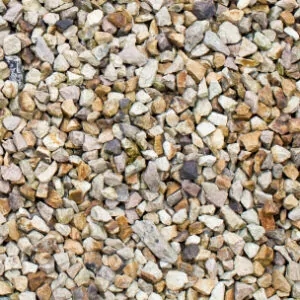

Rock & Driveway Gravel in Lake Lillian, Minnesota
Local Topsoil, Dirt, Sand, Rocks and Gravel near me in Lake Lillian, Minnesota
Shop Aggregates for Delivery in Lake Lillian
Order online for free delivery to any Lake Lillian address.
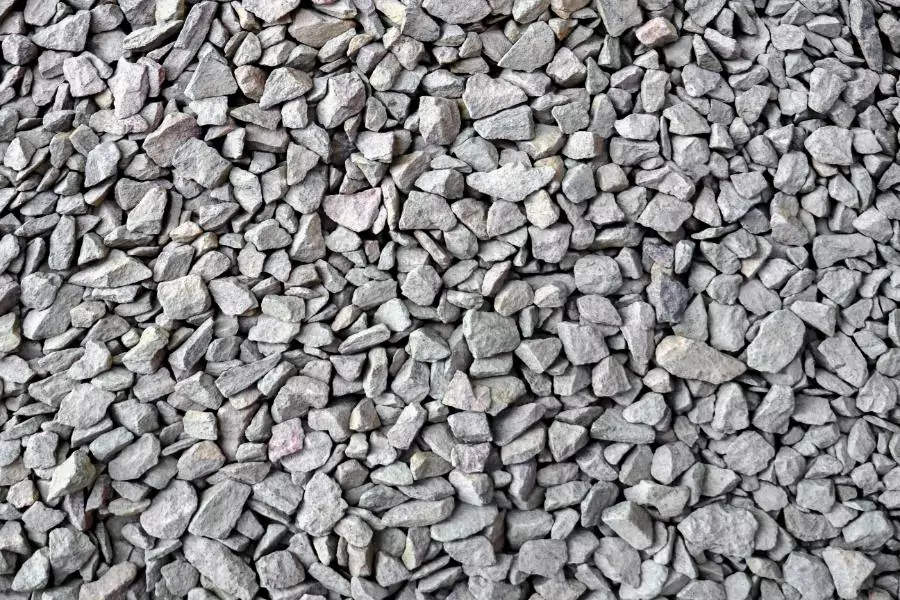
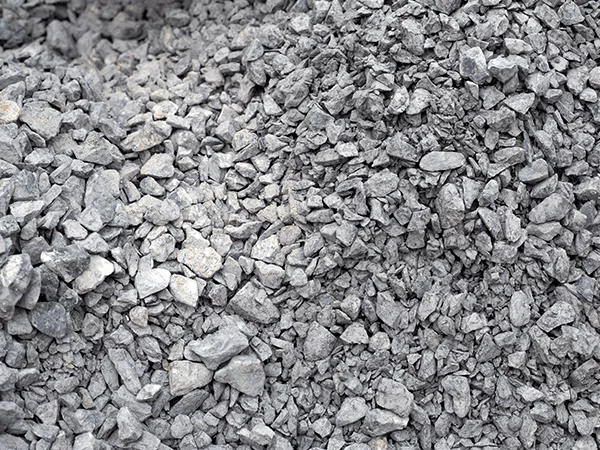


Lake Lillian, nestled in the heart of Kandiyohi County, demands aggregates that can withstand Minnesota's extreme seasonal shifts. Gravel Monkey delivers premium gravel, crushed stone, and landscaping materials directly to your Lake Lillian property with absolutely free delivery. Whether you're reinforcing a rural driveway near Norway Lake, creating proper drainage for agricultural land, or upgrading residential properties around Lake Lillian itself, our aggregates are specifically selected to perform in Minnesota's challenging climate. From brutal winter freeze-thaw cycles to summer storms, our materials provide the durability your projects require.
Complete Aggregate Selection for Lake Lillian Properties
Our comprehensive inventory addresses every aggregate need for residential, agricultural, and commercial projects throughout Lake Lillian and greater Kandiyohi County. Each material is chosen for its performance in Minnesota's continental climate with its temperature extremes and substantial precipitation patterns.
- Driveway Gravel - Heavy-duty base material engineered for Minnesota's freeze-thaw conditions
- 3/4 inch Crushed Stone - Versatile aggregate for driveways, foundations, and drainage applications
- #57 Stone - Clean angular stone ideal for drainage systems and concrete work
- Crusher Run - Superior compactable base for roads and heavy-use driveways
- Road Base - Professional-grade material for stable roadways and parking areas
- Pea Gravel - Smooth decorative stone for walkways and landscape features
- River Rock - Natural aesthetic appeal for gardens and water feature surrounds
- Drain Rock - Angular stone designed for French drains and foundation drainage
- Crushed Concrete - Eco-friendly recycled aggregate for base layers and roads
- Topsoil - Rich, loamy soil for gardens and lawn establishment
- Fill Dirt - Clean fill for grading, leveling, and site preparation
- Mason Sand - Fine-grade sand for masonry and construction projects
- Playground Sand - Safe, clean sand for play areas and sandboxes
- Washed Sand - Clean sand for various construction and landscaping needs
- Decomposed Granite - Natural pathway material with excellent compaction
- Walkway Gravel - Specially sized aggregate for comfortable, stable pathways
Understanding Lake Lillian's Unique Soil and Climate Challenges
Lake Lillian's location in central Minnesota presents specific challenges that affect aggregate selection and installation. The region sits within the Des Moines Lobe glacial landform, characterized by relatively young glacial till soils with clay-rich composition. This heavy clay content, combined with poor natural drainage in many areas, creates conditions where proper aggregate selection becomes critical for successful projects.
The local climate features cold continental characteristics with average January temperatures around 12°F and July temperatures near 72°F. Annual precipitation averages approximately 28 inches, with significant spring rainfall and winter snowfall accumulation. These conditions create repeated freeze-thaw cycles that can devastate improperly prepared surfaces. The clay-based soils expand when wet and freeze, then contract during thawing, leading to frost heave issues that affect driveways, foundations, and roads throughout Kandiyohi County.
Frost Depth and Foundation Considerations
Minnesota's frost depth reaches 42 to 60 inches in this region, requiring special attention to aggregate placement and drainage for any permanent structures. Projects near Lake Lillian itself or surrounding water bodies like Norway Lake must account for higher water tables and seasonal moisture variations. Our aggregates provide the drainage and stability needed to prevent frost heave damage and maintain structural integrity through Minnesota's demanding seasonal cycles.
The agricultural lands surrounding Lake Lillian often feature poorly drained soils classified as Webster clay loam and Canisteo clay loam. These soil types require substantial aggregate bases for farm access roads, equipment pads, and building sites to prevent rutting and settling. Rural properties frequently need enhanced drainage solutions, making materials like drain rock and crusher run essential for long-term performance.
Choosing the Right Aggregate for Your Lake Lillian Project
Driveway and Road Construction
Lake Lillian's rural driveways and private roads require robust construction to handle Minnesota's weather extremes. A proper driveway base begins with adequate excavation below the frost line, followed by a compacted layer of crusher run or road base. These materials contain a mix of stone sizes and fines that lock together when compacted, creating a stable foundation resistant to frost heave. Top layers typically use 3/4 inch crushed stone for drainage and driving surface.
For properties between Lake Lillian and nearby communities like Atwater or Pennock, longer rural driveways benefit from a multi-layer approach. Start with 6 to 8 inches of road base or crusher run, compacted in 3-inch lifts. Follow with 3 to 4 inches of crushed stone for the wearing surface. This construction method prevents the pumping and rutting common in clay soils during spring thaw periods. The angular nature of crushed aggregates prevents shifting under vehicle weight, maintaining crown and drainage slopes essential for winter water management.
Agricultural and Farm Applications
Agricultural operations around Lake Lillian require specialized aggregate solutions for equipment access, livestock areas, and grain handling facilities. Farm lanes and field entrances experience heavy loads from combines, grain carts, and semi-trucks during harvest seasons. These high-stress areas need substantial aggregate bases, typically 12 to 18 inches of compacted crusher run, to distribute weight and prevent rutting in the underlying clay soils.
Livestock facilities benefit from different aggregate types depending on use. Cattle feeding areas work well with larger crushed concrete or road base that provides drainage while resisting displacement. Equipment storage areas and shop approaches use similar materials. For feedlot perimeters and drainage management, drain rock creates effective channels that handle the substantial water volumes generated by Minnesota's rainfall and snowmelt events.
Drainage Solutions for Lake Lillian Properties
Effective drainage ranks among the most critical considerations for Lake Lillian properties due to the clay-heavy soils and flat terrain typical of this glaciated landscape. French drains using drain rock or #57 stone provide essential foundation protection and yard drainage. These installations should extend below frost depth and connect to appropriate drainage outlets, whether tile lines, ditches, or natural water channels.
Residential properties near Lake Lillian often struggle with basement moisture and foundation settlement due to poor drainage. Proper foundation backfill using drain rock creates a permeable zone that directs water away from structures. This becomes especially important during spring thaw when frozen soil prevents water infiltration, causing saturation of the active surface layer. Without adequate drainage aggregates, this moisture accumulates against foundations, leading to hydrostatic pressure, cracking, and interior water issues.
Lake Lillian Aggregate Comparison Guide
Select the optimal aggregate for your project with this detailed comparison of materials suitable for Minnesota's continental climate and clay-based soils.
| Aggregate Type | Best Applications | Size Range | Compaction | Drainage Rating |
|---|---|---|---|---|
| Driveway Gravel | Residential driveways, parking areas | 3/4" to 1 1/2" | Excellent | Very Good |
| Crusher Run | Road base, heavy-use driveways | 3/4" minus with fines | Superior | Moderate |
| 3/4 Inch Crushed Stone | Drainage, foundations, driveways | 3/4" | Very Good | Excellent |
| #57 Stone | Drainage systems, concrete aggregate | 3/4" | Good | Excellent |
| Road Base | Roads, driveways, parking lots | Varied with fines | Excellent | Good |
| Drain Rock | French drains, foundation drainage | 3/4" to 1 1/2" | Moderate | Superior |
| Pea Gravel | Walkways, decorative landscaping | 3/8" | Fair | Very Good |
| Crushed Concrete | Base layers, rural roads, eco-projects | Varied | Very Good | Good |
| Decomposed Granite | Pathways, patio bases | 1/4" minus | Excellent | Good |
Comprehensive Coverage Throughout Kandiyohi County
Gravel Monkey provides free aggregate delivery throughout Lake Lillian and surrounding communities. Our service area encompasses the entire region, ensuring rural properties and small-town projects receive the same quality materials and professional service as larger urban centers.
Areas We Serve Near Lake Lillian
We regularly deliver to properties throughout the Lake Lillian area, including:
- Lake Lillian Township - Residential properties around Lake Lillian and Norway Lake
- Atwater - Just 7 miles southwest, serving homes and farms in this growing community
- Pennock - Agricultural operations and rural residences 6 miles east
- Kandiyohi - County seat located 15 miles northeast with diverse project needs
- Willmar - Larger regional hub 18 miles east for commercial and residential projects
- New London - Charming town 12 miles north with lake properties and rural roads
- Spicer - Lake community 15 miles northeast requiring specialized drainage solutions
- Grove City - Agricultural hub 10 miles south with farm and commercial needs
Whether your project sits along County Road 7, near Green Lake, or on agricultural land extending toward Norway Lake Wildlife Management Area, we deliver premium aggregates directly to your site. Our trucks navigate rural roads and farm lanes throughout Kandiyohi County, bringing materials exactly where you need them.
Professional Installation Tips for Minnesota Conditions
Timing Your Project
Minnesota's seasonal variations affect aggregate installation timing. Spring installations face challenges with saturated soils and frost heaving, making late spring through fall the optimal window for major projects. However, winter installations offer advantages for certain applications - frozen ground prevents rutting from delivery trucks and equipment, making remote site access easier. Fall installations allow aggregates to settle and compact naturally through freeze-thaw cycles before spring use.
Proper Base Preparation
Success with any aggregate project begins with proper excavation and base preparation. For Lake Lillian's clay soils, remove existing topsoil and unstable material to reach firm subgrade. In areas with high water tables or poor drainage, consider installing drainage tile below the aggregate base to prevent saturation and frost heave. Geotextile fabric between clay subgrade and aggregate base prevents mixing and pumping, especially important during spring thaw periods.
Excavation depth depends on intended use and soil conditions. Residential driveways typically require 8 to 12 inches of aggregate depth below finished grade. Heavy-use agricultural roads need 12 to 18 inches or more. Always excavate an additional 3 to 4 inches below finished elevation to accommodate compaction - aggregates compress 20 to 25 percent during proper compaction. For areas with particularly poor drainage or high clay content, deeper excavation with enhanced base layers prevents long-term settlement and failure.
Compaction Best Practices
Proper compaction transforms loose aggregates into stable, durable surfaces. Place crusher run, road base, or other base materials in 3 to 4 inch lifts, compacting each layer before adding the next. Plate compactors work well for small areas, while vibratory rollers handle larger projects efficiently. Add light moisture to aggregates during compaction - not saturated, but damp enough to help particles bind. This becomes particularly important with crusher run and road base materials that depend on fines to lock particles together.
For top layers of driveways using crushed stone, compact thoroughly but avoid over-compaction that embeds stones into base layers. The top surface should maintain slight looseness allowing individual stones to shift and lock under vehicle traffic. This creates the characteristic crunching sound and provides the surface texture that sheds water effectively. Crown your driveway or road surface with a 2 to 3 percent slope from center to edges, ensuring water drains rather than pooling.
Year-Round Aggregate Performance in Lake Lillian
Winter Challenges and Solutions
Minnesota winters test aggregates severely. Temperatures dropping to -20°F or lower, combined with snowfall averaging 45 inches annually in Kandiyohi County, create demanding conditions. Properly installed crushed stone and gravel driveways actually perform better than paved surfaces in extreme cold - they flex with frost movement rather than cracking. The key lies in adequate base depth and drainage to prevent frost heave.
Snow and ice management on gravel surfaces requires different approaches than paved areas. Plow blades should ride slightly above the gravel surface to avoid displacing stones. Many Lake Lillian residents keep a small stockpile of driveway gravel for spring repairs, filling ruts and displaced areas that inevitably occur during winter use. The natural texture of gravel surfaces provides better traction than ice-covered pavement, a significant safety advantage during Minnesota's long winter season.
Spring Thaw Management
Spring presents the most challenging season for aggregates in Lake Lillian. As frost leaves the ground, typically in late March through April, soils become saturated while still partially frozen below. This creates a narrow zone of muddy, unstable material that can pump up through inadequate aggregate bases. Properties with insufficient base depth or poor drainage often experience significant deterioration during spring thaw.
Limit heavy traffic on gravel driveways and roads during peak thaw periods when possible. The temporary weakness passes once soils drain and warm. Properties with proper aggregate depth, good drainage, and well-compacted bases weather spring thaw with minimal damage. Plan to refresh top dressing of crushed stone every few years, as spring freeze-thaw cycles gradually work smaller stones into base layers, requiring periodic replenishment to maintain proper surface characteristics.
Summer Storm Drainage
Summer thunderstorms can drop several inches of rain in hours around Lake Lillian, testing drainage systems severely. Properly crowned and sloped aggregate surfaces shed this water effectively, directing flow to ditches or drainage systems. Maintain clear drainage ditches and culverts to handle these intense rainfall events. French drains using drain rock should connect to adequate outlets capable of handling peak flows.
Agricultural properties particularly benefit from good aggregate road construction during summer. Grain harvest involves heavy trucks that can destroy inadequately based roads, especially if summer rains have softened soils. Investment in proper base construction pays dividends in reduced maintenance and improved access during critical harvest windows.
Frequently Asked Questions About Aggregates in Lake Lillian
We deliver a complete range of aggregates including crushed stone, driveway gravel, pea gravel, river rock, crusher run, road base, drain rock, recycled concrete, topsoil, fill dirt, and various sand products throughout Lake Lillian and surrounding Kandiyohi County areas. Each material is selected for performance in Minnesota's challenging climate with severe freeze-thaw cycles.
Yes! Gravel Monkey offers FREE delivery to Lake Lillian and the surrounding Minnesota area for all gravel and aggregate orders. We serve the entire Kandiyohi County region with no delivery charges, bringing materials directly to your property whether you're in town or on a rural farm.
For Lake Lillian's harsh winter conditions with freeze-thaw cycles, we recommend crushed stone or crusher run with proper drainage. These aggregates compact well, resist frost heave, and provide stable surfaces year-round despite temperature fluctuations. Adequate base depth below frost line (42 to 60 inches in this region) and good drainage prevent heaving and cracking common with improper installation.
The amount depends on your project size and type. For driveways, calculate length times width times depth in feet, then divide by 27 to get cubic yards. A typical residential driveway needs 8 to 12 inches of aggregate depth total - usually 6 inches of compacted base material plus 3 to 4 inches of surface stone. Our team can help you estimate the right amount for your specific Lake Lillian property based on local soil conditions and intended use.
Yes, we deliver year-round to Lake Lillian. While winter conditions may affect scheduling, we work to accommodate projects during all seasons. Cold weather is actually ideal for some aggregate installation projects as frozen ground prevents rutting from delivery trucks and equipment, making remote site access easier. Fall and late spring through fall remain optimal for major installations, but winter projects are certainly feasible.
Lake Lillian sits on clay-heavy glacial till soils that expand when wet and freeze, then contract during thawing. This creates substantial frost heave forces that can devastate shallow aggregate installations. Combined with frost depths reaching 42 to 60 inches, adequate base depth becomes essential for preventing annual damage from freeze-thaw cycles. Proper installation with sufficient depth and drainage provides long-term performance despite Minnesota's extreme seasonal conditions.
Crusher run contains a mix of stone sizes from 3/4 inch down to fine dust, while crushed stone consists of uniformly sized angular rock. Crusher run compacts extremely well because the fines fill voids between larger stones, creating a dense, stable base ideal for driveways and roads. Regular crushed stone provides excellent drainage but less compaction, making it better for top layers and drainage applications. Most Lake Lillian driveways benefit from crusher run base with crushed stone surface.
Plan to refresh the top layer of crushed stone every 2 to 4 years depending on traffic and weather exposure. Minnesota's freeze-thaw cycles gradually work surface stones into base layers, and snow plowing displaces material. A fresh 2 to 3 inch layer of crushed stone maintains proper drainage and appearance. Properties with good initial installation and maintenance typically need minimal base repair, with most maintenance focusing on surface renewal.
Start Your Lake Lillian Aggregate Project Today
Whether you're building a new driveway near Norway Lake, improving drainage on agricultural land, or creating attractive landscaping around your Lake Lillian home, Gravel Monkey delivers the premium aggregates your project demands. Our materials are specifically chosen to perform in Minnesota's challenging climate, and our free delivery service brings them directly to your property throughout Kandiyohi County.
Our experienced team understands the unique challenges of Lake Lillian's clay soils, freeze-thaw cycles, and seasonal moisture variations. We help you select the right aggregates for your specific application, ensuring long-term performance and minimal maintenance. From residential driveways to commercial parking lots and agricultural roads, we supply the materials that make projects succeed.
Contact Gravel Monkey today to discuss your project needs. We'll help you calculate quantities, select appropriate materials, and schedule convenient delivery to your Lake Lillian property. Experience the difference that quality aggregates and professional service make for your Minnesota project.

Need help? Reach out for a quote: