
Shop Sand, Stone & Gravel in Marble, Minnesota
Local Topsoil, Dirt, Sand, Rocks and Gravel near me in Marble, Minnesota
Shop Aggregates for Delivery in Marble
Order online for free delivery to any Marble address.
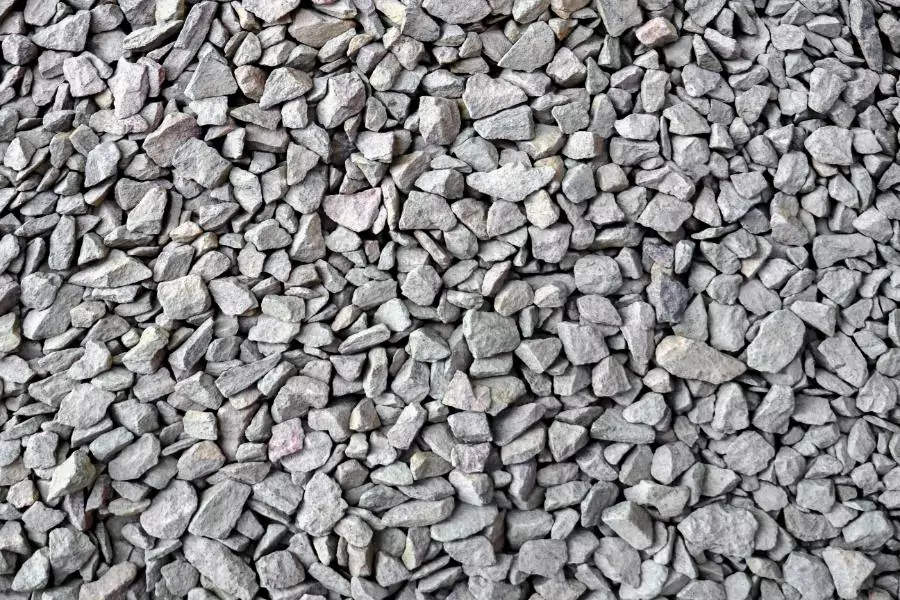
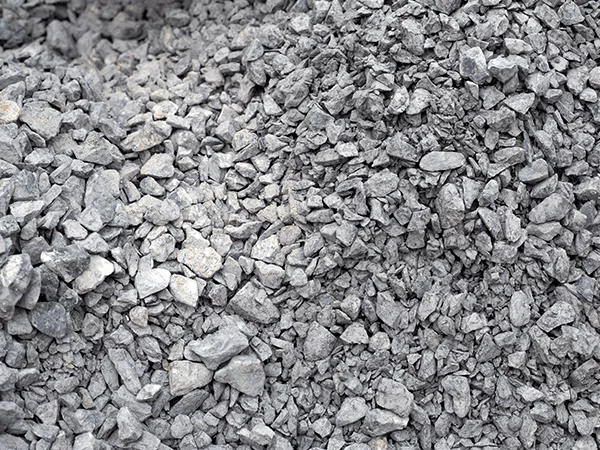


Gravel Monkey is your trusted aggregate supplier serving Marble, Minnesota and the entire Iron Range region. Whether you're building a new driveway in the Calumet area, improving drainage near Hill Annex Mine State Park, or creating walkways along the Mesabi Trail, we deliver premium gravel, crushed stone, sand, and landscaping materials directly to your property with absolutely free delivery. Our extensive selection of aggregates meets the unique demands of northern Minnesota's challenging climate and clay-rich soils.
Complete Range of Aggregates for Iron Range Projects
Marble's location in the heart of the Iron Range presents unique challenges for property owners. With extreme temperature fluctuations, heavy spring snowmelt, and clay-based soils common throughout Itasca County, choosing the right aggregates is essential for lasting results. Gravel Monkey provides materials specifically suited for northern Minnesota conditions:
- Driveway Gravel - Superior compaction and drainage for lasting driveways
- 3/4 inch Crushed Stone - Versatile angular stone for bases and drainage
- #57 Stone - Excellent drainage stone for foundations and French drains
- Crusher Run - Compactable base material that locks together firmly
- Road Base - Heavy-duty aggregate for roads and heavy traffic areas
- Pea Gravel - Smooth decorative stone for landscaping
- River Rock - Natural aesthetic for gardens and water features
- Walkway Gravel - Attractive paths and pedestrian areas
- Drain Rock - Specialized drainage solutions for water management
- Topsoil - Rich soil for gardens and lawn establishment
- Fill Dirt - Quality grading material for site preparation
- Crushed Concrete - Eco-friendly recycled aggregate alternative
- Mason Sand - Fine sand for masonry and construction
- Playground Sand - Safe, clean sand for play areas
- Washed Sand - Clean sand for multiple applications
- Decomposed Granite - Natural fines for compacted paths
Serving Marble and Surrounding Iron Range Communities
Our free delivery service extends throughout the Marble area and neighboring communities across the Iron Range. We regularly serve properties in Calumet, Coleraine, Bovey, Taconite, and Nashwauk. Whether your project is near Hill Annex Mine State Park, along the scenic Mesabi Trail, or in the residential areas surrounding Marble Lake, we deliver quality aggregates to your exact location.
The Iron Range's unique geology, shaped by historic mining operations and glacial deposits, has created varied soil conditions throughout the region. Many properties in Marble and the surrounding townships feature heavy clay soils derived from glacial till, which can present drainage challenges during spring thaw and after heavy rainfall. Our aggregate products help address these regional soil characteristics effectively.
Understanding Iron Range Soil and Climate Conditions
Marble experiences some of Minnesota's most dramatic weather patterns. Winter temperatures regularly drop to minus 30 or minus 40 degrees Fahrenheit, while summer can bring temperatures into the upper 80s and low 90s. This temperature range of over 130 degrees creates intense freeze-thaw cycles that can wreak havoc on improperly constructed driveways and foundations. Annual snowfall averages 70 inches, with spring snowmelt creating significant water management challenges for property owners throughout Itasca County.
The soil composition in the Marble area primarily consists of glacial till with high clay content, mixed with areas of sandy loam near former mining locations. This clay-rich soil expands when wet and contracts when dry, leading to movement and heaving if proper base materials aren't used. The clay also has poor drainage characteristics, making proper aggregate selection crucial for any outdoor project. Properties near Marble Lake and throughout the Calumet township often experience seasonal water table fluctuations that compound drainage issues.
Choosing the Right Aggregates for Northern Minnesota Projects
Driveways That Withstand Harsh Winters
Creating a durable driveway in Marble requires understanding how extreme temperature swings and heavy clay soils affect aggregate performance. The key is building a proper base that allows drainage while resisting frost heaving. Start with a layer of compactable material that creates a stable foundation, then add a surface layer that provides traction even during icy conditions.
For the base layer, crushed aggregates with varying particle sizes work best because they lock together when compacted. The angular nature of crushed stone allows pieces to interlock, creating a matrix that resists movement even during freeze-thaw cycles. A base depth of 4 to 6 inches is recommended for residential driveways, while commercial applications or heavy equipment access may require 8 to 10 inches for adequate support.
Properties throughout Bovey and Coleraine have found success using a two-layer approach: a foundation layer that compacts tightly topped with a drainage layer that sheds water quickly. This combination prevents water from saturating the clay subsoil where it can freeze and cause heaving during winter months.
Drainage Solutions for Clay-Heavy Soils
Managing water is critical in the Marble area, where spring snowmelt can overwhelm inadequate drainage systems. French drains installed around foundations protect basements from water intrusion during the spring thaw. Clean aggregates without fines provide the best drainage, as they create void spaces that allow water to flow freely rather than becoming trapped.
Many properties near Hill Annex Mine State Park and throughout Taconite benefit from perimeter drainage systems that intercept groundwater before it reaches foundations. These systems typically use drainage aggregate wrapped in landscape fabric to prevent soil infiltration while maintaining water flow. Proper installation with adequate slope ensures water moves away from structures rather than pooling against foundation walls.
Walkways and Decorative Landscaping
Creating attractive outdoor spaces in northern Minnesota requires materials that maintain their appearance despite harsh weather. Smooth, rounded aggregates provide comfortable walking surfaces while allowing excellent drainage. These materials won't compact as firmly as angular crushed stone, making them ideal for paths and garden beds where some give underfoot is desirable.
Landscaping near the Mesabi Trail and throughout residential areas of Marble often incorporates decorative stone in garden beds, around trees, and as ground cover in areas where grass struggles to grow. Natural earth tones complement the forested surroundings typical of the Iron Range while providing practical weed suppression and moisture retention benefits.
| Aggregate Type | Best Applications | Size Range | Compaction | Drainage Rating |
|---|---|---|---|---|
| Crusher Run | Driveway base, parking areas, road foundations | Varied fines to 3/4" | Excellent | Moderate |
| Road Base | Heavy traffic areas, commercial drives | Mixed gradation | Superior | Good |
| 3/4" Crushed Stone | Driveway surface, general construction | 3/4 inch nominal | Very Good | Excellent |
| #57 Stone | Drainage systems, French drains, foundations | 3/4 inch nominal | Good | Excellent |
| Drain Rock | Foundation drainage, water management | 3/4" to 1 1/2" | Moderate | Superior |
| Pea Gravel | Walkways, landscaping, decorative use | 3/8 inch smooth | Low | Very Good |
| River Rock | Gardens, water features, mulch alternative | 1" to 3" rounded | Low | Good |
| Decomposed Granite | Pathways, natural-look hardscaping | Fines to 1/4" | Good | Moderate |
Why Proper Aggregate Selection Matters in Marble, MN
The Iron Range's unique combination of climate extremes and soil conditions demands careful material selection. Using the wrong aggregates can lead to costly repairs when driveways heave during spring, drainage systems fail during snowmelt, or walkways become uneven from frost movement. Understanding how different materials perform in northern Minnesota conditions helps ensure successful projects that last for decades.
Frost Heaving and Freeze-Thaw Cycles
Frost heaving occurs when moisture in soil freezes, expands, and lifts everything above it. This phenomenon is particularly problematic in Marble's clay soils, which retain water more readily than sandy or gravelly soils. When temperatures drop below freezing, water trapped in clay expands up to 9 percent in volume, generating tremendous upward pressure.
Proper aggregate bases mitigate frost heaving by creating a capillary break between the ground surface and the clay subsoil. When installed to adequate depth (below the frost line of approximately 4 feet in northern Minnesota), compacted aggregate layers prevent water from migrating upward and freezing beneath driveways and foundations. The angular nature of crushed stone and the varied particle sizes in crusher run materials create stable matrices that resist movement even when surrounding soils heave.
Drainage Performance During Spring Thaw
Spring is perhaps the most challenging season for properties throughout Nashwauk, Marble, and the surrounding Iron Range. As 70 inches of accumulated snowpack melts over several weeks, the sheer volume of water can overwhelm drainage systems. Properties without adequate aggregate drainage experience standing water, flooded basements, and erosion damage.
Clean drainage aggregates provide the solution. Stone with minimal fines creates void space where water can flow freely rather than becoming trapped. Installing proper drainage layers around foundations, beneath driveways, and along property grades ensures water moves away from structures efficiently. This protection is essential during the rapid snowmelt typical of late March and April in the Marble area.
Long-Term Performance and Maintenance
Quality aggregates properly installed require minimal maintenance compared to alternatives like asphalt or concrete, which crack under repeated freeze-thaw stress. Gravel driveways in the Calumet and Coleraine areas may need occasional top dressing or grading, but the base layer remains stable for decades when constructed correctly.
Crushed concrete offers an economical and environmentally friendly alternative for projects where aesthetics are less critical. This recycled material performs comparably to natural stone for base layers and rural driveways while reducing environmental impact. Many Iron Range properties use crushed concrete successfully for utility access roads, equipment pads, and secondary driveways.
Aggregate Installation Best Practices for Marble Properties
Site Preparation and Excavation
Successful aggregate projects begin with proper site preparation. Remove organic material, existing vegetation, and unsuitable soils before installing aggregate. In areas with heavy clay, excavate 4 to 6 inches deeper than the planned finished grade to ensure adequate base thickness. This extra depth accommodates the aggressive freeze-thaw cycles common throughout Itasca County.
Properties with poor existing drainage may benefit from installing drainage tile or creating crowned surfaces that shed water efficiently. Even a slight grade of 2 percent (approximately 1/4 inch per foot) makes a significant difference in water management. Direct runoff away from buildings and toward areas where water can disperse naturally or enter drainage systems.
Base Layer Installation
The base layer provides structural support and creates the foundation for surface materials. Spread the base aggregate in 3 to 4 inch lifts, compacting each layer thoroughly before adding the next. Proper compaction is crucial for long-term performance. Use a plate compactor for residential projects or a roller for larger commercial applications to achieve density of 95 percent or greater.
In the Marble area's clay soils, the base layer serves another critical function: it prevents mixing between the aggregate and the clay subsoil. When clay migrates upward into aggregate, it fills void spaces and reduces drainage capacity. Installing landscape fabric or geotextile between the native soil and aggregate base prevents this contamination while still allowing water to drain downward.
Surface Layer Selection and Maintenance
The surface layer of your driveway or pathway takes the most abuse from traffic and weather. Angular crushed stone provides excellent traction and locks together well under traffic. For properties near the Mesabi Trail or in residential neighborhoods of Bovey and Taconite, aesthetically pleasing options like decorative gravel maintain functionality while enhancing curb appeal.
Plan for periodic grading and top dressing of aggregate surfaces. Most driveways benefit from fresh surface material every 2 to 3 years as traffic and weather gradually work stone into the base layer. Spring is the ideal time for this maintenance in northern Minnesota, after snowmelt has subsided but before vegetation makes access difficult.
Sand Products for Marble Area Construction and Landscaping
Beyond stone aggregates, various sand products serve essential roles in construction and landscaping throughout the Iron Range. Each sand type has specific characteristics that make it suitable for particular applications.
Mason Sand for Construction Projects
Mason sand, also called mortar sand, is a fine, washed sand used in masonry work, concrete mixing, and as a base material beneath pavers or concrete slabs. Its fine texture and clean composition make it ideal for creating smooth mortar joints in brick and block work. Properties throughout Marble use mason sand for chimney repairs, foundation work, and paver patios that remain stable despite harsh winters.
Playground Sand for Safe Play Areas
Creating safe play areas for children requires clean, rounded sand that cushions falls without posing health risks. Playground sand is washed and screened to remove dust and contaminants. Its rounded particle shape is comfortable for children while providing the shock absorption needed for playground safety standards. Many properties in Coleraine and the surrounding area use playground sand for home play areas and sandboxes.
Washed Sand Applications
Clean washed sand serves multiple purposes in landscaping and construction. Use it to top dress lawns, improve soil drainage when mixed with clay, or as a bedding material beneath pavers and flagstones. The washing process removes clay and silt, leaving only clean sand particles. This purity makes washed sand ideal for applications where contamination could cause problems, such as in drainage systems or under pool liners.
Seasonal Project Planning for Marble, Minnesota
Timing aggregate projects to work with northern Minnesota's seasons ensures optimal results and easier installation. Each season presents unique advantages and challenges for outdoor projects in the Iron Range.
Spring: Foundation and Drainage Work
Spring is the ideal time to address drainage issues that became apparent during winter and snowmelt. As the ground thaws and water issues become visible, installing French drains, improving grading, and repairing damaged surfaces takes priority. Wait until the ground has fully thawed and dried sufficiently to allow proper compaction—typically late April or May in the Marble area.
Summer: Major Construction and Hardscaping
Summer provides the most favorable conditions for major aggregate projects. Warm, dry weather allows proper compaction of base materials and ensures aggregates settle into place effectively. Most driveway installations, parking area construction, and extensive landscaping projects are best completed between June and August when ground conditions are stable and weather is predictable.
Fall: Final Preparations Before Winter
Fall offers a second window for aggregate projects before winter arrives. Addressing drainage problems, adding fresh surface material to driveways, and completing walkway projects in September and October ensures properties are ready for heavy snow and spring runoff. Avoid late-season projects that may not have time to settle before freeze-up, as frost heaving can displace newly installed aggregates.
Winter: Planning and Preparation
While major excavation and installation aren't practical during Marble's harsh winters, this season is perfect for planning projects, obtaining quotes, and scheduling spring delivery. Winter also reveals drainage problems, driveway weaknesses, and other issues that should be addressed once weather permits.
Frequently Asked Questions About Aggregates in Marble, Minnesota
We deliver a complete range of aggregates including driveway gravel, crushed stone, #57 stone, crusher run, pea gravel, river rock, road base, drain rock, topsoil, fill dirt, various sand types, crushed concrete, and decomposed granite throughout Marble and the Iron Range area.
Yes! Gravel Monkey offers FREE delivery to Marble and the surrounding Iron Range communities including Calumet, Coleraine, Bovey, and Taconite for all gravel and aggregate orders.
Marble experiences extreme temperature swings from minus 40 degrees in winter to 90 degrees in summer. This freeze-thaw cycle requires proper drainage solutions and compactable base materials like crusher run to prevent heaving and maintain stable surfaces year-round.
For Marble driveways, we recommend crusher run or road base as the foundation layer topped with 3/4 inch crushed stone or #57 stone. These aggregates compact well in our clay-rich soil and provide excellent drainage during spring snowmelt.
Absolutely. Given Marble's clay-heavy soils and seasonal water issues, drain rock and #57 stone are excellent choices for foundation drainage, French drains, and managing snowmelt runoff during the spring thaw.
Calculate your area length times width times depth in feet, then divide by 27 for cubic yards. For driveways in Marble, we recommend 4 to 6 inch depth for the base layer. Our team can help you estimate the exact amount needed for your Iron Range property.
We offer mason sand for construction and mortar work, playground sand for safe play areas, and washed sand for landscaping and concrete mixing. All sand products are delivered free to Marble and surrounding communities.
Yes, we deliver throughout the Iron Range including Calumet, Coleraine, Bovey, Taconite, Nashwauk, and surrounding Itasca County communities. Free delivery applies to the entire service area.
Get Premium Aggregates Delivered Free to Your Marble Property
Whether you're building a new driveway near Hill Annex Mine State Park, installing drainage systems in Calumet, or creating beautiful landscaping along the Mesabi Trail, Gravel Monkey delivers the quality aggregates you need. Our extensive product selection, local expertise, and free delivery throughout the Iron Range make us your ideal partner for any project. Contact us today to discuss your aggregate needs and receive expert recommendations tailored to Marble's unique climate and soil conditions.

Need help? Reach out for a quote: