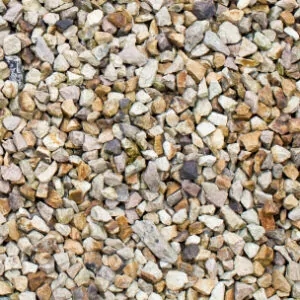
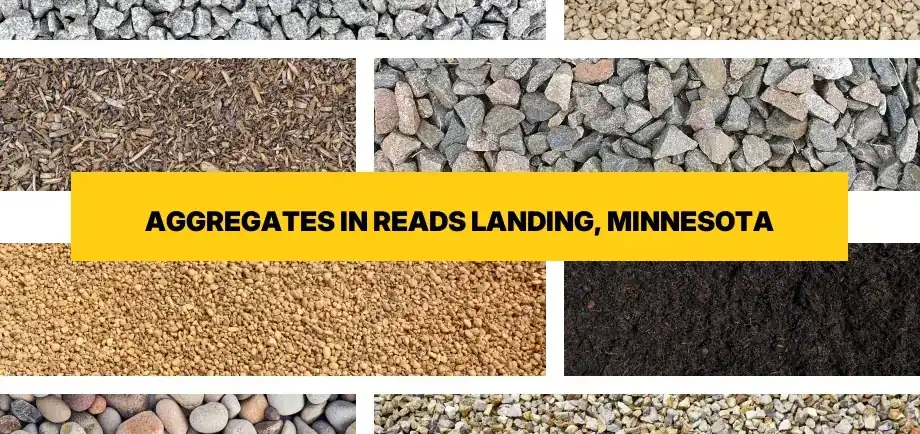
Rock & Driveway Gravel in Reads Landing, Minnesota
Local Topsoil, Dirt, Sand, Rocks and Gravel near me in Reads Landing, Minnesota
Shop Aggregates for Delivery in Reads Landing
Order online for free delivery to any Reads Landing address.
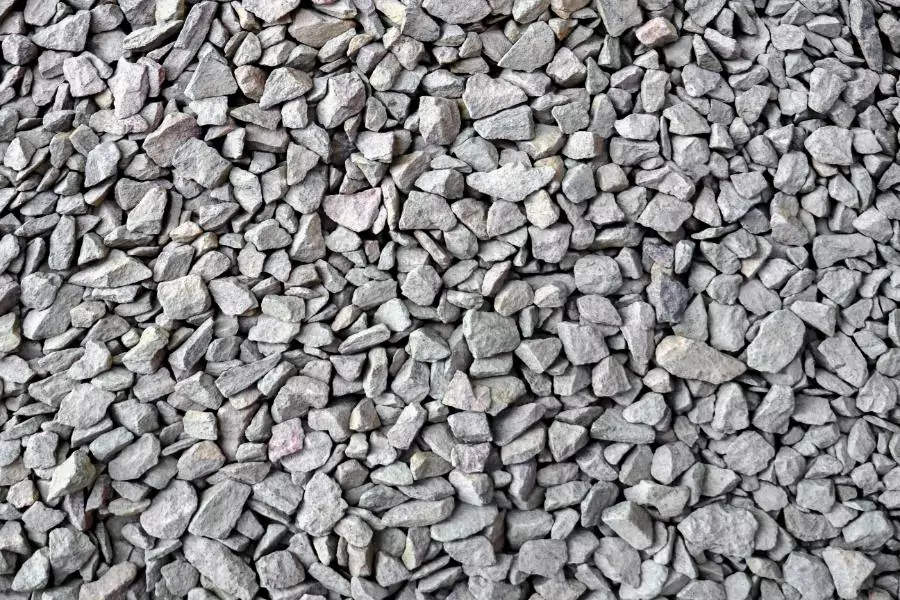
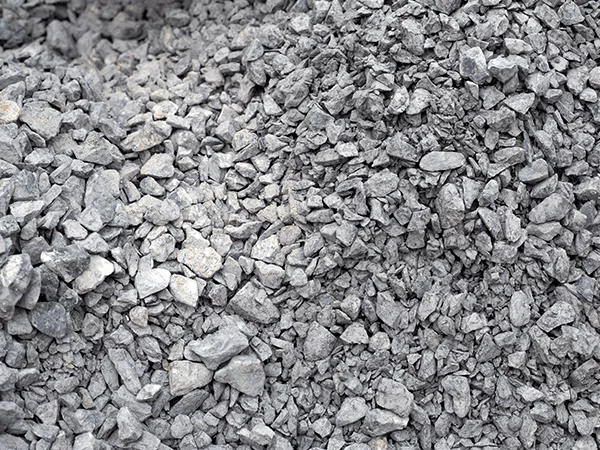


Gravel Monkey delivers premium aggregates, gravel, and landscaping materials directly to properties throughout Reads Landing, Minnesota. Nestled along the Mississippi River in Wabasha County, this historic river community requires specialized materials that handle the unique soil conditions and seasonal challenges of southeastern Minnesota. Whether you're building a new driveway along the waterfront, improving drainage on your rural property, or landscaping near the river bluffs, we provide free delivery of high-quality aggregates to every corner of Reads Landing and surrounding areas including Wabasha, Lake City, and Kellogg.
Complete Aggregate & Gravel Selection for Reads Landing Properties
Our comprehensive inventory meets the demands of residential, commercial, and agricultural projects throughout the Mississippi River valley. Each material is carefully selected to perform in the challenging conditions created by Minnesota's continental climate and the area's distinctive clay-loam soils.
- Driveway Gravel - Engineered for durability in freeze-thaw conditions common along the river
- 3/4 inch Crushed Stone - Versatile aggregate for bases, drainage, and construction projects
- #57 Stone - Industry-standard crushed stone for concrete work and drainage applications
- Crusher Run - Superior compaction material for road bases and solid driveways
- Road Base - Heavy-duty foundation material for driveways and access roads
- Pea Gravel - Smooth, rounded stones perfect for walkways and decorative landscaping
- River Rock - Natural Mississippi River-style stone for authentic waterfront aesthetics
- Walkway Gravel - Decorative aggregate ideal for paths and garden features
- Drain Rock - Essential for managing water tables in low-lying riverfront areas
- Crushed Concrete - Eco-friendly recycled aggregate that excels in clay soils
- Topsoil - Nutrient-rich soil for gardens and lawn establishment
- Fill Dirt - Clean fill for grading and leveling riverside properties
- Mason Sand - Fine sand for mortar mixing and paver installations
- Playground Sand - Safe, clean sand for children's play areas
- Washed Sand - Thoroughly cleaned sand for concrete and construction
- Decomposed Granite - Natural compacting material for rustic pathways
Drainage Solutions for Mississippi River Valley Properties
Properties near the Mississippi River face unique drainage challenges from seasonal flooding, high water tables, and the region's clay-heavy soils. The alluvial deposits characteristic of Wabasha County create conditions where proper water management becomes critical for any construction or landscaping project.
The Reads Landing area sits at an elevation where spring snowmelt and river flooding can dramatically affect soil moisture levels. These conditions make proper drainage planning essential for maintaining stable driveways, foundations, and landscaped areas. The clay content in local soils—typically ranging from 35% to 50%—means water doesn't percolate naturally, creating standing water problems without appropriate aggregate drainage systems.
Managing Water on Riverside Properties
Effective drainage begins with understanding the local hydrology. Properties along the waterfront or near the river bluffs require different approaches than those on higher ground. Our drainage aggregates create pathways for water to move away from structures and landscaped areas, preventing the soil saturation that leads to frost heaving during Minnesota's harsh winter months.
A typical drainage system installation combines several material types working together. The base layer uses larger aggregates to create volume for water storage and movement, while smaller materials prevent soil infiltration that would clog the system over time. This layered approach has proven effective across hundreds of Wabasha County installations.
Driveway Aggregates Engineered for Minnesota Conditions
Building a driveway in Reads Landing means accounting for temperature swings from minus 20 degrees Fahrenheit in January to 90 degrees in July—a 110-degree annual range that wreaks havoc on poorly constructed driveways. The freeze-thaw cycles that occur 40 to 60 times each winter cause ground movement that only proper aggregate selection can mitigate.
Successful driveways in our area start with understanding soil behavior. The expansive clay soils common throughout Wabasha County swell when wet and shrink when dry, creating movement that cracks solid surfaces and destabilizes weak bases. The solution lies in creating a thick aggregate base that provides both structural support and drainage.
Building Driveway Foundations That Last
Professional contractors throughout the Lake City and Wabasha areas typically specify 8 to 12 inches of compacted base material for residential driveways. This substantial foundation distributes weight loads while allowing water to drain before it can freeze and cause heaving. The investment in proper base depth pays dividends through decades of reliable performance.
Material selection varies with intended use. Residential driveways benefit from well-graded materials that compact tightly while maintaining some flexibility for ground movement. Commercial applications or heavy equipment access requires harder aggregates and greater thickness to prevent rutting and degradation under load.
| Aggregate Type | Best Applications | Compaction Rating | Drainage Quality | Winter Performance |
|---|---|---|---|---|
| Crusher Run | Driveway base, road construction | Excellent | Good | Superior stability |
| 3/4 inch Crushed Stone | General base, drainage layers | Very Good | Excellent | Handles freeze-thaw |
| #57 Stone | Drainage, concrete aggregate | Good | Excellent | Prevents frost heave |
| Road Base | Heavy-duty foundations | Excellent | Good | Maximum durability |
| Crushed Concrete | Eco-friendly bases | Very Good | Good | Self-cementing quality |
| Pea Gravel | Pathways, decorative use | Fair | Very Good | Shifts in freeze-thaw |
| River Rock | Landscaping, erosion control | Poor | Excellent | Stable decorative option |
| Drain Rock | Foundation drainage | Poor | Superior | Critical for water mgmt |
Understanding Reads Landing Soil Conditions
The geology of southeastern Minnesota dramatically influences construction and landscaping decisions. Reads Landing sits in the Driftless Area—a unique region that escaped glaciation during the last ice age. This geological distinction creates soil characteristics different from most of Minnesota.
While much of Minnesota features sandy glacial till, our area contains more clay and silt deposited by the Mississippi River over millennia. These alluvial soils, combined with loess (wind-deposited silt), create the heavy clay conditions that challenge builders and homeowners. The clay content causes soil expansion and contraction with moisture changes, necessitating careful aggregate selection for any project.
Clay Soil Challenges and Solutions
Clay soils throughout Wabasha County exhibit high plasticity—they become sticky when wet and rock-hard when dry. This behavior creates problems for driveways, foundations, and landscaping. Aggregate bases provide the solution by creating a stable platform that isolates structures from problematic soil movement.
The key lies in achieving proper compaction. When aggregates are compacted into clay subgrade, they create a mechanical lock that prevents shifting. The aggregate particles wedge together, creating a matrix that distributes loads and resists the forces generated by soil expansion. This principle applies whether building driveways in the waterfront area or creating stable pads for outbuildings on rural properties.
Landscaping Aggregates for Mississippi River Properties
Creating beautiful outdoor spaces along the river requires materials that complement the natural environment while providing practical function. The limestone bluffs, deciduous forests, and river vistas that characterize Reads Landing call for landscaping aggregates that enhance rather than compete with these features.
Natural river rock provides authentic Mississippi River aesthetics, its rounded forms and earth tones blending seamlessly with waterfront settings. These aggregates work beautifully for dry creek beds, decorative borders, and erosion control along slopes. The size variety—from small pea gravel to large boulders—allows creative flexibility in design.
Functional Beauty in Landscape Design
Modern landscaping balances aesthetics with practical benefits. Aggregate mulches conserve soil moisture, suppress weeds, and moderate soil temperature fluctuations. Unlike organic mulches that decompose and must be replaced annually, stone aggregates provide permanent solutions that improve with age as they settle into place.
Pathways built with decorative aggregates create permeable surfaces that manage stormwater naturally while providing all-weather access. Whether connecting garden areas, creating walking trails through wooded lots, or defining outdoor living spaces, properly installed aggregate pathways combine durability with visual appeal. The selection of pathway materials influences both maintenance requirements and long-term satisfaction.
Working with Minnesota's Four-Season Climate
Reads Landing experiences the full continental climate spectrum—hot, humid summers with temperatures reaching the low 90s, and harsh winters where temperatures plunge below zero for extended periods. The annual precipitation of approximately 32 inches, combined with significant snowfall, creates conditions where moisture management becomes paramount.
Spring presents the most challenging season for aggregate projects. As frost leaves the ground, soil moisture levels peak, making excavation and compaction difficult. The traditional construction wisdom of waiting until soil dries applies throughout Wabasha County. However, once ground conditions stabilize in late spring, the extended summer and fall seasons provide excellent windows for aggregate installations.
Winter Durability of Aggregate Materials
The freeze-thaw cycle—water freezing in soil pores, expanding, then thawing and contracting—occurs dozens of times each Minnesota winter. This cycle generates tremendous forces that crack concrete, buckle asphalt, and destabilize poorly constructed features. Properly installed aggregate bases flex with these movements without damage.
Aggregates' durability in winter conditions comes from their granular nature. Unlike monolithic materials that crack under stress, aggregate particles shift microscopically to accommodate ground movement. This flexibility, combined with superior drainage that prevents water accumulation, explains why aggregate driveways often outlast paved alternatives in rural Minnesota settings.
Aggregates for Agricultural and Rural Properties
The rural character of Reads Landing and surrounding Wabasha County means many properties include agricultural uses, hobby farms, or extensive acreage requiring specialized aggregate applications. Farm lanes, equipment storage areas, and livestock facilities all benefit from proper aggregate selection and installation.
Agricultural applications demand durability under heavy loads and wet conditions. Equipment weighing tens of thousands of pounds, operated year-round in all weather, tests material performance. The aggregates that survive these demands share common characteristics: angular particles that lock together, gradations that maximize density, and hardness that resists crushing under load.
Building Farm Roads and Equipment Pads
Farm lane construction follows principles similar to driveway building but at a larger scale. The base depth increases to 12 to 18 inches for heavy equipment traffic, and material selection shifts toward harder, more angular aggregates. Proper drainage becomes even more critical, as agricultural traffic cannot wait for ideal conditions—work proceeds in rain, mud, and snow.
Equipment storage pads and shop areas require rock-solid foundations that remain stable under point loads from equipment feet and stabilizers. These applications benefit from crusher run or road base compacted to maximum density. The investment in proper base construction prevents the muddy quagmires and ruts that plague undersized or poorly constructed agricultural surfaces.
Serving All Reads Landing Area Communities
Gravel Monkey provides free delivery throughout Reads Landing and the greater Wabasha County area. Our service extends to properties along the Mississippi River waterfront, homes in the historic downtown district, rural properties throughout the township, and developments along Highway 61. We regularly deliver to the Lake City area, north to Wabasha, and south toward Kellogg and Plainview.
The diverse geography of our service area—from river bottomlands to bluff-top properties—means different locations face unique challenges. Waterfront properties deal with high water tables and flood considerations. Properties on the bluffs face drainage issues from surface runoff and thin topsoil over bedrock. Rural agricultural properties require heavy-duty materials for equipment traffic. Our knowledge of these local conditions ensures appropriate material recommendations for every location.
Calculating Material Quantities for Your Project
Accurate material estimation prevents the costly problems of over-ordering or running short mid-project. The basic calculation multiplies area by depth, then converts to the cubic yards that materials are sold in. For example, a driveway measuring 20 feet wide by 100 feet long requiring 6 inches of base equals 37 cubic yards.
The math: 20 feet × 100 feet = 2,000 square feet × 0.5 feet deep = 1,000 cubic feet ÷ 27 cubic feet per cubic yard = 37 cubic yards. Adding 10% for waste and compaction brings the order to 41 cubic yards. Our team assists with these calculations to ensure accurate ordering.
Material Coverage Rates
Different aggregates cover varying amounts at standard depths. As a general rule, one cubic yard of gravel covers approximately 100 square feet at 3 inches deep, or 80 square feet at 4 inches deep. Crusher run and road base compact significantly, so calculations should account for 20% to 30% compression during installation.
Drainage projects require different calculations based on volume rather than coverage. French drains, for instance, need enough drain rock to fill the trench volume, while perimeter drains around foundations require calculating linear footage and trench dimensions. These specialty applications benefit from professional consultation to ensure proper material quantities.
Professional Installation Techniques for Maximum Performance
The difference between a driveway that lasts 20 years versus one failing in 5 often comes down to installation quality rather than material selection. Proper preparation, compaction, and finishing transform ordinary aggregates into long-lasting surfaces that resist Minnesota's challenging conditions.
Excavation depth determines performance potential. Removing unsuitable topsoil and organic material down to stable subgrade creates the foundation everything else builds upon. In Reads Landing's clay soils, this often means excavating 8 to 12 inches, treating the exposed clay to stabilize it, then building the aggregate base in lifts.
Compaction: The Critical Step
Proper compaction requires the right equipment applied correctly. Plate compactors work for thin lifts and small areas, but larger projects demand vibratory rollers or jumping jacks that compress material in 4-inch lifts. Each lift receives multiple passes until no further densification occurs, ensuring maximum stability.
Moisture content during compaction dramatically affects results. Material that's too dry won't compact; too wet and it becomes unstable. The "optimum moisture content" varies by material but generally feels barely damp to the touch. Professional installers often add water during compaction to maintain this ideal state.
Frequently Asked Questions About Aggregates in Reads Landing
Crusher run provides the best combination of compaction, stability, and drainage for clay soils common throughout Wabasha County. Its blend of stone sizes locks together tightly while allowing water drainage. A base of 8 to 10 inches compacted in lifts creates driveways that handle freeze-thaw cycles without degradation. Road base offers similar performance for heavy-duty applications, while 3/4 inch crushed stone works well as a secondary layer or for lighter-duty driveways.
Residential driveways in Reads Landing typically require 8 to 10 inches of compacted aggregate base for reliable performance. Properties with particularly poor soil, heavy vehicle traffic, or commercial uses benefit from 12 to 15 inches. The thickness accounts for Minnesota's freeze-thaw cycles and distributes weight loads across clay subgrade. Skimping on base depth leads to premature failure—the most common mistake in driveway construction throughout the Mississippi River valley.
Simple projects like pathway gravel or decorative landscaping rock are definitely DIY-friendly. However, driveways and structural applications benefit greatly from professional installation. Proper excavation, grading, and compaction require specialized equipment and experience. Many Reads Landing homeowners choose to save money by doing their own excavation and fine-grading, then hiring professionals for material delivery and final compaction. This hybrid approach balances cost with quality results.
Proper drainage design prevents washout problems. Crown the driveway so water flows to edges rather than channeling down the middle. Install culverts or drainage swales at low points to direct water away. Use larger, angular aggregates that resist water movement better than small, rounded materials. In areas with severe drainage challenges, consider geotextile fabric under the aggregate base to prevent soil mixing while allowing water percolation. Properties near the Mississippi River often benefit from professional drainage analysis given the high water tables and flood potential.
Both are excellent compaction materials, but road base typically contains harder stone and stricter gradation standards for heavy-duty applications. Crusher run includes a wider range of stone sizes from dust to larger pieces, making it very versatile for residential driveways and general construction. Road base meets highway department specifications for road construction, offering maximum durability for commercial properties or heavy equipment traffic. For most Reads Landing residential applications, crusher run provides better value while road base makes sense for agricultural or commercial demands.
Yes, absolutely! We provide free delivery throughout Reads Landing, Wabasha County, and the surrounding Minnesota River valley communities. Our delivery service includes placement at your specified location, whether that's a driveway near the waterfront, a rural property off Highway 61, or anywhere in between. We serve residential, commercial, and agricultural customers with the same commitment to quality service and on-time delivery. No hidden fees, no surprise charges—just straightforward pricing and reliable service.
Late spring through fall provides optimal conditions for aggregate installation in Reads Landing. Wait until frost completely leaves the ground and soil dries enough to support equipment—typically late April or May. Summer and fall allow excellent compaction in warm, dry conditions. Early spring installations often fail because wet soil prevents proper compaction. Winter installations are possible in emergency situations but generally not recommended due to frozen ground and snow cover. Plan projects for May through October for best results.
Aggregate driveways need periodic grading to maintain proper crown and fill low spots that develop over time. Most Reads Landing properties benefit from annual grading in spring after frost heaving settles. Adding a thin layer of fresh material every few years maintains surface quality and prevents base exposure. Keep edges defined to prevent material spreading, and ensure drainage features remain clear. Compared to asphalt or concrete that crack and require expensive repairs, aggregate driveways offer simple, affordable maintenance that most property owners can handle themselves or through local contractors.
Start Your Reads Landing Project with Quality Aggregates
From the Mississippi River waterfront to rural properties throughout Wabasha County, Gravel Monkey delivers the aggregates your project demands. Our free delivery service, comprehensive product selection, and knowledge of local conditions make us the preferred supplier for contractors and homeowners throughout southeastern Minnesota.
Every successful project starts with proper material selection and accurate quantity calculations. Our team brings decades of combined experience working with Minnesota's unique soil conditions, climate challenges, and construction requirements. Whether you're building a new driveway, improving drainage, landscaping your waterfront property, or upgrading farm infrastructure, we provide the aggregates and expertise to ensure lasting results.
Gravel Monkey serves Reads Landing with the same commitment to quality and service that has built our reputation throughout Minnesota. We understand that your time and money deserve materials that perform as expected, delivered when promised, and priced fairly. Contact us today to discuss your project requirements and discover why area contractors and homeowners trust Gravel Monkey for all their aggregate needs.

Need help? Reach out for a quote: