
Buy Bulk Aggregates & Gravel in Minneota, Minnesota
Local Topsoil, Dirt, Sand, Rocks and Gravel near me in Minneota, Minnesota
Shop Aggregates for Delivery in Minneota
Order online for free delivery to any Minneota address.
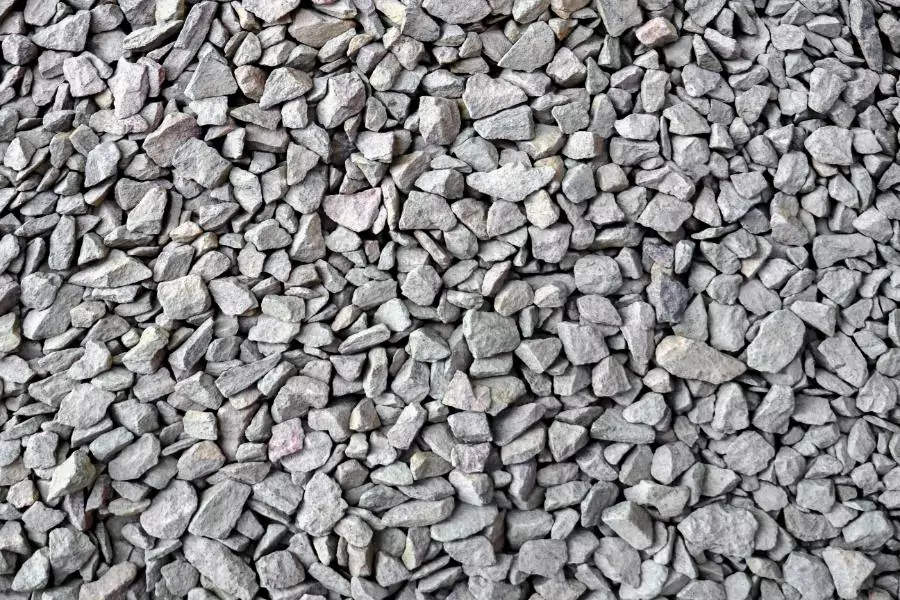
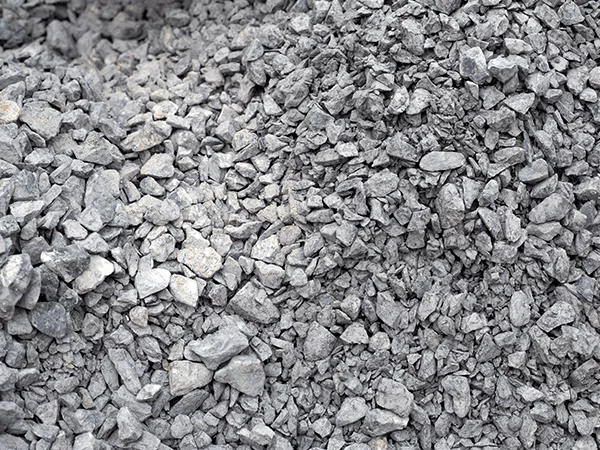


Gravel Monkey provides premium aggregate delivery services throughout Minneota, Minnesota and the surrounding Lyon County region. Whether you're building a new driveway near the historic downtown district, improving drainage on a rural property near Lake Marshall, or creating landscaping features along the Cottonwood River valley, we deliver high-quality aggregates directly to your location with free delivery. Our comprehensive selection of gravel, stone, sand, and soil products meets the demanding requirements of southwestern Minnesota's unique climate and heavy clay soil conditions.
Complete Selection of Aggregates for Minneota Properties
Minnesota's continental climate presents unique challenges for construction and landscaping projects. With average annual temperatures ranging from subzero winters to 80-degree summers, and approximately 25 inches of annual precipitation, choosing the right aggregate materials is essential. Our products are specifically selected to perform well in the freeze-thaw cycles, clay soils, and prairie conditions common throughout the Minneota area.
We offer an extensive range of aggregates and landscaping materials for residential, commercial, and agricultural applications:
- Driveway Gravel - Compactable base material engineered for Minnesota's demanding freeze-thaw conditions
- 3/4 inch Crushed Stone - Versatile angular aggregate perfect for driveway bases and foundation drainage
- #57 Stone - Popular drainage stone with excellent percolation properties for clay soil areas
- Crusher Run - Superior compaction material that creates rock-solid bases for driveways and roads
- Road Base - Heavy-duty foundation material for farm lanes and commercial access roads
- Pea Gravel - Smooth decorative stone for pathways, garden beds, and water features
- River Rock - Natural rounded stone in various sizes for decorative landscaping applications
- Walkway Gravel - Specially sized aggregate designed for pedestrian paths and garden walkways
- Drain Rock - Large angular stone specifically engineered for foundation drainage and septic systems
- Crushed Concrete - Eco-friendly recycled aggregate perfect for base layers and rural roads
- Topsoil - Nutrient-rich soil for gardens, lawns, and landscaping projects
- Fill Dirt - Quality earthen material for grading, leveling, and construction projects
- Mason Sand - Fine-grade sand for concrete mixing, mortar, and masonry applications
- Playground Sand - Clean, safe sand meeting safety standards for play areas and sandboxes
- Washed Sand - Clean aggregate-free sand for concrete work and specialized applications
- Decomposed Granite - Natural material that compacts firmly for paths and modern landscaping designs
Serving All Minneota Areas and Surrounding Communities
Our delivery service extends throughout Minneota and the broader southwestern Minnesota region. We regularly deliver aggregates to properties in downtown Minneota near the historic Belgian Heritage Center, residential areas along County Road 68, farms and acreages surrounding Lake Marshall, rural properties near Taunton to the west, and the agricultural lands extending toward Ghent and Marshall. Whether your project is located within the city limits near Minneota Elementary or on a rural property along the Cottonwood River valley, we provide reliable delivery service throughout Lyon County.
The geology of southwestern Minnesota creates unique soil conditions that directly impact construction and landscaping decisions. The region sits atop thick deposits of glacial till from the Des Moines Lobe glaciation, resulting in heavy clay soils with poor natural drainage. This clay-rich soil composition, combined with relatively flat prairie topography, makes proper aggregate selection and drainage planning essential for any ground-level project. Properties near the Yellow Medicine River and its tributaries face additional considerations related to seasonal water flow and flood plain management.
Aggregate Applications for Minnesota Properties
Residential Driveway Construction
Minnesota driveways face extraordinary stress from freeze-thaw cycles that occur approximately 40-50 times annually. When moisture penetrates the soil and freezes, it expands by roughly nine percent, creating upward pressure that causes frost heaving. Properties throughout the Minneota area, particularly those on clay soils common in the region, require substantial aggregate bases to resist this seasonal movement. A properly constructed driveway begins with at least four to six inches of compactable base material topped with a surface layer appropriate to your aesthetic preferences and budget.
For most residential applications around Minneota, we recommend starting with a foundation layer of crusher run or road base. These materials contain a blend of stone sizes that lock together when compacted, creating a stable platform that distributes weight and resists frost penetration. The angular crushed stone particles interlock mechanically, providing far superior stability compared to rounded gravel. This becomes especially important during spring thaw periods when underlying clay soils soften and become unstable.
Foundation and Basement Drainage Systems
The heavy clay soils characteristic of Lyon County create significant challenges for water management around building foundations. Clay has extremely low permeability, meaning water cannot pass through it easily. Without proper drainage systems, hydrostatic pressure builds against foundation walls, leading to basement moisture problems, structural damage, and mold growth. Properties near the Cottonwood River valley or in lower-lying areas face even greater drainage challenges during spring runoff and heavy rain events.
Effective foundation drainage requires coarse aggregates that create void spaces for water flow. We recommend drain rock or #57 stone placed around foundation perimeters in conjunction with perforated drain tile. These materials provide the necessary permeability to channel water away from structures and toward proper drainage outlets. The crushed angular shape of quality drainage stone prevents particle migration and maintains open void spaces over decades of service, unlike rounded gravels that can shift and compact over time.
Agricultural and Rural Property Access
Farms and rural properties throughout the Minneota area require durable aggregate surfaces for equipment access, livestock areas, and field entrances. Agricultural operations demand materials that withstand heavy loads from combines, grain trucks, and livestock trailers while maintaining stability through seasonal moisture variations. Rural roads and farm lanes constructed with proper aggregate bases remain functional year-round, reducing maintenance costs and preventing equipment damage from rutted, muddy conditions.
For agricultural applications, road base and crusher run provide excellent performance at economical costs. These materials create firm, all-weather surfaces that support heavy equipment while allowing sufficient drainage to prevent spring mud problems. Properties near Taunton and the western Lyon County agricultural areas benefit particularly from these heavy-duty base materials. The compacted surface resists rutting during wet periods and provides traction during winter months when frozen surfaces can become slick.
Aggregate Material Comparison Guide
Understanding the characteristics of different aggregate types helps you select the optimal material for your specific Minneota project requirements:
| Material Type | Primary Applications | Drainage Rating | Compaction Level |
|---|---|---|---|
| Crusher Run | Driveway base, road foundation | Moderate | Excellent |
| 3/4" Crushed Stone | Driveway surface, concrete base | Good | Very Good |
| #57 Stone | Drainage systems, French drains | Excellent | Moderate |
| Road Base | Heavy-duty roads, parking areas | Moderate | Excellent |
| Drain Rock | Foundation drainage, septic fields | Excellent | Low |
| Pea Gravel | Decorative landscaping, paths | Good | Low |
| Decomposed Granite | Walkways, modern landscaping | Moderate | Good |
| Crushed Concrete | Base layers, rural roads | Good | Very Good |
Working with Minnesota's Continental Climate
Minneota experiences a true continental climate with dramatic seasonal temperature variations. Winter temperatures frequently drop below zero degrees Fahrenheit from December through February, while summer highs regularly reach the mid-80s. This 100-plus degree annual temperature range creates exceptional stress on landscape materials and construction elements. The average frost depth in Lyon County reaches approximately 40-48 inches, requiring footings and underground utilities to extend well below this level to prevent frost heave damage.
Annual precipitation averages around 25 inches, with the majority falling during late spring and summer months. May and June typically see the heaviest rainfall, with individual storms sometimes delivering several inches in short periods. This concentrated precipitation, combined with snowmelt runoff during March and April thaw periods, creates significant drainage challenges. Properties throughout the Minneota area must manage not only the volume of water but also the timing of its arrival, as saturated clay soils require extended periods to drain and dry sufficiently for construction work.
The freeze-thaw cycle presents perhaps the most significant challenge for aggregate installations. As temperatures fluctuate above and below freezing during spring and fall transition periods, moisture in the soil repeatedly expands and contracts. This movement gradually pushes unstable materials upward and outward, creating the familiar potholes and surface disruptions visible on inadequately constructed driveways and roads. Proper aggregate selection and installation depth directly determine how well a surface withstands these cyclical forces over years of service.
Best Practices for Aggregate Installation in Minneota
Site Preparation Requirements
Successful aggregate projects begin with thorough site preparation. The existing soil must be properly excavated and graded to establish correct drainage slopes and stable subgrade conditions. In the Minneota area, this typically means removing topsoil and organic matter, then compacting the clay subgrade before adding aggregate layers. Areas with particularly soft or wet soils may benefit from geotextile fabric installation beneath the aggregate to prevent subgrade pumping and aggregate migration into the clay below.
Excavation depth depends on the intended use and soil conditions. Residential driveways generally require six to eight inches of combined base and surface materials over compacted subgrade. Areas receiving heavier loads, such as farm lanes or commercial parking areas, should have ten to twelve inches or more of aggregate depth. Properties near the Lake Marshall area or other locations with high water tables may need even greater depth or additional drainage provisions to manage seasonal moisture variations.
Compaction and Layer Management
Proper compaction is absolutely critical for long-term aggregate performance. Each layer should be compacted to at least 95 percent of maximum density before adding subsequent layers. For most projects, this means compacting in lifts of four inches or less. Attempting to compact deeper layers results in inadequate density in lower portions, leading to eventual settlement and surface failure. Professional-grade plate compactors or vibratory rollers provide the necessary compaction force for optimal results.
The moisture content during compaction significantly affects achievable density. Aggregates compact most effectively at optimum moisture content, typically around 5-8 percent by weight. Too dry, and particles don't lock together properly; too wet, and excess water prevents adequate compaction. During Minneota's humid summer months, materials may arrive at near-optimal moisture content. In drier periods, light watering before compaction improves results. Never attempt to compact saturated materials or frozen ground.
Seasonal Timing Considerations
Project timing matters considerably in Minnesota's climate. The optimal construction window extends from late April through October, after spring thaw stabilization and before ground freezing begins. Early spring projects must account for saturated subgrade conditions and potential frost lingering in deeper soil layers. Fall projects after mid-October risk insufficient curing time before winter freeze-up. However, fall installation can work well if completed early enough to allow several weeks of settling before the first hard freeze.
Summer installation offers the most favorable conditions, with warm temperatures promoting good compaction and extended daylight hours. However, extremely hot periods can make working conditions challenging and may cause dust issues during material placement. Plan deliveries for early morning when temperatures are more moderate and moisture content is naturally higher from overnight dew. Properties near Ghent and western Lyon County often experience slightly windier conditions, making dust control even more important during dry summer installations.
Lyon County Soil and Geology Factors
The glacial history of southwestern Minnesota created the soil conditions that influence every ground-level project in the Minneota area. During the last ice age, the Des Moines Lobe glacier advanced and retreated across the region multiple times, depositing thick layers of unsorted glacial till. This till consists predominantly of clay particles mixed with scattered sand, gravel, and boulders. The resulting soil profile features heavy clay content, typically ranging from 40-60 percent clay particles in the upper several feet of soil.
Clay soils possess unique properties that demand special consideration during construction. When dry, clay becomes extremely hard and difficult to excavate. When saturated, it loses all strength and becomes a sticky, unworkable mass. Clay also exhibits significant volume change with moisture variations, shrinking when dry and swelling when wet. This shrink-swell behavior creates continuous movement that stresses foundations, pavements, and underground utilities. Proper aggregate installation must account for these movements to maintain long-term stability.
The relatively flat prairie topography surrounding Minneota means surface drainage moves slowly. Without the benefit of hills or natural slopes to shed water quickly, precipitation tends to pond or infiltrate slowly through the clay soils. Properties in lower-lying areas near the Cottonwood River valley or near Lake Marshall face even greater drainage challenges. These locations require particularly robust drainage systems and may benefit from French drains, perimeter drainage, or even subsurface tile systems to manage excess moisture effectively.
Detailed Aggregate Product Information
Base Materials for Structural Stability
Base materials form the foundation of durable driveways, parking areas, and access roads. These products contain a mixture of stone sizes designed to compact tightly and create stable, load-bearing surfaces. The presence of fines (small particles) allows the aggregate to lock together mechanically when compacted, creating a solid mass that resists movement and distributes loads across a wide area. This interlocking characteristic is especially important in Minneota's clay soils, where unstable subgrade conditions demand maximum aggregate stability.
Crusher run represents the most economical base material for most applications. Produced by crushing quarried stone and screening to remove oversized pieces, it contains stone sizes from dust up to approximately one inch. This gradation compacts extremely well and creates an economical yet durable foundation for driveways and farm lanes throughout the rural areas around Minneota. Road base provides similar performance with slightly larger maximum stone sizes, making it ideal for areas receiving heavy truck traffic or agricultural equipment.
Drainage Aggregates for Water Management
Managing water effectively is essential throughout the Minneota area due to heavy clay soils and flat topography. Drainage aggregates contain uniformly sized stones with minimal fines, creating maximum void space for water flow. Unlike compactable base materials, drainage stone specifically resists compaction to maintain these open channels over decades of service. The angular particle shape prevents the material from shifting or nesting together, ensuring consistent drainage performance.
The #57 stone features consistent sizing around three-quarter inch diameter, making it ideal for foundation drainage systems, French drains, and septic drain fields. Drain rock offers larger stone sizes, typically one to two inches, providing even greater void space for applications requiring maximum water flow capacity. Both materials work effectively in conjunction with perforated drain tile and filter fabric to create comprehensive drainage solutions that protect foundations and prevent water accumulation in clay soils.
Decorative Aggregates for Landscaping Enhancement
Beyond functional applications, quality aggregates enhance landscape aesthetics throughout residential and commercial properties. Pea gravel offers smooth, rounded stones in neutral tones that complement diverse architectural styles. Its compact size makes it comfortable for walking and provides excellent coverage without excessive depth. River rock brings natural beauty with its water-worn appearance and varied colors, creating focal points in garden beds, around trees, and in decorative features.
Decomposed granite provides a contemporary aesthetic popular in modern landscape designs. This material compacts moderately to create firm surfaces for pathways while maintaining a natural appearance distinct from traditional gravel. The fine particles knit together when compacted and moistened, creating walkable surfaces that resist weed growth better than loose aggregates. Properties throughout Minneota's residential areas use decomposed granite to create clean, minimalist landscape designs that complement prairie home styles.
Specialized Sand Products
Sand serves numerous purposes in construction and landscaping projects. Mason sand provides the fine, clean particles necessary for concrete mixing, mortar formulation, and masonry work. Its consistent particle size and absence of clay or organic matter ensure proper concrete strength and mortar adhesion. Washed sand undergoes additional processing to remove all clay and fine sediments, creating an ultra-clean product for specialized concrete applications and as a component in various construction mixtures.
For families with children, playground sand provides a safe surface material for play areas and sandboxes. This product meets safety standards for cleanliness and particle sizing, with rounded grains that won't cause skin irritation. Regular top-dressing maintains clean playing conditions and prevents the sand from becoming compacted. Properties throughout Minneota's residential neighborhoods use playground sand to create safe, enjoyable outdoor spaces for children while meeting recommendations for cushioning around play equipment.
Professional Aggregate Delivery Throughout Minneota
Gravel Monkey provides dependable delivery service to all locations throughout Minneota and surrounding Lyon County communities. Our experienced drivers understand local roads, seasonal conditions, and property access considerations specific to southwestern Minnesota. We coordinate delivery timing to accommodate your project schedule and work with contractors, landscapers, and property owners to ensure materials arrive when and where you need them.
Free delivery eliminates the hassle and expense of transporting bulk materials yourself. Professional delivery means receiving the exact quantities you ordered, placed precisely where needed on your property. Our drivers work with you to identify the optimal material placement location, considering factors like proximity to the work area, ground conditions, and access for equipment. During spring thaw or wet periods common in the Minneota area, we evaluate site conditions to prevent delivery vehicle rutting or property damage.
Before delivery day, prepare your site by ensuring clear access for delivery trucks. Our vehicles require pathways at least twelve feet wide and adequate overhead clearance free from low-hanging branches or power lines. Mark your preferred placement location clearly and verify any gates or entrances are wide enough for truck access. For rural properties, confirm that access roads or farm lanes can support heavy truck weights, especially during wet periods when ground conditions are soft. Properties near Lake Marshall or in other areas with softer soils may need temporary access improvements like timber matting during wet conditions.
Frequently Asked Questions About Aggregates in Minneota
Crusher run and three-quarter inch crushed stone excel in Minnesota's climate. These angular aggregates compact tightly to create stable bases that resist frost heaving and handle the 40-50 freeze-thaw cycles that occur annually in the Minneota area. Proper installation depth of at least six inches, combined with adequate compaction, provides the best long-term performance through repeated seasonal stress.
Lyon County's heavy clay soils present drainage and stability challenges that require careful attention during aggregate installation. Clay holds moisture, swells when wet, and shrinks when dry, creating continuous movement. Adequate excavation depth, proper subgrade compaction, and sufficient aggregate thickness help isolate your driveway or pathway from these clay soil movements. Consider geotextile fabric between the clay subgrade and aggregate layers for additional stability, especially on rural properties with particularly heavy clay content.
Late April through October offers optimal conditions for aggregate projects in southwestern Minnesota. This window avoids spring thaw saturation in March and early April while completing work before ground freezing begins in November. Summer months provide the best working conditions, with warm temperatures, drier ground, and extended daylight hours. Fall installation works well if completed by mid-October, allowing several weeks for settling before winter arrives.
Absolutely! We regularly deliver to farms, acreages, and rural properties throughout Lyon County and surrounding areas. Our service extends to properties near Taunton, Ghent, Marshall, and throughout the countryside surrounding Lake Marshall and the Cottonwood River valley. We work with you to coordinate delivery timing and ensure safe access to your property while protecting fields and existing lanes from damage.
The relatively flat topography around Minneota requires proactive drainage planning. French drains using drain rock or #57 stone effectively channel water away from foundations and structures. For larger areas, subsurface drainage tile systems collect water and direct it toward appropriate outlets. Many rural properties benefit from roadside ditches or grassed waterways to manage surface runoff. Foundation drainage systems should extend below the frost line (approximately 48 inches) and incorporate proper filter fabric to prevent clay infiltration into drainage aggregates.
Calculate your driveway's length times width times depth in feet, then divide by 27 to determine cubic yards needed. For example, a 12-foot wide by 50-foot long driveway with 6 inches of aggregate requires approximately 11 cubic yards (12 x 50 x 0.5 ÷ 27). We recommend at least six inches total depth for residential driveways in the Minneota area, though heavier use or poor soil conditions may warrant greater depth. Our team can help refine your estimate based on your specific property conditions and intended use.
Yes! In addition to our comprehensive aggregate selection, we deliver quality topsoil for gardens and landscaping, plus fill dirt for grading and leveling projects. These materials help manage the challenges of working with native clay soils, allowing you to create better growing conditions for lawns and gardens or achieve proper drainage grades around structures. Whether you need a few yards for garden beds or larger quantities for property grading, we provide reliable delivery throughout the Minneota area.
Crushed stone features angular edges that interlock mechanically when compacted, creating far superior stability compared to rounded river gravel. This interlocking characteristic is especially important in Minneota's clay soils and during freeze-thaw cycles. Angular crushed stone resists shifting under loads and maintains compacted density over time, while rounded gravel can roll and migrate, leading to loose, unstable surfaces. For driveways, foundations, and any application requiring stability, crushed stone products deliver better long-term performance.
Start Your Minneota Aggregate Project Today
Whether you're planning a residential driveway in downtown Minneota, improving agricultural access roads on your Lyon County farm, or creating attractive landscaping features near Lake Marshall, Gravel Monkey delivers the quality aggregates you need. Our comprehensive product selection, local expertise, and free delivery service make your project simpler and more economical. We understand southwestern Minnesota's unique soil conditions, climate challenges, and construction requirements, helping you select materials that perform reliably for decades.
From the first consultation through final delivery, we're committed to your project's success. Our experienced team answers your questions, helps calculate material quantities, and coordinates delivery timing to match your schedule. We serve residential homeowners, commercial contractors, agricultural operations, and municipal projects throughout Minneota and surrounding communities including Taunton, Ghent, and Marshall.
Contact Gravel Monkey today to discuss your aggregate needs. Let us help you select the right materials for your specific application and property conditions, then deliver them directly to your Minneota location with our free delivery service. Quality materials, professional service, and local expertise combine to ensure your project's success from start to finish.

Need help? Reach out for a quote: