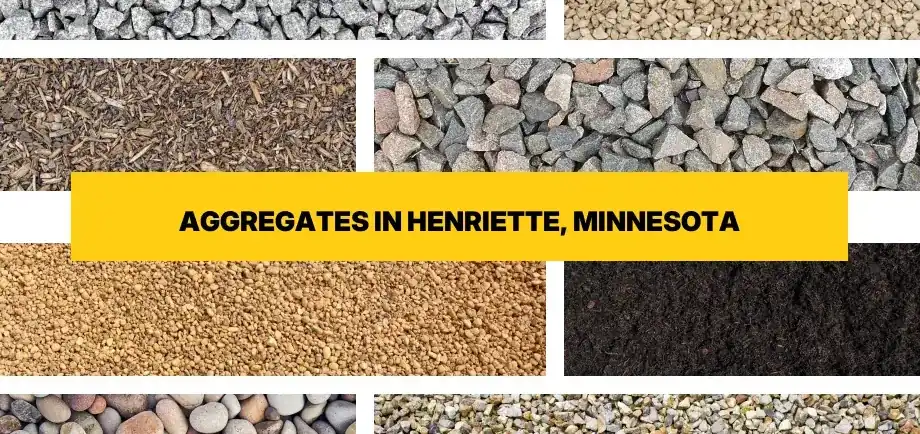
Buy Bulk Aggregates & Gravel in Henriette, Minnesota
Local Topsoil, Dirt, Sand, Rocks and Gravel near me in Henriette, Minnesota
Shop Aggregates for Delivery in Henriette
Order online for free delivery to any Henriette address.
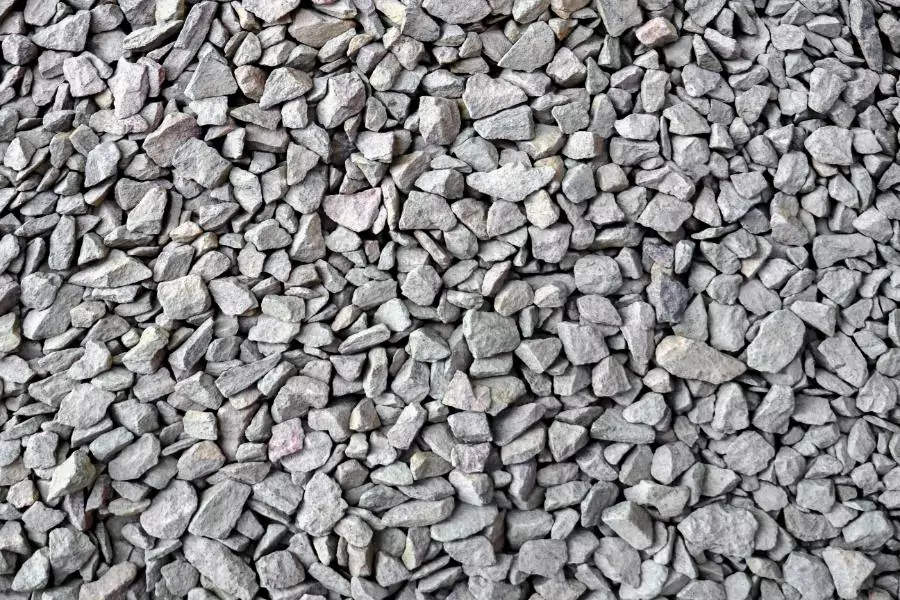
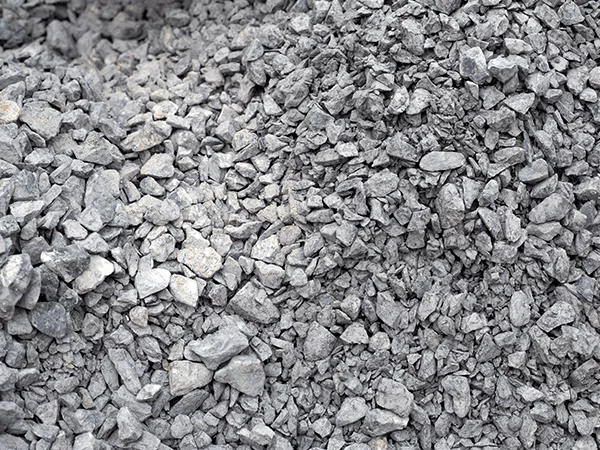


Gravel Monkey delivers premium aggregates and landscaping materials throughout Henriette, Minnesota and the surrounding Pine County area. Whether you're building a new driveway near the Snake River, creating drainage solutions for clay-rich soil, or sourcing materials for construction projects in this rural community, we provide free delivery on all orders. Our comprehensive selection of aggregates meets the demanding requirements of Minnesota's harsh climate, from subzero winters to spring thaw challenges.
Complete Range of Aggregates Available in Henriette
We supply professional-grade aggregates and materials specifically selected for Pine County's soil conditions and climate extremes. Our inventory supports residential, agricultural, and commercial projects throughout the Henriette area:
- Driveway Gravel - Angular stone designed for Minnesota's freeze-thaw cycles and heavy loads
- 3/4 inch Crushed Stone - Versatile aggregate for foundations, driveways, and base layers
- #57 Stone - Standard size for drainage systems and concrete work
- Crusher Run - Compactable blend for solid, stable base construction
- Road Base - Heavy-duty material for rural roads and long driveways
- Drain Rock - Clean washed stone for effective water management
- Pea Gravel - Smooth decorative stone for landscaping projects
- River Rock - Natural aesthetic stone in multiple sizes
- Crushed Concrete - Eco-friendly recycled aggregate for cost-effective projects
- Topsoil - Nutrient-rich soil for gardens and lawn establishment
- Fill Dirt - Essential for grading and elevation work
- Mason Sand - Fine sand for masonry and construction applications
- Playground Sand - Safe, clean sand for play areas
- Washed Sand - Clean sand for multiple uses
- Walkway Gravel - Perfect size for pedestrian paths
- Decomposed Granite - Natural pathway surfacing material
Understanding Henriette's Unique Soil and Climate Conditions
Henriette sits in eastern Pine County, where the landscape features sandy loam soils mixed with clay deposits left by ancient glacial activity. The area experiences Minnesota's full continental climate - summer temperatures reaching the upper 80s and winter lows plummeting to minus 20 degrees Fahrenheit or colder. Annual precipitation averages 30 inches, with significant snowfall accumulation from November through March.
These conditions create specific challenges for construction and landscaping projects. The freeze-thaw cycle, which can occur dozens of times each spring and fall, puts tremendous stress on driveways, foundations, and hardscaping. Clay-rich soils expand when wet and freeze, leading to frost heave and surface cracking. Proper aggregate selection and installation techniques are essential for long-lasting results in this environment.
Aggregate Solutions for Pine County's Sandy Loam Soils
The predominant sandy loam soils in the Henriette area provide good natural drainage but can lack stability under heavy loads. This soil type requires proper aggregate base layers to prevent rutting and settling. Angular crushed stone compacts far better than rounded materials in these conditions, creating an interlocking matrix that resists displacement.
For agricultural properties and rural homesteads common throughout the area, establishing stable access roads and equipment pads demands aggregates that can handle both seasonal moisture and heavy machinery. The combination of proper base depth and appropriate stone size makes the difference between a driveway that lasts decades and one requiring constant maintenance.
Professional Driveway Aggregates for Henriette Properties
Driveways in Henriette face intense seasonal challenges. Spring thaw brings standing water and soft subgrade. Summer storms can wash away poorly designed surfaces. Winter freezing creates expansion pressure that cracks and heaves inadequate installations. Selecting the right aggregates and proper layer depths ensures your investment withstands these conditions year after year.
Recommended Driveway Construction Layers
For new driveway construction in the Henriette area, we recommend a three-layer approach. Start with a geotextile fabric over prepared subgrade to prevent mixing between soil and aggregate. Add six to eight inches of compacted road base or crusher run for the foundation layer. This material contains stone fines that bind together when compacted, creating a solid platform. Finally, top with three to four inches of driveway gravel or crushed stone for the driving surface.
This construction method provides proper drainage while maintaining stability. The angular nature of crushed aggregates prevents them from rolling under tire pressure, a common problem with rounded gravel. For properties near Willow River or along the Snake River corridor where groundwater sits higher, increasing base depth to ten inches provides additional stability and frost protection.
Maintenance and Long-Term Performance
Even the best-constructed aggregate driveway requires periodic maintenance in Minnesota's climate. Plan to add a fresh layer of surface stone every three to five years to compensate for material displacement and natural compaction. Spring is the ideal time for this maintenance, allowing the new material to settle before winter freeze cycles return.
Drainage Aggregates for Water Management
Effective drainage is critical in Henriette's climate. Spring snowmelt can dump several inches of water equivalent in just days. Summer thunderstorms frequently deliver an inch or more of rain in short periods. Without proper drainage infrastructure, this water accumulates around foundations, washes away driveways, and creates erosion problems.
Clean drain rock creates void spaces that allow rapid water movement away from structures. Unlike crushed stone that contains fines, drain rock consists of washed aggregates that won't clog with sediment. Install drain rock in trenches around foundation perimeters, along driveway edges, and in low-lying areas prone to standing water.
French Drain Installation for Rural Properties
Many properties in the Henriette area benefit from French drain systems. These simple but effective installations channel groundwater away from buildings and problem areas. Excavate a trench sloping away from the area to drain, line it with geotextile fabric, install perforated drain pipe, and surround with clean drain rock before backfilling with topsoil.
For agricultural buildings and equipment storage areas, surface drainage swales filled with larger stone provide channels for runoff during heavy rain events. This prevents water from undermining building foundations and creating muddy conditions around frequently accessed areas.
Decorative Aggregates and Landscaping Materials
Beyond functional applications, decorative aggregates enhance the aesthetic appeal of Henriette properties. Natural river rock creates attractive borders around gardens and building perimeters. Pea gravel provides a neat, walkable surface for pathways between buildings or through garden areas. Decomposed granite compacts into a firm surface for patios and seating areas while maintaining a natural appearance.
Selecting Decorative Stone for Northern Climates
When choosing decorative aggregates for Minnesota landscaping, consider both appearance and practical performance. River rock in one to three inch sizes creates visual interest without the sharp edges of crushed stone. However, these rounded stones can shift under foot traffic more than angular materials. For high-traffic areas, consider walkway gravel that provides better stability while maintaining an attractive appearance.
Pea gravel works beautifully for dog runs, playground surfaces, and areas where a softer surface is desirable. The small, rounded stones provide good drainage while remaining comfortable underfoot. In garden beds, a two to three inch layer of decorative stone suppresses weeds, retains soil moisture, and creates a finished look that complements plantings.
Comparing Aggregate Types for Henriette Projects
| Aggregate Type | Best Applications | Compaction | Drainage Rating | Winter Performance |
|---|---|---|---|---|
| Crusher Run | Driveway base, Road foundation | Excellent | Good | Excellent - resists frost heave |
| Crushed Stone 3/4" | Driveway surface, General purpose | Very Good | Excellent | Very Good - stable in freeze-thaw |
| #57 Stone | Drainage, Concrete aggregate | Good | Excellent | Good - allows water flow |
| Road Base | Heavy-duty base, Rural roads | Excellent | Good | Excellent - maximum stability |
| Drain Rock | French drains, Foundation drainage | Fair | Superior | Good - prevents ice dams |
| Pea Gravel | Landscaping, Pathways, Dog runs | Fair | Very Good | Fair - can shift with freeze |
| Crushed Concrete | Budget base layers, Temporary roads | Good | Good | Good - economical option |
| River Rock | Decorative landscaping, Water features | Poor | Very Good | Fair - aesthetic focus |
Aggregates for Agricultural and Rural Properties
The agricultural character of the Henriette area creates unique material needs. Farm operations require stable surfaces for equipment access, material storage areas, and livestock facilities. Proper aggregate selection and installation protects expensive equipment from mud damage and provides safe, functional work spaces year-round.
Equipment Pads and Storage Areas
Heavy agricultural equipment demands solid footing. A properly constructed equipment pad starts with at least eight inches of compacted crusher run or road base. This creates a foundation that won't rut or settle under the weight of loaded trucks, tractors, or combines. Top with additional crushed stone for a durable surface that sheds water and resists freeze-thaw damage.
Storage areas for round bales, bulk materials, or equipment benefit from similar construction. The key is creating a barrier between ground moisture and stored items while providing good drainage. Geotextile fabric under the aggregate base prevents soil mixing and extends surface life significantly.
Farm Access Roads and Lanes
Rural properties often feature long access roads requiring regular maintenance. Rather than repeatedly grading bare earth that turns to mud each spring and after storms, invest in proper aggregate surfacing. A six-inch layer of road base topped with crushed stone creates an all-weather surface that handles heavy loads while minimizing maintenance requirements.
For private roads shared by multiple properties or serving forestry operations, increasing aggregate depth to twelve inches provides the durability needed for frequent heavy truck traffic. This investment pays dividends in reduced maintenance costs and reliable access regardless of weather conditions.
Seasonal Planning for Aggregate Projects in Pine County
Timing your aggregate project appropriately for Minnesota's seasons improves results and reduces costs. Each season presents distinct advantages and challenges for installation work in the Henriette area.
Spring Installation Considerations
Spring brings wet conditions as snowpack melts and frost leaves the ground. While ground may be too soft for heavy equipment early in the season, late spring offers good installation conditions once soils dry. Complete driveway and drainage projects before summer storms arrive. The settling that occurs during first-year freeze-thaw cycles is less problematic when installation happens in spring versus fall.
Summer: Peak Construction Season
Summer provides the longest window and best conditions for aggregate projects. Dry soil allows deep excavation without muddy conditions. Equipment access is easiest. However, summer is also the busiest season, so schedule deliveries and installation work early. Completing projects by late August allows adequate settling time before winter arrives.
Fall Project Planning
Fall work is possible through October in most years, though weather becomes less predictable. Complete major projects early in fall to allow some settling before ground freezes. Light maintenance work like adding surface stone to existing driveways can continue later. Avoid major excavation projects after September, as freezing conditions can arrive quickly.
Winter Limitations
Winter aggregate work is generally limited to emergency repairs and commercial projects that cannot wait. Frozen ground prevents proper compaction and settling. However, planning winter projects and scheduling early spring delivery ensures you're first in line when installation season arrives.
Serving All Areas Throughout Henriette and Pine County
Gravel Monkey provides free delivery throughout the entire Henriette area and surrounding Pine County communities. Our service area includes properties near the Snake River, agricultural lands toward Willow River, residential areas along Highway 23, and rural homesteads throughout the eastern Pine County region.
We regularly deliver to properties near Kerrick, Brook Park, and Rutledge, ensuring rural residents have access to the same quality aggregates and service as those closer to population centers. Our trucks navigate rural roads and long driveways common in this agricultural region, bringing materials directly to your project site.
Whether your property sits along County Road 61, near the Grindstone River corridor, or on township roads throughout the area, we deliver aggregates where you need them. This eliminates the challenge of hauling heavy materials yourself and ensures proper quantities arrive for efficient project completion.
Quality Aggregates for Demanding Applications
The aggregates we deliver to Henriette meet stringent quality standards essential for Minnesota's challenging climate. Crushed stone features angular edges that interlock when compacted, providing superior stability compared to rounded materials. Stone is clean and properly graded, containing appropriate ratios of different sizes for optimal performance in specific applications.
Material Testing and Consistency
Quality aggregates start at the quarry with proper extraction and processing. Stone is crushed to specified sizes and screened to remove oversize and undersize particles. This grading ensures consistency - you receive the material you ordered, not a random mix of sizes that won't perform properly.
For base materials like crusher run and road base, the blend of stone sizes and fines is carefully controlled. Too many fines create a material that retains water and freezes solid. Too few fines prevent proper compaction. Our materials are formulated specifically for construction applications in northern climates.
Sustainable and Recycled Options
Crushed concrete provides an environmentally responsible alternative to virgin aggregate for many applications. This recycled material works well for base layers, temporary roads, and projects where appearance isn't critical. Using recycled concrete reduces landfill waste while providing a cost-effective option that performs admirably in functional applications.
For customers concerned about environmental impact, recycled aggregates offer comparable performance to natural stone in many applications while supporting sustainable construction practices. The material compacts well, provides good drainage, and withstands freeze-thaw cycles effectively.
Installation Best Practices for Minnesota Climate
Proper installation techniques are just as important as material selection for long-lasting results in Henriette's climate. Follow these guidelines for professional-quality outcomes on residential and agricultural projects.
Site Preparation Fundamentals
Successful aggregate installation begins with thorough site preparation. Remove all organic material, including topsoil, roots, and vegetation, from the installation area. These materials decompose over time, creating voids that lead to settling. Excavate to proper depth - typically six to eight inches for driveways, more for heavy-use areas.
Grade the excavated area to promote drainage away from buildings and toward designed drainage points. Even a two-percent slope prevents water accumulation under aggregate layers. On poorly draining soils or in areas where groundwater sits high, consider installing drain tile before placing aggregate to intercept and channel water away.
Geotextile Fabric: Essential Foundation Protection
Never skip the geotextile fabric layer in Minnesota installations. This synthetic fabric creates a barrier between soil and aggregate, preventing the mixing that causes premature failure. Fabric allows water to pass while keeping soil particles from migrating up into aggregate layers. This separation is especially critical in the sandy loam and clay soils common around Henriette.
Overlap fabric edges by at least twelve inches and secure the material before placing aggregate. The small additional cost of fabric prevents the much larger expense of premature driveway failure and reconstruction.
Compaction Requirements
Proper compaction transforms loose aggregate into a solid, stable surface. Compact base layers in lifts of no more than four inches. Attempting to compact deeper layers in a single pass leaves loose material at depth that will settle over time. Use a vibrating plate compactor for residential projects or a heavy roller for larger areas.
Lightly moisten material during compaction for best results, especially with crusher run and road base. Too much water creates mud; too little prevents optimal compaction. The material should be damp but not wet when compacting. This moisture activates fines in the material, helping them bind stone particles together.
Planning and Budgeting for Aggregate Projects
Understanding material quantities and costs helps plan successful projects. While prices vary based on aggregate type and market conditions, proper planning ensures you order correct amounts and avoid mid-project shortages.
Calculating Material Quantities
Calculate aggregate needs in cubic yards. For a driveway or pad, multiply length times width times depth (all in feet) and divide by 27. For example, a driveway 12 feet wide, 100 feet long, and 6 inches deep requires 22.2 cubic yards of aggregate (12 x 100 x 0.5 / 27). Always add ten percent for compaction and waste.
For multiple-layer installations, calculate each layer separately. A typical driveway might require 15 yards of base material and 8 yards of surface stone. Our team can verify your calculations and recommend appropriate amounts based on specific project details and material types.
Project Phasing Options
Large projects can be completed in phases if budget constraints require. For a new driveway, consider installing base layers first and adding surface stone later. This allows the base to settle and reveals any problem areas before final surface placement. However, complete each phase fully rather than spreading thin layers of material across the entire area - partial installation provides little benefit.
Frequently Asked Questions About Aggregates in Henriette
We deliver a comprehensive range of aggregates including driveway gravel, crushed stone in multiple sizes, pea gravel, river rock, drain rock, crusher run, road base, recycled concrete, topsoil, fill dirt, and various sand types throughout Henriette and surrounding Pine County areas.
Yes! Gravel Monkey provides FREE delivery to Henriette and the surrounding Minnesota area for all gravel, stone, and aggregate orders. We service the entire Pine County region without delivery charges.
For Henriette's harsh winters with temperatures dropping to minus 20 degrees Fahrenheit, we recommend crushed stone, crusher run, or road base that compact well and provide excellent drainage. These aggregates handle freeze-thaw cycles better than rounded materials and prevent frost heave damage.
For driveways, calculate length times width times depth in feet, then divide by 27 for cubic yards. A standard driveway needs 4 to 6 inches of compacted aggregate. Our team can help calculate exact amounts based on your specific Henriette property needs and Minnesota soil conditions.
Yes, in many cases we can provide same-day or next-day delivery to Henriette depending on order size and current demand. Contact us early in the day for the best chance of same-day service to your Pine County location.
For the sandy loam soils common in Pine County, we recommend starting with crusher run or road base for a solid foundation, followed by crushed stone or driveway gravel for the top layer. This combination provides excellent stability and drainage in Minnesota's challenging climate.
Absolutely! We deliver to all rural properties around Henriette, including areas near Willow River, Kerrick, and throughout eastern Pine County. Our trucks can access most rural driveways and properties in the region.
For the clay-heavy soils in parts of Henriette and Pine County, drain rock and crushed stone provide excellent solutions. These clean aggregates create pathways for water movement, preventing pooling and erosion during spring thaw and summer storms.
Ready to Start Your Henriette Aggregate Project?
Gravel Monkey makes sourcing quality aggregates simple for Henriette residents and businesses. Our free delivery service eliminates transportation hassles, bringing materials directly to your property throughout Pine County. We work with homeowners tackling driveway projects, farmers building equipment pads, and contractors managing commercial construction throughout the region.
Our experienced team understands the specific challenges of Minnesota's climate and Pine County's soil conditions. We recommend appropriate materials for your application and help calculate quantities to avoid shortages or excessive waste. Whether you need a few yards for a small landscaping project or multiple truckloads for a major construction endeavor, we deliver the quality aggregates essential for lasting results in this demanding environment.
Contact us today to discuss your project needs and schedule delivery. Our local knowledge and commitment to quality ensure your aggregate project succeeds from foundation to finished surface.

Need help? Reach out for a quote: