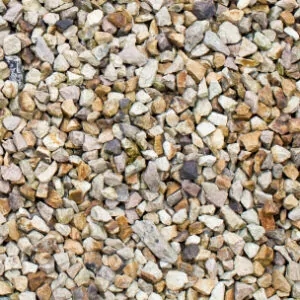
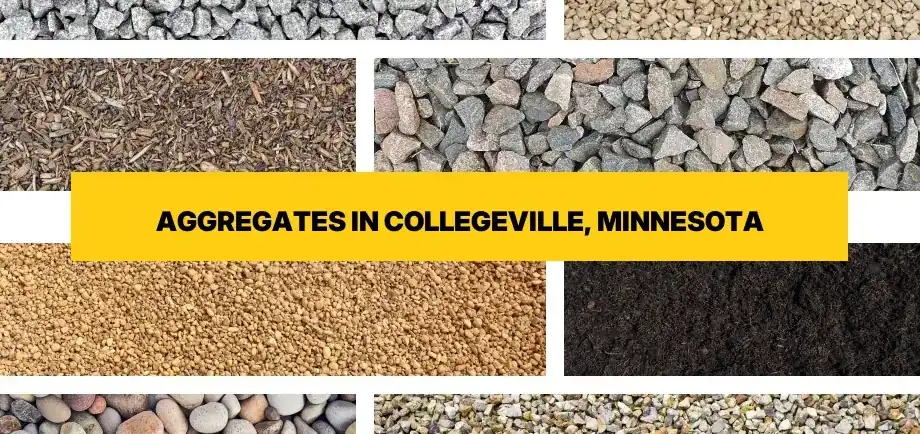
Rock & Driveway Gravel in Collegeville, Minnesota
Local Topsoil, Dirt, Sand, Rocks and Gravel near me in Collegeville, Minnesota
Shop Aggregates for Delivery in Collegeville
Order online for free delivery to any Collegeville address.
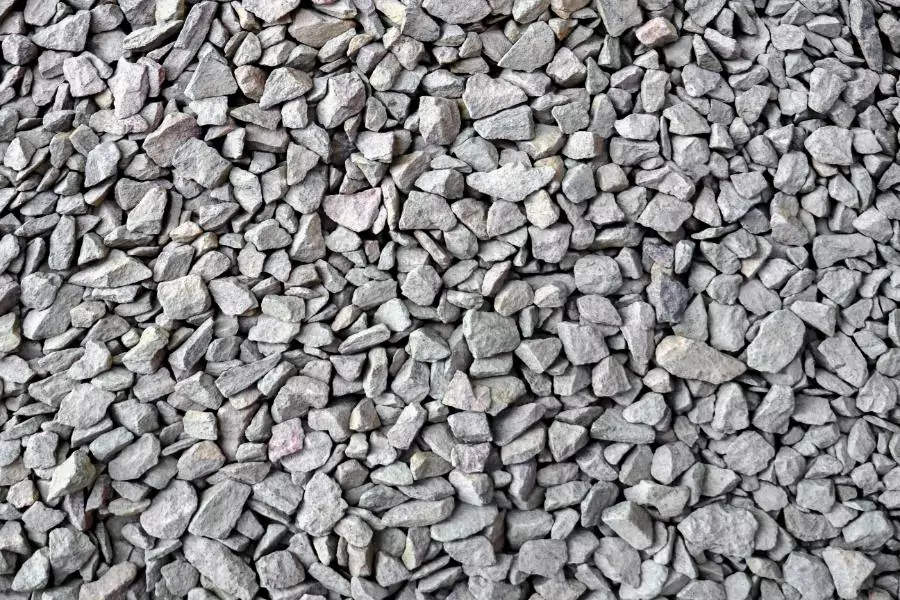
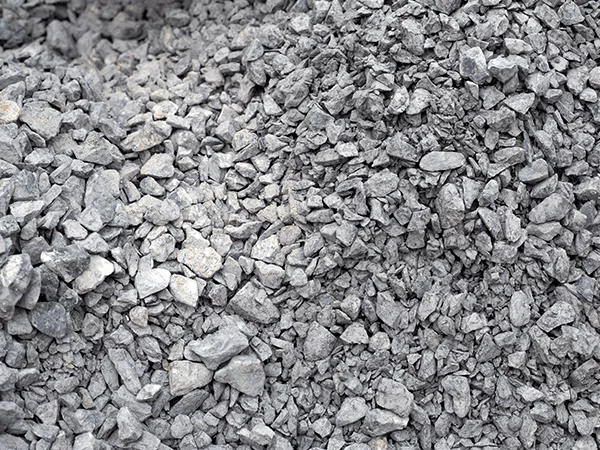


Gravel Monkey is your trusted partner for premium aggregate delivery in Collegeville, Minnesota. Whether you're building a new driveway near Saint John's University, creating drainage solutions around Sagatagan Lake, or installing pathways in the residential neighborhoods of Stearns County, we deliver high-quality gravel and aggregates directly to your property with free delivery. Our materials are specifically selected to withstand central Minnesota's challenging freeze-thaw cycles and provide lasting performance for residential and commercial projects throughout the Collegeville area.
Complete Range of Aggregates Available in Collegeville
We supply a comprehensive selection of aggregates and materials for every type of project in Collegeville and surrounding Stearns County communities. From foundation work to decorative landscaping, our products meet the demands of Minnesota's climate:
- Driveway Gravel - Durable base material engineered for Minnesota winters
- 3/4 Inch Crushed Stone - Versatile aggregate for driveways, foundations, and pathways
- #57 Stone - Ideal drainage aggregate for French drains and foundation systems
- Crusher Run - Compactable base material that locks together firmly
- Road Base - Heavy-duty foundation for driveways and roads
- Pea Gravel - Smooth decorative stone for walkways and gardens
- River Rock - Natural rounded stones for aesthetic landscaping
- Walkway Gravel - Specially sized material for comfortable pathways
- Drain Rock - Large aggregate for superior water management
- Crushed Concrete - Eco-friendly recycled aggregate
- Topsoil - Rich soil for gardens and lawn establishment
- Fill Dirt - Clean fill for grading and leveling projects
- Decomposed Granite - Natural pathway material that compacts beautifully
- Mason Sand - Fine sand for mortar and paver installation
- Playground Sand - Safe, clean sand for play areas
- Washed Sand - Clean sand for multiple applications
Aggregate Solutions for Collegeville's Unique Geography
Collegeville sits in central Minnesota's glacial landscape, characterized by rolling terrain, numerous lakes including Sagatagan Lake, and soils formed from glacial till deposits. This geology creates specific challenges for construction and landscaping projects. The area's clay-rich soils retain moisture and are susceptible to frost heave during Minnesota's harsh winters, when temperatures regularly drop below zero degrees Fahrenheit from December through February.
Understanding these local conditions is crucial when selecting aggregates for Collegeville projects. Properties near Saint John's University and throughout the residential areas surrounding County Road 159 require materials that provide excellent drainage while remaining stable through freeze-thaw cycles. The combination of cold winters, spring thaw periods, and summer rainfall totaling approximately 28 inches annually means that proper aggregate selection directly impacts project longevity.
Serving Collegeville's Neighborhoods and Communities
We deliver throughout the Collegeville area, including properties near Saint John's University campus, the residential neighborhoods along Old Collegeville Road, homes surrounding Sagatagan Lake, developments near County Road 159, properties in the Avon Township border areas, the Saint Joseph vicinity, communities near Interstate 94, and rural properties throughout western Stearns County. Each of these areas presents unique soil conditions and drainage requirements that our team understands thoroughly.
Minnesota Climate and Aggregate Performance
Central Minnesota's continental climate significantly impacts aggregate performance and selection. Collegeville experiences temperature extremes ranging from summer highs in the upper 80s to winter lows frequently reaching minus 20 degrees Fahrenheit or colder. This 100-plus degree annual temperature range creates expansion and contraction cycles that test aggregate stability.
The frost depth in Stearns County reaches 60 to 80 inches, meaning foundations and driveways must account for substantial ground movement. Spring brings rapid thaw periods that can turn poorly drained areas into muddy challenges. Our aggregates are selected specifically to handle these conditions, providing drainage pathways that prevent water accumulation and subsequent frost damage.
Collegeville receives approximately 45 inches of snowfall annually, with snow cover persisting from November through March. Proper drainage becomes essential not just during spring thaw but throughout winter when freeze-thaw cycles occur with any temperature fluctuation around the freezing point. Aggregates that compact well while maintaining drainage channels perform best in this environment.
Driveway Aggregates for Minnesota Conditions
Collegeville driveways face particular challenges due to frost heave, ice formation, and heavy snow removal equipment. The key to a lasting driveway lies in proper base preparation and aggregate selection. We recommend a minimum 4-inch base of compacted aggregate, though 6 inches provides superior performance for areas with heavy vehicle traffic or challenging soil conditions.
Foundation and Base Materials
The foundation layer determines driveway longevity. Properly installed base materials prevent the differential settling that causes cracking and uneven surfaces. For properties throughout Collegeville, from the university area to rural residential sites, we recommend starting with a solid foundation that addresses local soil conditions.
Base materials must allow water to drain away from the surface while providing stable support. The clay content in Collegeville soils means that water movement through the aggregate becomes critical. Without proper drainage, water accumulates, freezes, expands, and destroys driveway integrity within a few freeze-thaw cycles.
| Aggregate Type | Best Applications | Drainage Rating | Compaction | Minnesota Climate Suitability |
|---|---|---|---|---|
| 3/4" Crushed Stone | Driveway base, foundations, general fill | Excellent | Good | Excellent - handles freeze-thaw |
| #57 Stone | Drainage systems, French drains, concrete aggregate | Superior | Moderate | Excellent - maximum water flow |
| Crusher Run | Driveway base, parking areas, road base | Good | Excellent | Outstanding - locks together firmly |
| Road Base | Heavy-duty driveways, roads, commercial access | Good | Superior | Excellent - withstands heavy loads |
| Pea Gravel | Pathways, decorative landscaping, garden beds | Excellent | Poor | Good - decorative use only |
| River Rock | Landscaping, dry creek beds, decorative borders | Excellent | Poor | Good - aesthetic applications |
| Drain Rock | Foundation drains, septic systems, heavy drainage | Maximum | None | Excellent - specialized drainage |
| Crushed Concrete | Base layers, temporary roads, cost-effective fill | Very Good | Good | Very Good - eco-friendly option |
Drainage Aggregates for Collegeville Properties
Effective drainage is non-negotiable in central Minnesota. Properties throughout Collegeville, particularly those near Sagatagan Lake or in lower-lying areas along the Watab River watershed, require thoughtful drainage planning. Poor drainage leads to basement moisture, foundation damage, driveway deterioration, and landscape erosion.
French drain systems installed with the right aggregates prevent water accumulation around foundations. The typical French drain uses perforated pipe surrounded by drainage aggregate, wrapped in landscape fabric, and covered with soil. This system intercepts groundwater and directs it away from structures before it can cause problems.
Foundation perimeter drains serve similar purposes, collecting water that would otherwise penetrate basement walls or create hydrostatic pressure against foundations. These systems work continuously, invisible until they fail. Proper aggregate selection ensures decades of maintenance-free performance, crucial for Collegeville homes built on clay soils with high water tables.
Decorative Aggregates and Landscaping Materials
Beyond functional applications, aggregates serve aesthetic purposes in Collegeville landscapes. Gardens, pathways, water features, and decorative borders benefit from carefully selected materials that complement Minnesota's natural environment while requiring minimal maintenance.
Pathway and Walkway Solutions
Garden pathways require aggregates that remain comfortable underfoot while providing stable walking surfaces. Materials must drain quickly to prevent puddles and ice formation during shoulder seasons. Pathways near Saint John's Abbey or through residential gardens benefit from materials that age gracefully while maintaining functionality.
Decorative aggregates add texture and color to landscapes. They suppress weeds, reduce maintenance, and create visual interest throughout the year. Unlike organic mulches that decompose, stone aggregates provide permanent solutions that improve with age as they settle and weather.
Sand Products for Collegeville Construction and Landscaping
Sand serves specialized purposes in construction and landscaping projects. Different applications require specific sand types, each processed to meet particular standards. We supply three primary sand varieties for Collegeville projects, each serving distinct purposes.
Construction and Masonry Applications
Masonry work throughout Collegeville requires clean, properly graded sand that creates strong mortar bonds. From brick walls to block foundations, sand quality directly affects structural integrity. Our mason sand meets specifications for mortar mixing, paver base installation, and stone masonry applications.
Paver installation demands consistent sand gradation that fills joints completely while allowing water drainage. The sand must remain stable after compaction, preventing paver movement while maintaining permeability. Proper base preparation with sand prevents the settling and shifting that creates uneven walking surfaces.
Recreational and Safety Sand
Playground areas require sand that meets safety standards for cushioning falls while remaining free of contaminants. Our playground sand is processed specifically for children's play areas, providing soft landing surfaces that drain quickly after rainfall. Schools, parks, and residential play areas throughout Collegeville trust this material for safe, long-lasting play surfaces.
Topsoil and Fill Dirt for Collegeville Properties
Soil products address different needs than aggregates, yet they're equally important for complete property development. Topsoil provides the organic-rich surface layer essential for gardens, lawns, and planting beds, while fill dirt serves structural purposes for grading and leveling.
Topsoil for Gardens and Lawns
Collegeville's growing season, typically spanning May through September, provides excellent opportunities for establishing gardens and lawns. Success depends largely on soil quality. Our topsoil delivers the organic matter, nutrients, and texture that plants need to thrive in central Minnesota's climate.
Garden beds benefit from topsoil that retains moisture during summer heat while draining excess water during spring thaw and rainy periods. The soil must support beneficial microorganisms while providing appropriate pH levels for Minnesota-adapted plants. Properties throughout Collegeville, from urban gardens near the university to rural vegetable gardens, require quality topsoil for productive growing.
Fill Dirt for Grading Projects
Fill dirt addresses structural needs rather than growing requirements. Grading projects, foundation backfill, and site leveling require material that compacts firmly without the organic content that causes settling. Our fill dirt provides stable, long-term solutions for properties requiring elevation changes or level building sites.
Proper grading directs water away from foundations and prevents standing water in yards. This becomes particularly important in Collegeville's spring thaw period when snow melt and rain combine to create substantial water volumes. Strategic grading with quality fill dirt protects structures and creates usable outdoor spaces.
Best Practices for Aggregate Installation in Minnesota
Successful aggregate projects require more than quality materials. Proper installation techniques account for local soil conditions, climate factors, and intended use. Understanding these principles helps ensure your Collegeville project performs as expected for decades.
Base Preparation Fundamentals
Every driveway, pathway, or aggregate surface begins with proper base preparation. This means excavating to appropriate depth, removing organic material, and addressing drainage requirements. In Collegeville's clay soils, this often requires more extensive preparation than similar projects in sandier regions.
Subgrade compaction creates stable foundations that resist settling. The native soil must be compacted before aggregate placement, particularly in areas where topsoil was removed or where fill was added. Inadequate subgrade preparation leads to differential settling regardless of aggregate quality.
Geotextile fabric placement between subgrade and aggregate prevents mixing, particularly important in clay soils. This separation maintains aggregate integrity while allowing water drainage. The fabric prevents fine soil particles from migrating into aggregate voids, which would reduce drainage capacity over time.
Compaction and Drainage
Aggregate compaction occurs in lifts, typically 4-inch layers, each compacted before adding the next. This process creates maximum density and stability. For Collegeville driveways and paths, proper compaction prevents rutting, extends service life, and maintains surfaces through freeze-thaw cycles.
Surface drainage requires crowning or sloping to prevent water accumulation. Driveways should slope away from structures at minimum 2 percent grade, ideally 3 to 4 percent. This simple design element prevents ice formation in winter and extends aggregate life by keeping water moving rather than pooling.
Calculating Aggregate Quantities for Your Project
Accurate quantity estimation prevents shortages and reduces waste. Aggregate calculations require understanding cubic yards, the standard measurement for bulk materials. Most projects specify depth in inches, requiring conversion to feet for proper calculation.
Basic Calculation Formula
Calculate aggregate needs by multiplying length times width times depth (all in feet) then dividing by 27 to convert cubic feet to cubic yards. For example, a 20-foot by 40-foot driveway with 4-inch depth requires: 20 × 40 × 0.33 = 264 cubic feet ÷ 27 = 9.8 cubic yards, typically rounded to 10 yards for ordering.
Add 10 to 15 percent additional material to account for compaction, irregular areas, and minor miscalculations. This buffer ensures project completion without delays from material shortages. For larger Collegeville projects or complex shapes, our team provides accurate quantity estimates based on site-specific measurements.
Depth Recommendations by Application
Different applications require different aggregate depths. Residential driveways typically need 4 to 6 inches, commercial drives 6 to 8 inches, and heavy equipment access roads 8 to 12 inches or more. Pathways generally require 2 to 3 inches, while decorative applications may need only 1 to 2 inches depending on visual preference.
These recommendations assume proper base preparation. Projects built over unsuitable subgrades may require deeper aggregate to compensate. In areas with poor drainage or soft soils, additional depth or base improvement becomes necessary for acceptable performance.
Seasonal Project Planning in Collegeville
Minnesota's distinct seasons influence project timing and execution. Understanding these patterns helps schedule work for optimal results and easier installation conditions.
Spring Installation Opportunities
Spring brings warming temperatures and growing enthusiasm for outdoor projects. However, ground saturation from snow melt creates challenges for heavy equipment and aggregate installation. Late April through May typically provides the best spring conditions once soils have dried sufficiently.
Spring projects benefit from moderate temperatures for working comfortably while completing installations before summer heat. The long days provide extended work hours, and completion before summer rain patterns helps establish surfaces properly.
Summer Peak Season
June through August offers ideal conditions for aggregate projects in Collegeville. Dry soils support heavy equipment easily, warm temperatures cure any concrete work quickly, and long daylight hours maximize productivity. Most contractors prefer summer scheduling, so plan early for summer installations.
Summer heat does create dust during dry periods, particularly when working with fine materials. Watering during compaction helps control dust while improving compaction effectiveness. The combination of warm weather and dry conditions generally outweighs minor dust concerns.
Fall Project Advantages
September and October provide excellent project conditions before winter arrives. Cooler temperatures make physical work more comfortable, and contractors often have better availability as summer rushes subside. Ground remains workable through October in most years, though monitoring weather forecasts becomes important.
Fall projects must conclude before ground freezes, typically by mid-November in the Collegeville area. Completing aggregate work in fall allows spring use without waiting for installation, an advantage for driveway and parking area projects.
Winter Considerations
Winter delivery remains possible for Collegeville projects when absolutely necessary, though installation challenges increase significantly. Frozen ground prevents proper compaction, and snow cover complicates site access. Most aggregate projects wait until spring unless circumstances demand winter completion.
Environmental Advantages of Quality Aggregates
Properly installed aggregate surfaces provide environmental benefits beyond their functional purposes. Understanding these advantages helps appreciate aggregate value in Collegeville's landscape.
Stormwater Management
Permeable aggregate surfaces allow rainfall to infiltrate rather than running off immediately. This reduces stormwater volume entering municipal systems and recharges groundwater supplies. In areas near Sagatagan Lake and other Collegeville water bodies, reducing runoff helps maintain water quality.
Aggregate surfaces filter pollutants as water percolates through, removing sediments and some dissolved contaminants before they reach groundwater. This natural filtration protects local water resources while managing stormwater effectively.
Reduced Heat Island Effect
Light-colored aggregates reflect solar radiation rather than absorbing heat like dark asphalt surfaces. This reduces local air temperatures during summer months and decreases cooling costs for nearby structures. The effect becomes particularly noticeable in urban areas and commercial developments.
Sustainable Material Choices
Recycled aggregates like crushed concrete provide sustainable alternatives to virgin materials. These products divert construction waste from landfills while performing comparably to traditional aggregates in many applications. Choosing recycled materials supports circular economy principles without sacrificing project quality.
Frequently Asked Questions About Gravel and Aggregates in Collegeville
We deliver a complete range of aggregates including driveway gravel, crushed stone in multiple sizes, pea gravel, river rock, crusher run, road base, drain rock, recycled concrete, topsoil, fill dirt, mason sand, playground sand, washed sand, decomposed granite, and walkway gravel throughout Collegeville and surrounding Stearns County areas.
Yes! Gravel Monkey offers FREE delivery to Collegeville and the surrounding central Minnesota area for all gravel and aggregate material orders. We service the entire Collegeville community including areas near Saint Johns University and the Stearns County residential areas.
For Minnesota driveways, we recommend a base depth of 4 to 6 inches due to frost heave conditions. Calculate your needs by multiplying length times width times depth in feet, then divide by 27 to get cubic yards. Our team can help you determine the exact amount needed for your Collegeville property based on soil conditions and intended use.
Crushed stone aggregates like three-quarter inch crushed stone and crusher run work exceptionally well in Collegeville because they compact firmly and provide excellent drainage. This helps prevent frost heave damage during Minnesota winters when temperatures can drop well below zero degrees Fahrenheit.
Yes, Gravel Monkey delivers aggregates throughout the year in Collegeville. However, installation is easier during warmer months. Spring through fall is ideal for driveway and landscaping projects, though we can accommodate winter deliveries when ground conditions allow.
We offer mason sand for masonry and paver base work, playground sand for safe play areas, and washed sand for general construction needs. Each sand type is specifically processed for its intended use and delivered directly to your Collegeville property.
Yes, Collegeville sits on glacial till soils with clay content that can retain moisture and experience frost heave. We recommend well-draining aggregates with proper base preparation. Road base and crusher run provide excellent foundations that resist Minnesota freeze-thaw cycles.
Properties near Sagatagan Lake and other Collegeville water features benefit from drain rock and number 57 stone for foundation drainage systems. These aggregates manage water movement effectively, preventing basement moisture issues and protecting foundations from Minnesota groundwater.
Your Collegeville Aggregate Partner
Whether you're planning a driveway installation near Saint John's University, creating drainage solutions for a property along County Road 159, establishing pathways through a Sagatagan Lake garden, or grading a new construction site in western Stearns County, selecting the right aggregates determines project success. Understanding local soil conditions, climate challenges, and proper installation techniques ensures your investment performs as expected for decades.
Our free delivery throughout Collegeville removes one of the traditional obstacles to quality aggregate projects. Combined with expert material selection guidance, accurate quantity calculations, and understanding of Minnesota-specific challenges, we help ensure your project succeeds from planning through completion. The aggregates we deliver today create the driveways, pathways, and foundations that serve Collegeville properties reliably through countless freeze-thaw cycles, making proper material selection an investment in long-term property value and functionality.

Need help? Reach out for a quote: