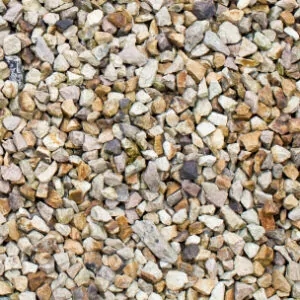
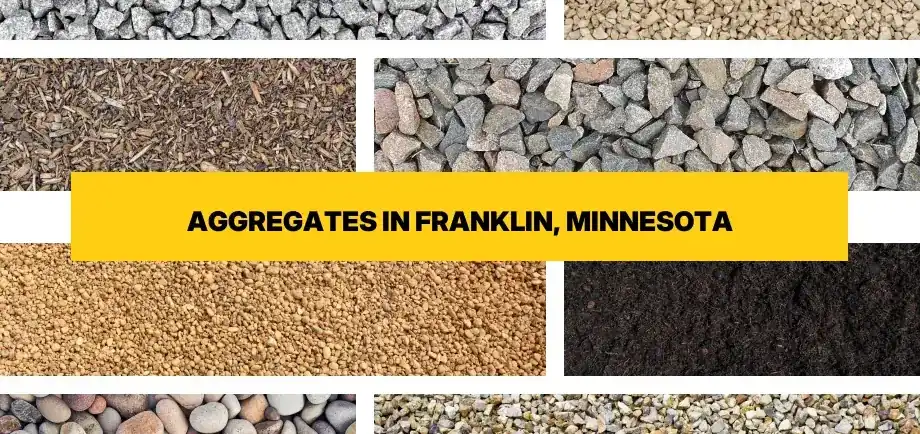
Gravel for Sale in Franklin, Minnesota
Local Topsoil, Dirt, Sand, Rocks and Gravel near me in Franklin, Minnesota
Shop Aggregates for Delivery in Franklin
Order online for free delivery to any Franklin address.
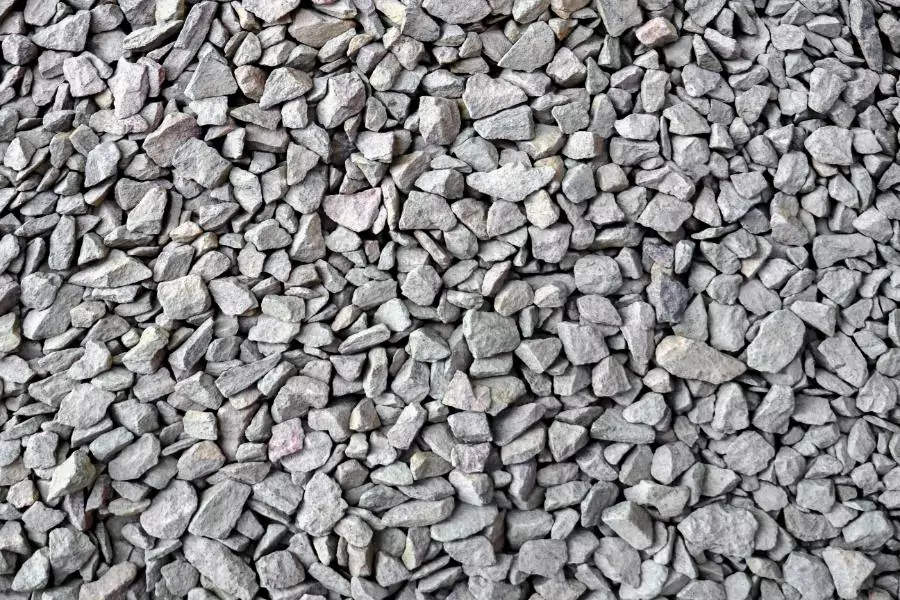
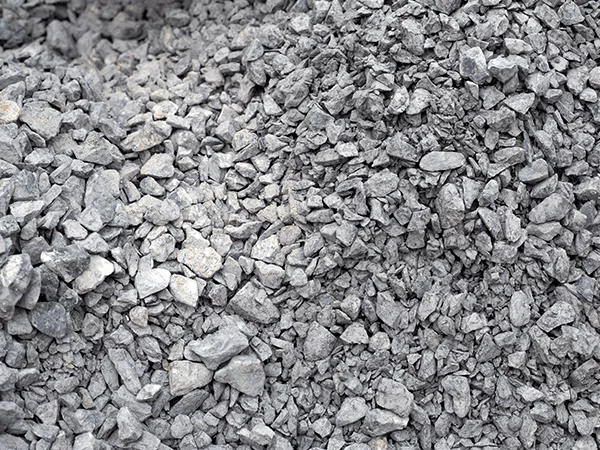


Gravel Monkey delivers premium aggregates and landscaping materials directly to properties throughout Franklin, Minnesota, absolutely free. Whether you're building a new driveway on the east side of town, creating drainage solutions for your rural property near Sacred Heart, or upgrading farm lanes in Renville County, we bring quality materials right to your location. Franklin's prairie landscape and clay-rich soil require specific aggregate solutions, and our complete product line handles every challenge from seasonal frost heave to spring drainage problems.
Complete Aggregate Selection for Franklin Properties
We supply a comprehensive range of aggregates and materials designed for Franklin's unique soil conditions and Minnesota's demanding climate. Our inventory serves residential driveways, agricultural access roads, commercial sites, and landscaping projects across Renville County:
- Driveway Gravel - Proven base material that withstands Minnesota winters
- 3/4 inch Crushed Stone - Versatile aggregate for foundations and drainage
- #57 Stone - Clean aggregate perfect for French drains and concrete work
- Crusher Run - Compactable blend for solid, stable bases
- Road Base - Heavy-duty material for farm roads and parking areas
- Drain Rock - Specialized aggregate for water management systems
- Pea Gravel - Smooth stones for walkways and decorative use
- River Rock - Natural aesthetic for landscaping features
- Crushed Concrete - Eco-friendly recycled aggregate option
- Topsoil - Rich soil for gardens and lawn establishment
- Fill Dirt - Grading material for construction and leveling
- Mason Sand - Fine sand for masonry and paver projects
- Playground Sand - Safe, clean sand for play areas
- Washed Sand - Multi-purpose clean sand
- Decomposed Granite - Natural pathways and rustic landscapes
- Walkway Gravel - Comfortable gravel for garden paths
Understanding Franklin's Soil and Climate Challenges
Franklin sits in the Minnesota River valley region where prairie soils dominate the landscape. The area's glacial till deposits created clay-heavy soils that present specific challenges for construction and landscaping. These clay soils expand when wet and contract during dry periods, creating movement that can damage driveways, foundations, and hardscaped areas without proper aggregate bases.
Minnesota's continental climate brings temperature extremes that range from sub-zero winter cold to summer heat above 90 degrees. Franklin experiences average annual precipitation of 26 inches, with spring being particularly wet. The freeze-thaw cycle common from November through March causes frost heave, pushing poorly constructed surfaces upward and creating cracks and unevenness. Using the correct aggregates creates drainage pathways that prevent water accumulation and the subsequent freeze damage that plagues many Franklin properties.
The region's relatively flat terrain means water management requires careful planning. Properties throughout Franklin, from the residential areas near downtown to rural farmsteads toward Morton, benefit from properly installed drainage systems using clean aggregates that won't clog over time. The local soil's poor natural drainage makes aggregate selection critical for long-term project success.
Selecting the Right Aggregates for Franklin Projects
Driveway Construction and Repair
Franklin driveways need aggregate bases that handle Minnesota's weather extremes. A proper driveway starts with 4 to 6 inches of compacted road base or crusher run, creating a stable foundation that won't shift during freeze-thaw cycles. This base layer should extend beyond the driveway edges by 6 inches to provide lateral support. Top the base with 3 to 4 inches of driveway gravel, which compacts firmly while maintaining the drainage necessary to protect against ice damage.
Rural properties with longer access roads benefit from similar construction methods. The heavier traffic patterns on farm roads require slightly deeper aggregate bases, typically 6 to 8 inches, to prevent rutting during spring thaw when the ground softens. Properties throughout Renville County rely on these proven aggregate applications to maintain year-round access.
Drainage Solutions for Clay Soils
Franklin's clay soils require aggressive drainage solutions. French drain installations using #57 stone or dedicated drain rock provide the open voids necessary for water movement. Unlike smaller aggregates that can wash into gaps and reduce effectiveness, these clean stones maintain drainage capacity for decades. Proper French drain systems should slope at least 1 inch per 8 feet of length, directing water away from foundations, basements, and low-lying areas prone to standing water.
Surface drainage around homes and buildings benefits from strategic aggregate placement. Creating gravel channels or dry creek beds lined with river rock directs runoff away from structures while adding aesthetic value to landscapes. These features prove particularly valuable during spring snowmelt when large volumes of water need management in short timeframes.
Landscaping and Hardscaping Applications
Decorative aggregate applications transform Franklin landscapes while serving practical purposes. Pea gravel creates comfortable, attractive walkways that drain instantly after rain. River rock borders garden beds while preventing weed growth and retaining soil moisture. Decomposed granite offers natural-looking pathways that compact firmly yet remain permeable, perfect for connecting patios to gardens or creating trails through larger properties.
Retaining wall backfill requires clean drainage aggregates behind the wall structure. Using crushed stone or drain rock behind walls prevents hydrostatic pressure buildup that can cause wall failure during freeze-thaw cycles. This application proves essential throughout Franklin where expansive soils create additional pressure on retaining structures.
Aggregate Delivery Throughout Franklin and Renville County
We provide free delivery throughout Franklin and surrounding areas including properties near Sacred Heart to the west, Morton to the east, and extending toward Redwood Falls. Our delivery service covers all of Renville County, ensuring rural farmsteads and residential properties receive the same quality materials and service as downtown locations.
Franklin's compact community layout means most deliveries reach customers quickly. Properties along Highway 19 enjoy easy access, while rural roads throughout the area present no challenge for our delivery vehicles. Whether your project sits in the residential neighborhoods near the Franklin School or on agricultural land south of town, we navigate all local roads to deliver aggregates directly where you need them.
Nearby communities including Fairfax, Morton, Redwood Falls, Sacred Heart, and Renville also receive our free delivery service. This regional coverage ensures all Renville County residents access quality aggregates without traveling to distant suppliers or paying delivery fees that inflate project costs.
Aggregate Comparison Guide
Selecting appropriate aggregates depends on your specific application and soil conditions. This comparison helps Franklin property owners choose materials that match their project requirements:
| Aggregate Type | Best Applications | Typical Size | Compaction | Drainage |
|---|---|---|---|---|
| Crusher Run | Driveway base, road foundation | Mixed fines to 3/4" | Excellent | Moderate |
| Road Base | Heavy-duty driveways, parking lots | Mixed to 1.5" | Superior | Good |
| 3/4" Crushed Stone | Drainage, general construction | 3/4 inch | Good | Excellent |
| #57 Stone | French drains, concrete aggregate | 1/2 to 1 inch | Moderate | Excellent |
| Drain Rock | Foundation drains, septic systems | 3/4 to 1.5 inch | Poor | Superior |
| Pea Gravel | Walkways, decorative areas | 3/8 inch | Poor | Excellent |
| River Rock | Landscaping, erosion control | 1 to 3 inch | Poor | Good |
| Crushed Concrete | Budget driveways, fill material | Mixed to 1.5" | Good | Good |
Installation Best Practices for Franklin Properties
Site Preparation
Proper site preparation determines aggregate project longevity. Remove all topsoil, vegetation, and organic matter from the project area. Franklin's clay soils may require excavation depths of 8 to 12 inches for driveways to reach stable subsoil. Grade the excavated area to promote drainage away from buildings, maintaining a minimum 2% slope.
Install landscape fabric or geotextile material over the prepared subgrade before adding aggregates. This barrier prevents clay soils from mixing upward into the aggregate base while allowing water to drain through. This step proves particularly important in Franklin where clay content remains high throughout the soil profile.
Aggregate Installation
Add base aggregates in layers, compacting each lift before adding the next. Maximum layer thickness should be 4 inches loose, which compacts to approximately 3 inches. Use a plate compactor for residential driveways and smaller projects, or a vibratory roller for larger applications. Proper compaction creates density that resists rutting and maintains grade.
Water application during compaction helps achieve maximum density. Lightly mist the aggregate layer before compacting, adding enough moisture to bind particles without creating mud. Minnesota's humidity during spring and fall often provides adequate ambient moisture, while summer installations may require supplemental watering.
Seasonal Considerations
Franklin's seasonal weather patterns affect aggregate installation timing. Spring installations should wait until soil dries sufficiently to support equipment without rutting. Late April through October provides the best window for major aggregate projects. However, small repairs and top-dressing can occur year-round when ground conditions permit.
Fall installations should finish before ground freeze, typically by mid-November in Franklin. This timing allows one freeze-thaw cycle to occur before heavy winter use, helping identify any areas requiring additional aggregate before spring thaw creates challenging access conditions.
Maintaining Aggregate Surfaces in Minnesota
Aggregate driveways and roads require periodic maintenance to preserve their function and appearance. Annual spring grading addresses winter damage and redistributes materials pushed aside by snowplowing. Rent a box blade for tractor use or hire local grading service to restore proper crown and drainage patterns.
Add fresh aggregate every 2 to 3 years to replace material lost to traffic and weather. A 1 to 2 inch top dressing of matching aggregate fills low spots and restores surface appearance. Spring represents the ideal time for this maintenance, allowing new material to compact during the active season.
Control dust during dry summer periods by applying water or commercial dust suppressants. Franklin's agricultural surroundings mean dust control often matters to both property owners and neighbors. Light watering during extended dry spells keeps surfaces usable and reduces airborne dust that settles on vehicles and landscaping.
Edge maintenance prevents aggregate migration into lawn areas and gardens. Metal or plastic edging installed along driveway and path margins contains materials while creating clean, defined borders. Reinstall or adjust edging annually as frost heave and traffic shift materials.
Aggregate Value for Franklin Property Owners
Quality aggregates represent long-term value investments for Franklin properties. Properly installed driveway aggregates last 10 to 15 years before requiring major renovation, while decorative landscaping stones provide decades of service with minimal maintenance. This longevity compares favorably to alternatives requiring frequent repair or replacement.
Free delivery from Gravel Monkey eliminates transportation costs that traditionally add 20 to 30 percent to aggregate project expenses. This savings allows property owners to purchase additional material for proper depth or to complete secondary projects like walkway gravel installations that enhance property function and appearance.
Agricultural properties particularly benefit from aggregate investments. Farm driveways and access roads built with proper aggregate bases remain passable during spring mud season when neighboring properties become inaccessible. This reliability prevents crop delays and ensures equipment access when weather windows open for planting or harvest operations.
Sustainable Aggregate Choices
Crushed concrete offers environmentally conscious property owners a recycled aggregate alternative. This material performs similarly to crushed stone while reducing quarrying demand and keeping concrete out of landfills. Crushed concrete works particularly well for base layers and rural roads where aesthetics matter less than function.
Proper aggregate installation enhances environmental stewardship by managing stormwater runoff. Permeable aggregate surfaces allow water infiltration rather than creating runoff that carries sediment into streams and wetlands. This proves especially valuable in Franklin where agricultural drainage already stresses local waterways.
Native landscaping combined with river rock or decomposed granite creates habitat-friendly landscapes that require less maintenance than traditional lawns. These approaches conserve water, eliminate chemical inputs, and support pollinators while providing attractive, functional outdoor spaces suited to Minnesota's climate.
Planning Your Franklin Aggregate Project
Calculate material quantities by measuring project length, width, and desired depth. Convert measurements to feet, multiply them together, then divide by 27 to determine cubic yards needed. Add 10 percent for waste and compaction. For a 50-foot by 12-foot driveway with 4-inch depth: 50 × 12 × 0.33 = 198 cubic feet ÷ 27 = 7.3 cubic yards, plus 10% = approximately 8 cubic yards.
Consider access requirements for delivery trucks. Standard dump trucks need 12 feet width clearance and adequate overhead clearance free of low-hanging branches or utility lines. Identify the ideal dump location that minimizes material transport distance while keeping trucks on stable ground. Spring deliveries should avoid soft areas where loaded trucks might sink.
Check local regulations regarding drainage and runoff before starting major projects. While most residential aggregate work requires no permits in Franklin, larger installations or projects affecting drainage patterns may need approval. Contact Renville County offices if questions arise about specific project requirements.
Timing projects around weather and personal schedules ensures successful completion. Spring and fall provide comfortable working temperatures, while summer heat and humidity can make physical labor challenging. Allow 2 to 3 weekends for DIY driveway installations, or 1 to 2 days for professional installation of similar projects.
Frequently Asked Questions About Aggregates in Franklin
Crusher run and road base perform best in Franklin's clay soils because they compact firmly while maintaining adequate drainage. These aggregates include fine particles that fill gaps between larger stones, creating a dense, stable base that resists the expansion and contraction cycles common in clay-rich environments. The mixed gradation also prevents small stones from pressing into soft clay during wet periods.
Residential driveways in Franklin typically require 6 to 8 inches of total aggregate depth, installed in compacted layers. Start with 4 to 5 inches of compacted road base or crusher run, then add 2 to 3 inches of driveway gravel for the surface. Clay soils and freeze-thaw conditions demand adequate depth to prevent frost heave and maintain stable surfaces year-round. Rural roads and farm driveways may need 8 to 10 inches for heavy equipment traffic.
Winter aggregate installation proves difficult in Franklin due to frozen ground and equipment limitations. Frozen soil prevents proper compaction, and snow cover complicates grading and material placement. Schedule major projects between April and November when ground conditions allow proper installation. Emergency repairs using loose aggregate remain possible during winter, but full installations should wait for favorable weather conditions.
Rutting occurs from inadequate base depth, poor compaction, or missing geotextile fabric that allows clay soil mixing with aggregate. Franklin's spring thaw creates particularly challenging conditions when saturated ground loses bearing capacity. Prevent rutting by installing proper base depth, compacting thoroughly in lifts, and using fabric barriers over clay soils. Annual grading and periodic aggregate addition maintain surfaces between major renovations.
Well-constructed Franklin driveways need fresh aggregate every 2 to 3 years. Traffic, weather, and snowplowing gradually displace and compact surface materials. Spring represents the ideal time to add 1 to 2 inches of new gravel, filling low spots and restoring proper crown. Properties with heavier traffic or steeper slopes may require annual additions, while lightly used driveways might extend to 4 years between top dressing.
Standard delivery trucks carry 10 to 15 cubic yards of aggregate and require minimum 12-foot width clearance plus adequate overhead clearance for raising the dump bed. Drivers need firm, level ground for dumping and enough space to maneuver safely. Identify the best dump location before delivery day, considering both access requirements and how far you'll need to move material to your project site.
Most residential aggregate driveway projects in Franklin require no permits, but work affecting public road drainage or right-of-way access may need approval. Contact Renville County or Franklin city offices if your project involves culvert installation, drainage changes, or access modifications. Commercial projects and work within regulated shoreland areas typically require permits before starting construction.
Yes, properly installed drainage aggregates significantly improve basement water management. French drains using clean drain rock or #57 stone collect and redirect groundwater away from foundations. These systems work particularly well in Franklin's clay soils where natural drainage proves poor. Combine exterior drainage with proper grading and downspout extensions for comprehensive water management that protects basements from moisture intrusion.
Start Your Franklin Aggregate Project Today
Gravel Monkey delivers quality aggregates throughout Franklin and Renville County with no delivery charges and no minimum order requirements. Our experienced team helps you select appropriate materials for your specific project and soil conditions, ensuring successful results that withstand Minnesota's challenging climate. From residential driveways to agricultural access roads, we supply the aggregates Franklin properties need for lasting performance.
Contact us today to discuss your project requirements and schedule free delivery to your Franklin property. Our local knowledge and quality materials combine to deliver value that extends far beyond the initial investment, creating surfaces and landscapes that serve your property well for years to come.

Need help? Reach out for a quote: