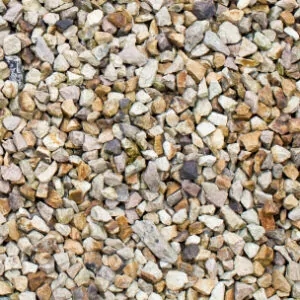

Order Topsoil, Stone & Gravel in Sargeant, Minnesota
Local Topsoil, Dirt, Sand, Rocks and Gravel near me in Sargeant, Minnesota
Shop Aggregates for Delivery in Sargeant
Order online for free delivery to any Sargeant address.
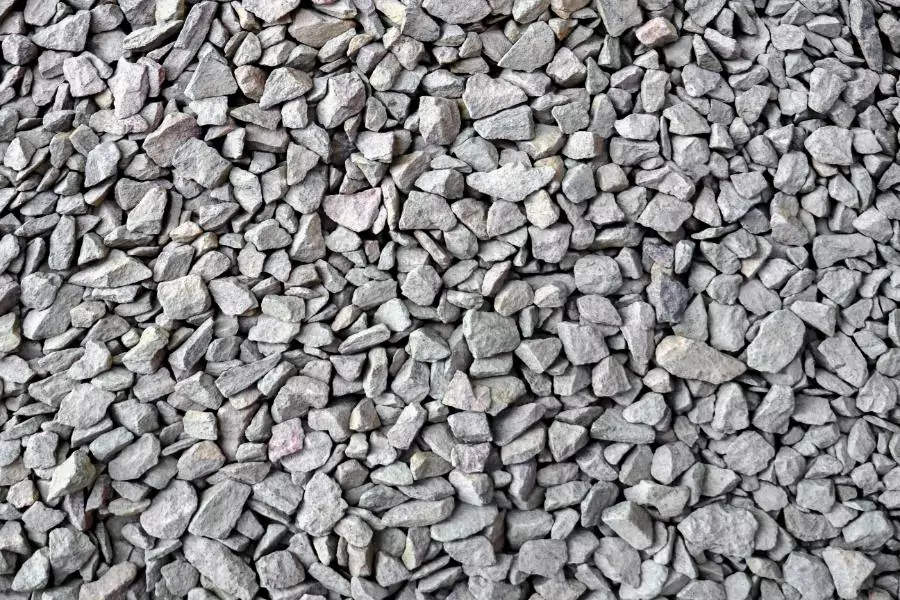
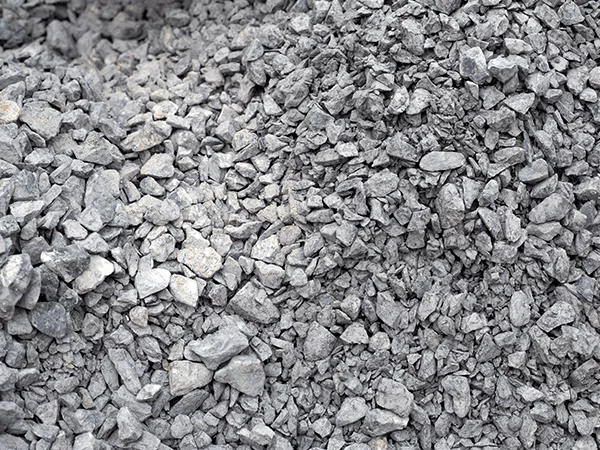


Gravel Monkey delivers premium aggregates, crushed stone, and landscaping materials directly to properties throughout Sargeant, Minnesota. Located in the heart of Mower County's agricultural landscape, Sargeant presents unique challenges for property owners - from managing the region's expansive clay soils to maintaining gravel driveways through harsh Minnesota winters. Whether you're upgrading a rural driveway along County Road 6, installing proper drainage near the Cedar River watershed, or tackling a construction project on one of Sargeant's productive farmsteads, we provide the right materials with free delivery to your location.
Complete Range of Aggregates for Sargeant Properties
Our comprehensive selection of aggregates and stone products addresses every need for residential, agricultural, and commercial projects in Sargeant. Understanding southeastern Minnesota's soil composition and climate challenges, we stock materials that perform reliably through freeze-thaw cycles, heavy spring rains, and the demands of rural property maintenance.
- Driveway Gravel - Premium compacting material ideal for long rural driveways and farm access roads
- 3/4 inch Crushed Stone - Versatile aggregate for driveways, foundations, and drainage applications
- #57 Stone - Industry-standard crushed stone for excellent compaction and drainage
- Crusher Run - Superior base material that locks together for stable surfaces
- Road Base - Heavy-duty foundation for driveways and equipment access routes
- Drain Rock - Open-graded stone for foundation drainage and water management
- Crushed Concrete - Economical, eco-friendly recycled aggregate for farm roads and bases
- Pea Gravel - Smooth rounded stone for landscaping and decorative applications
- River Rock - Natural decorative stone in various sizes for landscaping accents
- Walkway Gravel - Comfortable walking surface for pathways and garden areas
- Decomposed Granite - Natural compacting material for pathways and patio bases
- Topsoil - Rich, screened soil for gardens, lawns, and landscaping projects
- Fill Dirt - Clean fill for grading, leveling, and raising property elevations
- Mason Sand - Fine-grade sand for masonry work and construction projects
- Washed Sand - Clean, screened sand for concrete mixing and various applications
- Playground Sand - Safe, clean sand for play areas and recreational spaces
Addressing Sargeant's Clay Soil Challenges with Proper Aggregates
Sargeant sits in an area characterized by heavy glacial till and clay-rich soils typical of southeastern Minnesota. These Clarion-Nicollet-Webster soil associations present specific challenges that require proper aggregate selection and installation. The region's Wabasha clay loam and related soil types retain moisture, expand when wet, and create drainage problems that affect foundations, driveways, and construction projects.
Why Aggregate Selection Matters in Mower County
The clay content in Sargeant's soils averages between 30-45%, significantly higher than sandier regions of Minnesota. This clay composition causes seasonal movement, particularly during spring thaw when frost depths of 3-4 feet retreat and saturated soils become unstable. Properties near the Cedar River floodplain and in lower-lying areas experience even greater moisture challenges.
Proper drainage aggregates like drain rock and open-graded crushed stone create pathways for water to escape clay soils rather than pooling beneath driveways and foundations. The region receives approximately 32 inches of precipitation annually, with concentrated rainfall during spring months that can overwhelm inadequate drainage systems. Installing a proper aggregate base prevents the frost heaving and settling that plagues poorly prepared surfaces.
Freeze-Thaw Durability Requirements
Minnesota's temperature swings demand aggregates that resist weathering through repeated freeze-thaw cycles. Sargeant experiences average January lows around 5°F and July highs near 83°F - a 78-degree annual range that stresses inferior materials. Quality crushed stone and properly graded aggregates maintain their structure and drainage capabilities despite these temperature extremes.
Aggregate Delivery Throughout Sargeant and Surrounding Communities
Gravel Monkey provides free delivery throughout Sargeant township and extends service to neighboring communities across southeastern Minnesota. Our delivery routes efficiently serve both the incorporated village and the broader rural areas that define this agricultural region.
Primary Service Areas
We regularly deliver aggregates to properties throughout Sargeant's residential core and surrounding farmland. The village center, concentrated near the intersection of Main Street and County Road 6, represents just a small portion of our service area. Most deliveries extend to rural properties along county roads and township roads where property owners maintain longer driveways, farm lanes, and equipment access routes.
Neighboring communities within our delivery range include Hayfield to the northwest, Dexter to the southwest, and Grand Meadow to the east. These small towns share similar soil conditions and construction requirements with Sargeant, making our aggregate products equally suitable for projects throughout the area. We also serve the unincorporated areas between communities where many residents operate farms and rural acreages.
Access to Major Transportation Routes
Sargeant's location along County Road 6 provides straightforward access for aggregate delivery vehicles. The community sits approximately 15 miles west of Interstate 90, the major east-west corridor through southern Minnesota. This proximity to highway infrastructure allows efficient delivery scheduling while our trucks navigate the well-maintained county road network serving the region's agricultural operations.
Common Aggregate Applications for Sargeant Properties
Property owners throughout Sargeant utilize our aggregates for diverse residential, agricultural, and commercial applications. Understanding how different stone types perform in specific situations helps ensure successful project outcomes.
Rural Driveway Construction and Maintenance
Long gravel driveways characterize rural Sargeant properties, often extending several hundred feet from county roads to home sites. These driveways require durable aggregates that compact firmly, drain effectively, and resist rutting from vehicle traffic. Driveway gravel provides an economical surface layer, while crusher run creates the compacted base that prevents settling into clay subsoils.
Many property owners choose a two-layer approach: a 4-6 inch base of crusher run or road base topped with 2-3 inches of finishing gravel. This combination provides the stability needed for year-round access while maintaining a presentable appearance. The base layer's fine particles fill voids and lock together when compacted, while the top layer sheds water and resists displacement.
Agricultural and Farm Applications
Sargeant's agricultural heritage means many properties include barns, equipment sheds, grain bins, and livestock facilities requiring stable aggregate surfaces. Farm lanes connecting fields, equipment yards around buildings, and livestock feeding areas all benefit from proper aggregate installation. Recycled crushed concrete offers an economical solution for farm roads and equipment areas where aesthetics matter less than functionality and cost control.
Proper drainage around agricultural buildings protects foundations and prevents muddy conditions that interfere with operations. Installing drain rock around building perimeters, beneath downspouts, and in low-lying areas manages water effectively. The region's spring snowmelt and summer thunderstorms can quickly saturate clay soils without adequate drainage infrastructure.
Foundation Drainage and Water Management
Clay soils naturally retain water, creating hydrostatic pressure against basement walls and causing foundation problems. Installing drain rock around foundations creates a path of least resistance for water, directing it away from structures toward lower areas or drainage tile systems. Many older homes in Sargeant lack proper foundation drainage, contributing to basement moisture issues that proper aggregate installation can remedy.
French drains, swales, and drainage ditches throughout properties benefit from open-graded aggregates that allow rapid water infiltration. These drainage features prevent surface water from pooling during heavy rains or spring snowmelt, protecting both landscapes and structures from water damage.
| Aggregate Type | Best Applications | Typical Depth | Compaction | Drainage Rating |
|---|---|---|---|---|
| Driveway Gravel | Driveway surfaces, farm lanes | 2-3 inches | Good | Excellent |
| 3/4" Crushed Stone | Driveways, paths, foundations | 3-4 inches | Excellent | Very Good |
| #57 Stone | Concrete base, drainage | 3-6 inches | Very Good | Excellent |
| Crusher Run | Driveway base, compaction | 4-6 inches | Excellent | Good |
| Road Base | Heavy traffic, farm roads | 6-8 inches | Superior | Good |
| Drain Rock | Foundation drains, French drains | 12-18 inches | Minimal | Superior |
| Crushed Concrete | Farm roads, base layer | 4-6 inches | Good | Very Good |
| Pea Gravel | Landscaping, pathways | 2-3 inches | Poor | Excellent |
Installation Best Practices for Sargeant's Climate
Successful aggregate projects in Sargeant require attention to local conditions beyond simply dumping stone on the ground. Proper preparation and installation techniques ensure longevity and performance through Minnesota's challenging seasonal weather patterns.
Site Preparation Fundamentals
Before aggregate delivery, excavate down to stable soil - typically 8-12 inches for driveways on clay. Remove all organic material, topsoil, and vegetation that would decompose and create voids beneath your aggregate. Poor preparation leads to settling, rutting, and premature failure regardless of aggregate quality.
Grade the excavated area to promote drainage away from structures and toward appropriate discharge points. A 2% slope (approximately 1/4 inch per foot) provides adequate drainage without being noticeable to the eye. In areas with heavy clay, consider installing drainage tile beneath aggregate bases to actively remove water rather than relying solely on surface grading.
Proper Compaction Techniques
Compaction transforms loose aggregate into a stable surface that resists displacement and settling. Apply aggregates in lifts of 3-4 inches, compacting each layer with a vibratory plate compactor or roller before adding the next. This layer-by-layer approach ensures uniform density throughout the depth of material.
Moisture content affects compaction effectiveness - aggregates compact best when slightly damp but not saturated. During dry periods, lightly misting aggregates before compaction improves results. Conversely, avoid compacting during or immediately after heavy rain when excess moisture prevents proper particle interlocking.
Seasonal Timing Considerations
Spring and fall represent ideal seasons for aggregate projects in Sargeant. Spring installation, once soil thaws and dries sufficiently, allows settling during summer before winter freeze. Fall projects benefit from lower precipitation and cooler temperatures that facilitate earthwork without summer heat stress.
Avoid installation during late fall when frost enters the ground or during spring when soils remain saturated from snowmelt. Frozen ground prevents proper grading and compaction, while saturated soils create muddy conditions that compromise base stability. Mid-summer heat can make compaction work physically demanding but produces excellent results when properly executed.
Calculating Aggregate Quantities for Your Sargeant Project
Accurate material estimation prevents shortages that delay projects or excess deliveries that waste money. Understanding how to calculate cubic yards ensures you order the right amount of aggregates for your specific application.
Basic Volume Calculations
Calculate aggregate volume by multiplying length × width × depth, all measured in feet. Divide the result by 27 to convert cubic feet to cubic yards - the standard ordering unit for bulk aggregates. For example, a driveway measuring 100 feet long by 12 feet wide requiring 4 inches (0.33 feet) of depth needs: 100 × 12 × 0.33 = 396 cubic feet ÷ 27 = 14.7 cubic yards.
Always round up calculations and add 10-15% extra material to account for compaction, settling, and irregular surfaces. Clay subgrades often develop low spots that require additional fill. Ordering slightly more aggregate than calculated prevents work stoppages while avoiding significant excess.
Depth Requirements by Application
Different applications require different aggregate depths for optimal performance. Residential driveways typically need 4-6 inches of total aggregate depth - split between base and surface layers. Farm roads and equipment areas handling heavier loads may require 8-12 inches. Pathways and light-traffic areas function well with 3-4 inches of properly compacted material.
Foundation drainage installations require 12-18 inches of drain rock around perimeters, extending from the footer to 6 inches below finished grade. French drains need similar depths, with drain rock surrounding perforated pipe that carries water to appropriate discharge locations.
Estimating Assistance Available
Our team helps Sargeant customers calculate accurate material requirements for any project size. Provide basic dimensions and intended use, and we recommend appropriate aggregate types and quantities. This consultation ensures you receive exactly what your project requires without guesswork or waste.
How Southeastern Minnesota Weather Affects Aggregate Performance
Sargeant experiences the full range of Minnesota's continental climate, with temperature extremes and precipitation patterns that challenge aggregate installations. Understanding these weather influences helps property owners maintain surfaces and anticipate seasonal maintenance needs.
Winter Freeze-Thaw Cycles
Minnesota winters subject aggregates to repeated freezing and thawing that can destabilize poorly installed surfaces. Frost penetrates 3-4 feet deep in typical winters, reaching well below most driveway depths. When spring arrives, thawing occurs from the surface down, creating a brief period when saturated soil beneath frozen material causes heaving and displacement.
Quality crushed stone and properly graded aggregates resist this movement better than inferior materials. The angular particles interlock mechanically, maintaining structure despite temperature changes. Open-graded materials drain freely, preventing water accumulation that expands when frozen. These characteristics explain why proper aggregate selection matters more in Minnesota than in milder climates.
Spring Precipitation and Snowmelt
Spring brings the year's most challenging conditions for gravel surfaces. Snowmelt saturates soil while freeze-thaw cycles continue intermittently. Heavy spring rains add to moisture loads, often exceeding soil drainage capacity. During this period, driveways and roads show weakness from inadequate base preparation or insufficient aggregate depth.
Surfaces that drain well shed spring moisture rapidly, maintaining stability while others turn muddy. The first weeks after final thaw reveal whether installation quality supports year-round use. Properties with proper aggregate bases, adequate depth, and functional drainage resume normal use quickly despite challenging conditions.
Summer Maintenance and Settling
Summer's warm, dry weather represents ideal conditions for aggregate settling and stabilization. New installations compact naturally under traffic and weather exposure, sometimes developing minor low spots that benefit from additional material. This settling period typically lasts one season before surfaces reach long-term stability.
Periodic grading with a landscape rake or box blade maintains proper crown and drainage on gravel surfaces. Summer represents the best time for maintenance activities, allowing repairs to cure before fall rains and winter conditions return.
Cost-Effective Aggregate Solutions for Sargeant Property Owners
Budget considerations influence material selection for many projects, particularly on larger rural properties requiring significant aggregate quantities. Several strategies help control costs while maintaining quality standards appropriate for Minnesota conditions.
Recycled Aggregates as Economical Alternatives
Crushed concrete provides performance comparable to virgin stone at lower cost, making it ideal for farm roads, equipment yards, and base layers where appearance doesn't matter. This recycled material compacts well, drains adequately, and handles heavy traffic. Many agricultural operations use crushed concrete extensively, saving thousands compared to virgin aggregate while maintaining functionality.
Environmental benefits accompany cost savings with recycled aggregates. Diverting concrete from landfills and reducing quarrying for new stone supports sustainable practices. For property owners maintaining multiple driveways, lanes, and work areas, recycled options make extensive projects financially feasible.
Strategic Material Layering
Combining different aggregates strategically maximizes performance while controlling costs. Using economical crusher run or road base for deep base layers, then topping with premium finishing gravel, provides excellent results at lower total cost than using premium material throughout. This approach places expensive materials only where they provide visible or functional benefits.
Similarly, installing recycled concrete as a base beneath crushed stone provides stability and drainage at reduced cost. The base layer does the structural work while the top layer provides finished appearance - each material performing its optimal function.
Frequently Asked Questions About Aggregates in Sargeant
We deliver a comprehensive range of aggregates including driveway gravel, crushed stone, number 57 stone, pea gravel, river rock, crusher run, road base, drain rock, recycled concrete, topsoil, fill dirt, and various sand products throughout Sargeant and the surrounding Mower County area.
Yes, Gravel Monkey offers FREE delivery to Sargeant and the surrounding southeastern Minnesota area for all gravel and aggregate orders.
For driveways in Sargeant, three-quarter inch crushed stone or number 57 stone work excellently. These sizes compact well, provide good drainage for Minnesota's freeze-thaw cycles, and create a stable driving surface that handles the region's seasonal weather changes.
Measure the length and width of your area, then multiply by the desired depth in feet. For driveways, we recommend 4 to 6 inches of depth. Our team can help you calculate the exact cubic yards needed for your specific Sargeant project and account for local soil conditions.
For Sargeant's clay-rich soils, we recommend crushed stone, drain rock, or road base for foundation work. These materials provide excellent drainage and prevent the moisture retention issues common with clay. Crusher run also works well as a base layer before adding finish gravel.
Absolutely. Crushed concrete is an excellent, eco-friendly choice for driveways in Sargeant. It compacts well, handles freeze-thaw cycles effectively, and costs less than virgin stone while providing comparable performance for residential and farm applications.
We deliver mason sand for construction projects, washed sand for concrete work, and playground sand for safe play areas. Each sand type is screened and processed to meet specific application requirements throughout the Sargeant area.
We typically deliver to Sargeant within 2 to 3 business days of order placement. For urgent projects, contact us directly to discuss expedited delivery options. Our team coordinates deliveries throughout southeastern Minnesota to ensure timely service.
Professional Aggregate Delivery to Sargeant Properties
Gravel Monkey simplifies aggregate procurement for Sargeant property owners with comprehensive product selection, expert guidance, and free delivery throughout southeastern Minnesota. Whether you're maintaining a rural driveway, improving farm infrastructure, or tackling a residential landscaping project, we provide the materials and knowledge that ensure successful outcomes.
Our team understands the specific challenges of working with Mower County's clay soils and Minnesota's demanding climate. We recommend appropriate aggregates for your application, help calculate accurate quantities, and coordinate delivery to your schedule. Every order receives the same attention to quality and service that has made Gravel Monkey the preferred aggregate supplier for properties throughout the region.
Experience the convenience of working with aggregate professionals who understand rural Minnesota conditions and prioritize customer satisfaction. From initial consultation through delivery and beyond, we support your project success with reliable materials and responsive service.

Need help? Reach out for a quote: