
Bulk Aggregate & Gravel Products in Georgetown, Minnesota
Local Topsoil, Dirt, Sand, Rocks and Gravel near me in Georgetown, Minnesota
Shop Aggregates for Delivery in Georgetown
Order online for free delivery to any Georgetown address.
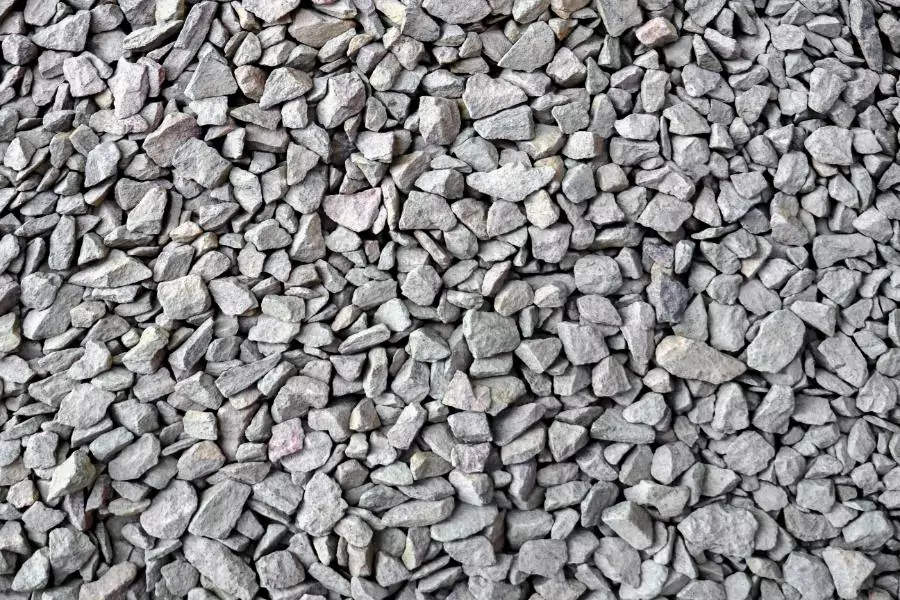
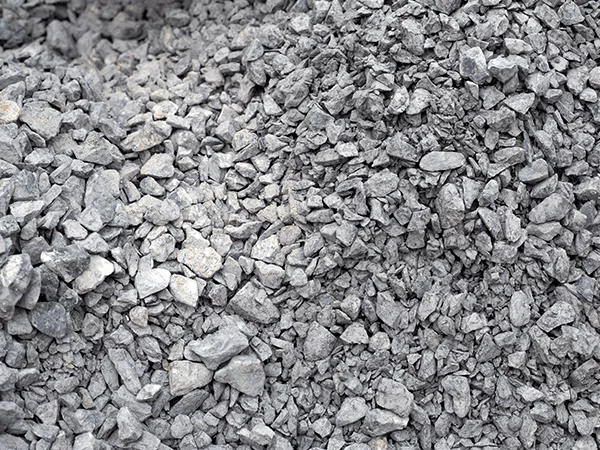


Gravel Monkey is your trusted source for premium gravel and aggregate delivery in Georgetown, Minnesota. Serving this historic Red River Valley community and surrounding Clay County areas, we provide high-quality aggregates for residential, agricultural, and commercial projects. From rural driveways along Highway 75 to drainage solutions near the Buffalo River, we deliver the materials you need directly to your property with free delivery throughout the Georgetown area.
Comprehensive Aggregate Selection for Georgetown Properties
Georgetown's unique location in the Red River Valley presents specific challenges including heavy clay soils, spring snowmelt, and extreme temperature fluctuations. Our aggregate selection addresses these conditions with materials proven to perform in Minnesota's demanding climate. Whether you're building a farm access road east of town or improving drainage near the river bottoms, we supply aggregates engineered for Clay County conditions.
- Driveway Gravel - Durable aggregate base for residential and farm driveways throughout Georgetown
- 3/4 inch Crushed Stone - Versatile aggregate for foundations, driveways, and drainage applications
- #57 Stone - Premium aggregate for French drains and concrete base preparation
- Crusher Run - Compactable aggregate ideal for Georgetown's rural roads and pathways
- Road Base - Heavy-duty aggregate for farm lanes and commercial access roads
- Drain Rock - Essential aggregate for managing spring runoff and clay soil drainage
- Pea Gravel - Smooth decorative aggregate for landscaping and walkways
- River Rock - Natural stone aggregate for aesthetic landscaping projects
- Crushed Concrete - Sustainable recycled aggregate for budget-conscious projects
- Topsoil - Nutrient-rich soil for gardens and lawn establishment
- Fill Dirt - Essential material for grading and elevation adjustments
- Mason Sand - Fine aggregate for masonry work and bedding material
- Washed Sand - Clean aggregate for concrete mixing and construction
- Playground Sand - Safe, clean aggregate for children's play areas
- Walkway Gravel - Decorative aggregate for garden paths and outdoor spaces
- Decomposed Granite - Natural aggregate for rustic pathways and xeriscaping
Georgetown's Clay Soil Challenges and Aggregate Solutions
Georgetown sits in the heart of the Red River Valley, an ancient glacial lake bed characterized by extremely heavy clay soils. These Fargo clay soils, while excellent for agriculture, present significant challenges for construction and drainage. The soil's low permeability means water doesn't drain naturally, leading to standing water, frost heaving, and difficult working conditions during wet periods.
Properties throughout Georgetown experience these clay soil challenges, particularly during spring snowmelt when the frozen ground prevents drainage. The combination of heavy winter snow accumulation (averaging 40-50 inches annually) and rapid spring thaw creates saturated conditions that can last weeks. Our aggregate materials provide the drainage and stability solutions Georgetown property owners need to overcome these natural limitations.
Drainage Aggregates for Red River Valley Conditions
Effective drainage is critical in Georgetown's clay-dominated landscape. Without proper aggregate drainage systems, water pools on the surface, undermines foundations, and creates maintenance nightmares for driveways and roads. Our drainage aggregates create pathways for water to move through otherwise impermeable clay layers, directing it away from structures and improving overall site functionality.
Georgetown properties near the Buffalo River or in lower-lying areas face additional seasonal flooding risks. Strategic placement of drainage aggregates helps manage both surface water and groundwater, reducing basement moisture issues and protecting foundations from freeze-thaw damage that occurs when saturated clay expands during Minnesota's harsh winter months.
Minnesota Climate and Aggregate Performance
Georgetown experiences true continental climate extremes. Winter temperatures regularly plunge to -20°F or below, while summer highs reach into the 90s. This 120+ degree annual temperature range creates severe freeze-thaw cycling that affects all ground materials. Aggregates must withstand expansion and contraction cycles that would destroy lesser materials over just a few seasons.
The freeze-thaw cycle begins in late October when ground moisture starts freezing. Through winter, frost depth in Georgetown reaches 5-6 feet, well below typical foundation depths. As temperatures fluctuate near freezing during shoulder seasons, ice lenses form in clay soils, pushing upward with tremendous force. Properly installed aggregate bases distribute these forces and prevent the heaving that damages concrete, asphalt, and structures.
Spring Thaw and Aggregate Drainage
March through April brings the critical thaw period when Georgetown's agricultural community watches frozen ground carefully. As the frost line retreats, massive amounts of water are released from melting snow and frozen soil. Without adequate aggregate drainage, this water has nowhere to go through the clay soils, creating swampy conditions that can persist into May.
Rural roads and farm lanes throughout Clay County become nearly impassable during severe spring thaws. Aggregate bases installed with proper drainage considerations maintain their integrity, allowing access when conventional gravel roads fail. This reliability is essential for Georgetown's agricultural operations where timing is critical for spring fieldwork.
Aggregate Comparison Guide for Georgetown Projects
Selecting the right aggregate depends on your specific project requirements, soil conditions, and drainage needs. This comparison helps Georgetown property owners understand which materials work best for common applications in Red River Valley conditions.
| Aggregate Type | Best Georgetown Applications | Drainage Rating | Compaction | Clay Soil Performance |
|---|---|---|---|---|
| Crusher Run | Farm roads, rural driveways, base layers | Good | Excellent | Superior - locks together firmly |
| Road Base | Heavy traffic areas, commercial access | Good | Excellent | Outstanding - handles equipment loads |
| 3/4" Crushed Stone | General driveways, pathways, foundations | Very Good | Good | Excellent - versatile performer |
| #57 Stone | French drains, drainage fields, concrete base | Excellent | Fair | Superior for drainage applications |
| Drain Rock | Perimeter drains, wet area management | Excellent | Poor | Essential for clay drainage solutions |
| Pea Gravel | Landscaping, decorative areas, paths | Very Good | Poor | Good for surface applications only |
| Crushed Concrete | Budget driveways, temporary roads, fill | Good | Very Good | Cost-effective for large areas |
| River Rock | Decorative landscaping, water features | Good | None | Aesthetic applications only |
Aggregate Delivery Throughout Georgetown and Surrounding Areas
We proudly serve all of Georgetown and the broader Clay County region with free aggregate delivery. Our service area encompasses the entire community and extends to neighboring locations throughout the Red River Valley.
Georgetown Core Area
The historic downtown Georgetown area along Highway 75 represents the heart of this small community. Properties in the central business district and surrounding residential blocks benefit from our complete aggregate selection for maintenance projects, drainage improvements, and property enhancements. The older infrastructure in this area often requires drainage solutions to manage water around vintage foundations.
Rural Clay County Properties
Georgetown serves as a hub for surrounding agricultural operations spread across Clay County's productive farmland. Rural properties east and west of town along county roads require substantial quantities of aggregates for farm access roads, grain facility improvements, and property maintenance. Our delivery service reaches these outlying properties with the same efficiency as in-town locations.
Buffalo River Area
Properties near the Buffalo River, which flows several miles south of Georgetown, face unique drainage challenges due to proximity to the waterway and low-lying topography. Aggregate drainage solutions are essential in this area where seasonal high water and clay soils combine to create difficult conditions. We regularly deliver to properties throughout this corridor.
Highway 75 Corridor
The Highway 75 corridor running north-south through Georgetown sees commercial and agricultural traffic daily. Properties along this main route benefit from durable aggregate bases that handle heavy loads and frequent use. From truck parking areas to commercial access roads, we supply the materials needed for reliable performance.
Nearby Communities
Our Georgetown service area extends to nearby communities including Perley to the north, Barnesville to the south, Glyndon to the east, and properties near the North Dakota border to the west. We deliver aggregates throughout western Minnesota's Red River Valley region, ensuring rural and small-town customers receive the same quality service and materials.
Aggregate Applications for Georgetown Properties
Rural Driveway Construction and Repair
Georgetown's rural character means many properties feature long driveways accessing homes and farm buildings from county roads. Building a driveway that survives Minnesota winters and spring thaws requires proper aggregate base installation. Start with a minimum 8-inch depth of compacted aggregate, preferably 10-12 inches in areas with heavy clay soils.
The base layer should consist of compactable material that locks together under pressure. After the base is established and properly graded for drainage, a top dressing of driveway aggregate provides the driving surface. This two-layer approach distributes loads effectively and prevents the settling and rutting common in single-layer installations on clay soils.
Farm Road and Access Lane Development
Agricultural operations around Georgetown demand reliable access for equipment regardless of weather conditions. Farm roads built with proper aggregate bases maintain their integrity through harvest season equipment traffic and spring fieldwork pressure. The key is adequate base depth combined with proper crown for water shedding.
Many Georgetown-area farms are upgrading from simple gravel roads to engineered aggregate bases that provide year-round access. This investment pays dividends during critical timing windows when delays due to impassable roads can result in significant losses. Our aggregate delivery service ensures farms receive materials when needed for both planned projects and emergency repairs.
Drainage System Installation
Clay soil drainage is perhaps the single most important consideration for Georgetown property owners. Whether addressing foundation water issues, improving yard drainage, or managing agricultural field runoff, properly designed aggregate drainage systems make the difference between functional property and constant frustration.
French drains using clean aggregate create subsurface pathways for water movement through impermeable clay. These systems intercept water before it reaches foundations, redirect it away from problem areas, and discharge it to appropriate locations. The aggregate's void space provides temporary storage during peak flow periods, gradually releasing water as conditions allow.
Foundation Preparation and Backfill
New construction and foundation work in Georgetown requires careful attention to aggregate selection for backfill and drainage. The clay soils naturally present create hydrostatic pressure against foundation walls when saturated. Using clean aggregate for backfill adjacent to foundations provides drainage pathways that reduce this pressure, protecting waterproofing systems and preventing basement moisture problems.
Foundation bases benefit from aggregate layers that distribute building loads and provide stable support even during seasonal moisture changes. The freeze-thaw considerations in Minnesota make proper base preparation essential for long-term foundation integrity and building performance.
Calculating Aggregate Quantities for Your Georgetown Project
Accurate quantity estimation ensures you order the right amount of material for your project. Under-ordering creates delays and additional delivery costs, while over-ordering wastes money. Use these calculations to determine your aggregate needs.
Basic Volume Calculation
Calculate the area in square feet (length times width) then multiply by depth in feet to get cubic feet. Divide by 27 to convert to cubic yards, the standard ordering unit for bulk aggregates. For example, a driveway 12 feet wide by 100 feet long with 4 inches (0.33 feet) of aggregate depth equals: 12 x 100 x 0.33 = 396 cubic feet ÷ 27 = 14.7 cubic yards.
Depth Recommendations for Georgetown Projects
Proper depth varies by application and local soil conditions. For Georgetown's heavy clay soils, consider these minimums:
- Residential Driveways: 6-8 inches compacted aggregate base, preferably 8-10 inches in heavy use areas
- Farm Roads and Access Lanes: 10-12 inches minimum for equipment access, up to 18 inches for heavy harvest traffic
- French Drains: 12-18 inches depth of clean aggregate depending on drainage volume requirements
- Foundation Backfill: Full foundation height with clean aggregate in the first 12 inches adjacent to walls
- Walkways and Paths: 3-4 inches of pea gravel or walkway aggregate over compacted base
- Parking Areas: 8-10 inches compacted aggregate base, more for commercial applications
Compaction Factors
Aggregates compact during installation, reducing final depth by 15-25% depending on material type and installation methods. Factor this into your calculations by ordering 20% more than the finished volume requires. Proper compaction is essential in Georgetown's clay soils where frost heaving will exploit any weaknesses in aggregate bases.
Aggregate Installation Guidelines for Red River Valley Conditions
Successful aggregate projects require proper installation techniques adapted to Georgetown's challenging soil and climate conditions. These guidelines help ensure your investment performs as expected for years to come.
Site Preparation
Remove all organic material, topsoil, and unstable clay before placing aggregates. In Georgetown's heavy soils, excavate to firm bearing material even if this means removing 12-18 inches of unsuitable soil. Soft clay under aggregate bases will compress over time, creating settling and drainage problems that require expensive repairs.
Grade the subgrade to promote drainage away from structures and toward appropriate discharge points. Even a 2% slope makes a significant difference in how water moves through the system. In flat areas common around Georgetown, sometimes creating drainage requires careful engineering to establish adequate fall.
Geotextile Fabric Considerations
In Georgetown's clay soils, geotextile fabric between the clay subgrade and aggregate base provides critical separation. The fabric prevents fine clay particles from migrating up into aggregate voids, which would eventually clog drainage pathways and reduce base stability. This separation layer is particularly important in areas subject to seasonal saturation.
Aggregate Placement and Compaction
Place aggregates in lifts no more than 6 inches thick before compaction. Compact each lift thoroughly using appropriate equipment for the aggregate type and project scale. Proper compaction is especially critical in freeze-thaw climates where voids in the aggregate matrix allow water infiltration and subsequent ice formation that can heave structures.
Pay special attention to edges and transitions where aggregates meet different materials or soil types. These are common failure points where differential movement creates cracks and settling. Proper edge support and transition details prevent these problems before they develop.
Frequently Asked Questions About Aggregates in Georgetown
We deliver a comprehensive range including driveway gravel, crushed stone in multiple sizes, crusher run, road base, pea gravel, river rock, drain rock, topsoil, fill dirt, various sand types, crushed concrete, and decomposed granite throughout Georgetown and the surrounding Clay County area.
Yes! Gravel Monkey offers FREE delivery to Georgetown and the surrounding Minnesota area for all gravel and aggregate material orders.
For Georgetown's heavy clay soils and spring snowmelt conditions, we recommend drain rock and crusher run for excellent drainage, plus road base for stable foundations. These aggregates handle the freeze-thaw cycles and moisture challenges common in the Red River Valley.
Calculate length times width times depth in feet. For driveways, use 4 inches depth. For French drains, 12 inches. Our Georgetown delivery team can help estimate quantities based on your specific project and local soil conditions.
Absolutely. Properly installed crusher run, road base, and crushed stone provide excellent freeze-thaw resistance. The key is proper base depth and drainage, which is especially important in Georgetown where winter temperatures regularly drop below zero.
For rural Georgetown properties, we recommend crusher run or road base for excellent compaction and load-bearing capacity. These materials handle heavy equipment and provide superior drainage during spring thaw when rural roads face their biggest challenges.
Yes, we deliver throughout Georgetown including properties near the Red River, Buffalo River areas, and all surrounding rural Clay County locations. Our free delivery covers the entire Georgetown service area.
Three quarter inch crushed stone works great for driveways and general use. Number 57 stone excels for drainage applications. For compactable bases, choose crusher run. Our team helps Georgetown customers select the right aggregate size for their specific needs.
Professional Aggregate Delivery Service in Georgetown
Gravel Monkey understands the unique challenges Georgetown property owners face with clay soils, extreme climate conditions, and seasonal drainage issues. Our aggregate selection is specifically chosen to address these Red River Valley conditions, providing materials that perform reliably through Minnesota's demanding seasonal cycles.
Whether you're building a new farm access road, repairing a residential driveway damaged by last winter's freeze-thaw cycles, installing drainage to address spring runoff problems, or starting a construction project that requires proper foundation preparation, we deliver the right aggregates for your Georgetown property. Our free delivery service throughout Clay County ensures you receive quality materials when you need them.
Contact Gravel Monkey today to discuss your Georgetown aggregate needs. Our experienced team understands local soil conditions, climate challenges, and proven solutions that work in western Minnesota's agricultural heartland. From small residential projects to large agricultural applications, we supply the premium aggregates that make your project successful.

Need help? Reach out for a quote: