
Sand, Aggregates & Gravel for Webster, Minnesota
Local Topsoil, Dirt, Sand, Rocks and Gravel near me in Webster, Minnesota
Shop Aggregates for Delivery in Webster
Order online for free delivery to any Webster address.
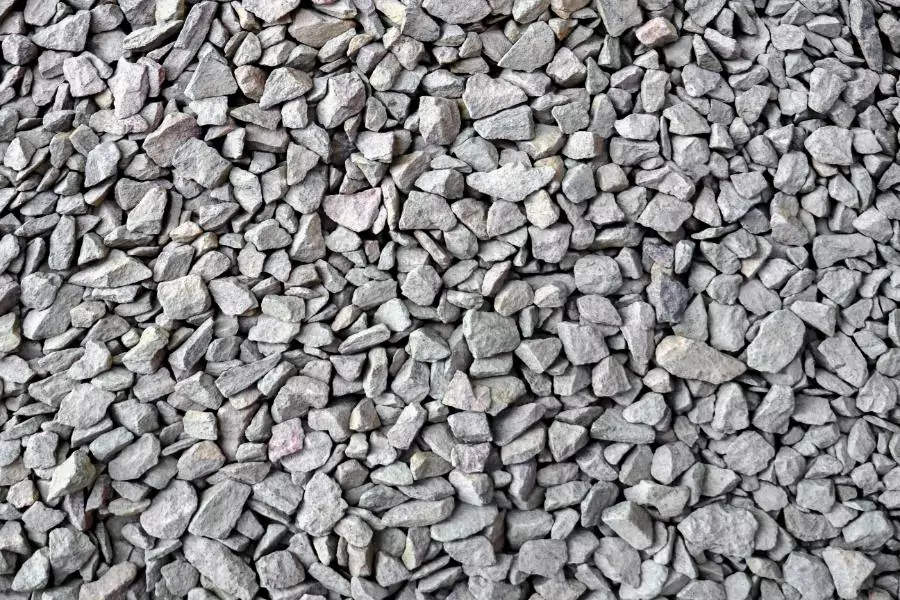
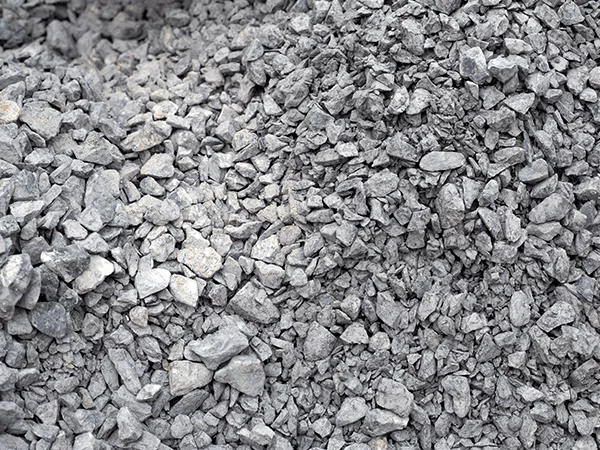


Gravel Monkey delivers premium aggregates, crushed stone, and landscaping materials directly to properties throughout Webster, Minnesota. Whether you're building a new driveway near the Burnett County line, creating drainage solutions for residential properties, or sourcing quality materials for commercial projects around the Webster area, we provide free delivery of bulk aggregates to your location. Our comprehensive selection of materials meets the demands of Minnesota's challenging climate, from harsh winter freeze-thaw cycles to summer storm runoff management.
Comprehensive Aggregate Selection for Webster Properties
Gravel Monkey stocks an extensive inventory of aggregates and materials specifically suited for Webster's soil conditions and climate challenges. Our products are selected to perform reliably through Minnesota's temperature extremes, from sub-zero winters to warm summers, ensuring your investment stands the test of time.
- Driveway Gravel - Engineered aggregate blends for long-lasting residential and commercial driveways
- 3/4 inch Crushed Stone - The most versatile aggregate for foundations, driveways, and drainage applications
- #57 Stone - Clean angular aggregate ideal for concrete work and French drains
- Crusher Run - Self-compacting base material that locks together for superior stability
- Road Base - Heavy-duty compactable aggregate for roads and large-scale projects
- Drain Rock - Angular stone designed specifically for water management systems
- Pea Gravel - Smooth decorative aggregate for pathways and landscaping features
- River Rock - Natural rounded stone in multiple sizes for aesthetic landscaping
- Walkway Gravel - Comfortable walking surface aggregate for garden paths and trails
- Crushed Concrete - Sustainable recycled aggregate for eco-conscious projects
- Decomposed Granite - Natural stone fines for permeable pathways and xeriscape designs
- Topsoil - Nutrient-rich soil for gardens, lawns, and planting beds
- Fill Dirt - Quality fill material for grading, leveling, and site preparation
- Mason Sand - Fine-graded sand for masonry, paver bases, and concrete mixing
- Playground Sand - Certified safe sand for residential play areas
- Washed Sand - Clean multipurpose sand for various construction and landscaping needs
Understanding Webster's Climate and Soil Conditions
Webster, Minnesota experiences a continental climate with significant seasonal variation that directly impacts construction and landscaping decisions. Winter temperatures regularly drop below zero degrees Fahrenheit, with average January lows around -5°F, while summer highs reach the mid-80s. Annual precipitation averages approximately 30 inches, with spring and summer bringing the heaviest rainfall.
The freeze-thaw cycles common in Webster create unique challenges for driveways, foundations, and outdoor structures. When water penetrates beneath surfaces and freezes, it expands, causing frost heave that can crack concrete and destabilize poorly constructed bases. This makes proper aggregate selection and installation critical for any exterior project in the Webster area.
The local soil profile in Webster consists primarily of clay loam soils with moderate to poor natural drainage characteristics. These soils, formed from glacial deposits, retain moisture and expand when wet, then contract during dry periods. This soil behavior necessitates quality aggregate bases that provide stable support while allowing water to drain away from structures. Properties throughout Webster benefit from proper drainage solutions using angular crushed aggregates that create void spaces for water movement.
The St. Croix River watershed influences the hydrology of the Webster region, and properties closer to wetland areas or the Burnett County border may experience higher water tables. Understanding these geological and hydrological factors helps property owners make informed decisions about material selection for construction and landscaping projects.
Selecting the Right Aggregate for Your Webster Project
Driveway and Road Construction Aggregates
Webster property owners need driveway materials that withstand heavy vehicle loads while maintaining integrity through seasonal freeze-thaw cycles. The combination of Minnesota's harsh winters and spring thaw creates demanding conditions that require carefully selected aggregates. A properly constructed driveway begins with adequate excavation, followed by a compacted aggregate base layer of 6 to 8 inches.
Angular crushed aggregates excel in driveway applications because their irregular edges lock together when compacted, creating a stable matrix that resists shifting under load. Round aggregates like river rock, while attractive, don't provide the same mechanical stability because they roll past each other rather than interlocking. For residential driveways in Webster, many homeowners choose a base layer of crusher run topped with a surface layer of clean crushed stone for aesthetics and functionality.
Commercial properties and areas with heavy traffic benefit from thicker aggregate bases and may require engineered specifications. Road base provides exceptional compaction strength for these demanding applications, creating surfaces capable of supporting delivery trucks, construction equipment, and constant vehicle traffic throughout the year.
Foundation and Drainage Aggregates
Proper foundation drainage prevents basement flooding, foundation movement, and costly structural repairs. Webster's clay soils and significant precipitation make foundation drainage systems essential for most properties. Drain rock serves as the preferred material for foundation perimeter drains, sump pump systems, and French drains because its angular shape creates consistent void spaces that allow rapid water movement.
The installation of foundation drainage typically involves excavating around the foundation perimeter, placing perforated drainage pipe, and surrounding the pipe with drain rock. This system intercepts groundwater before it can penetrate basement walls or create hydrostatic pressure against the foundation. The drain rock extends from the bottom of the foundation to just below ground level, directing water to daylight or a sump system.
In areas with poor soil drainage or near wetlands around Webster, more extensive drainage systems may be necessary. These can include interior and exterior perimeter drains, curtain drains to intercept upslope water movement, and properly graded surfaces that direct surface water away from structures.
Landscaping and Decorative Aggregates
Beyond structural applications, aggregates play important roles in landscaping design throughout Webster. Decorative stone creates visual interest while providing practical benefits like weed suppression, moisture retention, and erosion control. River rock offers natural beauty in various sizes, from small pebbles to larger cobbles, perfect for dry creek beds, water features, and mulched planting areas.
Pea gravel remains popular for pathways, patio areas, and play spaces because its small, rounded shape provides a comfortable walking surface while maintaining excellent drainage. Unlike solid surfaces that shed water, pea gravel allows rainfall to percolate into the soil naturally, reducing runoff and supporting healthy landscapes. Many Webster residents use pea gravel for dog runs, children's play areas, and informal garden paths that complement the natural aesthetic of Minnesota's lake country setting.
Decomposed granite offers another attractive option for pathways and patios. When properly installed and compacted, decomposed granite creates a firm, permeable surface with a natural appearance. This material is particularly well-suited for xeriscaping designs and native plant gardens, though it requires occasional recompaction in high-traffic areas.
Sand Products for Construction and Recreation
Sand serves multiple purposes in Webster construction and landscaping projects. Mason sand provides the fine gradation needed for mixing mortar, setting pavers, and creating smooth bases for above-ground pools. Its particle size distribution allows for excellent compaction while maintaining some permeability for drainage.
Playground sand creates safe, cushioned surfaces for residential play equipment and community playgrounds. This specially washed and screened sand is free from dust, clay, and debris, providing a clean environment for children. The soft texture cushions falls while draining quickly after rain events, keeping play areas accessible and safe.
Washed sand finds use in numerous applications from volleyball courts to horse arenas, sandbox fills to backfill material. The washing process removes fine clay particles, resulting in clean, free-draining sand suitable for recreational and construction purposes throughout the Webster area.
Aggregate Delivery Throughout Webster and Surrounding Areas
Gravel Monkey provides free delivery throughout Webster, Minnesota and adjacent communities. We serve properties along Highway 35, near the Burnett County border, and throughout the rural residential areas that characterize this northern Minnesota community. Our delivery service extends to nearby Danbury, Siren, and Rock Creek, ensuring convenient access to quality aggregates for property owners throughout the region.
The Webster area features a mix of residential properties, agricultural land, and seasonal recreational homes near Minnesota's lake country. Each property type presents unique aggregate needs, from long rural driveways requiring substantial base material to modest residential projects needing smaller quantities of decorative stone. Our delivery capabilities accommodate projects of all scales, from single-yard orders for small landscaping features to bulk deliveries for large-scale construction.
Properties in the Webster School District area, along the St. Croix River watershed, and throughout the surrounding townships all benefit from our delivery service. We understand the local geography, road access considerations, and typical project requirements that property owners encounter in this region. Whether you're maintaining a lakeside cabin, building a new home, or improving agricultural property, we deliver the aggregates you need directly to your site.
| Aggregate Type | Best Applications | Compaction | Drainage | Appearance |
|---|---|---|---|---|
| 3/4 inch Crushed Stone | Driveways, foundations, drainage | Excellent | Excellent | Utilitarian gray |
| #57 Stone | French drains, concrete aggregate | Good | Superior | Clean angular |
| Crusher Run | Base layers, roads, parking areas | Superior | Good | Mixed fines |
| Pea Gravel | Pathways, decorative beds, play areas | Minimal | Excellent | Rounded natural |
| River Rock | Landscaping, water features, accents | None | Good | Highly decorative |
| Drain Rock | Foundation drains, septic systems | Minimal | Superior | Functional |
| Decomposed Granite | Pathways, patios, xeriscaping | Good | Good | Natural earth tones |
| Road Base | Heavy traffic areas, commercial drives | Excellent | Moderate | Industrial |
Proper Aggregate Installation for Minnesota Climate
Successful aggregate projects in Webster require proper installation techniques that account for local climate and soil conditions. The most common mistake is inadequate base preparation, which leads to premature failure regardless of aggregate quality. Proper installation begins with excavation to firm subgrade, removal of organic material and soft soils, and evaluation of drainage patterns.
For driveway projects, excavate to a depth that accommodates your desired aggregate thickness plus room for any geotextile fabric. In Webster's clay soils, using geotextile fabric between the subgrade and aggregate prevents soil migration upward into the stone, which compromises drainage and stability. The fabric acts as a separation layer while allowing water to pass through.
Compaction is critical for structural aggregates. Place aggregate in lifts of no more than 4 inches and compact each layer thoroughly before adding the next. A vibrating plate compactor works well for residential driveways, while larger projects may require a roller. Proper compaction densifies the aggregate, increases load-bearing capacity, and minimizes future settlement.
Drainage considerations must be incorporated into every aggregate project. All surfaces should slope away from buildings at a minimum grade of 2 percent. For longer driveways, create a crown in the center to shed water to both sides, preventing channeling and erosion. In flat areas where positive drainage is difficult to achieve, consider incorporating subsurface drains to manage water that infiltrates the aggregate.
Seasonal Considerations for Installation
Minnesota's seasonal weather affects optimal installation timing. Late spring through early fall provides the best conditions for aggregate projects in Webster. Frozen ground prevents proper excavation and compaction, while excessive moisture creates muddy conditions that make site access difficult and proper compaction impossible.
If fall installation extends into late season, ensure all drainage provisions are complete before winter arrives. Freeze-thaw cycles will begin working on your installation immediately, so proper base preparation and drainage become even more critical. Spring installations should wait until the ground has thawed completely and excess moisture has drained.
Estimating Aggregate Quantities for Your Project
Accurate material estimation prevents costly delays and ensures you order sufficient aggregate for project completion. For basic rectangular areas like driveways, multiply length times width times depth to calculate cubic footage, then divide by 27 to convert to cubic yards. Most aggregates are sold by the cubic yard or ton, and your Gravel Monkey representative can help you determine the appropriate measurement for your selected material.
For Webster driveway projects, plan for a minimum aggregate depth of 4 inches for light residential use, 6 inches for standard driveways with regular vehicle traffic, and 8 inches or more for heavy use areas or poor soil conditions. These depths refer to compacted thickness, so order slightly more material to account for compaction factor.
Coverage rates vary by material. One ton of crushed stone typically covers approximately 100 square feet at 2 inches deep. Smaller aggregates like pea gravel have different coverage rates due to their shape and how they nest together. Our team provides specific coverage information based on your material selection and application.
For irregularly shaped areas like landscaping beds or pathways, break the area into sections, calculate each separately, and sum the totals. It's wise to order 5 to 10 percent extra material to account for variations in depth, compaction, and the realities of working with bulk materials. Extra aggregate can always be used for future repairs or expansion projects.
Sustainable Aggregate Solutions in Webster
Environmental consciousness influences material selection for many Webster property owners. Crushed concrete represents a sustainable alternative to virgin aggregate for many applications. This recycled material consists of crushed concrete from demolished structures, diverted from landfills and processed into usable aggregate. Crushed concrete performs well as road base, driveway base, and fill material, offering comparable strength to natural stone at often lower cost.
Permeable aggregate surfaces support sustainable landscape design by allowing stormwater infiltration rather than creating impermeable surfaces that contribute to runoff. Pea gravel, drain rock, and decomposed granite all create pervious surfaces that filter water naturally while preventing erosion and supporting groundwater recharge. These materials align with low-impact development principles increasingly recognized as important for watershed protection.
Local sourcing reduces transportation distances and associated environmental impacts. Gravel Monkey prioritizes sourcing aggregates from regional quarries and suppliers, minimizing the carbon footprint of material delivery to Webster properties while supporting Minnesota's aggregate industry.
Maintaining Aggregate Surfaces in Webster
Proper maintenance extends the life of aggregate installations and preserves their appearance and functionality. Gravel driveways benefit from periodic raking to redistribute stone and fill in low spots that develop from traffic patterns. Heavy use areas may require occasional addition of fresh aggregate to maintain proper depth and coverage.
Snow removal in Webster's winters requires techniques that work with aggregate surfaces. When plowing or shoveling, set blade heights to avoid digging into the gravel. Many property owners find that snow blowers work effectively on aggregate surfaces without the gouging that can occur with plow blades. Some snow and ice will melt into the aggregate rather than remaining on the surface, a drainage benefit that also means you may accumulate slightly less total snow depth than solid surfaces.
Weed control in gravel areas can be managed through several approaches. Landscape fabric installed during initial construction prevents most weed growth, though occasional seeds may still germinate in surface organic matter. Spot treatment with herbicide, hand pulling, or use of organic weed control products keeps gravel areas tidy. Some property owners prefer allowing moss or low-growing plants to colonize gravel areas, creating a softened natural appearance.
Edge retention prevents gravel from migrating into adjacent lawn areas or being lost off the sides of driveways and paths. Metal, plastic, or stone edging installed during construction contains aggregate within desired boundaries. For existing installations without edging, these restraints can be added to improve definition and reduce maintenance.
Frequently Asked Questions About Aggregates in Webster, MN
Crushed stone consists of uniform-sized angular rock pieces, typically clean and free of fines. Crusher run includes stone in various sizes from gravel down to fine dust, creating a material that compacts very tightly. Crusher run works exceptionally well as a base layer because the fines fill voids between larger stones, while crushed stone provides better drainage and is often used as a top layer for appearance.
For Webster's climate and typical clay soils, residential driveways should have a minimum of 4 to 6 inches of compacted aggregate over properly prepared subgrade. Properties with poor drainage, heavy vehicle use, or soft soils may require 8 inches or more. Include geotextile fabric between soil and aggregate to prevent mixing and maintain drainage performance.
Small projects like garden pathways or decorative landscape beds are manageable DIY projects for most property owners. Larger installations like driveways benefit from professional experience with excavation, grading, compaction equipment, and drainage design. Many Webster homeowners handle small decorative projects themselves while hiring contractors for structural applications that require proper base preparation and compaction.
Potholes typically result from inadequate base thickness, poor drainage causing base erosion, lack of proper compaction during installation, or soft subgrade soils. Traffic patterns concentrate wear in specific areas, and spring thaw after winter freeze cycles can reveal base weakness. Proper installation with adequate depth, good drainage, and thorough compaction prevents most problems. Existing driveways can be improved by adding aggregate and addressing drainage issues.
Dust occurs when driveways contain too many fine particles or dry out completely during summer. Using clean crushed stone rather than crusher run for the surface layer reduces dust. Some property owners apply calcium chloride or magnesium chloride products that attract moisture and hold fines in place. These applications require reapplication several times per season. Proper drainage also helps by maintaining some moisture in the aggregate base.
For properties with drainage challenges, choose clean angular aggregates without fines. Number 57 stone and drain rock provide maximum void space for rapid water movement. These materials work well in French drains, foundation perimeter drains, and anywhere you need to manage groundwater or surface runoff effectively. Combine with perforated drainage pipe to direct collected water to appropriate discharge points.
Well-constructed driveways with proper base depth and drainage require minimal topdressing, perhaps every 3 to 5 years depending on traffic levels. Driveways installed over inadequate bases or with drainage problems may require frequent replenishment. Regular maintenance like redistributing stone, filling ruts promptly, and maintaining drainage extends the time between major additions. Most Webster homeowners find that annual inspection and minor repairs prevent larger problems.
Crushed concrete performs very well for many applications, particularly as base material for driveways, parking areas, and roads. It compacts effectively and provides good stability. The hardness and angularity make it suitable for structural uses, though some property owners prefer natural stone for visible surface layers. Crushed concrete offers cost savings and environmental benefits through recycling while delivering reliable performance in Minnesota conditions.
Professional Aggregate Delivery Service in Webster, Minnesota
Gravel Monkey simplifies material sourcing for Webster property owners with comprehensive aggregate selection, expert guidance, and convenient free delivery. We understand Minnesota's climate challenges, local soil conditions, and the specific requirements for durable exterior installations. Our team helps you select appropriate materials for your project, calculate accurate quantities, and schedule delivery that accommodates your timeline.
Every aggregate delivery arrives ready for immediate use, delivered by experienced drivers familiar with Webster's roads and property access considerations. We work with homeowners, contractors, landscapers, and property managers throughout the region, providing materials for projects ranging from small residential improvements to major commercial developments.
Contact Gravel Monkey at 646-809-3983 to discuss your project needs and schedule free delivery to your Webster property. Let our expertise and quality aggregates support your next driveway, foundation, drainage, or landscaping project.

Need help? Reach out for a quote: