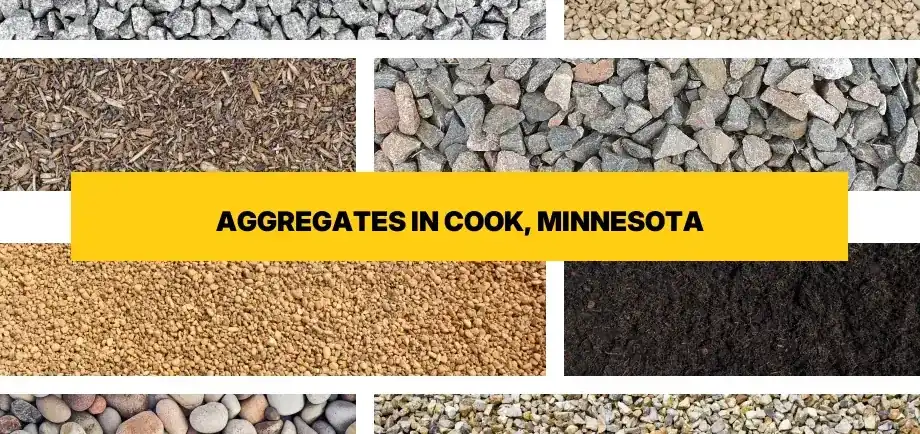
Buy Bulk Aggregates & Gravel in Cook, Minnesota
Local Topsoil, Dirt, Sand, Rocks and Gravel near me in Cook, Minnesota
Shop Aggregates for Delivery in Cook
Order online for free delivery to any Cook address.
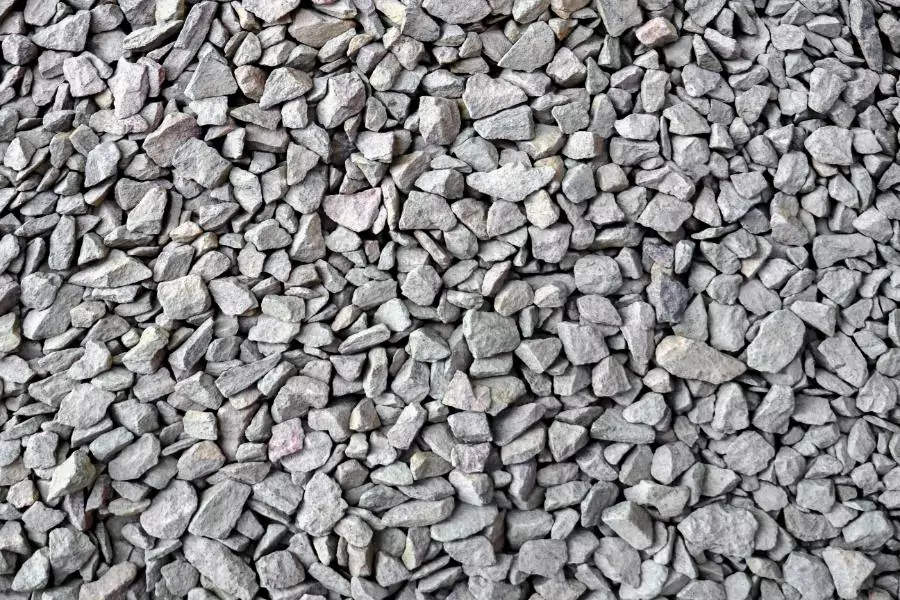
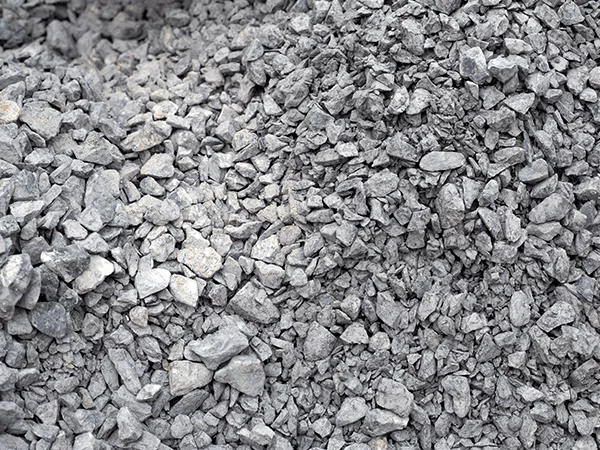


Gravel Monkey is your trusted source for premium aggregates and bulk materials in Cook, Minnesota. Whether you're building a cabin driveway near Lake Vermilion, improving drainage on your property along the Ash River Trail, or creating pathways in the Vermilion Community College area, we deliver high-quality gravel and stone materials directly to your Cook location with completely free delivery. Our comprehensive selection of aggregates meets the demanding requirements of northern Minnesota's extreme climate and unique geological conditions.
Buy Materials by Type in Cook
Every material we deliver in Cook, with coverage, sizing and ordering details for each one.
Complete Range of Aggregates & Materials in Cook, MN
Cook's position in the northern boreal forest region requires aggregates that can withstand harsh winters, spring thaw cycles, and the clay-rich soils common throughout St. Louis County. Gravel Monkey provides construction-grade materials suitable for everything from residential driveways to commercial projects:
- Driveway Gravel - Essential aggregate for durable Cook area driveways that handle Minnesota winters
- 3/4 inch Crushed Stone - Versatile aggregate for foundations, driveways, and base layers
- #57 Stone - Popular drainage aggregate and concrete base material
- Crusher Run - Compactable base aggregate ideal for northern Minnesota roads
- Road Base - Professional-grade aggregate for stable, long-lasting surfaces
- Drain Rock - Critical aggregate for managing Cook's spring runoff and drainage
- Pea Gravel - Smooth decorative aggregate for walkways and landscaping
- River Rock - Natural aesthetic aggregate for gardens and water features
- Walkway Gravel - Attractive aggregate for paths and garden borders
- Crushed Concrete - Eco-friendly recycled aggregate for various applications
- Topsoil - Nutrient-rich soil for Cook gardens and lawn establishment
- Fill Dirt - Essential material for grading and site preparation
- Mason Sand - Fine aggregate for masonry and concrete work
- Playground Sand - Safe, clean aggregate for play areas
- Washed Sand - Clean aggregate for multiple construction applications
- Decomposed Granite - Natural aggregate perfect for rustic northern Minnesota aesthetics
Understanding Cook's Unique Soil and Climate Challenges
Cook sits within Minnesota's Superior Uplands geological region, characterized by Precambrian bedrock overlaid with glacial till deposited during the last ice age. The area features predominantly clay-rich soils mixed with sandy loam, a composition that presents specific challenges for construction and landscaping projects. These heavy clay soils have poor drainage characteristics and are highly susceptible to frost heave during Cook's extreme winter temperatures.
With average January temperatures dropping to minus 2 degrees Fahrenheit and winter lows frequently reaching minus 30 degrees or colder, proper aggregate selection becomes crucial. The annual freeze-thaw cycle—where temperatures oscillate above and below freezing in spring and fall—creates conditions where water trapped in soil expands when frozen, pushing and heaving inadequately prepared surfaces. Properties near Lake Vermilion and the Pelican River area experience additional moisture challenges from groundwater and runoff.
Cook receives approximately 27 inches of annual precipitation, with significant snowfall averaging over 60 inches per winter season. Spring snowmelt combined with heavy clay soils creates saturated conditions that demand proper drainage solutions. Successful projects in the Superior National Forest region and along Highway 53 corridor require aggregates that provide both structural stability and effective water management.
Aggregate Applications for Cook Properties
Driveway Construction in Northern Minnesota
Cook driveways face extraordinary stress from temperature extremes and moisture. Properties along Lake Vermilion Drive and throughout the township require substantial aggregate bases to prevent frost heave and rutting. A proper driveway starts with 6-8 inches of compacted base aggregate, typically road base or crusher run, which creates a stable foundation that resists movement during freeze-thaw cycles.
The compactable nature of these base aggregates allows them to form a dense, interlocking matrix that sheds water effectively while maintaining structural integrity under heavy loads. For surface layers, three-quarter inch crushed stone provides excellent traction during icy conditions while allowing water to drain through rather than pooling and freezing. Many Cook residents in the Ash River Trail area add additional aggregate depth in low spots where spring runoff concentrates.
Foundation and Drainage Solutions
Proper foundation drainage is absolutely critical in Cook's clay soil environment. Without adequate drainage systems, water accumulates against foundation walls, creating hydrostatic pressure that can crack concrete and cause basement flooding during spring thaw. Drain rock placed in trenches around foundations creates pathways for water to flow away from structures rather than penetrating basements.
Properties near the Vermilion Community College and throughout the Buyck area particularly benefit from comprehensive drainage systems incorporating drain rock and properly sloped grades. French drains utilizing clean aggregate allow water to move freely through the system while preventing soil particles from clogging drainage pathways. Number 57 stone works exceptionally well in these applications due to its uniform size and clean, angular shape.
Landscaping and Aesthetic Applications
Beyond structural uses, aggregates enhance Cook properties' visual appeal while serving functional purposes. Pea gravel creates attractive, permeable pathways through gardens and around cabins in the Lake Vermilion shoreline areas. Its smooth, rounded stones are comfortable to walk on barefoot—ideal for lakeside properties—while providing excellent drainage that prevents muddy walkways during Minnesota's rainy seasons.
River rock adds natural beauty to landscaping projects, particularly around water features and in rock gardens that complement the boreal forest aesthetic prevalent throughout the Superior National Forest region. Decomposed granite offers a rustic, natural appearance that blends seamlessly with Cook's wilderness character while providing firm, stable surfaces for pathways and patios.
Selecting the Right Aggregate for Your Cook Project
Different aggregates serve distinct purposes in northern Minnesota construction. Understanding their characteristics helps ensure project success:
| Aggregate Type | Best Applications | Key Benefits | Compaction | Drainage |
|---|---|---|---|---|
| Crusher Run | Driveway bases, road construction | Superior compaction, stable foundation | Excellent | Good |
| Road Base | Heavy-duty driveways, parking areas | Maximum stability, handles heavy loads | Excellent | Good |
| 3/4" Crushed Stone | Driveway surfaces, general fill | Versatile, excellent drainage | Good | Excellent |
| Drain Rock | Foundation drainage, French drains | Maximum water flow, prevents clogging | Minimal | Excellent |
| #57 Stone | Drainage systems, concrete base | Uniform size, clean aggregate | Moderate | Excellent |
| Pea Gravel | Walkways, decorative landscaping | Attractive, comfortable underfoot | Poor | Excellent |
| Crushed Concrete | Base layers, eco-friendly projects | Cost-effective, sustainable | Good | Good |
| Decomposed Granite | Pathways, patio surfaces | Natural appearance, firm surface | Good | Moderate |
Aggregate Delivery Throughout the Cook Area
Gravel Monkey provides free delivery throughout Cook and surrounding communities. Our service area encompasses:
Lake Vermilion Area: Properties along the expansive shoreline of Lake Vermilion, one of Minnesota's premier wilderness lakes, require specialized aggregate solutions for cabin driveways and erosion control. The lake's 40,000 acres and 290 miles of shoreline create unique challenges with spring water level fluctuations and seasonal access considerations.
Ash River Trail District: This scenic corridor connecting to Voyageurs National Park sees heavy recreational traffic requiring durable aggregate solutions. Driveways and access roads in this area must handle both residential use and seasonal tourism traffic while managing runoff from the surrounding Superior National Forest.
Vermilion Community College Area: The educational campus and surrounding residential neighborhoods benefit from professional-grade aggregates for parking areas, walkways, and landscaping projects. This central Cook location requires materials that present well aesthetically while providing functional durability.
Downtown Cook District: The historic downtown area along Highway 53 combines commercial and residential properties requiring various aggregate solutions from business parking lots to residential landscaping projects.
Angora Township: This rural community east of Cook shares similar geological conditions and climate challenges, requiring quality aggregates for private roads, driveways, and property improvements throughout the township.
Buyck Area: Located along the Ash River, this northern community experiences significant moisture challenges requiring excellent drainage solutions. Properties here benefit particularly from drain rock and properly engineered aggregate bases.
Tower-Soudan Region: We extend service south to Tower and the historic Soudan Underground Mine area, where the iron-rich soil and bedrock create unique construction challenges that our aggregate solutions address effectively.
Orr Community: Northwest of Cook, Orr properties benefit from the same quality aggregates that perform well in Cook's challenging environment. The Pelican River corridor through this area requires careful drainage planning using appropriate aggregates.
Best Practices for Aggregate Installation in Cook
Site Preparation for Minnesota Conditions
Successful aggregate projects in Cook begin with thorough site preparation addressing the area's clay-heavy soils. Excavation must extend below the frost line—typically 42-60 inches in northern Minnesota—for structures like retaining walls and permanent installations. For driveways, removing 8-12 inches of existing soil creates space for proper aggregate depth while preventing mixing of clay into the new base.
Geotextile fabric installation between native soil and new aggregate prevents clay from migrating upward into the stone layers, a process accelerated by freeze-thaw action. This fabric barrier maintains aggregate integrity and extends the life of driveways and roads significantly. Properties in the Lake Vermilion watershed particularly benefit from fabric installation given the high groundwater table and soil saturation challenges.
Proper Compaction Techniques
Compaction is crucial for aggregate performance in Cook's climate. Each aggregate layer should be compacted in lifts no more than 4-6 inches thick using a plate compactor or roller. Proper compaction eliminates air voids where water can accumulate and freeze, preventing frost heave that destroys uncompacted aggregate installations.
Road base and crusher run compact most effectively when slightly moist, allowing fine particles to fill voids between larger stones. However, over-saturation prevents proper compaction, so timing installation to avoid Cook's spring runoff period or heavy rain events produces better results. Fall installation often provides ideal moisture conditions before winter freeze-up.
Drainage Integration
Every aggregate project in Cook must incorporate drainage planning. Crown driveways slightly—creating a gentle peak in the center—so water sheds to both sides rather than ponding. Install drainage swales or ditches along driveway edges to channel water away from the aggregate surface and prevent erosion during heavy rainfall or snowmelt events.
For properties on slopes, consider installing cross-drainage features that divert water across rather than allowing it to flow down the driveway length, which creates erosion channels and washes away aggregate. Culverts and drainage pipes carry water under driveways to natural drainage paths, essential in the rolling terrain common throughout the Superior National Forest region.
Maintaining Aggregates Through Minnesota Seasons
Winter Considerations
Cook winters demand specific aggregate maintenance approaches. Avoid excessive salt or chemical ice melter use on aggregate driveways, as these products can break down certain stone types and wash fines from crusher run bases. Sand provides traction without damaging aggregates, though spring cleanup requires removal of accumulated sand to prevent drainage problems.
Snow removal equipment should avoid scraping directly on aggregate surfaces, which can dislodge and scatter stones. Set plow blades slightly higher than the aggregate surface to prevent damage while still removing most snow. This technique preserves the investment in quality aggregates while maintaining winter accessibility crucial for Cook's remote locations.
Spring Restoration
Spring brings inevitable aggregate displacement from frost heave and snowmelt erosion. Grade and re-compact affected areas once frost leaves the ground, typically by mid-May in Cook. Add fresh aggregate to areas that have settled or eroded, maintaining proper drainage slopes and crown profiles. This annual maintenance—essentially an aggregate refresh—extends driveway life considerably in northern Minnesota's demanding climate.
Summer and Fall Care
During Cook's brief summer season, control vegetation growth along aggregate edges that can trap moisture and compromise base stability. Grade and rake aggregate surfaces periodically to redistribute material and maintain even coverage. Fall represents an excellent time for major aggregate additions or repairs, allowing new material to settle before winter's freeze cycle.
Sustainable Aggregate Choices for Cook
Environmental stewardship is particularly important in Cook's pristine wilderness setting adjacent to the Superior National Forest and Boundary Waters Canoe Area Wilderness. Choosing sustainable aggregate options supports conservation values while meeting construction needs.
Crushed concrete represents an environmentally responsible choice that diverts waste from landfills while providing functional aggregate for many applications. Its performance characteristics closely match traditional crushed stone, making it suitable for driveway bases and fill projects throughout Cook. Using recycled aggregates reduces the environmental impact of quarrying virgin stone, important in Minnesota's sensitive northern ecosystems.
Properly installed aggregates also contribute to environmental protection by managing stormwater runoff. Permeable aggregate surfaces allow precipitation to infiltrate naturally rather than creating surface runoff that carries pollutants into Lake Vermilion and area streams. This natural filtration protects water quality in Cook's renowned fishing waters and wilderness lakes.
Frequently Asked Questions About Aggregates in Cook, Minnesota
Cook driveways typically require 6-8 inches of compacted base aggregate (road base or crusher run) topped with 2-4 inches of surface aggregate like three-quarter inch crushed stone. This total depth of 8-12 inches provides adequate frost protection and load-bearing capacity for Minnesota's climate. Properties with particularly poor soil conditions or heavy vehicle traffic may need additional base depth.
Measure your project area in feet: length times width. Multiply by the depth needed in feet (convert inches to feet by dividing by 12). This gives cubic feet. Divide by 27 to get cubic yards. For example, a 12-foot by 50-foot driveway at 6-inch depth equals 600 square feet times 0.5 feet equals 300 cubic feet, divided by 27 equals 11.1 cubic yards of aggregate needed. Our team helps verify calculations for Cook projects.
Late spring through fall provides optimal conditions for aggregate installation in Cook. Ground must be thawed and relatively dry for proper compaction. Many contractors prefer late summer or early fall when soil moisture is moderate and there's adequate time before winter freeze-up. Avoid spring installation during peak snowmelt when ground is saturated. Summer works well but can be too dry in some years, requiring water addition for compaction.
Most residential driveway projects in Cook Township don't require permits for aggregate installation. However, if your driveway crosses wetlands, requires culvert installation, or connects to county or state highways, permits may be necessary. Properties in the Lake Vermilion watershed may have additional shoreland management regulations. Contact Cook Township offices and St. Louis County planning department for specific requirements before beginning major projects.
While no aggregate completely eliminates frost heave risk, proper aggregate selection and installation dramatically reduces it. Compactable aggregates like crusher run and road base create dense bases that minimize water infiltration. Adequate drainage through proper grading and use of drain rock removes water that would otherwise freeze and expand. Proper depth extending below frost penetration provides insulation. Well-designed aggregate systems in Cook can remain stable through many freeze-thaw cycles.
Washed aggregates have been cleaned to remove fine particles, dust, and clay. This produces clean stone ideal for drainage applications like French drains and around foundations. Unwashed aggregates retain fines that help with compaction, making them better for driveway bases. For Cook applications, use washed drain rock around foundations to ensure proper drainage, but unwashed crusher run or road base for driveway foundations where compaction is priority.
Cook's clay-rich soil poses challenges because clay holds water and expands when frozen. Proper aggregate installation requires removing clay to adequate depth and installing geotextile fabric to prevent clay migration into aggregate layers. Without this separation, clay works upward through freeze-thaw action, contaminating the aggregate base and compromising its drainage and structural properties. The fabric barrier is essential for long-term performance in Cook's soil conditions.
Yes, several eco-friendly options suit Lake Vermilion area properties. Crushed concrete recycles construction waste while performing like traditional aggregates. Permeable aggregates like pea gravel and larger crushed stone allow natural water infiltration rather than creating runoff. These choices help protect Lake Vermilion water quality by filtering stormwater naturally. Locally-sourced aggregates reduce transportation environmental impact. All our aggregates are suitable for sensitive watershed areas when properly installed.
Free Aggregate Delivery Throughout Cook and St. Louis County
Gravel Monkey eliminates delivery charges for Cook area properties, making quality aggregate projects more affordable throughout northern Minnesota. Our delivery service extends throughout St. Louis County including Tower, Orr, Angora, Buyck, and communities along the Lake Vermilion shoreline. We understand Cook's remote locations and seasonal access challenges, working with you to schedule deliveries that accommodate your project timeline and property conditions.
Our delivery trucks navigate Cook's rural roads and private drives, placing aggregates close to your project site for convenient installation. For lake properties accessible only by seasonal roads, we coordinate deliveries during appropriate access windows. Whether you're improving a residential driveway in town, building a new cabin access road in the Superior National Forest, or enhancing your Lake Vermilion property, our free delivery service brings quality aggregates directly to your location.
We deliver year-round when conditions permit, though spring breakup and extreme winter weather may require schedule adjustments. Our team understands northern Minnesota's unique logistics and works proactively to ensure your aggregate materials arrive when you need them. Contact Gravel Monkey to discuss your Cook project requirements and schedule your free aggregate delivery today.
Start Your Cook Aggregate Project Today
Whether you're planning a new driveway in the Ash River Trail area, improving drainage around your Lake Vermilion cabin, or landscaping your Cook property, quality aggregates provide the foundation for success. Our comprehensive material selection meets every northern Minnesota construction challenge, from extreme winters to clay soil complications. With free delivery throughout Cook and surrounding communities, professional guidance on material selection, and reliable service year-round, Gravel Monkey makes your aggregate project simpler and more affordable. Reach out today to discuss your specific needs and receive expert recommendations for aggregates that will perform reliably in Cook's demanding environment for years to come.

Need help? Reach out for a quote: