
Gravel for Sale in Sebeka, Minnesota
Local Topsoil, Dirt, Sand, Rocks and Gravel near me in Sebeka, Minnesota
Shop Aggregates for Delivery in Sebeka
Order online for free delivery to any Sebeka address.
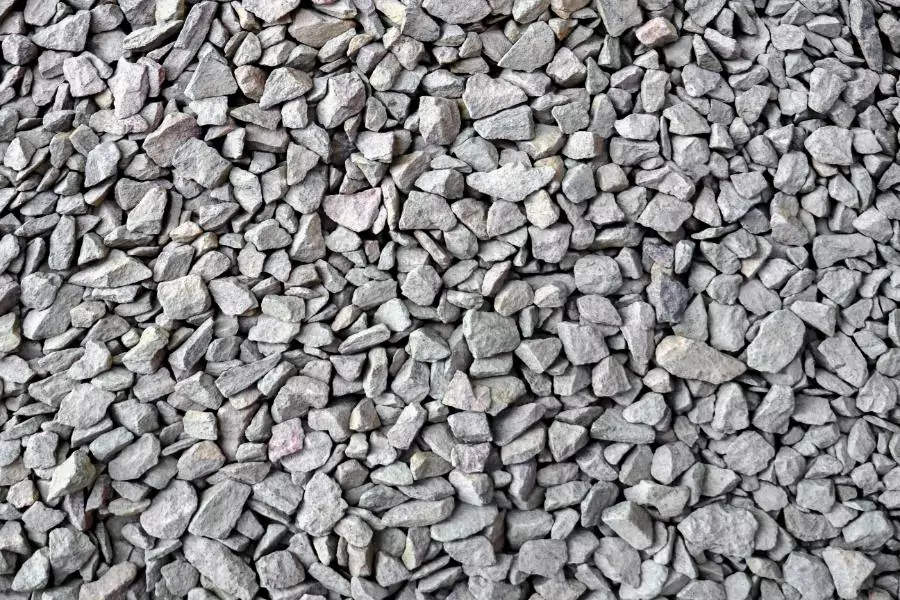
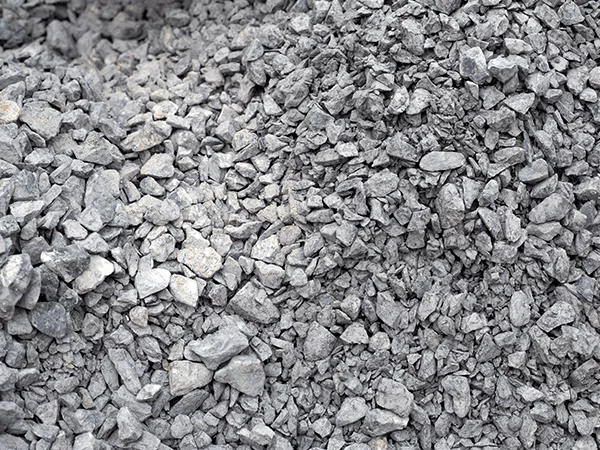


Gravel Monkey is your reliable source for premium gravel and aggregate delivery throughout Sebeka, Minnesota. Whether you're working on a rural driveway project near the Sebeka Wildlife Management Area or need quality aggregates for agricultural operations east of Highway 71, we deliver high-quality materials directly to your property with absolutely free delivery. Serving Wadena County and the surrounding communities including Menahga, Nimrod, and Verndale, our comprehensive selection of aggregates meets the demanding requirements of Minnesota's climate and soil conditions.
Complete Gravel & Aggregate Selection for Sebeka Projects
Our extensive inventory of aggregates and materials is specifically suited for the unique challenges of central Minnesota properties. From the clay-rich soils common around Sebeka to the freeze-thaw cycles that define our seasons, we provide materials that perform reliably year-round:
- Driveway Gravel - Heavy-duty aggregate designed for Minnesota's demanding climate and vehicle loads
- 3/4 inch Crushed Stone - Versatile crushed aggregate perfect for foundations and drainage applications
- #57 Stone - Premium drainage aggregate for French drains and foundation perimeter systems
- Crusher Run - Superior compactable base material that locks together for stable driveways and roads
- Road Base - Professional-grade aggregate for heavy-duty access roads and farm lanes
- Pea Gravel - Smooth decorative aggregate for landscaping and walkways
- River Rock - Natural stone in multiple sizes for aesthetic landscaping features
- Walkway Gravel - Specialty aggregate blend for comfortable pedestrian paths
- Drain Rock - Specialized aggregate engineered for optimal water management systems
- Crushed Concrete - Eco-friendly recycled aggregate for sustainable construction projects
- Decomposed Granite - Natural path material that compacts beautifully for trails
- Topsoil - Rich, screened soil for gardens and lawn establishment
- Fill Dirt - Clean fill material for grading, leveling, and site preparation
- Mason Sand - Fine sand for masonry work and concrete mixing
- Playground Sand - Clean, safe sand for children's play areas
- Washed Sand - Premium cleaned sand for multiple construction applications
Aggregate Delivery Throughout Sebeka and Wadena County
Gravel Monkey provides comprehensive aggregate delivery service throughout Sebeka and the surrounding rural communities. We understand the specific needs of properties throughout central Minnesota, from agricultural operations to residential projects.
Our delivery network covers all areas of Sebeka, including properties along Highway 71, the historic downtown district near Main Street, the residential neighborhoods surrounding Sebeka Elementary School, and rural properties extending toward the Crow Wing River. We also service agricultural operations and farms throughout the countryside between Sebeka and Menahga, properties near the Sebeka Wildlife Management Area, and developments along County Road 13.
For residents in nearby communities, we deliver quality aggregates to Menahga to the south, Nimrod to the east, Wadena to the southeast, and Verndale to the west. Our service area extends throughout Wadena County, ensuring farmers, homeowners, and contractors have access to premium materials regardless of their location in this scenic region of Minnesota's lake country.
Aggregates Engineered for Minnesota's Climate Challenges
Sebeka experiences the full range of Minnesota's continental climate, with winter temperatures frequently dropping below zero and summer highs reaching into the 80s. This dramatic temperature variation creates significant challenges for any aggregate or gravel installation. Understanding these local conditions is essential for selecting materials that will perform reliably through decades of seasonal changes.
Frost Heave and Freeze-Thaw Resistance
Central Minnesota's clay-rich soils, combined with annual frost penetration depths exceeding 4 feet, create ideal conditions for frost heave. When moisture trapped in fine-grained soils freezes, it expands, pushing aggregates upward and creating the familiar spring bumps and washboard surfaces on driveways. Our aggregates combat this through superior drainage characteristics that prevent water accumulation. Materials with angular shapes and graduated sizing allow water to drain vertically through the aggregate layer rather than becoming trapped where it can freeze and expand.
Seasonal Precipitation and Drainage Requirements
With average annual precipitation around 26 inches, including significant spring rainfall and winter snow accumulation, proper drainage is critical for any gravel installation in the Sebeka area. Spring snowmelt combined with April and May rainfall creates peak water management challenges. Aggregates that compact tightly while maintaining void space for water movement prevent the soft, muddy conditions that plague poorly designed driveways. The clay content in local soils reduces natural permeability, making the selection of proper drainage aggregates even more important for long-term performance.
Agricultural and Heavy Load Considerations
Rural Sebeka properties often accommodate heavy agricultural equipment, livestock trailers, and delivery vehicles. The combination of heavy loads with spring thaw conditions requires aggregates that maintain structural integrity even when underlying soils are saturated. Properly compacted crushed stone bases distribute loads across wider areas, preventing rutting and maintaining smooth surfaces through the demanding conditions of working farms and rural homesteads.
Selecting the Right Aggregate for Your Sebeka Project
Different projects require different aggregate characteristics. Understanding the properties of each material helps ensure optimal performance for your specific application in central Minnesota's demanding environment.
| Aggregate Type | Best Applications | Compaction Rating | Drainage Quality | Freeze-Thaw Performance |
|---|---|---|---|---|
| Crusher Run | Driveway bases, farm roads, heavy traffic areas | Excellent | Very Good | Superior |
| 3/4 inch Crushed Stone | Drainage layers, French drains, general purpose | Very Good | Excellent | Excellent |
| Road Base | Heavy-duty access roads, equipment pads | Excellent | Good | Excellent |
| Number 57 Stone | Drainage systems, septic fields, foundation drains | Good | Excellent | Excellent |
| Pea Gravel | Landscaping, walkways, decorative areas | Fair | Very Good | Good |
| Decomposed Granite | Pathways, patios, natural landscaping | Good | Good | Good |
| Crushed Concrete | Base layers, secondary roads, sustainable projects | Very Good | Very Good | Very Good |
Common Aggregate Applications in Sebeka
Rural Driveways and Farm Lanes
Long rural driveways are common throughout the Sebeka countryside, often extending several hundred feet from the county road to the home or farm buildings. These driveways must handle everything from daily commuter vehicles to loaded grain trucks during harvest season. A proper driveway installation begins with adequate site preparation, removing organic topsoil and addressing any wet spots with additional drainage. The base layer typically consists of larger aggregates for load distribution and drainage. Road base or crusher run materials excel in these applications because they compact into a solid, interlocking matrix that resists rutting even under heavy loads.
The surface layer requires finer aggregates that create a smooth driving surface while maintaining drainage. Three-quarter inch crushed stone provides an ideal surface that's comfortable for vehicles while allowing water to permeate down to the drainage layer below. The angular nature of crushed stone prevents the migration that occurs with rounded gravels, maintaining a stable surface through freeze-thaw cycles. For properties with particularly heavy agricultural traffic, additional depth and periodic maintenance ensures decades of reliable performance.
Foundation Drainage and Waterproofing
Proper foundation drainage protects homes and buildings from basement moisture problems common in Minnesota's clay soils. The high clay content around Sebeka means water doesn't naturally percolate away from foundations, requiring engineered drainage systems. A typical installation involves excavating around the foundation perimeter, applying waterproofing membrane to the foundation walls, installing perforated drain tile at the footing level, and backfilling with clean drainage aggregate.
Drain rock creates the void space needed for water collection and movement toward the drainage tile. The large, uniform stones resist clogging while maintaining consistent hydraulic conductivity. This aggregate layer should extend from the footing level to near the ground surface, creating a drainage pathway that intercepts groundwater before it can contact the foundation walls. Proper foundation drainage significantly reduces hydrostatic pressure against basement walls and prevents the seepage issues that compromise structural integrity over time.
Septic System Installation
Rural Sebeka properties typically rely on individual septic systems for wastewater treatment. The drain field, where treated effluent percolates into the soil, requires specific aggregate materials that meet Minnesota Department of Health regulations. Clean, washed aggregates in the 3/4 to 1.5 inch range create the necessary void space for effluent distribution while supporting the weight of the soil cover above.
The heavy clay soils common in Wadena County present challenges for septic system performance because clay's low permeability limits effluent absorption. Properly designed systems account for soil conditions with adequate drain field sizing, appropriate aggregate selection, and correct installation depth. The aggregate surrounding drain field laterals must be clean and free from fines that would clog void spaces and reduce system efficiency. Working with experienced installers who understand local soil conditions ensures septic systems that function reliably for decades.
Garden Beds and Landscaping Projects
Transforming clay soils into productive garden beds requires significant soil amendment. Quality topsoil provides the organic matter and improved structure that vegetables and flowers need for healthy growth. For raised bed gardens popular among Sebeka homeowners, combining topsoil with compost creates an ideal growing medium that drains well while retaining adequate moisture through summer dry periods.
Decorative aggregates enhance landscaping aesthetics while serving practical purposes. River rock in various sizes creates attractive borders, mulches planting beds, and prevents erosion on slopes. The smooth, rounded stones complement Minnesota's natural landscape while requiring minimal maintenance. For walkways between garden beds or connecting outdoor living spaces, decomposed granite or pea gravel provides comfortable surfaces that drain quickly after rain while remaining stable underfoot.
Aggregate Installation Guidelines for Sebeka Properties
Site Preparation Fundamentals
Successful aggregate installations begin with proper site preparation. For driveway projects, excavation depth depends on soil conditions and intended use, but typically ranges from 8 to 12 inches for residential driveways and 12 to 16 inches for heavy-use farm roads. Removing all organic material prevents decomposition issues that cause settling. Identifying and addressing wet spots before aggregate installation prevents future soft areas and extends driveway life.
Establishing proper grade ensures water sheds away from the driveway surface rather than pooling or running down the centerline. A minimum grade of 2 percent (approximately 1/4 inch per foot) provides adequate drainage without creating uncomfortable driving conditions. For longer driveways, cross-slope or crown configuration directs water to the edges where it can dissipate into vegetated areas rather than eroding the aggregate surface.
Compaction and Layer Thickness
Proper compaction transforms loose aggregate into a solid, stable surface capable of supporting vehicle loads without rutting. Aggregate layers should not exceed 6 inches in loose thickness because effective compaction becomes difficult in deeper lifts. For installations requiring greater depth, multiple lifts with compaction between each layer achieves optimal density and performance.
Moisture content significantly affects compaction efficiency. Aggregates compact best at optimum moisture content, which varies by material type but generally ranges from 6 to 10 percent. Too dry and particles won't lock together effectively; too wet and aggregates become soft and unworkable. Spring and fall typically provide ideal moisture conditions in Sebeka, while mid-summer installations may require water application for proper compaction.
Seasonal Timing Considerations
While aggregate delivery and installation occur year-round in Minnesota, certain times of year present advantages for different project types. Late spring after ground thaw but before summer dry periods allows projects to benefit from natural moisture for compaction. Summer and early fall provide extended working windows with predictable weather, though dry conditions may require moisture addition during compaction.
Late fall installations work well for projects where spring access might be limited, though cold temperatures can make compaction more challenging. Winter installations are possible for certain projects, particularly those utilizing aggregates that don't require precise compaction. Understanding these seasonal considerations helps property owners schedule projects for optimal results and contractor availability.
Maintaining Aggregate Surfaces for Long-Term Performance
Spring Maintenance Priorities
Spring presents the most demanding maintenance period for aggregate surfaces in Sebeka. Freeze-thaw action during late winter and early spring creates surface irregularities as frozen ground releases water and soils beneath temporarily lose stability. Grading aggregate surfaces after spring thaw redistributes material, fills low spots, and restores proper crown or cross-slope. This annual maintenance prevents minor irregularities from becoming major problems and extends surface life significantly.
Spring is also the ideal time to address drainage issues that become apparent as snowmelt and rainfall test water management systems. Low areas that hold water require additional aggregate or regrading to maintain proper drainage. Side ditches may need cleaning to restore flow capacity. Addressing these issues promptly prevents progressive deterioration that accelerates during subsequent freeze-thaw cycles.
Adding Fresh Aggregate
Even well-constructed aggregate surfaces gradually lose material through a combination of trafficking, weather exposure, and natural breakdown. Fine particles migrate deeper into the base, creating surface voids. Periodic additions of fresh surface aggregate maintain proper thickness and restore smooth driving conditions. Most residential driveways benefit from fresh aggregate every 3 to 5 years, while heavily trafficked farm roads may require annual attention.
The amount of fresh aggregate needed depends on traffic levels and existing conditions. A typical residential driveway might require 1 to 2 inches of fresh material to restore optimal conditions, while farm lanes might need 2 to 4 inches in high-traffic areas. Applying fresh aggregate during dry conditions and compacting it into the existing surface creates the best integration and longest-lasting results.
Controlling Vegetation and Erosion
Grass and weeds that establish along driveway edges and in thin surface areas accelerate deterioration by trapping moisture and promoting frost heave. Regular edge maintenance keeps vegetation from encroaching onto the driving surface. For properties where vegetation has already become established, removing organic material and adding fresh aggregate restores proper conditions.
Erosion control becomes important on sloped driveways or areas with concentrated water flow. Grade breaks or water bars that direct runoff off the driveway surface prevent channeling that removes aggregate and damages the base. For severely sloped areas, additional measures such as larger riprap or check dams may be necessary to maintain stability during heavy rainfall events.
The Gravel Monkey Advantage: Free Delivery Throughout Sebeka
Sourcing quality aggregates for your Sebeka project shouldn't involve complicated logistics or surprise fees. Gravel Monkey simplifies the process with straightforward ordering, reliable delivery scheduling, and most importantly, free delivery throughout Sebeka and the surrounding area. This approach saves time and money while ensuring you receive exactly the materials you need for successful project completion.
Bulk Delivery Benefits
Purchasing aggregates in bulk quantities delivers significant advantages over bagged materials or multiple small loads. Bulk delivery eliminates countless hours of loading, transporting, and unloading bags or small trailer loads. For a typical residential driveway requiring 15 to 20 tons of aggregate, bulk delivery saves days of labor and vehicle wear while providing professional placement directly where you need materials.
Cost efficiency improves dramatically with bulk purchasing. Bagged aggregates include substantial markup for packaging, handling, and retail distribution. Bulk materials eliminate these intermediate costs, delivering premium aggregates at prices that reflect actual material value. For larger projects like farm roads or extensive landscaping, bulk delivery can reduce material costs by 40 to 60 percent compared to bagged alternatives.
Flexible Delivery Scheduling
Farm operations, construction projects, and home improvements all have timing requirements that demand flexible delivery scheduling. Gravel Monkey works with your schedule to ensure materials arrive when you're ready to use them. This coordination prevents weather exposure issues that arise when materials sit exposed to rain before installation, and ensures project continuity without delays waiting for material availability.
For agricultural operations working around planting or harvest schedules, we understand that timing can be critical. Contractors managing multiple projects appreciate reliable delivery that keeps work progressing efficiently. Homeowners appreciate delivery windows that accommodate work schedules and weather forecasts. This flexibility, combined with free delivery throughout the Sebeka area, makes material sourcing the easiest part of your project.
Sustainable Aggregate Choices for Environmentally Conscious Projects
Environmental stewardship matters to rural Minnesota communities like Sebeka, where agricultural heritage connects residents to the land. Aggregate selection can support sustainability goals while delivering the performance modern projects demand. Crushed concrete exemplifies this approach, transforming waste concrete from demolition projects into valuable aggregate that performs comparably to virgin crushed stone in many applications.
Using recycled concrete reduces landfill burden while conserving natural stone resources. The concrete's natural cementitious properties can actually improve performance in base applications by creating slight binding between particles as moisture cycles through the material. For environmentally conscious property owners, crushed concrete delivers both practical performance and measurable sustainability benefits. Decomposed granite provides another natural option that integrates beautifully with Minnesota's native landscape while requiring minimal processing and no chemical additives.
Frequently Asked Questions About Aggregates in Sebeka, Minnesota
Crushed stone and crusher run excel in clay soil conditions because their angular shapes and graduated sizing create stable bases that resist the heaving caused by clay's moisture retention. These materials compact well while maintaining drainage voids that prevent water accumulation. For the clay-rich soils common around Sebeka, adequate aggregate depth (typically 10 to 14 inches for driveways) combined with proper drainage ensures long-term performance.
Residential driveways in Sebeka typically require 8 to 12 inches of total aggregate depth to resist frost heave and support vehicle loads. Farm roads and areas with heavy equipment traffic perform better with 12 to 16 inches of properly compacted aggregate. This depth extends below the frost line's influence and distributes loads across soil that remains stable year-round. Specific depth requirements depend on soil conditions, with heavy clay soils requiring greater depth than sandy or gravelly soils.
Late spring through early fall provides the most favorable conditions for aggregate installation in central Minnesota. Late May through June offers good natural moisture for compaction after spring thaw has completely finished. July and August provide dry, stable conditions though may require moisture addition during compaction. September and October offer excellent working conditions before ground freeze. Avoid installation during spring thaw (late March through April) when ground stability is poorest.
Washboard forms when vehicles travel at consistent speeds over aggregate surfaces that lack adequate fines or proper compaction. The interaction between vehicle suspension systems and loose surface material creates rhythmic oscillations that develop into corrugations. Prevention involves using properly graded aggregates that include some fine material to bind larger stones, maintaining adequate surface depth, and periodic grading that redistributes material and restores smooth contours. Adequate compaction during installation also significantly reduces washboard formation.
Aggregate quantity calculations require three measurements: length, width, and depth. Multiply length times width times depth (all in feet) to get cubic feet, then divide by 27 to convert to cubic yards. Most aggregates weigh approximately 1.4 tons per cubic yard. For example, a driveway measuring 12 feet wide by 200 feet long with 10 inches of aggregate depth requires about 74 cubic yards or roughly 104 tons. Our team can help verify calculations and recommend appropriate materials for your specific Sebeka project.
Installing fresh aggregate over existing surfaces works well when the current base remains structurally sound. If the existing driveway has significant potholes, soft areas, or drainage problems, surface application only provides temporary improvement. The new aggregate will eventually conform to underlying problems. For driveways with isolated soft spots, excavating and rebuilding those areas before adding surface aggregate provides better long-term results than simply covering problems with more material.
Spring muddy conditions typically indicate inadequate aggregate depth, poor drainage, or both. As frost leaves the ground, previously frozen moisture thaws into saturated soil that temporarily loses bearing capacity. If aggregate layers are too thin or have been mixed with underlying clay soil through repeated trafficking, this weak layer reaches the surface creating muddy conditions. Solutions involve adding adequate clean aggregate depth, improving side drainage, and potentially installing geotextile fabric to separate aggregate from problematic soils.
Crushed stone comes from quarried rock that's mechanically broken into specific sizes, creating angular particles with fractured faces that interlock when compacted. Crushed gravel starts as naturally rounded river or glacial gravel that's then crushed to create some angular surfaces while retaining partially rounded shapes. Crushed stone typically provides superior compaction and stability because the angular particles lock together more effectively. For critical applications like driveways and structural bases in Sebeka, crushed stone's performance advantages justify its use over crushed gravel.
Start Your Sebeka Aggregate Project Today
Whether you're planning a new driveway installation near the Sebeka Wildlife Management Area, maintaining farm roads that handle heavy equipment, or enhancing your property with quality landscaping aggregates, Gravel Monkey delivers the materials you need with the service you deserve. Our free delivery throughout Sebeka and surrounding Wadena County eliminates the logistics challenges and unexpected costs that complicate material sourcing.
Our knowledgeable team understands central Minnesota's soil conditions, climate challenges, and the specific requirements of rural properties throughout the Sebeka area. We're here to help you select appropriate materials, calculate accurate quantities, and schedule delivery that works with your project timeline. From small landscaping projects to large agricultural installations, Gravel Monkey provides the aggregates and expertise that ensure successful outcomes.
Contact us today to discuss your project needs and discover how easy quality aggregate delivery can be. With competitive pricing, comprehensive material selection, and genuinely free delivery throughout the Sebeka area, Gravel Monkey is your partner for superior aggregates and exceptional service in central Minnesota.

Need help? Reach out for a quote: