Shop Bulk Materials & Gravel in Soudan, Minnesota
Local Topsoil, Dirt, Sand, Rocks and Gravel near me in Soudan, Minnesota
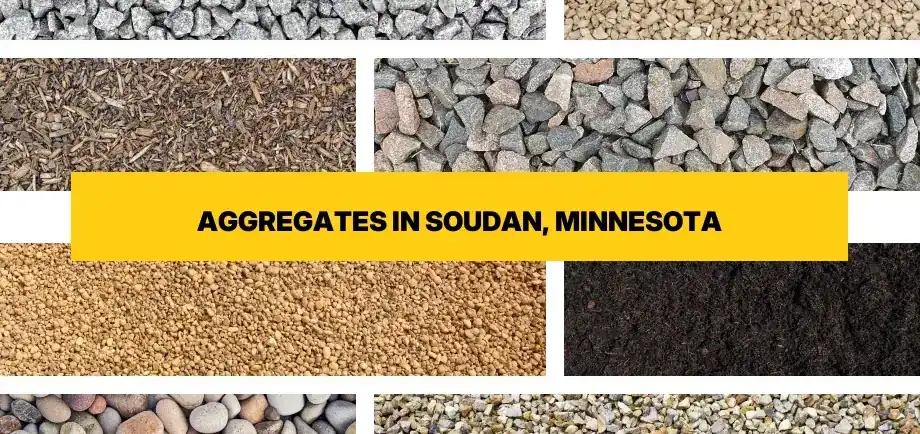
Shop Aggregates for Delivery in Soudan
Order online for free delivery to any Soudan address.


Gravel Monkey delivers high-quality aggregates and gravel materials directly to properties throughout Soudan, Minnesota, completely free of charge. Whether you're building a new driveway near the historic Soudan Underground Mine State Park, improving drainage around Lake Vermilion shoreline properties, or undertaking construction projects throughout St. Louis County's Iron Range region, we provide the premium materials your project demands. Our extensive inventory serves residential homeowners, commercial contractors, and municipal projects across Soudan, Tower, Ely, and the surrounding northern Minnesota communities with reliable delivery and expert guidance.
Complete Selection of Aggregates and Materials for Soudan Projects
Gravel Monkey stocks an extensive range of aggregates specifically suited for northern Minnesota's challenging climate conditions, including extreme winter temperatures, heavy spring runoff, and the unique soil characteristics of the Iron Range. Our materials meet the demands of both residential landscaping projects and heavy-duty commercial construction throughout the Soudan area.
- Driveway Gravel - Premium compactable base material engineered for long-lasting performance in harsh Minnesota winters
- 3/4 inch Crushed Stone - Versatile angular aggregate perfect for stable driveway foundations and building bases
- #57 Stone - Clean, uniform crushed stone ideal for drainage systems and concrete mixing applications
- Crusher Run - All-in-one base material that compacts densely for exceptional driveway stability
- Road Base - Heavy-duty aggregate blend designed for superior load-bearing capability
- Drain Rock - Angular stone specifically sized for effective water management and drainage solutions
- Pea Gravel - Smooth decorative stone perfect for pathways, gardens, and landscaping features
- River Rock - Natural rounded stone available in multiple sizes for aesthetic landscape design
- Walkway Gravel - Specially selected aggregate for comfortable, stable pedestrian pathways
- Crushed Concrete - Eco-friendly recycled aggregate offering cost-effective performance
- Topsoil - Nutrient-rich soil perfect for gardens, lawns, and landscaping beds
- Fill Dirt - Clean fill material for grading, leveling, and construction site preparation
- Mason Sand - Fine-grade sand essential for masonry work and paver installations
- Playground Sand - Safe, clean sand meeting standards for children's play areas
- Washed Sand - Premium cleaned sand for concrete mixing and specialized applications
- Decomposed Granite - Natural granite fines that compact firmly for attractive pathways
Understanding Soudan's Unique Geology and Climate Challenges
Soudan sits within Minnesota's famous Vermilion Iron Range, where the ancient Soudan Iron Formation created some of the oldest exposed bedrock in North America. This geological heritage means properties throughout the area often encounter shallow bedrock, iron-rich soils, and the heavy clay deposits characteristic of glacial till left behind thousands of years ago. The clay content in local soils presents significant challenges for construction and landscaping, as clay retains moisture and expands dramatically during Minnesota's brutal freeze-thaw cycles.
Northern Minnesota experiences extreme temperature variations, with winter lows frequently dropping below negative 20 degrees Fahrenheit and summer highs occasionally exceeding 85 degrees. Annual precipitation averages around 27 inches, with significant snowfall accumulation creating heavy spring runoff throughout the Lake Vermilion watershed. Frost penetration routinely reaches 5 to 6 feet deep, requiring proper aggregate base installation to prevent frost heaving damage to driveways, foundations, and hardscaping.
The combination of clay soils, shallow bedrock, extreme frost depth, and substantial seasonal moisture fluctuations makes proper aggregate selection absolutely critical for any construction project in Soudan. Using appropriate crushed stone bases, effective drainage systems, and properly compacted materials prevents the costly damage and ongoing maintenance issues that plague improperly constructed surfaces throughout the Iron Range region.
Aggregate Delivery Throughout Soudan and Surrounding Communities
Gravel Monkey provides free delivery service throughout Soudan's residential areas, including properties surrounding the historic Soudan Underground Mine State Park, lakefront homes along Lake Vermilion's complex shoreline, and rural properties extending toward McKinley. We serve the entire Tower-Soudan area, delivering aggregates to nearby communities including Tower just three miles south, Ely approximately 15 miles northeast, and throughout the Vermilion Trail corridor.
Our delivery coverage extends throughout St. Louis County's northeastern region, reaching properties near Embarrass to the west, Winton to the east, and Babbitt to the north. Whether your project is located near the Vermilion Community College campus, along the scenic Taconite State Trail, or at remote cabin sites accessible only by seasonal roads, we coordinate delivery schedules to ensure your aggregates arrive exactly when needed. The unique access challenges presented by northern Minnesota's terrain and seasonal conditions require experienced logistics, and our team navigates everything from narrow forest roads to winter ice conditions with professional expertise.
Driveway Construction and Maintenance in Northern Minnesota
Constructing durable driveways in Soudan demands understanding how Minnesota's extreme freeze-thaw cycles affect different aggregate materials. The proper approach starts with excavating below frost depth when possible, installing adequate drainage to channel spring snowmelt away from the driveway structure, and building up successive aggregate layers that work together to create a stable, long-lasting surface.
For residential driveways throughout the Tower-Soudan area, we typically recommend starting with a base layer of larger crushed stone or crusher run material, which provides excellent load distribution and establishes proper drainage. This foundational layer should be 4 to 6 inches deep after compaction, though properties with particularly problematic clay soils may benefit from even deeper installations. The angular nature of crushed aggregates allows them to interlock mechanically, creating a stable matrix that resists the shifting forces generated by frost action.
Secondary layers using smaller aggregates fill the voids between larger stones, further densifying the driveway structure. Many Soudan homeowners choose a top surface of finer crusher run or three-quarter inch stone, which provides a smooth driving surface while maintaining excellent drainage characteristics. Properties experiencing severe drainage issues often incorporate drain rock trenches along driveway edges, directing water away before it can saturate the underlying clay and cause frost heaving damage.
Preventing Frost Heaving and Spring Damage
Frost heaving remains the primary challenge for driveway longevity throughout the Iron Range. When moisture trapped in clay soils freezes, it expands with tremendous force, lifting and cracking pavement and displacing gravel surfaces. The solution requires two-pronged approach: establishing proper drainage to minimize moisture content near the driveway, and using adequate aggregate depth to prevent frost from reaching moisture-saturated clay layers.
Proper driveway crowning—building the center slightly higher than the edges—ensures water runs off rather than pooling on the surface. Installing culverts at low points prevents water from crossing driveways and saturating the base layers. Many properties near Lake Vermilion or along seasonal creek drainages benefit from more extensive drainage systems, sometimes including perforated pipe installations within drain rock trenches that actively channel groundwater away from driving surfaces.
| Aggregate Type | Best Applications | Typical Depth | Drainage Quality | Winter Performance |
|---|---|---|---|---|
| Crusher Run | Driveways, parking areas, equipment pads | 4-6 inches | Good | Excellent compaction, resists frost heaving |
| 3/4 inch Crushed Stone | Base layers, foundations, road building | 4-8 inches | Excellent | Superior stability in freeze-thaw cycles |
| #57 Stone | Drainage systems, septic fields, concrete aggregate | 6-12 inches | Excellent | Minimal frost impact, maintains void space |
| Road Base | Heavy traffic areas, commercial drives | 6-10 inches | Very Good | Maximum load bearing, winter durable |
| Drain Rock | French drains, foundation drainage, swales | 12-24 inches | Superior | Prevents water accumulation and freezing |
| Pea Gravel | Pathways, landscaping, decorative uses | 2-3 inches | Good | Minimal frost issues when properly installed |
Critical Drainage Solutions for Iron Range Properties
Effective water management represents perhaps the single most important factor for property maintenance success throughout the Soudan area. The combination of clay soils, substantial snowmelt runoff, and dramatic seasonal water table fluctuations creates ongoing drainage challenges that require proactive solutions. Properties that neglect proper drainage inevitably experience basement flooding, foundation settlement, driveway deterioration, and landscape erosion.
French drain installations using drain rock provide highly effective solutions for redirecting groundwater away from structures and vulnerable surfaces. These drainage systems work by creating preferential flow paths through angular stone, collecting water in perforated pipes, and directing it toward suitable discharge points. Properly designed French drains can lower water tables around foundations, dry out perpetually soggy lawn areas, and protect driveways from underneath moisture infiltration.
Surface drainage strategies are equally important. Grading properties to direct runoff away from buildings, installing swales to channel spring melt, and creating rock-lined drainage channels all contribute to comprehensive water management. Many Lake Vermilion properties deal with hillside runoff that concentrates water flow during spring snowmelt and summer storms. Strategic placement of drain rock trenches, retention basins, and erosion control measures protects property investments while preventing soil loss and vegetation damage.
Landscaping and Decorative Aggregate Applications
While functional aggregates handle drainage and construction needs, decorative stones transform Soudan properties into attractive outdoor spaces. River rock creates naturalistic borders around native plantings, complements lakefront landscaping themes, and provides visual interest in rock gardens showcasing northern Minnesota's rugged beauty. The rounded stones range from small sizes perfect for pathways to larger statement pieces that anchor landscape designs.
Pea gravel offers excellent versatility for residential landscaping projects throughout the Tower-Soudan area. Its smooth texture makes it comfortable for barefoot traffic on patio surrounds, while its natural colors blend beautifully with northern Minnesota's forest settings. Pea gravel works exceptionally well around fire pits, as ground cover beneath decks where grass struggles to grow, and as attractive mulch that won't blow away in strong winds coming off Lake Vermilion.
Decomposed granite provides another attractive option for pathways, courtyards, and landscape borders. This material compacts more firmly than loose gravel, creating stable surfaces that resist displacement while maintaining a natural appearance. The reddish-brown tones common in decomposed granite complement the iron-rich soils characteristic of the Vermilion Iron Range, creating cohesive landscape designs that reflect the area's geological heritage.
Pathways and Walkway Construction
Creating durable pathways through Minnesota's harsh seasonal conditions requires careful aggregate selection and proper installation techniques. Walkway gravel specially selected for comfortable foot traffic provides excellent traction without being uncomfortable to walk on, while its drainage properties prevent ice formation that makes winter pathways treacherous. Proper pathway construction includes excavating 4 to 6 inches deep, installing landscape fabric to prevent weed growth and aggregate mixing with underlying soil, and filling with appropriate material.
Edging materials keep pathway aggregates contained and maintain clean borders. Metal, plastic, or natural stone edging prevents gravel migration into adjacent lawn areas and creates defined landscape features. Many Soudan homeowners incorporate pathways connecting cabins to lake access points, linking outbuildings to main residences, or creating garden strolls through naturally wooded properties. These pathways benefit from gentle curves that feel organic within forest settings, adequate width for comfortable passage, and strategic placement to minimize water pooling during spring thaw.
Commercial and Municipal Aggregate Projects
Commercial contractors, municipal maintenance departments, and development projects throughout St. Louis County depend on reliable aggregate supplies for road maintenance, site development, and infrastructure improvements. The seasonal nature of northern Minnesota construction demands efficient material delivery during brief summer building windows, making dependable suppliers essential for keeping projects on schedule.
Road base and crusher run materials serve extensive applications in commercial development, from preparing building pads to constructing parking areas and access roads. These materials provide the structural integrity necessary for heavy equipment operation during construction and long-term durability once projects are complete. Municipal road maintenance throughout the Iron Range region consumes substantial aggregate quantities annually, repairing winter damage and maintaining the extensive network of forest roads serving recreational and residential properties.
Large-scale drainage projects undertaken by townships and county maintenance departments utilize significant volumes of drain rock for culvert installations, roadside ditching, and erosion control structures. Properly designed drainage infrastructure protects public roads from spring washouts, prevents beaver dam flooding issues common throughout northern Minnesota's extensive wetlands, and maintains access to recreational areas that drive the local economy. Crushed concrete offers cost-effective solutions for many municipal applications, providing recycled aggregate that performs reliably while reducing project costs and environmental impact.
Seasonal Considerations for Aggregate Projects in Soudan
Minnesota's dramatic seasonal transitions significantly impact construction timing and material selection throughout the Soudan area. Spring typically brings construction season's start, though lingering frost and saturated ground conditions often delay projects into May or even early June. This brief window creates intense demand for aggregates as contractors and homeowners rush to complete warm-weather projects before autumn's return.
Summer offers optimal conditions for aggregate installation, with dry ground allowing proper compaction and stable working surfaces for equipment. However, summer's brevity in northern Minnesota means efficient project planning is essential. Many experienced contractors order materials early, schedule deliveries strategically, and complete critical base work before addressing finishing details that can extend into early fall if necessary.
Fall aggregate deliveries must account for approaching winter conditions. Projects started too late risk being caught by early freezes that prevent proper compaction and settling. However, fall offers advantages for some applications—cooler temperatures reduce dust during installation, autumn rain helps compact and settle materials, and completing fall preparation means projects are ready to finish immediately when spring arrives. Winter deliveries are possible for emergency repairs or projects requiring frozen ground conditions for equipment access, though installation options are limited by frozen conditions.
Calculating Aggregate Quantities for Your Soudan Project
Accurate material estimation prevents costly shortages that delay projects or expensive over-ordering that wastes money and creates disposal challenges. The basic calculation for aggregate volume measures length times width times depth in feet, then divides by 27 to convert cubic feet into cubic yards—the standard unit for aggregate sales and delivery.
For example, a driveway measuring 50 feet long by 12 feet wide requiring 4 inches (0.33 feet) of aggregate calculates as: 50 x 12 x 0.33 = 198 cubic feet ÷ 27 = 7.33 cubic yards. Most projects round up to account for compaction, uneven base conditions, and edge spillage. This example driveway would typically require ordering 8 cubic yards to ensure adequate material.
Driveway projects throughout the Soudan area often require deeper aggregate installations than calculations for milder climates might suggest. While 2 to 3 inches might suffice in southern states, northern Minnesota's frost depth and clay soils necessitate 4 to 6 inch minimum depths for residential driveways, with commercial applications often requiring even deeper installations. Properties with known drainage issues or particularly problematic clay soils may benefit from 8 to 10 inch aggregate depths to ensure long-term performance.
Our experienced team provides free estimates accounting for your specific site conditions, project requirements, and local installation best practices. We factor in compaction rates for different aggregate types, consider your property's soil conditions and drainage characteristics, and recommend appropriate materials and depths for optimal results. This consultation ensures you order the correct quantities and select aggregates appropriate for your project's specific demands.
Professional Installation Tips for Soudan Aggregate Projects
Successful aggregate installation begins with thorough site preparation. Removing organic topsoil, vegetation, and any unstable materials creates a firm working surface for aggregate placement. Properties with particularly soft clay soils may benefit from installing geotextile fabric beneath aggregates, which prevents mixing between clay and stone while allowing water drainage. This fabric barrier dramatically extends surface life by maintaining aggregate layer integrity.
Proper compaction represents the critical factor separating professional-quality installations from amateur work that deteriorates rapidly. Renting or hiring equipment for mechanical compaction—plate compactors for smaller areas, vibratory rollers for driveways—ensures aggregate particles interlock properly and create stable surfaces resistant to rutting and settling. Compaction should occur in lifts of 2 to 4 inches, working from edges toward center, with each lift thoroughly compacted before adding subsequent layers.
Water application during compaction helps finer particles settle into voids between larger stones, creating denser, more stable aggregate matrices. However, over-wetting causes fines to migrate excessively, potentially weakening the structure. The goal is achieving moisture content that helps compaction without creating mud. Experienced installers recognize proper moisture by appearance and compaction equipment behavior, adjusting water application accordingly.
Edge containment prevents aggregate migration and maintains surface definition. Installing landscape timbers, metal edging, concrete curbing, or larger stone borders along driveway and pathway edges creates barriers that keep materials in place. This containment is especially important along slopes or where vehicular traffic might push aggregates outward. Properties throughout the hilly terrain common near Lake Vermilion benefit significantly from robust edge containment that prevents material loss down slopes.
Environmental Stewardship and Sustainable Aggregate Use
Responsible aggregate use throughout the Soudan area respects northern Minnesota's pristine natural environment while meeting construction and landscaping needs. Selecting locally-sourced materials when possible reduces transportation impacts and supports regional quarry operations. Crushed concrete provides an excellent example of sustainable aggregate use, recycling demolished material into functional aggregate that performs reliably while diverting waste from landfills.
Proper erosion control during and after aggregate installation protects Lake Vermilion's water quality and preserves the extensive wetland systems characteristic of the Iron Range region. Silt fencing, straw bales, and vegetation preservation downslope from work areas prevent sediment runoff during construction. Once projects are complete, prompt vegetation establishment on disturbed areas, strategic placement of erosion control aggregates, and proper drainage design prevent long-term soil loss and water quality degradation.
Many Soudan property owners incorporate permeable surfaces using larger aggregates that allow rainfall infiltration rather than directing all precipitation into surface runoff. These permeable installations reduce flooding impacts, recharge groundwater supplies, and filter pollutants through natural biological processes. While solid pavement and compacted fines create impermeable surfaces that contribute to water quality problems, thoughtfully designed aggregate installations can actually improve environmental outcomes while serving functional purposes.
Frequently Asked Questions About Gravel and Aggregates in Soudan, Minnesota
For harsh northern Minnesota winters with severe freeze-thaw cycles, we recommend crusher run or three-quarter inch crushed stone for driveways, as they compact extremely well and resist frost heaving. Drain rock is essential for proper water management during spring snowmelt, preventing moisture accumulation that causes frost damage. The angular nature of crushed aggregates creates interlocking structures that maintain stability despite extreme temperature fluctuations.
Due to frost penetration reaching 5 to 6 feet in northern Minnesota, aggregate installations should be substantially deeper than in milder climates. Residential driveways typically require 4 to 6 inches minimum after compaction, while commercial applications often need 6 to 10 inches. Properties with problematic clay soils or drainage issues benefit from even deeper installations. Proper depth prevents frost from reaching moisture-saturated clay layers that cause heaving damage.
Absolutely. The heavy clay soils throughout the Iron Range region retain excessive moisture and expand dramatically when frozen, causing numerous property maintenance challenges. Proper aggregate base layers improve drainage significantly by creating permeable zones that channel water away from structures and vulnerable surfaces. Installing drain rock systems, using adequate aggregate depths, and ensuring proper surface grading work together to manage clay soil issues effectively and prevent frost heaving, foundation problems, and landscape erosion.
Late spring through early fall offers optimal conditions for aggregate installation in northern Minnesota. Ground must be thawed and relatively dry for proper compaction and equipment operation. Many contractors begin projects in May once spring thaw is complete and aim to finish critical work by September to allow settling before winter. Summer provides the most reliable conditions, though early fall completion is possible with careful planning. Winter deliveries are feasible for emergency repairs or when frozen ground provides equipment access otherwise impossible.
Calculate cubic yards by measuring length times width times depth in feet, then dividing by 27. For a driveway 40 feet long, 10 feet wide, needing 4 inches of material: 40 x 10 x 0.33 equals 132 cubic feet, divided by 27 equals 4.89 cubic yards—order 5 or 6 yards accounting for compaction and edge spillage. Our team provides free estimates considering your specific site conditions, material types, and installation requirements to ensure you order appropriate quantities.
Crusher run contains a blend of stone sizes from dust to larger pieces, typically up to one and a half inches, which compact extremely densely as finer particles fill voids between larger stones. Crushed stone consists of more uniform-sized angular pieces, such as three-quarter inch material, providing excellent drainage and structural stability. Crusher run works ideally for driveway surfaces requiring maximum compaction, while crushed stone excels in drainage applications and base layers where water movement is critical.
Yes! Gravel Monkey provides completely free delivery throughout Soudan, Tower, and surrounding St. Louis County communities. We coordinate delivery schedules to accommodate your project timeline, navigate challenging access conditions common in northern Minnesota, and ensure materials arrive ready for immediate installation. Our experienced drivers handle everything from narrow forest roads to seasonal access challenges, delivering aggregates wherever your project is located.
Small projects like pathways or decorative landscape areas are manageable for motivated DIY homeowners with proper planning and preparation. However, driveway installations, significant drainage projects, and commercial applications typically benefit from professional expertise and equipment. Proper site preparation, adequate compaction, and appropriate material selection critically impact long-term performance. We're happy to provide guidance for DIY projects while also recommending experienced contractors for complex installations requiring specialized knowledge and heavy equipment.
Expert Aggregate Solutions for Your Soudan Property
Gravel Monkey combines extensive aggregate inventory, free delivery service, and knowledgeable guidance to support successful projects throughout Soudan and northern Minnesota. Whether you're planning driveway construction, addressing drainage challenges, or enhancing your property's landscape, our team provides the materials and expertise your project demands. We understand the unique conditions affecting properties throughout the Iron Range region—from extreme winter temperatures to clay soil complications—and recommend solutions proven to perform reliably in northern Minnesota's challenging environment.
Contact us today to discuss your project requirements, request a free estimate, and schedule delivery of premium aggregates to your Soudan property. Our experienced team answers your questions, helps calculate appropriate material quantities, and ensures you receive exactly what your project needs for optimal results. From small residential landscaping projects to large commercial developments, Gravel Monkey delivers the quality materials and professional service that make your project successful.

Need help? Reach out for a quote: