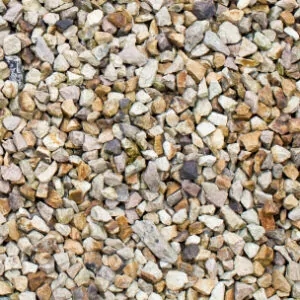
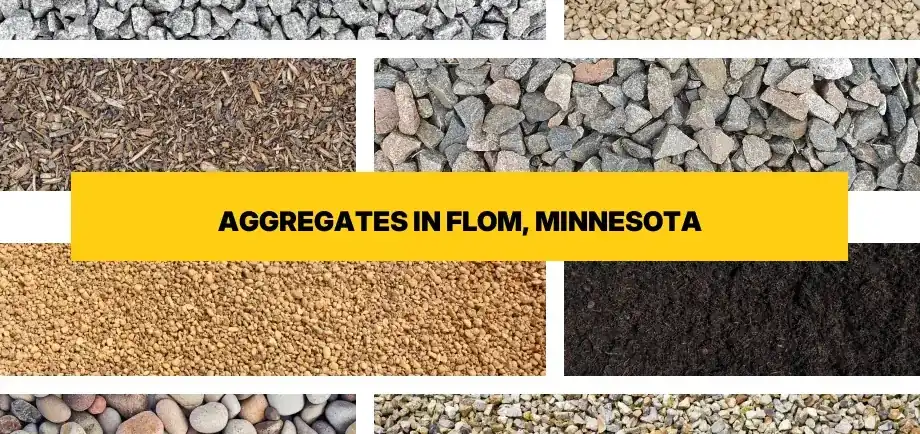
Shop Sand, Stone & Gravel in Flom, Minnesota
Local Topsoil, Dirt, Sand, Rocks and Gravel near me in Flom, Minnesota
Shop Aggregates for Delivery in Flom
Order online for free delivery to any Flom address.
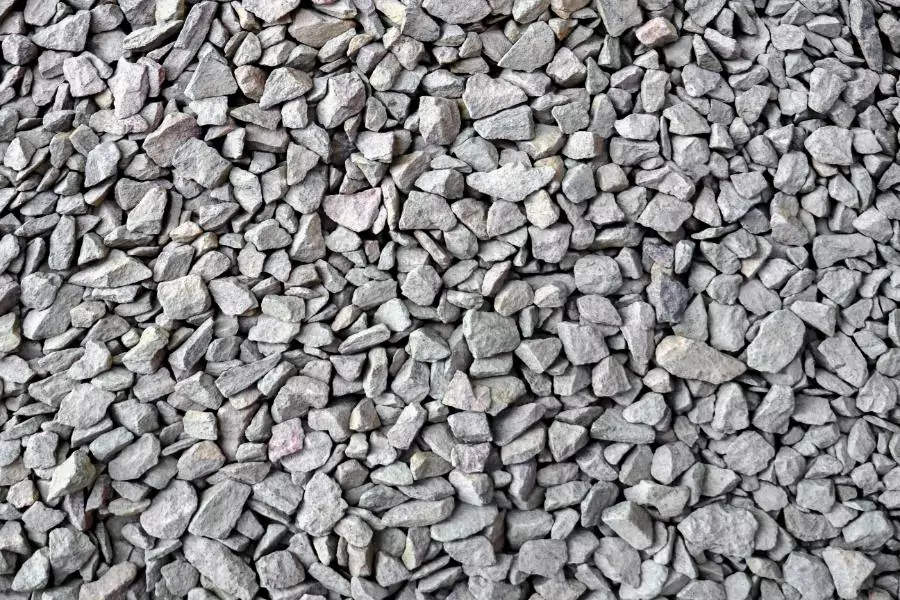
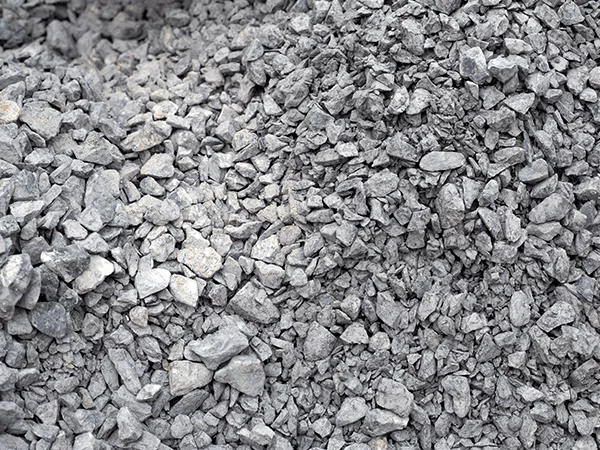


Gravel Monkey is your trusted partner for premium aggregate delivery in Flom, Minnesota. Serving the heart of Norman County and the surrounding Red River Valley region, we provide high-quality gravel, stone, and landscaping materials with free delivery directly to your property. Whether you're maintaining a rural driveway, improving drainage on farmland near Ada, or tackling a construction project in this close-knit agricultural community, we deliver the materials you need to succeed in Minnesota's challenging climate.
Complete Aggregate Selection for Flom Properties
Flom's location in western Minnesota demands aggregates that can withstand extreme temperature variations, heavy spring runoff, and the region's clay-rich soils. Our comprehensive material selection addresses the unique challenges of Norman County properties:
- Driveway Gravel - Engineered for long rural driveways common throughout Flom and Norman County
- 3/4 inch Crushed Stone - Versatile angular aggregate for driveways, foundations, and drainage applications
- #57 Stone - Standard construction aggregate perfect for drainage systems and base layers
- Crusher Run - Superior compaction material ideal for Minnesota's freeze-thaw conditions
- Road Base - Heavy-duty aggregate for farm roads and access lanes
- Pea Gravel - Smooth decorative stone for walkways and landscaping
- River Rock - Natural aesthetic material available in multiple sizes
- Walkway Gravel - Specialized aggregate for pedestrian paths and garden trails
- Drain Rock - Essential for managing water flow in clay-heavy Norman County soils
- Crushed Concrete - Eco-friendly recycled aggregate for cost-effective projects
- Topsoil - Nutrient-rich soil perfect for gardens and lawn establishment
- Fill Dirt - Essential for grading and leveling properties in the Red River Valley
- Mason Sand - Fine sand for construction and masonry work
- Playground Sand - Safe, clean sand for recreational areas
- Washed Sand - Clean sand for concrete mixing and landscaping
- Decomposed Granite - Natural compacting material for pathways and surfaces
Understanding Flom's Soil and Climate Challenges
Flom sits in the glacial lake plain of the Red River Valley, an area defined by its extremely flat topography and heavy clay soils deposited by ancient glacial Lake Agassiz. This geological heritage creates specific challenges for construction and property maintenance that demand careful material selection.
The region's clay-rich soil, locally known as "gumbo" when wet, has poor drainage characteristics and high expansion potential. During spring thaw and wet periods, these soils become nearly impassable without proper base materials. The flat terrain means water doesn't naturally drain away, making proper aggregate selection critical for driveways, farm roads, and building foundations throughout Flom and surrounding Norman County areas.
Minnesota Climate Considerations
Flom experiences a continental climate with extreme seasonal temperature swings. Winter lows regularly drop below -20°F, while summer temperatures can exceed 90°F, creating an annual temperature range of over 110 degrees. This dramatic variation causes significant freeze-thaw cycling, which can devastate improperly constructed surfaces.
Annual precipitation averages around 22 inches, with most falling during spring and early summer. Spring snowmelt combined with rain creates challenging drainage conditions, particularly given the poor permeability of local clay soils. These conditions make proper drainage aggregates and compacting base materials essential for any construction project in the Flom area.
Aggregate Applications for Rural Minnesota Properties
Driveway Construction and Maintenance
Rural properties in Flom often feature long driveways connecting homes to county roads. These driveways face unique challenges from heavy agricultural equipment, extreme weather, and poor soil conditions. Successful driveway construction starts with proper excavation into the clay subgrade, followed by layers of compacting base material and finished surface aggregates.
For most Flom driveways, we recommend starting with a 6-8 inch base layer of compacting material, topped with 3-4 inches of angular gravel. This two-layer system provides the stability needed for year-round access while preventing the frost heaving common in Minnesota's clay soils. The angular nature of crushed aggregates is crucial—they interlock to create a stable surface that resists displacement from traffic and weather.
Drainage Solutions for Clay Soils
Managing water is perhaps the single most important consideration for any Flom property improvement project. The region's clay soils hold water like a bowl, preventing natural percolation and creating standing water problems. Proper drainage aggregate installation can transform problematic wet areas into functional spaces.
French drains constructed with clean drainage rock effectively channel water away from foundations, driveways, and low-lying areas. In the Flom area, these systems typically need to be more robust than in regions with naturally draining soils. We recommend using larger aggregate sizes and deeper trenches to handle the volume of water that accumulates during spring thaw and heavy rain events typical of Norman County.
Farm Roads and Access Lanes
Agricultural operations throughout Flom require reliable access roads that can support heavy equipment while standing up to Minnesota's punishing weather. Farm roads need substantial base thickness to distribute weight loads across the soft clay subgrade. A well-constructed farm road starts with proper drainage, followed by 8-12 inches of compacting base material, and finishes with a durable surface aggregate layer.
Many Flom-area farmers are discovering the benefits of recycled materials for farm roads. These cost-effective alternatives perform admirably in agricultural applications while reducing project costs, allowing for longer stretches of improved road within the same budget.
Comparing Aggregates for Minnesota Conditions
Selecting the right aggregate for your Flom project depends on the application, soil conditions, and expected traffic. This comparison helps you understand which materials work best for different situations:
| Material Type | Best Applications | Compaction | Drainage | Freeze-Thaw Resistance |
|---|---|---|---|---|
| Crusher Run | Driveway base, road foundations | Excellent | Good | Excellent |
| 3/4" Crushed Stone | Driveway surface, drainage | Very Good | Excellent | Excellent |
| #57 Stone | Drainage systems, backfill | Good | Excellent | Very Good |
| Road Base | Heavy traffic areas, farm roads | Excellent | Good | Excellent |
| Drain Rock | French drains, foundation drainage | Poor | Excellent | Excellent |
| Pea Gravel | Landscaping, walkways | Poor | Very Good | Good |
| Crushed Concrete | Farm roads, budget driveways | Very Good | Good | Very Good |
Serving Flom and Greater Norman County
Gravel Monkey proudly serves Flom and the surrounding western Minnesota communities with reliable aggregate delivery. Our service area includes Ada, the Norman County seat located just a few miles north, as well as Twin Valley, Gary, Halstad, and the broader Red River Valley region. We understand the logistics of rural delivery and coordinate efficiently to serve properties throughout this agricultural area.
Our free delivery service eliminates one of the major challenges of rural construction projects—transporting bulk materials to remote locations. Whether your property is on a county road near the Wild Rice River or on a township road southeast toward Borup, we navigate the rural road network efficiently to deliver your aggregates exactly where you need them.
Why Choose Gravel Monkey for Flom Deliveries
Working with properties throughout Norman County has taught us the specific challenges of this region. We stock aggregates specifically selected for Minnesota's climate and soil conditions. Our materials aren't just generic gravel—they're chosen for their performance in the freeze-thaw cycles, clay soils, and agricultural applications common to the Flom area.
- Free Delivery: No delivery charges to Flom and surrounding Norman County areas
- Quality Materials: Aggregates selected specifically for Minnesota conditions
- Expert Guidance: Help calculating quantities and selecting appropriate materials
- Rural Experience: Understanding of agricultural property needs and access challenges
- Flexible Scheduling: Coordinating deliveries around farming operations and weather
- Clean Products: Washed and graded aggregates free of excess fines and clay
Installation Best Practices for Flom Properties
Preparing Clay Subgrade
Success with any aggregate project in Flom starts with proper subgrade preparation. The region's heavy clay soils require different treatment than the sandy or loamy soils found in other parts of Minnesota. Before placing any aggregate, the clay subgrade must be properly compacted and shaped for drainage.
Excavate to the required depth, creating a slight crown or slope to encourage water flow away from the surface. In the Flom area, we recommend excavating at least 12 inches total depth for driveways—deeper than you might in areas with better natural drainage. Compact the clay subgrade thoroughly, but not when overly wet, as clay becomes plastic and won't compact properly when saturated.
Geotextile Fabric Considerations
Given the poor soil conditions throughout Norman County, geotextile fabric often makes sense as a separation layer between the clay subgrade and your aggregate base. This fabric prevents the clay from migrating up into your clean aggregate while still allowing water to drain downward. For long driveways and heavy-use areas around Flom, this investment pays dividends in extended surface life and reduced maintenance.
Compaction Requirements
Proper compaction is critical for aggregate performance in Minnesota's harsh climate. Each lift of base material should be compacted thoroughly before adding the next layer. For residential driveways in Flom, a plate compactor or walk-behind roller typically suffices. Agricultural roads and heavy-use areas benefit from commercial-grade compaction equipment.
Compact base materials in 4-6 inch lifts for best results. The angular particles of crushed aggregates need this mechanical compaction to interlock properly. Rounded materials compact poorly and should be avoided for base applications in the Flom area. Surface layers can be slightly thinner but still benefit from compaction to lock particles in place.
Seasonal Project Planning in Flom
Spring Construction Challenges
Spring in Flom brings unique construction challenges. As frost leaves the ground and snowmelt saturates soils, the ground becomes soft and unstable. This "mud season" can last from late March through May, depending on winter severity and spring temperatures. While this timing is challenging, it's often when drainage problems become most apparent and demand immediate solutions.
If you must work during spring thaw, plan for extra base thickness and consider using larger aggregate sizes that won't pump into soft subgrade. Many Flom residents prefer waiting until June when soils have dried somewhat, but drainage projects often can't wait. Working with experienced aggregate suppliers who understand local conditions makes spring projects more successful.
Summer and Fall—Optimal Construction Seasons
Late spring through fall offers the best conditions for aggregate projects around Flom. June through October typically provides stable soils, dry weather, and good working conditions. This window allows proper compaction and gives new surfaces time to settle before winter freeze-up.
Fall completion is particularly advantageous—surfaces have time to settle through several rain events before freezing, but winter's freeze-thaw action helps lock angular aggregates into a stable matrix. Many experienced Norman County contractors prefer September and October installations when possible, accepting that weather windows can close quickly as winter approaches.
Winter Planning and Preparation
While winter construction is challenging in Minnesota, planning during cold months positions you for quick spring execution. Winter is an excellent time to research materials, plan projects, and schedule deliveries for optimal spring timing. Some maintenance work, like adding surface aggregate to existing driveways, can be done even in winter when ground is frozen solid and equipment won't cause rutting.
Serving Properties Throughout the Flom Area
Our delivery service reaches properties throughout Flom and the surrounding rural Norman County region. While Flom itself is a small community, we serve the broader agricultural area including properties along Highway 9, County Road 14, and the numerous township roads that connect farms and rural residences throughout the region.
We regularly deliver to properties near the Wild Rice River southwest of town, areas along the Halstad township line to the north, and rural properties extending toward Twin Valley to the south. Whether you're located on the flat farmland that characterizes most of Norman County or in the slightly rolling terrain near area waterways, we know the roads and can efficiently deliver your aggregates.
Our service extends to nearby communities including Ada to the north, Gary to the northwest, Twin Valley to the south, and the surrounding rural areas throughout western Norman County and into adjacent Clay County. We understand rural addressing systems and work with you to ensure delivery to the correct location, even on unmarked township roads common throughout the Flom area.
Understanding Aggregate Investment Value
Aggregate materials represent a significant investment for any Flom property improvement project, but they deliver lasting value when properly installed. A well-constructed driveway or farm road built with quality aggregates and proper techniques will last decades with minimal maintenance, even in Minnesota's harsh climate.
Consider the true cost of cheap materials or shortcuts in construction. Inadequate base thickness fails within years as frost heaves and settles. Using rounded materials instead of angular crushed aggregates leads to rutting and displacement. Skipping drainage considerations results in premature failure and expensive reconstruction. The modest additional investment in proper materials and installation pays back many times over through extended life and reduced maintenance.
Calculating Project Costs
Most aggregate projects in the Flom area calculate material needs in cubic yards. For rectangular areas like driveways, multiply length times width times depth (all in feet), then divide by 27 to get cubic yards needed. Don't forget to account for compaction—most materials compact 10-20%, so order slightly more than calculated volumes.
A typical 200-foot driveway, 12 feet wide, with a 6-inch base layer needs approximately 44 cubic yards of base material. Add a 3-inch surface layer, and you need another 22 cubic yards of finishing aggregate. These quantities may seem large, but they're necessary for the challenging soil and climate conditions throughout Norman County. Our team can help you calculate accurate quantities for your specific project.
Frequently Asked Questions About Aggregate Delivery in Flom
For the clay-rich soils around Flom, we recommend a two-layer system: a 6-8 inch base layer of crusher run for compaction and stability, topped with 3-4 inches of angular crushed stone for the driving surface. This combination handles freeze-thaw cycles while preventing the rutting and displacement common in clay soils. The crusher run contains mixed sizes that compact tightly, while the uniform surface layer provides good traction and drainage.
Frost heaving occurs when water in soil freezes and expands, lifting surfaces. Prevention requires three elements: adequate base depth (minimum 12 inches in Norman County), proper drainage to remove water, and well-compacted angular aggregates. The base depth extends below the frost line influence zone, drainage prevents water accumulation, and angular materials interlock to resist movement. Installing drainage alongside your driveway helps remove water before it can freeze and cause heaving.
Yes, recycled crushed concrete performs excellently for agricultural roads throughout Norman County. It compacts well, provides good load-bearing capacity, and costs less than virgin aggregates—important when covering long distances common on farms. Crushed concrete contains some fines that help it compact tightly, creating a durable surface that stands up to heavy equipment traffic. Many Flom-area farmers choose crushed concrete for internal farm roads while using premium crushed stone for main approach driveways.
Late spring through early fall offers optimal conditions for driveway installation around Flom. June through October typically provides dry, stable soils that allow proper compaction. Avoid spring mud season (March-May) when thawing frost and snowmelt saturate soils. Fall installations (September-October) give surfaces time to settle before winter while allowing freeze-thaw action to lock angular aggregates into place. Winter planning positions you for quick spring execution once conditions improve.
A standard 200-foot long, 12-foot wide driveway with a 6-inch base and 3-inch surface requires approximately 66 cubic yards total—44 yards of base material and 22 yards of surface aggregate. Rural properties often have longer driveways, so calculate your specific dimensions. Measure length times width times depth in feet, divide by 27 for cubic yards, and add 10-15% for compaction loss. Our team can help calculate exact quantities for your Norman County property.
Absolutely! We deliver throughout Flom and surrounding Norman County, including rural properties on township and county roads. Our free delivery service covers the entire region including areas near Ada, Twin Valley, Gary, and the surrounding agricultural areas. We understand rural addressing and work with you to ensure materials arrive at the correct location, even on unmarked roads common in western Minnesota.
Flom's flat Red River Valley topography and clay soils create significant drainage challenges. French drains using clean drainage rock effectively channel water to appropriate discharge points. Install drains at least 18-24 inches deep with proper slope (minimum 1% grade). Because water won't naturally percolate through clay, these systems must actively move water off-property rather than relying on soil absorption. Consider daylight drains that outlet to ditches or swales rather than dry wells that won't function in clay soils.
Geotextile fabric often makes excellent sense in Norman County's clay soil conditions. The fabric prevents clay from pumping up into clean aggregate during freeze-thaw cycles and wet periods while still allowing downward water drainage. For long driveways and heavy-use areas, the modest fabric cost pays back through extended surface life and reduced maintenance. The fabric is especially valuable in areas with poor soil conditions or where repeated freeze-thaw action causes problems.
Start Your Flom Aggregate Project Today
Whether you're improving a rural driveway, installing farm roads, or solving drainage problems on your Norman County property, Gravel Monkey delivers the quality aggregates you need with expert guidance throughout your project. Our free delivery service, combined with materials specifically selected for Minnesota's challenging conditions, makes us the smart choice for Flom-area property owners.
Contact us today to discuss your project requirements, get help calculating material quantities, and schedule delivery. Our team understands the unique challenges of building in western Minnesota's clay soils and extreme climate. We'll help you select the right aggregates and plan installation techniques that deliver lasting results for your Flom property.

Need help? Reach out for a quote: