
Order Topsoil, Stone & Gravel in Virginia, Minnesota
Local Topsoil, Dirt, Sand, Rocks and Gravel near me in Virginia, Minnesota
Shop Aggregates for Delivery in Virginia
Order online for free delivery to any Virginia address.
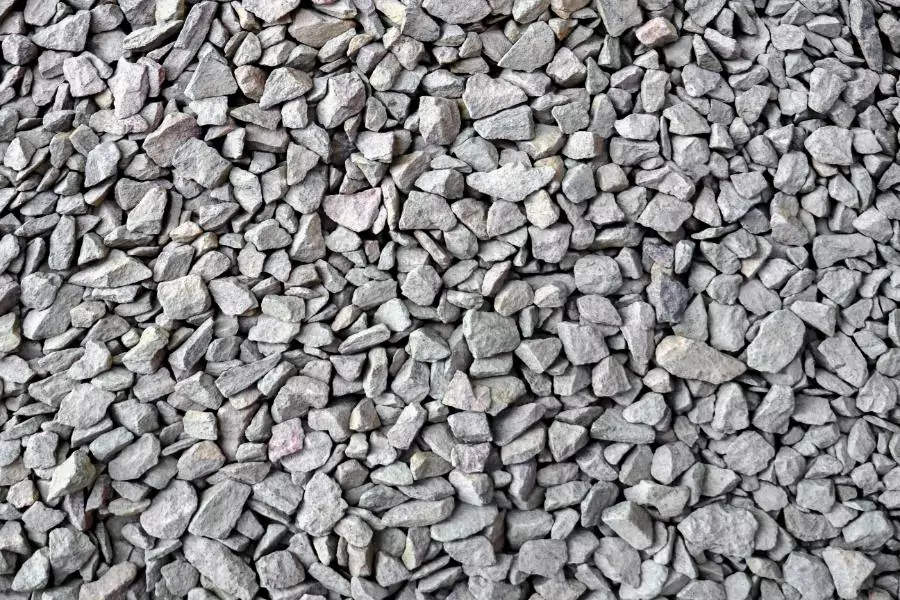
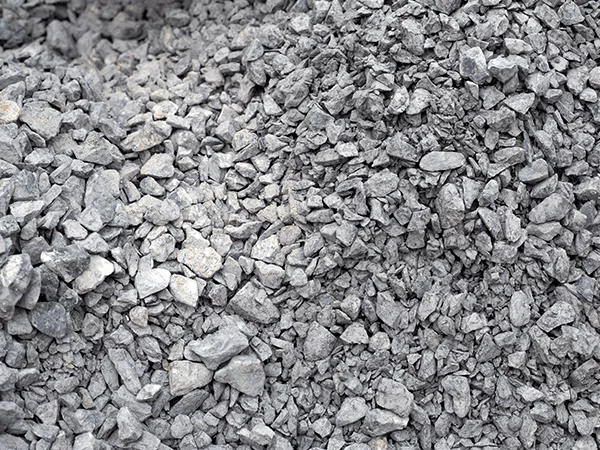


Gravel Monkey is your trusted source for premium gravel and aggregate delivery in Virginia, Minnesota. Whether you're upgrading a driveway near Silver Lake or creating drainage solutions in the Northside neighborhood, we deliver high-quality aggregates directly to your property - absolutely free. As a leading Virginia gravel supplier, we understand the unique challenges of building and landscaping in the Iron Range, from dealing with clay-rich soils to managing heavy spring runoff and extreme winter conditions that demand durable, properly compacted materials.
Complete Range of Aggregates & Materials in Virginia, MN
Our extensive inventory serves residential and commercial projects throughout Virginia and the surrounding Iron Range communities. From Gravel Monkey, you'll receive professional-grade aggregates suitable for Minnesota's challenging climate:
- Driveway Gravel - Premium base material engineered for durability through freeze-thaw cycles
- 3/4 inch Crushed Stone - Versatile aggregate ideal for driveways, foundations, and drainage applications
- #57 Stone - Clean crushed stone perfect for French drains and concrete mixing
- Crusher Run - Superior compactable material for stable road bases and parking areas
- Road Base - Heavy-duty foundation material for driveways and access roads
- Pea Gravel - Smooth rounded stones for landscaping and decorative applications
- River Rock - Natural aesthetic appeal for gardens and water features
- Walkway Gravel - Comfortable walking surface for paths and garden trails
- Drain Rock - Angular aggregate designed for optimal water flow in drainage systems
- Crushed Concrete - Eco-friendly recycled material for base layers and utility areas
- Topsoil - Nutrient-rich soil for lawns, gardens, and planting beds
- Fill Dirt - Essential for grading, leveling, and filling low areas
- Mason Sand - Fine-grade sand for mortar mixing and paver installation
- Playground Sand - Clean, safe sand for children's play areas
- Washed Sand - Cleaned sand for concrete applications and landscaping
- Decomposed Granite - Natural pathway material that compacts beautifully
Building with Virginia's Climate & Geology in Mind
Virginia sits in the heart of Minnesota's Iron Range, where the unique geology and harsh climate demand specific considerations for any aggregate project. The area's iron-rich soil, combined with the Laurentian Divide's influence on drainage patterns, creates challenges that proper material selection can overcome.
Understanding Virginia's Soil Composition
The Virginia area features predominantly clay-based soils mixed with the region's signature iron deposits. This clay-rich composition retains significant moisture, particularly during spring thaw when snowmelt and April's average 2.5 inches of rainfall saturate the ground. Properties throughout the Parkville and Olcott Park neighborhoods commonly experience poor natural drainage, making proper aggregate selection critical for long-lasting driveways and foundations.
The bedrock beneath Virginia consists primarily of the Biwabik Iron Formation, which contributes to the area's mineral-heavy soil. While this geology built the region's mining heritage, it creates compaction challenges for modern construction. Aggregates must provide adequate drainage while achieving solid compaction despite the underlying clay layers. Our crusher run and road base materials address these specific geological conditions effectively.
Managing Virginia's Extreme Temperature Swings
Virginia experiences some of Minnesota's most dramatic seasonal temperature variations. Winter lows frequently plunge below -30°F, while summer highs reach into the 80s - a range exceeding 110 degrees. These extreme swings create relentless freeze-thaw cycles that test every driveway, foundation, and drainage system.
The frost line in Virginia extends approximately 60 inches deep, requiring proper aggregate depth and drainage to prevent frost heave. Properties near Silver Lake and throughout the Northside area particularly benefit from well-draining base materials that allow moisture to escape before freezing. Without proper drainage, expanding ice lifts and cracks driveways, creating the buckled surfaces common in poorly constructed projects.
Virginia receives approximately 27 inches of precipitation annually, with significant snowfall averaging 65 inches per winter. Spring melt creates the year's most challenging drainage period, when frozen ground prevents absorption while surface water seeks any available pathway. Aggregates for Virginia must handle this moisture load while maintaining structural integrity through repeated freeze-thaw cycles.
Aggregate Delivery Throughout Virginia's Neighborhoods
We provide free delivery to every corner of Virginia and surrounding Iron Range communities. Our service area includes:
Core Virginia Areas: Downtown Virginia, Northside, Southside, Parkville, Olcott Park, and the neighborhoods surrounding Silver Lake. We regularly deliver to properties along Chestnut Street, throughout the areas near Roosevelt Elementary, and to homes in both established and developing sections of the city.
Nearby Communities: We extend free delivery to Mountain Iron, Gilbert, Eveleth, and other Iron Range towns within our service radius. Whether your project is on a quiet residential street in Virginia or a commercial property along Highway 53, Gravel Monkey ensures prompt delivery of quality aggregates.
Properties near Bailey's Lake, Pike River, and throughout the Virginia municipal forest areas receive the same professional service and premium materials as downtown locations. Our drivers navigate Virginia's street network efficiently, delivering aggregates exactly where you need them.
Choosing the Right Aggregates for Your Virginia Project
Different projects throughout Virginia require specific aggregate types. Understanding which material suits your application ensures optimal performance and longevity in the Iron Range climate.
Driveway Materials for Virginia's Conditions
Virginia driveways endure punishing conditions - from January's bitter cold to summer's heat and constant moisture exposure during spring thaw. The right aggregate foundation determines whether your driveway lasts five years or fifty.
For residential driveways in neighborhoods like Parkville or Olcott Park, we recommend starting with a 4-6 inch base layer of crusher run or road base. These materials contain a mix of stone sizes that lock together when compacted, creating exceptional stability. The finer particles fill gaps between larger stones, preventing shifting even during spring thaw when clay soils beneath become saturated.
The finish layer depends on your preferences and budget. Many Virginia homeowners choose three-quarter inch crushed stone for its clean appearance and excellent drainage properties. This size provides a comfortable driving surface while allowing water to percolate through rather than pooling on the surface. Properties with steep grades particularly benefit from angular crushed stone, which resists washing better than rounded materials during heavy rainstorms.
Foundation and Drainage Applications
Virginia's clay-rich soils make proper foundation drainage absolutely critical. Without adequate drainage, moisture accumulates against foundation walls during spring thaw, creating hydrostatic pressure that can crack even properly poured concrete. The freeze-thaw cycles then exploit these weaknesses, causing progressive damage.
Number 57 stone excels in drainage applications around Virginia foundations. Its clean, uniform size creates consistent voids that allow water to flow freely to drain tiles or away from the structure. When installed behind foundation walls or in French drain systems, this aggregate prevents moisture accumulation while maintaining long-term stability. Properties throughout the Northside area, where groundwater tables sit relatively high, especially benefit from professionally designed drainage systems using proper aggregates.
Drain rock provides another excellent option for specific drainage scenarios. Its angular shape prevents excessive settling while creating interconnected voids that channel water efficiently. We've supplied drain rock for numerous projects around Silver Lake where seasonal water table fluctuations demand reliable drainage year after year.
Landscaping Aggregates
Virginia's short growing season makes every landscaping choice important. Decorative aggregates provide year-round visual appeal while reducing maintenance compared to traditional lawns or annual plantings.
River rock creates stunning contrast in garden beds throughout Virginia properties. Available in various sizes, these naturally rounded stones highlight plantings while suppressing weeds and retaining soil moisture during hot summer weeks. Many Virginia homeowners use river rock around the base of mature trees, where grass struggles in dense shade, or as borders along foundation plantings.
Pea gravel offers versatility for multiple landscape applications. Its small size and smooth texture create comfortable walking surfaces for garden paths, while providing excellent drainage. We've delivered pea gravel for projects ranging from decorative bed topping in Southside gardens to practical dog runs that drain quickly after rain. The light color of pea gravel also helps brighten shaded areas common in Virginia's heavily wooded neighborhoods.
Decomposed granite provides a more formal pathway option that compacts into a relatively firm surface. While less common in northern Minnesota than warmer regions, decomposed granite works well for Virginia gardens where a stable, natural-looking path complements the landscape design. It performs best in areas with good drainage and protection from heavy spring runoff.
Virginia Aggregate Comparison Guide
This comparison helps Virginia property owners select appropriate aggregates based on specific project requirements and local conditions:
| Aggregate Type | Best Applications | Compaction | Drainage Performance | Virginia Suitability |
|---|---|---|---|---|
| Crusher Run | Driveway base, parking areas, roads | Excellent | Good | Ideal for clay soils |
| 3/4" Crushed Stone | Driveway surface, foundations | Very Good | Excellent | Perfect for freeze-thaw |
| #57 Stone | Drainage systems, concrete mix | Good | Excellent | Foundation drainage |
| Road Base | Heavy traffic areas, stable base | Excellent | Good | Commercial applications |
| Drain Rock | French drains, foundation perimeter | Moderate | Superior | High water table areas |
| Pea Gravel | Landscaping, walkways, decorative | Poor | Excellent | Garden applications |
| River Rock | Decorative beds, erosion control | Poor | Very Good | Ornamental use |
| Crushed Concrete | Utility areas, budget base layer | Very Good | Good | Cost-effective projects |
Professional Installation Tips for Virginia Aggregates
Proper installation makes the difference between an aggregate surface that lasts decades and one that fails within years. Virginia's climate demands attention to detail during every installation phase.
Site Preparation and Excavation
Successful aggregate projects begin with proper excavation. For driveways, remove all organic material including topsoil, roots, and vegetation. These materials decompose over time, creating voids that lead to settling and surface irregularities. Throughout Virginia, where forest vegetation grows vigorously, thorough site clearing prevents future problems.
Excavate to a depth that accommodates both base and surface layers while accounting for compaction. A typical Virginia driveway requires 8-10 inches of total depth - 4-6 inches for base material and 3-4 inches for the surface layer. The high clay content in local soils means compaction reduces aggregate depth by 15-20%, so calculate accordingly.
Grade the excavated area to promote drainage. Even slight slopes away from structures prevent water accumulation. In flat areas common around Silver Lake, creating drainage pathways becomes especially important. Water that cannot drain naturally during spring thaw will freeze in place, causing frost heave damage.
Base Layer Installation
The base layer provides structural support for everything above it. Install crusher run or road base in 3-inch lifts, compacting each thoroughly before adding the next. Renting a plate compactor for residential projects or using a larger roller for commercial applications ensures proper compaction.
Compaction transforms loose aggregate into a stable, load-bearing surface. Each pass of the compactor locks stones together, squeezing out air pockets and creating a solid foundation. Inadequate compaction causes settling, leading to the wavy, uneven driveways visible on some Virginia properties where corners were cut during installation.
Surface Layer Considerations
After compacting the base layer, install your chosen surface aggregate. Three-quarter inch crushed stone provides excellent results for most Virginia driveways. Spread it evenly at the planned depth, then compact thoroughly. Multiple passes ensure maximum density and stability.
For areas expecting heavy traffic or equipment loads, consider increasing surface layer thickness. Commercial properties or residential driveways accommodating RVs benefit from additional depth. The marginal cost of extra material is negligible compared to premature failure and reconstruction expenses.
Edge Restraints and Borders
While often overlooked, proper edge restraint extends aggregate surface life significantly. Crushed stone gradually migrates outward from traffic and weathering. Installing treated timber, steel edging, or poured concrete borders contains aggregate within the intended area.
Throughout Virginia's established neighborhoods like Parkville, many older driveways lack proper edging, resulting in thin edges that deteriorate rapidly. Modern installations should include edge restraints from the start, preventing this common problem.
Seasonal Factors for Virginia Aggregate Projects
Timing affects aggregate project success in Virginia's extreme climate. Understanding seasonal advantages and challenges helps property owners plan effectively.
Summer Installation Benefits
Summer provides ideal conditions for aggregate projects in Virginia. Dry weather allows thorough compaction without moisture interference. Ground that has fully thawed remains stable during construction, and equipment operates efficiently on firm surfaces. June through August offers the most reliable weather window, though July's occasional heavy thunderstorms may cause brief delays.
Summer installation allows new driveways to settle and stabilize through fall before facing winter's challenges. This settling period helps identify and address any areas needing additional aggregate before freeze-thaw cycles begin.
Fall Project Considerations
Fall remains viable for aggregate projects but requires monitoring weather forecasts carefully. September typically provides excellent conditions similar to summer. October brings increasing precipitation and cooling temperatures that can complicate installation. Any project started in late fall should be completed before ground freezing begins, typically late October or early November in Virginia.
Fall projects must account for leaf fall, especially on wooded properties common throughout Virginia. Leaves incorporated into aggregate surfaces decompose, creating maintenance issues. Keep work areas clear of organic debris during installation.
Spring and Winter Limitations
Spring presents challenges despite the appeal of starting projects as weather warms. Ground saturation from snowmelt prevents adequate compaction, and unstable soil conditions make site preparation difficult. Most Virginia aggregate projects should wait until late May or June when ground has dried sufficiently.
Winter installation is generally impractical in Virginia. Frozen ground prevents excavation, compaction equipment functions poorly in extreme cold, and moisture in aggregates can freeze before proper compaction occurs. Emergency repairs remain possible, but planned projects should wait for suitable conditions.
Commercial & Municipal Aggregate Applications
Virginia's commercial sector requires aggregates that perform reliably under demanding conditions. Gravel Monkey supplies projects ranging from industrial facilities to municipal infrastructure throughout the Iron Range.
Industrial and Mining Operations
Virginia's heritage as an Iron Range mining center continues today with active operations requiring substantial aggregate supplies. Mine access roads, equipment staging areas, and processing facility yards demand materials that handle extreme loads while maintaining stability year-round.
Road base and crusher run provide the durability industrial applications require. These materials compact into dense surfaces resistant to rutting even under loaded haul trucks. Many Virginia-area mines use recycled crushed concrete for interior roads and parking areas, providing cost-effective solutions for secondary access routes while supporting sustainable practices.
Commercial Property Development
New commercial construction in Virginia requires aggregates for multiple applications - from parking lots to foundation drainage. Building codes mandate proper foundation drainage, making clean stone around perimeters essential. Commercial parking lots benefit from substantial base layers that prevent settling under constant traffic.
Properties along Highway 53 and throughout Virginia's commercial district need professionally installed aggregate bases to meet both aesthetic and functional requirements. Proper installation prevents the drainage issues and premature deterioration that creates liability concerns and maintenance expenses.
Municipal Projects
Public works departments in Virginia and surrounding communities rely on quality aggregates for road maintenance, park development, and infrastructure projects. Municipal applications must balance budget constraints with long-term durability, making material selection crucial.
We've supplied aggregates for projects throughout Virginia's park system, providing materials for trail development, parking area construction, and recreation facility improvements. Public projects demonstrate the importance of proper specification and installation - work that serves the community for decades when done correctly.
Sustainable Practices and Environmental Considerations
Virginia property owners increasingly prioritize environmental responsibility alongside functionality. Aggregate selection and installation practices significantly impact both local ecology and long-term sustainability.
Recycled Aggregates
Crushed concrete represents Virginia's most common recycled aggregate option. This material diverts concrete demolition waste from landfills while providing functional aggregate at reduced cost. For utility areas, storage yards, and base layers beneath other materials, crushed concrete performs admirably while supporting waste reduction.
The environmental benefits extend beyond waste diversion. Producing recycled concrete requires less energy than quarrying and processing virgin stone. Transportation impacts decrease when recycled materials come from local sources. While not suitable for every application, crushed concrete deserves consideration for appropriate Virginia projects.
Permeable Surfaces
Virginia's heavy spring runoff creates stormwater management challenges that proper aggregate selection can help address. Permeable surfaces allow precipitation to infiltrate rather than running off into storm sewers or causing erosion.
Driveways constructed with clean crushed stone over well-draining base layers filter stormwater naturally while recharging groundwater. This approach particularly benefits properties near Silver Lake and other sensitive water bodies where runoff quality matters. Compared to impermeable asphalt or concrete, properly designed aggregate surfaces reduce environmental impact while providing long-term functionality.
Erosion Control
Virginia's topography includes slopes where erosion threatens both property and water quality. Larger river rock and angular stone effectively armor slopes against erosion while maintaining natural aesthetics. Properties throughout areas with grade changes benefit from strategic aggregate placement that controls runoff velocity and prevents soil loss.
Properly installed aggregates around downspouts and along drainage swales dissipate water energy, preventing the channelized erosion that creates gullies during heavy precipitation. These functional applications protect both property value and downstream water quality.
Maintaining Your Virginia Aggregate Surfaces
Well-maintained aggregate surfaces provide decades of service throughout Virginia's challenging climate. Regular attention prevents minor issues from becoming expensive problems.
Routine Maintenance Tasks
Aggregate driveways require occasional raking to redistribute material that traffic pushes aside. High-traffic areas and turning zones particularly develop thin spots needing periodic attention. A landscape rake quickly smooths surfaces and fills developing ruts before they worsen.
Spring cleanup should include removing accumulated winter sand and salt that washing from nearby roads deposits on driveways. This material can clog drainage voids between stones, reducing permeability. A vigorous raking or power washing restores proper drainage characteristics.
Keep edges defined by trimming encroaching grass and weeds. Vegetation growing into aggregate surfaces eventually breaks down material and creates uneven edges. Regular edge maintenance preserves clean lines and prevents aggregate migration into adjacent lawn areas.
Addressing Common Problems
Potholes and depressions sometimes develop even in properly installed surfaces, often from underlying soil settlement. Address these promptly by excavating the affected area, compacting exposed base material, and refilling with matching aggregate. Small repairs prevent larger failures that require complete reconstruction.
Washouts occur during intense rainfall, particularly on sloped driveways. Installing speed bumps or water bars across slopes slows runoff and prevents erosion. Strategic placement of larger stone creates disruption points that dissipate water energy naturally.
Adding Fresh Aggregate
Even well-maintained surfaces gradually lose material through tracking, washing, and embedding into underlying layers. Plan to add a thin surface layer every 3-5 years to maintain optimal depth and appearance. This periodic refresh costs far less than major reconstruction while extending service life indefinitely.
When adding aggregate, lightly rake existing surface first to loosen compacted material and improve bonding with the new layer. Spread fresh aggregate evenly, then compact thoroughly. This maintenance approach keeps Virginia driveways functioning and looking excellent decade after decade.
Frequently Asked Questions About Gravel in Virginia, Minnesota
For Virginia's climate with extreme freeze-thaw cycles and clay soils, we recommend a base of crusher run or road base topped with three-quarter inch crushed stone. This combination provides excellent drainage while maintaining stability through temperature extremes. The base layer compacts densely over clay soils, while the surface layer allows water drainage that prevents frost heave during our harsh winters.
Plan for 8-10 inches total depth for residential driveways in Virginia - approximately 4-6 inches of compacted base material and 3-4 inches of surface aggregate. The clay-rich soils common throughout the Iron Range require adequate depth to distribute loads and prevent settling. Commercial applications or areas with heavy equipment may need 12-14 inches total depth for long-term performance.
Summer months from June through August provide ideal conditions for aggregate installation in Virginia. Ground has fully thawed and dried, allowing proper compaction. Early fall through September also works well. Avoid spring installation when ground saturation from snowmelt prevents adequate compaction. Winter installation is impractical due to frozen ground and equipment limitations.
Yes, we provide free delivery throughout the Iron Range including Virginia, Eveleth, Gilbert, Mountain Iron, and surrounding communities. Our service area covers all of greater Virginia and nearby towns. Whether your project is in downtown Virginia or a rural property outside city limits, we deliver quality aggregates directly to your site.
Number 57 stone and drain rock provide excellent drainage performance for foundation systems and French drains in Virginia. The clean, uniform sizing creates consistent voids that allow water to flow freely while maintaining structural stability. These materials work particularly well in areas with high water tables or poor natural drainage common throughout the Iron Range.
While possible, installing directly on clay produces poor results. Virginia's clay soils retain moisture and shift with freeze-thaw cycles. For lasting performance, excavate clay to proper depth and install a geotextile fabric barrier, then add aggregate base layers. This prevents clay from migrating upward into aggregate while providing stable foundation for compaction. Proper preparation costs more initially but prevents premature failure.
Gravel Monkey provides FREE delivery throughout Virginia and the Iron Range area. You pay only for materials - delivery is included at no additional charge. This makes budgeting simple and ensures you receive professional-grade aggregates without surprise delivery fees.
Both are excellent base materials for Virginia projects. Crusher run contains a mix of stone sizes from dust to three-quarter inch that compacts very densely. Road base typically contains slightly larger stone with angular shapes that also compact well. Both work excellently in Virginia's clay soils, providing stable foundations that handle freeze-thaw cycles. The choice often depends on availability and specific project requirements.
Professional Aggregate Delivery to Virginia, Minnesota
Whether you're building a new driveway near Olcott Park, improving drainage in Southside, or developing commercial property along Highway 53, Gravel Monkey delivers the premium aggregates your Virginia project demands. Our comprehensive inventory includes everything from base materials engineered for the Iron Range's challenging soils to decorative river rock that enhances landscape aesthetics.
Virginia's unique position in Minnesota's Iron Range creates specific requirements that generic aggregate solutions cannot address. We understand local soil conditions, climate challenges, and installation practices that produce lasting results. Every delivery comes with the expertise and quality materials your project deserves.
Free delivery throughout Virginia, Eveleth, Gilbert, Mountain Iron, and surrounding communities means professional-grade aggregates arrive at your property ready for installation. No delivery fees, no minimum orders, no surprises - just quality materials delivered promptly by knowledgeable professionals who understand northern Minnesota construction.

Need help? Reach out for a quote: