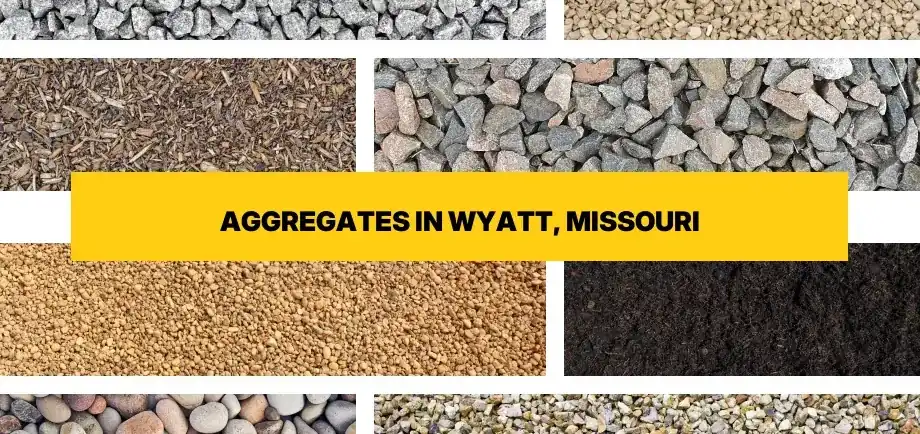
Shop Bulk Materials & Gravel in Wyatt, Missouri
Local Topsoil, Dirt, Sand, Rocks and Gravel near me in Wyatt, Missouri
Shop Aggregates for Delivery in Wyatt
Order online for free delivery to any Wyatt address.
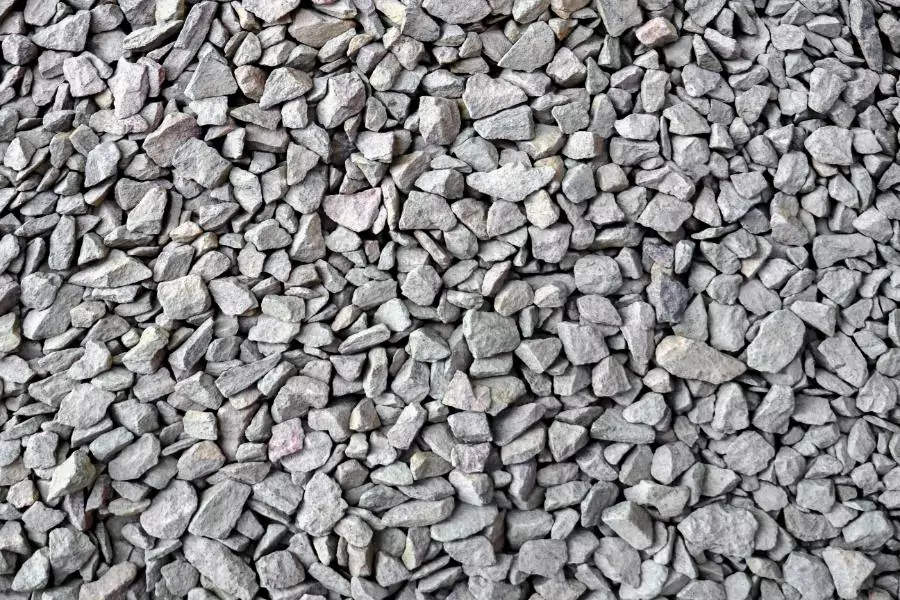
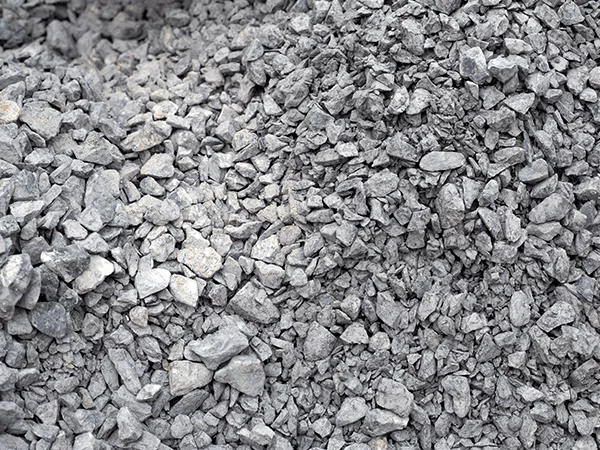


Gravel Monkey serves Wyatt, Missouri with premium aggregates and landscaping materials delivered directly to your property at no charge. Located in the heart of Mississippi County in Missouri's fertile Bootheel region, Wyatt presents unique challenges for property owners managing the area's distinctive clay soils and seasonal water drainage needs. Whether you're building a driveway on County Road 611, upgrading farm access roads near the Mississippi River floodplain, or creating outdoor spaces throughout this agricultural community, our high-quality aggregates provide the foundation for successful projects across Wyatt and surrounding areas including Charleston, East Prairie, and Anniston.
Complete Aggregate Selection for Wyatt Properties
Understanding the specific soil conditions and climate patterns of southeastern Missouri, we supply aggregates engineered to perform in Wyatt's environment. The region's heavy clay content, proximity to the Mississippi River, and seasonal precipitation require materials that provide excellent drainage while maintaining stability during wet periods.
Our comprehensive selection includes:
- Driveway Gravel - Durable aggregate base perfect for Wyatt's rural roads and farm driveways
- 3/4 Inch Crushed Stone - Versatile stone for foundations, drainage systems, and construction projects
- #57 Stone - Premium aggregate for drainage applications and concrete work
- Crusher Run - Compactable base material ideal for driveways and parking areas
- Road Base - Professional-grade foundation for access roads and permanent surfaces
- Drain Rock - Angular stone engineered for superior water management
- Pea Gravel - Smooth decorative stone for pathways and garden beds
- River Rock - Natural aesthetic aggregate for landscaping features
- Walkway Gravel - Comfortable surface material for paths and outdoor spaces
- Crushed Concrete - Eco-friendly recycled aggregate for farm roads and base layers
- Decomposed Granite - Natural stone fines for permeable pathways
- Topsoil - Rich growing medium for gardens and agricultural applications
- Fill Dirt - Essential for grading, leveling, and site preparation
- Mason Sand - Fine sand for masonry, concrete, and construction
- Playground Sand - Clean, safe sand for children's play areas
- Washed Sand - Premium clean sand for multiple applications
Wyatt's Soil Conditions & Climate Considerations
Wyatt sits in the Mississippi River alluvial plain, where centuries of river deposits have created the characteristic heavy clay soils that define Missouri's Bootheel region. This Sharkey-Commerce soil association presents specific challenges that every property owner should understand when planning construction or landscaping projects.
The area's clay content expands significantly when wet and contracts during dry periods, causing heaving and settlement issues for improperly prepared surfaces. Annual rainfall averaging 48 inches, concentrated heavily in spring months, means drainage planning is critical for any aggregate installation. Properties near the Mississippi River or in lower-lying areas around Charleston experience seasonal water table fluctuations that demand proper base preparation.
Aggregate Solutions for Mississippi County Soils
Working with Wyatt's distinctive soil requires strategic material selection. The expansive clay needs adequate drainage layers to prevent moisture accumulation beneath driveways and foundations. Our angular aggregates create interlocking structures that resist displacement while allowing water to percolate through rather than pooling on the surface.
Winter temperatures in Wyatt rarely create the severe freeze-thaw cycles seen in northern Missouri, but the area does experience periodic freezing that can affect poorly constructed aggregate bases. Proper depth and compaction of base materials prevents frost heaving while maintaining stability during the humid summer months when temperatures regularly exceed 90 degrees.
Agricultural & Rural Applications Throughout Wyatt
As a community rooted in agriculture, Wyatt properties often require specialized aggregate solutions that go beyond typical residential applications. Farm operations need durable access roads that withstand heavy equipment traffic while managing seasonal water challenges common to the floodplain region.
Farm Road Construction
Agricultural roads serving Wyatt's farming operations demand aggregates that maintain stability under loaded grain trucks and farm equipment. A proper farm road starts with adequate site preparation, removing organic topsoil before laying the base course. We recommend beginning with geotextile fabric over prepared subgrade, particularly in areas with softer clay soils near drainage ditches or low-lying fields.
The base layer typically consists of larger aggregates compacted to 6-8 inches depth, creating a stable platform that distributes weight and resists rutting. Top dressing with finer aggregates provides a smooth surface while filling gaps in the base layer. This multi-layer approach proves essential for roads serving properties along Highway 80 or County Road 611 where seasonal traffic includes harvest equipment and grain haulers.
Equipment Pads and Storage Areas
Farm equipment storage areas around Wyatt need level, well-drained surfaces that prevent machinery from sinking into soft ground during wet periods. Proper aggregate pads begin with excavation to remove unsuitable material, installation of drainage features if needed, and systematic layering of compacted aggregates. The angular nature of crushed stone provides superior performance compared to rounded materials, creating an interlocking matrix that resists spreading under concentrated loads.
Managing Water Drainage in Mississippi County
Effective drainage is absolutely critical for any aggregate installation in Wyatt. The combination of heavy clay soils, flat topography, and substantial rainfall creates conditions where proper water management makes the difference between successful projects and recurring maintenance headaches.
French Drain Systems
Many Wyatt properties benefit from French drain installations to redirect subsurface water away from structures and driveways. These systems work by creating preferential flow paths for water through aggregate-filled trenches. Angular drain stone provides the void space necessary for water collection while maintaining structural integrity under soil pressure.
Proper French drain construction requires attention to slope, outlet location, and aggregate selection. The drain must pitch continuously toward its outlet, typically at minimum 1% grade. Wrapping the aggregate in geotextile fabric prevents fine clay particles from migrating into the stone and reducing permeability over time. Properties near the Mississippi River floodplain or in low areas around Charleston may need multiple drain systems to effectively manage groundwater.
Surface Drainage Features
Above-ground water management proves equally important in Wyatt's flat terrain. Driveways and parking areas need proper crown or cross-slope to shed water to edges where it can be directed to appropriate drainage features. Roadside swales along farm access roads collect runoff and convey it to natural drainage ways or retention areas.
Strategic placement of aggregate in low spots prevents standing water while providing stable surfaces for vehicle traffic. The key is ensuring water has a path to move away from trafficked areas rather than pooling and saturating base materials. This becomes especially important during spring months when intense rainfall events can deliver several inches of precipitation in short periods.
Choosing the Right Aggregate for Your Wyatt Project
With multiple aggregate types available, understanding the specific characteristics and best applications of each material helps ensure project success. The following comparison outlines key considerations for common aggregate types used throughout Mississippi County:
| Aggregate Type | Best Applications | Drainage Performance | Compaction Characteristics |
|---|---|---|---|
| Driveway Gravel | Residential driveways, farm roads | Excellent | Good compaction with angular particles |
| 3/4 Inch Crushed Stone | Foundation drainage, French drains | Excellent | Moderate - maintains void space |
| #57 Stone | Drainage systems, concrete aggregate | Superior | Minimal - designed for drainage |
| Crusher Run | Driveway base, parking areas | Moderate | Excellent - binds tightly |
| Road Base | Heavy traffic roads, permanent surfaces | Good | Superior - engineered compaction |
| Drain Rock | Subsurface drainage, septic fields | Superior | Minimal - preserves flow channels |
| Pea Gravel | Landscaping, decorative pathways | Good | Poor - rounded shape resists binding |
| Crushed Concrete | Farm roads, economical base layers | Good | Good - similar to crushed stone |
Professional Installation Practices for Wyatt Properties
Successful aggregate installations require more than simply spreading stone over existing ground. The following guidelines reflect best practices for Mississippi County soil conditions and climate patterns.
Site Preparation Fundamentals
Every quality aggregate installation begins with proper site preparation. Remove organic topsoil, vegetation, and unsuitable materials from the work area. In Wyatt's clay soils, excavation depth depends on the application - driveways typically need 8-12 inches of aggregate depth while parking areas for heavy equipment may require 16-18 inches or more.
Grade the prepared subgrade to ensure positive drainage away from structures and toward designated drainage features. Even small variations in grade make significant differences in long-term performance. Properties with high clay content benefit from geotextile fabric between subgrade and aggregate, preventing soil migration while allowing drainage.
Layering and Compaction
Install aggregates in lifts of 4-6 inches maximum thickness, compacting each layer before adding the next. Proper compaction requires mechanical equipment - hand tamping proves inadequate for anything beyond small walkways. Plate compactors work well for residential applications while larger vibratory rollers suit farm roads and commercial projects.
Pay special attention to edges and perimeters where loss of confinement allows aggregate to spread. Edge restraints, whether concrete curbing, timber borders, or simply deeper aggregate depth at edges, help maintain shape and prevent material loss over time. This proves particularly important in areas experiencing regular freeze-thaw cycles or heavy equipment traffic.
Surface Layer Selection
The final surface layer determines both functionality and appearance of the finished project. For driveways and roads, we recommend finer aggregates that compact tightly while still providing traction. The surface should crown slightly for drainage while maintaining comfortable driving characteristics.
Decorative applications like walkways or garden paths allow more freedom in material selection. Natural materials like pea gravel provide attractive appearance and comfortable walking surfaces, though they require edging to prevent spreading. Regular maintenance including periodic addition of new material maintains appearance and function over years of use.
Serving Properties Throughout Wyatt and Mississippi County
Gravel Monkey proudly serves residential, agricultural, and commercial properties throughout Wyatt and the surrounding Mississippi County region. Our delivery area includes properties along major routes and throughout the rural areas that define this agricultural community.
Highway 80 Corridor
Properties along Highway 80 benefit from our convenient delivery service, whether you're upgrading a residential driveway or maintaining farm access roads. The corridor's mix of homes, agricultural operations, and small businesses presents diverse aggregate needs that our comprehensive product selection addresses effectively.
County Road 611 Area
This primarily agricultural area sees regular deliveries of aggregates for farm roads, equipment pads, and drainage projects. The heavy clay soils common throughout this region make proper base preparation and aggregate selection especially important for long-term performance.
Near Charleston
Properties in and around the county seat of Charleston access our full range of materials for municipal projects, residential improvements, and commercial developments. The area's slightly higher density means more frequent decorative stone applications alongside traditional construction aggregates.
East Prairie Vicinity
Serving properties near East Prairie allows us to support both residential customers and agricultural operations throughout this productive farming region. Seasonal aggregate needs for farm roads and field access keep us busy during spring planting and fall harvest periods.
Mississippi River Floodplain
Properties in lower-lying areas near the Mississippi River face unique drainage challenges that our specialized aggregates address effectively. French drain installations, driveway elevation projects, and surface water management systems help property owners manage seasonal water issues.
Anniston Area
This rural community benefits from our farm-focused aggregate solutions including heavy-duty road base for equipment traffic and drainage stone for field management. The area's agricultural character means most projects involve substantial quantities suitable for our efficient bulk delivery.
Timing Your Aggregate Project in Missouri's Climate
Wyatt's humid subtropical climate influences optimal timing for aggregate installations. Understanding seasonal weather patterns helps ensure successful project completion and long-term performance.
Spring Considerations
Spring in Mississippi County brings the year's heaviest rainfall, with March through May typically seeing 4-5 inches monthly. While the moderate temperatures make spring attractive for outdoor projects, soil saturation can complicate installation. Wait for soil to dry adequately before beginning excavation and base preparation. Working in wet conditions leads to poor compaction, mixing of clay into aggregate, and unsatisfactory long-term results.
Summer Installation Window
Late spring through early fall provides the most reliable weather window for aggregate projects in Wyatt. Soil typically dries sufficiently by late May, and summer's heat helps with compaction and settling. However, July and August temperatures regularly exceed 90 degrees with high humidity, making outdoor work physically demanding. Plan major projects for morning hours to avoid peak afternoon heat.
Fall Project Planning
September through early November offers excellent conditions for aggregate installations around Wyatt. Cooler temperatures make outdoor work more comfortable while soil remains dry enough for proper compaction. Many agricultural customers schedule farm road improvements after harvest, taking advantage of lower field traffic and available time before winter weather arrives.
Winter Limitations
While Wyatt experiences milder winters than northern Missouri, periodic freezing and wet conditions make December through February challenging for new installations. Emergency repairs and farm road maintenance continue year-round, but major projects benefit from waiting until spring ground thaw and drying.
Maintaining Your Aggregate Surfaces
Proper maintenance extends the life and performance of aggregate installations throughout Mississippi County. Understanding basic maintenance needs helps property owners protect their investment and maintain optimal function.
Regular Surface Maintenance
Aggregate driveways and roads benefit from periodic regrading to maintain proper crown and fill low spots where material has displaced. Spring typically reveals areas needing attention after winter weather, while fall provides opportunity to prepare surfaces before winter. A box blade or landscape rake pulled behind a tractor efficiently redistributes aggregate and restores proper grade.
Add fresh material as needed to replace aggregate lost to displacement, embedment into subgrade, or normal degradation. Most driveways benefit from 1-2 tons of additional material every 2-3 years, though high-traffic areas may need more frequent attention. Weed control prevents vegetation from colonizing aggregate surfaces, which displaces material and reduces drainage capacity.
Drainage System Maintenance
French drains and surface drainage features require occasional inspection and maintenance to ensure continued function. Check outlets for blockage from vegetation or sediment, and verify that water flows freely through the system during rainfall. Surface swales may need periodic reshaping where erosion has altered intended grades.
Properties near the Mississippi River or in areas with high seasonal water tables should inspect drainage systems before spring rains arrive. Addressing minor maintenance needs early prevents major problems during peak water flow periods.
Addressing Common Issues
Ruts from vehicle traffic respond well to raking and addition of fresh aggregate. Deep ruts indicate inadequate base depth or poor drainage - address underlying causes rather than simply filling depressions repeatedly. Spreading or loss of material at edges suggests need for better edge restraint or increased depth at perimeters.
Washouts during heavy rain indicate insufficient surface drainage. Improve crown or cross-slope to direct water to edges, and ensure adequate capacity for water conveyance away from trafficked areas. The intense rainfall events common in Wyatt can overwhelm undersized drainage features, leading to surface damage that proper sizing prevents.
Frequently Asked Questions About Aggregates in Wyatt, Missouri
For Wyatt's heavy clay soils, we recommend crusher run or road base for the foundation layer, topped with angular driveway gravel for the surface. This combination provides excellent drainage while creating a stable surface that resists rutting during wet periods. The angular particles lock together better than rounded stone, which is critical in clay soil conditions.
Farm roads serving equipment and loaded trucks typically need 12-16 inches of compacted aggregate depth, installed in layers over geotextile fabric. Roads with lighter traffic can use 8-10 inches. The heavy clay soils around Wyatt require this additional depth to prevent aggregate from embedding into soft subgrade during wet weather.
Late spring through fall offers the best conditions for aggregate installation in Wyatt. Specifically, late May through October provides dry soil conditions and comfortable working temperatures. Avoid installation during spring's heavy rainfall or when soil moisture is high, as this leads to poor compaction and mixing of clay into the aggregate.
Geotextile fabric is highly recommended for driveways and roads in Wyatt due to the area's clay-heavy soils. The fabric prevents clay from migrating up into the aggregate while allowing water to drain downward. This significantly extends the life of your aggregate installation and reduces maintenance needs over time.
Gravel Monkey provides FREE delivery to Wyatt and throughout Mississippi County! You pay only for the materials themselves, with no delivery charges added. This makes bulk aggregate delivery more economical than purchasing bagged materials from retail stores.
For drainage applications in Wyatt's clay soils, #57 stone or drain rock works best. These larger aggregates create substantial void space for water flow while the angular shapes prevent excessive settling. The open structure allows water to move freely through the stone rather than pooling at the surface.
Many property owners successfully install aggregates themselves for driveways and walkways. However, proper site preparation, appropriate depth, and mechanical compaction are essential for good results. Large projects like farm roads or commercial parking areas often benefit from professional installation to ensure adequate base preparation and proper compaction in Wyatt's challenging soil conditions.
Calculate the area in square feet (length times width), then multiply by depth in feet. Divide by 27 to convert cubic feet to cubic yards. For example, a 12-foot by 50-foot driveway with 6-inch depth: 12 x 50 x 0.5 = 300 cubic feet ÷ 27 = 11.1 cubic yards. Contact us for help with calculations specific to your project.
Professional Aggregate Delivery Serving All of Wyatt
Gravel Monkey delivers premium aggregates throughout Wyatt, Missouri and surrounding Mississippi County communities. Our commitment to quality materials, reliable delivery, and customer service makes us the preferred aggregate supplier for residential, agricultural, and commercial customers across the region.
Whether you're building a new driveway along Highway 80, upgrading farm roads near County Road 611, installing drainage systems in the Mississippi River floodplain, or creating outdoor living spaces anywhere in Wyatt, we supply the aggregates your project demands. Our experienced team understands the unique challenges of working in Missouri's Bootheel region and can recommend appropriate materials and installation methods for optimal long-term results.
Every delivery includes high-quality aggregates carefully selected for local conditions, delivered on schedule to your Wyatt property at absolutely no delivery charge. We serve the entire Wyatt area including properties near Charleston, East Prairie, Anniston, and throughout rural Mississippi County. Contact Gravel Monkey today to discuss your aggregate needs and experience the difference that quality materials and professional service deliver to southeastern Missouri properties.

Need help? Reach out for a quote: