Sand, Aggregates & Gravel for Truxton, Missouri
Local Topsoil, Dirt, Sand, Rocks and Gravel near me in Truxton, Missouri
Shop Aggregates for Delivery in Truxton
Order online for free delivery to any Truxton address.


Gravel Monkey is your trusted source for premium gravel, aggregates, and construction materials delivery in Truxton, Missouri. Whether you're working on a rural driveway project, building a new farm road, or creating drainage solutions for your Lincoln County property, we deliver high-quality aggregates directly to your location with absolutely free delivery. Serving Truxton and the surrounding areas including Hawk Point, Silex, and Olney, we understand the unique challenges of Missouri's clay-rich soil and seasonal weather patterns that demand durable, properly selected materials.
Complete Range of Aggregates Available in Truxton, MO
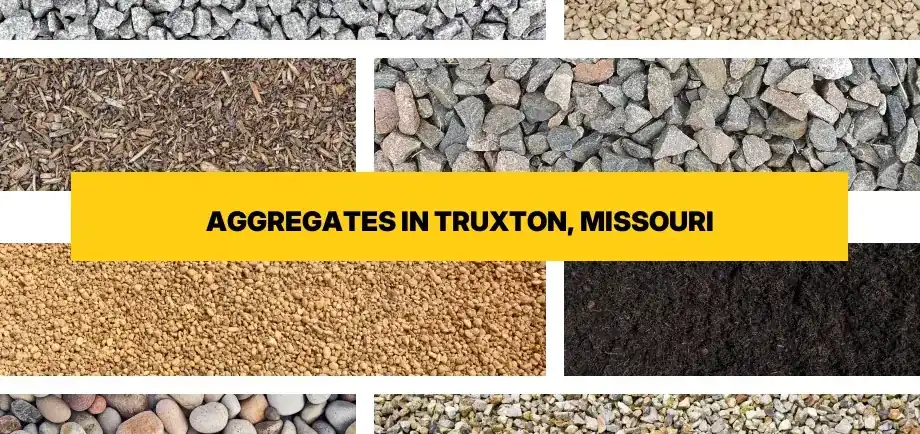
Gravel Monkey offers an extensive selection of aggregates and construction materials specifically chosen to perform well in Lincoln County's geological conditions. Our inventory includes materials suitable for every project type, from residential driveways to commercial construction sites throughout the Truxton area.
- Driveway Gravel - Premium aggregate blend engineered for long-lasting driveways that withstand Missouri's freeze-thaw cycles
- 3/4 inch Crushed Stone - Versatile aggregate perfect for driveway bases, drainage applications, and foundation work
- #57 Stone - Industry-standard crushed stone ideal for concrete work, drainage systems, and road construction
- Crusher Run - Superior compactable base material that locks together for maximum stability
- Road Base - Heavy-duty aggregate designed for farm roads and commercial access routes
- Pea Gravel - Smooth, rounded stones excellent for decorative applications and walkways
- River Rock - Natural decorative stone available in multiple sizes for landscaping features
- Walkway Gravel - Specially selected aggregate for comfortable, attractive pathways
- Drain Rock - Essential aggregate for managing water flow in clay soil conditions
- Crushed Concrete - Eco-friendly recycled aggregate perfect for base layers and rural roads
- Topsoil - Nutrient-rich soil for gardens, lawns, and agricultural applications
- Fill Dirt - Quality soil for grading, leveling, and construction site preparation
- Mason Sand - Fine-grade sand for masonry work and construction projects
- Playground Sand - Clean, safe sand for play areas and recreational spaces
- Washed Sand - Clean aggregate for concrete mixing and various construction uses
- Decomposed Granite - Natural pathway material that compacts beautifully for rustic applications
Serving Truxton and Lincoln County Communities
Our delivery service extends throughout Truxton and the broader Lincoln County region, reaching rural properties, farms, and residential areas that need reliable access to quality aggregates. We know the local roads, understand the specific challenges of building and maintaining properties in this area, and deliver to every corner of the community.
Whether your property is in central Truxton, along Highway 47, or on rural routes near neighboring communities like Hawk Point to the south, Silex to the northeast, or Olney to the southeast, we provide the same free delivery service and quality materials. Our drivers are familiar with Lincoln County's geography, from the rolling hills to the bottomland areas near streams and creeks that require special drainage considerations.
Why Local Knowledge Matters for Aggregate Selection
Truxton sits in an area characterized by Missouri's distinctive clay-heavy soils, part of the Mexico silt loam and similar soil series common throughout Lincoln County. These soils present specific challenges for construction and require careful aggregate selection. The clay content means water drainage is critical - standing water can cause significant issues with driveways, roads, and building foundations.
The region experiences typical Missouri weather patterns, with average annual rainfall around 38 to 40 inches, hot humid summers reaching into the 90s, and cold winters where temperatures regularly drop below freezing. These freeze-thaw cycles are particularly hard on improperly prepared surfaces. The clay soil expands when wet and contracts when dry, creating movement that can damage driveways and roads not built on proper aggregate bases.
Best Aggregates for Common Truxton Projects
Driveway Construction and Repair
Building a durable driveway in Truxton requires understanding how Missouri's clay soil and weather extremes affect construction. The most successful driveways start with proper excavation to remove unstable topsoil, followed by multiple layers of carefully selected aggregates. For residential driveways serving standard vehicles, we recommend a base layer of compacted road base or crusher run at 4 to 6 inches thick, which creates a stable platform that resists the expansion and contraction of underlying clay.
The middle layer should consist of 3/4 inch crushed stone or number 57 stone at 3 to 4 inches thick, providing drainage channels that prevent water accumulation while maintaining structural integrity. The top surface layer can be traditional driveway gravel or additional crusher run, which compacts tightly for a smooth driving surface. Properties with heavier vehicle traffic or equipment use may require thicker applications and larger aggregate sizes in the base layer.
Drainage Solutions for Clay Soil
Proper drainage is absolutely essential in Truxton due to the clay soil's poor permeability. Standing water causes problems ranging from muddy yards to foundation issues and premature driveway failure. Drain rock serves as the primary solution, installed in trenches or around foundation perimeters to channel water away from structures. French drains using drain rock wrapped in landscape fabric are particularly effective for properties with persistent water problems.
Many Truxton properties benefit from surface drainage improvements using gravel swales or channels lined with aggregates to direct water flow during heavy rain events. The area's topography, with its gentle slopes and occasional low-lying areas, means strategic placement of drainage features can significantly improve property functionality and prevent erosion issues common to Missouri farmland and rural properties.
Farm and Agricultural Applications
Agricultural operations around Truxton rely heavily on quality aggregates for farm roads, equipment access routes, and barnyard surfaces. Farm roads endure heavy equipment traffic and need materials that compact well and resist rutting. Road base and crusher run are ideal choices, providing the load-bearing capacity required for tractors, grain trucks, and harvesting equipment while maintaining surface integrity through wet spring seasons and frozen winter conditions.
Barnyard and livestock areas benefit from crushed concrete or larger crushed stone, which creates firm surfaces that drain well and resist the constant traffic of animals and daily operations. These applications need sufficient thickness - typically 6 to 8 inches - to prevent aggregates from sinking into soft clay substrates during wet periods.
Aggregate Comparison Guide for Truxton Properties
Selecting the right aggregate depends on your specific project requirements, soil conditions, and intended use. This comparison helps identify which materials best suit common applications in the Truxton area.
| Aggregate Type | Best Applications | Compaction | Drainage | Clay Soil Performance |
|---|---|---|---|---|
| Crusher Run | Driveway surfaces, road base, high-traffic areas | Excellent | Moderate | Superior - locks together tightly |
| 3/4 inch Crushed Stone | Driveway base, foundation drainage, general construction | Good | Excellent | Very Good - provides stability and drainage |
| #57 Stone | Drainage systems, concrete aggregate, road construction | Good | Excellent | Excellent - ideal for water management |
| Road Base | Farm roads, commercial access, heavy equipment routes | Excellent | Good | Superior - designed for heavy loads |
| Drain Rock | French drains, foundation drainage, wet area solutions | Minimal | Superior | Excellent - specifically for water issues |
| Pea Gravel | Decorative landscaping, walkways, ground cover | Poor | Good | Fair - best for low-traffic areas |
| Crushed Concrete | Base layers, rural roads, cost-effective applications | Very Good | Good | Good - economical alternative |
| Decomposed Granite | Natural pathways, rustic applications, erosion control | Good | Good | Good - compacts naturally |
Aggregate Installation Tips for Truxton's Conditions
Site Preparation for Clay Soil
Proper site preparation is crucial in Truxton's clay soil environment. Begin by removing all topsoil and organic material from the project area - clay topsoil lacks the structural stability needed for driveway or road bases. Excavate to firm subgrade, typically 8 to 12 inches deep for residential driveways, deeper for commercial applications or areas with poor drainage.
Grade the excavated area to promote water drainage away from structures and off the driveway surface. A slope of 2 percent minimum (approximately 1/4 inch per foot) prevents water accumulation. In areas where clay is particularly heavy or unstable, consider installing geotextile fabric before placing aggregates. This fabric prevents aggregates from sinking into soft clay while allowing water to drain through.
Compaction Best Practices
Compaction transforms loose aggregates into a solid, stable surface that resists rutting, settling, and weather damage. Each layer of aggregate should be compacted thoroughly before adding the next layer. For most residential projects, a mechanical plate compactor produces adequate results for layers up to 4 inches thick. Larger projects benefit from vibratory roller compactors, especially when working with road base or crusher run.
Moisture content affects compaction results significantly. Aggregates should be slightly damp during compaction - too dry and materials won't bind properly; too wet and they won't compact fully. Missouri's humid climate usually provides adequate moisture, but during dry summer periods, lightly wetting aggregates before compaction improves results.
Seasonal Considerations
Timing your aggregate project around Missouri's seasons impacts both installation ease and long-term performance. Spring and fall offer ideal conditions - moderate temperatures, manageable moisture levels, and soil conditions that allow proper compaction. Summer installations face challenges from heat and occasional drought conditions that can make clay substrate unstable. Winter work is possible during dry periods when ground isn't frozen, but freeze-thaw cycles can disrupt freshly installed aggregates.
After installation, new aggregate driveways and roads benefit from a settling period before heavy use. Light traffic helps compact surfaces naturally, while immediate heavy equipment use can cause rutting. Many Truxton property owners schedule installations in fall, allowing winter freeze-thaw cycles to naturally settle materials before spring's heavy use season.
Aggregate Delivery Throughout the Truxton Region
Gravel Monkey provides free delivery service throughout Truxton and the surrounding Lincoln County area. Our delivery trucks navigate everything from maintained county roads to rural property access routes, ensuring your aggregates arrive exactly where you need them on your property.
We regularly deliver to properties along Highway 47, the main corridor through Truxton connecting to Hawk Point and points south. Rural properties along County Road 304, County Road 302, and the network of township roads throughout the area all receive the same reliable service. Whether you're located on a well-maintained gravel road or a private lane requiring careful navigation, our experienced drivers work to place materials as close to your project site as safely possible.
Properties near the Cuivre River area to the west benefit from our understanding of seasonal access challenges and drainage considerations common to bottomland locations. For farms and rural estates extending east toward the Mark Twain Lake watershed, we deliver aggregates suitable for the slightly rolling terrain and the drainage management requirements of that geography.
Why Truxton Property Owners Choose Gravel Monkey
Free Delivery Service
Every aggregate order to Truxton includes free delivery - no hidden fees, no minimum order requirements beyond practical truckload minimums, and no surprise charges. We believe quality materials should be accessible to all property owners, whether you're purchasing a few cubic yards for a small walkway project or multiple truckloads for a major construction undertaking.
Quality Aggregates From Trusted Sources
Our aggregates come from reputable quarries and suppliers throughout Missouri, selected specifically for performance in local soil and climate conditions. We don't compromise on quality because we understand that inferior materials lead to premature failure, especially in challenging clay soil environments like those found throughout Lincoln County.
Expert Guidance for Your Project
Choosing the right aggregate type and calculating correct quantities can be confusing, especially for property owners tackling their first driveway or road project. Our team provides personalized recommendations based on your specific situation - your soil type, drainage patterns, intended use, and budget. We help you avoid over-ordering while ensuring you have sufficient material for proper installation depth and coverage.
Understanding Rural Property Needs
Truxton is rural Missouri, and we understand the unique challenges rural property owners face. From farm roads that handle heavy equipment to residential driveways serving multiple acres, from properties with significant elevation changes to flat bottomland requiring careful drainage management - we've delivered aggregates for every scenario. Our recommendations consider factors urban suppliers might overlook, like equipment access for delivery, seasonal road conditions, and agricultural operation requirements.
Estimating Aggregate Quantities for Your Truxton Project
Accurate quantity estimation prevents both material shortages that delay projects and excess ordering that wastes money. Aggregates are typically sold by the cubic yard, and calculating your needs involves measuring your project area and desired depth.
For rectangular areas like driveways, multiply length times width times depth (all measurements in feet) and divide by 27 to convert cubic feet to cubic yards. For example, a driveway measuring 60 feet long by 12 feet wide with a 4-inch depth calculation: 60 × 12 × 0.33 (4 inches converted to feet) = 237.6 cubic feet ÷ 27 = 8.8 cubic yards. Round up to account for compaction and uneven subgrade - in this case, ordering 10 cubic yards ensures adequate coverage.
Irregular areas require breaking the space into sections, calculating each separately, then totaling. Circular areas use the formula: π × radius squared × depth ÷ 27. Remember that different aggregate types have varying coverage rates due to particle size and shape. Pea gravel covers more area per yard than crusher run because angular crushed materials compact more tightly.
Depth Guidelines by Application
Proper depth ensures long-term performance. Truxton area recommendations include:
- Residential driveways: 8 to 12 inches total depth (multiple layers)
- Walkways and paths: 3 to 4 inches for pedestrian traffic
- Farm roads and heavy equipment routes: 12 to 16 inches total depth
- Decorative landscaping applications: 2 to 3 inches
- Drainage features and French drains: 8 to 12 inches minimum
- Foundation perimeter drainage: 12 inches minimum depth
Our team provides detailed quantity calculations based on your measurements and project specifications. We factor in compaction rates and recommend ordering slightly more than calculated amounts to ensure complete coverage.
Maintaining Your Aggregate Surfaces in Missouri's Climate
Properly installed aggregate driveways and roads require minimal maintenance but benefit from periodic attention, especially given Missouri's weather extremes. Spring inspections should check for winter damage from freeze-thaw cycles, identifying low spots where water pools and areas where aggregates have migrated or settled. Adding fresh material to these problem areas prevents small issues from becoming major repairs.
Regrading aggregate surfaces every few years maintains proper drainage slope and prevents water accumulation. A landscape rake or box blade attachment for small tractors works well for this task on residential driveways. Farm roads and larger surfaces may require equipment like motor graders for thorough reconditioning.
Weed control is important for maintaining clean, professional-looking aggregate surfaces. Pre-emergent herbicides applied in early spring prevent weed seeds from germinating in gravel, while spot-treating with post-emergent products manages existing growth. For property owners preferring non-chemical approaches, landscape fabric installed beneath aggregates during initial construction significantly reduces weed problems.
Edge definition prevents aggregate migration into adjacent lawn or landscape areas. Installing edge restraints like treated lumber, metal edging, or plastic borders maintains clean lines and reduces material loss. Regular raking back into place any aggregates that do spread helps maintain full depth coverage and professional appearance.
Frequently Asked Questions About Aggregates in Truxton
Crusher run contains a mix of stone sizes from dust to larger particles that compact together tightly, creating a very stable surface ideal for driveways. Regular gravel typically consists of uniform-sized stones that don't compact as firmly. For Truxton's clay soil conditions, crusher run provides superior performance because it resists rutting and displacement better than single-size aggregates.
Proper installation is key - ensure adequate depth (minimum 8 inches total), proper base preparation, and correct surface grading to shed water. Crown the driveway center slightly higher than edges so water runs off to sides. Installing drainage ditches or swales along driveway edges channels runoff away. For areas with severe erosion issues, larger aggregates like 3/4 inch crushed stone resist water movement better than smaller materials.
While possible, it's not recommended for best results. Clay soil moves with moisture changes, and aggregates placed directly on clay will gradually sink and become uneven. For lasting results, excavate clay to firm subgrade, install geotextile fabric to separate materials, then build up proper base layers. This prevents aggregates from mixing with clay and maintains drainage functionality.
Drain rock, typically 3/4 inch to 1.5 inch clean stone with no fines, works best for French drains. The size allows water to flow freely through void spaces while preventing clogging. Number 57 stone is another excellent choice. Wrap the drain rock and perforated pipe in landscape fabric to prevent clay soil from infiltrating and clogging the drainage system over time.
Farm roads handling tractors, grain trucks, and heavy equipment need substantial aggregate depth. A minimum of 12 inches is recommended, with 16 inches preferred for routes with consistent heavy equipment traffic. Build the road base in two lifts of 6 to 8 inches each, compacting each layer thoroughly. This creates the load-bearing capacity needed to prevent rutting in clay soil conditions common throughout Lincoln County.
Crushed concrete performs very well for many applications, particularly base layers, farm roads, and areas where top aesthetics aren't critical. It compacts well, provides good drainage, and costs less than new crushed stone. The main differences are appearance (concrete is lighter colored and may contain some rebar pieces) and that it can produce some dust. For visible surfaces, new crushed stone offers a cleaner appearance, but for functional applications, crushed concrete is an excellent, eco-friendly choice.
Pea gravel requires periodic raking to maintain even coverage and level surface, as foot traffic and weather gradually displace stones. Add fresh material every few years to maintain desired depth. Edge restraints prevent migration into lawn areas. Weed control is important - either use landscape fabric during installation or apply pre-emergent herbicides annually. Hosing or blowing off accumulated leaves and debris keeps pea gravel looking fresh and prevents organic material from breaking down into soil between stones.
Late spring through fall generally offers the best conditions, particularly September and October when temperatures moderate and rainfall is typically less intense than spring. Avoid installation during wet periods when clay soil is saturated and equipment can't achieve proper compaction. Early summer works well but can be hot for labor-intensive projects. Winter installation is possible during dry periods when ground isn't frozen, though freeze-thaw cycles can affect newly installed materials before they fully settle.
Get Premium Aggregates Delivered Free to Your Truxton Property
Ready to start your project with quality aggregates delivered directly to your Lincoln County property? Gravel Monkey makes it easy with free delivery, expert guidance, and materials specifically selected for Missouri's unique soil and climate conditions. Our team understands Truxton area properties and provides personalized recommendations to ensure your project succeeds.
Whether you're building a new driveway, repairing a farm road, installing drainage solutions, or creating attractive landscaping features, we have the aggregates you need and the local knowledge to help you choose correctly. Contact us today to discuss your project requirements, get accurate quantity estimates, and schedule your free delivery. Serving Truxton and all of Lincoln County with the materials and service that make your property improvement projects successful.

Need help? Reach out for a quote: