Gravel for Sale in Lake St Louis, Missouri
Local Topsoil, Dirt, Sand, Rocks and Gravel near me in Lake St Louis, Missouri
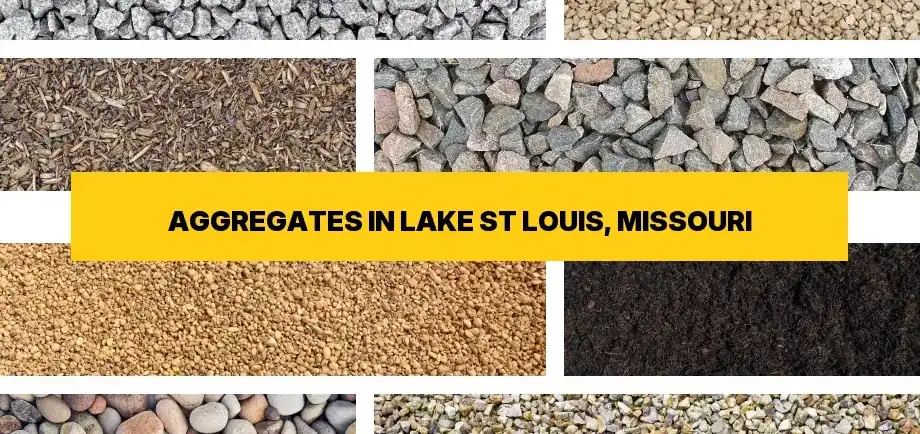
Shop Aggregates for Delivery in Lake St Louis
Order online for free delivery to any Lake St Louis address.


When projects in Lake St Louis require reliable aggregates and timely service, local contractors and homeowners count on experienced suppliers who understand the area's soils, seasonal weather, and neighborhood access. As part of the Gateway to the West region near St. Louis, Lake St Louis presents a mix of lakefront lots, suburban subdivisions, and commercial corridors that demand specific aggregate choices for driveways, drainage systems, walkways, and yard renovation. Our service focuses on delivering the right product, whether you're stabilizing a long rural driveway or finishing a garden path around the lakefront homes.
This page covers the most commonly used gravel and aggregates in Lake St Louis, Missouri, and explains which materials work best for local soil types, average rainfall impacts, and freeze-thaw cycles. We include product specifics, delivery coverage across neighborhoods and nearby cities, and easy-to-follow guidance to help you plan any size project using aggregates and sands tailored to the area.
Premium Aggregates Available for Lake St Louis Delivery
Gravel and Crushed Stone Products
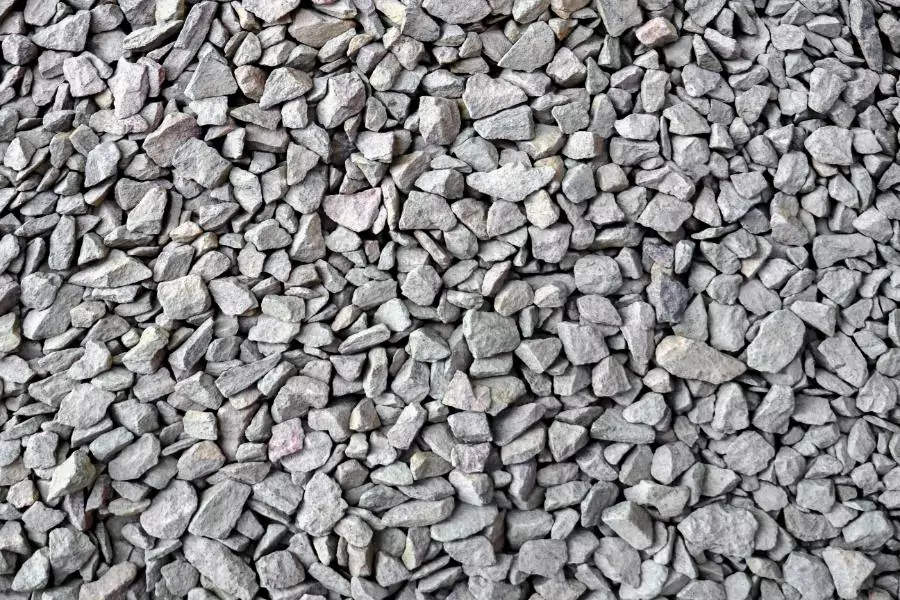
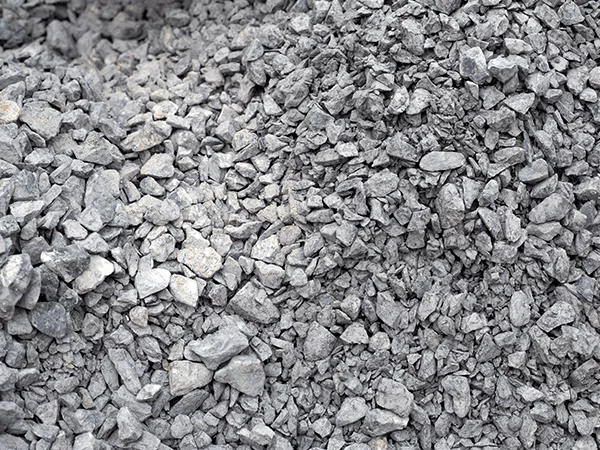
Structural and base aggregates are critical for durable projects in Lake St Louis. For foundational layers and compaction, our 3/4 inch Crushed Stone is a standard choice that provides excellent interlock and load distribution for driveways and parking areas. Where compaction and load-bearing are priorities under heavier traffic, Crusher Run offers a mixture of stone and fines that compacts tightly and resists washout on sloped sites.
For sub-base or heavier roadway applications around subdivisions and new developments, Road Base is engineered to local specifications, giving a stable surface that handles freeze-thaw stresses common in St. Charles County. Recycled solutions such as Crushed Concrete are ideal when sustainable options are preferred for backfill or base layers without sacrificing strength.
Driveway and Pathway Materials
Choosing the right surface aggregate for a Lake St Louis driveway depends on traffic patterns, drainage, and aesthetics. Our Driveway Gravel is blended to be load-bearing and resist rutting while providing a finished appearance. For homeowners seeking a refined walking surface, Walkway Gravel produces a stable yet permeable path surface that complements garden beds and patios.
For compacted, decorative paths and patios the mellow color and smooth finish of Decomposed Granite is widely used around the lake neighborhoods and in HOA common areas. Decomposed granite packs down to form a firm, natural-looking trail surface that integrates well with native plantings and low-maintenance landscapes.
Decorative Stone and River Rock
Decorative aggregates are popular around Lake St Louis with homeowners aiming to enhance curb appeal while managing erosion near shorelines and banks. Smooth stones like River Rock provide a natural look for beds and dry stream features and are commonly used near waterfront properties to stabilize slopes and blend with native riparian planting.
For play areas, patios, and accent borders, small rounded stones such as Pea Gravel are a favorite because of their comfortable walking surface and refined appearance. Pea gravel also works well for French drains and as a top dressing over permeable pavers in the warmer months.
Drainage Solutions for Lake St Louis's Clay and Loam Soil
Many Lake St Louis lots sit on a mix of loam and pockets of clay developed on glacially influenced deposits and bedrock outcrops in northwestern St. Charles County. These soils can hold moisture during wet seasons and become dense during dry periods, which makes drainage design a critical part of site preparation. Annual rainfall in Lake St Louis averages about 41.0 inches, and summer highs commonly reach the low 90s°F while winter lows can dip into the low 20s°F, so frost heave and seasonal saturation must be considered.
For reliable drainage, choose aggregates that promote rapid percolation beneath slabs and behind retaining walls. Layering porous stone beneath the topsoil mitigates surface runoff and reduces long-term saturation around foundations, especially after heavy spring rains. Professional-grade drainage materials improve longevity for both landscaped and paved areas.
Benefits of Proper Drainage Aggregates
- Reduces hydrostatic pressure behind foundations and retaining walls to prevent structural damage.
- Improves longevity of driveways and paths by limiting frost heave and washouts during freeze-thaw cycles.
- Allows faster infiltration of stormwater, reducing surface pooling and erosion near lakeside properties.
- Protects plant root zones by preventing prolonged waterlogging in heavy clay pockets common in the region.
For subsurface drainage trenches and French drains, #57 Stone offers consistent sizing that surrounds perforated pipe and prevents clogging, while larger Drain Rock is used where higher flow rates or coarse filtration are needed, for example on steep lakeside slopes or commercial retention basins.
Soil Products and Fill Materials
Regrading, new lawn installs, and commercial site preparation all depend on consistent soil and fill materials. High-quality Topsoil blended for Missouri lawns helps establish turf and garden beds quickly, especially when replacing compacted construction soils. For larger earthworks, Fill Dirt is available to build terraces, raise low areas, or create engineered berms around stormwater ponds.
When combined with proper drainage rock or crushed stone base layers, correct soil profiles support healthy plantings and prevent settlement issues. We can deliver volumetric estimates and placement strategies tailored to Lake St Louis properties, from small residential lots near Harbor areas to large HOA common spaces.
Sand Products for Every Lake St Louis Application
Sand types vary widely in texture and use. The right sand choice matters for masonry, playgrounds, athletic surfaces, and bedding utilities around Lake St Louis. We stock several sands that are commonly used across St. Charles County projects.
Mason sand is a medium-fine sand used in mortar and masonry work; for precise bricklaying and tuckpointing projects we recommend Mason Sand because of its consistent grain size, which creates clean joints and strong mortar bonds.
Play areas and splash pads in neighborhood parks require soft, safe surfaces. For playground surfacing we supply Playground Sand that is screened and washed to meet safety standards and provide comfortable cushioning under swings and slides. This sand is commonly requested by Lake St Louis park districts and HOA maintenance teams.
When a clean bedding sand is needed for paver installation and drainage layers, Washed Sand is an ideal choice. Washed sand removes fines that can inhibit drainage and provides a uniform bed for setting pavers, ensuring stable joints during summer heat and winter freeze cycles.
| Sand Type | Best Applications | Texture | Common Uses in Lake St Louis |
|---|---|---|---|
| Mason Sand | Brick mortar, stucco mixes, masonry repair | Medium-fine, consistent | Repairing brick facades on Main Street and masonry work in Lake St Louis town center |
| Playground Sand | Play areas, safety surfacing | Soft, rounded grains | Neighborhood parks and HOA playgrounds near Harbor and Timberlake |
| Washed Sand | Paver bedding, drainage layer, concrete mixes | Clean, coarse to medium | Patios, pool bases and permeable paver installations in lakeside homes |
Choosing the Right Aggregates for Your Lake St Louis Project
Selecting the best aggregate requires assessing intended use, drainage needs, and exposure to seasonal weather. Lake St Louis properties that are adjacent to the lake or in low-lying neighborhoods often have higher water tables in spring, so designers typically specify a layered solution: coarse drain stone, a geotextile where appropriate, then compacted base stone for durable surfaces. Many local contractors combine structural aggregates with recycled materials to balance cost and performance.
| Aggregate Type | Best Applications | Size Range | Drainage Rating | Compaction |
|---|---|---|---|---|
| 3/4 Crushed Stone | Base layers for driveways, patios, and concrete slabs | 3/4 inch | Moderate | Good |
| #57 Stone | French drains, under pipe bedding, decorative top layers | 1/2 to 1 inch | High | Poor (not intended to compact) |
| Crusher Run | Driveway sub-base and base in variable soils | Fines to 3/4 inch | Low-Moderate | Excellent |
| Pea Gravel | Play areas, decorative beds, permeable surfaces | 1/8 to 3/8 inch | Moderate | Poor |
| River Rock | Dry creek beds, shoreline stabilization, accent landscaping | Various sizes | High | Poor |
| Decomposed Granite | Paths, flagstone joints, low-maintenance patios | Fine to small gravel | Moderate | Good when compacted |
| Road Base | Public roads, subdivision streets, heavy-duty driveways | Varies, typically mixed sizes | Low-Moderate | Excellent |
| Drain Rock | High-flow drainage, retention basins, stormwater outfalls | 1 to 2 inches | Very High | Poor |
Climate Considerations for Lake St Louis Aggregates
Lake St Louis averages roughly 41.0 inches of rain annually, with precipitation peaking in late spring and summer. Summers can be humid with highs near the low 90s°F, while winter temperatures commonly fall to the low 20s°F. Those conditions mean aggregate selections must manage seasonal water and resist frost-related movement. For frost-prone spots, use well-draining stones in sub-layers and select compactable bases for surfaces that will take vehicle traffic.
Salt use on public roads and driveways nearby can raise pH and leach fines from some aggregates; for properties near the lake where deicing is needed, select materials that retain structural integrity with limited fines loss. Combining permeable surfaces with appropriate drainage minimizes freeze-thaw damage and reduces long-term maintenance.
Popular Lake St Louis Project Applications
- Residential driveways and long rural approaches where crusher run or road base provide structural support.
- Waterfront stabilization and erosion control using river rock and drain rock.
- Garden paths and HOA common area trails using decomposed granite and walkway gravel.
- Subsurface drainage upgrades with #57 stone and drain rock for stormwater management.
Aggregate Delivery Throughout Lake St Louis Metro
We offer bulk deliveries across Lake St Louis and surrounding communities. Whether you are in the Old Town area or a new subdivision off Lake St. Louis Boulevard, our trucks are equipped to make tight deliveries and drop materials where you need them. For larger commercial sites we coordinate placement and staging to meet contractor schedules and municipal requirements.
Areas We Serve
Our Lake St Louis delivery coverage is built to serve individual neighborhoods and community pockets such as Old Town Lake St. Louis, the Harbor and Marina districts, timbered subdivisions around Timberlake, the Lakeside Estates, the Pointe developments, the Reserve and The Bluffs, as well as newer communities and HOA-managed commons. We regularly deliver to streets off Lake St. Louis Boulevard and to private roads bordering the golf course and park areas.
Nearby Cities Served
To expand regional availability, we deliver to nearby cities and suburbs including Wentzville, O'Fallon, St. Peters, St. Charles, Cottleville, Dardenne Prairie, Chesterfield and Wright City. These nearby delivery points allow contractors working across St. Charles County to source consistent aggregates and soil products for projects across the metro area.
Frequently Asked Questions About Gravel in Lake St Louis
Frequently Asked Questions About Gravel in Lake St Louis
We deliver a wide selection of gravel and aggregates for Lake St Louis projects, including structural stone like 3/4 inch crushed stone and crusher run for bases, #57 stone and drain rock for drainage systems, decorative options such as pea gravel and river rock, and specialty materials like decomposed granite and walkway gravel for paths and patios.
Delivery fees depend on the order size, distance to the job site, and site access. For bulk orders and regular commercial customers we often provide tiered delivery pricing. Contact our Lake St Louis service team for an exact delivery estimate for your address.
To estimate gravel needs, measure the square footage and decide on the depth you require in inches. A typical driveway base is 4 to 6 inches deep; we can help convert your dimensions into cubic yards and recommend the right aggregate mix for compaction and drainage to avoid common settlement issues in clay-rich patches.
Because Lake St Louis soils can include clay pockets and loam, a layered approach is best: use compactable bases like crusher run or road base for structural layers, then #57 stone or drain rock where you need drainage. For surface layers, choose driveway gravel or pea gravel depending on traffic and aesthetic preferences.
Yes, we deliver across St. Charles County and the nearby suburbs including Wentzville, O'Fallon, St. Peters, St. Charles, Cottleville and Chesterfield, making it convenient for contractors and homeowners to source bulk aggregates without long hauls.
We provide recycled options such as crushed concrete which reduce the need for virgin materials and are suitable for base layers and backfill applications. Crushed concrete is often accepted by local municipalities for non-structural and some structural uses, saving both cost and embodied carbon.
Get Quality Aggregates Delivered to Your Lake St Louis Property
Whether you are renovating a lakeside yard near the Harbor, stabilizing a driveway in the Timberlake area, or laying pavers in an Old Town courtyard, selecting the right aggregates for Lake St Louis projects is essential. From structural needs to decorative finishes, we offer a full product mix and reliable deliveries across the metro. For drainage trenches we recommend #57 stone and drain rock; for compacted base layers choose crusher run, 3/4 inch crushed stone or road base; and for decorative edging and paths consider pea gravel, river rock, or decomposed granite depending on the look and function you want.
We work with homeowners, landscape contractors, and municipal crews to recommend blends that respond to local climate factors—about 41.0 inches of annual rainfall, summer highs near the low 90s°F and winter lows around the low 20s°F—and soil conditions that range from loam to clay. Reach out to discuss exact quantities, delivery windows for seasonal projects, and mix options for long-term performance.

Need help? Reach out for a quote: