Shop Bulk Materials & Gravel in Memphis, Missouri
Local Topsoil, Dirt, Sand, Rocks and Gravel near me in Memphis, Missouri
Shop Aggregates for Delivery in Memphis
Order online for free delivery to any Memphis address.


Gravel Monkey is your trusted source for premium aggregates and bulk materials delivery in Memphis, Missouri. Located in the heart of Scotland County near the Iowa border, Memphis sits on unique clay soils that require proper base materials and drainage solutions. Whether you're building a new driveway in downtown Memphis, creating drainage systems near the Fabius River bottomlands, or upgrading farm lanes in rural Scotland County, we deliver high-quality aggregates directly to your property with absolutely free delivery. Our comprehensive selection serves residential homeowners, commercial contractors, agricultural operations, and municipal projects throughout northern Missouri.
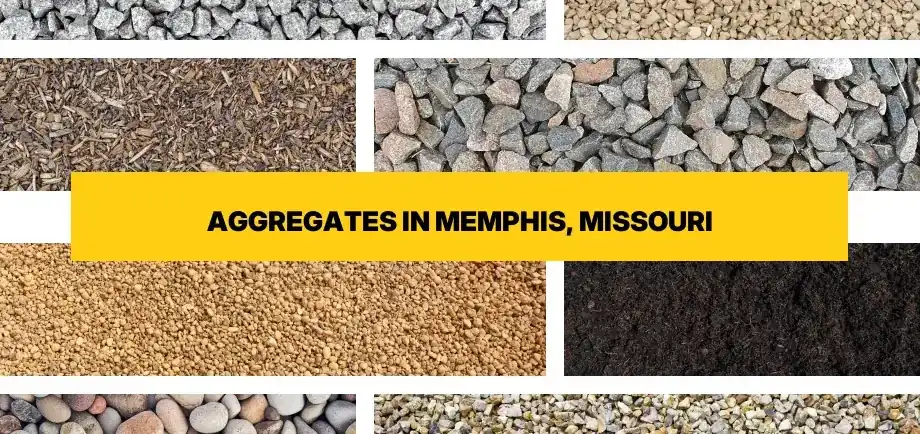
Complete Aggregate & Stone Selection for Memphis Projects
Memphis properties face specific challenges from expansive clay soils, seasonal flooding concerns, and temperature extremes that range from subzero winters to 90-degree summers. Our aggregate materials are selected to perform reliably in these demanding Scotland County conditions. We supply everything from base materials for heavy equipment to decorative stone for residential landscaping.
- Driveway Gravel - Premium blended stone designed for long-lasting driveways and parking areas
- 3/4 inch Crushed Stone - Versatile angular aggregate for drainage and compaction applications
- #57 Stone - Industry standard crushed stone for drainage systems and construction bases
- Crusher Run - Superior compactable base material that locks together when compacted
- Road Base - Heavy-duty foundation material for roads, driveways, and equipment pads
- Pea Gravel - Smooth decorative stone ideal for walkways and garden beds
- River Rock - Natural rounded stones for landscaping and water features
- Walkway Gravel - Attractive gravel specifically sized for comfortable garden paths
- Drain Rock - Clean washed stone engineered for optimal water flow
- Crushed Concrete - Eco-friendly recycled aggregate for budget-conscious projects
- Decomposed Granite - Natural pathway material that compacts beautifully
- Topsoil - Nutrient-rich soil for gardens, lawns, and planting beds
- Fill Dirt - Clean fill for grading, leveling, and foundation work
- Mason Sand - Fine, clean sand for masonry and bricklaying projects
- Washed Sand - Pure washed sand for concrete mixing and construction
- Playground Sand - Safe, certified sand for children's play areas
Serving Memphis and Scotland County Communities
Our free delivery service covers the entire Memphis area and extends throughout Scotland County. We regularly deliver aggregates to properties in downtown Memphis, along Highway 136, near the Scotland County Courthouse, around Memphis City Park, and throughout the residential neighborhoods east and west of Main Street. Rural delivery extends to farms and properties near Arbela, Gorin, Granger, Downing, and south toward the Adair County line.
Memphis homeowners in established neighborhoods near the high school and newer developments on the east side of town rely on our materials for driveway renovations and yard improvements. Agricultural customers across Scotland County's productive farmland use our aggregates for equipment pads, barn floors, and farm lane improvements. We also serve commercial contractors working on municipal projects, church parking lots, and business developments throughout northern Missouri.
Driveway Aggregates for Memphis Clay Soil Conditions
Memphis sits atop glacial till and loess deposits that create the heavy clay soils characteristic of Scotland County. These expansive clays shift with moisture changes and require properly designed aggregate bases to prevent driveway failure. Understanding local soil geology is essential for successful driveway construction in the Memphis area.
Recommended Driveway Materials for Memphis Properties
The best driveway aggregates for Memphis address clay soil movement and provide excellent drainage during our wet spring seasons when monthly rainfall can exceed four to five inches. Properties in lower-lying areas near Grindstone Creek or the Fabius River floodplain face additional water management challenges that require strategic material selection.
Crusher run remains the gold standard for Memphis driveways because it combines various stone sizes that lock together when compacted. This interlocking action creates a stable base that resists the heaving and settling common with clay soils. The fine particles fill voids while larger stones provide structural strength. For residential driveways in neighborhoods near the city park or along South Madison Street, a four-inch crusher run base topped with two inches of decorative stone creates both function and curb appeal.
Road base aggregates offer similar performance for heavier applications. Farm lanes carrying equipment traffic, commercial parking areas, and municipal roads benefit from road base's superior load-bearing capacity. Properties in rural Scotland County with significant equipment traffic should consider a six-inch road base layer to distribute weight effectively over challenging clay substrates.
Drainage Aggregates for Northern Missouri Weather Patterns
Memphis experiences distinct seasonal weather patterns that create varying drainage demands. Spring typically brings three to five inches of rainfall monthly from April through June, often falling in intense thunderstorms. Summer heat in July and August with temperatures regularly reaching the low 90s quickly dries soil. Fall rains return in September and October, followed by winter precipitation as snow and freezing rain from December through February.
Managing Water with Proper Aggregate Selection
Properties throughout Memphis must address both surface water runoff and subsurface drainage. Clay soils have poor percolation rates, causing water to pool on the surface or move laterally through soil layers. Drain rock installations around foundations, beneath downspouts, and along property edges intercept this water movement and channel it safely away from structures.
French drain systems constructed with number 57 stone work exceptionally well in Memphis's clay environment. The uniform three-quarter inch stone size creates consistent void spaces that allow rapid water movement while the angular shape resists compaction over time. Homes in older Memphis neighborhoods with basement moisture issues benefit significantly from perimeter drainage systems using these aggregates.
Surface drainage channels lined with river rock manage concentrated water flow while creating attractive landscape features. Properties along sloped terrain common in eastern Scotland County can use stone-lined swales to direct runoff safely downhill without erosion.
Memphis Aggregate Material Comparison Guide
Selecting the right aggregate depends on your specific application, budget, and performance requirements. This comparison helps Memphis property owners match materials to their project needs considering our local soil conditions and climate factors.
| Material Type | Best Applications | Compaction | Drainage Rating | Memphis Suitability |
|---|---|---|---|---|
| Crusher Run | Driveways, bases, paths | Excellent | Good | Ideal for clay soils |
| Road Base | Heavy traffic, equipment pads | Superior | Good | Best for farm lanes |
| #57 Stone | Drainage, concrete aggregate | Moderate | Excellent | Perfect for French drains |
| Drain Rock | Foundation drains, septic | Low | Superior | Essential for wet areas |
| Pea Gravel | Landscaping, walkways | Poor | Very Good | Great for garden paths |
| Crushed Concrete | Base layers, budget projects | Good | Good | Economical alternative |
| River Rock | Decorative, erosion control | None | Excellent | Beautiful landscaping |
| Decomposed Granite | Pathways, patio bases | Moderate | Fair | Natural pathway option |
Decorative Stone and Landscaping Aggregates
Beyond functional applications, aggregates create stunning landscape features throughout Memphis properties. Homeowners near Memorial Park and along residential streets use decorative stone to enhance curb appeal, reduce maintenance, and solve challenging landscape problems where grass struggles to grow in shade or compacted soil.
Popular Landscape Stone Applications in Memphis
Walkway gravel creates inviting garden paths that guide visitors through yard spaces while providing excellent drainage. The natural colors complement Memphis's traditional home styles and mature shade trees common in established neighborhoods. Properties with large oaks or maples benefit from stone mulch that doesn't compete with tree roots like traditional planting beds.
River rock installations add textural interest to foundation plantings, create dry creek beds that manage water runoff, and define landscape zones without vertical barriers. The rounded stones come in various sizes from one inch to six inches, allowing designers to create visual variety. Larger river rock accents create focal points near entryways or outdoor living spaces.
Pea gravel fills numerous landscaping needs from pathways to groundcover. Its small size and smooth texture make it comfortable for walking barefoot, ideal for courtyards and around pools or play areas. The natural tan and brown tones blend beautifully with Scotland County's prairie landscape heritage. Mixed with decomposed granite, it creates firm yet natural-looking pathways that age gracefully.
Topsoil and Fill Dirt for Memphis Properties
Successful landscaping in Memphis requires understanding our native soils and when imported materials improve plant performance or solve grading problems. The area's glacially-derived loess soils are silty when undisturbed but often compacted or depleted around existing homes.
When Memphis Properties Need Imported Soil
New construction sites frequently strip away topsoil during building, leaving subsoil that lacks organic matter and proper structure for lawns and gardens. Bringing in quality topsoil establishes the foundation for healthy landscapes. Properties in newer developments east of town often need six to eight inches of topsoil to support quality turfgrass.
Fill dirt solves grading issues, fills low spots that collect water, and builds up areas for proper drainage away from foundations. Clay fill from local sources works well for structural applications, while sandier fill suits subsurface drainage projects. Properties near Grindstone Creek that experience seasonal water accumulation benefit from strategic fill placement that redirects water flow.
Raised bed gardens popular throughout Memphis bypass clay soil limitations entirely. Building frames twelve to eighteen inches tall and filling with quality topsoil gives vegetables and flowers the drainage and root zone they need. Many Scotland County gardeners combine topsoil with compost for optimal results in our growing climate with approximately 175 frost-free days annually.
Sand Products for Construction and Recreation
Specialized sand materials serve specific purposes that general aggregates cannot match. Memphis contractors, homeowners, and recreational facilities rely on purpose-graded sands for projects requiring precise characteristics.
Sand Types and Their Memphis Applications
Mason sand's fine, uniform particles make it essential for mortar mixing, brick laying, and block work throughout Memphis. The sand's particle size distribution allows proper cement hydration while providing workability masons need. Local contractors restoring historic downtown buildings or constructing new masonry projects specify mason sand for quality results that meet Missouri building codes.
Washed sand undergoes cleaning that removes clay, silt, and organic material, leaving pure quartz sand ideal for concrete mixing. Commercial construction projects in Memphis requiring structural concrete use washed sand to achieve specified strength and durability. The clean aggregate prevents weak spots and ensures proper cement-to-aggregate bonding.
Playground sand creates safe, clean play surfaces at schools, parks, and residential play areas throughout Scotland County. This specially processed sand meets ASTM safety standards for impact attenuation, protecting children from fall injuries. Memphis families installing backyard play equipment choose playground sand knowing it provides appropriate cushioning while remaining non-toxic and dust-controlled.
Farm and Agricultural Aggregate Applications
Scotland County's agricultural heritage means many Memphis-area properties involve farming operations requiring specialized aggregate solutions. From equipment yards to livestock facilities, farms use aggregates to solve mud problems, create durable work surfaces, and manage drainage across hundreds of acres.
Farm Lane and Field Access Solutions
Spring fieldwork in Scotland County happens under tight time constraints when weather cooperates. Farm lanes that become impassable mud bogs delay operations and damage equipment. Road base aggregates create all-weather access lanes that support heavy equipment while resisting rut formation. A six to eight inch base layer topped with crusher run provides excellent performance for combining traffic, grain carts, and service vehicles.
Equipment storage areas and maintenance yards need firm, well-drained surfaces that prevent mud tracking into shops. Crushed concrete offers an economical option for large areas where equipment parks or operators conduct field repairs. The recycled aggregate compacts sufficiently for most farm equipment while costing significantly less than virgin stone products.
Livestock facilities use aggregates for dry lots, feed bunks, and high-traffic areas around gates and waterers. Drain rock under heavy-use areas prevents soil pugging while allowing manure liquids to percolate away from the surface. This improves animal health, reduces mud-related hoof problems, and makes facilities easier to clean and maintain throughout wet seasons.
Seasonal Timing for Memphis Aggregate Projects
Northern Missouri's distinct seasons influence when to schedule aggregate installation for optimal results. Understanding these patterns helps Memphis property owners plan projects that cure properly and avoid weather-related complications.
Spring Installation Considerations
Memphis springs bring unpredictable weather with wet periods alternating with warm, dry spells. April through June averages twelve to fifteen inches of total rainfall, often falling in intense thunderstorms. Scheduling aggregate delivery and installation between rain events allows proper base preparation and compaction. Clay soils need drying time before heavy equipment can compact base materials effectively.
Late spring offers excellent conditions once soils warm and dry. Late May and June typically see decreasing rainfall and rising temperatures that help newly installed aggregates settle and compact naturally. Properties planning driveway or parking lot projects should target this window for best results.
Summer and Fall Project Windows
July and August bring hot, dry weather ideal for aggregate work. Base materials compact excellently when dry, and clay soils firm up enough to support heavy equipment without ruts. High temperatures averaging around 87 degrees keep projects on schedule without rain delays. This represents Memphis's best construction window for major aggregate installations.
September through early November offers another excellent period before winter weather arrives. Early fall typically stays dry enough for quality compaction while avoiding summer heat. Contractors scheduling subdivision development or commercial site work often prefer fall when steady weather patterns allow continuous progress. Completing aggregate work before winter prevents spring delays when demand peaks across Scotland County.
Aggregate Installation Best Practices for Memphis
Proper installation techniques maximize aggregate performance and longevity in Scotland County's challenging soil and climate conditions. Whether installing driveways, drainage systems, or landscaping features, following proven methods ensures successful outcomes.
Site Preparation Fundamentals
Excavate to proper depth removing unstable topsoil and organic material that will decompose and settle. Memphis clay subgrade should be compacted before aggregate placement to prevent future settling. Properties with very soft or wet clay may need geotextile fabric to separate subgrade from base materials and prevent aggregate migration into underlying soil.
Grade surfaces to direct water away from buildings and toward drainage outlets. A minimum two percent slope prevents ponding on aggregate surfaces. Properties near the Fabius River bottomlands with high water tables may need additional drainage measures including perforated pipe systems surrounded by drain rock.
Aggregate Placement and Compaction
Place base materials in lifts no thicker than four inches for effective compaction. Multiple thin layers compact more thoroughly than single thick applications. Proper compaction eliminates voids, increases density, and creates stable surfaces that resist rutting and settling. Vibratory plate compactors work well for residential driveways while larger projects need roller equipment.
For crusher run and road base applications, sprinkle water lightly during compaction to achieve optimal density. Too much water creates muddy conditions while insufficient moisture prevents proper particle interlocking. The material should feel slightly damp when compressed in your hand but not form a wet ball.
Understanding Aggregate Value and Project Investment
Memphis property owners evaluating aggregate projects should consider long-term value beyond initial cost. Quality materials properly installed provide decades of service while cheap alternatives fail prematurely, requiring expensive repairs or replacement.
Factors Affecting Project Costs
Material selection significantly impacts project budgets. Premium aggregates cost more initially but offer superior performance in demanding applications. Road base and crusher run represent excellent value for driveways and high-traffic areas despite higher per-ton costs compared to crushed concrete or fill gravel. Their superior compaction and durability justify the investment for most Scotland County properties.
Project scale influences per-unit costs through delivery efficiency. Larger orders reduce per-ton delivery expense, making bulk purchases economical for substantial projects. Agricultural operations paving farm lanes or commercial developments installing parking lots benefit from volume pricing. Residential projects can combine with neighbors to reach quantity discounts on shared delivery.
Long-Term Value Considerations
Properly constructed aggregate surfaces in Memphis require minimal maintenance beyond occasional grading to restore surface smoothness. Quality base materials resist frost heave, manage drainage effectively, and support vehicle traffic without rutting or breaking down. A well-built crusher run driveway can serve twenty to thirty years with basic maintenance.
Compare this longevity to concrete or asphalt surfaces that crack over clay soils and require expensive repairs or replacement every ten to fifteen years. Aggregate surfaces also allow easy upgrades - adding fresh stone to worn areas costs far less than patching pavement. This flexibility makes aggregates ideal for evolving properties where uses change over time.
Frequently Asked Questions About Gravel and Aggregates in Memphis
We deliver a complete range of aggregates including driveway gravel, crushed stone in multiple sizes, number 57 stone, crusher run, road base, pea gravel, river rock, drain rock, decomposed granite, recycled concrete, topsoil, fill dirt, and various sand types throughout Memphis and Scotland County. Every material is selected to perform reliably in northern Missouri's clay soil and weather conditions.
Yes! Gravel Monkey offers FREE delivery to Memphis and the surrounding Missouri area for all gravel, stone, and aggregate material orders. We serve the entire Scotland County region including Arbela, Gorin, Granger, and Downing with no delivery charges, making quality aggregates accessible for both residential and agricultural properties.
For driveways in Memphis, calculate length times width times depth in feet, then divide by 27 to get cubic yards. A typical driveway needs 3 to 4 inches of gravel depth. For example, a 12-foot by 50-foot driveway with 4-inch depth requires approximately 7.5 cubic yards. Our team can help you estimate the right amount based on your specific property and Scotland County's clay soil conditions that may require additional base depth.
Memphis sits on expansive glacial clay soil that requires proper drainage and stable base materials. Crusher run and road base work excellently for driveways as they compact well over clay while providing internal drainage. For drainage projects addressing spring rainfall, number 57 stone and drain rock help manage water effectively. The key is using angular aggregates that lock together rather than rounded materials that shift over unstable clay.
We strive to accommodate urgent needs in Memphis and Scotland County. Contact us early in the day for potential same-day delivery of gravel and aggregates depending on current demand and delivery schedule. Standard delivery typically occurs within 1 to 2 business days throughout the Memphis area, allowing you to plan projects confidently knowing materials will arrive when needed.
We supply mason sand for masonry work and mortar mixing, washed sand for structural concrete applications, and playground sand for safe children's play areas. All sand products meet Missouri specifications for construction quality and are delivered free throughout Memphis. Contractors working on commercial projects and homeowners building retaining walls or patios can count on proper sand grades for their specific applications.
Spring and fall are ideal for gravel installation in Memphis, with late May through June and September through October offering the best conditions. Our wet springs with 4 to 5 inches of monthly rainfall can delay compaction when soils stay saturated. Hot July and August temperatures are perfect for setting base materials and achieving optimal compaction. Avoid winter installation during freeze-thaw cycles that can shift aggregates before they properly settle.
We deliver throughout Scotland County including Arbela, Gorin, Granger, Downing, and south to communities near the Adair County line. Free delivery extends to rural properties, farms, and residential areas across northern Missouri near the Iowa border. Whether you're in downtown Memphis, along Highway 136, or on agricultural land several miles outside town, we bring quality aggregates directly to your property at no additional charge.
Get Started with Your Memphis Aggregate Project
Ready to improve your Memphis property with quality aggregates delivered free throughout Scotland County? Our team understands northern Missouri's unique soil conditions, weather patterns, and project requirements that affect aggregate selection and installation success. From residential driveways to agricultural applications, we provide materials that perform reliably in our challenging clay soils and variable climate.
Contact us today to discuss your project needs, receive expert material recommendations tailored to Memphis conditions, and schedule convenient delivery. Our knowledge of local geology, seasonal weather patterns, and proven installation techniques ensures your aggregate investment delivers lasting performance and value for your Scotland County property.

Need help? Reach out for a quote: