
Shop Sand, Stone & Gravel in Lentner, Missouri
Local Topsoil, Dirt, Sand, Rocks and Gravel near me in Lentner, Missouri
Shop Aggregates for Delivery in Lentner
Order online for free delivery to any Lentner address.
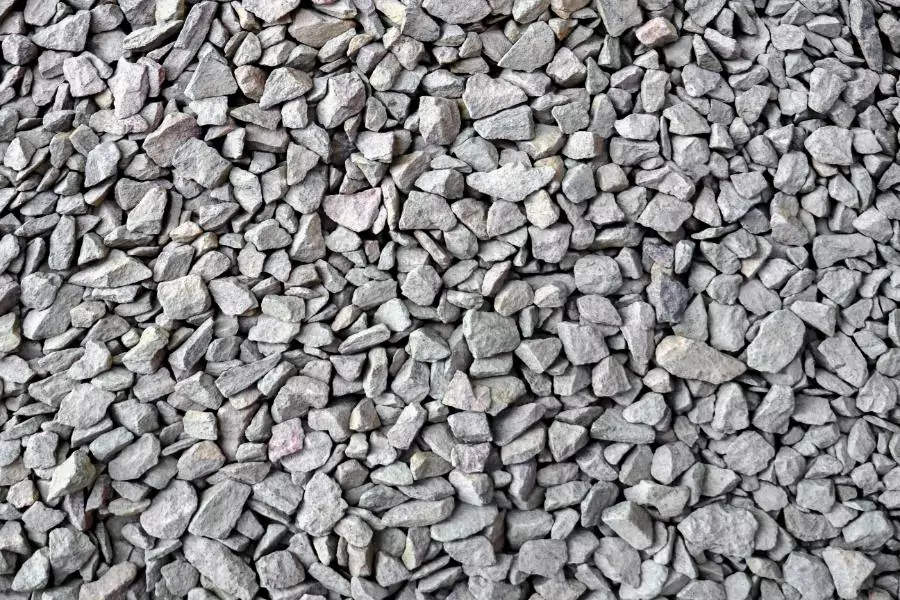
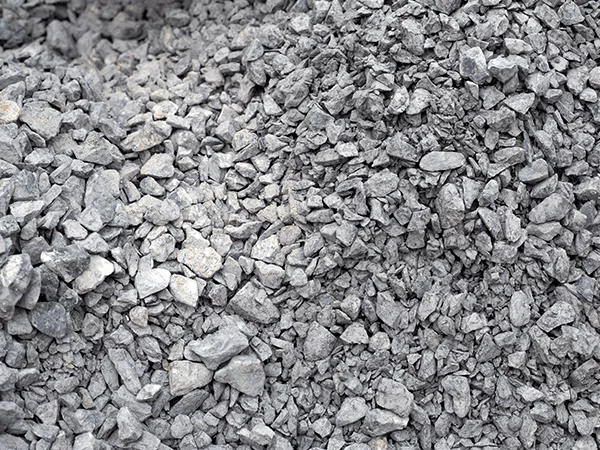


Gravel Monkey is your reliable source for premium gravel, aggregates, and landscaping materials delivered directly to properties throughout Lentner, Missouri. Serving farms, acreages, and homes across Shelby County and the surrounding northeast Missouri region, we understand the unique challenges rural properties face. From long country driveways to farm lanes, drainage solutions to foundation work, our extensive selection of aggregates and bulk materials arrives at your Lentner location with free delivery. Whether you are maintaining a property near the Salt River valley or working on projects in the rolling countryside, we bring professional-grade materials straight to your site.
Complete Aggregate & Material Selection for Lentner Properties
Lentner residents and landowners have access to our full inventory of construction and landscaping aggregates. Each material is selected for quality and suited to the specific soil conditions and climate challenges found in northeast Missouri:
- Driveway Gravel - Durable aggregate blend perfect for long farm driveways and rural access roads
- 3/4 inch Crushed Stone - Versatile limestone aggregate for driveways, bases, and drainage applications
- #57 Stone - Angular crushed stone ideal for drainage systems and concrete backfill
- Crusher Run - Compactable base material that locks together for stable driveways
- Road Base - Dense aggregate foundation for farm lanes and heavy-use access roads
- Pea Gravel - Smooth, rounded stone for walkways, landscaping beds, and decorative features
- River Rock - Natural aesthetic stone in multiple sizes for landscaping and erosion control
- Drain Rock - Open-graded aggregate for French drains and foundation drainage systems
- Crushed Concrete - Eco-friendly recycled aggregate for base layers and farm road maintenance
- Topsoil - Nutrient-rich soil for gardens, lawn establishment, and landscaping projects
- Fill Dirt - Clean fill for grading, leveling, and building up low areas
- Mason Sand - Fine-grade sand for mortar, concrete mixing, and construction
- Washed Sand - Clean, versatile sand for multiple building and landscaping uses
- Playground Sand - Safe, soft sand for play areas and sandboxes
- Walkway Gravel - Attractive aggregate for paths, garden trails, and pedestrian areas
- Decomposed Granite - Natural stone fines for compactable paths and rustic surfaces
Understanding Lentner's Soil and Climate Conditions
Working with aggregates and materials in Lentner requires understanding the local environment. The area sits in the transition zone between Missouri's glaciated plains and the dissected landscapes to the south. The predominant soil type around Lentner is Putnam silt loam, a clay-rich soil formed in loess deposits that presents specific challenges for construction and drainage projects.
This clay-heavy soil expands when wet and contracts during dry periods, making proper base preparation essential for any driveway or building project. The region experiences average annual rainfall of approximately 38 inches, with precipitation distributed throughout the year but concentrated in spring and early summer. These moisture patterns, combined with freeze-thaw cycles during winter months when temperatures regularly drop below freezing, demand aggregates that provide excellent drainage and resist frost heaving.
The rolling topography throughout Shelby County means many properties deal with natural water flow and drainage challenges. Understanding how water moves across your land is critical when planning aggregate installations. Properties near the Salt River valley or along the numerous creek tributaries that flow through the area require particular attention to erosion control and proper drainage design.
Aggregate Applications for Rural Lentner Properties
Farm and Country Driveways
Long rural driveways are a defining feature of properties around Lentner, and maintaining them properly requires the right materials. Many farm lanes extend several hundred feet or more from the main road to homesteads and outbuildings. These driveways need to support everything from daily passenger vehicles to heavy farm equipment, grain trucks, and livestock trailers.
The key to a long-lasting rural driveway starts with proper base preparation and material selection. In the clay soils common throughout the area, establishing a well-draining base is essential. Many successful installations begin with a geotextile fabric layer to prevent the clay from migrating up into your aggregate. Over this, a foundation layer of larger aggregate provides structural support and drainage. The compactable nature of materials allows them to form a solid matrix that resists rutting even under heavy loads.
For the surface layer, options vary based on budget and aesthetic preferences. Some property owners prefer the clean appearance and firm surface, while others opt for traditional loose aggregate that's easier to maintain and grade over time. In either case, proper crown grading is essential to shed water off the driving surface and prevent the pooling that leads to soft spots and deterioration.
Building Sites and Foundation Work
New construction on Lentner properties requires careful site preparation, and aggregates play a crucial role in creating stable building pads. The expansive clay soils demand proper drainage around foundations to prevent water accumulation that drives the freeze-thaw cycles causing foundation movement and cracking.
Foundation drainage systems typically incorporate perforated pipe surrounded by angular aggregate that creates void spaces for water movement. The angular shape of crushed materials prevents compaction while maintaining effective drainage. These systems should extend around the entire foundation perimeter and daylight at a lower elevation or connect to a drainage field away from the structure.
Livestock Facilities and Barnyard Areas
Farms around Lentner with cattle, horses, or other livestock face unique challenges in high-traffic areas like barn entrances, feeding stations, and loafing sheds. These areas see constant hoof traffic combined with moisture from rain, snow, and animal waste, quickly turning into muddy quagmires without proper surfacing.
Larger aggregates excel in these applications. The substantial stone size provides a stable surface that resists being pushed into the underlying soil while maintaining adequate drainage. Many farmers establish a deeper aggregate layer in gateways and feeding areas where traffic concentrates, sometimes going 8 to 12 inches deep to ensure long-term stability.
Garden and Landscape Projects
Residential properties in Lentner also benefit from decorative aggregates for landscaping enhancement. Natural materials add visual interest to flower beds, create definition along property borders, and reduce maintenance compared to traditional mulch that decomposes annually. The smooth, rounded character makes it comfortable for bare feet around patios and play areas while providing excellent weed suppression when installed over landscape fabric.
Choosing the Right Aggregate for Your Lentner Project
Understanding the characteristics of different aggregates helps you select the optimal material for your specific application. Here is how our most popular materials compare:
| Material Type | Best Applications | Drainage Rating | Compaction Ability | Typical Depth |
|---|---|---|---|---|
| Crusher Run | Driveway base, farm lanes | Good | Excellent | 4-6 inches |
| Road Base | Heavy-traffic roads, equipment access | Good | Excellent | 6-8 inches |
| 3/4" Crushed Stone | Driveway surface, general use | Very Good | Good | 3-4 inches |
| #57 Stone | Drainage systems, concrete backfill | Excellent | Fair | Varies by use |
| Drain Rock | French drains, foundation drainage | Excellent | Poor | 12-18 inches |
| Pea Gravel | Walkways, landscaping, decorative | Very Good | Poor | 2-3 inches |
| River Rock | Landscaping, erosion control | Good | Poor | 2-4 inches |
| Crushed Concrete | Base layer, farm road maintenance | Good | Very Good | 4-6 inches |
Serving Lentner and Surrounding Northeast Missouri Communities
While Lentner serves as our local hub in Shelby County, Gravel Monkey delivers throughout the broader northeast Missouri region. Our service area extends to nearby communities including Clarence to the north, Shelbina to the east, and Shelbyville to the south. We also reach properties around Bethel, Leonard, and the rural areas extending toward Monroe and Macon counties.
This coverage area encompasses diverse landscapes from the Salt River bottomlands to the upland prairie remnants, each with unique material needs. Properties near Clarence often deal with the transition zone between different soil types, while farms toward Shelbina may face different drainage patterns based on local topography. Understanding these regional variations helps us guide customers toward the aggregates that will perform best on their specific properties.
Free delivery throughout this service area means rural property owners receive the same convenient service regardless of how far from town they are located. We understand that farm and country properties often require larger quantities of materials, and our delivery vehicles are equipped to handle substantial loads efficiently.
Seasonal Considerations for Aggregate Projects in Lentner
Northeast Missouri's distinct seasons influence when and how to approach aggregate projects. Spring typically brings the highest moisture levels, with April and May averaging over 4 inches of rainfall each month. While this abundant moisture benefits growing crops, it makes aggregate installation more challenging. The ground is often saturated, making compaction difficult and equipment traffic risky in areas with the clay-rich soils.
Late spring and early summer provide ideal installation windows. The soil has dried sufficiently for equipment access, but summer heat has not yet arrived. This timing works particularly well for new driveway construction or major renovation projects that require excavation and base preparation. The moderate temperatures also make the physical work more comfortable.
Fall presents another excellent opportunity for aggregate work. September and October typically bring drier conditions, and completing projects before winter ensures you have proper access and drainage established before freeze-thaw cycles begin. Many property owners schedule driveway improvements and drainage installations during this window to be ready for winter weather.
Winter aggregate work is possible during dry, frozen periods, though installation is more challenging. The frozen ground makes excavation difficult, and proper compaction becomes nearly impossible. However, maintenance activities like adding surface aggregate to existing driveways can address problem areas and extend the life of your installation. Just be aware that materials spread during winter may require re-grading once spring thaw occurs.
Professional Installation Guidance for Lentner Property Owners
Successful aggregate installations require more than just quality materials. Proper site preparation and installation techniques ensure your investment performs well for years to come. Here are key considerations based on our experience serving properties throughout the Lentner area:
Site Preparation Fundamentals
Begin by evaluating the existing site conditions. On properties with the clay soils common around Lentner, adequate drainage is paramount. Observe how water moves across the site during rain events. Low areas where water pools indicate poor drainage that will compromise any aggregate installation. Address these issues first, potentially incorporating drainage tile or reshaping grades to direct water away from the work area.
Remove all organic material from the installation area. Topsoil, sod, roots, and vegetation will decompose over time, creating voids that cause settling and surface irregularities. Excavate to mineral soil, which around Lentner typically means reaching the clay subsoil layer. The depth of excavation depends on your project type and anticipated loading, but plan on at least 6 inches for driveways and 8-12 inches for heavy equipment access areas.
Base Layer Installation
For most driveway and road applications in the Lentner area, incorporating a geotextile fabric between the clay subgrade and aggregate base is wise. This fabric prevents clay migration into your aggregate while maintaining drainage. It is particularly valuable in high-moisture areas or where the clay content is especially high.
Install your base aggregate in lifts no more than 4 inches thick, compacting each layer thoroughly before adding the next. Mechanical compaction with a plate compactor or roller ensures the aggregate locks together properly. Water can aid compaction with some materials, but avoid over-wetting which creates a muddy mess rather than a solid base.
Surface Layer and Grading
Proper surface grading sheds water efficiently, preventing the puddling that accelerates deterioration. Create a crown in the center of driveways so water runs off both sides. The crown should rise about 3-4 percent from the edges, which means roughly 1 inch of rise for every 2 feet of width. This subtle crown is barely visible but dramatically improves drainage performance.
Edge definition helps contain aggregate and maintain clean borders. Some installations incorporate treated timber or steel edging, while others rely on compacted soil shoulders. Whatever method you choose, proper edges prevent aggregate migration and maintain the installation shape over time.
Maintaining Your Aggregate Surfaces
Proper maintenance extends the life and performance of aggregate installations. Rural driveways and farm lanes around Lentner face particular challenges from weather, heavy equipment use, and natural settling over time. Regular attention to these issues prevents minor problems from becoming major repairs.
Periodic grading is the most important maintenance task for aggregate surfaces. As traffic patterns develop, materials naturally migrate from high-use areas to the edges. Spring grading after winter freeze-thaw cycles restores proper crown and fills ruts. Many property owners grade twice annually, in spring after thaw and again in fall before winter arrives.
Add fresh aggregate every few years to replace material lost to compaction and migration. Even well-maintained surfaces gradually wear down. A fresh lift of 1-2 inches restores the surface level and provides renewed drainage capability. Time these additions for dry periods when conditions allow proper spreading and compaction.
Address drainage issues promptly. If water begins pooling where it previously drained, investigate the cause. Blocked culverts, filled ditches, or changes in adjacent land use may redirect water onto your property. Correcting drainage problems early prevents them from undermining your aggregate investment.
Frequently Asked Questions About Aggregates in Lentner
We deliver a comprehensive selection including driveway gravel, crushed stone in multiple sizes, pea gravel, river rock, crusher run, road base, drain rock, topsoil, fill dirt, various sand types, crushed concrete, and decomposed granite throughout Lentner and surrounding Shelby County areas.
Yes! Gravel Monkey offers FREE delivery to Lentner and the surrounding northeast Missouri area for all gravel and aggregate material orders.
The amount depends on your project. For long farm driveways, calculate length times width times depth in feet, then divide by 27 for cubic yards. For a typical rural driveway at 4 inches deep, plan on about 1 cubic yard per 80 square feet. Our team can help with exact calculations for your Lentner property.
For Lentner farm and country driveways, crusher run or road base provide excellent compaction and stability. The mix of stone sizes locks together well, handling both the freeze-thaw cycles and moisture common in northeast Missouri. Three-quarter inch crushed stone also works well as a top layer.
Absolutely! We routinely deliver to farms, acreages, and rural properties throughout the Lentner area and wider Shelby County. Whether you are near Clarence, Shelbina, or the more remote countryside, we can reach your location.
Given the clay-rich Putnam silt loam soils common around Lentner, drain rock and number 57 stone are excellent for French drains and foundation drainage. These angular aggregates create void spaces that allow water to move freely away from structures and prevent the standing water issues typical in this area.
We typically deliver to Lentner within 2 to 3 business days of your order. During peak spring and summer seasons, we recommend ordering a few days in advance to ensure your preferred delivery date.
We accept all major credit cards, debit cards, and electronic payment methods. Payment is processed securely online when you place your order for delivery to Lentner.
Ready to Get Started with Your Lentner Aggregate Project?
Whether you are building a new driveway, improving drainage, establishing a stable barnyard surface, or enhancing your landscape, Gravel Monkey provides the quality aggregates and professional service Lentner property owners depend on. Our extensive material selection ensures you will find exactly what your project requires, and our free delivery makes the entire process convenient and hassle-free.
Every property is unique, with specific soil conditions, drainage patterns, and usage requirements. Our team understands the challenges rural Missouri properties present and can help you select the right materials for lasting results. From small landscaping projects to major driveway installations, we are committed to helping Lentner customers succeed.
Contact us today to discuss your project needs. We will help you determine material quantities, answer questions about installation techniques, and schedule delivery at your convenience. With Gravel Monkey, quality aggregates delivered to your Lentner property are just a phone call away.

Need help? Reach out for a quote: