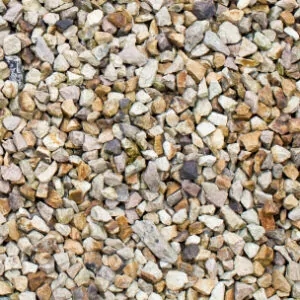
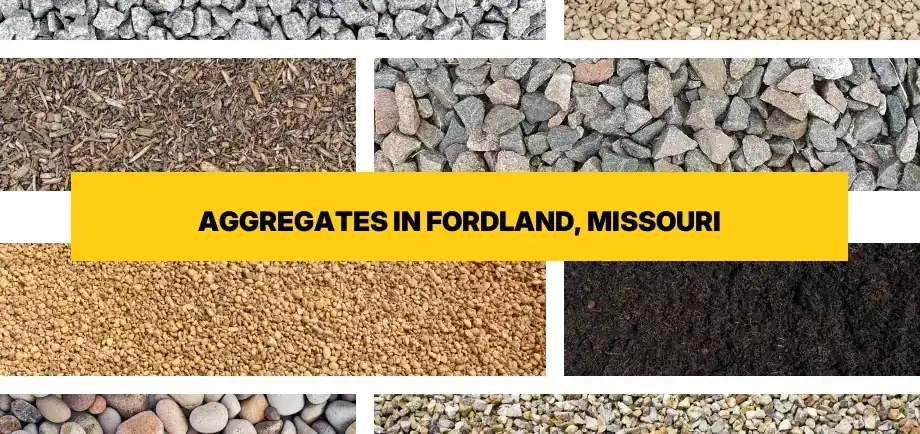
Bulk Aggregate & Gravel Products in Fordland, Missouri
Local Topsoil, Dirt, Sand, Rocks and Gravel near me in Fordland, Missouri
Shop Aggregates for Delivery in Fordland
Order online for free delivery to any Fordland address.
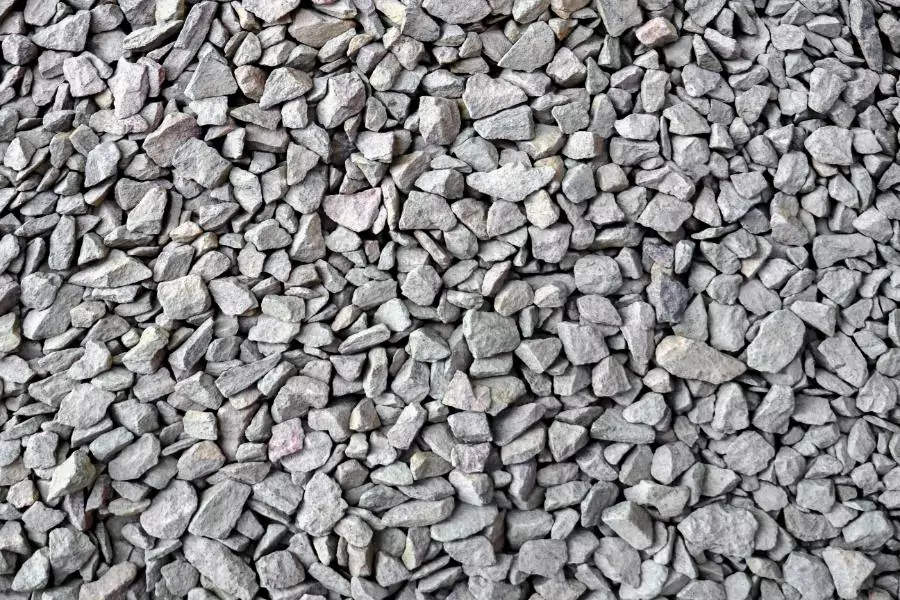
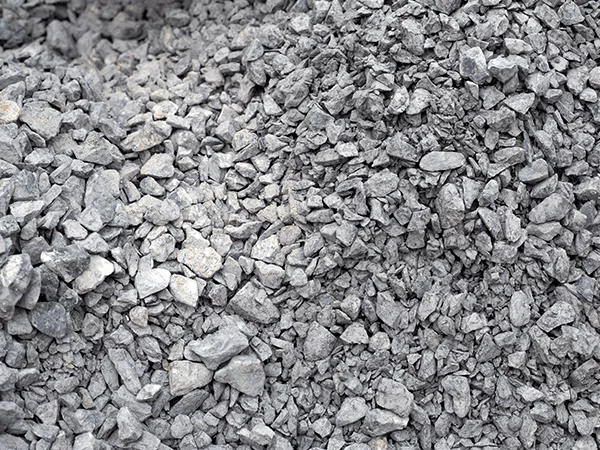


Gravel Monkey is your trusted source for high-quality aggregates and landscaping materials in Fordland, Missouri. Serving properties throughout Webster County and surrounding communities, we deliver premium gravel, stone, sand, and soil materials directly to your project site with absolutely free delivery. Whether you're building a new driveway on Highway 38, improving drainage near the historic downtown area, or landscaping a rural property in the rolling hills south of Rogersville, we provide the materials and expertise to ensure your project succeeds.
Complete Aggregate Selection for Fordland Properties
Understanding the unique characteristics of Webster County's clay-based soils and the challenges posed by Missouri's variable weather patterns, we offer a comprehensive range of aggregates specifically suited for southwest Missouri projects. Our material selection addresses everything from foundation drainage to decorative landscaping needs.
- Driveway Gravel - Premium compactable aggregate for long-lasting residential and rural driveways
- 3/4 inch Crushed Stone - Versatile limestone aggregate for multiple applications including driveways and drainage
- #57 Stone - Angular crushed stone perfect for concrete projects and French drain systems
- Crusher Run - Compactable blend of stone and fines that creates exceptional base stability
- Road Base - Heavy-duty foundation material for driveways and access roads
- Pea Gravel - Smooth decorative stone for landscaping beds and walkways
- River Rock - Natural rounded stone for aesthetic water features and garden borders
- Drain Rock - Engineered aggregate for superior drainage performance
- Crushed Concrete - Eco-friendly recycled aggregate for sustainable construction
- Walkway Gravel - Comfortable walking surface for paths and recreational areas
- Decomposed Granite - Natural compactable fines for rustic pathways
- Topsoil - Nutrient-rich soil for gardens and lawn establishment
- Fill Dirt - Essential material for grading and site preparation
- Mason Sand - Fine washed sand for mortar and construction applications
- Playground Sand - Safe, clean sand for play areas and sandboxes
- Washed Sand - Clean multipurpose sand for various applications
Understanding Fordland's Unique Soil and Climate Conditions
Fordland sits in the Springfield Plateau region of the Ozarks, where the underlying geology consists primarily of Mississippian-age limestone with substantial chert deposits. The local soil profile features expansive clay soils that present specific challenges for construction and landscaping projects. These heavy clay soils have poor natural drainage and are prone to significant swelling and shrinking with moisture changes.
With an average annual rainfall of approximately 45 inches and temperature extremes ranging from summer highs above 90 degrees to winter lows below 20 degrees Fahrenheit, properties throughout the Fordland area experience significant freeze-thaw cycles. This climatic reality makes proper aggregate selection and installation techniques critically important for project longevity.
The combination of expansive clay and seasonal moisture variation means that adequate base preparation using properly compacted aggregates isn't optional—it's essential. Properties near Seymour, along Highway 38 toward Marshfield, and in the rural areas south toward Christian County all share these geological characteristics that influence material choices.
Why Local Geology Matters for Your Project
The chert-bearing limestone bedrock common throughout Webster County provides excellent source material for crushed stone aggregates. Local quarries produce angular, high-quality stone that compacts exceptionally well and provides superior interlocking characteristics. This makes locally-sourced crushed aggregates ideal for projects requiring stability on challenging clay soils.
For drainage applications—which are particularly critical in Fordland's clay environment—clean, angular aggregates allow water to flow freely while the stone structure remains stable. This prevents the soil saturation that leads to foundation settling, driveway deterioration, and landscape erosion problems common in poorly drained clay soils.
Serving Fordland and Surrounding Communities
Gravel Monkey provides free aggregate delivery throughout the Fordland area, including all neighborhoods within the city limits and surrounding rural properties. We regularly serve customers throughout Webster County and adjacent areas, ensuring that both residential homeowners and agricultural operators have access to quality materials.
Primary Service Areas
Our delivery routes cover the entire Fordland community, from the historic downtown district along Madison Street to newer residential developments on the eastern side of town. We frequently deliver to properties along Highway 38 in both directions, serving the corridor between Seymour to the west and Marshfield to the northeast. Rural properties on county roads extending south toward Christian County and north toward Rogersville receive the same free delivery service as in-town locations.
Nearby communities we regularly serve include Rogersville, Seymour, Marshfield, Niangua, and Strafford. Agricultural properties with long driveways, farm lanes requiring aggregate bases, and livestock facilities needing proper drainage solutions represent a significant portion of our customer base in this predominantly rural region.
Driveway Aggregates for Southwest Missouri
Fordland's clay soils and freeze-thaw weather cycles demand careful attention to driveway construction. A properly built driveway requires both appropriate base materials and suitable surface aggregates to withstand seasonal changes and heavy vehicle loads over decades of use.
Base Layer Essentials
The foundation of any quality driveway starts with proper excavation to remove unsuitable clay and organic material, followed by installation of a compacted base layer. In the Fordland area, this typically means using either crusher run or road base material to create a stable, well-drained foundation that won't shift or settle.
Crusher run contains a blend of stone sizes from dust to approximately 1 inch, creating a dense, interlocking matrix when compacted. This material sheds water effectively while providing exceptional load-bearing capacity. For rural driveways and farm lanes where heavy equipment traffic is expected, road base offers even greater structural integrity.
Surface Material Options
After establishing a solid base, the surface layer determines your driveway's appearance and immediate performance characteristics. Three-quarter inch crushed stone provides an economical, traditional surface that handles residential traffic well. The angular shape of crushed limestone interlocks effectively, minimizing rutting and migration.
For properties where aesthetics matter alongside functionality, pea gravel offers a more decorative appearance, though it requires edge restraint to prevent spreading. Many Fordland homeowners choose crushed stone for the main driveway while using decorative aggregates for walkways and landscaping transitions.
| Aggregate Type | Best Applications | Drainage Rating | Compaction | Missouri Climate Suitability |
|---|---|---|---|---|
| Crusher Run | Driveway base, farm lanes | Excellent | Superior | Ideal for freeze-thaw |
| 3/4" Crushed Stone | Driveway surface, general use | Very Good | Good | Excellent durability |
| #57 Stone | Drainage, concrete, French drains | Outstanding | Moderate | Perfect for clay soils |
| Road Base | Heavy-duty access roads | Excellent | Maximum | Handles extreme loads |
| Pea Gravel | Landscaping, decorative paths | Good | Minimal | Requires maintenance |
| Drain Rock | Foundation drains, wet areas | Maximum | Not required | Essential for clay areas |
| Crushed Concrete | Budget-friendly base material | Very Good | Good | Cost-effective solution |
| Decomposed Granite | Walkways, rustic paths | Moderate | Good | Natural appearance |
Critical Drainage Solutions for Clay Soils
Given Fordland's heavy clay soils and substantial rainfall, proper drainage represents the single most important factor in protecting structures and preventing landscape problems. Clay's tendency to hold water creates hydrostatic pressure against foundations, causes basement seepage, and turns yards into muddy quagmires after rain events.
French Drain Systems
French drains use perforated pipe surrounded by clean aggregate to capture and redirect subsurface water away from problem areas. For Webster County properties, this typically involves excavating trenches approximately 18 to 24 inches deep, installing perforated drainage pipe, and surrounding the pipe with drain rock before backfilling.
The aggregate serves two critical functions: it allows water to flow freely into the perforated pipe while filtering out fine soil particles that would otherwise clog the system. Properties near downtown Fordland with basement moisture issues often benefit from perimeter French drains that intercept groundwater before it reaches foundation walls.
Surface Drainage Improvements
Surface water management matters just as much as subsurface drainage. Properly graded yards that direct water away from structures prevent the erosion and pooling problems common in clay soils. Strategic placement of drainage swales filled with river rock creates attractive features that handle runoff effectively while adding landscape interest.
For areas that remain wet after storms, installing dry creek beds using larger river rock provides both functional drainage and natural aesthetic appeal. These features work particularly well in the rolling terrain typical of properties south of Fordland, where elevation changes can be used to advantage in moving water to appropriate discharge points.
Decorative Aggregates and Landscaping Materials
Beyond functional applications, aggregates play essential roles in creating attractive, low-maintenance landscapes suited to the Fordland climate. Properly selected and installed decorative stone reduces watering requirements, suppresses weeds, and provides visual interest year-round.
Mulch Alternatives Using Stone
While organic mulches break down quickly in Missouri's humid summers, stone mulches provide permanent solutions that never need replacement. Pea gravel creates smooth, neutral-colored ground cover ideal for contemporary landscapes, while river rock in various sizes offers more dramatic textural contrast.
Around foundation plantings and in beds between the house and driveway, stone mulch eliminates the mud splash that stains siding during heavy rains—a common problem with clay soils. The stone also creates a thermal mass that moderates soil temperature swings, benefiting plant roots during both summer heat and winter freezes.
Pathways and Walking Surfaces
Creating comfortable, well-drained walking surfaces presents challenges in clay-based soils that become slippery when wet. Walkway gravel provides a stable, permeable surface that drains immediately after rain while remaining comfortable underfoot. For more rustic appearances, decomposed granite compacts into a firm, natural-looking path surface.
Garden paths connecting different landscape areas work best when constructed similarly to driveways: excavate unsuitable clay, install compacted base material, and top with your chosen walking surface aggregate. This approach ensures paths remain stable and puddle-free regardless of weather conditions.
Aggregate Solutions for Rural and Agricultural Properties
Fordland's agricultural heritage means many properties include barns, outbuildings, livestock facilities, and farm lanes that require proper aggregate bases. Rural applications often demand more material and heavier-duty solutions than residential projects, but the principles remain the same: proper base preparation followed by appropriate aggregate selection.
Farm Lane Construction
Long farm lanes accessing fields or outbuildings need bases that handle heavy equipment including tractors, grain trucks, and delivery vehicles. Road base material provides the structural integrity required for these demanding applications. Unlike residential driveways, farm lanes often benefit from deeper aggregate layers—6 to 8 inches of compacted base plus surface material.
Properties extending toward Seymour or into the agricultural areas south of Fordland frequently require quarter-mile or longer lanes. Proper construction prevents the rutting and maintenance headaches that plague lanes built directly on clay. The initial investment in adequate aggregate pays dividends in reduced ongoing maintenance and improved equipment access during wet conditions.
Livestock Facilities and Feeding Areas
Cattle feeding areas, equipment pads around barns, and high-traffic livestock zones quickly become impassable mud pits in clay soils without proper aggregate bases. Crushed concrete offers a cost-effective solution for these large-area applications, providing solid footing while allowing some drainage.
For areas requiring maximum drainage—such as around water troughs or in paddocks prone to standing water—a base of drain rock topped with crusher run creates surfaces that remain functional even during extended wet periods. This combination handles livestock traffic while preventing the mud-related health problems that affect cattle and horses on poorly drained sites.
Choosing the Right Aggregate for Your Fordland Project
With numerous aggregate options available, selecting appropriate materials depends on understanding your project requirements, site conditions, and budget considerations. The following guidance helps match materials to common applications throughout the Fordland area.
Residential Driveway Projects
For standard residential driveways experiencing normal passenger vehicle traffic, begin with 4 to 6 inches of compacted crusher run base, followed by 2 to 3 inches of three-quarter inch crushed stone surface layer. This combination provides decades of service with minimal maintenance when properly installed over correctly prepared subgrade.
Homeowners on tight budgets might consider crushed concrete for the base layer, reserving natural crushed stone for the visible surface. This approach reduces material costs while maintaining proper structural performance.
Drainage and Foundation Projects
Any project addressing water management in Fordland's clay soils requires clean, angular aggregate that promotes rapid water movement. Number 57 stone or dedicated drain rock ensures French drains, foundation perimeter drains, and footing drains function as designed. Never use crusher run or materials containing fines in drainage applications—the small particles will clog void spaces and defeat the drainage purpose.
Landscaping and Decorative Applications
Visual appeal drives material selection for landscaping projects. River rock provides natural, rounded aesthetics perfect for dry creek beds and decorative ground cover. Pea gravel offers more economical coverage for large bed areas while creating clean, contemporary appearances. Walkway gravel strikes a balance between visual appeal and comfortable walking surfaces for garden paths connecting outdoor spaces.
For xeriscaping approaches that reduce irrigation requirements—increasingly popular given Missouri's summer heat and occasional drought conditions—stone mulches eliminate watering needs entirely while controlling weed growth more effectively than organic alternatives.
Installation Best Practices for Long-Term Performance
Even premium aggregates fail to perform adequately when installed incorrectly over unprepared subgrade. Success requires attention to proper preparation, base depth, compaction techniques, and edge restraint where appropriate.
Site Preparation Fundamentals
Begin every project by removing existing vegetation, organic topsoil, and unsuitable clay to reach stable subgrade. In Fordland's expansive clay soils, this often means excavating deeper than initially expected—sometimes 8 to 12 inches for driveways and other load-bearing applications. The excavated depth accommodates both base and surface aggregate layers while providing the structural integrity necessary for long-term performance.
After excavation, compact the exposed clay subgrade using a plate compactor or similar equipment. This step prevents subsequent settling that causes depressions and drainage problems. Many installation failures result from inadequate subgrade preparation rather than material deficiencies.
Layering and Compaction Techniques
Install base materials in lifts no thicker than 4 inches, compacting each layer thoroughly before adding the next. This approach achieves maximum density and load-bearing capacity. For deeper bases, multiple compacted lifts outperform single thick layers that cannot be adequately compacted throughout their depth.
Water aids compaction of materials like crusher run, helping fines fill voids between larger stones. However, avoid over-watering, which creates muddy conditions that prevent proper compaction. The material should be damp enough to hold together when squeezed but not so wet that water appears on the surface during compaction.
Edge Restraint Considerations
Driveways and pathways need edge restraint to prevent aggregate migration and maintain defined borders. For crushed stone driveways, this typically involves excavating edges slightly below surrounding grade and installing steel edging or simply allowing grass to grow against the compacted aggregate edge. Decorative stone beds absolutely require proper edging—plastic landscape edging, steel borders, or mortared stone edges prevent spreading and maintain clean landscape definition.
Working with Missouri's Seasonal Changes
Fordland's climate presents specific seasonal considerations that affect both project timing and material performance throughout the year.
Spring Installation Challenges
Spring's heavy rainfall and saturated soils make site access difficult and proper compaction nearly impossible. While property owners naturally want to complete outdoor projects as weather warms, waiting for soils to dry somewhat improves results dramatically. Late spring, after the main rain season but before summer heat arrives, often provides ideal installation conditions.
Summer and Fall Opportunities
Summer and early fall offer the best weather windows for aggregate projects in the Fordland area. Dry conditions facilitate excavation, compaction proceeds efficiently, and completed projects have time to settle before winter freeze-thaw cycles begin. Properties requiring extensive grading benefit especially from summer's typically drier soils that allow heavy equipment to work without creating additional compaction problems or getting stuck.
Winter Performance
Properly installed aggregate bases perform admirably through winter's freeze-thaw cycles. The free-draining nature of crushed stone prevents water accumulation that would freeze, expand, and cause heaving. This represents a significant advantage over concrete or asphalt in rural areas where snow removal might be inconsistent and standing water more common.
Understanding Material Quantities and Project Costs
Accurate quantity estimation prevents both material shortages that delay completion and expensive over-ordering. Understanding how to calculate needs helps budget projects appropriately.
Calculating Required Quantities
Aggregate quantities are determined by the area to be covered and desired depth. The formula is straightforward: length times width times depth equals cubic feet required. Divide cubic feet by 27 to convert to cubic yards—the standard measurement for ordering aggregates. Most suppliers also reference tons, with conversion depending on specific material density.
As a general guideline, one ton of crushed stone covers approximately 100 square feet at 2 inches deep. Therefore, a 12-foot by 50-foot driveway (600 square feet) requiring 4 inches of crusher run base and 2 inches of crushed stone surface needs approximately 12 tons of base material and 6 tons of surface aggregate. Adding 10 percent extra accounts for compaction and uneven subgrade.
Budget-Friendly Alternatives
Cost-conscious property owners can reduce expenses without sacrificing performance by using crushed concrete for base layers, reserving natural crushed stone for visible surfaces only. This approach cuts material costs substantially while maintaining structural integrity. For farm lanes and purely functional applications where aesthetics matter less, crushed concrete works well throughout the entire depth.
Frequently Asked Questions About Gravel in Fordland
We deliver a comprehensive selection of aggregates including driveway gravel, crushed stone in various sizes, pea gravel, river rock, crushed concrete, crusher run, road base, drain rock, topsoil, fill dirt, and multiple sand types throughout Fordland and surrounding Webster County areas.
Yes! Gravel Monkey provides FREE delivery to Fordland and the surrounding Missouri area for all aggregate and landscaping material orders. We serve properties throughout the community and nearby rural areas.
For Fordland driveways, we recommend three-quarter inch crushed stone or Number 57 stone for the surface layer, with crusher run or road base underneath for optimal stability. The Missouri climate and local soil conditions make proper base preparation essential for long-lasting driveways.
Calculate your needs by measuring length times width times depth. For driveways, plan for 4 to 6 inches of depth. A standard two-car driveway typically requires 15 to 20 tons of aggregate. Our team can help you calculate the exact amount for your specific Fordland property.
Given Fordland's clay-based soils and average annual rainfall of 45 inches, proper drainage is essential. We recommend drain rock or Number 57 stone for French drains, foundation perimeters, and wet areas. These aggregates provide excellent water flow while preventing soil migration.
Absolutely! We regularly deliver to rural properties throughout Webster County including areas near Rogersville, Seymour, and Marshfield. Our free delivery service extends throughout the Fordland region for residential, agricultural, and commercial projects.
For the Fordland area's freeze-thaw cycles and expansive clay soils, crusher run or road base provides the most stable foundation. These compactable materials create a solid base that resists shifting during temperature changes and heavy rainfall typical of southwest Missouri.
The key is proper excavation and base preparation. Remove clay soil to adequate depth, install a compacted base of crusher run or road base, and top with angular crushed stone. This layered approach creates drainage and prevents the mixing of gravel with underlying clay that causes muddy conditions.
Professional Aggregate Delivery Throughout Fordland
Gravel Monkey combines premium materials with expert guidance to ensure your Fordland project succeeds. Whether you're installing a new driveway, addressing drainage challenges in clay soils, landscaping your property, or building farm lanes, we deliver the right aggregates with the knowledge to use them effectively.
Our free delivery service eliminates transportation hassles while ensuring materials arrive when you need them. We understand Webster County's soil conditions, climate challenges, and the specific requirements of projects throughout the Fordland area. From residential properties in town to rural agricultural operations extending toward Rogersville and Seymour, we provide the same quality materials and professional service to every customer.
Contact us today to discuss your project requirements, receive accurate material quantity estimates, and schedule your free delivery. Our team looks forward to helping you complete your project successfully with premium aggregates delivered directly to your Fordland property.

Need help? Reach out for a quote: