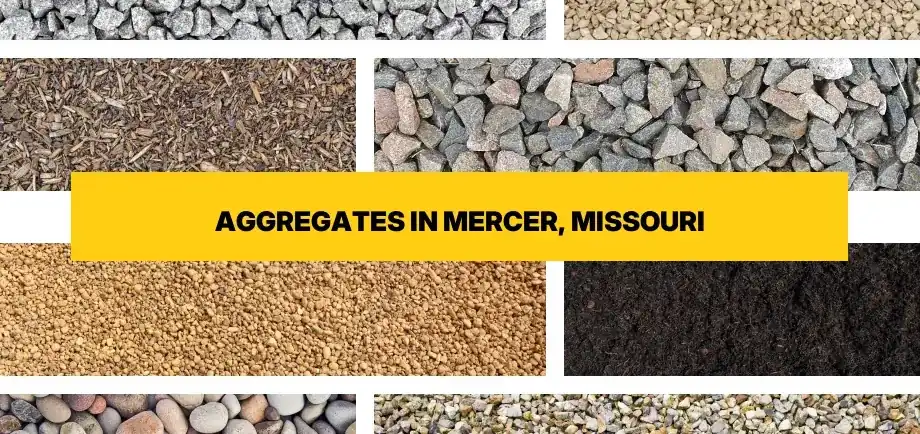
Bulk Aggregate & Gravel Products in Mercer, Missouri
Local Topsoil, Dirt, Sand, Rocks and Gravel near me in Mercer, Missouri
Shop Aggregates for Delivery in Mercer
Order online for free delivery to any Mercer address.
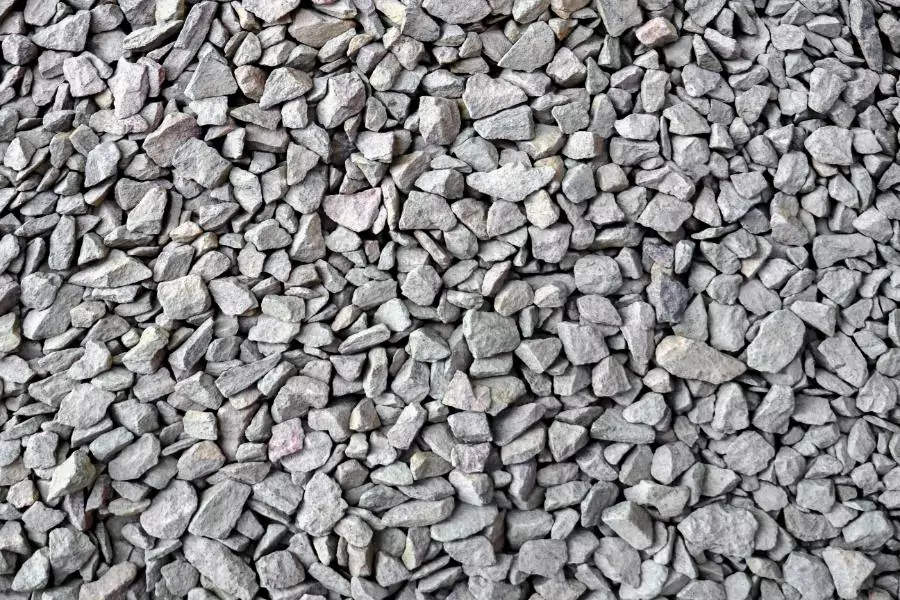
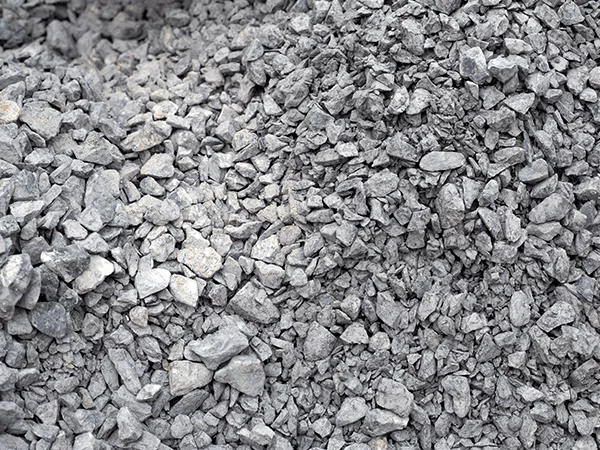


Gravel Monkey provides premium gravel and aggregate delivery throughout Mercer, Missouri, serving residential farms, commercial properties, and rural developments across Mercer County. Located in north-central Missouri's agricultural heartland, Mercer faces unique challenges with its clay-heavy soils and variable weather conditions that demand quality aggregates for lasting construction projects. Whether you're improving a county road access drive, creating proper drainage solutions for your farm buildings, or developing pathways around your property, we deliver high-quality materials directly to your location with absolutely free delivery.
Complete Range of Aggregates for Mercer Properties
Understanding Mercer's soil composition and climate patterns, we offer materials specifically suited for Missouri's demanding conditions. Our aggregate selection addresses the common challenges faced by property owners in this region, from managing clay soil expansion to handling freeze-thaw cycles that affect driveways and foundations.
- Driveway Gravel - Engineered for long-lasting rural and residential driveways
- 3/4 inch Crushed Stone - Versatile aggregate for multiple applications
- #57 Stone - Industry-standard stone for drainage projects
- Crusher Run - Compactable base material for solid foundations
- Road Base - Heavy-duty aggregate for access roads
- Pea Gravel - Decorative stone for walkways and landscaping
- River Rock - Natural aesthetic for garden features
- Crushed Concrete - Eco-friendly recycled aggregate option
- Drain Rock - Specialized stone for water management
- Topsoil - Nutrient-rich soil for gardens and lawns
- Fill Dirt - Essential material for grading and leveling
- Mason Sand - Fine sand for construction and masonry
- Playground Sand - Safe, clean sand for play areas
- Washed Sand - Clean sand for various applications
- Decomposed Granite - Natural material for pathways
- Walkway Gravel - Attractive stone for garden paths
Understanding Mercer's Soil and Climate Conditions
Mercer sits in Missouri's glaciated plains region, characterized by deep clay-rich soils that present specific challenges for construction and drainage. The area's Grundy silty clay loam and related soil types have high shrink-swell potential, meaning they expand when wet and contract during dry periods. This characteristic makes proper aggregate selection critical for driveway stability and foundation support.
With average annual precipitation around 35 inches and temperature swings from below zero in winter to above 90 degrees in summer, Mercer County experiences significant freeze-thaw cycles. These conditions demand aggregates with excellent drainage properties to prevent frost heaving and maintain structural integrity throughout the seasons. Properties throughout the Mercer area, from downtown locations to rural farms, benefit from properly installed aggregate bases that account for these geological realities.
Why Aggregate Quality Matters in North Missouri
The combination of expansive clay soils and dramatic weather fluctuations means that aggregate material selection directly impacts project longevity. Quality crushed stone creates necessary void spaces that allow water to drain away from structures rather than saturating the clay beneath. This drainage function becomes particularly important during spring thaw periods when ground moisture levels peak across Mercer County.
Popular Aggregate Applications Throughout Mercer
Farm and Rural Access Driveways
Rural properties surrounding Mercer often require substantial driveway solutions that can handle heavy equipment, livestock trailers, and farm machinery. The typical gravel driveway for agricultural use benefits from a layered approach: a compacted base of crusher run or road base provides the structural foundation, topped with angular driveway gravel that interlocks and resists rutting even under heavy loads.
Many properties along county roads leading to communities like Modena and surrounding townships need driveways that transition from paved county roads to farm buildings. These transitions require careful grading and proper aggregate depth—typically four to six inches—to prevent the common problem of gravel migrating onto paved surfaces or creating washout channels during heavy rains that are common in Missouri springs.
Residential Property Improvements
In-town properties throughout Mercer utilize aggregates for various residential improvements. Decorative applications using pea gravel or river rock enhance landscaping around homes, creating attractive flower bed borders and garden features that complement Missouri's native plantings. These materials also serve functional purposes, reducing mud splash-back against home foundations during rainy periods.
Walkway gravel creates attractive pathways connecting different areas of residential properties, from side yards to garden sheds. The smaller stone sizes provide comfortable walking surfaces while maintaining the natural aesthetic that fits well with Mercer's rural character. Proper installation over landscape fabric prevents weed growth and maintains clean, defined pathway edges.
Drainage Solutions for Missouri Clay
Perhaps no application matters more in Mercer than proper drainage management. The area's clay soils shed water rather than absorbing it, creating surface water issues around buildings, along driveways, and in low-lying areas. Strategic placement of drain rock in French drain systems, around building perimeters, and along property edges helps manage water flow and protects structures from moisture damage.
#57 stone serves as the workhorse material for drainage applications throughout the region. Its uniform size creates consistent void spaces that allow water movement while preventing fine soil particles from clogging the system—a critical feature when working with silty clay soils typical of Mercer County.
| Aggregate Type | Best Applications | Clay Soil Performance | Drainage Rating |
|---|---|---|---|
| Driveway Gravel | Residential & farm driveways | Excellent - prevents rutting | Very Good |
| Crusher Run | Base layer, road foundations | Superior - compacts well | Good |
| 3/4" Crushed Stone | General construction, driveways | Excellent stability | Excellent |
| #57 Stone | Drainage systems, French drains | Excellent drainage | Superior |
| Pea Gravel | Landscaping, decorative areas | Good for surface cover | Excellent |
| Road Base | Heavy-duty access roads | Superior load bearing | Good |
| Crushed Concrete | Budget-friendly base material | Good compaction | Very Good |
| River Rock | Landscaping, water features | Decorative use | Excellent |
Comprehensive Delivery Throughout Mercer County
Gravel Monkey serves all areas of Mercer and the surrounding region with free aggregate delivery. Whether your project is located in the heart of downtown Mercer near the courthouse square, in residential neighborhoods, or on rural acreage miles outside town limits, we provide the same reliable delivery service.
Our delivery coverage extends to properties along Highway 146, Highway 136, and throughout the rural road network that connects Mercer County communities. We regularly serve farms and properties near Lineville to the west, Modena to the east, and throughout the agricultural areas that define this region's character. Distance from town doesn't affect our commitment to free delivery—rural customers receive the same service as in-town properties.
The surrounding areas including portions of neighboring counties also fall within our standard delivery zone. Properties near Princeton, Cainsville, and other nearby communities benefit from our extensive service area. This broad coverage ensures that anyone working on projects in north-central Missouri can access quality aggregates without transportation challenges or additional fees.
Seasonal Planning for Aggregate Projects
Missouri's distinct seasons influence the timing and approach to aggregate projects. Spring typically brings the wettest conditions, with April and May receiving the highest rainfall. While this moisture can complicate new installations, it's also when many property owners discover drainage issues that require aggregate solutions. Planning drainage improvements during drier summer months allows for easier excavation and installation.
Fall: Ideal Installation Season
Late summer through fall presents optimal conditions for most aggregate projects in the Mercer area. The ground remains workable but typically drier than spring conditions, allowing better compaction of base materials. Completing driveway improvements before winter ensures the aggregate has time to settle and compact naturally before facing freeze-thaw stress.
Winter Considerations
While winter presents challenges for some projects, certain aggregate applications remain viable during cold months. Adding additional gravel to existing driveways can address winter ruts and provide better traction during snowy conditions. Properties that use gravel for winter maintenance access—such as paths to outbuildings or barn areas—benefit from material additions before heavy snow arrives.
The key consideration during winter is ground frost depth. Once the ground freezes deeply, excavation for new installations becomes impractical. However, surface applications don't require excavation and can proceed during frozen conditions, providing immediate improvements to traction and access.
Estimating Aggregate Quantities for Your Project
Accurate material estimation prevents both shortages that delay completion and excess material that creates disposal challenges. The basic calculation requires three measurements: length, width, and desired depth, all converted to feet. Multiplying these dimensions gives cubic feet, which divides by 27 to convert to cubic yards—the standard measurement for aggregate ordering.
Common Depth Guidelines
Different applications require different material depths for proper function:
- Driveway base layer: 4-6 inches of compacted aggregate
- Driveway surface layer: 2-3 inches of finish gravel
- Walkways and paths: 2-3 inches for foot traffic
- Decorative landscaping: 2-3 inches for appearance and weed suppression
- Drainage applications: Varies by design, typically 12-18 inches
- Parking areas: 6-8 inches total depth for vehicle support
Missouri's clay soils often require deeper aggregate bases than sandy soils would need. The clay's poor drainage and expansion characteristics mean that providing adequate aggregate depth becomes essential for long-term performance. Skimping on base material depth might save money initially but typically leads to premature failure requiring complete reconstruction.
Best Practices for Aggregate Installation in Mercer
Proper installation techniques significantly impact how well aggregates perform in Missouri conditions. The process begins with site preparation: removing organic topsoil, grading for proper water drainage away from structures, and creating a stable subgrade. In Mercer's clay soils, this preparation phase often requires extra attention to ensure water doesn't become trapped beneath the aggregate layer.
Layering Strategy
Professional installations typically use a layered approach that builds strength progressively. A base layer of larger aggregate—such as road base or crusher run—provides structural support and facilitates drainage. This layer should be placed in lifts of three to four inches maximum, with each lift compacted before adding the next. Proper compaction eliminates voids that would later settle under load.
The final surface layer uses smaller, angular stone that interlocks well. For driveways handling regular vehicle traffic, this top layer prevents the base material from working to the surface while providing a stable, low-maintenance driving surface. The angular nature of crushed stone makes it superior to rounded gravel for applications requiring stability.
Managing Water Flow
Every aggregate installation in Mercer must account for water management. Proper crown in driveways—a slight peak in the center that slopes toward both edges—encourages water to sheet off rather than channeling down the middle. Edge berms or shallow ditches collect this runoff and direct it away from the driveway structure.
For properties with slope, cross-slope drainage features may be necessary every 50-75 feet to intercept water before it gains erosive velocity. These can be simple grade changes that direct water off the driveway or more formal structures using drain rock in swale configurations. The goal remains constant: prevent water from concentrating and undermining the aggregate base.
Specialty Aggregates for Unique Applications
Beyond standard crushed stone and gravel, specialized materials serve specific purposes on Mercer properties. Decomposed granite creates attractive, natural-looking pathways that complement prairie-style landscaping popular in Missouri. This material compacts into a relatively firm surface while maintaining permeability—an important feature for reducing stormwater runoff.
Mason sand fills specific construction needs, from mortar mixing to paver installation. Its fine, consistent texture makes it ideal for creating the bedding layer beneath paving stones or for mixing with cement in masonry work. Many Mercer properties incorporate hardscaping elements—patios, walkways, retaining walls—that require quality mason sand for proper installation.
Playground sand provides safe surfacing for play areas, meeting safety standards while offering cushioning for active children. Rural properties often create dedicated play spaces away from livestock areas or farm equipment, and clean playground sand ensures these areas remain safe and appealing. Unlike standard sand that might contain contaminants, playground sand undergoes washing and screening to remove potentially harmful particles.
Washed sand serves various purposes from landscaping to construction applications. Its clean composition—free from clay, silt, and organic matter—makes it suitable for projects requiring precise sand specifications. Swimming pool installations, sand volleyball courts, and certain gardening applications all benefit from the purity of washed sand.
Sustainable Aggregate Choices
Environmental stewardship matters to many Mercer County property owners, and aggregate choices can reflect these values. Crushed concrete represents a sustainable option that recycles construction waste into useful material. This aggregate performs comparably to natural stone for many applications while reducing demand for quarried stone and keeping concrete out of landfills.
When selecting aggregate materials, consider the permeability needs of your property. Maintaining natural water infiltration helps prevent overwhelming stormwater systems and reduces downstream flooding risks—concerns relevant throughout Missouri's agricultural watersheds. Permeable aggregate choices, properly installed, allow rainfall to infiltrate gradually rather than creating concentrated runoff.
Local sourcing considerations also factor into environmental impact. While Gravel Monkey provides materials throughout the region, using aggregates processed relatively nearby reduces transportation distances and associated emissions. Quality materials delivered efficiently create the best environmental outcome by ensuring longevity that eliminates frequent replacement.
Frequently Asked Questions About Gravel in Mercer
For farm driveways handling heavy equipment and livestock trailers, we recommend a base layer of crusher run or road base topped with angular driveway gravel. This combination provides the load-bearing capacity needed for agricultural use while maintaining good drainage in clay soils. The base layer should be 4-6 inches deep, with 2-3 inches of surface gravel.
Mud issues typically indicate inadequate base depth or poor drainage. Ensure your driveway has at least 4 inches of compacted base material over properly graded soil that slopes for drainage. Installing fabric barrier before aggregate placement helps separate gravel from clay soil. For existing driveways, adding crusher run as a middle layer can improve stability.
Surface applications—adding gravel to existing driveways or creating new pathways over frozen ground—work fine during winter. However, projects requiring excavation or base preparation are better scheduled for warmer months when ground isn't frozen. Winter gravel additions can improve traction and address immediate access needs.
Number 57 stone provides excellent drainage performance for French drains and foundation drainage systems. Its uniform size creates consistent void spaces that allow water movement while the stone is large enough to resist clogging from silt migration—important in Mercer's clay soils. Drain rock is also specifically designed for these applications.
A typical single-car driveway 12 feet wide and 50 feet long requires approximately 7-8 cubic yards of aggregate for a 4-inch base layer, plus 3-4 cubic yards for a 2-inch surface layer. Exact amounts depend on specific dimensions and desired depth. Our team can provide precise estimates based on your property's measurements.
Yes! We provide free delivery throughout Mercer County and surrounding areas, including rural properties on county roads and private lanes. Distance from town doesn't affect our delivery service—we regularly serve farms and rural properties throughout the region. Contact us to confirm delivery availability for your specific location.
Pea gravel consists of small, naturally rounded stones that provide an attractive appearance for landscaping and decorative applications. Crushed stone features angular fragments created by mechanically crushing larger rock, which interlock together to provide superior stability for driveways and structural applications. Choose pea gravel for aesthetics, crushed stone for load-bearing needs.
Properly installed aggregate systems effectively address drainage issues common in clay soils. French drains using drain rock or number 57 stone intercept and redirect water away from problem areas. Surface applications of gravel can reduce mud and improve site drainage, though serious drainage issues may require designed systems that incorporate proper grading and aggregate placement.
Professional Aggregate Delivery for Mercer Properties
Gravel Monkey understands the unique requirements of Mercer County properties, from managing clay soil challenges to withstanding Missouri's weather extremes. Our comprehensive aggregate selection provides materials engineered to perform in local conditions, backed by free delivery throughout the Mercer area. Whether you're planning a farm driveway that handles heavy equipment, installing drainage solutions to protect buildings, or creating attractive landscaping features, we supply the quality materials your project demands.
Our experience serving north-central Missouri properties means we understand what works—and what doesn't—in Mercer's soil and climate conditions. This knowledge helps ensure you select appropriate materials for your specific application, avoiding common mistakes that lead to premature failure and unnecessary replacement costs. Quality aggregates properly installed provide decades of reliable service, making them among the most cost-effective improvements you can make to your property.

Need help? Reach out for a quote: