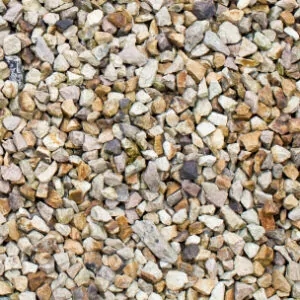

Rock & Driveway Gravel in Armstrong, Missouri
Local Topsoil, Dirt, Sand, Rocks and Gravel near me in Armstrong, Missouri
Shop Aggregates for Delivery in Armstrong
Order online for free delivery to any Armstrong address.
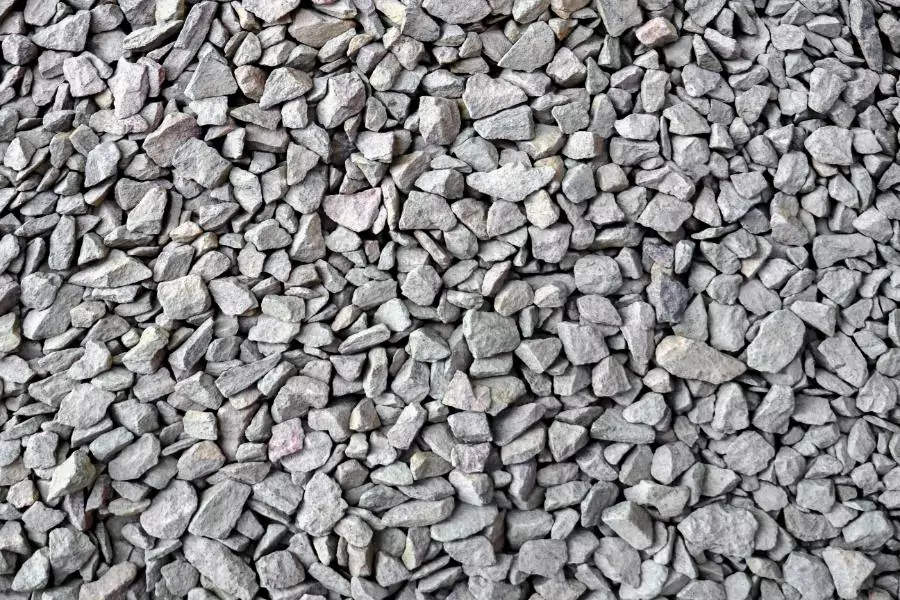
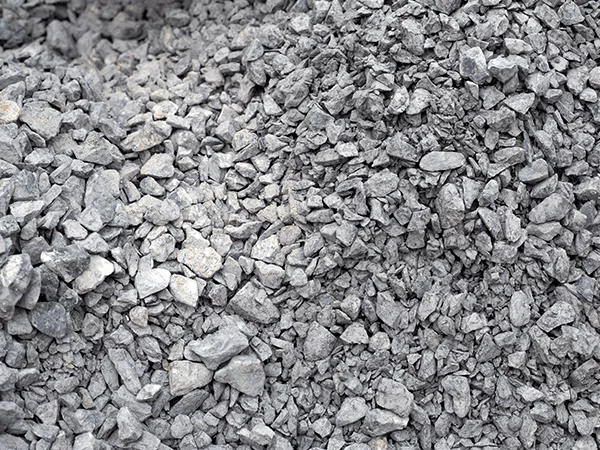


When you need reliable aggregate delivery in Armstrong, Missouri, Gravel Monkey delivers quality materials right to your property with free shipping. Located in Howard County along Highway 87, Armstrong sits in central Missouri's agricultural heartland where clay-rich soils and rolling terrain create unique challenges for driveways, drainage, and construction projects. Whether you're maintaining a rural property, upgrading your driveway, or working on a commercial project, we provide the aggregates you need without the hassle of pickup or rental fees.
Complete Selection of Aggregates Available in Armstrong
Gravel Monkey stocks a comprehensive range of stone and aggregate products designed to handle Armstrong's specific soil conditions and climate challenges. Our materials meet Missouri construction standards and work effectively in Howard County's clay-based soil composition.
- Driveway Gravel - Durable stone mix engineered for long-lasting rural and residential driveways
- 3/4 inch Crushed Stone - Versatile aggregate for driveways, foundations, and base layers
- #57 Stone - Popular drainage stone and concrete bedding material
- Crusher Run - Compactable blend perfect for solid bases and farm roads
- Road Base - Heavy-duty foundation material for roads and parking areas
- Pea Gravel - Smooth stone for landscaping, pathways, and decorative applications
- River Rock - Natural rounded stone for water features and garden beds
- Drain Rock - Specialized aggregate for French drains and drainage systems
- Crushed Concrete - Eco-friendly recycled aggregate for cost-effective projects
- Decomposed Granite - Natural compacting material for paths and patios
- Topsoil - Nutrient-rich soil for gardens and lawn establishment
- Fill Dirt - Quality fill for grading, leveling, and construction
- Mason Sand - Fine sand for masonry, paver bases, and construction
- Playground Sand - Clean, safe sand for play areas and sandboxes
- Washed Sand - Premium cleaned sand for concrete and landscaping
- Walkway Gravel - Decorative stone perfect for garden paths and trails
Understanding Armstrong's Soil and Climate Conditions
Armstrong's location in central Missouri means dealing with Mexico silt loam and other clay-heavy soils characteristic of Howard County. These dense soils present significant drainage challenges, especially during spring when the area receives much of its annual 40 inches of rainfall. The clay content causes water to pool on the surface rather than percolating through, creating muddy driveways and unstable ground conditions.
Temperature fluctuations compound these issues throughout the year. Armstrong experiences hot, humid summers with temperatures regularly exceeding 90 degrees, while winters bring freezing conditions that cause frost heaving in improperly prepared surfaces. This freeze-thaw cycle can destroy poorly constructed driveways and foundations within just a few seasons. Selecting the right aggregates and proper installation depth becomes critical for longevity.
The rural character of Armstrong and surrounding areas along County Roads 121, 127, and Highway 87 means many properties feature long gravel driveways requiring substantial material volumes. Agricultural operations need durable solutions that withstand heavy equipment traffic during harvest season when moisture levels are high and ground conditions challenging.
Driveway Aggregate Solutions for Armstrong Properties
Rural properties throughout Armstrong require driveways that handle everything from daily vehicle traffic to farm equipment and delivery trucks. The foundation material determines whether your driveway lasts decades or requires constant repair and regrading.
Base Layer Requirements
Armstrong's clay soils demand a substantial base layer to prevent settling and rutting. Most successful driveways start with 4 to 6 inches of compacted base material. Road base provides the strongest foundation, creating a stable platform that distributes weight across the clay subgrade. This heavy-duty material compacts into a dense, nearly impermeable layer that resists moisture penetration from below.
For properties with drainage challenges or lower sections where water tends to accumulate, increasing base depth to 8 inches ensures long-term stability. The extra depth creates elevation above problem areas and provides additional load-bearing capacity. Many Armstrong properties near Boone County line benefit from this approach where topography creates natural water flow patterns.
Top Layer Selection
The visible surface layer serves dual purposes: providing a smooth driving surface while protecting the base from weather. Driveway gravel contains a blend of stone sizes that interlock when compacted, creating a stable surface that sheds water. This top layer typically requires 3 to 4 inches of depth, and should be replenished every few years as vehicles gradually work stones into the base.
Properties seeking harder surfaces with less maintenance often choose crusher run for the top layer as well as the base. This material contains stone dust that acts as a binder when compacted, essentially creating a semi-permanent surface that holds together better than standard gravel. Near Fayette and Glasgow, many commercial operations use this approach for parking areas and equipment yards.
Drainage Aggregates for Central Missouri Clay
Managing water flow remains the primary challenge for Armstrong property owners. Clay soils prevent natural drainage, forcing water to move across the surface or collect in low spots. Proper drainage solutions protect buildings, prevent erosion, and keep access routes passable during wet periods.
French Drain Systems
French drains effectively move water away from foundations, barns, and other structures. These systems work by creating an underground pathway that allows water to flow with gravity. Drain rock fills the trench around perforated pipe, providing void space for water collection while preventing soil from clogging the system. The rounded stones allow water to move freely while supporting the trench walls.
Armstrong properties with basement moisture issues or buildings constructed in lower elevations benefit significantly from perimeter drainage. Installing French drains along the uphill side of structures intercepts water before it reaches the foundation. This approach proves particularly effective on properties near the Missouri River valley where the water table sits close to the surface.
Surface Drainage Solutions
Many rural driveways require crossing low spots or seasonal streams. Rather than installing culverts, some property owners use thick layers of larger stone to create fords that allow water to flow through while supporting vehicle weight. Number 57 stone works well for these applications, with individual stones large enough to resist washing away yet small enough to compact into a relatively smooth surface.
Swales and ditches lined with stone prevent erosion while directing water away from critical areas. The stone protects soil from being washed away during heavy rain while maintaining the drainage channel's shape and effectiveness over time.
| Aggregate Type | Best Applications | Compaction Level | Drainage Rating | Cost Efficiency |
|---|---|---|---|---|
| Road Base | Driveway foundations, parking areas, farm roads | Excellent | Low | Premium |
| Crusher Run | All-in-one driveway solution, bases, paths | Excellent | Moderate | High Value |
| 3/4 inch Crushed Stone | Driveway top layer, foundations, general use | Good | Good | Standard |
| #57 Stone | Drainage systems, concrete bedding, French drains | Moderate | Excellent | Standard |
| Drain Rock | French drains, foundation drainage, septic fields | Low | Excellent | Specialized |
| Crushed Concrete | Budget driveways, bases, farm roads | Good | Good | Most Economical |
| Pea Gravel | Landscaping, pathways, decorative areas | Poor | Excellent | Decorative |
| Decomposed Granite | Stable paths, patios, natural look areas | Good | Moderate | Premium |
Landscaping and Decorative Aggregates
Beyond functional applications, quality aggregates enhance Armstrong properties with attractive, low-maintenance landscaping solutions. Stone provides year-round visual interest while requiring minimal upkeep compared to mulch or grass.
Pathway and Patio Materials
Creating comfortable outdoor spaces in Armstrong's climate requires materials that stay cool underfoot during summer while draining quickly after rain. Decomposed granite compacts into a firm, natural-looking surface perfect for patios and entertainment areas. Unlike concrete or pavers, decomposed granite remains permeable, allowing water to soak through rather than running off into other areas of your property.
For more casual pathways through gardens or connecting different areas of your property, walkway gravel provides an attractive solution that clearly defines routes while maintaining a natural aesthetic. The smaller stone size creates a comfortable walking surface that still allows water to drain freely. Many Armstrong homeowners use this material for paths to sheds, gardens, and other outbuildings.
Garden and Flower Bed Applications
River rock transforms garden beds into striking focal points while serving practical purposes. The smooth stones suppress weed growth, retain soil moisture during hot summers, and protect plant roots from temperature extremes. Available in various sizes and colors, river rock complements any landscape design from formal to naturalistic.
Pea gravel offers similar benefits with a finer texture that works well around smaller plants and in tighter spaces. Its neutral color palette coordinates with any plant selection while the small stone size allows easy spreading and adjustment as gardens evolve. The rounded stones won't damage plant stems or delicate foliage.
Construction and Foundation Aggregates
Building projects throughout Armstrong require aggregates that meet Missouri construction standards while handling local soil conditions effectively. Proper aggregate selection during construction prevents future problems and ensures structures remain stable for decades.
Foundation Preparation
Before pouring concrete for foundations, proper site preparation begins with excavating below the frost line and creating a stable base. In Armstrong, the frost line reaches approximately 30 inches deep, meaning footings must extend to this depth to prevent heaving. Fill dirt provides economical material for bringing excavations back to proper grade after footings are poured.
The base directly beneath concrete slabs requires carefully selected aggregate that prevents settling while providing drainage. Number 57 stone serves this purpose perfectly, creating a 4 to 6 inch layer that supports the concrete while allowing water to drain away from beneath the slab. This prevents hydrostatic pressure buildup that can crack foundations or cause basement seepage.
Utility Trenches and Backfill
Installing water lines, electrical conduits, or drainage systems requires proper backfill materials that protect utilities while supporting surface restoration. Mason sand provides ideal backfill around pipes, conforming to irregular shapes and providing cushioning that prevents damage. The fine particles compact well without leaving voids that could cause settling.
Once utilities are bedded in sand, the remainder of the trench receives fill dirt or excavated material. For areas that will be paved or heavily used, crusher run provides superior compaction that prevents future settling and surface depressions.
Agricultural and Farm Aggregates
Armstrong's agricultural heritage means many properties include barns, equipment sheds, and livestock facilities requiring durable aggregate solutions. Farm operations generate heavy equipment traffic, animal impacts, and maintenance challenges that demand robust materials.
Barn and Shed Foundations
Agricultural buildings require foundations that drain quickly while providing stable footing. Road base creates exceptional barn floors that withstand tractor traffic while shedding water. The compacted surface resists rutting from equipment and remains stable even when wet. For livestock barns, the hard surface simplifies cleaning while preventing animals from churning mud during wet periods.
Equipment storage areas benefit from thick road base or crusher run installations that create nearly permanent surfaces. These materials handle the concentrated loads from combines, tractors, and grain trucks without developing the ruts and holes common in soil-based surfaces.
Livestock Areas
High-traffic livestock areas like paddock gates, water troughs, and feeding stations quickly become muddy messes in Armstrong's clay soils. Strategic placement of crushed concrete or road base creates all-weather surfaces that keep animals clean and healthy while reducing maintenance time. The stone prevents mud development while providing firm footing that reduces hoof problems.
Pasture lanes connecting different fields benefit from road base installation that remains passable in all conditions. This investment pays dividends during wet springs and autumns when unpaved lanes become impassable, forcing longer routes or damaging pastures with heavy equipment traffic.
Soil and Topsoil for Armstrong Gardens
While Armstrong's native clay soils support productive agriculture, gardens and lawns often struggle without amendments. Quality topsoil provides the foundation for successful landscaping and food production.
Garden Bed Preparation
Creating raised garden beds with imported topsoil solves multiple problems inherent to clay soils. The added elevation improves drainage while the loose, organic-rich soil allows roots to penetrate easily. Topsoil blended with compost creates optimal growing conditions for vegetables, flowers, and ornamental plants.
Most successful Armstrong gardens incorporate 8 to 12 inches of quality topsoil above the native clay. This depth provides adequate rooting space for most plants while creating enough mass to retain moisture during summer dry spells. The investment in topsoil pays dividends through improved plant health and productivity.
Lawn Establishment
Starting new lawns or repairing damaged areas requires topsoil that balances drainage with moisture retention. A 4 to 6 inch topsoil layer over prepared native soil gives grass roots the growing medium they need while the underlying clay prevents excessive drainage during summer. This combination creates lawns that stay green with less irrigation than pure sandy soils require.
For properties near Highway 87 or other areas with disturbed or compacted soils, thicker topsoil applications may be necessary to overcome underlying problems. Fill dirt can bring grades up before topsoil application, creating proper drainage patterns while providing the depth needed for healthy lawns.
Specialty Sands for Construction and Recreation
Beyond bulk aggregates, specific applications require specialized sand products that meet exacting standards for safety, workability, or performance.
Construction Applications
Masonry projects from brick patios to block retaining walls require mason sand that provides proper mortar consistency and color. This fine, clean sand mixes uniformly with cement, creating smooth mortar that spreads easily and produces consistent joints. The neutral color won't discolor light-colored mortars or grouts.
Paver installations depend on proper sand selection for long-term success. Washed sand creates the bedding layer beneath pavers, providing a stable, level surface that won't shift over time. The cleaned material drains freely while maintaining the precise grades necessary for professional-looking installations. Armstrong properties near Boonville often use this combination for attractive outdoor living spaces.
Play Areas
Playground sand provides safe surfacing for children's play equipment. This specially processed material contains no harmful dust or sharp particles while offering the cushioning needed to reduce injury risk from falls. The clean, non-staining composition won't damage clothing while remaining soft and comfortable for extended play.
Professional Installation Guidelines for Armstrong Projects
Proper aggregate installation techniques maximize material performance and longevity. Understanding these principles helps Armstrong property owners achieve professional results.
Site Preparation
Success begins with thorough site preparation. For driveways, remove all organic material including grass, roots, and topsoil. These materials decompose over time, creating voids that allow settling. Excavate down to stable native clay, creating a clean palette for aggregate installation.
Establishing proper grades before aggregate placement prevents drainage problems. Driveways should slope away from buildings at a minimum 2 percent grade. This seemingly minor detail prevents water from flowing toward structures during rain events. On flat properties, creating crown in the center allows water to drain to both sides.
Compaction Techniques
Mechanical compaction transforms loose aggregate into a stable, durable surface. Plate compactors work well for small areas and confined spaces, while larger projects justify renting a roller. Compact aggregates in 3 to 4 inch lifts rather than attempting to compact the entire depth at once. Each layer should be thoroughly compacted before adding the next.
Moisture content affects compaction effectiveness. Slightly damp aggregate compacts better than bone-dry material. During Armstrong's humid summers, natural moisture usually suffices. In dry conditions, lightly spraying each layer before compaction improves results. Avoid working with saturated material, which cannot compact properly.
Edge Restraint
Preventing aggregate migration requires solid edge restraint. For driveways, this might be landscape timbers, concrete curbing, or simply deep excavation that creates a slight bowl effect. Without edges, vehicle traffic gradually pushes material outward, thinning the driveway center while creating berms along the sides.
Pathways and decorative areas benefit from commercial edging products or natural stone borders. These elements provide clean visual definition while containing materials. The investment in proper edging extends the life of aggregate installations while reducing maintenance requirements.
Serving Armstrong and Surrounding Howard County Communities
Gravel Monkey proudly delivers throughout Armstrong and surrounding central Missouri communities. Our service area includes properties along Highway 87 from Fayette in the south to Glasgow in the north, encompassing rural areas throughout Howard County.
We regularly serve customers in nearby communities including New Franklin to the west, Franklin along the Missouri River, and properties near Boonville in adjacent Cooper County. Rural routes including County Roads 121, 127, 239, and 248 receive regular deliveries as we support the agricultural and residential needs of this productive region.
Whether your property sits in Armstrong proper, along the Boonslick area near the river, or in the rolling farmland extending toward Boone County, Gravel Monkey delivers the quality aggregates your projects require. We understand the unique challenges of Howard County's clay soils and agricultural operations, ensuring you receive materials and advice appropriate for local conditions.
Frequently Asked Questions About Aggregates in Armstrong
Road base creates the most stable driveway foundation in Armstrong's clay soils, topped with crusher run or driveway gravel. This combination provides excellent drainage and compaction while resisting the settling and rutting common in clay-based areas. Plan for a 4 to 6 inch base layer with 3 to 4 inches of top layer for residential driveways.
Total depth should reach 7 to 10 inches for most Armstrong driveways: 4 to 6 inches of compacted road base or crusher run foundation, topped with 3 to 4 inches of driveway gravel or crusher run surface. Properties with drainage issues or heavy equipment traffic may need 8 inches of base plus the surface layer for adequate stability.
Yes, crushed concrete performs excellently for farm roads and equipment yards around Armstrong. It costs less than new stone while compacting into a durable surface that handles heavy equipment traffic. Many Howard County agricultural operations use crushed concrete for seasonal field access and barn areas with great success.
Drain rock or number 57 stone works best for French drains in Armstrong's clay soils. These sizes provide adequate void space for water collection while preventing the system from clogging with fine particles. The stone should extend 6 inches beyond the drain pipe on all sides within a fabric-lined trench.
Gravel Monkey provides FREE delivery to Armstrong and surrounding Howard County areas. You pay only for the materials you need, with no hidden fees or delivery charges. Contact us for a quote based on your specific material requirements and project details.
Pea gravel is not recommended for driveways because the rounded stones do not compact or interlock. Vehicle traffic pushes the stones apart, creating an unstable surface that is difficult to drive on. Save pea gravel for pathways, landscaping, and decorative applications where its attractive appearance and drainage properties shine.
Road base or crushed concrete works exceptionally well around gates, water troughs, and high-traffic livestock areas. These materials compact into a nearly impermeable surface that prevents mud development even during wet periods. Install 6 to 8 inches in problem areas for best results with Howard County clay soils.
Contact Gravel Monkey to discuss delivery scheduling. We work to accommodate customer needs including weekend deliveries when possible. Our goal is making your aggregate delivery convenient and hassle-free, whether you need materials for weekend projects or weekday construction.
Get Started on Your Armstrong Project Today
Whether you're building a new driveway, improving drainage, or enhancing your Armstrong property's landscape, Gravel Monkey delivers the quality aggregates you need with the service you deserve. Our extensive inventory includes everything from heavy-duty road base to decorative river rock, all available with free delivery throughout Howard County.
Our experienced team understands Armstrong's unique soil conditions and climate challenges. We provide expert advice on material selection, quantity calculations, and installation techniques to ensure your project succeeds. From rural farm roads to residential landscaping, we've helped countless central Missouri property owners achieve their goals with quality materials and professional service.
Call Gravel Monkey at 646-809-3983 or use our online quote form to discuss your project requirements. We'll help you select the right aggregates, calculate quantities accurately, and schedule delivery at your convenience. Experience the difference that quality materials and expert service make for Armstrong properties.

Need help? Reach out for a quote: