Shop Sand, Stone & Gravel in Blairstown, Missouri
Local Topsoil, Dirt, Sand, Rocks and Gravel near me in Blairstown, Missouri
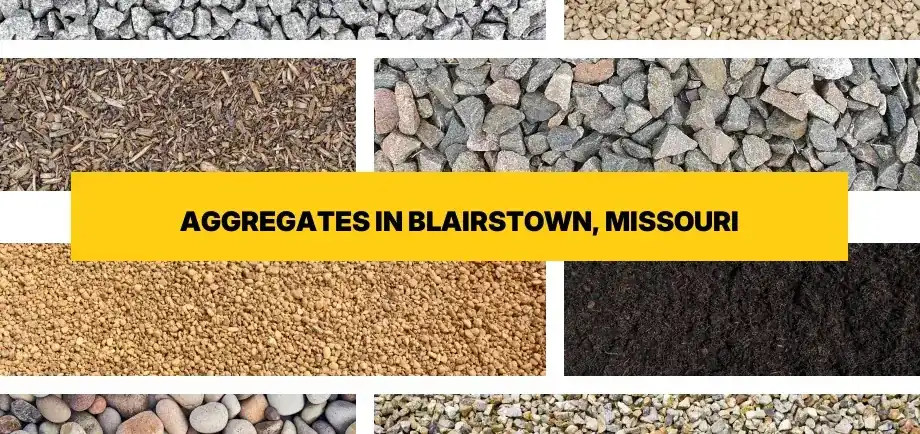
Shop Aggregates for Delivery in Blairstown
Order online for free delivery to any Blairstown address.
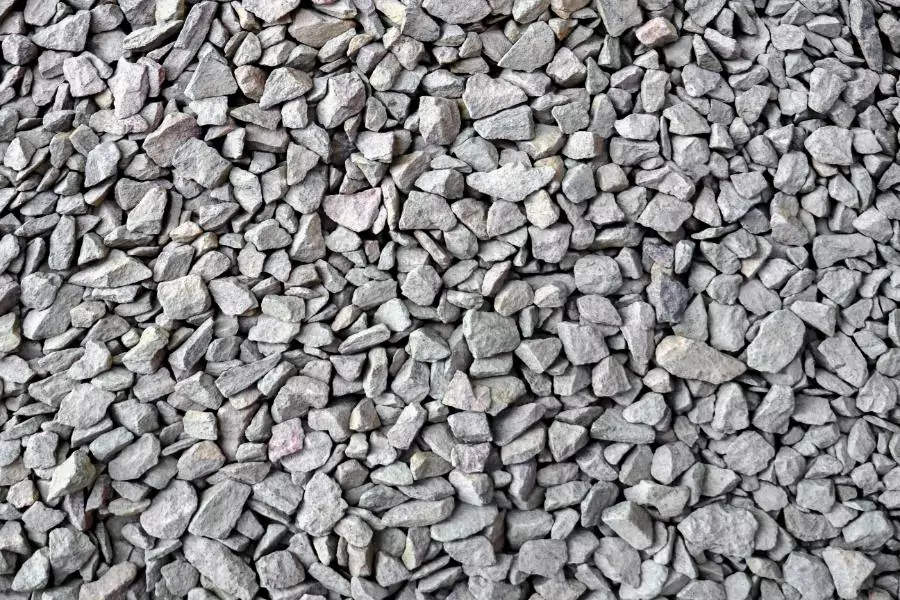
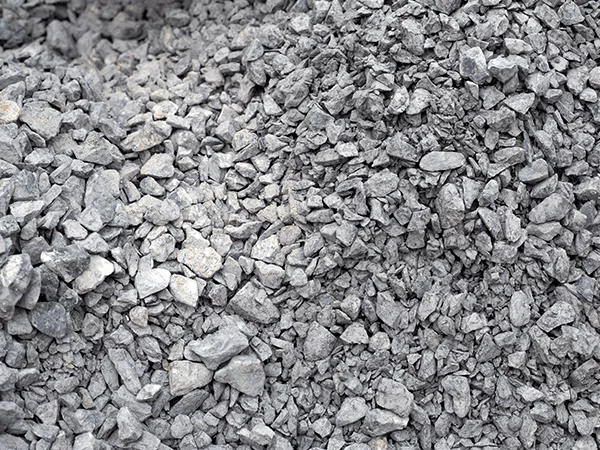


Gravel Monkey delivers high-quality aggregates and landscaping materials directly to properties throughout Blairstown, Missouri. Whether you're improving a country driveway, building drainage solutions for the clay-rich soils of Henry County, or creating decorative landscapes around your home, we provide the materials you need with completely free delivery. From rural properties near the Tebo Creek area to residential projects in town, our comprehensive selection of aggregates serves all your construction and landscaping needs.
Complete Aggregate Selection for Blairstown Projects
Gravel Monkey stocks a full range of aggregates specifically suited to the soil conditions and climate challenges of Blairstown and Henry County. Our materials handle Missouri's freeze-thaw cycles, clay soil expansion, and the drainage requirements unique to this region.
- Driveway Gravel - Durable aggregate designed for long-lasting rural and residential driveways
- 3/4 inch Crushed Stone - Versatile limestone aggregate for bases and compaction
- #57 Stone - Clean drainage aggregate for septic systems and french drains
- Crusher Run - Compactable base material that locks together for stability
- Road Base - Heavy-duty foundation aggregate for driveways and parking areas
- Pea Gravel - Smooth decorative stone for walkways and landscaping
- River Rock - Natural rounded stone for aesthetic landscape features
- Drain Rock - Angular aggregate for water management systems
- Crushed Concrete - Eco-friendly recycled aggregate for budget-conscious projects
- Topsoil - Nutrient-rich soil for gardens and lawn establishment
- Fill Dirt - Essential material for grading and elevation changes
- Mason Sand - Fine sand for mortar mixing and paver installation
- Washed Sand - Clean sand for construction and concrete applications
- Playground Sand - Safe, certified sand for play areas
- Decomposed Granite - Natural pathway material that compacts beautifully
- Walkway Gravel - Decorative aggregate sized perfectly for pedestrian paths
Why Blairstown Properties Need Quality Aggregates
Blairstown sits in western Missouri's transitional prairie region, where the geology presents unique challenges for property owners. The area features Pennsylvanian-age limestone bedrock overlain by thick deposits of glacial till and loess. This combination creates the heavy clay soils that dominate Henry County, making proper aggregate selection critical for successful outdoor projects.
The clay-rich soils throughout Blairstown expand significantly when wet and contract during dry periods, creating movement that can damage driveways and foundations. These soils also drain poorly, leading to standing water and muddy conditions during Missouri's wet springs and periodic summer storms. Quality aggregates address these challenges by providing stable bases that resist soil movement and create drainage pathways for excess water.
Climate Considerations for Aggregate Selection
Blairstown experiences a humid continental climate with hot, humid summers averaging near 90 degrees and cold winters with temperatures frequently dropping below freezing. Annual precipitation averages around 40 inches, with peak rainfall occurring during spring and early summer. This climate pattern creates specific demands for aggregate materials used throughout the area.
Freeze-thaw cycles during winter months cause water trapped in soil to expand, creating heaving and cracking in poorly constructed driveways and foundations. Properties near Tebo Creek and other low-lying areas face additional moisture challenges. The combination of clay soils and frequent precipitation makes drainage solutions essential for most Blairstown properties. Stone aggregates that allow water movement prevent saturation problems while maintaining structural integrity through seasonal temperature swings.
Aggregate Applications for Blairstown Properties
Driveway Construction and Repair
Rural driveways throughout Henry County require robust aggregate bases to withstand agricultural equipment, seasonal weather changes, and the challenging clay subgrade. The standard approach uses a compacted layer of crusher run or road base as foundation, topped with angular drainage stone. This layered system creates a stable surface while preventing moisture from undermining the driveway structure.
For properties between Blairstown and Windsor, where soil conditions vary, proper base depth becomes critical. Clay areas need at least four to six inches of compacted base aggregate to prevent settling and rutting. The angular particles in quality stone aggregates lock together when compacted, creating a solid platform that resists the expansion forces of clay soil beneath.
Drainage Solutions for Clay Soils
Effective drainage separates successful properties from muddy, unusable ones in Blairstown. Clay soils naturally resist water infiltration, causing surface runoff and pooling. French drains, curtain drains, and drainage swales filled with clean stone aggregates intercept and redirect water before it causes problems. Properties near Montrose and throughout the Tebo Creek watershed particularly benefit from properly installed drainage systems using angular drain rock that maintains open voids for water flow.
Foundation drainage protects buildings from hydrostatic pressure and moisture infiltration. A perimeter drain system using clean aggregate wrapped in filter fabric prevents basement flooding and foundation damage. The stable geology of Blairstown makes foundation work predictable, but clay soil moisture requires attention to drainage details for long-term structural protection.
Choosing the Right Aggregate for Your Blairstown Project
Different aggregates serve specific purposes based on their size, shape, and compaction characteristics. Understanding these differences helps property owners select the most effective materials for their projects.
| Aggregate Type | Best Applications | Particle Size | Compaction | Drainage |
|---|---|---|---|---|
| Crusher Run | Driveway base, parking areas | Fines to 1 inch | Excellent | Moderate |
| 3/4" Crushed Stone | Driveway surface, general fill | 3/4 inch | Very Good | Good |
| #57 Stone | Drainage systems, concrete aggregate | 3/4 inch clean | Moderate | Excellent |
| Road Base | Heavy-duty driveways, roads | Variable blend | Excellent | Moderate |
| Drain Rock | French drains, foundation drainage | 3/4 to 1.5 inch | Poor | Excellent |
| Pea Gravel | Landscaping, walkways, decorative | 3/8 inch | Poor | Very Good |
| River Rock | Landscaping, erosion control | 1 to 3 inches | Poor | Good |
| Decomposed Granite | Pathways, patios, xeriscape | Fines to 1/4 inch | Good | Moderate |
The table demonstrates how aggregate characteristics match specific project requirements. Compactable materials like crusher run create stable bases for driveways and parking areas, while clean drainage aggregates address water management needs. Decorative stones enhance landscape aesthetics without compromising functionality.
Serving Blairstown and Surrounding Henry County Areas
Gravel Monkey delivers throughout Blairstown and the broader Henry County region, providing the same quality aggregates and free delivery to all locations. Our service area extends from downtown Blairstown to rural properties in every direction.
Local Delivery Areas Include:
We regularly deliver to properties throughout greater Blairstown, including areas near Windsor to the south, Urich to the north, and Montrose to the east. Properties along Highway 13, which runs through Blairstown, receive frequent deliveries of driveway aggregates and drainage stone. Rural areas surrounding Tebo Creek and throughout the agricultural regions benefit from our comprehensive aggregate selection for farm roads, drainage projects, and residential improvements.
Blairstown's proximity to Clinton, the Henry County seat located about 15 miles southeast, places it within a growing corridor of residential development. Properties throughout this region share similar soil conditions and drainage challenges, making our aggregate delivery service essential for successful construction and landscaping projects. Areas closer to the Osage River tributaries face additional moisture management needs that quality drainage aggregates effectively address.
Whether you're located in town near the historic railroad corridor or on a farm property in the surrounding countryside, Gravel Monkey brings the aggregates you need directly to your site. The flat to gently rolling topography throughout the area makes delivery straightforward, ensuring your materials arrive ready to use exactly where you need them.
Understanding Blairstown's Soil and Geological Conditions
The geological foundation beneath Blairstown significantly impacts every construction and landscaping project in the area. Understanding these conditions helps property owners make informed decisions about aggregate selection and project planning.
Soil Composition and Behavior
Henry County soils predominantly consist of silty clay loam to clay loam textures formed in glacial till and loess deposits. These soils typically contain 30 to 45 percent clay content, placing them in the high plasticity category. When wet, they become sticky and almost impermeable to water. When dry, they shrink and crack, creating deep fissures during summer droughts.
This clay-rich composition creates the classic Missouri gumbo that challenges farmers, builders, and homeowners alike. The high plasticity means significant volume change with moisture fluctuations. A driveway installed directly on clay without proper aggregate base will heave during wet periods and settle during dry spells, quickly developing ruts and surface damage.
Bedrock and Drainage Patterns
Pennsylvanian limestone bedrock lies beneath the soil mantle throughout the Blairstown area, typically at depths ranging from several feet to more than 20 feet below surface. This limestone, while providing solid bearing capacity when encountered, doesn't significantly influence surface drainage patterns due to its depth. The thick clay soil layer above the bedrock creates the drainage challenges that property owners must address with proper grading and aggregate installation.
Natural drainage flows toward Tebo Creek and its tributaries, which drain westward toward the Osage River system. Properties in low-lying areas or those located in natural drainage paths require particularly careful attention to water management. Even slight depressions can collect water during Missouri's wet periods, creating persistent muddy conditions without adequate drainage solutions.
Professional Installation Tips for Blairstown Projects
Successful aggregate projects in Blairstown require attention to the specific challenges posed by local soil and climate conditions. These proven techniques ensure long-lasting results.
Driveway Installation Best Practices
Start every driveway project by removing organic topsoil down to stable subgrade. In Blairstown, this typically means excavating six to eight inches of material. The clay subgrade should be graded for positive drainage, sloping away from buildings and toward designated drainage areas. Never install aggregates directly over topsoil or loose fill material.
For the base layer, compact crusher run or road base in four-inch lifts using a plate compactor or roller. This compaction process locks the angular particles together, creating a stable matrix that resists the pressure from vehicles and prevents settlement into the clay subgrade below. Proper compaction makes the difference between a driveway that lasts decades and one that fails within a few years.
The surface layer should consist of clean, angular aggregate in the three-quarter inch size range. This top layer provides the driving surface while allowing water to drain downward through the base. Some property owners prefer a final layer of pea gravel or walkway gravel for improved aesthetics, though these decorative aggregates require periodic maintenance to prevent displacement.
Drainage System Installation
French drains and curtain drains work exceptionally well in Blairstown's clay soils when properly installed. Excavate trenches to the depth needed to intercept subsurface water flow, typically 18 to 24 inches deep for most residential applications. Line trenches with filter fabric to prevent clay particles from migrating into the aggregate and clogging the system.
Fill the drainage trench with clean drain rock or number 57 stone, maintaining at least three inches of aggregate surrounding the perforated drain pipe on all sides. The clean, angular aggregate maintains open voids that allow water to flow freely while the filter fabric prevents soil intrusion. Properly installed drainage systems can function effectively for decades with minimal maintenance.
Seasonal Planning for Aggregate Projects in Blairstown
Missouri's distinct seasons create different conditions for aggregate installation throughout the year. Understanding these seasonal factors helps property owners time projects for optimal results.
Spring Project Planning
Spring brings abundant rainfall to Henry County, typically the wettest season of the year. While moisture creates challenges for excavation work, spring offers ideal conditions for establishing drainage systems before summer. Properties that experience standing water during spring rains benefit from addressing drainage issues early in the season. The ground is workable once it dries enough to support equipment, usually by late April or May.
Summer Installation Advantages
Summer provides the best conditions for aggregate projects in Blairstown. Dry weather allows efficient excavation, aggregate compaction achieves optimal density, and completed projects have time to settle before winter. The dry clay subgrade during summer droughts makes it easy to identify drainage problems that need correction. Hot weather does require managing dust during installation, but overall conditions favor construction activity.
Fall Completion Timing
Fall offers excellent project conditions similar to summer, with the added advantage of cooler working temperatures. Completing driveway and drainage projects before winter allows the new installation to settle through the mild fall weather before facing freeze-thaw cycles. Projects finished in October or November enter winter with compacted aggregates and established drainage patterns.
Winter Weather Considerations
Winter aggregate installation faces challenges from frozen ground, equipment limitations, and reduced compaction effectiveness. However, winter planning allows property owners to schedule spring installation as soon as conditions permit. Emergency repairs can be completed during winter dry spells, though proper compaction becomes difficult when temperatures drop below freezing. Most major aggregate projects should wait until spring unless urgent need demands winter work.
Maintaining Aggregate Surfaces in Henry County
Proper maintenance extends the life of aggregate installations and prevents minor issues from becoming major problems. Blairstown's climate and soil conditions require specific maintenance approaches.
Regular Grading and Filling
Gravel driveways develop ruts and low spots over time as vehicles create wear patterns and aggregate migrates. Spring maintenance should include regrading to restore the original crown and drainage slope. Fill low spots with matching aggregate, then compact thoroughly. Properties with longer driveways may benefit from annual grading with a box blade or similar implement to redistribute aggregate and restore smooth surfaces.
Edge Definition
Aggregate surfaces gradually spread at the edges as vehicles drive over the perimeter and rainfall causes migration. Annual edge trimming maintains defined boundaries and prevents aggregate from encroaching into lawn areas. Some property owners install edge restraints using plastic lawn edging, steel strips, or landscape timbers to maintain sharp boundaries between gravel and grass.
Weed Control
Weed seeds inevitably find their way into aggregate surfaces, particularly in decorative installations using pea gravel or river rock. Pre-emergent herbicides applied in early spring prevent most weed growth without harming established landscape plants. For organic properties, landscape fabric installed beneath aggregate during initial installation provides long-term weed suppression.
Winter Snow Removal
Snow removal from aggregate driveways requires different techniques than paved surfaces. Set plow blades slightly higher to avoid catching and displacing aggregate. Pusher-style snow equipment works better than angled blades for gravel surfaces. Some aggregate displacement occurs inevitably during snow removal; spring cleanup and redistribution addresses this natural wear pattern.
Understanding Aggregate Project Costs and Value
Aggregate projects represent significant investments in property improvement and functionality. Understanding cost factors helps property owners budget effectively while maximizing value.
Material Quantity Calculations
Accurate material estimation prevents shortages and excess ordering. For driveway base applications, calculate length times width times depth in feet, then divide by 27 to determine cubic yards needed. A typical 12-foot wide by 100-foot long driveway with four-inch base depth requires approximately 15 cubic yards of aggregate. Surface layers add another three to five cubic yards depending on desired depth.
Drainage projects require similar calculations, but trench dimensions determine quantities. A French drain measuring 50 feet long, 12 inches wide, and 24 inches deep needs approximately three cubic yards of clean drain rock. Always order 10 percent extra to account for compaction, spillage, and minor calculation variations.
Long-Term Value Considerations
Quality aggregate installations provide decades of service when properly constructed. A well-built gravel driveway costs significantly less than asphalt or concrete while requiring less specialized maintenance. Properties throughout Henry County feature gravel driveways that have served reliably for 20 or 30 years with periodic topdressing and minor repairs. The initial investment returns value through reliable access, improved drainage, and enhanced property utility.
Drainage improvements often provide the highest return on investment by preventing far more expensive problems. Foundation repairs, basement waterproofing, and lawn restoration all cost considerably more than installing proper drainage systems initially. Properties that address drainage issues proactively avoid the accumulated damage that occurs over years of poor water management.
Environmental Advantages of Aggregate Use
Stone aggregates offer environmental benefits that make them excellent choices for sustainable property development in Blairstown and throughout Missouri.
Stormwater Management
Permeable aggregate surfaces allow rainfall to infiltrate naturally rather than creating runoff that overwhelms drainage systems and pollutes waterways. Unlike impervious pavement, properly installed aggregate driveways and parking areas filter water through stone layers, removing sediment and pollutants before reaching groundwater or surface streams. This natural filtration protects Tebo Creek and the broader Osage River watershed from contamination.
Recycled Materials
Crushed concrete and recycled asphalt aggregates divert waste from landfills while providing serviceable materials for many applications. These recycled products perform well in base layers and secondary roads where top appearance isn't critical. Using recycled aggregates reduces environmental impact while lowering project costs.
Minimal Processing Requirements
Stone aggregates require relatively minimal processing compared to manufactured materials like concrete or asphalt. Quarrying, crushing, and screening consume less energy than heating, mixing, and curing concrete or producing asphalt. The reduced energy input translates to lower carbon footprint for aggregate projects. Natural aggregates also contain no petroleum products or synthetic additives, making them environmentally benign in typical applications.
Frequently Asked Questions About Aggregates in Blairstown
Crusher run and road base excel in clay soil conditions because they contain a blend of particle sizes from fines to larger stones. This gradation creates a dense, interlocking matrix when compacted that resists penetration by the expansive clay below. For surface layers, three-quarter inch crushed stone provides good drainage while maintaining stability. Always install adequate base depth over clay, typically four to six inches minimum compacted thickness.
Recommended driveway aggregate depth depends on soil conditions and expected traffic loads. For typical residential driveways over clay soil in Blairstown, install four to six inches of compacted base aggregate followed by two to three inches of surface stone. Rural driveways serving agricultural equipment should increase base depth to six or eight inches. Properties with particularly poor soil conditions may require even deeper aggregate installations or geotextile fabric reinforcement.
Winter aggregate installation faces significant challenges in Missouri's freeze-thaw climate. Frozen ground prevents proper excavation and compaction equipment cannot achieve optimal density in cold materials. If emergency repairs require winter work, choose mild days when temperatures reach into the 40s or 50s and soil isn't frozen. For best results, plan major aggregate projects for completion between April and November when weather conditions favor proper installation techniques.
Separation between aggregate and clay soil prevents contamination that reduces drainage and creates muddy surfaces. For most applications, proper compaction of the clay subgrade creates adequate separation. Projects requiring long-term performance benefit from geotextile fabric installed between subgrade and aggregate. The fabric allows water movement while preventing soil migration upward into the stone. This technique works particularly well for driveways and drainage systems in clay-rich areas like Blairstown.
French drains require clean aggregate in the three-quarter inch to one-and-a-half inch range. Clean stone means washed aggregate without fines that could clog drainage voids. Number 57 stone and drain rock both work excellently for this purpose. The angular particles maintain open spaces around the perforated drain pipe while allowing rapid water infiltration. Avoid using crusher run or other aggregates containing fines in drainage applications.
Driveway topdressing frequency depends on traffic volume, maintenance practices, and weather exposure. Most residential driveways in Blairstown benefit from fresh surface aggregate every three to five years. High-traffic driveways or those serving commercial operations may need annual or biannual additions. Regular grading and prompt pothole repair extend the time between major renovations. Properties that maintain good drainage typically need less frequent aggregate additions than those with water management issues.
Pea gravel and similar decorative aggregates can serve as driveway surfaces but have limitations. The rounded particles don't interlock like angular crushed stone, making them prone to displacement under vehicle tires. They work best as thin surface layers over compacted angular aggregate bases. Properties with light vehicle traffic and proper base construction can successfully use decorative aggregate. High-traffic areas should stick with angular crushed stone or crusher run for better stability and longevity.
Crushed concrete performs comparably to natural stone in most applications while costing less and providing environmental benefits through recycling. The crushed concrete particles have angular shapes similar to crushed limestone, allowing good compaction and interlocking. For driveway bases and road construction in Blairstown, crushed concrete offers excellent value. Some property owners prefer the appearance of natural stone for surface layers where the material is visible, but recycled concrete works perfectly in base layers and secondary areas.
Professional Aggregate Delivery Throughout Blairstown
Gravel Monkey provides comprehensive aggregate delivery services to properties throughout Blairstown, Henry County, and the surrounding Missouri region. Our complete material selection addresses every project need, from rural driveway construction to residential landscape enhancement. Quality aggregates delivered directly to your property ensure successful projects that handle Missouri's challenging soil and climate conditions for decades of reliable service.
Free delivery eliminates transportation concerns and places materials exactly where you need them for efficient project completion. Whether you're planning a small walkway using decorative stone or a major driveway renovation requiring multiple aggregate types, our experienced team helps select appropriate materials and calculate accurate quantities. Properties throughout the Blairstown area benefit from convenient access to professional-grade aggregates without leaving home.
Understanding local soil conditions, drainage challenges, and climate factors sets professional aggregate suppliers apart from basic material providers. We recognize that every property in Blairstown faces unique conditions requiring tailored solutions. Proper aggregate selection makes the difference between projects that succeed and those that fail prematurely. Trust your property improvements to suppliers who understand Henry County conditions and stock materials proven to perform in Missouri's demanding environment.

Need help? Reach out for a quote: