Shop Bulk Materials & Gravel in Princeton, Missouri
Local Topsoil, Dirt, Sand, Rocks and Gravel near me in Princeton, Missouri
Shop Aggregates for Delivery in Princeton
Order online for free delivery to any Princeton address.


Gravel Monkey is your trusted local source for premium gravel, crushed stone, and aggregate delivery in Princeton, Missouri. Whether you're improving a rural driveway on Old Highway 65, building foundations near Downtown Princeton, or creating drainage solutions for properties along Highway 146, we deliver high-quality aggregates directly to your location with free delivery throughout Mercer County. Our extensive inventory serves residential homeowners, agricultural operations, and commercial contractors across north central Missouri with materials specifically suited to the region's clay-rich soil conditions and seasonal weather patterns.
Complete Aggregate & Gravel Selection for Princeton Properties
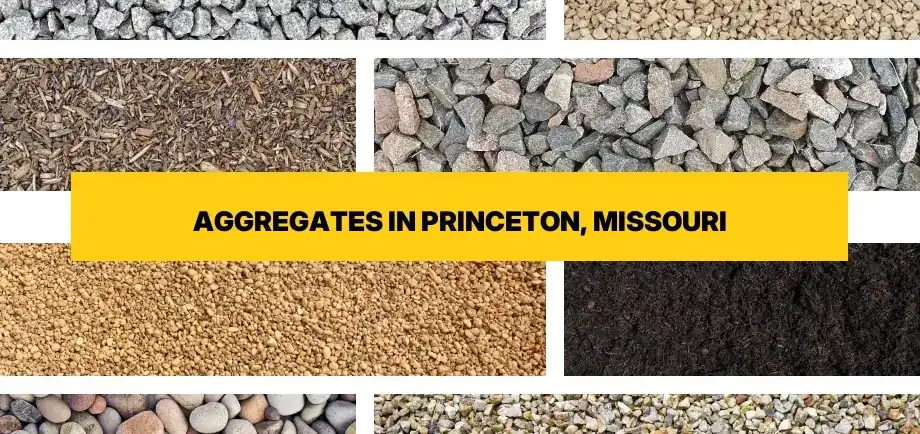
Gravel Monkey provides Princeton residents and businesses with a comprehensive range of aggregates, crushed stone, and specialty materials designed for Missouri's unique soil composition and climate. From farm driveways to commercial construction projects, we supply the materials you need:
- Driveway Gravel - Engineered aggregate blend for long-lasting driveways
- 3/4 inch Crushed Stone - Versatile aggregate for bases and drainage
- #57 Stone - Popular size for concrete work and French drains
- Crusher Run - Compactable base material for solid foundations
- Road Base - Heavy-duty foundation for roads and parking areas
- Pea Gravel - Smooth decorative aggregate for landscaping
- River Rock - Natural stone for water features and gardens
- Walkway Gravel - Ideal aggregate for paths and garden trails
- Drain Rock - Specialized aggregate for water management systems
- Crushed Concrete - Eco-friendly recycled aggregate for base work
- Topsoil - Nutrient-rich soil for gardens and lawns
- Fill Dirt - Essential material for grading and leveling
- Mason Sand - Fine sand for masonry and construction
- Playground Sand - Safe, clean sand for play areas
- Washed Sand - Clean sand for multiple applications
- Decomposed Granite - Natural material for pathways
Aggregates for Princeton's Unique Soil & Weather Conditions
Princeton sits in the Grand River watershed region where Missouri's characteristic Wabash loam and clay-based soils present specific challenges for construction and landscaping projects. The area's glacial till deposits create dense, poorly-draining clay layers that require proper aggregate selection for successful long-term performance. With average annual rainfall around 36 inches and temperature swings from below zero in January to over 90 degrees in July, materials must withstand freeze-thaw cycles and seasonal moisture fluctuations.
The clay-rich soils throughout Mercer County expand significantly when wet and contract during dry periods, which can cause settlement issues, driveway cracking, and foundation problems. Properties near the Thompson River and east toward Harris particularly experience high clay content requiring strategic aggregate use. Our crushed stone products provide the angular, interlocking structure needed to bridge over problematic clay layers while facilitating proper drainage - essential for Princeton's spring rains and winter freeze-thaw cycles.
Why Princeton Properties Need Quality Aggregates
The geology of north central Missouri creates unique demands for aggregate materials. Princeton's position in the Dissected Till Plains physiographic region means most properties sit atop layers of compacted glacial clay interspersed with prairie soils. This combination leads to several common issues:
- Poor Natural Drainage - Clay soils shed water rather than absorbing it, causing pooling and erosion
- Seasonal Soil Movement - Expansive clays swell with moisture and shrink when dry, destabilizing surfaces
- Frost Heaving - Winter freezing causes clay to lift and shift, damaging driveways and foundations
- Rutting and Mud - Clay becomes slippery and unstable when saturated, particularly on farm lanes and rural roads
- Foundation Settlement - Structures built directly on clay experience uneven settling over time
These conditions make properly selected and installed aggregates essential rather than optional. Whether you're addressing drainage issues near Downtown Princeton, upgrading a rural driveway west toward Spickard, or preparing building sites along Highway 65, the right aggregate materials create stable, long-lasting results that work with rather than against local soil conditions.
Driveway Aggregates for Princeton Rural & Residential Properties
Princeton's mix of historic homes near the town square, modern subdivisions on the east side, and rural acreages throughout Mercer County all require quality driveway materials. Long farm lanes serving agricultural properties face different challenges than shorter residential drives, but both need proper aggregate layering to perform well in Missouri's variable climate.
Successful driveway construction in Princeton starts with understanding the foundation. The dense clay subgrade must be properly graded and compacted before aggregate installation. Most professionals recommend a geotextile fabric barrier between the clay and aggregate layers - this prevents the stone from being forced down into the clay over time, a common failure mode in this region.
Recommended Driveway Aggregate System
For optimal performance on Princeton properties, we recommend a layered approach using complementary aggregates. The base layer should consist of larger, angular crushed stone that bridges over the clay and provides load distribution. Road base or crusher run products excel in this application because they contain a range of stone sizes from fine particles to larger chunks. This gradation allows the material to compact tightly while maintaining void spaces for water movement.
Over this foundation, a surface layer of smaller, uniform aggregate provides the smooth driving surface. The combination creates a flexible yet stable system that accommodates seasonal soil movement while resisting rutting and washout. Properties along older rural roads like Highway E and County Road 146 particularly benefit from this multi-layer approach, as these routes often have marginal shoulders and drainage infrastructure.
| Aggregate Type | Best Use | Layer Position | Compaction | Drainage |
|---|---|---|---|---|
| Crusher Run | Driveway base, farm lanes | Base (4-6 inches) | Excellent | Good |
| Road Base | Heavy traffic areas | Base (4-8 inches) | Superior | Good |
| 3/4 inch Crushed Stone | Sub-base, drainage layer | Middle (3-4 inches) | Good | Excellent |
| Number 57 Stone | Surface layer, concrete work | Top (2-3 inches) | Moderate | Excellent |
| Driveway Gravel | Finished surface | Top (2-4 inches) | Good | Very Good |
| Crushed Concrete | Budget base option | Base (4-6 inches) | Good | Good |
Drainage Aggregates for Princeton's Clay Soil Challenges
Water management represents one of the most critical challenges for Princeton property owners. The area's clay soils effectively act as waterproof barriers, causing surface water to run off rather than percolate downward. This leads to erosion, pooling, basement moisture problems, and muddy conditions that can persist for days after rainfall. Spring storms and summer thunderstorms can drop significant precipitation in short periods, overwhelming inadequate drainage systems.
Properties in lower-lying areas near creek tributaries and along the natural drainage ways feeding into the Thompson River face particular challenges. The flat to gently rolling terrain doesn't provide strong natural gradients to move water away from structures, making engineered drainage solutions essential. French drains, curtain drains, and strategic aggregate placement become necessary tools for keeping properties functional year-round.
French Drain Systems Using Aggregates
French drains remain the most effective solution for Princeton's drainage challenges. These systems intercept surface and subsurface water, channeling it away from vulnerable areas through perforated pipe surrounded by clean aggregate. The aggregate performs multiple functions: it filters soil particles, provides a reservoir for temporary water storage, and creates pathways for water to reach the pipe perforations.
For Princeton installations, drain rock or #57 stone work best because their uniform sizing creates consistent void spaces between stones. This porosity allows water to move freely while the angular shape resists compaction over time. Installations around foundations, along driveways, and in low spots throughout properties from East Princeton to the rural areas require these properly-sized aggregates to function effectively for decades rather than just a few years.
Farm & Agricultural Aggregates in Mercer County
Agriculture forms the backbone of Princeton's economy, with row crop production and livestock operations dominating the surrounding countryside. Farm operations create unique aggregate demands - from long access lanes requiring minimal maintenance to livestock facilities needing solid, mud-free surfaces year-round. Equipment weighing tens of thousands of pounds crosses these surfaces multiple times daily during planting and harvest seasons, demanding aggregates that can handle extreme loads.
Farm lanes extending hundreds of yards from county roads to building clusters present particular challenges. Traditional gravel driveways fail quickly under the repeated impact of loaded grain carts, combines, and semi-trucks. The freeze-thaw cycles weaken inadequate base layers, while spring rains saturate clay subgrades, allowing aggregates to sink and disappear into the muck. Rural properties west toward Lineville and north toward the Iowa line particularly experience these conditions.
Livestock Facility Surfacing
Cattle feeding areas, equipment yards, and high-traffic farm zones around buildings need specialized aggregate applications. These areas face continuous use in all weather conditions, with heavy animals and machinery creating compaction and rutting pressures. Clean, angular aggregates provide the structural integrity needed while allowing surface water to drain away rather than creating muddy conditions that stress livestock and damage equipment.
Many Princeton-area farmers use crusher run or road base in these applications, installing 6-8 inches over properly graded clay. The material compacts firmly yet maintains enough void space to shed water. Regular maintenance with additional aggregate every few years keeps surfaces functional, a cost-effective approach compared to concrete or asphalt given the large areas typically involved on working farms.
Decorative Aggregates for Princeton Landscaping Projects
Beyond functional applications, aggregates serve important aesthetic roles in Princeton landscaping. The town's historic character and well-maintained residential areas feature attractive yards incorporating stone elements. From Victorian-era homes near the courthouse square to modern ranch-style properties on the town's perimeter, decorative aggregates enhance curb appeal while providing practical benefits like weed suppression and moisture retention.
Walkway gravel creates attractive paths connecting different yard areas without the expense and permanence of concrete. These aggregate pathways work particularly well in Princeton's climate because they allow water infiltration rather than creating runoff issues. Garden beds benefit from river rock or pea gravel mulches that control weeds while moderating soil temperature - important for both cold winters and hot Missouri summers.
Aggregate Options for Aesthetic Applications
Pea gravel's rounded shape and natural coloring makes it popular for pathways, patio bases, and decorative ground covers throughout Princeton properties. The smooth stones are comfortable to walk on and create a pleasing visual texture. River rock in various sizes adds bold visual interest around foundations, in dry creek beds designed for drainage, and as accent features in planting beds. Both materials work well with the region's native plants and traditional landscaping styles.
Decomposed granite offers another attractive option gaining popularity in Princeton landscapes. This naturally occurring material packs firmly while maintaining a natural appearance, perfect for garden paths and patio surfaces. Its warm tones complement brick, stone, and wood elements common in local architecture. The material performs well in Princeton's climate, resisting erosion while providing excellent drainage characteristics.
Construction Aggregates for Princeton Building Projects
New construction and renovation projects throughout Princeton rely on quality aggregates for foundations, site preparation, and finishing work. Residential additions, commercial developments, and agricultural building projects all require proper aggregate selection and installation to achieve successful outcomes on the area's challenging clay soils.
Foundation work in Princeton demands careful attention to aggregate specifications. Crushed stone bases under concrete slabs provide load distribution and capillary breaks that prevent moisture wicking upward into structures. The angular particles interlock mechanically, resisting lateral movement even when clay subgrades experience seasonal changes. Four to six inches of properly compacted crushed stone under basement floors and foundation footings represents standard practice for quality construction in this region.
Site Grading and Preparation Materials
Before construction begins, sites typically require significant earthwork to establish proper grades and drainage patterns. Fill dirt moves bulk volumes to raise building pads above surrounding terrain, particularly important in lower areas of Princeton where water management challenges are more severe. Topsoil preservation and replacement ensures disturbed areas can be successfully revegetated after construction, important for erosion control on the clay substrates.
Aggregate materials also serve temporary purposes during construction. Clean stone creates equipment access routes, protects underground utilities, and provides staging areas for materials and equipment. These temporary applications still require proper aggregate selection - materials that perform well under concentrated loads and adverse weather conditions keep projects on schedule regardless of Princeton's variable weather patterns.
Choosing the Right Aggregate for Your Princeton Project
The extensive range of available aggregates can seem overwhelming, but understanding basic characteristics makes selection straightforward. Projects succeed when materials match the specific demands of the application and local conditions. Princeton's clay soils, seasonal weather patterns, and typical project types guide these decisions.
Angular crushed stone products like crusher run, road base, and three-quarter inch crushed stone provide superior structural performance for load-bearing applications. These materials compact tightly and interlock mechanically, essential for driveways, foundations, and areas receiving vehicular traffic. Rounded gravels like pea gravel and river rock offer excellent drainage and attractive appearance but lack the interlocking strength for high-load applications.
Aggregate Selection by Project Type
Driveways serving regular passenger vehicles perform well with crusher run base layers topped with driveway gravel or #57 stone. Farm lanes and commercial drives handling heavier loads require road base foundations with appropriate surface materials. Pathways and landscaping areas benefit from pea gravel or walkway gravel that provides comfort and appearance along with functionality.
Drainage projects demand clean, uniform aggregates like drain rock or #57 stone that maintain void spaces for water movement. Foundation and slab preparations use crushed stone products that compact firmly while resisting capillary moisture movement. Understanding these distinctions ensures project success and longevity on Princeton properties where proper material selection makes the difference between success and expensive failures.
Proper Aggregate Installation for Princeton Climate & Soil
Even premium aggregates fail when improperly installed over Princeton's clay soils. Successful projects require attention to preparation, material depth, and compaction techniques. The clay subgrade must be shaped to proper grades and compacted before aggregate placement. Low spots and improper drainage patterns cause problems regardless of aggregate quality.
Geotextile fabric installation between clay and aggregate represents best practice for most applications in this region. The fabric prevents aggregate from being forced into the clay while allowing water to pass through to drainage systems. This simple addition significantly extends the lifespan of driveways, parking areas, and pathways by maintaining the separation between incompatible soil types.
Depth and Compaction Guidelines
Adequate aggregate depth proves critical for long-term performance. Residential driveways in Princeton typically require minimum 6-inch total depth of aggregate materials, with 4 inches of compacted base course and 2-3 inches of surface material. Farm lanes and areas receiving heavier loads need 8-12 inches total depth depending on soil conditions and expected traffic.
Mechanical compaction at proper moisture content ensures aggregates achieve design densities. Both too much and too little moisture during compaction reduce material performance. The ideal moisture content varies by material but generally falls in the range where aggregates feel slightly damp to the touch. Proper compaction in 4-inch lifts produces far better results than simply dumping material and driving over it, an important distinction for Princeton property owners seeking lasting solutions.
Maintaining Aggregate Surfaces in Princeton
Aggregate surfaces require periodic maintenance to sustain performance over years and decades. Princeton's freeze-thaw cycles gradually break down surface materials, while spring rains wash fines and smaller particles away. Heavy use displaces aggregates, creating ruts and thin spots. Regular maintenance preserves investments and prevents minor issues from becoming major problems.
Annual inspections identify areas needing attention before they fail completely. Low spots collect water and accelerate deterioration, requiring prompt filling and regrading. Edges often fail first as lateral support diminishes, allowing aggregates to spread beyond intended boundaries. Simple interventions like adding edging materials and refreshing surface layers every few years maintain functional, attractive surfaces throughout Princeton properties.
Seasonal Maintenance Considerations
Spring represents the critical maintenance season in Princeton. Winter freeze-thaw action loosens materials and creates voids, while spring rains can wash away loosened aggregates. Grading to restore proper drainage patterns and adding fresh material where needed prevents accelerated deterioration during the wet season. Fall preparation helps surfaces weather winter conditions, though spring remains the key maintenance window.
For agricultural operations, post-harvest represents an ideal maintenance period. Farm lanes take their heaviest beating during grain harvest, leaving surfaces degraded as winter approaches. Adding fresh aggregate before winter freeze-up allows materials to settle and compact naturally, producing improved conditions when spring planting begins. This timing works well for rural properties throughout Mercer County.
Aggregate Delivery Throughout Princeton & Mercer County
Gravel Monkey provides free delivery across all Princeton neighborhoods and throughout the surrounding rural areas of Mercer County. We serve properties in Downtown Princeton near the historic courthouse, residential areas on East Princeton and South Main Street, and newer developments on the town's growing periphery. Rural deliveries extend throughout the county to farms and acreages along Highway 65, Highway 146, and county routes serving agricultural areas.
Our delivery service reaches properties in all directions from Princeton. North toward the Iowa state line, west toward Spickard and Lineville, east toward Harris and Grundy County, and south throughout Mercer County - we bring quality aggregates wherever Princeton-area customers need materials. Whether you're 2 miles or 20 miles from town, our free delivery makes obtaining proper aggregates convenient and economical for projects of all sizes.
Areas We Serve Around Princeton
- Downtown Princeton - Historic district and town center properties
- East Princeton - Residential neighborhoods and newer developments
- South Main Street Area - Mixed residential and commercial properties
- West Side - Established neighborhoods transitioning to rural
- Highway 65 Corridor - Commercial and rural properties along main route
- Thompson River Area - Rural properties near the waterway
- Rural Mercer County - Agricultural operations and acreages
- County Road Networks - Properties along Routes E, CC, and other county roads
Frequently Asked Questions About Aggregates in Princeton
We deliver a complete range including driveway gravel, crushed stone in multiple sizes, #57 stone, crusher run, pea gravel, river rock, recycled concrete, road base, drain rock, topsoil, fill dirt, and various sand types throughout Princeton and surrounding Mercer County areas. Our inventory covers every common residential, agricultural, and commercial aggregate need.
Yes! Gravel Monkey offers FREE delivery to Princeton and the surrounding Missouri area for all gravel and aggregate orders. We serve residential and commercial customers throughout Mercer County, from downtown properties to rural farms and acreages in all directions from Princeton.
The amount depends on your project size and type. For driveways, calculate length times width times depth in feet, typically using 3 to 4 inches of depth minimum for residential drives and 6 to 8 inches for farm lanes and heavy-traffic areas. Our team can help you estimate the right amount for your specific Princeton property needs and local soil conditions.
For Princeton driveways, we recommend crusher run or road base for the base layer at 4-6 inches deep, with #57 stone or driveway gravel for the top layer at 2-3 inches. These materials handle Missouri weather conditions and provide excellent drainage essential for our clay-rich soils that experience significant freeze-thaw cycles and seasonal moisture changes.
Absolutely! We deliver throughout Mercer County and surrounding areas including rural properties, farms, and acreages outside Princeton city limits. Whether you're north toward Iowa, west toward Lineville, or anywhere in the county, we provide free delivery of aggregates to your location. Contact us to confirm delivery to your specific rural property.
For Princeton's clay-rich soils, we recommend crusher run or road base for foundations and load-bearing applications, drain rock or #57 stone for water management and French drains, and proper grading with fill dirt before aggregate installation. These materials improve drainage and prevent settling issues common with our regional clay content and expansive soil characteristics.
Yes, geotextile fabric is highly recommended between Princeton's clay soils and aggregate materials. The fabric prevents aggregates from being forced down into the clay over time while allowing water drainage. This separation layer significantly extends the life of driveways, parking areas, and pathways on our clay-based soils that experience seasonal expansion and contraction.
For drainage applications in Princeton, #57 stone or drain rock work best because their uniform sizing creates consistent void spaces for water movement while filtering out soil particles. These sizes work perfectly in French drains, curtain drains, and foundation drainage systems essential for managing water in our clay-soil region with its seasonal rainfall patterns and poor natural percolation.
Get Quality Aggregates Delivered Free to Your Princeton Property
Whether you're planning a driveway renovation in town, upgrading farm lanes in rural Mercer County, addressing drainage challenges, or starting a construction project, Gravel Monkey delivers the premium aggregates you need. Our extensive inventory covers every common application, and our free delivery service brings materials directly to your Princeton-area property. We understand local soil conditions, climate challenges, and the specific requirements for successful projects in north central Missouri.
Our knowledgeable team helps you select the right materials for your specific application and property conditions. We can guide you on quantities needed, installation best practices, and material specifications that work in Princeton's unique environment. Contact Gravel Monkey today to discuss your aggregate needs and schedule free delivery to your Princeton property. Let us help you create lasting solutions that perform year after year in Missouri's demanding conditions.

Need help? Reach out for a quote: