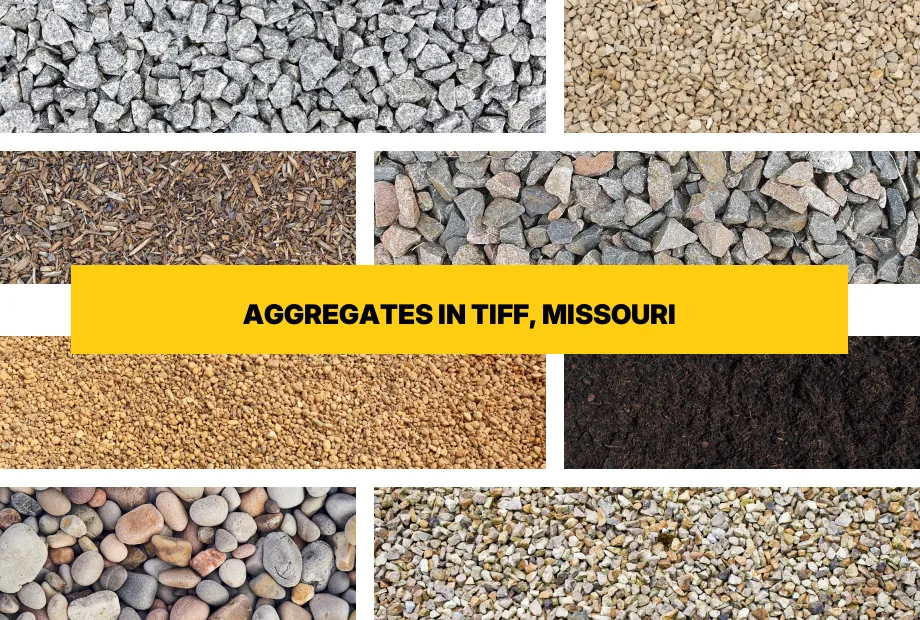
Sand, Aggregates & Gravel for Tiff, Missouri
Local Topsoil, Dirt, Sand, Rocks and Gravel near me in Tiff, Missouri
Shop Aggregates for Delivery in Tiff
Order online for free delivery to any Tiff address.
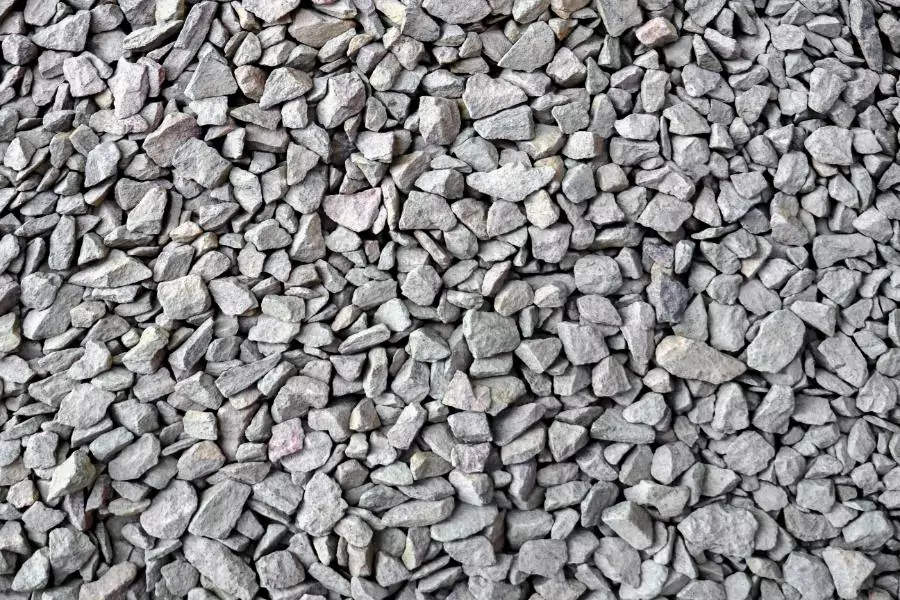
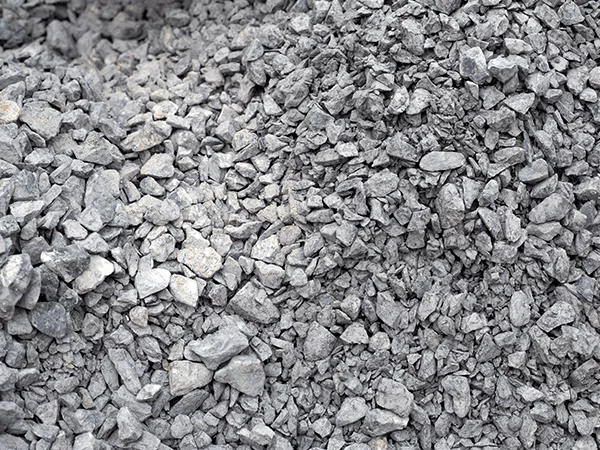


When you need reliable aggregate delivery in Tiff, Missouri, Gravel Monkey provides premium gravel, stone, and landscaping materials delivered directly to your property at no charge. Located in Washington County in the rolling hills of eastern Missouri, Tiff presents unique challenges for property owners—from the characteristic clay-rich soils to the humid continental climate that brings hot summers and variable precipitation. Our extensive selection of aggregates addresses these regional conditions, whether you're building a durable driveway that can withstand Missouri weather patterns, installing proper drainage to manage seasonal rainfall, or creating attractive outdoor spaces that complement the natural beauty of the area.
Complete Selection of Aggregates & Materials Available in Tiff
Gravel Monkey delivers professional-grade aggregates and landscaping materials to properties throughout Tiff and neighboring Washington County communities. Our inventory serves residential, commercial, and agricultural projects across the region:
- Driveway Gravel - Premium base material engineered for long-lasting Missouri driveways
- 3/4 inch Crushed Stone - Versatile limestone aggregate for foundations and drainage
- #57 Stone - Industry-standard aggregate for concrete work and French drains
- Crusher Run - Compactable base with fines for maximum stability
- Road Base - Heavy-duty aggregate for access roads and parking areas
- Pea Gravel - Smooth decorative stone for walkways and garden beds
- River Rock - Natural rounded stone for aesthetic landscaping
- Walkway Gravel - Decorative aggregate perfect for paths and garden trails
- Crushed Concrete - Eco-friendly recycled aggregate for cost-effective projects
- Drain Rock - Clean stone optimized for drainage applications
- Topsoil - Nutrient-rich soil for gardens and lawn establishment
- Fill Dirt - Compactable soil for grading and leveling
- Mason Sand - Fine sand for bricklaying and construction
- Playground Sand - Safe, clean sand for play areas
- Washed Sand - Clean sand for multiple applications
- Decomposed Granite - Natural pathway material with excellent permeability
Understanding Tiff's Soil Conditions & Climate Challenges
The geology around Tiff is predominantly characterized by Missouri's signature clay-heavy soils, which present specific challenges for construction and landscaping projects. These clay soils, formed over millennia from weathered limestone bedrock common throughout Washington County, exhibit high plasticity—expanding when wet and contracting during dry periods. This expansion-contraction cycle can cause significant movement in poorly prepared surfaces, making proper base preparation essential for any aggregate project.
Tiff experiences a humid continental climate with average annual precipitation around 42 inches, distributed fairly evenly throughout the year with slightly higher rainfall during spring months. Summer temperatures regularly reach the upper 80s to low 90s Fahrenheit, while winter lows can dip into the teens. This temperature range combined with moisture exposure means aggregates must handle freeze-thaw cycles, heavy rain events, and prolonged dry spells without deteriorating or shifting.
The region's topography features gently rolling hills with moderate slopes, requiring careful attention to drainage planning. Properties in lower-lying areas near seasonal creeks can experience water accumulation during spring storms, making proper aggregate selection and installation critical for long-term success.
Choosing the Right Aggregates for Your Tiff Project
Driveway & Road Applications
For residential driveways and farm access roads around Tiff, selecting the right aggregate base determines long-term performance. The local clay soil requires a substantial base layer to prevent rutting and maintain a stable driving surface through all seasons. Our crusher run material provides an ideal foundation—the mixture of crushed stone and fines compacts tightly, creating a dense, stable base that resists the shifting associated with clay substrates.
Many property owners in the area start with a 4 to 6 inch layer of crusher run, compacted thoroughly, then top with a 2 to 3 inch layer of driveway gravel for the finished surface. This two-layer approach distributes vehicle weight effectively while providing the aesthetic appeal and texture of quality gravel. For properties with steep grades or areas receiving heavy vehicle traffic, road base offers even greater load-bearing capacity and stability.
Drainage Solutions for Missouri Clay
Proper drainage is essential for Tiff properties due to the clay soil's low permeability. Water doesn't naturally filter through clay—instead, it pools on the surface or channels along the clay layer, potentially causing erosion, foundation issues, and standing water problems. Strategic placement of drainage aggregates addresses these concerns effectively.
French drain installations around foundations and in low-lying areas use clean drain rock or #57 stone to create pathways for water movement. These aggregates contain minimal fines, allowing water to flow freely through the voids between stones. When wrapped in landscape fabric and installed with proper slope, these drainage systems redirect water away from structures and prevent the soil saturation that leads to foundation settling and basement moisture.
Landscaping & Decorative Applications
The natural beauty of rural Missouri landscapes can be enhanced with carefully selected decorative aggregates. Pea gravel creates attractive, low-maintenance garden beds that suppress weeds while allowing moisture to reach plant roots. Its smooth texture and neutral color palette complement both traditional farmhouse aesthetics and modern landscape designs popular in Washington County.
River rock provides textural contrast around specimen trees, in rock gardens, and as dry creek bed features that add visual interest while serving functional drainage purposes. Walkway gravel and decomposed granite create permeable paths that remain usable even after heavy rain, unlike solid concrete or pavers that can trap water and ice on their surfaces.
Aggregate Comparison Guide for Tiff Properties
| Material Type | Best Applications | Compaction Level | Drainage Performance | Cost Efficiency |
|---|---|---|---|---|
| Crusher Run | Driveway base, road foundations | Excellent | Moderate | High value |
| 3/4 inch Crushed Stone | General construction, drainage | Good | Very good | Standard |
| #57 Stone | French drains, concrete aggregate | Moderate | Excellent | Standard |
| Road Base | Heavy traffic areas, parking lots | Excellent | Good | Premium |
| Crushed Concrete | Budget driveways, base layers | Very good | Good | Economy |
| Pea Gravel | Landscaping, walkways, gardens | Poor | Good | Premium decorative |
| Drain Rock | Drainage systems, foundation perimeter | Poor | Excellent | Specialized |
Aggregate Delivery Throughout Tiff & Surrounding Washington County
Gravel Monkey provides free delivery service throughout Tiff and the broader Washington County region. Our delivery routes regularly serve properties in and around these communities:
In the immediate Tiff area, we deliver to residential properties along Highway 185 and the rural roads branching through the surrounding agricultural lands. We regularly serve properties near Irondale to the north, where homeowners are upgrading older gravel driveways with fresh crusher run and finishing stone. The rolling terrain in this area benefits particularly from our road base products, which provide stability on sloped access roads.
Properties around Caledonia, the Washington County seat located southwest of Tiff, represent a significant portion of our delivery area. The Caledonia region features a mix of residential neighborhoods and working farms that require everything from decorative river rock for landscaping to bulk loads of fill dirt for property grading projects.
We extend service to Belgrade and Mineral Point areas to the southeast, where the landscape becomes increasingly hilly. These properties often require specialized drainage solutions using our clean drain rock and #57 stone to manage water runoff on steeper slopes. The combination of clay soil and elevation changes makes proper aggregate selection critical for preventing erosion and maintaining stable building sites.
West of Tiff toward Potosi, we serve both residential properties and commercial operations requiring aggregates for construction projects, parking areas, and access road maintenance. The proximity to Mark Twain National Forest means many property owners in this area prioritize natural aesthetics, making our decorative aggregates like decomposed granite and walkway gravel particularly popular.
North toward Bismarck and the outer reaches of the St. Louis metro influence, we deliver to properties where suburban development meets rural Washington County character. These areas see strong demand for quality driveway aggregates, landscaping stone, and topsoil as homeowners enhance their properties while maintaining the natural Missouri aesthetic.
Proper Installation Practices for Missouri Clay Soils
Success with any aggregate project in the Tiff area begins with proper site preparation that accounts for clay soil characteristics. Simply spreading gravel over unprepared clay leads to poor results—the gravel eventually works into the soft clay base, creating ruts and requiring frequent maintenance.
Base Preparation Steps
Start by excavating to the desired finished grade, typically removing 6 to 8 inches of the clay topsoil for driveways and high-traffic areas. This excavation creates space for proper base layers without raising the final surface elevation excessively. The exposed clay should be graded to promote drainage away from structures, with a minimum 2 percent slope.
For driveways and parking areas, install landscape fabric over the prepared clay surface before adding aggregates. This geotextile barrier prevents the stone from migrating into the clay while allowing water to drain through. The fabric dramatically extends the life of the aggregate installation by maintaining separation between the base material and the unstable clay beneath.
Add crusher run or road base as the foundational layer, spreading it evenly and compacting in lifts no greater than 3 to 4 inches. Proper compaction—using either a plate compactor for smaller areas or a roller for larger projects—is essential for creating a stable driving surface. The base layer should compact to approximately 4 inches after compaction.
Top with 2 to 3 inches of driveway gravel or your chosen finish aggregate. This top layer provides the surface texture and appearance while the base layer handles structural support. Some property owners choose to compact the top layer lightly to encourage interlocking, while others prefer a looser surface that crunches satisfyingly underfoot.
Drainage Integration
Incorporate edge drainage in your aggregate projects to manage water effectively. Simple swales along driveway edges, filled with drain rock or #57 stone, collect and channel water away from the driving surface. For properties with significant drainage challenges, installing perforated pipe within the stone-filled trench creates a more robust drainage system that remains functional year-round.
Seasonal Factors Affecting Aggregate Performance in Tiff
Missouri's four-season climate affects aggregate performance throughout the year, with each season presenting specific considerations for property owners in the Tiff area.
Spring: The wet season brings the greatest challenges as increased rainfall saturates clay soils. Properly installed aggregates with adequate drainage handle this moisture without becoming muddy or unstable. Properties without proper base preparation often show damage during spring months, with gravel sinking into softened clay and creating uneven surfaces.
Summer: Hot temperatures and occasional heavy thunderstorms characterize Missouri summers. Well-compacted aggregate surfaces resist rutting even when brief intense rain softens the ground. The dry periods between storms allow moisture to dissipate, maintaining surface stability. Lighter-colored aggregates like limestone-based materials remain cooler underfoot than dark asphalt alternatives.
Fall: Moderate temperatures and typically lower precipitation make autumn ideal for new aggregate installations. The ground remains workable without being frozen, and completed projects have time to settle before winter. Many Tiff property owners schedule driveway renovations for fall completion.
Winter: Freeze-thaw cycles test aggregate installations as moisture within and beneath the stone layer expands when frozen. Properly prepared bases with adequate drainage minimize frost heave issues. The angular texture of crushed stone aggregates provides better traction than smooth surfaces when ice forms, enhancing winter safety.
Sustainable Aggregate Options for Environmentally Conscious Projects
Environmental stewardship matters to many property owners throughout Washington County, and Gravel Monkey offers several sustainable aggregate options that reduce environmental impact while delivering excellent performance.
Crushed concrete represents the most established recycled aggregate option. This material comes from demolished concrete structures, crushed to usable sizes, and delivered as a cost-effective alternative to virgin stone. Crushed concrete compacts well, provides good drainage, and costs less than traditional limestone aggregates. Using recycled concrete reduces landfill burden while conserving natural stone resources—a win for both your budget and the environment.
Permeable aggregates like decomposed granite and certain gravel types allow rainwater to infiltrate naturally rather than running off into storm sewers. This permeability reduces erosion, recharges groundwater supplies, and minimizes the strain on local drainage infrastructure. For property owners managing stormwater requirements or simply wanting to work with natural hydrological patterns, these permeable options provide functional and environmental benefits.
Local sourcing reduces transportation emissions associated with aggregate delivery. While we don't disclose specific quarry locations, our supply chain prioritizes regional materials that minimize fuel consumption during transport to Tiff and surrounding communities.
Common Aggregate Projects in the Tiff Area
Property owners throughout Washington County undertake various aggregate projects, each with specific material requirements and installation considerations.
Residential Driveway Renovations
The most common project involves renovating or installing residential driveways. A typical rural Tiff property might have a 200-foot driveway requiring 30 to 40 tons of aggregates for proper installation. Starting with crusher run as base material, topped with driveway gravel for aesthetics, creates a durable surface that handles daily vehicle traffic and Missouri weather patterns for years with minimal maintenance.
Farm & Agricultural Access Roads
Working farms require durable access roads that support heavy equipment and remain usable during wet conditions. Road base provides the strength needed for tractor traffic, grain trucks, and equipment transport. These projects often involve larger quantities—100+ tons for full farm lane installations—but the investment pays dividends in operational efficiency and reduced maintenance.
Foundation Drainage Systems
Basement moisture and foundation settling caused by poor drainage plague many older homes in Washington County. Installing perimeter drainage using clean stone prevents these issues. A typical foundation drainage project uses 10 to 15 tons of drain rock or #57 stone, trenched around the foundation perimeter with perforated pipe and proper slope to daylight or a collection system.
Landscape Transformation Projects
Homeowners enhancing outdoor living spaces incorporate multiple aggregate types for varied textures and functions. A comprehensive landscape renovation might include pea gravel in garden beds, river rock around specimen plantings, walkway gravel for paths, and washed sand for paver base—creating an attractive, low-maintenance outdoor environment that thrives in Missouri conditions.
Budgeting for Aggregate Projects in Tiff
Understanding material quantities and project scope helps property owners budget effectively for aggregate installations. While exact pricing varies based on market conditions, several factors influence total project costs.
Material quantity represents the primary cost factor. Driveways typically require 1.5 to 2 tons of aggregate per cubic yard when accounting for compaction. A standard 12-foot wide by 100-foot long driveway with 6 inches of total aggregate depth needs approximately 22 cubic yards, or 35 to 45 tons of material depending on aggregate type and desired depth.
Different aggregates carry different price points. Economy options like crushed concrete cost less per ton than premium decorative materials like river rock. Base materials like crusher run typically fall in the mid-range, providing good value for the structural performance they deliver. Many property owners optimize budgets by using economy materials for base layers and reserving premium aggregates for visible finish layers.
Site preparation requirements affect total project costs beyond material expenses. Properties with extensive excavation needs, poor drainage requiring correction, or difficult access for delivery equipment incur additional labor costs. However, proper preparation ensures long-term success, making it a worthwhile investment.
Free delivery from Gravel Monkey eliminates one significant cost variable, particularly valuable for rural Tiff properties where delivery distances can add substantially to project expenses from other suppliers.
Frequently Asked Questions About Aggregates in Tiff
Calculate driveway area in square feet, then multiply by depth in feet to get cubic feet. Divide by 27 to convert to cubic yards. For example, a 12 foot by 100 foot driveway at 6 inches deep equals 1,200 square feet times 0.5 feet equals 600 cubic feet, or about 22 cubic yards. With compaction, this requires approximately 35 to 45 tons depending on aggregate type. Our team can help you calculate exact quantities for your specific project.
Crusher run and road base work best over clay soil because they contain stone dust and fines that compact tightly, creating a stable surface that resists shifting. These materials bridge the unstable clay base effectively. Always use landscape fabric between clay and aggregate to prevent mixing, and ensure proper drainage to avoid water accumulation.
Small projects like garden paths or minor driveway repairs are manageable DIY projects with basic equipment like rakes, shovels, and a rented plate compactor. Larger installations benefit from professional help—excavation equipment, proper grading, and compaction machinery produce better results for driveways and substantial projects. Many Tiff property owners excavate and prepare sites themselves, then have aggregates delivered for the actual installation phase.
Properly installed aggregate driveways last 10 to 15 years or longer with basic maintenance in Missouri climate conditions. Annual maintenance involves adding thin layers of fresh surface gravel to replace material displaced by traffic and weather, plus occasional grading to restore proper drainage slope. The base layer remains stable indefinitely when correctly installed, so maintenance primarily addresses the surface layer.
Late spring through fall provides the best conditions for aggregate installation, with September and October being ideal months. Avoid installing during wet periods when equipment causes ground compaction and rutting. Frozen ground during winter months makes excavation difficult and prevents proper compaction. Many contractors in the Tiff area book fall projects months in advance, so plan accordingly.
Requirements vary based on project scope and location. Most residential driveway renovations on private property do not require permits in Washington County, but driveways connecting to state or county roads may need right-of-way permits for approach work. Check with Washington County Planning and Zoning for specific requirements. Commercial projects and substantial earthwork typically require permits regardless of location.
Annual maintenance keeps aggregate driveways performing well. Grade the surface each spring to restore crown and drainage slope, filling low spots and spreading displaced gravel. Add fresh surface aggregate every 2 to 3 years to replace material lost to traffic and weather. Address drainage issues promptly—standing water accelerates deterioration. Applying a light application of calcium chloride or magnesium chloride during dry periods reduces dust on high-traffic aggregate surfaces.
Crushed concrete is recycled material from demolished structures, crushed to usable sizes. It compacts similarly to limestone crusher run and costs less, making it economical for base layers and budget driveways. Traditional limestone aggregates offer slightly better aesthetics and come in more size varieties. Both perform well in Missouri conditions—crushed concrete is simply the more environmentally friendly and cost-effective option.
Get Premium Aggregates Delivered Free to Your Tiff Property
Whether you're upgrading a rural driveway, solving drainage problems caused by clay soil, or transforming your landscape with decorative stone, Gravel Monkey delivers the aggregates you need throughout Tiff and Washington County. Our extensive inventory includes everything from structural base materials to decorative finishing stones, all backed by our commitment to quality and customer service.
We understand the specific challenges Missouri properties face—clay soils, variable weather patterns, and the need for durable solutions that last through seasons of use. Our aggregates are selected specifically for these regional conditions, ensuring your project performs as expected for years to come.
Free delivery eliminates one of the biggest hassles and expenses of aggregate projects, particularly for rural properties where delivery distance can significantly impact total costs. We deliver throughout Tiff, Irondale, Caledonia, Belgrade, and the entire Washington County region, bringing professional-grade aggregates directly to your project site.

Need help? Reach out for a quote: