Sand, Aggregates & Gravel for Glasgow, Missouri
Local Topsoil, Dirt, Sand, Rocks and Gravel near me in Glasgow, Missouri
Shop Aggregates for Delivery in Glasgow
Order online for free delivery to any Glasgow address.


Gravel Monkey is your trusted source for premium gravel and aggregate delivery throughout Glasgow, Missouri and Howard County. Whether you're building a new driveway in the historic downtown district or improving drainage on rural property near the Missouri River bottoms, we deliver high-quality aggregates directly to your location with free delivery. Our extensive selection of crushed stone, sand, topsoil, and specialty aggregates meets the unique needs of Glasgow's clay-based soils and varied terrain.
Complete Selection of Aggregates Available in Glasgow
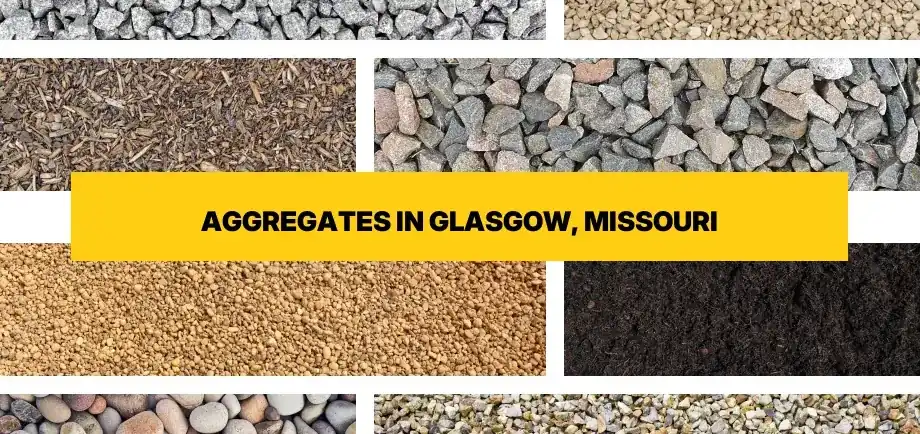
Gravel Monkey provides Glasgow homeowners, contractors, and agricultural operations with a comprehensive range of bulk materials for every project type. Our aggregates are sourced from quality suppliers and delivered fresh to your Howard County property:
- Driveway Gravel - Durable base material designed for Missouri weather conditions
- 3/4 inch Crushed Stone - Versatile aggregate for foundations and driveways
- #57 Stone - Popular drainage stone and concrete base material
- Crusher Run - Compactable base ideal for Glasgow's clay soils
- Road Base - Heavy-duty foundation for driveways and farm roads
- Pea Gravel - Smooth decorative stone for walkways and landscaping
- River Rock - Natural aesthetic for gardens and water features
- Drain Rock - Clean aggregate for managing water issues
- Topsoil - Nutrient-rich soil for gardens and lawns
- Fill Dirt - Essential for grading and leveling projects
- Crushed Concrete - Eco-friendly recycled aggregate option
- Walkway Gravel - Perfect for garden paths and landscaping borders
- Mason Sand - Fine sand for masonry and construction
- Playground Sand - Safe, clean sand for play areas
- Washed Sand - Clean sand for multiple applications
- Decomposed Granite - Natural pathway surfacing material
Serving Glasgow and Howard County Communities
Gravel Monkey proudly delivers aggregates throughout Glasgow and surrounding Howard County areas. We know the local terrain, from the river bottoms near the Missouri River to the rolling hills of central Missouri farmland. Our delivery service covers all Glasgow neighborhoods and extends to nearby communities including Fayette to the south, Armstrong to the west, and properties along Highway 240 and Highway 5.
The Glasgow area sits on Missouri River Valley soils characterized by heavy clay content with loess deposits on higher elevations. These soil conditions present unique challenges for construction and drainage projects. Properties near downtown Glasgow and along Broadway Street often encounter high clay content requiring proper base preparation. Rural properties east toward the river may deal with seasonal flooding concerns. Our team understands these local geological factors and can recommend the right aggregates for your specific location and soil type.
Essential Aggregates for Glasgow Properties
Crushed Stone and Base Materials
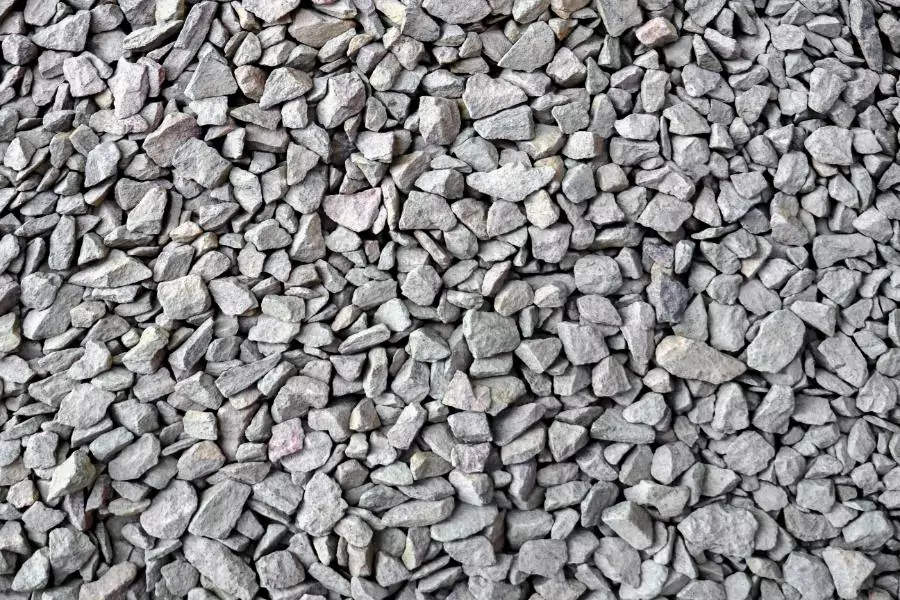
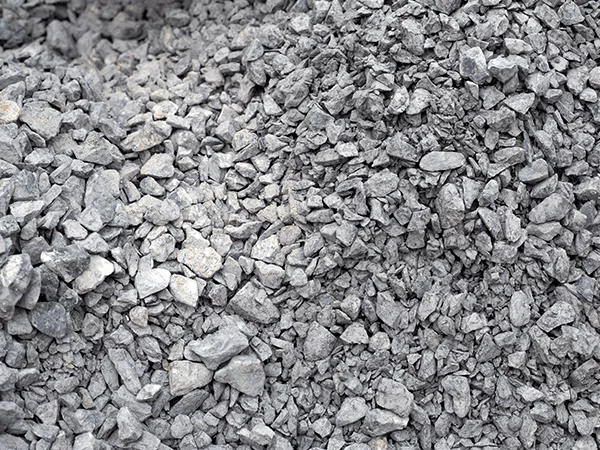
Glasgow's clay-heavy soils make quality base aggregates essential for any construction project. Crushed stone varieties provide the stable, well-draining foundation needed to prevent settling and movement common in Missouri clay. The angular edges of crushed stone interlock when compacted, creating a solid base that resists shifting through freeze-thaw cycles and heavy rainfall.
For driveway construction throughout the Glasgow area, a proper crushed stone base prevents the cracking and deterioration that plague projects built directly on clay. Properties along residential streets near Glasgow Elementary School or historic homes downtown benefit from professional base preparation. Commercial projects near the Highway 240 corridor require even more robust foundation materials to handle heavy vehicle traffic. Agricultural operations building farm roads across Howard County bottomland need aggregates that stand up to equipment loads and spring moisture.
Drainage Solutions for Central Missouri Clay
Managing water is critical in Glasgow, where heavy clay soils drain poorly and seasonal rainfall averages 38 inches annually. Drainage aggregates prevent standing water, foundation issues, and soil erosion. Clean stone without fines allows water to flow freely while filtering out sediment and preventing soil migration.
Properties near the Missouri River flood plain require particularly robust drainage solutions. Homes east of downtown toward the river may experience seasonal water table issues. New construction projects must address drainage proactively to avoid foundation problems down the road. French drain installations using proper drainage rock protect basements and crawlspaces throughout Howard County.
Decorative Stone and Landscaping Aggregates
Beyond functional applications, decorative aggregates enhance Glasgow properties with lasting natural beauty. Smooth river rock creates attractive dry creek beds and garden accents. Walkway gravel defines paths through flower beds and vegetable gardens. Decomposed granite provides a natural-looking pathway surface that complements Missouri's native landscape.
Historic properties downtown Glasgow maintain period-appropriate landscaping using traditional materials. Modern homes throughout newer developments near the south side of town incorporate contemporary landscape designs with mixed aggregate sizes and colors. Farm properties use decorative stone to create low-maintenance areas around outbuildings and livestock facilities.
Soil Products for Glasgow Gardens and Lawns
Quality topsoil transforms Glasgow's native clay into productive growing medium for lawns, gardens, and landscaping. Blended topsoil incorporates organic matter that improves drainage, aeration, and nutrient content. Fill dirt provides stable material for grading projects, raising flower beds, and filling low spots in yards.
Glasgow gardeners face the challenge of heavy clay that compacts easily and drains poorly. Amending existing soil or adding raised beds with quality topsoil creates the conditions vegetables and ornamentals need to thrive. Properties establishing new lawns benefit from topsoil that gives grass seed the ideal environment for germination and root development through Missouri's variable spring weather.
Glasgow Aggregate Comparison Guide
Selecting the right aggregate for your Glasgow project depends on application, soil conditions, and desired results. This comparison helps match materials to common Howard County applications:
| Material Type | Best Applications | Key Benefits | Glasgow Uses |
|---|---|---|---|
| Crusher Run | Driveway base, parking areas | Excellent compaction, stable | Clay soil foundation prep |
| #57 Stone | Drainage, concrete aggregate | Superior drainage, clean | French drains, foundation drainage |
| 3/4" Crushed Stone | Driveways, roads, foundations | Versatile, strong interlock | General construction base |
| Road Base | Heavy traffic areas, farm roads | Maximum stability, durability | Agricultural access roads |
| Pea Gravel | Walkways, landscaping | Decorative, comfortable walking | Garden paths, play areas |
| Drain Rock | Water management systems | Optimal flow rate | Wet soil solutions |
| River Rock | Decorative landscaping | Natural appearance | Garden features, borders |
| Topsoil | Lawns, gardens, planting beds | Rich in organics | Clay soil amendment |
Building for Glasgow's Climate and Geology
Glasgow experiences a humid continental climate with hot summers averaging 87°F in July and cold winters with January lows around 18°F. Annual precipitation of approximately 38 inches falls fairly evenly throughout the year, with slightly higher amounts during spring and early summer. This moisture pattern, combined with freeze-thaw cycles, creates specific challenges for construction and landscaping projects.
The geological foundation beneath Glasgow consists primarily of Pennsylvanian-age shale and limestone bedrock overlain by Quaternary loess and alluvial deposits. Near the Missouri River, recent alluvium creates rich but often poorly-drained bottomland. Higher elevations feature loess—windblown silt deposits that form the basis of Howard County's productive agricultural soils. This loess over clay subsoil combination creates the heavy, sticky clay that Glasgow residents know well.
Soil expansion and contraction pose ongoing challenges. Glasgow's Putnam and Mexico series soils contain significant clay content that swells when wet and shrinks when dry. This movement affects everything from foundation stability to driveway surfaces. Proper base preparation using well-draining aggregates mitigates these issues by preventing moisture accumulation and providing stable support that flexes with seasonal changes.
Spring represents the most challenging construction period in Glasgow. March through May bring increased rainfall that saturates clay soils and makes earthwork difficult. Sites without adequate drainage become muddy and unstable. Projects initiated during spring benefit from extra attention to grading and drainage aggregate installation. Late summer through fall offers the most favorable conditions for aggregate projects, with drier soils and moderate temperatures supporting optimal compaction and curing.
Popular Aggregate Projects Throughout Glasgow
Residential Driveways and Parking Areas
Glasgow homeowners regularly upgrade driveways to handle Missouri weather and daily use. A proper driveway begins with 4-6 inches of compacted base aggregate over prepared subgrade. This foundation layer distributes weight and provides drainage that prevents frost heaving and settling. Surface materials range from additional crushed stone for gravel driveways to a stable base for asphalt or concrete installation.
Properties throughout Glasgow's residential neighborhoods face similar challenges. Homes built on sloped lots need extra attention to drainage and erosion control. Driveways serving multiple vehicles or RVs require thicker base sections and heavier-duty aggregates. Rural properties outside town often choose all-gravel driveways that handle farm equipment while maintaining lower maintenance costs.
Agricultural and Farm Applications
Howard County's agricultural heritage means many Glasgow area properties include farms and acreages requiring specialized aggregate solutions. Livestock facilities need well-drained lots and barn floors that stay functional through wet weather. Equipment storage areas require bases that support heavy machinery without rutting. Access roads across fields must handle loaded grain trucks during harvest season.
Feed lots and animal housing areas benefit from crusher run or road base that compacts firmly while shedding water. Proper slope and drainage stone installation keep these areas cleaner and healthier for livestock. Field entrances take tremendous abuse from repeated heavy equipment traffic—investing in proper aggregate base prevents mud holes and expensive repairs. Many Glasgow area farmers maintain network of gravel roads connecting different parts of their operations, requiring periodic aggregate replenishment.
Foundation Drainage and Water Management
Glasgow's clay soils make foundation drainage critical for protecting homes and buildings. Perimeter drain systems using clean drainage aggregate prevent water from accumulating against foundation walls. These systems collect groundwater and route it away from structures before it can cause basement seepage or foundation damage.
Proper installation starts with excavation around the foundation perimeter to footer level. Perforated drain tile surrounded by drainage aggregate creates a collection system that intercepts water before it reaches basement walls. The system discharges to daylight drainage or dry wells away from the building. Properties near the Missouri River floodplain or in low-lying areas often add sump pumps as backup protection during heavy rain events.
Landscaping and Outdoor Living Spaces
Glasgow residents create attractive outdoor spaces using decorative aggregates that complement Missouri's natural landscape. Patio areas feature river rock borders and decorative stone accents. Garden paths wind through flower beds using pea gravel or decomposed granite surfaces. Dry creek beds with river rock manage drainage while adding visual interest.
Fire pit areas and outdoor kitchens incorporate non-combustible stone for safety and aesthetics. Retaining wall backfill uses drainage aggregate to prevent water buildup that could cause wall failure. Low-maintenance landscapes replace traditional grass with ornamental grasses and decorative rock mulch—an increasingly popular choice for Glasgow homeowners seeking to reduce lawn care while creating drought-resistant landscapes.
Aggregate Installation Best Practices for Glasgow
Site Preparation and Grading
Success with any aggregate project begins with proper site preparation. Remove existing sod, vegetation, and organic topsoil down to stable subgrade. Glasgow's clay subsoil should be graded to promote drainage away from structures and roadways. Low spots that could collect water must be filled and compacted before aggregate installation.
Compact native clay subgrade before placing base materials. This prevents future settling and maintains proper elevations. In areas with very soft or wet clay, consider using geotextile fabric as a separator between subgrade and aggregate. The fabric prevents clay from migrating up into the stone while allowing water to drain, particularly important in Howard County's plastic clay soils.
Aggregate Layer Installation
Install base aggregates in lifts no thicker than 4 inches for optimal compaction. Spread material evenly and compact each lift before adding the next layer. Plate compactors work well for smaller areas, while larger projects benefit from roller compaction. Proper compaction removes air voids and achieves maximum density and stability.
Maintain proper grades during installation to ensure water drains away from buildings and off driveway surfaces. A minimum 2% slope (2 feet per 100 feet) moves water effectively without being noticeable. Areas prone to standing water may need steeper grades or additional drainage features. Crown driveway centers slightly so water sheets toward edges rather than pooling in wheel tracks.
Seasonal Considerations
Timing aggregate projects around Glasgow's weather patterns improves results. Late summer and fall provide ideal conditions with moderate temperatures and lower humidity. Spring projects must account for wet soils and potential rain delays. Avoid working clay subgrade when saturated—attempting to grade wet clay creates a muddy mess that won't compact properly.
Winter installation presents challenges but remains possible during dry spells. Frozen ground makes excavation difficult but provides a firm working surface. Avoid placing aggregates during active freeze-thaw periods when ground movement is most severe. Plan spring projects for late April or May after soils have dried from winter moisture and early spring rains.
Free Delivery Throughout Glasgow and Howard County
Gravel Monkey eliminates delivery charges for Glasgow area customers. We deliver throughout the city limits and extend service to rural properties across Howard County. Our trucks navigate Glasgow's mix of residential streets, rural roads, and farm lanes to place materials exactly where you need them.
Delivery scheduling accommodates your project timeline. Morning deliveries leave afternoons free for installation work. We communicate expected arrival times and notify you of any changes. Our professional drivers work to protect your property during delivery, discussing placement locations and access routes before backing in.
For larger projects requiring multiple loads, we coordinate deliveries to match your work schedule. Contractors appreciate our reliability and on-time service that keeps projects moving forward. Homeowners value our straightforward process and knowledgeable staff who answer questions about materials and installation techniques.
Frequently Asked Questions About Aggregates in Glasgow
Crusher run and road base excel in Glasgow's clay soils because they compact firmly and include fine particles that fill voids while maintaining drainage. The angular stone pieces interlock to resist movement even when clay beneath expands and contracts seasonally.
Most Glasgow residential driveways need 4-6 inches of compacted base aggregate. Properties with heavy clay soil, poor drainage, or heavier vehicle traffic may require 6-8 inches. Rural farm driveways often use 8-12 inches of base to support equipment loads.
Yes, during dry periods when ground isn't actively freezing and thawing. Frozen ground provides a firm working surface, but avoid projects during times of ground movement. Late fall or early spring during dry spells often work better than mid-winter.
Number 57 stone works excellent for most Glasgow drainage applications. The three-quarter inch size provides ideal void space for water flow while preventing soil migration. Larger drain rock may be appropriate for heavy flow situations like areas near the Missouri River bottomland.
Calculate volume in cubic yards: length times width times depth in feet, divided by 27. For example, a 12-foot by 50-foot driveway with 4 inches of base needs 7.4 cubic yards. Our team helps verify calculations and accounts for compaction factors.
Absolutely. We deliver throughout Howard County including rural areas, farms, and properties along county roads. Free delivery extends to communities near Glasgow including Fayette, Armstrong, and surrounding areas.
Geotextile fabric benefits many Glasgow projects, especially where clay soil is soft or wet. The fabric prevents clay from pumping up into aggregate while allowing drainage. It's particularly helpful for driveways on poor soil or areas with drainage challenges.
Crushed stone has angular edges from mechanical crushing that interlock when compacted, creating a stable base. Gravel has rounded edges from natural weathering. For structural applications like driveways and foundations in Glasgow, crushed stone provides superior performance.
Get Started with Your Glasgow Aggregate Project
Gravel Monkey serves Glasgow, Missouri with reliable delivery of quality aggregates for every application. Our knowledgeable team understands Howard County's soil conditions and can recommend the right materials for your specific project and property. From residential landscaping to commercial construction to agricultural operations, we supply the aggregates that help Glasgow projects succeed.
Contact Gravel Monkey today at (646) 809-3983 to discuss your aggregate needs or place an order. We're committed to providing Glasgow area customers with exceptional products, free delivery, and the expertise that comes from years of serving central Missouri properties. Let us help make your next project a success with quality aggregates delivered right to your Glasgow location.

Need help? Reach out for a quote: