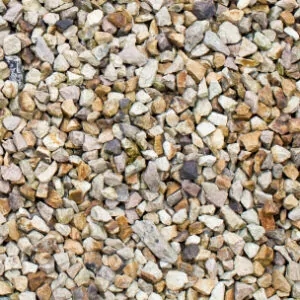
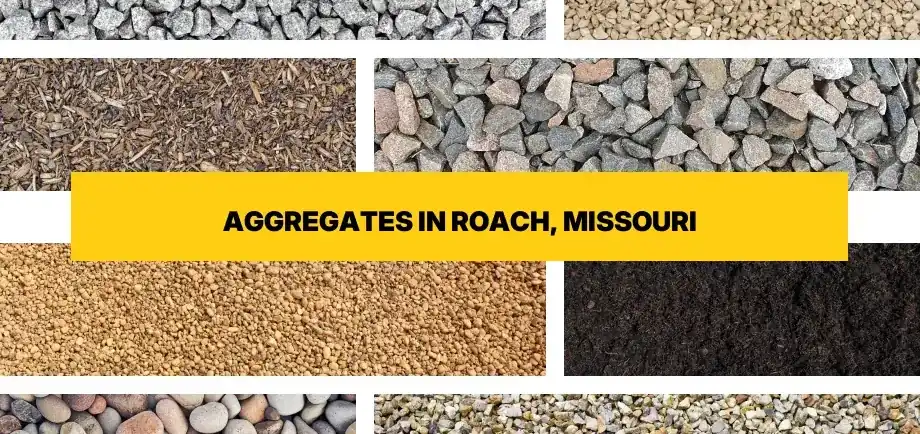
Shop Bulk Materials & Gravel in Roach, Missouri
Local Topsoil, Dirt, Sand, Rocks and Gravel near me in Roach, Missouri
Shop Aggregates for Delivery in Roach
Order online for free delivery to any Roach address.
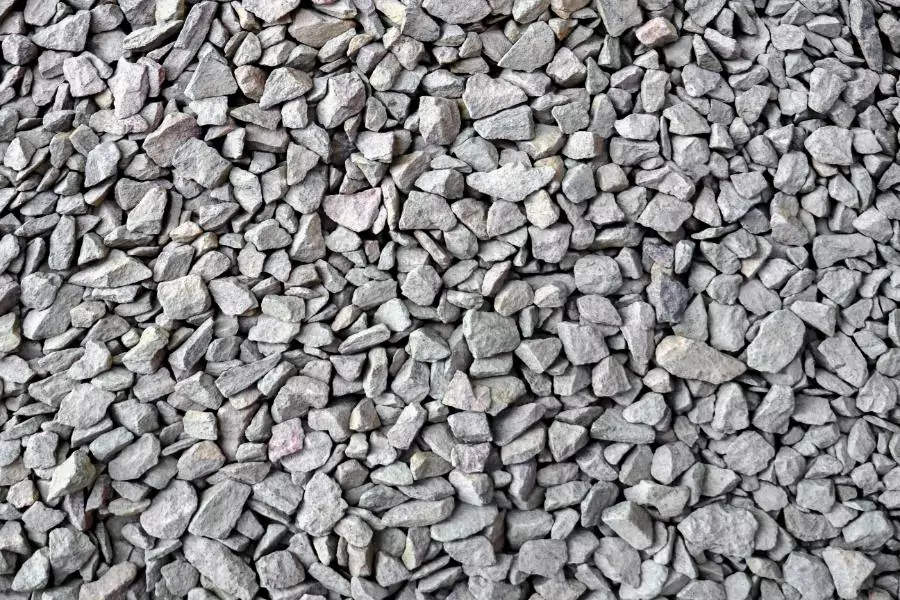
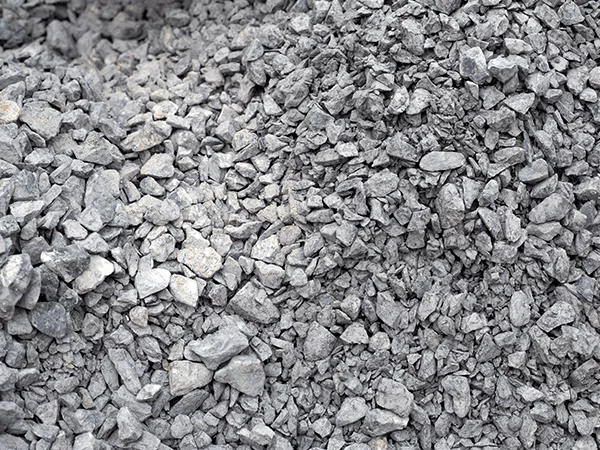


Gravel Monkey is your trusted source for premium aggregates and bulk materials delivery serving Roach, Missouri and the greater Lake of the Ozarks region. Whether you're building a lakefront retreat near Shawnee Bend, upgrading a hillside driveway off State Highway 54, or creating drainage solutions for properties around Lake Road 5-56, we deliver high-quality aggregates directly to your site with absolutely free delivery. Our extensive inventory includes crushed stone, gravel, sand, and specialty materials perfectly suited to the unique Ozark terrain and limestone-based soils common throughout Camden County.
Complete Aggregate & Material Selection for Roach Properties
The Lake of the Ozarks area presents unique challenges for property owners, from steep hillside access to rocky Ozark soil conditions and seasonal weather variations. Gravel Monkey understands these local requirements and stocks a comprehensive range of aggregates and materials specifically chosen for Roach-area projects:
- Driveway Gravel - Durable aggregate base for hillside driveways and steep access roads
- 3/4 inch Crushed Stone - Versatile limestone aggregate for foundations and hardscaping
- #57 Stone - Standard crushed stone for drainage systems and concrete work
- Crusher Run - Compactable base material ideal for lake access roads
- Road Base - Heavy-duty aggregate for permanent road construction
- Pea Gravel - Smooth decorative aggregate for walkways and landscaping
- River Rock - Natural stone in various sizes for lakefront landscaping
- Walkway Gravel - Comfortable aggregate for pedestrian paths and trails
- Drain Rock - Large stone for French drains and hillside water management
- Crushed Concrete - Eco-friendly recycled aggregate for base applications
- Decomposed Granite - Natural permeable surface for paths and courtyards
- Topsoil - Nutrient-rich soil for gardens and lawn establishment
- Fill Dirt - Essential material for grading and leveling hillside lots
- Mason Sand - Fine sand for paver bases and masonry projects
- Playground Sand - Safe, clean sand for lakefront play areas
- Washed Sand - Clean aggregate for concrete mixing and beach areas
Serving Roach and Surrounding Lake Communities
Our delivery service extends throughout the Roach area and surrounding Lake of the Ozarks communities. We're familiar with the local geography and regularly deliver aggregates to properties in these areas:
Shawnee Bend - This popular lakeside community north of Roach features both waterfront estates and hillside homes requiring specialized aggregate solutions for steep driveways and erosion control. The rocky Ozark terrain here demands quality base materials that compact well on slopes.
Lake Road 5-56 Corridor - This scenic route connecting Roach to Highway 5 winds through heavily wooded areas where drainage management is critical. Properties along this corridor benefit from crusher run and drain rock to handle seasonal water flow from the surrounding hills.
Linn Creek Area - Just north of Roach, Linn Creek sits near the original town site before Lake of the Ozarks was created. The limestone-rich soil in this area works exceptionally well with crushed stone aggregates for driveways and foundations.
Camdenton Vicinity - Located approximately ten miles northeast of Roach, this larger community serves as the Camden County seat. We regularly deliver bulk aggregates to construction projects and landscaping operations throughout this growing area.
Four Seasons Lakesites - This established lake community features numerous coves and hillside lots requiring specialized grading and drainage solutions. The combination of steep terrain and proximity to lake waters makes proper aggregate selection essential.
Highway 54 Corridor - Running east-west through the region, this major thoroughfare provides access to countless lakefront properties. Commercial developments and residential estates along this route regularly require substantial aggregate deliveries for roads and site preparation.
Osage Beach Direction - Properties heading west toward Osage Beach benefit from our centralized Roach location, with efficient delivery of materials for the ongoing development in this tourism-focused area.
Niangua Arm Lakefront - The Niangua River arm of Lake of the Ozarks creates numerous coves and inlets near Roach, where waterfront property owners need quality aggregates for boat ramps, beach areas, and erosion control.
Understanding Roach's Ozark Geology and Climate
The Roach area sits in the heart of the Ozark Plateau, characterized by distinctive geological features that directly impact aggregate selection and performance. The region's bedrock consists primarily of limestone and dolomite formations dating back to the Paleozoic era, creating the characteristic rugged terrain that defines the Lake of the Ozarks landscape.
Local Soil Composition
Ozark soils around Roach typically feature a shallow layer of clay-rich topsoil over limestone bedrock. This combination presents both advantages and challenges for construction projects. The limestone base provides excellent stability once reached, but the clay content can expand and contract with moisture changes, making proper aggregate base preparation essential for driveways and foundations. Many properties in the Roach area encounter bedrock within just twelve to eighteen inches of the surface, particularly on hillside lots.
Climate Considerations for Aggregate Selection
Roach experiences a humid subtropical climate with hot summers averaging 88-92°F in July and cold winters where temperatures can drop to 20-25°F in January. Annual precipitation averages 45 inches, with peak rainfall occurring in May and June. This weather pattern creates several important considerations for aggregate applications:
Spring storms and heavy rainfall can generate significant runoff on hillside properties, making drainage aggregates absolutely critical. Summer heat and humidity require aggregates that resist weed growth in walkways and landscaped areas. Winter freeze-thaw cycles demand properly compacted bases to prevent heaving and shifting. The Lake of the Ozarks' fluctuating water levels also affect shoreline properties, where erosion control becomes paramount.
Aggregate Applications for Lake of the Ozarks Properties
Hillside Driveway Solutions
Steep driveways represent one of the most common challenges for Roach property owners. The combination of grade, Ozark clay soils, and seasonal weather demands a multi-layer approach. A properly constructed hillside driveway begins with adequate excavation to reach stable soil or bedrock, followed by a compacted base layer of crushed stone or crusher run. The final surface layer should provide traction even during wet conditions while allowing water to drain rather than channeling down the slope.
Lakefront Landscaping and Beach Creation
Properties with direct lake access often incorporate sand beaches, decorative rock areas, and functional boat ramps. Natural river rock creates attractive transitions between lawn areas and shoreline, while playground sand provides safe swimming beach areas. Larger drain rock helps prevent erosion at boat ramp edges and high-traffic shoreline zones. The key is selecting materials that won't wash away during periods of high lake levels while maintaining aesthetic appeal during summer recreation season.
French Drains and Water Management
The hilly Ozark terrain around Roach makes subsurface drainage systems essential for protecting structures and preventing soil erosion. French drains utilizing clean drain rock wrapped in landscape fabric redirect groundwater away from foundations and prevent pooling on level areas. Many hillside properties benefit from multiple drainage systems working in concert to manage water from both upslope runoff and local precipitation.
Retaining Walls and Terracing
Creating level spaces on sloped lots often requires retaining walls and terraced areas. Quality backfill aggregate behind retaining walls provides both structural support and drainage capability. The free-draining nature of crushed stone prevents hydrostatic pressure buildup that could compromise wall integrity. Many Roach properties feature multiple terraced levels connected by gravel paths, maximizing usable outdoor space while managing slope stability.
| Aggregate Type | Best Applications | Typical Size | Drainage Rating | Compaction |
|---|---|---|---|---|
| Crusher Run | Driveway base, road base, parking areas | Fines to 3/4 inch | Moderate | Excellent |
| 3/4 inch Crushed Stone | Drainage layers, concrete aggregate, general base | 3/4 inch nominal | Excellent | Very Good |
| #57 Stone | French drains, septic fields, drainage systems | 3/4 inch down to dust | Very Good | Good |
| Pea Gravel | Decorative landscaping, pathways, ground cover | 3/8 inch rounded | Good | Poor |
| River Rock | Landscaping, decorative beds, erosion control | 1-3 inch | Good | Poor |
| Drain Rock | Foundation drains, French drains, retaining walls | 1.5-2.5 inch | Excellent | Poor |
| Decomposed Granite | Pathways, patios, natural surface trails | 1/4 inch minus | Good | Excellent |
| Mason Sand | Paver base, masonry work, sandbox fill | Fine sand | Fair | Good |
Choosing the Right Aggregates for Your Roach Project
Selecting appropriate materials depends on understanding both your project requirements and the local conditions specific to the Lake of the Ozarks area. Here's how to approach aggregate selection for common scenarios:
New Driveway Construction on Sloped Terrain
Begin with proper excavation to reach stable soil or bedrock, which may be as shallow as twelve inches in many Roach locations. Install a six-inch layer of compacted crusher run as your base, which provides both stability and some drainage capability. Top with two to three inches of driveway gravel for the surface layer, creating a durable driving surface that sheds water effectively. For particularly steep grades, consider larger aggregate sizes in the surface layer to prevent migration downslope during heavy rain events.
Walkways and Paths Through Wooded Areas
Natural paths benefit from materials that stay in place while providing good footing. Decomposed granite compacts to create a stable, permeable surface that looks natural in wooded settings. For less formal paths, pea gravel offers comfortable walking surfaces that require minimal maintenance. Both options allow rainwater to percolate through rather than creating erosion issues, important for the forty-five inches of annual rainfall typical in the Roach area.
Foundation Drainage Around New Construction
Protecting new structures from water damage starts with proper foundation drainage. Install drain rock along the foundation perimeter, wrapped in landscape fabric to prevent soil intrusion. The large void spaces in drain rock allow water to flow freely to drainage pipes or away from the structure. This becomes especially important in Ozark clay soils, which hold moisture and can create hydrostatic pressure against foundation walls during wet periods.
Lakefront Erosion Control
Shoreline protection requires materials large enough to resist wave action and current movement. River rock in two to four inch sizes provides excellent erosion resistance while maintaining natural appearance. For high-traffic areas like boat ramps or swimming entries, larger rip-rap may be necessary. The key is selecting sizes that Lake of the Ozarks' typical wave patterns won't displace, while avoiding anything so large that it becomes hazardous for swimmers or boaters.
Free Aggregate Delivery Throughout the Roach Area
Gravel Monkey eliminates the hassle and expense of aggregate transportation with our complimentary delivery service throughout Roach and surrounding Lake of the Ozarks communities. Our experienced drivers understand the local road network, including seasonal lake routes and narrow hillside access roads common in the area. We navigate the terrain regularly and can safely deliver to challenging locations that might give other suppliers pause.
Our delivery service accommodates both residential and commercial orders, from a few tons for a small landscaping project to dozens of tons for major construction undertakings. We work with your schedule and site requirements, placing materials as close to your work area as access allows. For hillside properties where placement options may be limited, our team communicates clearly about staging areas and timing to ensure smooth delivery.
Understanding Lake of the Ozarks seasonal patterns helps us plan deliveries effectively. We know that summer weekends bring heavy traffic to the area, so scheduling deliveries during weekday mornings can avoid congestion. Spring thaw periods may temporarily limit access to some properties, while fall provides ideal conditions for most aggregate projects before winter weather arrives.
Quality Aggregates from Trusted Sources
Every load of aggregate we deliver meets rigorous quality standards appropriate for its intended use. Our crushed stone products come from local limestone quarries, ensuring material compatibility with Ozark soils and geology. Sand products are washed and screened to specified gradations, whether you need fine mason sand for paver bases or clean playground sand for beach areas.
We understand that aggregate quality directly affects project outcomes. Properly graded crusher run compacts to create stable bases that resist settling and heaving through multiple freeze-thaw cycles. Clean drain rock flows water efficiently without clogging from fine particles. Decorative materials like river rock and pea gravel maintain their appearance season after season without breaking down or becoming muddy.
Material consistency matters especially for larger projects requiring multiple deliveries. When you order twenty tons of three-quarter inch crushed stone for a driveway project, every load should match the specifications. Our established supplier relationships and quality control processes ensure that the first delivery matches the last, whether your project requires two tons or two hundred.
Calculating Aggregate Quantities for Roach Projects
Accurate material estimation prevents costly shortages or expensive overages. Understanding how to calculate aggregate needs ensures efficient project completion and budget management.
Volume Calculation Basics
Most aggregate applications require calculating volume in cubic feet or cubic yards. For rectangular areas like driveways or patios, multiply length times width times depth (all in feet) to get cubic feet. Divide by twenty-seven to convert to cubic yards. For example, a twenty-foot by forty-foot driveway with four inches of base material needs 27 cubic feet, or one cubic yard of aggregate.
Converting to Tons
Aggregates are typically sold by weight rather than volume. Crushed stone and gravel generally weigh 2,700 to 3,000 pounds per cubic yard, or 1.35 to 1.5 tons. Using the driveway example above, one cubic yard converts to approximately 1.4 tons. Round up to ensure adequate coverage, as compaction reduces volume by ten to fifteen percent.
Special Considerations for Hillside Projects
Sloped applications often require additional material compared to level installations. Grade percentage affects actual surface area - a thirty-foot driveway on a ten percent slope actually covers thirty-three linear feet of ground surface. Additionally, hillside projects typically need extra base depth on the downslope side to create a level surface, potentially increasing aggregate requirements by twenty to thirty percent.
Best Practices for Aggregate Installation in Ozark Terrain
Proper installation techniques maximize aggregate performance and longevity, especially important given the challenging conditions often found in the Lake of the Ozarks region.
Site Preparation Fundamentals
Success starts with adequate excavation and subgrade preparation. Remove all organic material, roots, and loose soil before placing any aggregate. In areas with shallow bedrock common around Roach, you may reach stone quickly - this provides an excellent base. Where you encounter deeper clay soils, excavate to firm material and compact thoroughly before adding aggregate layers.
Compaction Requirements
Each aggregate layer requires proper compaction to achieve maximum density and stability. Rent a plate compactor for smaller projects or a vibratory roller for larger areas. Make multiple passes, slightly overlapping each pass. Add material in lifts no deeper than six inches, compacting each lift before adding the next. Proper compaction becomes especially critical in clay soils, which can shift and settle if aggregate bases aren't adequately densified.
Drainage Integration
Never install aggregates without considering water management. Even permeable materials like crushed stone need somewhere for water to go. Grade surfaces to direct water away from structures and toward appropriate drainage areas. For driveways and paths, create a crown or slight cross-slope to encourage water runoff. Install French drains or swales where subsurface or surface water concentration occurs.
Edge Restraints
Aggregate surfaces need edge support to prevent material migration. For driveways, install edge boards or pour concrete curbs before placing aggregate. Walkways benefit from plastic or metal edging that keeps pea gravel or decomposed granite contained. Without proper edging, materials gradually spread beyond their intended boundaries, requiring periodic replenishment and looking unkempt.
Seasonal Timing for Aggregate Projects in Roach
The Lake of the Ozarks climate creates distinct seasons that affect project timing and material selection. Understanding these patterns helps you schedule work for optimal results.
Spring Project Planning
Spring brings the heaviest rainfall to the Roach area, with May averaging over five inches of precipitation. While moisture complicates installation, spring often provides the best window for drainage projects before summer heat arrives. The ground is typically thawed and workable by late March, though occasional cold snaps can occur into April. Early spring work allows new installations to settle and stabilize before summer's peak usage season.
Summer Construction Season
June through September offers the most predictable weather for aggregate projects, with typically warm, relatively dry conditions. However, summer also brings peak tourist traffic to Lake of the Ozarks, potentially complicating material deliveries and contractor scheduling. The heat can actually benefit compaction, as warmer aggregate compacts more easily than cold material. Just ensure adequate moisture during compaction - completely dry aggregate won't achieve proper density.
Fall Preparation
September and October provide ideal conditions for most aggregate work. Cooler temperatures make physical work more comfortable, while rainfall moderates from spring's intensity. Completing projects before winter allows them to settle naturally through freeze-thaw cycles, identifying any areas needing adjustment before the following year's heavy use. Fall also sees reduced lake traffic, making deliveries and contractor access easier.
Winter Limitations
While some aggregate work remains possible during mild winter periods, frozen ground prevents proper excavation and compaction. December through February average temperatures regularly drop below freezing at night, making consistent progress difficult. However, this period works well for planning and material ordering, ensuring you're ready when spring weather arrives.
Frequently Asked Questions About Gravel in Roach
For steep hillside driveways common around Roach and Lake of the Ozarks, we recommend a multi-layer system. Start with six inches of compacted crusher run as your base, which provides both stability and moderate drainage. Top with two to three inches of larger driveway gravel that resists washing during heavy rains. The combination creates a durable surface that handles grade and weather while providing good traction even when wet.
Protecting shoreline areas requires selecting appropriately sized materials and proper installation techniques. River rock in two to four inch sizes provides erosion resistance against typical Lake of the Ozarks wave action. For high-traffic areas or steep banks, larger rip-rap may be necessary. Always install landscape fabric beneath rock to prevent soil migration while allowing water flow. Creating graduated size zones - larger rock at the water line, transitioning to smaller materials upslope - provides natural-looking and effective erosion control.
Small, relatively level projects can be DIY-friendly for homeowners with proper equipment and physical capability. However, hillside driveways, large parking areas, or projects requiring significant excavation typically benefit from professional installation. Contractors have specialized equipment for proper excavation, grading, and compaction that affects long-term performance. For Roach's challenging terrain, professional installation often proves more cost-effective than attempting complex projects yourself and potentially needing repairs later.
Properly installed aggregate surfaces require minimal maintenance. Driveways with adequate base preparation and drainage may need surface refreshing every five to seven years as traffic gradually displaces material. Decorative applications like pea gravel paths might need minor additions every two to three years. Erosion-prone areas may require more frequent attention. Regular inspection and prompt repair of any developing issues prevents minor maintenance from becoming major reconstruction.
Crusher run contains a blend of stone sizes from fine dust up to three-quarters inch, creating a material that compacts tightly to form an almost impervious surface. This gradation allows smaller particles to fill voids between larger stones, creating excellent stability for base layers. In contrast, uniformly sized aggregates like three-quarter inch crushed stone drain well but don't compact as tightly. For Roach's clay soils and steep terrain, crusher run provides superior base performance for driveways and parking areas.
The area's humid subtropical climate with forty-five inches of annual rainfall makes drainage a primary concern for aggregate selection. Materials must handle both heavy spring storms and summer thunderstorms without washing away or creating erosion. Winter freeze-thaw cycles require properly compacted bases to prevent heaving. Summer's heat and humidity make weed barriers important for decorative applications. Selecting aggregates suited to these conditions - and installing them with proper drainage provisions - ensures long-term performance through all seasons.
Yes, our drivers regularly navigate the narrow, winding roads common throughout the Lake of the Ozarks area. We deliver to properties accessed via seasonal lake roads, hillside routes, and challenging terrain typical around Roach. However, we do need to confirm access for our delivery trucks, which require adequate width, overhead clearance, and turning radius. Contact us with your specific location, and we'll verify deliverability and discuss any placement limitations based on site access.
Playground sand is specifically processed and certified for safety in areas where children play, making it ideal for lakefront swimming beaches. It's washed to remove dust and tested to ensure it doesn't contain harmful materials. Mason sand is also clean but is graded for construction applications like paver bases and masonry work. For swimming beaches around Roach lakefront properties, playground sand provides the safest choice, while mason sand works well for non-swimming areas or as a base material under decorative applications.
Ready to Start Your Roach Aggregate Project?
Whether you're building a new lakefront home, upgrading an existing property, or tackling commercial development in the Roach area, Gravel Monkey provides the quality aggregates and reliable delivery service your project demands. Our extensive material selection covers every application from structural bases to decorative finishing touches, all delivered free throughout the Lake of the Ozarks region.
Our team understands the unique challenges of working in Ozark terrain - from shallow limestone bedrock to clay soils, from steep grades to lakefront erosion concerns. We help you select appropriate materials for your specific conditions and can calculate quantities to ensure you order exactly what you need, eliminating waste while preventing shortages that delay completion.
Contact Gravel Monkey today to discuss your project requirements and schedule free delivery to your Roach property. Our knowledgeable staff can answer questions about material selection, installation techniques, and quantity calculations. We serve residential homeowners, commercial contractors, and everyone in between with the same commitment to quality products and exceptional service that has made us the trusted aggregate supplier for the Lake of the Ozarks area.

Need help? Reach out for a quote: