Buy Bulk Aggregates & Gravel in Campbell, Missouri
Local Topsoil, Dirt, Sand, Rocks and Gravel near me in Campbell, Missouri
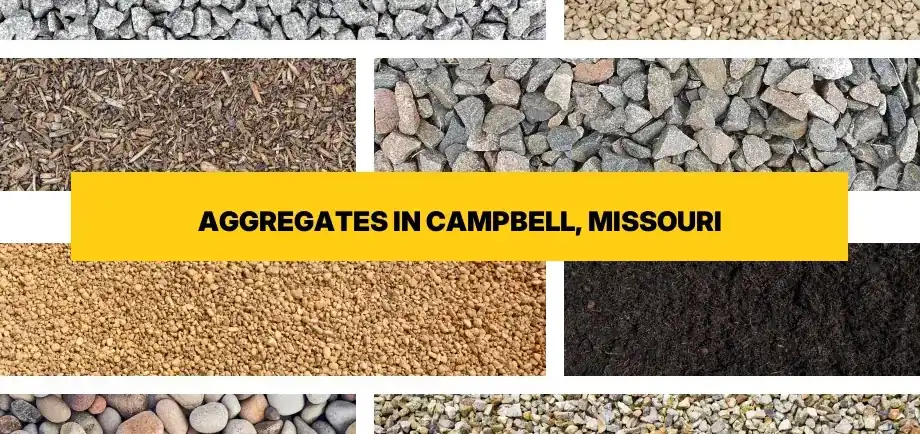
Shop Aggregates for Delivery in Campbell
Order online for free delivery to any Campbell address.


Gravel Monkey is your premier source for high-quality gravel and aggregate delivery in Campbell, Missouri. Serving Dunklin County and the surrounding Bootheel region, we provide free delivery of premium aggregates directly to your property. Whether you're improving a driveway on Old Highway 25, building drainage systems near Riverside Park, or working on rural properties throughout the Campbell area, we supply the materials you need at competitive prices with dependable service.
Complete Aggregate Selection for Campbell Projects
Campbell's location in the Mississippi Alluvial Plain means properties often contend with clay-rich soils and seasonal moisture challenges. Our aggregate selection addresses these local conditions with materials engineered for the Bootheel region's unique requirements. From residential driveways to commercial construction projects, we deliver the aggregates that perform in southeast Missouri's climate and soil conditions.
- Driveway Gravel - Engineered blend for lasting driveways in Campbell's clay soil conditions
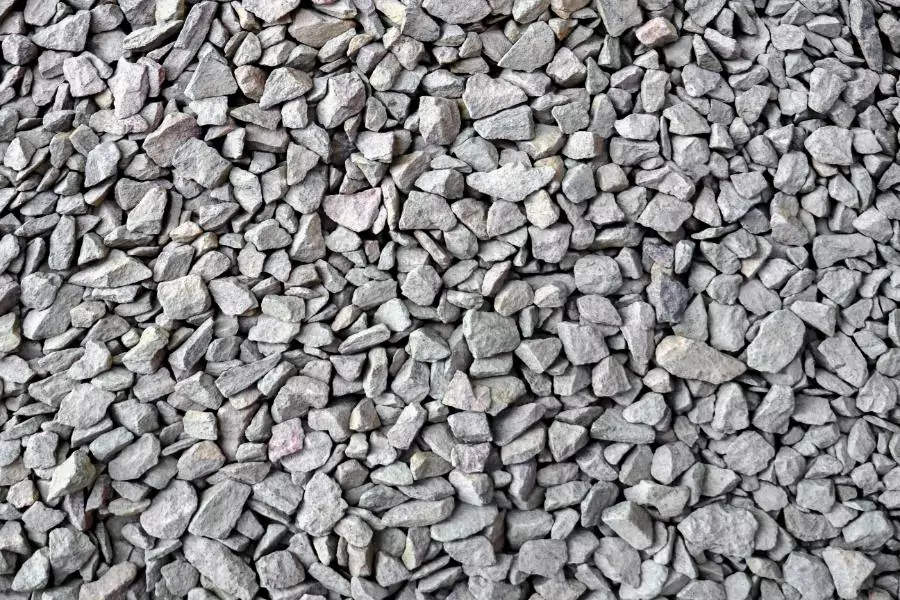
- 3/4 inch Crushed Stone - Versatile aggregate for foundations, driveways, and base layers
- #57 Stone - Industry-standard crushed stone for drainage and concrete applications
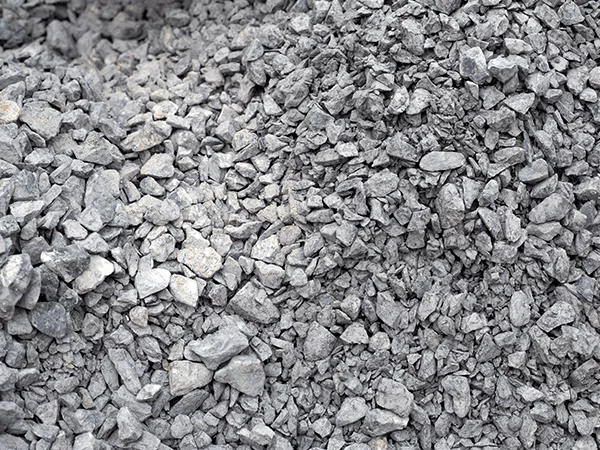
- Crusher Run - Superior compactable base for roads and heavy-duty surfaces
- Road Base - Professional-grade material for rural road construction and repair
- Drain Rock - Specialized aggregate for French drains and water management systems
- Pea Gravel - Smooth rounded stones for walkways and decorative landscaping
- River Rock - Natural stone for aesthetic landscaping and water features
- Walkway Gravel - Comfortable aggregate blend for garden paths and pedestrian areas
- Crushed Concrete - Eco-friendly recycled aggregate for cost-effective projects
- Topsoil - Nutrient-rich soil for gardens, lawns, and landscaping beds
- Fill Dirt - Quality material for grading, leveling, and construction backfill
- Mason Sand - Fine washed sand for masonry, bricklaying, and mortar mixing
- Playground Sand - Safe, clean sand for play areas and sandboxes
- Washed Sand - Clean sand for construction, landscaping, and concrete projects
- Decomposed Granite - Natural-looking permeable surface for pathways and patios
Serving Campbell and Surrounding Dunklin County Communities
Gravel Monkey delivers aggregates throughout Campbell and the greater Dunklin County area. We serve residential and commercial customers across the community, from properties along Highway 25 to rural locations throughout the region. Whether you're located near downtown Campbell, out toward Gideon, or anywhere in between, our free delivery service brings quality aggregates directly to your job site.
We regularly deliver to properties throughout the Campbell vicinity, including areas near Riverside Park, locations along Highway 412, neighborhoods around the historic downtown district, rural properties on county roads, and developments near the city limits. Our knowledge of local roads and conditions ensures efficient delivery whether you're working on a residential project in town or managing a larger commercial development in the surrounding agricultural areas.
Campbell sits in the heart of Missouri's Bootheel region, approximately 20 miles from Poplar Bluff to the north and 15 miles from Caruthersville to the south. We also serve nearby communities including Gideon, Malden, Holcomb, Clarkton, and Senath. This strategic coverage area means fast, reliable delivery for projects throughout southeast Missouri.
Aggregate Solutions for Campbell's Climate and Soil Conditions
Campbell experiences a humid subtropical climate with hot, humid summers and mild winters. Annual rainfall averages 48 inches, with precipitation distributed fairly evenly throughout the year. Summer temperatures frequently reach the 90s, while winter lows occasionally dip below freezing. This moisture-rich environment creates specific challenges for driveways, foundations, and drainage systems that proper aggregate selection can address.
The geology of Campbell and Dunklin County is dominated by alluvial deposits from ancient Mississippi River flooding. The soil consists primarily of heavy clay with silty loam layers, creating conditions that retain moisture and can become muddy during wet periods. This clay-rich soil expands when wet and contracts when dry, placing stress on driveways, foundations, and other surfaces. Properties in Campbell require aggregates that provide excellent drainage, resist compaction in wet conditions, and create stable bases over the challenging native soil.
The water table in Campbell sits relatively high, especially in low-lying areas near drainage channels. This groundwater proximity means many properties experience wet soil conditions even during dry weather. Proper drainage becomes essential for maintaining functional driveways, stable foundations, and usable outdoor spaces. Selecting the right aggregates for Campbell's specific conditions prevents common problems like driveway rutting, foundation settlement, and persistent wet spots that plague inadequate installations.
Driveway Aggregates Engineered for Campbell's Clay Soils
Driveways in Campbell face unique challenges from the area's heavy clay soil and high moisture levels. Standard gravel often sinks into clay or becomes muddy during wet weather without proper preparation and material selection. Creating a lasting driveway requires understanding how different aggregates interact with Campbell's soil conditions and climate patterns.
For new driveway construction in Campbell, we recommend starting with a proper base layer. Crusher run provides an excellent foundation, as its blend of stone sizes and fines compacts tightly to create a stable platform. This base layer should be 4-6 inches thick for residential driveways, graded to promote water runoff away from the surface. The angular edges of crushed aggregates lock together far more effectively than rounded river rock, resisting the shifting forces from clay soil movement underneath.
The surface layer of your Campbell driveway determines both functionality and appearance. For working driveways that handle regular vehicle traffic, we recommend 3/4 inch crushed stone or dedicated driveway gravel. These aggregates provide excellent traction, drain water quickly, and resist pressing into softer base layers. For properties near the rural areas around Campbell where heavier vehicles may access the property, a thicker surface layer of 4-5 inches ensures durability through all weather conditions.
Rural Road and Lane Construction
Many Campbell area properties feature long driveways or private lanes that essentially function as roads. These extended surfaces require aggregates specifically engineered for durability and proper drainage. Road base provides the structural integrity needed for these applications, creating a compacted surface that resists rutting even under regular vehicle loads. For farm properties and rural homesteads, road base delivers the performance needed for daily use without constant maintenance.
Extended lanes through Campbell's countryside benefit from proper drainage planning. The high clay content in local soils means water doesn't percolate downward easily—it must be directed away laterally. Crown your road surface slightly in the center, allowing water to sheet off to the sides where it can drain into ditches or vegetated areas. This simple drainage principle, combined with quality road base material, creates lanes that remain functional through Missouri's wettest seasons.
Drainage Systems Critical for Campbell Properties
Campbell's 48 inches of annual rainfall combined with poor-draining clay soils makes proper drainage one of the most important considerations for any property improvement project. Standing water causes numerous problems—from muddy yards to foundation issues to mosquito breeding grounds. Strategic use of drainage aggregates solves these challenges effectively.
French drains remain the gold standard for addressing wet areas and redirecting water away from structures. These systems use perforated pipe surrounded by drain rock, allowing water to enter the pipe while preventing soil infiltration that would clog the system. For Campbell installations, we recommend #57 stone as the aggregate surrounding the drain pipe. Its uniform size creates consistent void spaces that facilitate water movement while the angular shape prevents shifting over time.
Surface drainage also benefits from aggregate solutions. Creating swales or shallow drainage channels lined with river rock provides an attractive way to handle runoff from driveways, roofs, and paved surfaces. The stone prevents erosion while allowing water to flow toward collection points or dispersion areas. For properties in Campbell's lower-lying areas that experience seasonal standing water, these drainage improvements transform soggy yards into usable outdoor spaces.
Foundation Drainage Protection
Foundations in Campbell require protection from the moisture naturally present in clay soils. Installing drain rock around foundation perimeters creates a capillary break that prevents wicking of moisture into concrete or basement walls. This aggregate layer also facilitates drainage away from the foundation, reducing hydrostatic pressure that can cause basement leaks or structural movement.
When installing foundation drainage in Campbell's clay soils, proper grading becomes just as important as material selection. The drain rock layer should extend at least 12 inches away from the foundation and slope away from the structure. Connect this drainage to solid perforated pipe that carries water away to daylight or a dry well. This combination of materials and proper installation prevents the moisture problems that plague many Campbell area basements and crawl spaces.
| Aggregate Type | Best Applications | Drainage Rating | Clay Soil Performance |
|---|---|---|---|
| Crusher Run | Driveway base, road foundation | Good | Excellent - compacts firmly |
| 3/4" Crushed Stone | Driveway surface, general purpose | Excellent | Very Good - resists settling |
| #57 Stone | Drainage systems, concrete aggregate | Excellent | Good - uniform drainage |
| Road Base | Rural roads, heavy-duty driveways | Good | Excellent - stable platform |
| Drain Rock | French drains, foundation drainage | Excellent | Very Good - prevents clogging |
| Pea Gravel | Walkways, landscaping, decorative | Very Good | Fair - may shift on clay |
| Crushed Concrete | Budget driveways, base material | Good | Good - cost-effective option |
Decorative Aggregates for Campbell Landscapes
Beyond functional applications, aggregates provide attractive solutions for enhancing Campbell landscapes. The right decorative stone creates visual interest while reducing maintenance compared to traditional lawns or mulched beds. These materials work particularly well in Campbell's climate where maintaining lush grass can be challenging during hot, dry summer periods.
Pea gravel offers a classic look for garden paths, around trees, and in planting beds. The smooth, rounded stones come in natural earth tones that complement any landscape style. For Campbell properties, pea gravel works wonderfully in areas where you want a neat appearance without the settling issues that occur on driveways. The stone's size allows it to settle into stable layers while still providing excellent drainage underneath.
River rock creates dramatic visual impact in landscape designs. Available in various sizes from small accent stones to larger statement pieces, river rock brings a natural aesthetic to water features, dry creek beds, and decorative borders. Properties throughout Campbell use river rock to create low-maintenance landscape features that remain attractive year-round. The stone's smooth texture and varied colors add depth and interest to outdoor spaces.
Walkway and Pathway Construction
Walkway gravel provides the perfect solution for connecting different areas of Campbell properties while maintaining a natural appearance. Unlike concrete or pavers, gravel pathways flex with seasonal ground movement—an important consideration given Campbell's expansive clay soils. These paths drain instantly during rain events, eliminating puddles and muddy conditions that plague solid surfaces.
For stable walkways in Campbell, start with a compacted base of crusher run topped with walkway gravel or pea gravel. Edge the path with stone, metal, or wood borders to contain the material and define the pathway clearly. This layered approach creates paths that remain functional and attractive through years of use while adapting to the natural movement of clay soils underneath.
Aggregates for Campbell's Agricultural Properties
Dunklin County's agricultural heritage means many Campbell area properties include barns, equipment storage, livestock areas, or other farm-related facilities. These applications demand aggregates that withstand heavy use while controlling mud in areas with constant animal or equipment traffic. Proper aggregate selection transforms problematic muddy areas into functional work spaces.
For livestock paddocks, equipment yards, and barn entrances in Campbell, we recommend crusher run or road base as the foundation layer. These materials compact firmly to create a stable platform that resists rutting under weight. Top this base with larger crushed stone that provides excellent footing while allowing manure, hay, and debris to fall through rather than creating a slippery surface layer. This two-layer system handles heavy agricultural use while managing the moisture challenges common to Campbell's climate.
Farm lanes and field entrances benefit from the same road base materials used for residential driveways, but often require thicker application to handle heavier equipment loads. For areas where grain trucks, tractors, or loaded trailers will travel, plan for 6-8 inches of compacted aggregate base. This additional depth distributes weight more effectively over Campbell's soft clay soils, preventing the ruts and potholes that develop in inadequate installations.
Planning Your Campbell Aggregate Project
Successful aggregate projects begin with proper planning that accounts for Campbell's specific conditions. Understanding how much material you need, proper site preparation, and installation techniques ensures your investment delivers lasting results. Whether tackling a DIY project or working with contractors, proper planning makes the difference between good results and excellent ones.
Calculating Material Quantities
Determining the right amount of aggregates prevents costly shortages or excess material. For rectangular areas like driveways, calculate length times width in feet, then multiply by depth in feet. Divide this result by 27 to convert cubic feet to cubic yards—the standard unit for aggregate orders. For a driveway 12 feet wide by 100 feet long with 4 inches (0.33 feet) of depth: 12 × 100 × 0.33 ÷ 27 = 14.7 cubic yards.
Campbell projects often require multiple aggregate types in different layers. A typical driveway might need crusher run for the base and crushed stone for the surface. Calculate each layer separately, accounting for compaction. Base layers compact approximately 20-30%, so order slightly more than calculated to account for this reduction. Our team helps Campbell customers determine precise quantities based on their specific project parameters.
Site Preparation Essentials
Proper site preparation makes or breaks aggregate installations on Campbell's clay soils. Remove all organic material—grass, roots, topsoil—down to native clay. While this seems counterintuitive, removing topsoil creates direct contact between aggregate base and clay, preventing the organic layer from decomposing and creating voids underneath your new surface.
After clearing to clay, create proper drainage grades. Water must flow away from your surface in all directions. Even slight slopes of 2% (1/4 inch per foot) make significant differences in long-term performance. For larger projects in Campbell, consider professional grading to ensure proper drainage patterns that work with the property's natural water flow.
Installation Best Practices for Campbell's Conditions
Installing aggregates correctly in Campbell's clay soil environment requires understanding how materials behave under local conditions. These proven techniques ensure projects that perform well through southeast Missouri's seasonal weather variations and challenging soil characteristics.
For driveway and road projects, install base materials in 2-3 inch lifts, compacting each layer thoroughly before adding the next. This layered approach creates far superior strength compared to dumping the entire base depth at once. Proper compaction eliminates air pockets and creates the firm foundation needed to support surface aggregates without settling. In Campbell's moist clay soils, this compaction step becomes even more critical for long-term stability.
When installing surface aggregates over compacted base, spread material evenly and avoid driving over areas before the full depth is applied. Vehicle traffic on thin layers of surface stone presses material into the base rather than creating a distinct surface layer. Once full depth is achieved, light traffic actually helps settle and interlock the aggregates for improved stability.
Seasonal Considerations
Campbell's seasonal weather patterns affect when to schedule aggregate projects. Late spring through fall offers ideal conditions when soil moisture levels are moderate and weather is generally dry. Summer heat can make physical work uncomfortable, but materials install and compact beautifully during this period. Avoid installation during wet periods when clay soils become saturated—equipment creates ruts, and compaction becomes impossible.
Winter projects are possible during dry periods when ground isn't frozen, though cold weather limits compaction effectiveness. For Campbell property owners with flexible timing, scheduling delivery during dry weather ensures accessibility for delivery trucks and optimal conditions for installation. Our free delivery accommodates your project schedule, whether planned in advance or responding to immediate needs.
Maintaining Your Campbell Aggregate Installation
Properly installed aggregates require minimal maintenance, but occasional attention keeps surfaces performing optimally for years. Campbell's climate and soil conditions create specific maintenance considerations that differ from regions with better-draining soils or less precipitation.
Rake or redistribute surface aggregates annually to address any areas that have shifted or thinned from traffic patterns. This simple maintenance prevents bare spots from developing where base material becomes exposed. For Campbell driveways, check drainage patterns during heavy rains to ensure water sheets off rather than ponding. If low spots develop, add material to restore proper grades before they become problematic.
Weed control becomes necessary in aggregate surfaces over time, particularly in Campbell's warm, moist climate that promotes rapid plant growth. Apply landscape fabric before installing aggregates to minimize weed pressure. For existing installations, spot-treat weeds promptly or consider pre-emergent herbicides applied in early spring. Well-maintained aggregate surfaces in Campbell resist weed establishment better than neglected ones where organic material accumulates in the stone.
Long-term Performance
Plan to refresh surface aggregates every 5-10 years depending on traffic levels and material choice. This top-dressing maintains appearance and functionality without completely replacing the installation. The base layer, if properly installed, lasts decades in Campbell's conditions. Simply adding fresh surface stone revitalizes the appearance and performance at a fraction of original installation cost.
Free Aggregate Delivery Throughout Campbell
Gravel Monkey provides free delivery of all aggregates throughout Campbell and surrounding Dunklin County areas. Our delivery service handles the logistics, bringing materials directly to your property in quantities from single yards to full truckloads. This convenience eliminates the hassle of arranging material pickup, loading, and multiple trips that DIY hauling requires.
We schedule deliveries to accommodate your project timeline, whether you need materials immediately or want to coordinate delivery with contractor schedules. Our drivers know Campbell's roads and neighborhoods, ensuring efficient delivery even to rural properties on county roads. We'll place materials in accessible locations on your property, minimizing the distance you need to move aggregates to their final installation area.
For larger projects requiring multiple material types, we coordinate deliveries to arrive in the sequence that makes sense for your installation process. This staging ensures you have the right materials when needed without cluttering your property with all materials simultaneously. Our goal is making your Campbell project proceed smoothly from initial planning through final completion.
Frequently Asked Questions About Aggregates in Campbell
For Campbell's clay-rich soils, we recommend crusher run as a base layer (4-6 inches thick) topped with 3/4 inch crushed stone or driveway gravel for the surface (2-3 inches). This combination provides excellent drainage while creating a stable surface that resists settling into the clay underneath. The angular edges of crushed aggregates lock together much better than rounded materials over Campbell's challenging soil conditions.
Muddy driveways in Campbell result from inadequate base preparation and poor drainage. Remove all topsoil down to clay before installing aggregates. Create a proper crowned surface that sheds water to the sides. Use compacted crusher run for the base and angular crushed stone for the surface—these materials resist pressing into soft clay far better than rounded river rock. Proper installation with adequate depth (6-8 inches total) prevents the mud problems common in Campbell's moist climate.
Number 57 stone works ideally for French drains in Campbell. This uniform-sized aggregate (about 3/4 inch) creates consistent void spaces around the perforated drain pipe, allowing water to flow freely while preventing fine soil particles from clogging the system. The stone's angular shape resists compaction, maintaining drainage capacity over time—important for Campbell's high rainfall and clay soils that generate significant runoff requiring management.
Gravel installation is possible during Campbell winters when the ground isn't frozen and soil conditions are relatively dry. However, proper compaction becomes more difficult in cold weather, and wet clay soils during winter make site access challenging. For best results, schedule Campbell aggregate projects during late spring through fall when soil moisture is moderate and weather is reliably dry. We deliver year-round, but installation quality improves significantly during warmer, drier periods.
For residential driveways in Campbell, we recommend a minimum total depth of 6-8 inches: 4-6 inches of compacted crusher run base topped with 2-3 inches of crushed stone surface layer. Rural driveways or those handling heavier vehicles may need 8-10 inches total depth. Campbell's clay soils and high moisture levels make adequate depth crucial—thin aggregate layers simply press into the soft soil underneath, creating ruts and requiring constant maintenance.
Crusher run and road base are very similar aggregates that both work excellently in Campbell. Both contain a blend of stone sizes and fines that compact tightly. Road base typically has slightly more rigorous specifications for stone sizes and may compact slightly firmer. Either material creates excellent driveway and road bases for Campbell conditions. The choice often comes down to local availability and price—both perform nearly identically in residential and light commercial applications.
For driveways and parking areas in Campbell, landscape fabric isn't necessary when you properly remove topsoil and install over compacted clay. For decorative applications like pathways or landscaping beds, landscape fabric helps prevent weed growth and stops pea gravel or decorative stone from mixing into the soil below. In Campbell's warm climate with abundant weed pressure, fabric significantly reduces maintenance in ornamental applications. Always use commercial-grade landscape fabric—lightweight materials deteriorate quickly.
Measure length and width in feet, multiply by depth in feet, then divide by 27 to get cubic yards. For example, a driveway 12 feet wide by 80 feet long needing 6 inches (0.5 feet) of total aggregate: 12 × 80 × 0.5 ÷ 27 = 17.8 cubic yards. Round up and add 10-15% extra for compaction and waste. For Campbell projects needing multiple layers, calculate base and surface separately. Our team can verify your calculations and recommend the right amounts for your specific application.
Get Started on Your Campbell Aggregate Project
Ready to improve your Campbell property with quality aggregates? Gravel Monkey makes the process simple with free delivery throughout Dunklin County, competitive pricing, and expert guidance on material selection for your specific project. Whether you're building a new driveway, installing drainage systems, or enhancing your landscape, we provide the materials and service that ensure successful results in Campbell's challenging soil conditions.
Our extensive aggregate selection means you'll find exactly what your project requires, from heavy-duty road base for rural lanes to decorative river rock for landscape features. Every delivery comes from quality sources, properly sized and processed for optimal performance. When you order from Gravel Monkey, you're investing in materials that perform as expected through southeast Missouri's weather extremes and soil challenges.
Contact Gravel Monkey today to discuss your Campbell project needs. Our team understands local conditions and can recommend the ideal aggregate solutions for your specific application. With free delivery, quality materials, and responsive service, we make your aggregate project successful from initial planning through final installation. Let us help you transform your Campbell property with aggregates engineered for lasting performance.

Need help? Reach out for a quote: