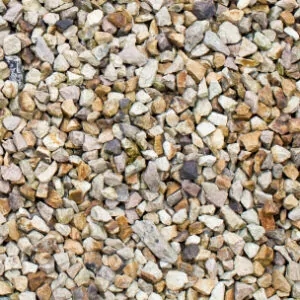
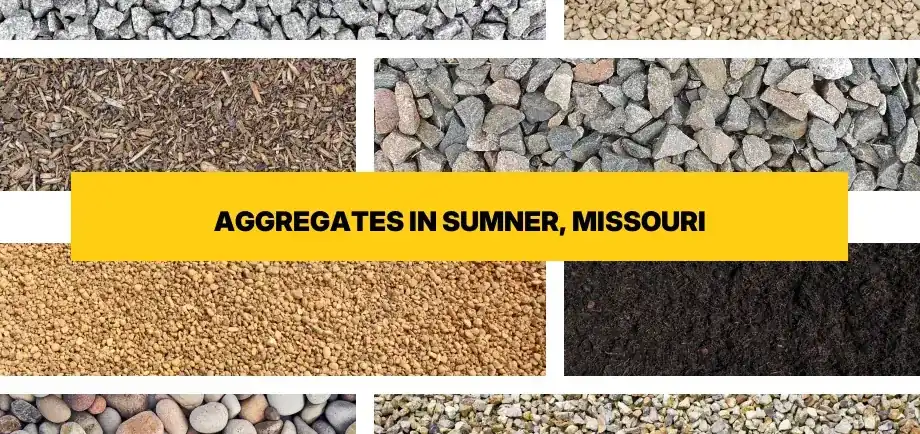
Bulk Aggregate & Gravel Products in Sumner, Missouri
Local Topsoil, Dirt, Sand, Rocks and Gravel near me in Sumner, Missouri
Shop Aggregates for Delivery in Sumner
Order online for free delivery to any Sumner address.
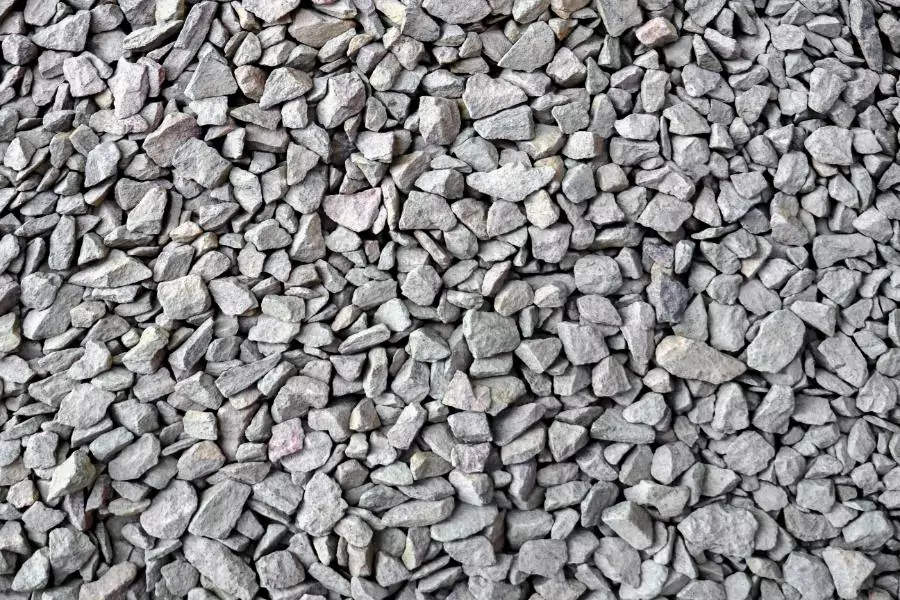
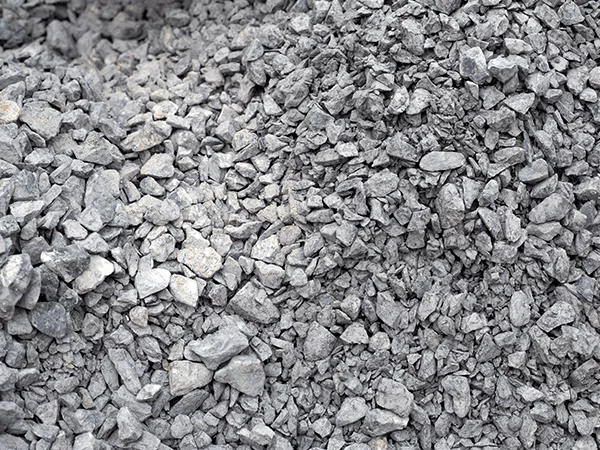


Gravel Monkey delivers premium aggregates and bulk materials directly to properties throughout Sumner, Missouri and surrounding Chariton County. Whether you're upgrading a rural driveway, improving farm infrastructure, or tackling residential landscaping projects, we provide the high-quality aggregates your project demands with absolutely free delivery to the Sumner area. Our extensive selection of gravel, stone, sand, and soil products ensures you have the right materials for every application in north-central Missouri.
Complete Aggregate Selection for Sumner Properties
Sumner's rural character and agricultural heritage create unique demands for landscaping and construction materials. From main street properties to outlying farms along Highway 11 and Highway 24, we deliver professional-grade aggregates that perform in Missouri's challenging clay soils and variable weather conditions. Our product line addresses every need from basic grading to specialized drainage solutions.
- Driveway Gravel - Proven performance for long rural driveways and farm lanes
- 3/4 Inch Crushed Stone - Versatile aggregate for foundations and base layers
- #57 Stone - Premium drainage stone for water management systems
- Crusher Run - Superior compaction for driveway bases and parking areas
- Road Base - Heavy-duty foundation for access roads and equipment paths
- Pea Gravel - Smooth decorative stone for walkways and landscaping
- River Rock - Natural aesthetic for gardens and water features
- Drain Rock - Essential for managing Sumner's spring runoff and clay soil drainage
- Topsoil - Nutrient-rich soil for gardens and lawn establishment
- Fill Dirt - Bulk material for grading and elevation adjustments
- Crushed Concrete - Eco-friendly recycled aggregate for budget-conscious projects
- Mason Sand - Fine sand for masonry work and construction projects
- Washed Sand - Clean sand for multiple applications
- Playground Sand - Safe, certified sand for play areas
- Decomposed Granite - Natural pathway material with rustic charm
- Walkway Gravel - Comfortable aggregate for pedestrian paths
Drainage Solutions for Sumner's Clay Soil Conditions
Sumner sits in an area dominated by Mexico silt loam and dense Missouri clay soils that present significant drainage challenges. The region's clay-heavy subsoil retains moisture, leading to water pooling, foundation issues, and difficult working conditions during wet periods. Understanding these soil characteristics is critical for successful construction and landscaping projects.
The Grand River watershed influences local hydrology, and seasonal variations bring considerable precipitation. Spring typically delivers heavy rainfall that saturates clay soils, while summer thunderstorms can create sudden runoff challenges. Winter freeze-thaw cycles compound these issues, causing soil expansion and contraction that stresses improperly prepared foundations and driveways.
Implementing Effective Drainage Systems
Proper drainage begins with the right aggregate selection. Our drain rock creates pathways for water movement through impermeable clay layers, directing moisture away from structures and high-use areas. For properties experiencing persistent wet conditions, establishing a base layer of larger stone topped with compactable material ensures long-term stability.
French drain installations around foundations, along property boundaries, and beneath driveways require specific aggregate sizing. The #57 stone works exceptionally well for these applications, providing void space for water movement while resisting compaction. Wrapping drain rock in geotextile fabric prevents clay infiltration and maintains drainage efficiency over decades.
Agricultural properties benefit tremendously from strategic drainage improvements. Farm lanes, equipment storage areas, and building approaches need robust drainage solutions to remain functional year-round. The combination of road base for structural support and proper surface drainage stone creates surfaces that handle heavy equipment even during wet periods.
Driveway Aggregates for Sumner's Rural Properties
Long rural driveways characterize much of Sumner and surrounding Chariton County. These access routes face unique challenges from agricultural equipment traffic, seasonal weather extremes, and the expansive clay soils common throughout northern Missouri. Selecting appropriate aggregates and using proper installation techniques ensures driveway longevity and performance.
Base Layer Requirements
Every durable driveway begins with proper base preparation. In Sumner's clay soils, this means excavating to stable subgrade—typically 8 to 12 inches for residential driveways and deeper for heavy agricultural use. The base layer should consist of crusher run or road base that compacts tightly and creates a stable platform resistant to clay movement.
Crusher run excels as a base material because the mixture of stone sizes and fines interlocks when compacted. This creates a solid foundation that distributes weight and resists the flexing that breaks down conventional gravel layers. For properties near Sumner proper or along established roads like Highway 11, a 4 to 6 inch base layer typically suffices for passenger vehicles.
Surface Layer Selection
Surface aggregate choice depends on traffic patterns and aesthetic preferences. Traditional driveway gravel provides an economical, functional surface that handles moderate traffic well. For higher-traffic situations or agricultural operations, the three-quarter inch crushed stone offers superior load distribution and long-term durability.
Properties seeking enhanced appearance often opt for pea gravel or decomposed granite surface layers. While these materials deliver aesthetic appeal, they require periodic maintenance and work best for lighter-duty applications. Rural properties with heavy equipment traffic should prioritize structural performance over appearance when selecting surface aggregates.
Understanding Sumner's Unique Geography and Climate
Sumner's location in northern Missouri creates distinct seasonal patterns that influence aggregate projects. The community experiences cold winters with average January temperatures around 25°F and warm, humid summers reaching the mid-80s. Annual precipitation averages 38 inches, distributed fairly evenly but with notable spring and early summer peaks.
The freeze-thaw cycle presents particular challenges for improperly prepared surfaces. Water trapped in inadequate base layers expands during freezing, creating heaving and cracking. This phenomenon affects driveways, parking areas, and structural foundations throughout the region. Proper aggregate depth and drainage prevents frost damage and extends surface life significantly.
Seasonal Installation Considerations
Spring and fall provide optimal conditions for aggregate projects in Sumner. Spring installation should wait until ground moisture levels decrease and clay soils firm up—typically mid to late April. Fall projects benefit from cooler temperatures and typically drier conditions, though completion before ground freezing in late November is essential.
Summer heat creates different challenges. Clay soils become concrete-hard during extended dry periods, complicating excavation. However, summer offers excellent conditions for compaction work, and completed surfaces cure properly in warm temperatures. Winter installation is generally inadvisable unless addressing emergency drainage issues or conducting preliminary grading on frozen ground.
Serving Sumner and Surrounding Communities
Our delivery service extends throughout Sumner and to nearby communities including Laclede, Brookfield, Marceline, Meadville, Rothville, Dalton, and Brunswick. Whether your property sits on Main Street in downtown Sumner, along the Highway 24 corridor, near the Chariton County Fairgrounds area, or on rural acreage throughout the county, we provide the same reliable service and quality aggregates.
Aggregate Solutions for Agricultural Operations
Chariton County's agricultural heritage means many Sumner-area properties include farming operations, livestock facilities, or rural acreages with agricultural elements. These properties have aggregate needs extending beyond residential applications, requiring materials that withstand heavy equipment, manage significant drainage demands, and maintain functionality through all seasons.
Farm Lane and Access Road Development
Equipment access routes require substantial aggregate bases to support loaded grain trucks, tractors, and harvest equipment. A proper farm lane begins with thorough clay removal in wet areas, followed by geotextile fabric installation, then 10 to 12 inches of compacted road base. This investment prevents the rutting and impassability that plague inadequate farm roads during spring and fall.
Feed storage areas, equipment sheds, and shop approaches benefit from similar robust construction. The mason sand works well for leveling and fine-grading around building foundations, while washed sand serves agricultural concrete applications. These refined aggregates complement the structural materials needed for access routes and parking areas.
Livestock Facility Applications
Cattle and livestock facilities require aggregates that manage manure and moisture while providing stable footing. Loading chutes, holding pens, and high-traffic paddock areas need drainage stone beneath surface layers to prevent mud accumulation. The drain rock creates void space allowing moisture percolation, maintaining functional surfaces even during extended wet periods.
Barn approaches and equipment wash areas experience particularly challenging conditions combining water runoff with heavy traffic. These locations benefit from thick aggregate bases—8 to 12 inches minimum—using road base or crusher run for stability, topped with surface drainage stone. Proper slope design directing water away from structures enhances system performance and extends service life.
Residential Landscaping with Quality Aggregates
Sumner homeowners increasingly recognize aggregates' versatility in creating attractive, low-maintenance landscapes suited to Missouri's climate. From decorative features to functional hardscaping, the right stone selections enhance curb appeal while addressing practical property needs.
Decorative Stone Applications
River rock creates stunning natural features around homes, along walkways, and in planting beds. Various sizes accommodate different design scales—larger specimens work well as feature boulders or water feature components, while smaller sizes provide attractive ground cover. The smooth, rounded character of river rock creates visual interest while requiring minimal maintenance compared to mulch or seasonal plantings.
Pea gravel offers another popular decorative option with practical benefits. The small, smooth stones work beautifully for pathway surfaces, patio bases, and decorative borders. Unlike organic mulches, pea gravel doesn't decompose, doesn't harbor insects, and maintains its appearance for years. The natural earth tones complement Missouri's native landscape aesthetics.
Functional Hardscaping Projects
Walkway gravel provides comfortable surfaces for garden paths, side yards, and informal walking routes. The sized stone compacts sufficiently for stable walking while allowing water percolation. Combined with edging materials, these pathways define landscape spaces while directing foot traffic away from lawn areas.
Patio bases require careful aggregate selection and preparation. A 4 to 6 inch base of crusher run provides the stable, level platform necessary for pavers, natural stone, or other patio materials. Proper compaction ensures the surface resists settling and maintains levelness despite Sumner's challenging clay soils and freeze-thaw cycles.
Garden bed preparation often benefits from both topsoil and fill dirt applications. New construction sites typically require significant topsoil addition to establish productive growing environments. Existing beds may need elevation adjustment using fill dirt before topsoil placement. The combination creates proper drainage while providing the nutrient base necessary for successful plantings.
Aggregate Comparison Guide for Sumner Projects
Selecting appropriate aggregates requires understanding each material's characteristics and ideal applications. This comparison highlights key differences to guide your project planning.
| Aggregate Type | Best Applications | Compaction | Drainage | Durability |
|---|---|---|---|---|
| Crusher Run | Driveway bases, parking areas | Excellent | Moderate | Very High |
| Road Base | Access roads, heavy traffic areas | Excellent | Moderate | Very High |
| 3/4" Crushed Stone | General purpose, foundations | Very Good | Good | High |
| #57 Stone | Drainage systems, french drains | Poor | Excellent | High |
| Drain Rock | Water management, wet areas | Poor | Excellent | High |
| Pea Gravel | Landscaping, decorative paths | Fair | Good | Moderate |
| River Rock | Decorative features, erosion control | Poor | Good | High |
| Crushed Concrete | Base layers, cost-effective projects | Very Good | Moderate | High |
| Decomposed Granite | Pathways, rustic landscapes | Good | Good | Moderate |
| Walkway Gravel | Pedestrian paths, light traffic | Fair | Good | Moderate |
Professional Installation Tips for Sumner Properties
Proper installation techniques ensure aggregate projects perform as intended and deliver lasting value. While professional contractors bring expertise and equipment, understanding these principles helps property owners make informed decisions and maintain completed projects effectively.
Site Preparation Essentials
Thorough site preparation prevents the majority of aggregate project failures. Begin by removing all organic material, topsoil, and weak subgrade. In Sumner's clay soils, excavation depth varies based on project type and drainage conditions—wetter areas require deeper excavation to reach stable material or to accommodate additional drainage layers.
Establish proper slope and drainage patterns during initial grading. Water should flow away from structures and toward designated drainage paths or swales. Even minor grading errors cause water accumulation and eventual aggregate failure. Use stakes and string lines to verify slopes before aggregate placement.
Compaction Techniques
Proper compaction transforms loose aggregate into stable, load-bearing surfaces. Mechanical compactors—either plate compactors for smaller areas or vibratory rollers for larger projects—achieve proper density through multiple passes. Compact in lifts no thicker than 4 inches, adding water as needed to achieve optimal moisture content for compaction.
Different aggregates require different compaction approaches. Base materials like crusher run and road base need aggressive compaction to achieve maximum density. Drainage materials should not be over-compacted, as excessive compaction reduces void space and drainage capacity. Surface layers need sufficient compaction for stability without becoming impermeable.
Edge Restraint and Containment
All aggregate surfaces need edge restraint preventing lateral spreading. Residential driveways can use metal edging, landscape timbers, or poured concrete curbs. Agricultural applications often employ larger solutions like railroad ties or concrete barriers. Without proper edge restraint, traffic and weather gradually spread aggregates beyond intended boundaries.
Geotextile fabric serves critical functions in many aggregate applications. Place fabric between native clay soil and aggregate layers to prevent mixing, maintain aggregate integrity, and enhance long-term performance. This separation layer is particularly important in Sumner's clay soils where wet periods soften subgrade and can cause aggregate contamination.
Maintaining Aggregate Surfaces for Maximum Longevity
Properly installed aggregate surfaces require minimal maintenance but benefit from periodic attention. Simple maintenance practices extend surface life, maintain appearance, and prevent minor issues from becoming major problems.
Routine Surface Care
Graded aggregate driveways and farm lanes benefit from periodic regrading. Spring regrading addresses winter weather damage, while fall maintenance prepares surfaces for upcoming freeze-thaw cycles. A box blade or landscape rake redistributes material, fills ruts, and restores proper crown and drainage patterns.
Weed control in gravel surfaces combines physical removal and preventive measures. Periodic hand-pulling removes established weeds before they set seed. Applying fabric beneath aggregates during installation significantly reduces weed emergence. For existing surfaces, pre-emergent herbicides applied in early spring reduce weed pressure throughout the growing season.
Addressing Common Issues
Rutting and low spots develop in high-traffic areas or locations with inadequate base preparation. Address these by adding fresh aggregate and recompacting affected areas. Severe rutting may indicate base failure requiring more extensive repair including excavation and proper base reconstruction.
Edge degradation occurs when restraint systems fail or were inadequately installed initially. Repair by re-establishing proper edges using appropriate restraint materials, then adding aggregate to restore original surface width and profile. Proactive edge maintenance prevents extensive aggregate loss and surface degradation.
Drainage problems manifest as standing water, ice accumulation, or excessive mud during wet periods. These symptoms indicate blocked drainage paths, inadequate slope, or compromised base layers. Solutions range from simple surface grading adjustments to complete reconstruction with enhanced drainage provisions using drain rock and proper slope design.
Sustainable Aggregate Choices for Sumner Projects
Environmental consciousness increasingly influences material selection for construction and landscaping projects. Several aggregate options provide sustainable alternatives while delivering the performance Sumner properties require.
Recycled Aggregate Applications
Crushed concrete represents an environmentally responsible alternative to virgin stone products for many applications. This recycled material performs excellently as base material for driveways, parking areas, and farm lanes. The recycling process diverts material from landfills while providing aggregate at attractive price points, making crushed concrete popular for budget-conscious projects without compromising quality.
Beyond environmental benefits, crushed concrete offers technical advantages in Missouri's clay soils. The material's chemical composition actually enhances stability over time as it continues curing and hardening. This characteristic makes crushed concrete particularly suitable for heavy-use applications like equipment storage areas and agricultural access routes.
Natural Material Benefits
Aggregates represent inherently sustainable building materials. Stone products require minimal processing compared to manufactured alternatives, reducing environmental impact. Properly installed aggregate surfaces last decades with minimal maintenance, avoiding the resource consumption associated with frequent replacement of less durable alternatives.
Permeable aggregate surfaces provide stormwater management benefits increasingly important in agricultural landscapes. Unlike impervious pavement, gravel and stone surfaces allow precipitation infiltration, reducing runoff volume and supporting groundwater recharge. This characteristic benefits both individual properties and broader watershed health throughout the Grand River basin.
Frequently Asked Questions About Aggregates in Sumner, Missouri
We deliver driveway gravel, crushed stone in various sizes, pea gravel, river rock, recycled concrete, crusher run, road base, drain rock, topsoil, fill dirt, and multiple sand types throughout Sumner and surrounding Chariton County areas.
Yes! Gravel Monkey offers FREE delivery to Sumner and the surrounding Missouri area for all gravel and aggregate orders.
The amount depends on your project size. For driveways, calculate length times width times depth in feet. A typical driveway uses 4 to 6 inches of base material. Our team can help you estimate the right amount for your specific Sumner property.
Crusher run and three quarter inch crushed stone work excellently for Sumner driveways. They compact well in our Missouri clay soils and handle the freeze-thaw cycles common in Chariton County.
Yes. Sumner sits on dense Missouri clay soils that retain water. Proper drainage using materials like number 57 stone and drain rock is essential to prevent water pooling and foundation issues, especially during spring rains.
Absolutely. We deliver throughout Sumner and the surrounding rural Chariton County area, including farms, ranches, and properties along Highway 11 and Highway 24.
Spring and fall are ideal for gravel installation in Sumner. Avoid winter when ground freezing complicates compaction, and be cautious during heavy spring rains when Missouri clay soils become saturated.
Yes. We deliver mason sand, washed sand, and other aggregate products suitable for agricultural applications throughout Sumner and surrounding farming communities in northern Missouri.
Get Started with Your Sumner Aggregate Project Today
Whether you're planning a residential driveway upgrade, agricultural facility improvement, or landscaping enhancement, Gravel Monkey delivers the quality aggregates and professional service your Sumner property deserves. Our extensive product selection, local expertise, and commitment to customer satisfaction make us the preferred aggregate supplier throughout Chariton County.
Contact our team today to discuss your project requirements, receive expert material recommendations, and schedule your free delivery to Sumner or surrounding communities. We're ready to help you select the perfect aggregates for long-lasting results in Missouri's unique soil and climate conditions.

Need help? Reach out for a quote: