Rock & Driveway Gravel in Gilliam, Missouri
Local Topsoil, Dirt, Sand, Rocks and Gravel near me in Gilliam, Missouri
Shop Aggregates for Delivery in Gilliam
Order online for free delivery to any Gilliam address.


Gravel Monkey is your trusted source for premium aggregates and bulk materials in Gilliam, Missouri. Serving rural properties, farms, and residential sites throughout Saline County, we deliver high-quality crushed stone, gravel, sand, and topsoil directly to your property with absolutely free delivery. Whether you're maintaining a farm road near Malta Bend, improving drainage on a rural homestead, or building a new driveway in the Gilliam area, our comprehensive selection of aggregates meets the unique demands of central Missouri's clay-heavy soils and variable weather patterns.
Complete Range of Aggregates Available in Gilliam
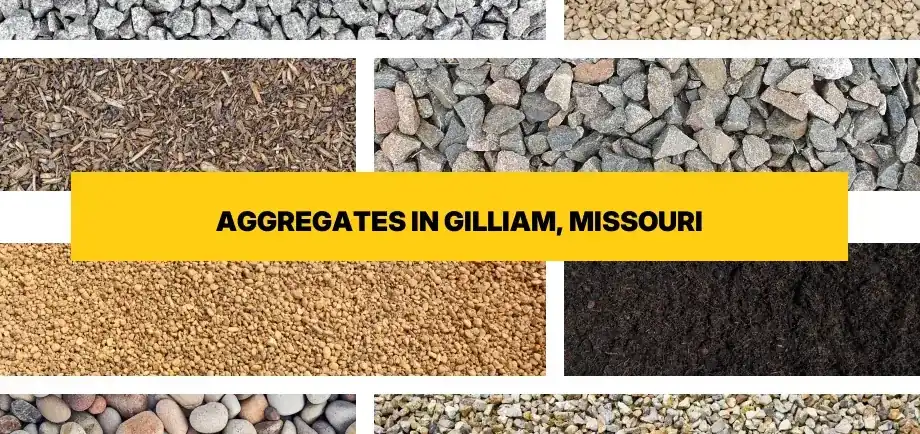
We supply a full spectrum of aggregates and materials specifically selected for Missouri applications. Our inventory includes products ideal for everything from residential driveways to agricultural roads and drainage systems:
- Driveway Gravel - Durable aggregate blend for long-lasting residential and farm driveways
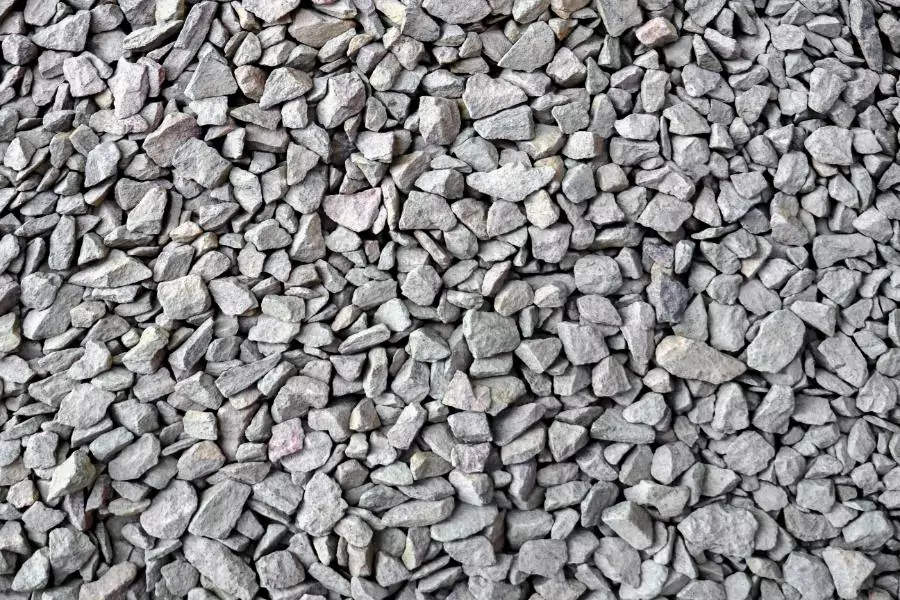
- 3/4 inch Crushed Stone - Versatile angular stone for driveways, foundations, and base layers
- #57 Stone - Industry-standard crushed stone for drainage and construction applications
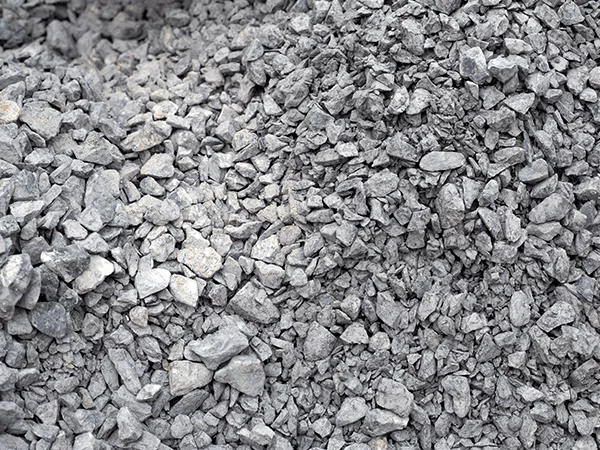
- Crusher Run - Superior compacting base material for roads and driveways
- Road Base - Heavy-duty foundation material for farm roads and access lanes
- Pea Gravel - Smooth decorative stone for walkways and landscaping features
- River Rock - Natural rounded stone for aesthetic landscaping and water features
- Drain Rock - Clean angular aggregate engineered for optimal water management
- Crushed Concrete - Eco-friendly recycled aggregate for cost-effective projects
- Topsoil - Rich organic soil for gardens, lawns, and landscaping beds
- Fill Dirt - Quality grading material for leveling and foundation work
- Mason Sand - Fine-grade sand for masonry and construction projects
- Playground Sand - Clean, safe sand for play areas and sandboxes
- Washed Sand - Versatile clean sand for multiple applications
- Decomposed Granite - Natural granite material for pathways and landscaping
- Walkway Gravel - Attractive aggregate perfect for paths and garden trails
Understanding Gilliam's Unique Soil and Climate Conditions
Gilliam sits in the heart of Saline County where Missouri River loess deposits meet the state's characteristic Putnam and Grundy series clay soils. This heavy clay content, combined with the region's geology, creates specific challenges for construction and landscaping projects. The clay-rich soil expands when wet and contracts during dry periods, making proper aggregate selection and drainage critical for any ground-level project.
Central Missouri experiences an average of 40 inches of precipitation annually, with rainfall distributed fairly evenly throughout the year. Spring storms can be particularly intense, while summer heat often reaches the upper 80s and 90s. Winter temperatures regularly drop below freezing, with freeze-thaw cycles impacting any improperly installed aggregate surfaces. These climate factors make choosing the right aggregates essential for long-term project success in the Gilliam area.
The Missouri River's historical influence on local geography means many properties in and around Gilliam feature variable elevations and drainage patterns. Properties near Slater to the south or those closer to Marshall to the east may encounter different drainage challenges based on their proximity to creeks and natural waterways. Understanding these local conditions helps us recommend the most appropriate aggregates for your specific site.
Aggregate Applications for Gilliam Properties
Rural Driveways and Farm Roads
Long driveways and farm access roads are common throughout Gilliam and surrounding Saline County. These surfaces need aggregates that compact well, drain effectively, and hold up under regular vehicle traffic including farm equipment. The combination of clay soil and Missouri weather makes base preparation crucial.
For rural driveways serving residential properties, a three-layer system works best. Start with a compacted fill dirt base to establish proper grade and drainage away from structures. Add a middle layer of crusher run or road base for stability and compaction. Top with driveway gravel for a durable, all-weather driving surface that resists rutting even during wet spring conditions.
Farm roads and equipment access lanes require even more robust construction. The heavy loads from tractors, combines, and grain trucks demand maximum stability. Using 6-8 inches of crusher run creates a base that locks together under pressure while allowing water to drain through. This prevents the soft spots and mud holes that develop when equipment traffic meets clay soil after rainfall.
Drainage Solutions for Clay Soil
Clay soil's poor drainage characteristics make water management a priority for Gilliam properties. Standing water around foundations, in pastures, or on access roads causes ongoing problems. Properly specified aggregates create pathways for water to move away from problem areas.
French drains and drainage ditches require clean angular rock that won't clog with soil particles. Number 57 stone provides the ideal balance of drainage capacity and structural integrity. For more critical applications around building foundations or basement perimeters, drain rock offers even better water movement through its specific gradation and angular shape.
Properties with slope or elevation changes benefit from strategic aggregate placement to direct water flow. Areas that tend to stay wet even in summer often need both surface grading with fill dirt and subsurface drainage using crushed stone. The goal is moving water away from structures and high-use areas while maintaining stable ground conditions year-round.
Residential and Farm Landscaping
Beyond functional applications, decorative aggregates enhance property aesthetics throughout the Gilliam area. Many rural homeowners create attractive landscaping features that complement their country settings while reducing maintenance compared to traditional lawns.
Pea gravel works beautifully for pathways between outbuildings, garden beds, and around trees. Its smooth texture and natural appearance suit rural properties perfectly. River rock adds visual interest near ponds, in dry creek beds, or as mulch alternative around plantings. These decorative aggregates provide excellent weed suppression while allowing water to reach plant roots.
For more utilitarian farm landscapes, crusher run creates clean, defined parking areas for equipment or guest vehicles. It compacts firmly enough to prevent weeds while maintaining a neat appearance. Decomposed granite offers another option for pathways and patio areas where a more refined look is desired without requiring concrete or pavers.
| Aggregate Type | Best Applications | Compaction | Drainage | Ideal For Clay Soil |
|---|---|---|---|---|
| Crusher Run | Driveways, farm roads, base layers | Excellent | Good | Yes - Best choice |
| Road Base | Heavy traffic areas, equipment access | Excellent | Good | Yes - Heavy duty |
| #57 Stone | Drainage, French drains, around foundations | Moderate | Excellent | Yes - For drainage |
| 3/4 inch Crushed Stone | Driveways, walkways, general purpose | Good | Very Good | Yes - Versatile |
| Drain Rock | Critical drainage, basement perimeters | Moderate | Excellent | Yes - Maximum drainage |
| Pea Gravel | Walkways, landscaping, decorative use | Poor | Very Good | As top layer only |
| Crushed Concrete | Base layers, economical driveways | Good | Good | Yes - Budget option |
| River Rock | Landscaping, water features, aesthetics | Poor | Very Good | Decorative only |
Serving Gilliam and Surrounding Saline County Communities
While Gilliam serves as our central focus, Gravel Monkey delivers aggregates throughout the broader Saline County region. We regularly serve properties in Marshall, the county seat located about 15 miles east, where residents need quality aggregates for both historic downtown renovations and new residential development on the town's expanding edges.
South of Gilliam, the Slater community benefits from our delivery services for farm operations and rural residential projects. West toward Malta Bend, properties along Highway 65 receive our aggregates for everything from driveway maintenance to large-scale agricultural infrastructure projects. We also serve the smaller communities and rural routes throughout the county where aggregate delivery options have historically been limited.
Our free delivery extends to properties along the rural routes connecting these communities. Whether your project site is on a county road near Miami or Brunswick, along the Missouri River bottomlands, or in the rolling agricultural areas north toward Salisbury, we bring quality aggregates directly to your location. This service accessibility makes Gravel Monkey the practical choice for Saline County property owners who need reliable aggregate delivery without the hassle of pickup and transport.
Choosing the Right Aggregates for Your Gilliam Project
Base Materials for Maximum Stability
Any project on Gilliam's clay soils requires proper base preparation. Fill dirt serves as the foundation layer, establishing grade and providing a stable platform. For driveways and roads, excavate existing clay to at least 6-8 inches depth. This removes the unstable surface material and creates space for compacted aggregate layers.
The middle layer determines long-term performance. Crusher run excels here because its mix of stone sizes from fines to larger chunks interlock when compacted. This creates a solid mat that distributes weight and resists the pumping action that occurs when clay gets saturated. Proper compaction at this stage prevents future settling and extends surface life dramatically.
Road base provides similar benefits with slightly different characteristics. Its specific gradation makes it ideal for heavier traffic applications where farm equipment or loaded trucks regularly travel. The angular stones in road base mechanically lock together under pressure, creating a base that actually gets stronger with use rather than breaking down.
Surface Aggregates for Different Uses
Top layer selection depends on your specific needs and aesthetic preferences. Driveway gravel designed for vehicular traffic provides a durable surface that allows some movement while staying stable. The slightly larger aggregate size resists being pressed into the base layer, maintaining proper depth and coverage.
For walkways and paths, walkway gravel offers a more refined appearance with stone sizes comfortable for foot traffic. Its composition allows for slight compaction while maintaining enough movement to feel natural underfoot. This makes it perfect for garden paths, trails between buildings, or casual walking routes around larger rural properties.
When aesthetics matter more than traffic concerns, decorative options like river rock or pea gravel create attractive features. These work well in landscaping beds, around building foundations as splash guards, or in areas where you want visual interest without the commitment of planted beds. Both drain well and require minimal maintenance beyond occasional raking to maintain appearance.
Specialized Aggregates for Specific Challenges
Some Gilliam properties face unique conditions requiring specialized aggregates. Wet areas that never fully dry benefit from a drain rock underlayer that aggressively moves water away. This prevents the soft, muddy conditions that make areas unusable for extended periods each spring.
Properties with septic systems need proper aggregate selection around drain fields. Clean crushed stone without fines allows effluent to disperse properly without clogging. Using the wrong aggregate here risks system failure and expensive repairs, making proper specification critical from the start.
Agricultural facilities handling livestock require aggregates that withstand both weight and moisture. Heavy use areas near barns, feeding stations, or equipment storage benefit from deep aggregate installation over geotextile fabric. This prevents mixing with underlying clay while creating all-weather access that stays functional even during muddy spring conditions.
Seasonal Planning for Aggregate Projects in Central Missouri
Missouri's distinct seasons significantly impact aggregate project timing and execution. Spring typically brings the most challenging conditions as winter frost leaves the ground, temperatures fluctuate, and rainfall increases. Clay soils become saturated and unstable, making heavy equipment access difficult. However, spring also represents when many property owners plan improvements as weather improves.
Summer offers the best window for major aggregate projects in Gilliam. Dry, warm conditions allow clay soils to firm up, providing stable working conditions. Compaction achieves better results in summer when moisture content is optimal. The ground can properly support delivery trucks and equipment without creating ruts or soft spots. Most contractors prefer summer scheduling for exactly these reasons.
Fall provides a second excellent project window before winter sets in. Completing driveway work or drainage improvements in autumn means they're ready for winter's freeze-thaw cycles. Getting aggregates in place before ground freeze also prevents spring delays when demand peaks and scheduling becomes more challenging.
Winter work remains possible but requires more planning. Frozen ground can actually help support heavy loads during delivery. However, compaction becomes difficult or impossible when aggregates freeze, and projects may need completion delays until temperatures rise. For emergency repairs or time-sensitive work, winter delivery remains an option with proper expectations about installation timing.
Calculating Aggregate Quantities for Your Project
Accurate material estimation prevents both shortages that delay projects and excess that wastes money. For driveways and roads, calculate the area in square feet by multiplying length times width. Determine your desired depth—typically 4 inches for residential driveways, 6-8 inches for farm roads, or even deeper for heavy equipment access.
Convert depth to feet (4 inches equals 0.33 feet) and multiply area by depth to get cubic feet. Divide by 27 to convert to cubic yards, the standard measurement for aggregate ordering. For example, a 50-foot by 12-foot driveway at 4-inch depth needs about 7.5 cubic yards. Always add 10-15% extra to account for compaction and settling.
Drainage projects require different calculations. French drains typically need 12-18 inches of crushed stone around perforated pipe. Calculate the trench volume and specify clean angular stone like number 57 or drain rock. For foundation drainage, perimeter measurements determine linear feet, with each foot requiring approximately 0.3 cubic yards of aggregate for proper installation depth and width.
Landscaping applications have more variable requirements. Pea gravel or river rock typically covers at 2-3 inch depth. A 100 square foot area needs roughly 0.6-1 cubic yard depending on desired depth. Deeper coverage provides better weed suppression but costs more and may shift more under foot traffic. Our team helps calculate quantities for your specific Gilliam property needs.
Aggregate Installation Best Practices for Missouri Properties
Proper installation determines whether aggregates perform as expected or fail prematurely. Start by removing all organic material from the work area. Grass, roots, and topsoil compress differently than stable subsoil, creating uneven surfaces over time. Excavate to planned depth plus an extra inch or two to allow for compaction.
Geotextile fabric installation over exposed clay provides major benefits. This permeable barrier prevents aggregate mixing with clay while allowing water drainage. On driveways and roads, fabric extends service life significantly by maintaining aggregate layer integrity. For wet areas or locations with particularly troublesome clay, fabric installation is practically mandatory.
Layer installation and compaction cannot be skipped or rushed. Each aggregate layer needs proper compaction before adding the next. A plate compactor works for residential projects while larger vibratory rollers suit bigger jobs. Multiple passes at different angles ensure thorough compaction. Well-compacted aggregates resist rutting, maintain grade, and perform reliably for years.
Pay attention to drainage grade throughout installation. All surfaces should slope away from buildings and toward designated drainage areas. Even small grading errors compound over time, directing water where it shouldn't go. On longer driveways or roads, crown the center slightly so water drains to both sides rather than running down the surface and creating washout channels.
Frequently Asked Questions About Aggregates in Gilliam
We deliver a complete range of aggregates including driveway gravel, crushed stone, #57 stone, pea gravel, river rock, crusher run, road base, drain rock, recycled concrete, topsoil, fill dirt, mason sand, playground sand, washed sand, decomposed granite, and walkway gravel throughout Gilliam and surrounding Saline County areas.
Yes! Gravel Monkey offers FREE delivery to Gilliam and the surrounding Missouri area for all gravel and aggregate material orders.
For driveways in Gilliam, calculate length times width times depth in feet, then divide by 27 to get cubic yards. For a typical 4 inch deep driveway, you need about 1 cubic yard per 80 square feet. Our team can help you calculate the exact amount for your rural property.
For Gilliam properties with Missouri clay soil, crusher run and road base provide excellent compaction and drainage. The mix of various sized stones locks together well and helps manage water issues common in our region with heavy clay content.
Absolutely! We deliver throughout Gilliam and rural Saline County including properties near Marshall, Slater, Malta Bend, and surrounding farmland. Free delivery applies to our entire service area.
For drainage applications in Gilliam, #57 stone and drain rock work excellently. These clean angular aggregates allow water to flow freely while providing structural support, which is important given our average 40 inches of annual rainfall.
Ensure the delivery area is accessible for our trucks and mark where you want materials placed. Clear any obstacles and consider ground conditions, especially after rain. On rural properties, marking the exact spot helps ensure materials are placed where you need them.
For farm roads and agricultural access around Gilliam, crusher run and road base provide the best value and performance. These aggregates compact well, handle heavy equipment traffic, and hold up through Missouri seasonal weather changes better than other options.
Maintaining Aggregate Surfaces in Gilliam
Regular maintenance extends the life of aggregate installations and keeps them looking and performing their best. Driveways and roads need periodic grading to redistribute material and fill any developing low spots. A box blade or landscape rake pulled behind a tractor works perfectly for this task on rural properties.
Add fresh aggregate periodically to replace material lost to compaction and displacement. Even well-installed surfaces gradually thin as stones work deeper into the base or get displaced by traffic. Adding 1-2 inches of fresh material every 2-3 years maintains proper depth and appearance. This costs far less than complete reinstallation and keeps surfaces functional indefinitely.
Control weeds in decorative aggregate areas through pre-emergent applications in spring. Landscape fabric underneath helps but doesn't prevent all weed growth. Hand pulling or spot treatment with herbicides keeps planted areas looking intentional rather than neglected. Periodic raking redistributes stone and discourages weed establishment.
Monitor drainage performance after heavy rains. If water stands where it shouldn't or new soft spots develop, address these promptly before they worsen. Sometimes simple grading corrections solve the problem. Other times, additional subsurface drainage or aggregate depth may be needed. Catching issues early prevents small problems from becoming major reconstruction projects.
Environmental Benefits of Quality Aggregates
Properly specified and installed aggregates provide environmental advantages compared to alternatives. Permeable aggregate surfaces allow rainfall infiltration rather than creating runoff that carries soil and pollutants to waterways. This matters throughout Saline County where agricultural activities and water quality intersect.
Crushed concrete represents sustainable aggregate use by repurposing construction waste. This recycled material performs comparably to virgin stone for many applications while diverting concrete from landfills. Using recycled aggregates reduces quarrying impact and transportation energy while achieving project goals economically.
Aggregate landscaping reduces water consumption compared to traditional lawns. In areas unsuited for grass due to shade, traffic, or soil conditions, decorative stone provides attractive ground cover requiring zero irrigation. This matters during Missouri's occasional dry spells when water conservation becomes important for wells and municipal supplies.
Proper erosion control using aggregates protects soil resources and water quality. Strategic placement on slopes, in ditches, or around drainage structures prevents soil loss during heavy rains. This matters particularly on agricultural land where topsoil represents valuable productive capacity that shouldn't wash into creeks and streams.
Why Gilliam Property Owners Choose Gravel Monkey
Free delivery throughout the Gilliam area removes a major obstacle for rural property owners. Transporting bulk aggregates requires proper equipment and multiple trips for most projects. Our direct delivery saves time, prevents equipment wear, and ensures you get the quantity you need without hauling hassles.
Quality materials make the difference between projects that last and those requiring constant repair. We supply clean, properly graded aggregates that perform as expected. Whether you need precise gradations for drainage applications or durable blends for heavy traffic, material quality determines project success.
Local knowledge helps us recommend appropriate materials for Gilliam's specific conditions. We understand Missouri clay soils, seasonal weather impacts, and common property challenges throughout Saline County. This expertise helps you avoid costly mistakes and choose aggregates that work with local conditions rather than fighting them.
Responsive service means you get materials when you need them, not weeks later. Rural property owners often work around weather windows and contractor availability. Our efficient delivery scheduling respects your timeline and helps keep projects moving forward without material delays.

Need help? Reach out for a quote: