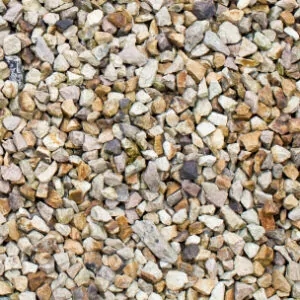
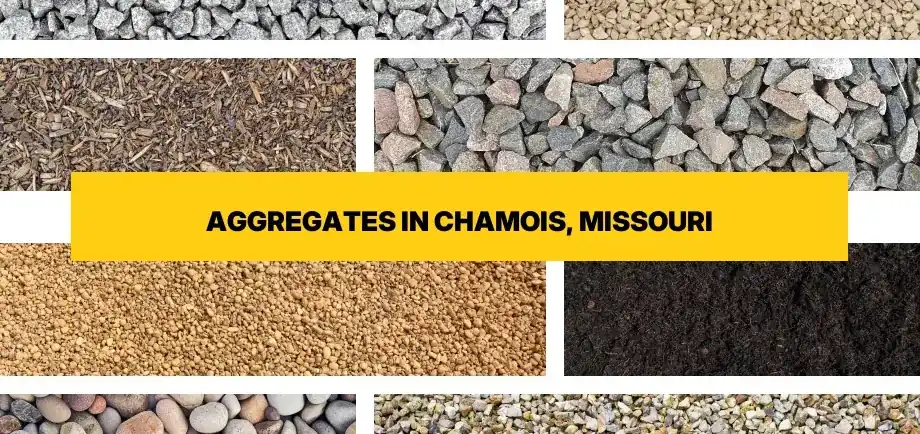
Rock & Driveway Gravel in Chamois, Missouri
Local Topsoil, Dirt, Sand, Rocks and Gravel near me in Chamois, Missouri
Shop Aggregates for Delivery in Chamois
Order online for free delivery to any Chamois address.
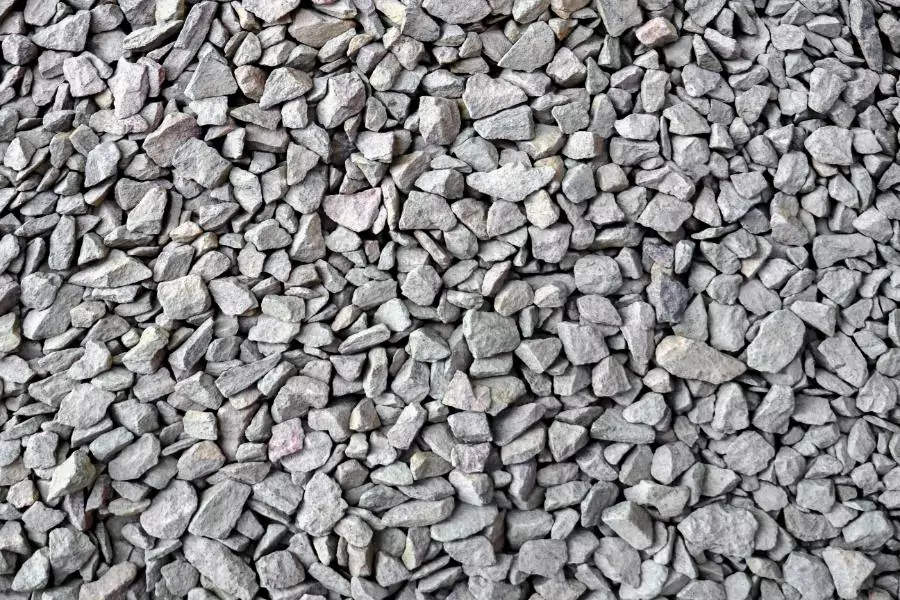
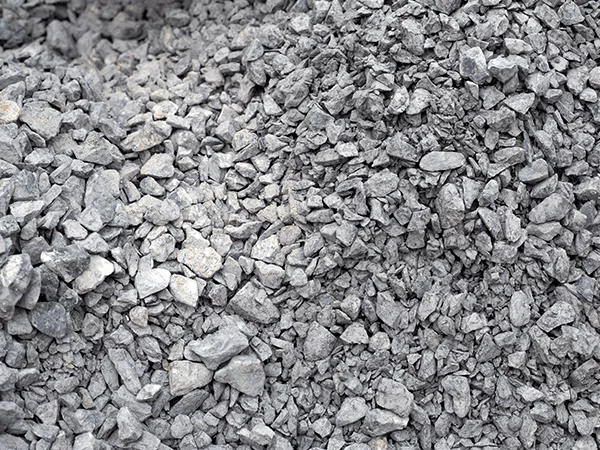


Gravel Monkey delivers premium aggregates and bulk materials throughout Chamois and the surrounding Osage County region. Located along the scenic Missouri River valley, Chamois faces unique soil and drainage challenges that demand quality materials. Whether you're building a driveway near the riverfront, improving drainage on your rural property along Highway 100, or creating walkways in historic downtown Chamois, we provide the exact aggregates you need with completely free delivery to your property.
Premium Aggregates Available in Chamois, MO
Our comprehensive selection of aggregates serves every construction, landscaping, and drainage need in the Chamois area. From the Missouri River bottomlands to the rolling hills of western Osage County, we supply materials proven to perform in central Missouri conditions:
- Driveway Gravel - Compactable base for residential and rural driveways
- 3/4 inch Crushed Stone - Versatile aggregate for multiple applications
- #57 Stone - Standard drainage and foundation stone
- Crusher Run - Excellent compaction for stable bases
- Road Base - Heavy-duty foundation for private roads
- Pea Gravel - Smooth stones for landscaping features
- River Rock - Natural decorative stone in multiple sizes
- Walkway Gravel - Attractive path and garden material
- Drain Rock - Large aggregate for drainage systems
- Crushed Concrete - Eco-friendly recycled aggregate
- Topsoil - Rich soil for gardens and lawn establishment
- Fill Dirt - Grading and leveling material
- Mason Sand - Fine sand for masonry work
- Playground Sand - Safe, clean sand for play areas
- Washed Sand - Clean sand for construction uses
- Decomposed Granite - Natural pathway material
Understanding Chamois Soil and Climate Conditions
Chamois sits in the Missouri River valley where alluvial soils and limestone-derived clay create distinct challenges for construction and drainage. The town's proximity to the Missouri River means many properties contain heavy clay soils with poor drainage characteristics. Annual rainfall averaging 40 inches, combined with humid summers and freezing winters, requires aggregates that handle moisture effectively and resist frost heaving.
The loess soils common throughout Osage County become extremely plastic when wet, making proper aggregate selection critical for driveways and building foundations. Properties near the riverfront or in lower-lying areas face additional drainage concerns during spring flooding and heavy rain events. Quality stone aggregates provide the stability and drainage needed to overcome these natural conditions.
Selecting Aggregates for Missouri River Valley Properties
Rural properties and riverside locations around Chamois benefit significantly from angular crushed stone that locks together when compacted. The fine particles in crusher run material fill gaps between larger stones, creating a dense, stable base that resists the softening effects of moisture. For drainage applications around foundations or french drains, larger aggregates allow water to flow freely away from structures.
Service Throughout Chamois and Surrounding Areas
Gravel Monkey provides free aggregate delivery to all areas in and around Chamois:
- Downtown Chamois - Historic riverfront district along Highway 100
- Highway 100 Corridor - Scenic byway properties east and west
- Missouri River Bottomlands - Agricultural and residential riverside areas
- Rural Osage County - Properties throughout western county areas
- Near Morrison - Communities just south of Chamois
- Linn Area - County seat and surrounding region
- Highway 89 Properties - Northern routes toward Hermann
- County Roads and Rural Routes - Remote properties throughout the region
Aggregate Applications for Central Missouri Projects
Driveway Construction and Repair
Long rural driveways characterize many Chamois properties, particularly those along county roads and in agricultural areas. These access roads require aggregates that compact firmly and drain efficiently. The clay-based soils underlying most driveways in the area become soft and rutted without proper stone base material.
For new driveway construction, a base layer of crusher run provides excellent foundation stability. This material combines various stone sizes that interlock when compacted, creating a solid base that resists settling. Top this with a layer of three-quarter inch crushed stone for a durable driving surface. Properties with particularly soft clay soils may need additional depth—typically six inches of compacted aggregate rather than the standard four inches.
Existing gravel driveways that develop ruts or soft spots benefit from adding fresh stone to rebuild the surface. Address problem areas by excavating soft material, improving drainage if water accumulates, then rebuilding with compacted aggregate layers.
Foundation Drainage and Water Management
Given the clay soils common throughout Chamois, foundation drainage proves essential for preventing basement moisture and structural settling. Poor drainage allows water to accumulate against foundation walls, creating hydrostatic pressure that forces moisture through concrete and causes settling issues.
Installing proper drainage uses number 57 stone or drain rock around foundations and in french drain systems. These larger aggregates create void spaces that allow water to flow freely toward drainage outlets. Wrap drainage stone in filter fabric to prevent clay soil particles from migrating into the aggregate and clogging water flow passages.
Properties in lower elevations near the Missouri River particularly benefit from improved drainage systems. Spring flooding and seasonal high water tables can raise groundwater levels significantly, making well-designed drainage systems critical for dry basements and stable foundations.
Landscaping and Decorative Stone Features
Creating attractive outdoor spaces around Chamois homes uses decorative aggregates that complement the natural Missouri River valley setting. Pea gravel works beautifully for garden pathways, around plant beds, and in areas where you want smoother texture underfoot. Its rounded shape makes it comfortable for walking while providing good drainage.
River rock creates natural-looking water features, borders, and accent areas that reflect the riverside character of Chamois. Available in various sizes, river rock provides texture and visual interest while requiring virtually no maintenance. Use larger sizes around downspouts and drainage areas where water flow would displace smaller stones.
Decomposed granite offers another attractive option for pathways and patios. This natural material compacts into a firm, stable surface while maintaining a softer appearance than traditional gravel. It works particularly well for creating casual walkways through garden areas or connecting outdoor living spaces.
Erosion Control and Slope Stabilization
The rolling terrain surrounding Chamois creates erosion challenges on sloped properties, particularly where water runoff concentrates during heavy rains. Larger aggregates like drain rock or rip rap help stabilize slopes and prevent soil loss. These materials absorb water energy, slowing flow and allowing it to percolate into the soil rather than washing across the surface.
For gentler slopes and landscaped areas, combine aggregates with vegetation. Use crushed stone or road base to create stable terraces, then plant ground covers to hold soil. The combination of mechanical stabilization from stone and biological stabilization from plant roots provides excellent long-term erosion control.
Choosing the Right Aggregate for Your Chamois Project
Different aggregates serve specific purposes based on their size, shape, and composition. Understanding these differences helps you select the optimal material:
| Aggregate Type | Best Applications | Size Range | Compaction | Drainage |
|---|---|---|---|---|
| Crusher Run | Driveway base, road foundation | Fines to 3/4 inch | Excellent | Moderate |
| 3/4 inch Crushed Stone | Driveway surface, general use | 3/4 inch | Very Good | Good |
| #57 Stone | Drainage, concrete aggregate | 3/4 inch | Good | Excellent |
| Road Base | Heavy-duty bases, roads | Mixed sizes | Excellent | Moderate |
| Drain Rock | Foundation drains, french drains | 1-2 inches | Poor | Excellent |
| Pea Gravel | Landscaping, walkways | 3/8 inch | Poor | Excellent |
| River Rock | Decorative, water features | Various | Poor | Excellent |
| Crushed Concrete | Base material, roads | Mixed | Very Good | Good |
Working with Central Missouri Geology
The geology underlying Chamois significantly impacts construction and landscaping decisions. The area sits on Burlington limestone formations overlaid with thick deposits of Missouri River alluvium and wind-blown loess. This creates a soil profile of clay-rich materials that expand when wet and contract during dry periods.
Clay soils present several challenges for construction. Their poor drainage characteristics cause water to pond rather than percolate, leading to soggy conditions that undermine aggregate bases. The expansive nature of these clays creates movement in building foundations and concrete slabs as moisture content changes seasonally. Using proper aggregate depths and drainage systems helps mitigate these natural soil behaviors.
The limestone bedrock beneath Chamois proves beneficial for some projects. Properties where bedrock occurs at shallow depth provide excellent foundation bearing capacity. However, limestone's solubility creates occasional karst features—sinkholes and underground drainage—that require attention during construction planning.
Seasonal Considerations for Aggregate Projects
Central Missouri's climate creates distinct seasonal challenges for working with aggregates. Spring brings frequent rainfall and soil saturation, making compaction difficult and equipment access challenging. However, spring also presents ideal conditions for installing drainage systems while water levels are high, allowing you to observe natural drainage patterns.
Summer heat and occasional drought harden clay soils, making excavation more difficult but providing excellent working conditions for aggregate installation. Compaction achieves optimal results during drier periods when moisture content stays low. Fall offers another favorable window for aggregate projects before winter freeze-thaw cycles begin.
Winter freezing creates frost heaving in poorly drained soils, pushing aggregates upward and creating uneven surfaces. Proper aggregate depth and drainage prevent most frost damage. Avoid major aggregate work during winter months when frozen ground prevents proper compaction and drainage installation.
Best Practices for Aggregate Installation in Chamois
Site Preparation
Successful aggregate projects begin with thorough site preparation. Remove all organic material including grass, roots, and topsoil from the project area. These materials decompose over time, creating voids that allow settling. For driveways and high-traffic areas, excavate to undisturbed clay subsoil or bedrock.
Grade the subsoil to promote drainage away from buildings and toward appropriate outlets. Even a two percent slope (quarter inch per foot) significantly improves surface drainage. In areas with particularly heavy clay or poor drainage, consider installing subsurface drainage before placing aggregates.
Aggregate Depth and Layering
Standard residential driveways in Chamois should include minimum four inches of compacted aggregate. Properties with soft clay soils or heavy vehicle traffic benefit from six-inch depths. Install aggregate in lifts (layers) of three to four inches maximum, compacting each layer before adding the next. This layering approach achieves better overall compaction than attempting to compact thick layers in one pass.
For maximum stability, use different aggregate types in layers. Place crusher run or road base as the bottom layer for excellent compaction and load distribution. Top this with angular crushed stone for a durable driving surface. The fines in crusher run fill voids, while the clean stone surface resists rutting and provides good traction.
Compaction Techniques
Proper compaction transforms loose aggregate into a stable, durable surface. For small residential projects, a plate compactor or hand tamper achieves adequate compaction. Larger driveways and roads require vibratory roller equipment. Make multiple passes over each area, overlapping passes to ensure complete coverage.
Moisture content affects compaction results significantly. Clay soils should be slightly damp but not wet during compaction. If soil appears dry and dusty, lightly mist with water before compacting. Excessive moisture creates a muddy, unstable base that won't compact properly.
Aggregate Delivery Throughout Osage County
While based in Chamois, Gravel Monkey serves the broader central Missouri region. We regularly deliver to properties in Morrison, Linn, Belle, and throughout western Osage County. Rural properties along county roads and state highways receive the same free delivery service as in-town locations.
Our delivery trucks navigate narrow county roads and steep driveways common in the rolling Ozark foothills terrain. We coordinate delivery timing to match your project schedule and site conditions. For remote properties or challenging access situations, contact us to discuss delivery logistics and ensure successful material placement.
Proximity to Hermann and the Missouri wine country means many properties balance agricultural, residential, and tourism uses. We supply aggregates for vineyard roads, tasting room parking areas, bed and breakfast driveways, and agricultural access routes throughout the region. Understanding these diverse needs helps us recommend optimal materials for each application.
Calculating Aggregate Quantities for Your Project
Determining the correct amount of aggregate prevents shortages that delay projects or excess material that wastes money. Calculate volume by measuring length times width times depth, using consistent units throughout.
Standard Calculation Method
For a driveway measuring 50 feet long by 12 feet wide with four inches of aggregate depth:
- Convert depth to feet: 4 inches divided by 12 equals 0.33 feet
- Calculate cubic feet: 50 × 12 × 0.33 equals 198 cubic feet
- Convert to cubic yards: 198 divided by 27 equals 7.3 cubic yards
- Add 10 percent for compaction and waste: 7.3 × 1.10 equals approximately 8 cubic yards
Different aggregates have varying weights per cubic yard, affecting delivery logistics but not volume calculations. Crushed stone typically weighs 2,700 pounds per cubic yard, while lighter materials like topsoil weigh approximately 2,000 pounds per cubic yard.
Coverage Estimates
As a quick reference, one cubic yard of aggregate covers approximately:
- 80 square feet at four inches depth
- 100 square feet at three inches depth
- 160 square feet at two inches depth
- 320 square feet at one inch depth
These estimates apply to loose, uncompacted aggregate. Compaction reduces volume by 15 to 25 percent depending on material type and compaction methods used. Plan accordingly by ordering slightly more than calculated needs.
Frequently Asked Questions About Gravel Delivery in Chamois
We deliver all major aggregate types including driveway gravel, crushed stone, river rock, pea gravel, crusher run, road base, drain rock, topsoil, fill dirt, and various sand types throughout Chamois and Osage County.
Yes! Gravel Monkey offers FREE delivery to Chamois and the surrounding Missouri River valley area for all gravel and aggregate material orders.
The amount depends on your project size. For driveways, calculate length times width times depth in feet, then divide by 27 to get cubic yards. Most driveways need 3 to 4 inches of compacted gravel. Our team can help you estimate the right amount for your specific Chamois property.
For Chamois clay-based soils near the Missouri River, crusher run and three-quarter inch crushed stone provide excellent drainage and compaction. These aggregates handle moisture from river proximity and prevent driveway rutting during wet seasons.
Absolutely! We deliver throughout Osage County including properties along Highway 100, near Morrison, Linn, and rural areas throughout the Missouri River valley region surrounding Chamois.
For drainage projects in Chamois, we recommend drain rock or number 57 stone. These larger aggregates create excellent water flow while preventing soil migration, which is especially important given the clay soil common near the Missouri River bottomlands.
We typically deliver to Chamois within 1 to 3 business days depending on current order volume. Contact us for specific scheduling to coordinate delivery that works best for your project timeline.
Yes! In addition to gravel and stone aggregates, we deliver quality topsoil and fill dirt throughout Chamois. These materials are essential for grading, garden beds, and lawn establishment in our Missouri River valley climate.
Professional Aggregate Delivery for Chamois, Missouri
Gravel Monkey combines quality aggregates, expert guidance, and free delivery to serve Chamois and surrounding Osage County communities. Our understanding of local soil conditions and climate challenges helps ensure you receive optimal materials for your specific project needs. From small landscaping projects to major driveway installations, we supply the aggregates that perform reliably in central Missouri conditions.
Contact Gravel Monkey today to discuss your aggregate needs and schedule free delivery to your Chamois property. Our team provides material recommendations based on your project requirements, soil conditions, and budget considerations. Experience the difference that quality aggregates and professional service make for your next construction or landscaping project.

Need help? Reach out for a quote: