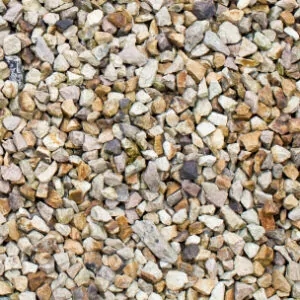
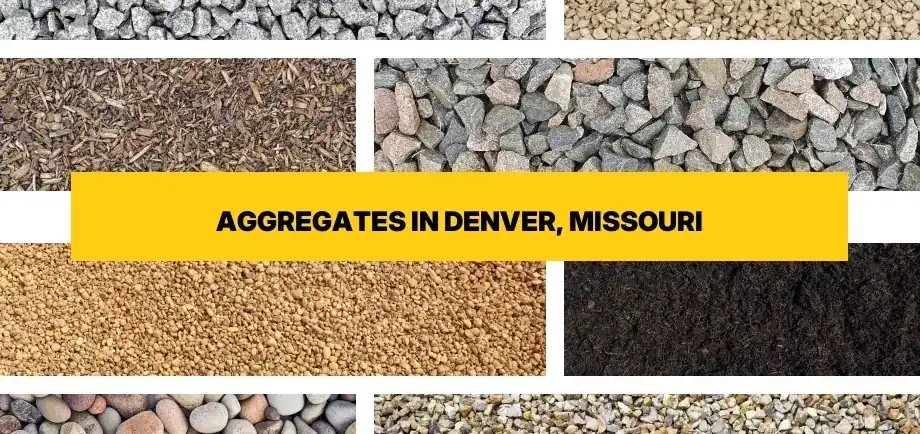
Gravel for Sale in Denver, Missouri
Local Topsoil, Dirt, Sand, Rocks and Gravel near me in Denver, Missouri
Shop Aggregates for Delivery in Denver
Order online for free delivery to any Denver address.
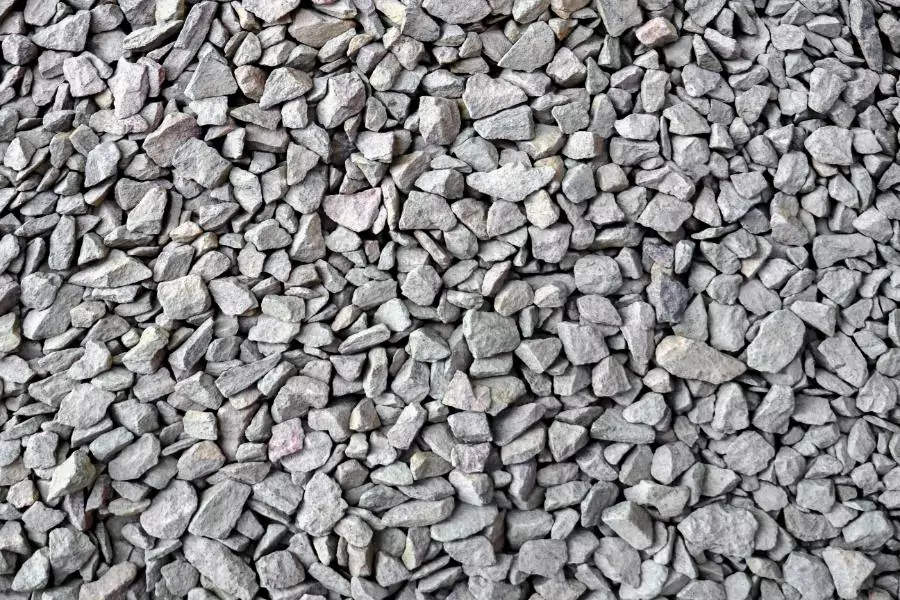
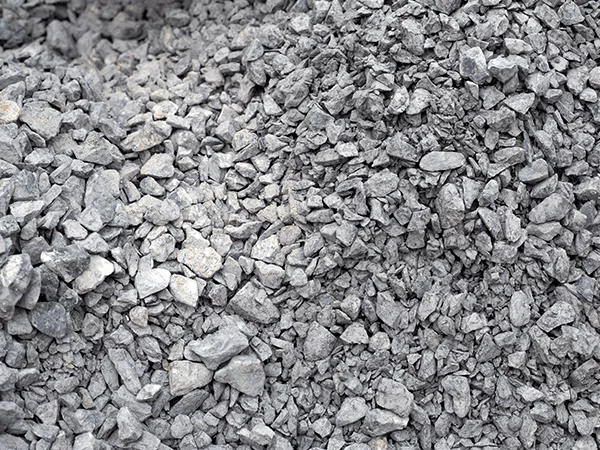


Welcome to Gravel Monkey, your trusted source for premium aggregates and bulk materials in Denver, Missouri. Located in the heart of Worth County, Denver's agricultural community and rural properties require reliable access to quality aggregates for driveways, farm roads, drainage solutions, and property improvements. We deliver top-grade gravel, crushed stone, sand, topsoil, and specialty aggregates directly to your Denver property with absolutely free delivery. Whether you're maintaining a country lane near the East Fork 102 River, building a new driveway in the historic downtown area, or managing water drainage on farmland, our comprehensive selection of aggregates meets every residential, agricultural, and commercial need throughout Denver and surrounding Worth County communities.
Complete Aggregate Selection for Denver Properties
Gravel Monkey supplies Denver homeowners, farmers, and contractors with an extensive range of aggregates perfectly suited to northwest Missouri's soil conditions and climate. Our materials handle the region's clay soils, freeze-thaw cycles, and seasonal precipitation patterns that characterize Worth County. Every product we deliver meets rigorous quality standards for your specific project requirements.
- Driveway Gravel - Compactable aggregate blend ideal for rural driveways and farm access roads
- 3/4 Inch Crushed Stone - Versatile crushed limestone for base layers and surface applications
- #57 Stone - Premium drainage aggregate and concrete foundation material
- Crusher Run - Compactable base material that locks together for maximum stability
- Road Base - Engineered aggregate blend for road construction and heavy-duty applications
- Pea Gravel - Smooth rounded stone for decorative pathways and landscaping
- River Rock - Natural decorative stone in multiple sizes for aesthetic projects
- Walkway Gravel - Specialty aggregate designed for comfortable pedestrian paths
- Drain Rock - Angular stone engineered for superior water management
- Crushed Concrete - Eco-friendly recycled aggregate for cost-effective applications
- Topsoil - Nutrient-rich soil for gardens, lawns, and agricultural needs
- Fill Dirt - Clean fill material for grading and property leveling
- Mason Sand - Fine-grade sand for masonry and construction projects
- Playground Sand - Certified safe sand for children's play areas
- Washed Sand - Clean, screened sand for multiple applications
- Decomposed Granite - Natural pathway material with excellent compaction properties
Serving All Denver Area Communities
Gravel Monkey proudly delivers aggregates throughout Denver and the surrounding Worth County region. Our service area includes downtown Denver's historic district near Missouri Highway 46, rural properties along County Road 227, agricultural operations throughout the East Fork 102 River valley, residential areas near Grant City (our county seat just 6 miles east), homes along Highway 135 corridor, properties near Allendale to the north, and farmsteads extending toward Sheridan and Parnell to the south. We understand the unique challenges of northwest Missouri properties, from managing clay-rich soils to handling seasonal drainage concerns. Whether your property sits within Denver city limits or on surrounding agricultural land, we deliver aggregates that perform reliably in Worth County's continental climate conditions with hot summers and cold winters.
Denver's Soil and Geological Considerations
Denver sits in the Central Dissected Till Plains region of Missouri, characterized by deep loess deposits over glacial till and extensive clay subsoils. The area features expansive clay soils known as Grundy silt loam and Mexico silt loam, which present specific challenges for construction and drainage projects. These prairie soils developed over thousands of years under tallgrass vegetation and retain high moisture content during spring and fall seasons. The clay content causes soils to expand when wet and contract during dry periods, affecting aggregate base stability. Proper aggregate selection and installation techniques address these soil movement issues. The region's relatively flat topography with gentle slopes means drainage management requires careful planning. Water tends to move slowly through clay soils, making proper foundation drainage with appropriate aggregates essential for all construction projects. Understanding these local geological factors helps Denver property owners select the right aggregates for long-lasting results.
Aggregates Engineered for Northwest Missouri Climate
Denver experiences a continental climate with distinct seasons that significantly impact aggregate performance and project planning. Average annual temperatures range from winter lows around 15°F to summer highs near 88°F, with approximately 35 inches of precipitation distributed throughout the year. Spring brings the heaviest rainfall from April through June, when aggregate drainage properties become critically important. The freeze-thaw cycles from November through March create expansion and contraction in aggregate bases, making proper material selection essential for preventing frost heave and surface deterioration. Summer heat can reach the 90s with high humidity, while winter temperatures occasionally drop below zero with periodic snowfall averaging 20-25 inches annually. These seasonal extremes demand aggregates that maintain stability across temperature fluctuations and moisture variations.
Our aggregates are specifically chosen to perform reliably in Worth County's climate conditions. Angular crushed aggregates interlock effectively to resist frost heave during freeze-thaw cycles. Properly graded materials facilitate drainage during spring rains and summer thunderstorms common to northwest Missouri. The clay soils prevalent throughout Denver require aggregates with excellent compaction characteristics to maintain stable surfaces despite soil movement. We recommend thicker aggregate bases for driveways and heavy traffic areas to compensate for seasonal soil expansion and contraction. Strategic use of drainage aggregates prevents water accumulation in clay subsoils that can lead to structural problems. Understanding these climate and soil interactions ensures your aggregate investment delivers lasting performance through Denver's seasonal weather patterns.
Denver Aggregate Comparison Guide
Selecting the right aggregate for your Denver project depends on application, traffic requirements, drainage needs, and aesthetic preferences. This comparison helps match aggregate types to common Worth County applications.
| Aggregate Type | Best Applications | Size Range | Drainage Rating | Compaction |
|---|---|---|---|---|
| Driveway Gravel | Residential driveways, farm lanes | 3/4" to 1.5" | Excellent | Very High |
| 3/4" Crushed Stone | Base layers, surface material | 3/4" | Very Good | High |
| #57 Stone | Drainage, foundation backfill | 3/4" | Excellent | Moderate |
| Crusher Run | Road base, driveway foundation | Graded mix | Good | Very High |
| Pea Gravel | Pathways, decorative landscape | 3/8" | Very Good | Low |
| River Rock | Decorative, erosion control | 1" to 3" | Excellent | Low |
| Drain Rock | French drains, foundation drainage | 3/4" to 1.5" | Excellent | Moderate |
| Crushed Concrete | Base layers, temporary roads | Graded mix | Good | High |
| Road Base | Road construction, parking areas | Graded mix | Good | Very High |
| Decomposed Granite | Natural pathways, rustic drives | Fine to 1/4" | Moderate | High |
Aggregate Solutions for Denver's Agricultural Community
Agriculture forms the backbone of Denver's economy, with Worth County farms producing corn, soybeans, cattle, and hogs. Agricultural operations have unique aggregate needs that differ from residential applications. Farm access roads require durable aggregates that handle heavy equipment traffic including tractors, combines, grain trucks, and livestock trailers. These roads experience concentrated loads that demand stable base materials with excellent compaction properties. Crusher run and road base provide the foundation strength necessary for agricultural traffic while managing seasonal moisture variations in clay soils.
Barnyard areas benefit from well-draining aggregates that prevent mud accumulation and facilitate equipment cleaning. Grain bin sites need solid, level surfaces with proper drainage to protect grain quality and equipment foundations. Livestock facilities utilize aggregates for paddock surfaces, working areas, and access lanes that minimize mud while allowing water drainage. Feed storage areas require clean, compactable surfaces resistant to organic contamination. Equipment storage pads need aggregates that support heavy machinery weight without settling or rutting. Drainage aggregates around farm buildings, silos, and storage facilities prevent water accumulation that leads to structural problems. Many Denver farmers use recycled crushed concrete as a cost-effective solution for secondary roads, equipment pads, and barnyard improvements. Understanding agricultural aggregate requirements ensures farm operations run efficiently through all seasons across Worth County's productive farmland.
Residential Aggregate Applications in Denver
Denver homeowners utilize aggregates for diverse property improvement projects throughout the year. Driveways represent the most common application, requiring aggregates that compact firmly while providing adequate drainage through clay subsoils. A proper driveway begins with a stable base layer of crusher run or road base, typically 4-6 inches thick, followed by surface aggregates chosen for durability and appearance. Country properties with longer driveways benefit from the economical performance of crushed concrete or crusher run, while shorter residential drives might feature decorative pea gravel or river rock surfaces. The key to driveway longevity in Denver lies in adequate base preparation addressing the expansive clay soils prevalent throughout Worth County.
Landscaping and Drainage Projects
Landscaping projects incorporate aggregates for both functional and aesthetic purposes. Walkway gravel creates attractive pedestrian paths that drain effectively during Missouri's wet spring seasons. River rock adds natural beauty to garden beds, around trees, and near foundation plantings while suppressing weeds and conserving soil moisture. Pea gravel provides comfortable surfaces for patio areas and children's play spaces. Decomposed granite forms stable yet natural-looking pathways that blend seamlessly with rural landscapes common around Denver properties.
Drainage remains a critical concern for Denver homes built on clay soils with limited natural percolation. Foundation drainage systems utilize drain rock around basement walls and in French drains to channel water away from structures. Proper grading with fill dirt establishes positive drainage slopes directing water away from buildings. Strategic placement of drainage aggregates prevents basement moisture problems and foundation settling issues common in Worth County's clay soil conditions. Downspout discharge areas benefit from rock beds that dissipate water energy and facilitate soil infiltration. Low-lying areas prone to standing water can be improved with grading, fill dirt for elevation changes, and drainage rock to manage seasonal water accumulation. These drainage solutions protect property values and ensure comfortable living conditions throughout Denver's variable precipitation patterns.
Commercial and Municipal Aggregate Supply
Denver's commercial sector and municipal infrastructure projects require dependable aggregate supplies meeting specific engineering standards. Road base and crusher run form the foundation of street improvements and parking lot construction throughout Worth County. These engineered aggregates meet Missouri Department of Transportation specifications for base course materials, ensuring proper load distribution and longevity. Commercial driveway installations for businesses along Highway 46 and Highway 135 demand aggregates that handle frequent traffic and heavy delivery vehicles. Proper base construction with adequate thickness prevents premature failure and reduces maintenance costs for commercial property owners.
Municipal maintenance departments utilize bulk aggregates for road repairs, shoulder stabilization, and seasonal maintenance throughout Denver and Worth County. Crushed concrete provides an economical solution for temporary road surfaces and base repairs. Mason sand serves construction projects requiring mortar, concrete, and masonry work. Playground sand meets safety standards for public park play areas where children's safety is paramount. Washed sand supports municipal projects requiring clean, graded sand free from clay contamination. Whether improving downtown Denver infrastructure or maintaining county roads, Gravel Monkey supplies the aggregates municipal operations depend on year-round.
Professional Installation Tips for Denver Projects
Successful aggregate installation begins with proper site preparation addressing Denver's clay soil conditions. Excavate the project area to required depth, removing topsoil and organic material that can decompose and cause settling. For driveways on clay soils, excavate to 8-10 inches depth to accommodate adequate base thickness. Install landscape fabric at the subgrade level to separate clay soils from aggregate base materials, preventing clay migration into aggregate voids that reduces drainage effectiveness. This fabric barrier is particularly important in Worth County's expansive clay soils.
Base Layer Construction
Base layer quality determines overall project longevity and performance. Apply crusher run or road base in lifts no thicker than 4 inches, compacting each lift with a plate compactor or roller before adding the next layer. Proper compaction is essential for clay soil areas where inadequate base density leads to settling and surface failure. Achieve 95% compaction on base layers supporting vehicular traffic. Use a hand tamper or plate compactor for residential projects and larger equipment for commercial applications. Ensure the base extends beyond the finished surface by at least 6 inches on each side to provide edge support preventing lateral movement. Create proper drainage grades with base layers sloping away from structures at minimum 2% grade to facilitate water runoff.
Surface Aggregate Application
Surface aggregates should be applied at proper depth for intended use. Driveway surfaces require 3-4 inches of compacted surface aggregate over prepared base. Decorative applications like pea gravel or river rock typically use 2-3 inch depths for pathways and 3-4 inches for ground cover applications. Spread surface aggregates evenly using rakes or mechanical spreaders. Compact driveway surfaces thoroughly with multiple passes of appropriate equipment. Water lightly during compaction to help aggregates settle and bind together. For loose decorative aggregates, install edging materials to contain materials and maintain defined borders. Plan projects during dry weather when Denver's clay soils are firm and equipment operation is easier. Spring and fall offer ideal working conditions with moderate temperatures and typically lower rainfall than late spring and early summer months. Proper installation techniques ensure your aggregate investment delivers decades of reliable performance across Worth County's diverse weather conditions.
Aggregate Maintenance for Denver Properties
Regular maintenance extends aggregate surface life and maintains optimal performance through Worth County's seasonal weather changes. Inspect driveways and aggregate surfaces after spring thaws when freeze-thaw cycles may have caused minor shifting or settling. Add fresh surface aggregate to fill low spots or areas showing excessive wear. Rake and redistribute loose aggregates that migrate from traffic patterns or weather events. For compacted surfaces, occasional re-compaction with a plate compactor restores density lost through freeze-thaw cycles. Remove accumulated organic debris like leaves and vegetation that trap moisture and promote weed growth through aggregate surfaces.
Drainage maintenance prevents water-related problems in Denver's clay soil environment. Keep drainage ditches and swales clear of vegetation and debris blocking water flow. Inspect French drains and foundation drainage systems annually to ensure proper function. Add additional drain rock to areas showing standing water or poor drainage performance. Grade adjustments with fill dirt may be necessary if settling creates negative drainage slopes toward structures. Address erosion in concentrated water flow areas by adding larger aggregates or adjusting grades to distribute water energy. Winter maintenance includes snow removal from aggregate surfaces without aggressive scraping that displaces materials. Use calcium chloride or sand for traction rather than rock salt that can deteriorate certain aggregate types. Periodic maintenance keeps your Denver property looking attractive and functioning properly through all seasons while protecting your aggregate investment from premature wear and weather damage.
Frequently Asked Questions About Aggregates in Denver
We deliver a complete range of aggregates including driveway gravel, crushed stone, #57 stone, pea gravel, river rock, crusher run, road base, drain rock, recycled concrete, topsoil, fill dirt, mason sand, playground sand, washed sand, decomposed granite, and walkway gravel throughout Denver and Worth County.
Yes! Gravel Monkey offers FREE delivery to Denver and the surrounding Worth County area for all gravel and aggregate orders. We serve the entire community with no hidden delivery fees.
For Denver driveways, we recommend 3/4 inch crushed stone, #57 stone, or crusher run. These aggregates compact well in our clay-rich Missouri soil and handle freeze-thaw cycles effectively while providing excellent drainage.
Calculate length times width times depth in feet, then divide by 27 for cubic yards. For driveways, we recommend 4 inches depth. For example, a 12 foot by 50 foot driveway needs about 7.5 cubic yards. Our team can help calculate exact amounts for your Denver project.
Absolutely! Crushed concrete is an eco-friendly and cost-effective alternative to traditional aggregates. It works excellently for driveways, base layers, and erosion control in Denver. Many Worth County residents choose recycled concrete for sustainable property improvements.
We offer mason sand for mortar and construction, playground sand for safe play areas, and washed sand for general applications. Each sand type is specifically processed for its intended use and delivered throughout the Denver area.
Denver sits in an area with expansive clay soils that retain moisture and experience volume changes. Proper base preparation with crusher run or road base is essential before adding surface aggregates. Good drainage materials like drain rock help manage water movement through clay soils.
River rock and larger crushed stone work well for erosion control along drainage areas. For steeper slopes, angular aggregates like crushed concrete or 3/4 inch crushed stone provide better stability than rounded materials. We can recommend the right solution for your specific Denver property conditions.
Why Denver Residents Choose Gravel Monkey
Gravel Monkey has earned Denver's trust through consistent delivery of premium aggregates, reliable service, and genuine commitment to customer satisfaction. We understand Worth County's unique soil conditions, climate challenges, and project requirements because we specialize in serving northwest Missouri communities. Our aggregates meet or exceed industry standards for quality, grading, and cleanliness. Free delivery eliminates the hassle and expense of multiple trips to distant aggregate suppliers. We work with homeowners, farmers, contractors, and municipalities to supply exactly what each project demands.
Our knowledgeable team provides expert guidance on aggregate selection, quantity calculations, and installation best practices. We answer questions about Denver's clay soils, seasonal weather impacts, and proper drainage solutions. Transparent pricing means you know costs upfront without surprises or hidden fees. Flexible scheduling accommodates your project timeline whether you need immediate delivery or prefer planning ahead for optimal weather conditions. Quality aggregates combined with dependable service make Gravel Monkey the smart choice for Denver property owners who expect excellence. From small residential projects to large agricultural operations, we deliver the materials Worth County depends on to build, maintain, and improve properties throughout the Denver area.
Get Your Free Aggregate Delivery in Denver Today
Ready to start your Denver project with premium aggregates delivered free to your property? Contact Gravel Monkey at 646-809-3983 or use our convenient contact form to discuss your aggregate needs. We'll help you select the right materials for your specific application, calculate quantities accurately, and schedule delivery when you need it. Whether you're building a new driveway near downtown Denver, improving farm access roads throughout Worth County, installing drainage solutions on clay soils, or creating beautiful landscaping features, we supply the aggregates that perform reliably through all seasons. Free delivery means more budget for your project and less hassle for you. Experience the Gravel Monkey difference with quality aggregates, expert advice, and service that exceeds expectations throughout the Denver, Missouri area.

Need help? Reach out for a quote: