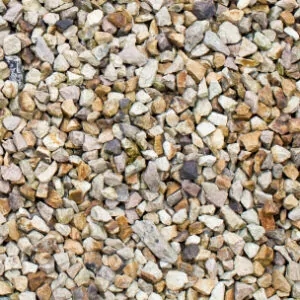

Rock & Driveway Gravel in Lake Spring, Missouri
Local Topsoil, Dirt, Sand, Rocks and Gravel near me in Lake Spring, Missouri
Shop Aggregates for Delivery in Lake Spring
Order online for free delivery to any Lake Spring address.
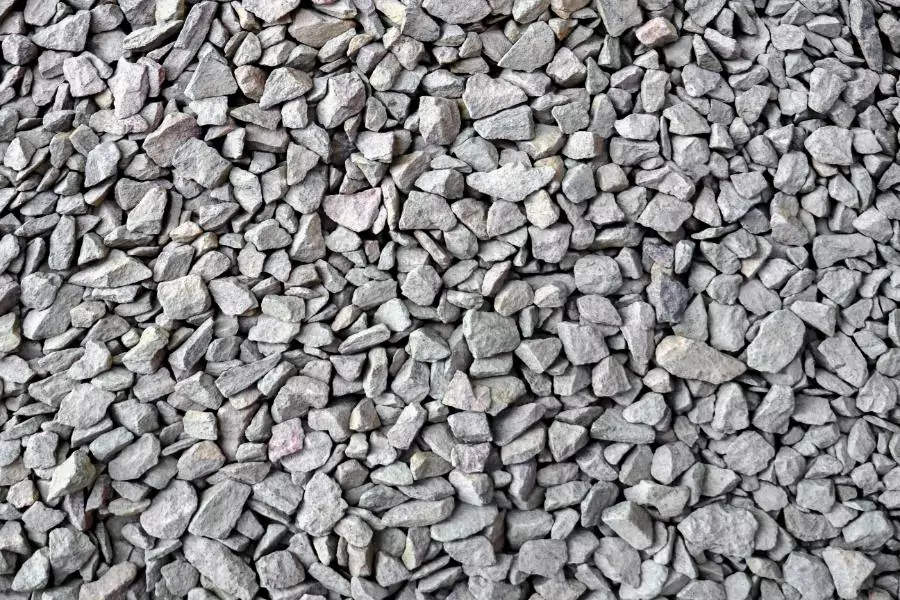
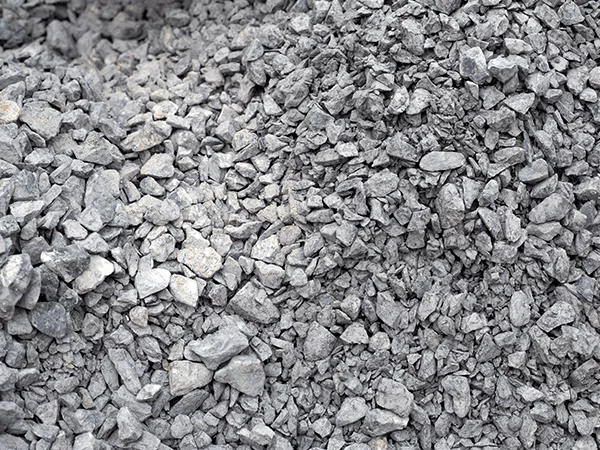


Gravel Monkey delivers high-quality aggregates and bulk materials directly to properties throughout Lake Spring, Missouri. Whether you're building a new driveway near Lake Spring Park, improving drainage around your property in the Lake Spring residential areas, or starting a commercial project in central Missouri, we provide the premium materials you need with completely free delivery. Our comprehensive selection of crushed stone, gravel, sand, and soil products serves homeowners, contractors, and landscapers across Lake Spring and nearby communities including Meta, Westphalia, Freeburg, and Jefferson City.
Complete Aggregate Selection for Lake Spring Properties
Gravel Monkey stocks a full range of construction and landscaping aggregates specifically selected for Missouri's unique soil conditions and climate. Our materials work exceptionally well with the clay-based loam soils common throughout the Lake Spring area, providing stable foundations that withstand central Missouri's temperature fluctuations and seasonal moisture changes.
- Driveway Gravel - Premium aggregate blend engineered for long-lasting residential and farm driveways
- 3/4 inch Crushed Stone - Versatile material perfect for driveways, foundations, and drainage applications
- #57 Stone - Standard construction aggregate for concrete projects and French drain systems
- Crusher Run - Compactable base material that creates rock-solid foundations
- Road Base - Heavy-duty foundation material for roads, parking areas, and large driveways
- Drain Rock - High-drainage aggregate essential for water management systems
- Pea Gravel - Smooth, attractive stones ideal for garden paths and decorative applications
- River Rock - Natural rounded stones that add beauty to landscaping projects
- Walkway Gravel - Specially sized aggregate perfect for garden paths and pedestrian areas
- Decomposed Granite - Natural, permeable material for rustic pathways and xeriscaping
- Crushed Concrete - Eco-friendly recycled aggregate for base layers and utility projects
- Topsoil - Rich, nutrient-dense soil for gardens, lawns, and raised beds
- Fill Dirt - Economical material for grading, leveling, and filling low areas
- Mason Sand - Fine-grade sand for masonry work and paver installations
- Playground Sand - Clean, safe sand for children's play areas and sandboxes
- Washed Sand - Clean, multi-purpose sand for construction and landscaping projects
Serving Lake Spring and Surrounding Central Missouri Communities
Gravel Monkey provides free aggregate delivery throughout Lake Spring and the surrounding Osage County and Maries County areas. We regularly serve residential neighborhoods around Lake Spring Park, rural properties along Highway 133, farms and acreages near the Lake Spring Conservation Area, developments near Meta to the north, properties around Westphalia to the south, and communities extending toward Freeburg and Jefferson City.
The Lake Spring area's rolling terrain and predominantly clay soils require careful material selection for construction projects. Our aggregates are specifically chosen to perform well in central Missouri's conditions, where properties experience approximately 42 inches of annual rainfall, winter temperatures that regularly drop below freezing, and summer highs that can exceed 90 degrees Fahrenheit. These weather patterns create freeze-thaw cycles that demand high-quality base materials for lasting results.
Understanding Missouri Aggregates: Material Selection Guide
Choosing the right aggregate for your Lake Spring project depends on several factors including the project type, soil conditions, drainage requirements, and intended use. Missouri's clay-rich soils present unique challenges that proper material selection can effectively address.
Base Materials and Compactable Aggregates
Base materials form the foundation of successful construction projects throughout Lake Spring. These aggregates contain a mixture of stone sizes and fines that compact together, creating stable surfaces resistant to Missouri's seasonal soil movement. The clay loam soils common around Lake Spring expand when wet and contract when dry, making a solid base layer essential for preventing settling and shifting.
Crusher run represents one of the most popular base materials for Lake Spring driveways and parking areas. This aggregate combines various stone sizes with fine particles that fill voids when compacted, essentially locking the material together. Properties near Lake Spring Conservation Area and rural areas along Highway 133 particularly benefit from crusher run's ability to create stable surfaces over problematic clay soils. The material compacts to approximately 2 inches per 3-inch layer, so proper depth calculation is important for project planning.
Road base serves similar purposes but typically includes larger stones and more fines, making it ideal for heavy-traffic applications. Commercial properties in Lake Spring and farm lanes that support equipment traffic often use road base for its exceptional load-bearing capacity. This material works exceptionally well in the local clay soils because the fines help seal the surface while the larger stones provide structural strength.
Drainage Aggregates for Missouri Clay Soils
Effective drainage is critical in Lake Spring due to the area's clay soils, which naturally drain poorly. Water that cannot percolate through clay instead runs across the surface or pools in low areas, potentially causing foundation problems, driveway erosion, and soggy yards. Proper drainage aggregates create pathways for water to move away from structures and problem areas.
Drain rock specifically addresses Missouri's drainage challenges. This clean, angular stone contains minimal fines, allowing water to flow freely through the voids between stones. Properties throughout Lake Spring use drain rock for French drain systems, foundation drainage, and retaining wall backfill. The angular shape prevents stones from nesting together too tightly, maintaining drainage capacity even under the pressure of backfill and soil.
Number 57 stone offers similar drainage benefits with a slightly smaller size range. This versatile aggregate works well for perimeter drains around Lake Spring homes, as drainage media beneath concrete slabs, and as clean fill around septic systems. The consistent sizing ensures reliable drainage performance, while the washed, clean stones won't introduce sediment into drainage systems.
Decorative Aggregates and Landscaping Materials
Beyond functional applications, quality aggregates create attractive landscaping features throughout Lake Spring properties. Decorative stones add texture, color, and visual interest while serving practical purposes like suppressing weeds and retaining soil moisture.
Pea gravel's smooth, rounded stones create comfortable walking surfaces for garden paths and children's play areas. The small size and natural colors blend beautifully with Lake Spring's rural landscape. Properties near Lake Spring Park often use pea gravel for naturalistic landscaping that complements the area's wooded character. The material requires edge restraints to prevent spreading but provides excellent drainage and long-lasting beauty.
River rock brings a more dramatic aesthetic with larger, smooth stones in varied earth tones. These naturally rounded stones work wonderfully for dry creek beds, water feature surrounds, and as mulch alternatives in Lake Spring landscaping. The stones' substantial size makes them less prone to displacement and ideal for slopes or areas with water runoff. Residential properties around Westphalia and Meta frequently incorporate river rock into xeriscaping designs that reduce maintenance while adding visual appeal.
Decomposed granite offers a more subtle, naturalistic appearance perfect for informal pathways and permeable patio areas. This material compacts moderately while remaining permeable, making it excellent for Lake Spring properties seeking rustic charm with functional drainage. The natural color variations complement Missouri's native landscape, particularly in woodland settings common around the Lake Spring Conservation Area.
Driveway Aggregates for Central Missouri
Driveway construction in Lake Spring requires materials that withstand vehicle traffic while resisting the region's weather extremes. The ideal driveway aggregate compacts firmly, drains adequately, and resists displacement from tires and weather.
Our specialized driveway gravel blend combines optimal stone sizes with enough fines to promote compaction while maintaining drainage. This carefully engineered material works particularly well over Lake Spring's clay soils, where proper base preparation and material selection prevent the rutting and potholing common with lesser aggregates. Rural properties along Highway 133 and residential driveways throughout Lake Spring benefit from this proven material combination.
The 3/4 inch crushed stone provides another excellent driveway option, especially for properties wanting a more angular, traditional appearance. The crushed faces on these stones help them lock together when compacted, while the consistent sizing ensures reliable performance. This material excels in both base layers and as a final surface, offering versatility for different budget levels and aesthetic preferences.
Aggregate Comparison: Choosing the Right Material
Understanding the key differences between aggregates helps Lake Spring property owners make informed decisions. This comparison highlights the primary characteristics and best applications for our most popular materials.
| Material Type | Best Applications | Compaction | Drainage Rating | Missouri Climate Suitability |
|---|---|---|---|---|
| Crusher Run | Driveways, base layers, parking areas | Excellent | Moderate | Excellent - ideal for clay soils |
| Road Base | Heavy traffic areas, commercial drives | Superior | Moderate | Excellent - handles freeze-thaw |
| 3/4" Crushed Stone | Driveways, foundations, general use | Very Good | Good | Excellent - versatile performance |
| #57 Stone | Drainage, concrete, French drains | Poor | Excellent | Very Good - superior drainage |
| Drain Rock | Foundation drains, water management | Minimal | Superior | Excellent - prevents water issues |
| Pea Gravel | Walkways, landscaping, decorative | Minimal | Excellent | Good - may need replenishment |
| Crushed Concrete | Base layers, utility areas, budget projects | Good | Good | Very Good - economical choice |
| Decomposed Granite | Pathways, patios, naturalistic areas | Moderate | Good | Good - natural appearance |
Understanding Lake Spring's Soil and Geology
Lake Spring sits within Missouri's central region where the geology significantly influences construction and landscaping decisions. The area's bedrock consists primarily of limestone and dolomite formations from the Ordovician period, though these lie beneath substantial soil deposits that property owners actually work with daily.
The predominant soil type throughout Lake Spring is Menfro silt loam, often mixed with Mexico and Putnam series soils. These clay-rich loams developed over thousands of years from loess deposits and weathered limestone. While fertile for agriculture, these soils present challenges for construction due to their high clay content. Clay particles are microscopically small, creating dense soil structure that expands when saturated and contracts when dry. This expansion and contraction can exert significant pressure on foundations, cause driveways to heave and crack, and create persistent drainage problems.
The seasonal moisture variations in Lake Spring exacerbate these soil characteristics. Spring rains often saturate soils, causing maximum expansion. Summer heat then dries the upper soil layers, leading to surface cracking and contraction. Fall brings more moisture, followed by winter freezing that can lift poorly supported structures through frost heaving. Successful construction in Lake Spring requires understanding these cycles and using aggregates that accommodate or mitigate soil movement.
Professional contractors serving Lake Spring have learned that proper base preparation makes the crucial difference between projects that last decades and those requiring repairs within years. Removing unstable surface soil, installing adequate depth of quality base material, and ensuring proper drainage all contribute to long-term success. The investment in proper materials and installation pays dividends through reduced maintenance and extended service life.
Climate Factors Affecting Aggregate Performance in Lake Spring
Central Missouri's continental climate creates specific challenges that quality aggregates help address. Lake Spring experiences warm, humid summers with temperatures frequently reaching the 90s, while winter temperatures regularly drop into the teens and twenties Fahrenheit. This temperature range of over 70 degrees creates significant thermal expansion and contraction in both aggregates and underlying soils.
The area receives approximately 42 inches of annual precipitation, distributed relatively evenly throughout the year but with peaks in spring and early summer. This moisture, combined with Missouri's clay soils, requires attention to drainage in all construction projects. Standing water not only creates muddy conditions but accelerates freeze-thaw damage, undermines base materials, and promotes erosion.
Winter freeze-thaw cycles particularly challenge Lake Spring construction. Water that infiltrates beneath driveways, foundations, or pathways expands approximately nine percent when it freezes. In confined spaces or when trapped by impermeable clay, this expansion generates tremendous force. Repeated freezing and thawing through Missouri winters progressively degrades poorly constructed surfaces, creating the cracks, heaving, and potholing familiar to anyone with inadequate base materials.
Quality aggregates combat these climate challenges through several mechanisms. Proper base materials create stable platforms that resist settlement and movement. Well-draining aggregates prevent water accumulation that leads to freeze-thaw damage. Angular crushed stone locks together more effectively than rounded materials, maintaining structural integrity through temperature extremes. Understanding these relationships helps Lake Spring property owners make smart material choices that provide lasting value.
Planning Your Lake Spring Aggregate Project
Successful aggregate projects begin with accurate planning and quantity calculations. Understanding how much material you need prevents costly shortages or excessive overage, while proper preparation ensures optimal results.
Calculating Aggregate Quantities
Most aggregate projects require calculating volume in cubic yards. For rectangular areas like driveways, multiply length times width times depth, all measured in feet. Divide the result by 27 to convert cubic feet to cubic yards. For example, a driveway 50 feet long by 12 feet wide with 4 inches (0.33 feet) of aggregate requires 50 × 12 × 0.33 ÷ 27 = 7.3 cubic yards.
Different aggregates have varying compaction rates. Crusher run and road base compact significantly, typically losing 20 to 30 percent of loose volume during compaction. Drainage stone like number 57 or drain rock compacts minimally. Topsoil settles moderately. Account for these factors when ordering to ensure adequate finished depth.
Lake Spring's clay soils often require deeper base layers than might be needed elsewhere. While 3 to 4 inches suffices for light-duty residential driveways in some regions, Lake Spring properties typically benefit from 4 to 6 inches of compacted base material, meaning 5 to 8 inches of loose material before compaction.
Site Preparation Best Practices
Proper site preparation dramatically improves project outcomes. For driveways and parking areas, remove all topsoil, organic matter, and unstable material down to firm subgrade. While this may seem excessive, topsoil and organic materials decompose and compact unevenly, creating the weak spots that lead to settlement and failure.
Grade the prepared subgrade to promote drainage away from structures. Even subtle slopes help prevent water accumulation. In Lake Spring's clay soils, consider installing French drains along the edges of driveways or parking areas in low-lying locations. This proactive drainage management prevents the saturation that leads to base failure and frost heaving.
Compact the subgrade before placing base material. This step stabilizes the clay and creates a uniform platform for aggregates. Plate compactors work well for residential projects, while larger vibratory rollers suit commercial applications. Multiple passes with proper equipment ensure thorough compaction throughout the base depth.
Installation and Compaction Techniques
Place base aggregates in lifts (layers) no more than 4 inches thick. Spreading the full depth of material and then compacting typically achieves poor results, as compaction equipment cannot effectively consolidate deep layers. Instead, spread a manageable depth, compact thoroughly, then add the next lift.
Proper moisture content improves compaction effectiveness. Many aggregates compact best when slightly damp but not saturated. Crusher run and road base particularly benefit from light moisture during compaction, as the fine particles move more readily to fill voids. However, excessive moisture, common during wet Missouri springs, prevents effective compaction and should be avoided.
For residential projects around Lake Spring, plate compactors weighing 200 to 300 pounds handle most driveway and walkway applications effectively. Make at least three passes over each area, overlapping the compacted zones to ensure complete coverage. Commercial projects or heavy-use areas benefit from larger equipment that generates higher compactive force.
Seasonal Considerations for Lake Spring Aggregate Projects
Missouri's distinct seasons influence the timing and execution of aggregate projects. Understanding seasonal factors helps Lake Spring property owners schedule work for optimal results.
Spring brings challenges and opportunities. While warming temperatures and longer days make outdoor work pleasant, spring rains can saturate soils and delay projects. Lake Spring typically receives substantial precipitation in April and May, potentially making site preparation difficult. However, completing projects in late spring ensures materials settle and compact through summer before winter arrives. Schedule spring projects with flexibility to accommodate weather delays.
Summer offers the most reliable weather for aggregate projects around Lake Spring. Warm, relatively dry conditions allow efficient site work and optimal compaction. However, extreme summer heat can make physical work challenging. Start projects early in the season to allow completion before late summer heat peaks. Summer completion also provides time for materials to settle before fall rains and winter freezing.
Fall provides another excellent window for aggregate work in Lake Spring. Moderate temperatures and typically drier conditions after summer make site work pleasant and efficient. However, schedule projects for completion by early November before winter weather arrives. Late fall projects risk incomplete compaction or finishing work interrupted by freezing temperatures.
Winter presents the greatest challenges for aggregate projects. Frozen ground prevents proper excavation and base preparation. Aggregates don't compact effectively in freezing conditions. However, winter planning allows property owners to finalize designs, obtain necessary permits, and schedule contractors for early spring completion.
Frequently Asked Questions About Aggregates in Lake Spring
We deliver a comprehensive selection of materials including driveway gravel, crushed stone in various sizes, pea gravel, river rock, decomposed granite, crusher run, road base, drain rock, recycled concrete, topsoil, fill dirt, and multiple sand varieties throughout Lake Spring and surrounding Missouri communities.
Yes, Gravel Monkey provides FREE delivery to Lake Spring and the surrounding central Missouri area for all gravel, aggregate, and bulk material orders.
The amount depends on your project dimensions. For driveways, calculate length times width times depth in feet, typically 3 to 4 inches deep. Our experienced team can help you estimate the right quantity for your specific Lake Spring property and soil conditions.
For Missouri clay soils common around Lake Spring, we recommend crusher run or road base for driveways, as these compact well and resist shifting. For drainage projects, drain rock or number 57 stone provides excellent water management in clay-heavy soils.
Absolutely! Gravel Monkey supplies bulk aggregates for both residential and commercial projects throughout Lake Spring. We handle everything from small residential driveways to large commercial parking lots and construction sites.
Lake Spring sits in central Missouri where clay-based loam soils dominate. These soils expand and contract with moisture changes, making proper base materials critical. Using quality aggregates like crusher run creates stable foundations that resist the movement caused by Missouri freeze-thaw cycles.
Due to Lake Spring's clay soils and freeze-thaw cycles, we recommend 4 to 6 inches of compacted base material for residential driveways. This translates to 5 to 8 inches of loose material before compaction. Commercial applications or heavy equipment use may require greater depth.
Late spring through fall offers the best conditions for aggregate projects in Lake Spring. Summer provides the most reliable weather, while early fall offers pleasant working conditions before winter. Avoid winter when frozen ground prevents proper installation and spring when excessive moisture can delay work.
Get Started with Your Lake Spring Aggregate Project
Gravel Monkey makes ordering premium aggregates simple for Lake Spring property owners. Our knowledgeable team understands central Missouri's unique soil conditions, climate challenges, and construction requirements. We help customers select the right materials for their specific applications, calculate accurate quantities, and schedule convenient delivery times.
Every aggregate delivery to Lake Spring includes our commitment to quality materials and professional service. We source our crushed stone, gravel, and sand from reputable Missouri quarries that maintain consistent sizing and cleanliness. Our topsoil is screened and blended for optimal garden and lawn performance. All materials arrive ready for immediate use, delivered by experienced drivers familiar with Lake Spring's roads and properties.
From small residential landscaping projects to large commercial construction sites, Gravel Monkey provides the aggregates Lake Spring depends on. Our free delivery throughout the area eliminates transportation costs and logistics headaches, letting you focus on your project rather than material procurement. Contact us today to discuss your specific needs and discover why Lake Spring property owners choose Gravel Monkey for quality aggregates and exceptional service.

Need help? Reach out for a quote: