Shop Bulk Materials & Gravel in Wyaconda, Missouri
Local Topsoil, Dirt, Sand, Rocks and Gravel near me in Wyaconda, Missouri
Shop Aggregates for Delivery in Wyaconda
Order online for free delivery to any Wyaconda address.
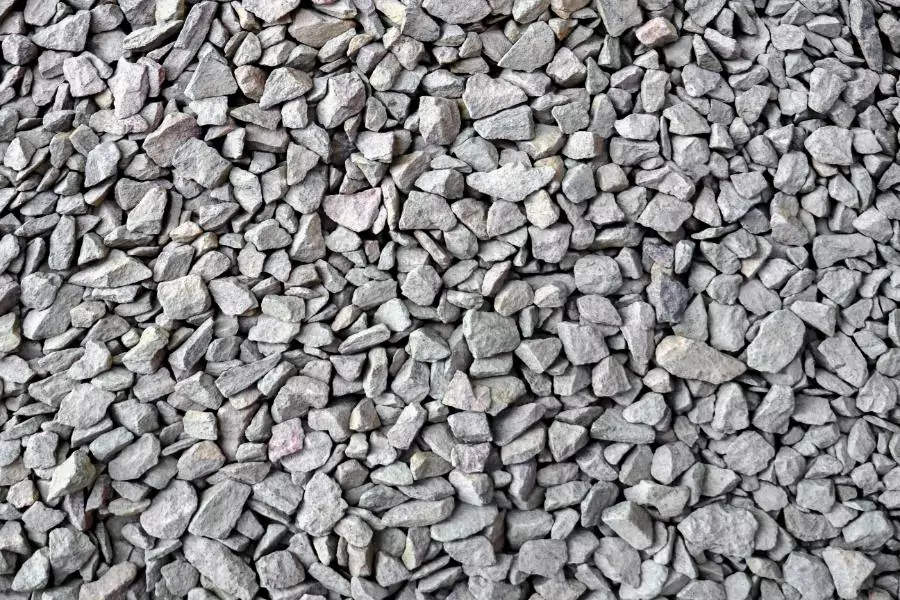
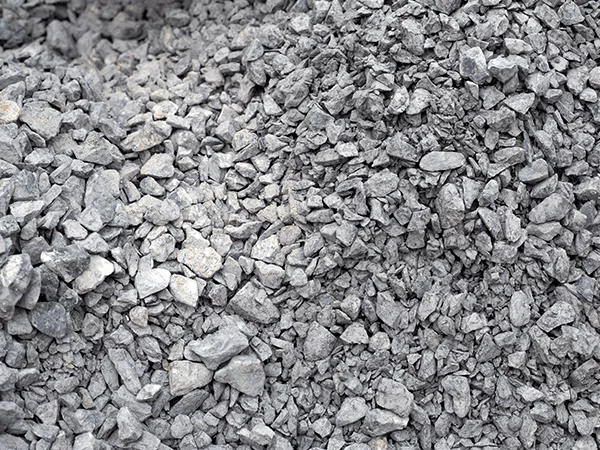


Gravel Monkey delivers premium aggregates and landscape materials directly to properties throughout Wyaconda and the surrounding Clark County region. Whether you're maintaining a farm lane, building a new driveway, or tackling drainage challenges common to northeast Missouri, we provide the quality materials you need with free delivery to your rural property. Our extensive selection of crushed stone, gravel, sand, and soil products serves homeowners, farmers, and contractors across this agricultural community.
Complete Aggregate Selection for Wyaconda Properties
We stock a comprehensive range of materials suitable for the unique soil conditions and climate challenges of northeast Missouri:
- Driveway Gravel - Durable base for residential and farm driveways
- 3/4 inch Crushed Stone - Versatile aggregate for multiple applications
- #57 Stone - Angular crushed stone ideal for drainage systems
- Crusher Run - Compactable base material for stable surfaces
- Road Base - Heavy-duty foundation for farm lanes and roads
- Drain Rock - Specialized aggregate for water management
- Pea Gravel - Smooth stone for decorative landscaping
- River Rock - Natural aesthetic for gardens and beds
- Walkway Gravel - Attractive material for paths and garden trails
- Crushed Concrete - Recycled aggregate for eco-conscious projects
- Topsoil - Rich soil for gardens and lawn establishment
- Fill Dirt - Essential for grading and leveling work
- Mason Sand - Fine sand for construction and masonry
- Washed Sand - Clean sand for various applications
- Playground Sand - Safe certified sand for play areas
- Decomposed Granite - Natural fines for pathways and landscaping
Serving Wyaconda and Northeast Missouri Communities
As a small community in Clark County, Wyaconda represents the agricultural heartland of northeast Missouri. Gravel Monkey understands the specific needs of rural properties in this region, from the long farm lanes that require durable surfacing to the drainage challenges posed by the area's clay-heavy soils and seasonal precipitation patterns.
Our delivery service extends throughout the Wyaconda area and neighboring communities including Kahoka to the south, Alexandria to the southwest, Wayland to the west, and Luray to the east. We also serve rural routes and county roads where properties often require larger quantities of aggregates for maintenance and improvement projects.
Understanding Northeast Missouri Geology and Soil Composition
The Wyaconda region sits within Missouri's glacial till plains, where ancient glacial deposits created the rolling terrain characteristic of Clark County. The predominant soil types include Putnam silt loam and Mexico silt loam, both of which feature significant clay content in their subsoil layers. This clay component presents specific challenges for construction and drainage projects.
The high plasticity of local clay soils means they expand when wet and contract during dry periods. This movement can be problematic for structures built directly on unprepared soil. Proper base preparation using compactable aggregates becomes essential for any permanent installation. The clay also tends to retain water, making effective drainage systems critical for buildings, driveways, and agricultural structures throughout the area.
Climate Considerations for Aggregate Projects
Wyaconda experiences a humid continental climate with cold winters and warm, humid summers. Average annual precipitation reaches approximately 37 inches, distributed relatively evenly throughout the year with slightly higher amounts during spring and early summer. This moisture, combined with the area's clay soils, creates conditions where proper material selection significantly impacts project longevity.
Winter temperatures regularly drop below freezing, typically from December through February, creating freeze-thaw cycles that affect aggregate performance. Materials that compact tightly and interlock, such as angular crushed stone and crusher run, resist heaving and displacement better than rounded gravels. Spring thaws can saturate clay soils, making well-drained bases essential for maintaining stable surfaces year-round.
Aggregate Applications for Rural Wyaconda Properties
Farm Lane and Driveway Construction
Long rural driveways and farm lanes represent one of the most common aggregate applications in the Wyaconda area. These access routes must withstand agricultural equipment, deliver vehicles, and varying weather conditions while minimizing maintenance requirements. The selection of appropriate base materials makes the difference between a driveway that lasts decades and one requiring annual attention.
For new driveway construction, we recommend starting with a substantial base layer of road base or crusher run. These materials contain a blend of stone sizes that compact together into a dense, stable foundation. The angular shapes of crushed aggregates interlock mechanically, creating resistance to lateral movement even when the underlying clay soil becomes saturated.
Over this base, a surface layer provides the finished driving surface. Driveway gravel works well for most applications, offering good compaction and a clean appearance. For properties with heavy equipment traffic, the three-quarter inch crushed stone delivers additional durability. The key in all cases is achieving proper thickness – most farm lanes benefit from a minimum of four inches of compacted base material, with six inches being preferable for heavier use.
Drainage System Design and Installation
The clay content in Wyaconda area soils makes drainage management a priority for nearly every property improvement project. Standing water around foundations, barns, and other structures accelerates deterioration and creates muddy conditions that limit accessibility. Proper drainage systems using appropriate aggregates solve these problems effectively.
French drains represent the most common solution for foundation and yard drainage. These systems use perforated pipe surrounded by drain rock to collect and redirect subsurface water. The drain rock must be clean, angular, and sized appropriately – typically number 57 stone works ideally. This material allows water to flow freely into the pipe while preventing fine soil particles from clogging the system.
Surface drainage benefits from proper grading combined with permeable materials. Areas that collect water can be crowned or sloped, then surfaced with crusher run or road base that allows some infiltration while maintaining a solid surface. For locations requiring maximum permeability, clean washed stone without fines provides optimal drainage capacity.
| Material Type | Best Applications | Compaction | Drainage | Typical Depth |
|---|---|---|---|---|
| Road Base | Farm lanes, heavy traffic driveways | Excellent | Moderate | 4-6 inches |
| Crusher Run | Driveway base, parking areas | Excellent | Moderate | 3-5 inches |
| 3/4" Crushed Stone | Driveway surface, general fill | Good | Good | 2-4 inches |
| #57 Stone | French drains, foundation drainage | Fair | Excellent | 8-12 inches |
| Drain Rock | Drainage systems, septic fields | Poor | Excellent | 12-18 inches |
| Pea Gravel | Landscaping, decorative areas | Poor | Good | 2-3 inches |
| Crushed Concrete | Base layers, rural roads | Good | Moderate | 4-6 inches |
Building Sites and Foundation Preparation
Whether constructing a new home, barn, or outbuilding, proper site preparation ensures structural longevity. The expansive clay soils around Wyaconda require careful attention to foundation design and drainage. Aggregates play multiple critical roles in building site development.
Site grading typically begins with fill dirt to establish desired elevations and slopes. This material should be placed in lifts and compacted to prevent future settling. Once rough grading is complete, a working surface of crusher run or road base allows equipment access without creating muddy conditions or rutting the finished grade.
Foundation perimeter drainage ranks among the most important long-term investments in any building project. A continuous drain tile system around the foundation footprint, bedded in proper drain rock and covered with filter fabric, prevents water accumulation against foundation walls. This drainage becomes especially important in clay soils where water doesn't percolate readily into the surrounding earth.
Selecting the Right Material for Your Wyaconda Project
Compactable Base Materials
Base materials form the foundation of successful aggregate projects. Unlike decorative gravels, base materials contain a range of particle sizes designed to compact into a dense, stable mass. The fine particles fill voids between larger stones, while the angular shapes create mechanical interlocking.
Crusher run earns its reputation as a superior base material through its gradation and angularity. Produced by crushing larger stone and screening to a specific size range, crusher run includes everything from dust-sized particles up to approximately one inch stones. When properly compacted with moisture, this material transforms into a rock-hard base that resists rutting and maintains its shape under load.
Road base represents an engineered specification designed specifically for road construction. While similar to crusher run, road base meets stricter gradation requirements and often includes specific aggregate types known for their durability. For farm lanes and driveways subject to heavy equipment, road base provides maximum performance. The additional cost over standard crusher run often proves worthwhile for high-traffic applications.
Surface and Finish Materials
The surface layer of an aggregate project determines its appearance and immediate usability. Surface materials typically feature more uniform sizing than base materials, creating a more consistent texture underfoot or under tire. The choice between different surface aggregates depends on traffic patterns, desired aesthetics, and maintenance preferences.
Traditional driveway gravel offers an economical, attractive surface for most residential applications. Its moderate size range allows decent compaction while maintaining a natural appearance. The three-quarter inch crushed stone provides a step up in durability, particularly valuable for properties with heavier vehicles or more frequent traffic. The angular nature of crushed stone helps it stay in place better than rounded gravel alternatives.
For decorative applications where vehicle traffic isn't a concern, pea gravel creates an attractive, comfortable walking surface. Its naturally rounded shape and pleasant appearance make it popular for garden paths and landscape beds. Walkway gravel, specifically sized for pedestrian use, provides similar benefits with slightly different aesthetics. River rock serves purely decorative purposes, offering visual interest in landscape designs without any functional load-bearing requirements.
Specialty Aggregates for Specific Applications
Beyond basic driveways and drainage, certain projects require specialized materials. Mason sand provides the fine, clean particles needed for mortar mixing and masonry work. Its uniform gradation ensures consistent mortar strength and workability. Washed sand serves similar purposes but with guaranteed cleanliness for applications where impurities could cause problems.
Playground sand meets safety certifications for children's play areas, ensuring appropriate gradation and cleanliness. Parents installing backyard play sets or schools updating playground surfacing need this specific material to meet safety standards. Decomposed granite offers a natural-looking surface that compacts reasonably well while maintaining permeability, making it suitable for garden paths and casual walkways where a softer appearance suits the design better than traditional gravel.
Crushed concrete represents an environmentally responsible alternative to quarried stone. Recycled from demolished structures, properly processed crushed concrete performs comparably to natural aggregates in many applications. Its slight cement content actually causes it to harden over time, creating an increasingly solid surface. For base layers and rural roads, crushed concrete offers excellent value while reducing environmental impact.
Best Practices for Aggregate Installation in Clark County
Site Preparation Fundamentals
Successful aggregate projects begin with proper site preparation. The clay soils common around Wyaconda require specific attention during the preparation phase to ensure long-term performance. Skipping or rushing preparation steps almost invariably leads to problems within the first year.
Start by removing all organic material, topsoil, and loose soil from the project area. These materials compress over time, leading to settling and surface deformation. Excavation should continue until you reach firm, undisturbed soil. For driveway projects on clay, this typically means removing six to eight inches of material to accommodate the aggregate base plus a margin for compaction.
Crown or slope the finished subgrade to promote drainage away from the center line. Even a slight grade of one to two percent helps water move laterally rather than soaking into the base materials. In areas with poor natural drainage, consider excavating deeper on the downhill side to install a gravel drainage course that carries water away from the driveway or building site.
Proper Compaction Techniques
Compaction transforms loose aggregate into a solid, stable surface. Mechanical compaction using appropriate equipment remains essential for any project expecting to support vehicle traffic or structures. Simply dumping gravel and driving on it never achieves adequate compaction, resulting in gradual rutting and deterioration.
Place base materials in lifts of no more than four inches before compaction. Attempting to compact thicker lifts reduces effectiveness because the compaction energy doesn't reach the bottom of the layer. For a six-inch base, install and compact three inches, then add and compact the remaining three inches. This approach seems to take longer initially but dramatically improves results.
Moisture content significantly affects compaction quality. Most aggregates compact best at slightly below saturation – damp enough to be moldable but not so wet that water squeezes out under the compactor. In practice, this often means lightly watering the material before compaction during dry weather or allowing surface water to drain during wet conditions.
Timing Projects Around Northeast Missouri Weather
Spring Installation Challenges
Spring brings significant rainfall to the Wyaconda area, with April and May typically receiving the most precipitation. While property owners often feel eager to start outdoor projects as weather warms, spring actually presents some of the most challenging conditions for aggregate work. The combination of rain and thawing clay soil creates very muddy conditions that complicate installation.
If spring installation becomes necessary, extra attention to drainage and staging becomes critical. Ensure the site has adequate surface drainage so rainwater doesn't pond on the work area. Consider installing base materials during a dry spell, then allowing them time to settle before adding surface layers. The material itself may arrive slightly damp from spring rains, which can actually benefit compaction if not excessive.
Summer and Fall: Ideal Installation Windows
Late summer and fall provide the best conditions for aggregate projects around Wyaconda. The clay soil has typically dried out, making excavation easier and improving working conditions. Rainfall decreases compared to spring, though afternoon thunderstorms remain possible throughout summer. Equipment operates more efficiently in these conditions, and compaction achieves better results.
Plan major projects for August through October when possible. These months balance decent weather with the practical need to complete work before winter. Contractors also tend to have better availability during fall compared to the spring rush. Starting projects early enough in fall ensures completion before ground freezing, which typically begins in late November.
Winter Considerations
Winter aggregate work faces obvious challenges from frozen ground and cold temperatures. However, emergency repairs and certain maintenance activities can proceed during winter months with appropriate adjustments. Frozen ground actually provides firm support for equipment, sometimes making access easier than during muddy spring conditions.
Winter repairs typically focus on adding surface material to repair ruts or worn areas rather than base reconstruction. The cold prevents proper compaction, but simply filling problem spots and allowing traffic to naturally compact the material provides temporary improvement until proper repairs can be completed in warmer weather. Keep extra driveway gravel on hand during winter for this purpose if your property experiences heavy use.
Aggregate Delivery Throughout the Wyaconda Region
Our delivery service covers the entire Wyaconda area and surrounding rural communities. While Wyaconda itself is a small town, the surrounding countryside includes numerous farms, acreages, and homesteads that require quality aggregate materials:
Local Service Areas
We deliver throughout Clark County including properties along County Road 424, County Road 425, and the various state highways that connect Wyaconda to neighboring communities. Rural routes receive the same reliable service and free delivery as in-town addresses. Our drivers are experienced with country roads and farm lane access, ensuring materials arrive where you need them.
Neighboring communities including Kahoka (the Clark County seat), Alexandria, Wayland, and Luray all fall within our regular delivery area. Properties between these towns along Missouri routes and county roads receive service as well. The relatively flat terrain of northeast Missouri allows year-round access to most locations, though spring mud season may occasionally require coordination on timing.
Frequently Asked Questions About Gravel in Wyaconda
For farm lanes around Wyaconda, road base or crusher run provides the best foundation. These materials compact tightly in our clay soils and handle heavy equipment well. Top with three-quarter inch crushed stone for a durable driving surface. The combination creates a stable lane that minimizes rutting and maintenance needs.
Muddy conditions stem from inadequate base depth or poor drainage. Ensure at least four inches of compacted crusher run or road base beneath the surface gravel. Crown the driveway so water runs to the edges. Consider installing drainage ditches or culverts where water tends to collect. Proper base preparation makes the biggest difference.
DIY installation is possible for small driveways with proper equipment access and basic knowledge. However, renting a compactor and ensuring proper technique significantly affects results. For longer farm lanes or driveways, professional installation often proves more cost-effective considering equipment rental costs and the time investment required.
Well-constructed driveways with proper base materials need minimal maintenance. Annual grading to redistribute surface gravel helps maintain appearance and function. Every three to five years, adding a thin layer of fresh surface gravel restores the driving surface. More frequent maintenance suggests inadequate base preparation or drainage issues.
Calculate material needs based on area and depth. For a driveway, multiply length times width times depth in feet, then divide by 27 for cubic yards. A typical residential driveway measuring 12 feet wide by 200 feet long with a 4-inch base needs approximately 30 cubic yards. Our team helps verify calculations to ensure you order the right amount.
Absolutely! We specialize in rural delivery throughout Clark County and northeast Missouri. Whether your property sits on a county road, state highway, or private farm lane, we deliver materials directly to your site with no extra charge. Rural properties often need larger quantities, which we handle routinely.
Crushed concrete comes from recycled building demolition. After processing to remove contaminants and crushing to size, it performs comparably to quarried stone for many applications. The cement content causes it to harden over time, creating an increasingly solid surface. It costs less than natural stone and provides environmental benefits through recycling.
The clay soils around Wyaconda hold water rather than allowing it to percolate downward. Without proper drainage, water accumulates beneath aggregate surfaces, causing softening, rutting, and frost heaving in winter. French drains, proper grading, and crowned surfaces direct water away from critical areas, dramatically extending project lifespan.
Professional Aggregate Delivery for Wyaconda Properties
Gravel Monkey brings decades of material expertise and reliable service to property owners throughout Wyaconda and Clark County. We understand the specific challenges of northeast Missouri soils and climate, helping customers select appropriate materials for their unique situations. From small residential projects to large-scale farm improvements, we supply the aggregates you need with free delivery to your property.
Our comprehensive selection ensures you'll find the right material whether you're building a new driveway, improving drainage, landscaping your yard, or maintaining existing aggregate surfaces. Quality materials combined with proper installation techniques create lasting results that minimize maintenance and maximize value. Trust Gravel Monkey for all your aggregate needs in the Wyaconda area.

Need help? Reach out for a quote: