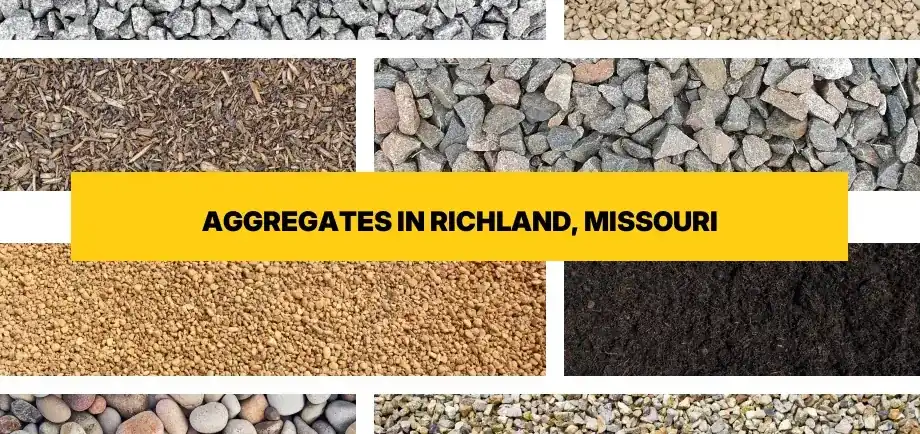
Shop Sand, Stone & Gravel in Richland, Missouri
Local Topsoil, Dirt, Sand, Rocks and Gravel near me in Richland, Missouri
Shop Aggregates for Delivery in Richland
Order online for free delivery to any Richland address.


Gravel Monkey is your premier source for high-quality aggregates and landscaping materials delivery in Richland, Missouri. Serving properties throughout Pulaski County and the surrounding Ozark foothills region, we provide free delivery of crushed stone, gravel, sand, topsoil, and specialty aggregates directly to your rural property, farm, or residential project. Whether you're building a new driveway off Highway 7, improving drainage on a property near Waynesville, or creating a gravel road for your land near Crocker, our comprehensive selection of bulk materials meets every need in the Richland area.
Comprehensive Aggregate Selection for Richland Properties
Understanding the unique soil conditions and terrain challenges of central Missouri, Gravel Monkey offers a complete range of aggregates tailored to perform in Richland's distinctive clay-heavy soils and rolling landscape. Our materials handle everything from residential driveways to agricultural roads across Pulaski County.
- Driveway Gravel - Premium base material perfect for long country driveways
- 3/4 inch Crushed Stone - Versatile aggregate for foundations and driveway surfacing
- #57 Stone - Excellent drainage stone for French drains and septic systems
- Crusher Run - Compactable base that locks together for stable surfaces
- Road Base - Heavy-duty foundation for farm roads and commercial driveways
- Pea Gravel - Smooth rounded stones ideal for walkways and decorative borders
- River Rock - Natural aesthetic for water features and landscape accents
- Drain Rock - Angular stone designed for superior water management
- Crushed Concrete - Eco-friendly recycled aggregate for budget-conscious projects
- Topsoil - Nutrient-rich soil for gardens and lawn establishment
- Fill Dirt - Essential for grading, leveling, and earthwork projects
- Mason Sand - Fine-grade sand for masonry and paver installations
- Washed Sand - Clean sand for concrete mixing and general construction
- Playground Sand - Safe, certified sand for children's play areas
- Decomposed Granite - Natural pathway material that compacts beautifully
- Walkway Gravel - Decorative gravel perfect for garden paths and trails
Why Richland Properties Require Specialized Aggregates
Richland sits in the northeastern Ozark foothills where Pulaski County's distinctive geology creates specific challenges for construction and landscaping projects. The predominant clay soils throughout the area, formed from weathered limestone and dolomite bedrock, exhibit poor drainage characteristics and significant expansion during wet periods. Properties near Laughlin Park and along the Gasconade River watershed particularly experience water management issues that require properly selected aggregates to address effectively.
The region's climate adds another layer of complexity. With average annual rainfall exceeding 44 inches and temperatures ranging from below 20°F in winter to above 90°F in summer, aggregates must withstand freeze-thaw cycles while maintaining structural integrity during Missouri's humid summers. Properties in rural areas surrounding Richland toward Swedeborg and northward toward Crocker face additional challenges with longer driveways and farm roads that demand materials offering both durability and cost-effectiveness.
Understanding Pulaski County Soil Conditions
The clay-rich soils common throughout Richland and surrounding Pulaski County areas present unique challenges for any project involving aggregates. These expansive clay soils, classified primarily as Mexico and Leonard series soils by the USDA, can swell significantly when wet and shrink during dry periods, creating movement that affects driveways, foundations, and landscaping features. This makes proper base preparation and aggregate selection absolutely critical for long-term success.
For properties along State Highway 133 and extending toward Waynesville, the terrain transitions from gently rolling hills to steeper grades, requiring aggregates that can handle both drainage demands and erosion control. The weathered chert fragments naturally present in local soils can mix with delivered aggregates over time, though this integration generally improves performance rather than hindering it. Understanding these local soil characteristics helps us recommend the most appropriate materials for your specific Richland location.
Aggregate Applications Throughout the Richland Area
Rural Driveways and Farm Roads
Long country driveways characterize properties throughout the Richland area, especially on larger tracts extending toward Fort Leonard Wood and southward toward Lebanon. These extended access roads require aggregates that balance cost-effectiveness with performance, particularly given the heavy loads from agricultural equipment, livestock trailers, and delivery trucks. Crusher run remains the most popular choice for these applications, creating a stable, compactable base that resists rutting and washouts even during Missouri's spring rains.
Many property owners in the Richland vicinity prefer creating a layered driveway system using different aggregates. Typically, this involves establishing a solid foundation with compacted road base, followed by a surface layer of crushed stone that provides good traction and attractive appearance. This approach proves particularly effective on the sloped driveways common in the rolling terrain between Richland and Swedeborg, where proper drainage prevents erosion while maintaining accessibility during winter weather.
Drainage Solutions for Clay Soil Properties
Perhaps the most common challenge facing Richland property owners involves managing water on clay soils that naturally resist percolation. Standing water, saturated yard areas, and wet basements plague many homes throughout Pulaski County, requiring engineered drainage solutions using properly selected aggregates. French drains installed with angular drain rock create pathways for water movement through otherwise impermeable clay layers, directing moisture away from structures and usable outdoor spaces.
Properties near natural drainages and in lower-lying areas between Richland and the Gasconade River particularly benefit from strategic aggregate placement. Creating dry creek beds with river rock not only manages stormwater runoff aesthetically but also prevents erosion on sloped lots common throughout the area. These natural-looking drainage features blend with the Ozark landscape while performing critical water management functions during the region's frequent heavy rain events.
Agricultural and Equestrian Applications
The rural character of the Richland area means many properties include agricultural operations, horse facilities, or livestock management areas requiring specialized aggregate applications. Barn foundations built with compacted road base provide stable platforms for heavy structures and equipment, while proper drainage around these buildings prevents the mud issues that plague poorly prepared sites on clay soils. Arena footing, paddock surfaces, and equipment storage areas all benefit from correctly selected and installed aggregates.
Farm roads connecting fields, pastures, and outbuildings need aggregates that withstand regular heavy equipment traffic while remaining cost-effective for potentially miles of roadway. Crushed concrete offers an economical alternative to virgin stone for these secondary access roads, performing admirably under typical farm traffic while reducing overall project costs. Many properties extending from Richland toward Crocker and northward have successfully utilized recycled concrete for extensive road networks serving agricultural operations.
Choosing the Right Aggregate for Your Richland Project
Selecting appropriate materials from our extensive inventory requires understanding how different aggregates perform in central Missouri conditions. The following comparison helps identify which materials best suit your specific application and site conditions throughout the Richland area.
| Aggregate Type | Best Applications | Drainage Performance | Compaction Level | Cost Efficiency |
|---|---|---|---|---|
| Crusher Run | Driveway base, farm roads | Moderate | Excellent | High value |
| Road Base | Heavy traffic areas, foundations | Good | Superior | Premium material |
| 3/4" Crushed Stone | Driveway surface, pathways | Very good | Good | Mid-range |
| #57 Stone | Drainage systems, septic fields | Excellent | Minimal | Purpose-specific |
| Drain Rock | French drains, foundation drainage | Exceptional | None needed | Specialized use |
| Crushed Concrete | Secondary roads, base layers | Good | Very good | Budget-friendly |
| Pea Gravel | Walkways, decorative areas | Good | Poor | Aesthetic value |
| Decomposed Granite | Paths, patios, natural look | Fair | Moderate | Natural aesthetic |
Seasonal Considerations for Central Missouri
Timing aggregate projects around Richland's seasonal weather patterns can significantly impact success. Spring installations often contend with wet soil conditions that complicate compaction and grading, though the moderate temperatures prove ideal for most construction work. Summer's heat and occasional drought periods create excellent conditions for aggregate placement, though dust control may become necessary during extended dry spells affecting the region.
Fall typically offers the best window for aggregate projects throughout Pulaski County, with dry conditions and cooler temperatures ideal for material placement and compaction. Properties preparing driveways and roads before winter benefit from allowing materials time to settle before facing freeze-thaw stress. Winter work remains possible during Missouri's milder periods, though frozen ground and unpredictable weather can interrupt scheduling. Planning projects around these seasonal factors ensures optimal results for Richland-area properties.
Serving All Richland-Area Communities
Gravel Monkey provides free aggregate delivery throughout Richland proper and surrounding communities across Pulaski County. Our service area extends to properties in every direction from central Richland, ensuring rural homeowners and agricultural operations receive the same quality materials and delivery service as in-town locations.
We regularly deliver to properties along Highway 7 extending northward toward Crocker, where many larger rural tracts require extensive quantities of road base and driveway materials. Homes and farms along State Highway 133 between Richland and Waynesville receive frequent deliveries, particularly for drainage solutions addressing the clay soils prevalent throughout this corridor. The Swedeborg community and surrounding rural areas benefit from our aggregate supply, especially properties developing long access roads and agricultural facilities.
Properties near Fort Leonard Wood's eastern boundaries utilize our materials for residential driveways and landscaping projects, while those extending southward toward Lebanon rely on our aggregates for farm roads and property improvements. The Laughlin Park area and properties along the Gasconade River watershed particularly value our drainage-focused materials, addressing the unique water management challenges these locations present. Regardless of your property's specific location in the greater Richland area, our delivery service ensures convenient access to quality aggregates.
Streamlined Ordering and Delivery Process
Obtaining aggregates for your Richland property requires no complicated procedures or time-consuming processes. Our straightforward approach ensures you receive the right materials at your location without hassle or hidden fees. The process begins with determining your project requirements, which our knowledgeable team helps clarify through simple questions about application, area size, and desired depth.
Once material selection is finalized, we schedule delivery at your convenience, coordinating around your availability and weather conditions. Our delivery vehicles navigate rural roads throughout Pulaski County regularly, reaching properties on everything from paved highways to maintained gravel roads. We communicate clearly about access requirements, ensuring our trucks can safely reach your designated placement area without complications.
Material Placement and Site Preparation
Successful aggregate installation begins before delivery arrives. For driveway and road projects, marking the desired placement area helps our drivers position materials optimally, minimizing additional handling on your part. Properties with challenging access or specific placement requirements benefit from discussing these details during scheduling, allowing us to plan appropriately for your situation.
Clay soil areas benefit significantly from basic preparation before aggregate placement. Removing existing vegetation and organic material creates better bonding between native soil and delivered aggregates, while addressing obvious drainage issues beforehand prevents future problems. Many Richland properties achieve best results by installing geotextile fabric under aggregates in particularly wet or unstable areas, creating separation between clay soils and stone while maintaining structural integrity.
Technical Specifications for Common Applications
Understanding proper aggregate depth and coverage helps estimate quantities accurately for Richland projects. Standard residential driveways typically require 4-6 inches of total aggregate depth when constructing new installations over clay soils. This usually involves placing 3-4 inches of compacted base material such as crusher run, followed by 2 inches of surface stone like 3/4 inch crushed stone for finished appearance and optimal performance.
One cubic yard of aggregate covers approximately 100 square feet at 3 inches deep, or about 80 square feet at 4 inches deep. A typical single-car driveway measuring 12 feet wide by 50 feet long requires roughly 8-10 cubic yards of material for proper depth, while longer rural driveways common around Richland may need significantly more depending on total length. Farm roads and heavy-traffic areas benefit from increased depth and stronger base materials to prevent rutting and degradation.
Drainage System Specifications
French drain installations addressing the clay soil drainage issues prevalent throughout Pulaski County typically utilize 4-6 inch perforated pipe surrounded by at least 6 inches of clean stone on all sides. This means a standard French drain requires approximately 1 cubic yard of drain rock or #57 stone per 10 linear feet of installation. Properties addressing foundation drainage around homes often install 20-40 feet of French drain, requiring 2-4 yards of appropriate drainage aggregate.
Surface drainage solutions like dry creek beds and swales benefit from larger stones that resist movement during heavy flow events common during Missouri spring storms. River rock in 3-6 inch sizes provides both functional water management and attractive appearance for these features. Calculate approximately 0.5 cubic yards per linear foot for a 3-foot-wide drainage swale with 4-6 inch depth of stone coverage, adjusting based on your specific design requirements.
Maintaining Aggregate Surfaces in Central Missouri
Properly maintained aggregate driveways and roads in the Richland area can last decades with minimal additional investment. Regular grading of crushed stone surfaces redistributes material, filling ruts and maintaining proper crown for water drainage. Most properties benefit from regrading 1-2 times annually, particularly after winter freeze-thaw cycles and spring rains that can shift surface materials.
Adding fresh surface stone every 3-5 years refreshes appearance and restores lost material, which gradually works into underlying layers or migrates to edges over time. Properties experiencing heavy traffic or steeper grades may need more frequent topdressing to maintain optimal conditions. Addressing potholes and washouts promptly prevents small problems from expanding into larger repairs requiring more extensive intervention.
Seasonal Maintenance Considerations
Winter maintenance of aggregate surfaces around Richland focuses primarily on managing ice and maintaining drainage. Unlike paved surfaces, gravel driveways rarely require salt or chemical deicers, as the stone texture naturally provides traction. Snow removal with blade angles slightly elevated prevents gouging into the aggregate surface while effectively clearing snow and ice during Missouri's periodic winter weather events.
Spring maintenance addresses any settling or washout from snowmelt and rain, with prompt regrading restoring proper drainage and surface conditions. Summer months provide ideal conditions for adding fresh material or making repairs, with warm dry weather facilitating compaction and settling. Fall preparation focuses on ensuring proper drainage and addressing any needed repairs before winter, preventing issues from worsening during freeze-thaw cycles.
Frequently Asked Questions About Aggregates in Richland
For long country driveways common around Richland, we recommend starting with a compacted base of crusher run or road base (4 inches deep), topped with 2 inches of 3/4 inch crushed stone for surface. This combination provides stability and durability while remaining cost-effective for extended lengths. Properties with particularly steep grades or heavy traffic benefit from increasing base depth to 6 inches for additional strength and longevity.
Clay soil drainage issues require creating pathways for water movement through otherwise impermeable soil. Install French drains using perforated pipe surrounded by drain rock or #57 stone, directing water to suitable discharge areas. Surface solutions include creating dry creek beds with river rock, regrading to direct water away from structures, and installing strategic swales. Many Richland properties benefit from combining multiple approaches for comprehensive water management.
Many property owners successfully install their own aggregate driveways with proper preparation and equipment. Key requirements include removing vegetation and organic material, establishing proper grade for drainage, compacting each layer thoroughly, and using appropriate materials in correct depths. Renting a compact roller or plate compactor significantly improves results. However, properties with complex drainage issues, steep grades, or extensive length may benefit from professional installation ensuring proper performance in central Missouri conditions.
Crushed concrete provides excellent value for farm roads and secondary access routes around Richland properties. It compacts well, handles typical agricultural equipment traffic, and costs significantly less than virgin stone materials while delivering comparable performance. For primary access roads or areas with heavy truck traffic, investing in crusher run or road base provides better long-term value through increased durability and reduced maintenance requirements.
Geotextile fabric creates separation between clay soils and aggregates, preventing the materials from mixing while allowing water drainage. This separation maintains aggregate structure and performance while preventing the soft spots and ruts that develop when clay soil works up into stone layers during wet periods. Particularly beneficial for driveways and roads in areas with poor drainage or soft spots, fabric installation adds minimal cost while significantly extending surface life.
Fall typically offers ideal conditions for aggregate installation around Richland, with dry ground, moderate temperatures, and time for materials to settle before winter. Spring can work well despite occasional wet conditions, while summer's heat and dry conditions excel for projects though may require dust control. Winter installations remain possible during milder periods, though frozen ground and unpredictable weather can complicate work. Planning around seasonal weather patterns ensures optimal results.
Standard driveways on clay soils around Richland require 4-6 inches total depth for optimal performance. This typically means 3-4 inches of compacted base material (crusher run or road base) plus 2 inches of surface stone. Properties with heavy traffic, steep grades, or particularly problematic soils benefit from increasing to 6-8 inches total depth. Light-use driveways or those over more stable soils may perform adequately with slightly less depth, though proper base preparation remains essential regardless.
Both recycled and virgin aggregates perform well in appropriate applications around Richland. Crushed concrete excels for budget-conscious projects like farm roads, secondary driveways, and base layers, offering excellent performance at lower cost. Virgin stone materials provide consistent sizing, cleaner appearance, and slightly better compaction characteristics, making them preferable for primary driveways, visible areas, and applications requiring optimal performance. Many properties successfully combine both, using recycled materials for base and utility areas while reserving virgin stone for surface and visible applications.
Get Quality Aggregates Delivered to Your Richland Property
Whether you're developing a rural property, maintaining farm roads, solving drainage challenges, or creating attractive landscaping features, Gravel Monkey provides the aggregates and expertise your Richland project demands. Our comprehensive material selection addresses every application common throughout Pulaski County, while our free delivery service ensures convenient access regardless of your property's location in the greater Richland area.
We understand the unique challenges central Missouri properties face, from clay soil drainage issues to the need for cost-effective solutions on extensive rural properties. Our team brings knowledge of local conditions and materials performance, helping you select aggregates that deliver lasting results in Richland's distinctive climate and soil conditions. Contact us today to discuss your project requirements and schedule delivery of premium aggregates to your property.

Need help? Reach out for a quote: