Gravel for Sale in Whitman, Nebraska
Local Topsoil, Dirt, Sand, Rocks and Gravel near me in Whitman, Nebraska
Shop Aggregates for Delivery in Whitman
Order online for free delivery to any Whitman address.


Gravel Monkey is your trusted source for premium aggregate delivery in Whitman, Nebraska. Nestled in the heart of the Nebraska Sandhills in Grant County, Whitman presents unique challenges for construction and ranching operations due to its characteristic sandy soils. Whether you're building ranch roads, improving property access, or tackling drainage projects across the rolling grasslands, we deliver high-quality aggregates directly to your location with absolutely free delivery. From the residential properties in town to the extensive ranch operations surrounding the community, we serve all of Grant County with reliable material supply and expert guidance.
Complete Aggregate & Material Selection for Whitman Projects
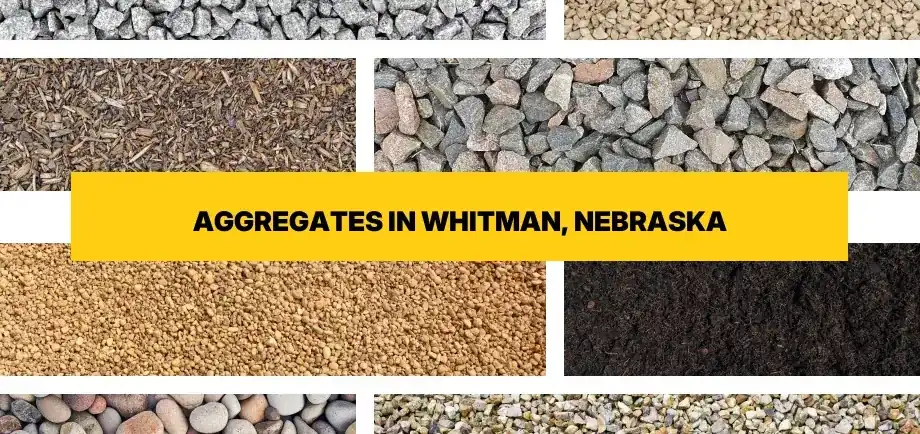
The unique soil composition of the Sandhills region requires careful material selection for lasting results. Our comprehensive inventory addresses every construction, ranching, and property improvement need in Whitman and surrounding Grant County communities including Hyannis, Ashby, and Bingham:
- Driveway Gravel - Engineered for stability over sandy Sandhills soils
- 3/4 inch Crushed Stone - Versatile aggregate for foundations and base layers
- #57 Stone - Standard drainage aggregate for proper water management
- Road Base - Essential for ranch roads and long driveways
- Crusher Run - Compactable blend for stable surfaces
- Drain Rock - Angular aggregate for effective drainage systems
- Crushed Concrete - Eco-friendly recycled aggregate option
- Pea Gravel - Smooth stone for walkways and decorative applications
- River Rock - Natural aesthetics for landscaping projects
- Walkway Gravel - Perfect size for paths and recreational areas
- Topsoil - Nutrient-enriched soil for gardens and lawns
- Fill Dirt - Grade correction and leveling material
- Mason Sand - Fine sand for masonry and concrete work
- Playground Sand - Safe, clean sand for play areas
- Washed Sand - Clean sand for various applications
- Decomposed Granite - Natural compactable pathway material
Understanding Whitman's Sandhills Soil Conditions
Whitman's location in the Nebraska Sandhills creates specific requirements for aggregate use that differ from other regions. The area sits atop deep deposits of Valentine fine sand, wind-deposited material that can extend 100 feet or more below the surface. This unique geological formation, created over thousands of years, means that any construction project requires proper base preparation with quality aggregates.
The Valentine series soils dominant throughout Grant County are excessively drained, meaning water moves through them rapidly. While this reduces surface water problems, it also means that proper aggregate selection is critical for creating stable surfaces. Projects in the Whitman area benefit significantly from angular aggregates that interlock and compact well, providing the structural integrity that sandy soils cannot offer alone.
Temperature extremes in this region add another layer of consideration. Winter lows averaging around 10°F in January and summer highs reaching 90°F in July create freeze-thaw cycles that can impact improperly constructed surfaces. The annual precipitation of approximately 20 inches, while modest, includes both snowmelt in spring and occasional heavy thunderstorms in summer, making drainage planning essential for any aggregate project.
Ranch Road & Agricultural Applications in Grant County
Ranching forms the backbone of the Whitman economy, with properties extending across thousands of acres of rolling grassland. Ranch roads require materials that can withstand heavy equipment traffic, cattle movement, and the harsh Nebraska weather. Properties throughout the area from the Middle Loup River valley to the higher Sandhills ridges face similar challenges in maintaining reliable access routes.
Best Aggregates for Ranch Infrastructure
For main ranch access roads, a properly constructed base using road base or crusher run creates the foundation for long-term durability. These materials compact tightly even over sandy substrates, creating a semi-rigid surface that resists rutting and washouts. The compaction characteristics of these aggregates are particularly important in the Sandhills, where native sand provides little structural support.
Secondary ranch roads and pasture access lanes often perform well with 3/4 inch crushed stone, which provides excellent traction and drainage while maintaining a stable surface. This size aggregate allows for proper interlocking while still permitting water to drain through rather than pool on the surface. For properties closer to Hyannis or Ashby where access is more frequent, upgrading to a denser base material ensures year-round reliability.
Cattle working facilities, loading areas, and high-traffic zones around barns and outbuildings benefit from a multi-layer approach. A base of compacted crusher run topped with crushed stone creates surfaces that drain well, resist mud formation, and stand up to the concentrated hoof traffic and equipment use these areas experience. This approach has proven particularly effective in the fine sandy soils characteristic of the region.
Residential & Community Projects in Whitman
While Whitman maintains its rural character, residential properties and community facilities throughout town require the same attention to proper aggregate use. Driveways, parking areas, and pathways all perform better with appropriate material selection that accounts for the Sandhills soil conditions.
Driveway Solutions for Sandy Soils
Home driveways in Whitman face the dual challenge of providing reliable access while managing the sandy substrate. A proper driveway installation begins with excavation to remove loose surface sand, followed by a compacted base layer and topped with finish aggregate. The depth and composition depend on expected traffic, but most residential driveways in the area benefit from at least 4-6 inches of compacted material.
Many homeowners select driveway gravel as their primary surface material, appreciating both its functionality and cost-effectiveness. This material provides the angular characteristics needed for good compaction while maintaining an attractive appearance. For properties with circular drives or turnarounds common in rural settings, proper drainage design prevents water accumulation that can undermine the base over time.
Landscaping & Decorative Applications
Landscaping projects in Whitman's climate require materials that withstand temperature extremes and complement the native grassland aesthetic. River rock provides excellent erosion control around building foundations while adding visual interest. The various sizes available make it adaptable for everything from accent borders to larger landscape features.
Walkway gravel creates functional paths between buildings, garden areas, and property features. Its intermediate size compacts sufficiently for comfortable walking while allowing excellent drainage. Pea gravel serves similar purposes while offering a finer texture and smoother appearance, making it popular for areas around patios, play structures, and decorative plantings.
Drainage Systems for Nebraska Sandhills Properties
Despite the inherent drainage characteristics of sandy soils, concentrated water flow from roofs, paved areas, and graded surfaces still requires proper management. Improper drainage can create erosion channels in the loose sand, undermine structures, and create muddy areas that persist even in the well-drained Sandhills environment.
Drain rock serves as the primary material for subsurface drainage systems, including French drains, foundation drainage, and collection systems around buildings. Its angular shape maintains void space for water flow even under the weight of overlying soil. Properties throughout Grant County, from Whitman to outlying ranches, benefit from strategic drainage design that protects investments in buildings and infrastructure.
Surface drainage solutions often incorporate #57 stone in swales, ditches, and low areas where water naturally concentrates. This aggregate size allows rapid water infiltration while providing a stable surface that resists erosion. The material works particularly well in the Sandhills where the sandy soil base provides excellent percolation once water enters the ground.
| Aggregate Type | Best Whitman Applications | Sandhills Advantages | Compaction Rating |
|---|---|---|---|
| Road Base | Ranch roads, long driveways | Excellent stability over sand | Excellent |
| Crusher Run | Base layers, working areas | Superior compaction characteristics | Excellent |
| 3/4" Crushed Stone | Driveways, general purpose | Good drainage and stability | Very Good |
| #57 Stone | Drainage, decorative use | Excellent water management | Good |
| Drain Rock | French drains, foundation drainage | Maintains flow capacity | Good |
| Pea Gravel | Walkways, landscaping | Comfortable walking surface | Moderate |
| River Rock | Erosion control, decorative | Natural appearance, wind resistant | Low |
| Crushed Concrete | Budget-conscious projects | Cost-effective, compacts well | Very Good |
Soil Amendment & Grading Materials for Whitman Properties
While the Sandhills soils excel at drainage, they present challenges for gardening, landscaping, and situations requiring less permeable surfaces. Soil improvement materials help property owners create more diverse and functional outdoor spaces despite the predominant sand substrate.
Topsoil for Gardens and Lawns
Establishing gardens or lawns in Whitman requires amending the native sand with nutrient-rich topsoil. Our topsoil provides the organic matter and water-holding capacity that sandy soils lack, creating an environment where plants can thrive despite the region's temperature extremes and modest rainfall. Most successful gardens in the area incorporate 4-6 inches of quality topsoil over the native sand.
Lawn establishment follows similar principles, though the topsoil layer can be somewhat thinner for grass varieties adapted to the Nebraska climate. Buffalo grass and other drought-tolerant species perform particularly well when planted in improved soil over the sandy base. The combination provides both the root-zone fertility plants need and the excellent drainage that prevents winter damage from standing water.
Fill Dirt for Grading Projects
Property grading projects around Whitman often require fill dirt to adjust elevations, create proper drainage slopes, or level building sites. While the native sand can serve this purpose in some applications, fill dirt provides better compaction and stability for areas that will support structures or paved surfaces. Projects ranging from building sites to landscape terracing benefit from quality fill material that compacts predictably.
Large-scale grading work, common when developing ranch facilities or creating pond sites, requires significant quantities of fill material. We deliver bulk loads efficiently to properties throughout Grant County, ensuring projects stay on schedule without unnecessary trips or delays. Proper site preparation using appropriate fill material creates lasting foundations for whatever comes next.
Seasonal Factors in Whitman Aggregate Projects
Nebraska's continental climate creates distinct seasons that influence both project timing and material performance. Understanding these patterns helps property owners plan work and select appropriate aggregates for year-round success.
Spring Thaw and Mud Season
Spring brings snowmelt and occasional heavy rains to the Whitman area, typically from March through May. While the sandy soils drain quickly, areas with concentrated water flow can become temporarily saturated. This period often reveals weaknesses in existing aggregate surfaces and motivates repair or improvement projects. The moderate temperatures make spring ideal for aggregate installation, as materials compact well without the extreme heat of summer.
Summer Construction Season
Summer offers the longest weather window for projects, though temperatures can reach uncomfortable levels in July and August. The dry conditions typical of Nebraska summers create excellent compaction opportunities, though dust control during material spreading may be necessary. Thunderstorms can develop rapidly, so monitoring weather forecasts helps protect newly placed aggregate before final compaction occurs.
Fall Project Completion
Fall provides excellent conditions for aggregate work, with moderate temperatures and generally dry weather. Many property owners tackle driveway and road projects in September and October, completing work before winter arrives. The cooler temperatures make physical work more comfortable while still providing adequate conditions for proper compaction and settling.
Winter Considerations
Winter in Whitman brings cold temperatures, snow, and wind—a combination that limits construction activity but doesn't eliminate it entirely. Some maintenance work continues through winter, particularly addressing drainage issues or emergency repairs. Aggregate surfaces generally perform well in winter conditions when properly constructed, with the angular materials providing traction even in snowy or icy conditions.
Sand Products for Whitman Construction & Recreation
While the Sandhills provide abundant natural sand, specific applications require processed sand products with controlled characteristics. From concrete work to safe play areas, specialty sands serve important functions throughout the community.
Mason sand provides the fine, consistent particle size needed for mortar and concrete applications. Construction projects throughout Whitman and Grant County rely on quality masonry sand for everything from foundation work to decorative stonework. The clean, consistent gradation ensures proper mixing and performance in all masonry applications.
Playground sand creates safe, soft surfaces for children's play areas at homes, schools, and community facilities. Unlike native Sandhills sand, playground sand undergoes processing and screening to remove debris and provide appropriate cushioning characteristics. The material meets safety standards while offering easy maintenance for both private and public recreational spaces.
Washed sand serves multiple purposes, from sandboxes to landscaping applications. The washing process removes fine particles and organic matter, creating clean material appropriate for areas where cleanliness and appearance matter. Many property owners use washed sand for equestrian arenas, decorative landscaping, and other applications where dust and debris need minimizing.
Specialty Materials for Unique Whitman Projects
Beyond standard aggregates, certain projects benefit from specialty materials that address specific needs or aesthetic goals. These products expand the possibilities for property improvement throughout the Sandhills region.
Decomposed granite offers a natural, compactable surface material that works beautifully for pathways, patios, and landscape features. The material compacts firmly when properly installed while maintaining a natural appearance that complements the grassland environment. Properties seeking alternatives to traditional gravel often find decomposed granite provides the perfect balance of functionality and aesthetics.
The various sizes of river rock available allow creative landscaping throughout Whitman properties. Smaller sizes work well for ground cover and decorative borders, while larger stones create dramatic accents and erosion control. The smooth, rounded stones contrast beautifully with the angular aggregates used in functional applications, creating visual interest and defining different areas within a property's landscape.
Walkway gravel bridges the gap between fine pea gravel and larger crushed stone, providing a comfortable walking surface with good compaction characteristics. The material works particularly well for informal paths through gardens, connections between buildings, and areas where a natural appearance is desired without sacrificing functionality. Many Whitman properties use walkway gravel extensively for creating circulation routes that blend with the landscape.
Planning Your Whitman Aggregate Project
Successful aggregate projects begin with careful planning that considers the unique characteristics of Sandhills properties. Whether you're tackling a ranch road renovation, residential driveway installation, or drainage improvement, several factors deserve attention during the planning phase.
Calculating Material Quantities
Accurate material estimation prevents both shortages that delay projects and excess that wastes money. For most applications, calculate area in square feet and multiply by depth in feet, then divide by 27 to convert to cubic yards. A typical residential driveway in Whitman might measure 12 feet wide by 100 feet long, requiring about 15 cubic yards of material for a 4-inch depth.
Ranch roads require similar calculations but often involve much larger areas. A mile of ranch road 14 feet wide needs roughly 270 cubic yards of material at 4-inch depth. These larger projects benefit from bulk delivery capacity that keeps work progressing without interruption. Our team assists with quantity calculations and can recommend appropriate depths based on your specific application and soil conditions.
Base Preparation Requirements
The sandy Sandhills soil requires attention to base preparation that might differ from other regions. In most cases, removing loose surface sand and achieving compaction of the underlying material creates the foundation for success. Some projects benefit from geotextile fabric between native sand and aggregate base, particularly in high-traffic areas or where extra stability is desired.
Larger projects like ranch roads often incorporate multiple layers, with coarser base material topped by finer finish aggregate. This approach distributes loads effectively and creates surfaces that perform well year-round. The extra investment in proper layering pays dividends through extended surface life and reduced maintenance requirements.
Drainage Design Integration
Even with naturally well-drained soils, concentrating water through poor drainage design can create problems. Aggregate surfaces should slope gently to move water away from buildings and prevent pooling. Crown roads and driveways slightly to shed water to the sides, where it can infiltrate into the surrounding soil without eroding the traveled surface.
Low areas and natural drainage paths may require French drains or rock-lined swales to handle concentrated flow. Properties throughout Grant County successfully manage runoff using strategic aggregate placement that protects investments while working with natural terrain. Proper drainage design extends surface life dramatically while preventing erosion and undermining.
Free Delivery Throughout Whitman & Grant County
Gravel Monkey serves the entire Whitman area with free delivery that brings quality aggregates directly to your project site. Whether you're working on a property in town, a ranch outside Hyannis, or anywhere throughout Grant County's 776 square miles, we ensure materials arrive when you need them.
Our delivery service understands the logistics of serving rural Nebraska communities. We coordinate delivery times that work with your schedule and can handle projects of any size, from a few yards of landscaping rock to dozens of yards for major ranch infrastructure work. The free delivery policy eliminates a significant cost factor, making quality materials more accessible for all property owners.
Properties near the Middle Loup River, along Highway 2, or in the more remote Sandhills areas all receive the same professional service and quality materials. We maintain relationships with regional suppliers to ensure consistent availability of all aggregate types, even during the busy spring and summer construction seasons when demand peaks.
Frequently Asked Questions About Aggregates in Whitman, NE
We deliver a complete range of aggregates including driveway gravel, crushed stone in various sizes, road base, crusher run, drain rock, river rock, pea gravel, topsoil, fill dirt, sand products, and decomposed granite throughout Whitman and the surrounding Grant County area. All materials are selected for performance in Sandhills soil conditions.
Yes! Gravel Monkey offers FREE delivery to Whitman and the surrounding Nebraska Sandhills region for all gravel and aggregate material orders. This includes properties throughout Grant County and nearby communities including Hyannis and Ashby.
For Sandhills ranch driveways, we recommend road base or crusher run as a base layer for maximum stability, topped with 3/4 inch crushed stone for the surface. These aggregates provide stability and proper drainage essential for the region's sandy soil conditions and weather patterns. The combination creates surfaces that withstand heavy use and Nebraska's climate extremes.
Calculate your needs by multiplying length times width times depth in feet, then dividing by 27 to get cubic yards. A typical residential driveway 12 feet by 100 feet at 4 inches deep needs about 15 cubic yards. Ranch roads and larger projects require proportionally more material. Our team can help estimate quantities for your specific Whitman area property and account for the sandy soil conditions common in Grant County.
Whitman sits in the Nebraska Sandhills, characterized by deep Valentine fine sand soils formed from windblown deposits. These excessively drained sandy loam soils can extend 100 feet deep and require proper aggregate base materials for construction projects to ensure stability and prevent settling. The sandy nature makes quality aggregates essential for any building, grading, or road work in the area.
Absolutely! We regularly deliver to ranch properties throughout Grant County, from properties along the Middle Loup River to remote locations in the Sandhills. Our free delivery service covers the entire region, and we work with property owners to coordinate access and delivery timing that fits their operations.
Spring and fall offer ideal conditions for aggregate projects in Whitman, with moderate temperatures and generally dry weather. Summer works well despite heat, while winter projects are possible but less common. The sandy soils drain quickly, so moisture rarely delays work except during active precipitation. Most property owners schedule major projects between April and October for best results.
Yes, proper base preparation is crucial in Sandhills soils. Remove loose surface sand, compact the underlying material, and consider geotextile fabric for high-traffic areas. Use compactable base materials like road base or crusher run before placing finish aggregate. This approach creates stable surfaces that perform well despite the sandy substrate, significantly extending the life of driveways, roads, and other aggregate surfaces.
Partner with Gravel Monkey for Your Whitman Aggregate Needs
From residential properties in town to expansive ranch operations across Grant County's grasslands, Gravel Monkey provides the aggregates and expertise needed for successful projects. Our understanding of Sandhills soil conditions, combined with quality materials and free delivery, makes us the preferred choice for property owners throughout the Whitman area.
We serve the entire region including Hyannis, Ashby, Bingham, and all points throughout Grant County. Whether you're planning a new driveway, upgrading ranch roads, improving drainage, or tackling any project requiring quality aggregates, our team stands ready to help. Contact Gravel Monkey today to discuss your project needs and discover how professional aggregate supply makes your property improvement goals achievable.

Need help? Reach out for a quote: