Gravel for Sale in Harvard, Nebraska
Local Topsoil, Dirt, Sand, Rocks and Gravel near me in Harvard, Nebraska
Shop Aggregates for Delivery in Harvard
Order online for free delivery to any Harvard address.


Gravel Monkey delivers premium aggregates and landscaping materials to Harvard, Nebraska, serving homeowners, farmers, and contractors throughout Clay County. Whether you are building a new driveway on the west side of town, improving drainage near the West Fairgrounds area, or working on agricultural projects along Highway 6, we provide free delivery of high-quality aggregates directly to your property. As Clay County's trusted aggregate supplier, we understand the unique challenges of Harvard's clay-rich soils and seasonal weather patterns that impact every project.
Complete Aggregate Selection for Harvard Properties
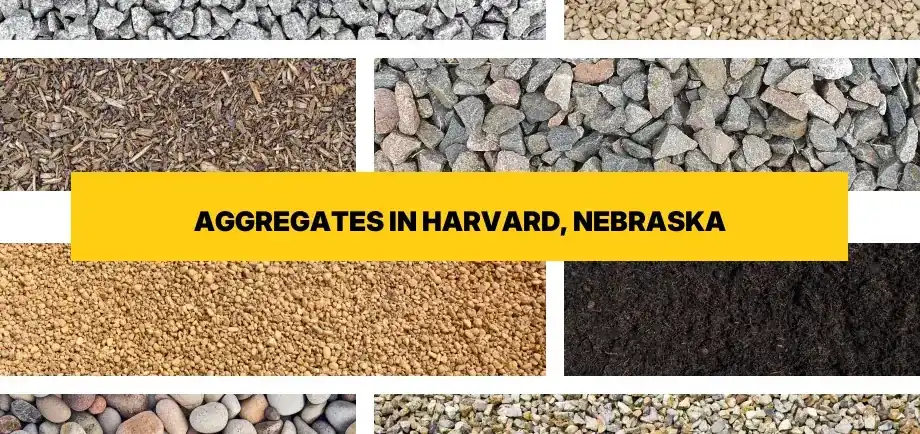
Our comprehensive inventory includes every aggregate type needed for residential, commercial, and agricultural projects in Harvard. From foundation work to finishing touches, we supply materials that perform in Nebraska's variable climate:
- Driveway Gravel - Premium aggregate for durable Harvard driveways
- 3/4 inch Crushed Stone - Versatile base material for multiple applications
- #57 Stone - Uniform crushed stone for drainage and concrete work
- Crusher Run - Compactable base for roads and driveways
- Road Base - Heavy-duty foundation for access roads
- Pea Gravel - Decorative stone for pathways and landscaping
- River Rock - Natural aesthetic for gardens and water features
- Drain Rock - Essential for French drains and foundation drainage
- Topsoil - Rich soil for lawns and garden beds
- Fill Dirt - Grading material for site preparation
- Crushed Concrete - Eco-friendly recycled aggregate
- Mason Sand - Fine sand for masonry projects
- Playground Sand - Safe, clean sand for play areas
- Washed Sand - Clean sand for construction use
- Walkway Gravel - Decorative aggregate for pedestrian paths
- Decomposed Granite - Natural pathway material with rustic appeal
Understanding Harvard's Soil and Climate Conditions
Harvard sits in the heart of Clay County, where deep loess soils derived from windblown silt create unique construction challenges. These fine-textured soils, while excellent for agriculture, present drainage concerns for buildings and hardscaping projects. The region's expansive clay content can shift with moisture changes, making proper aggregate selection critical for long-term stability.
Nebraska's continental climate brings temperature extremes ranging from below zero in January to the upper 90s in July, with average annual precipitation around 27 inches. Spring typically delivers the heaviest rainfall, while summer thunderstorms can deposit 2-3 inches in a single event. These weather patterns mean Harvard aggregates must handle freeze-thaw cycles, heavy moisture loads, and periods of drought-induced soil shrinkage.
Why Aggregate Quality Matters in Clay County
The clay-rich Harvard soils require aggregates that promote drainage while providing stable foundations. When water becomes trapped in fine clay particles, it leads to expansion, heaving, and structural movement. Professional-grade crushed stone and gravel create drainage channels that allow water to move away from foundations, driveways, and walkways. This is especially important during spring snowmelt and the May-June storm season when Clay County receives its heaviest precipitation.
Driveway Aggregates for Harvard Homes
Harvard driveways face unique challenges from clay subsoils, seasonal freezing, and agricultural equipment traffic for rural properties. The key to a long-lasting driveway lies in proper base preparation and material selection that accommodates Nebraska's climate extremes.
Building a Durable Driveway Base
Start with 4-6 inches of compacted base material to create stability. Crusher run excels as a base layer because it contains a blend of stone sizes that lock together when compacted, creating a solid foundation that resists shifting. For areas with poor drainage or heavy clay, consider increasing base depth to 8 inches and ensuring proper crown or slope for water runoff.
Over the base, apply 2-3 inches of surface aggregate. Many Harvard homeowners prefer the clean appearance and firm surface of crushed stone for their driveways. The angular edges of crushed stone interlock effectively, reducing rutting and maintaining surface integrity even under heavy use. Properties east of downtown and along Highway 6 benefit from this stable surface during wet weather when clay soils become soft.
Seasonal Maintenance Considerations
Plan for spring grading when frost heaves may have disrupted your driveway surface. Keep extra aggregate on hand to fill low spots that develop during winter freeze-thaw cycles. The expansion and contraction of Harvard's clay subsoil creates natural settling that requires periodic top-dressing with fresh gravel every 2-3 years to maintain a smooth, functional surface.
Drainage Solutions for Clay County Properties
Managing water flow ranks among the most critical concerns for Harvard property owners. Clay soils naturally restrict drainage, creating conditions where water pools on the surface or collects near foundations. Strategic aggregate placement solves these problems effectively.
French Drain Installation
French drains work exceptionally well in Harvard's heavy soils. These drainage systems require clean, angular aggregate that creates void space for water movement. The uniform sizing and absence of fines allow water to flow freely through the trench while the perforated pipe collects and redirects it away from problem areas. Homeowners near the West Fairgrounds area particularly benefit from French drains along property boundaries where water tends to collect.
Foundation Drainage Protection
Every Harvard foundation should include a proper drainage layer. Place drain rock against basement walls before backfilling to create a path for groundwater to reach the foundation drain tile. This aggregate barrier prevents hydrostatic pressure buildup that can lead to basement leaks and structural damage during spring moisture loads. The 3/4 inch to 1.5 inch size range provides optimal drainage without allowing soil particles to clog the system.
Yard Drainage Improvements
Low spots in yards where water stands after rain can be improved with French drains or dry creek beds. A decorative dry creek bed using river rock not only solves drainage problems but adds visual interest to your landscaping. The smooth, rounded stones create natural-looking channels that guide water away while requiring minimal maintenance throughout Nebraska's wet springs and occasional summer flooding events.
Harvard Aggregate Comparison Guide
Selecting the right aggregate depends on your specific project requirements and site conditions. This comparison helps Harvard property owners understand which materials perform best for different applications:
| Aggregate Type | Best Applications | Drainage Quality | Compaction | Harvard Climate Rating |
|---|---|---|---|---|
| Crusher Run | Driveway base, road foundation | Good | Excellent | Excellent for clay soils |
| 3/4" Crushed Stone | Driveways, pathways, base layer | Excellent | Very Good | All-season performer |
| #57 Stone | Drainage, concrete aggregate | Excellent | Good | Ideal for wet conditions |
| Pea Gravel | Walkways, decorative areas | Very Good | Fair | Low maintenance |
| Road Base | Heavy traffic areas, farm roads | Good | Excellent | Handles equipment well |
| Drain Rock | French drains, foundations | Outstanding | Not applicable | Essential for clay |
| Crushed Concrete | Base layers, rural roads | Very Good | Excellent | Economical choice |
| River Rock | Landscaping, erosion control | Good | Poor | Decorative durability |
Landscaping Aggregates for Harvard Gardens
Transform your Harvard property with decorative aggregates that enhance curb appeal while serving practical functions. From garden bed borders to complete outdoor living spaces, the right materials create low-maintenance beauty that thrives in Nebraska's climate.
Garden Bed Applications
Pea gravel creates attractive, functional garden bed surfaces that suppress weeds and retain soil moisture. The rounded stones provide excellent drainage for perennials and shrubs while creating clean borders that define planting areas. Many Harvard homeowners use pea gravel around homes near downtown where foundation plantings benefit from the aggregate's moisture management properties.
Pathway and Walkway Construction
Creating walking paths through your yard requires aggregates that remain stable underfoot while draining quickly after rain. Walkway gravel provides the ideal surface for informal garden paths, while decomposed granite creates a more formal, refined appearance that compacts into a firm surface. Both materials work well in Harvard's clay soils when properly edged to prevent spreading.
Water Feature Integration
River rock remains the preferred choice for pond surrounds, dry creek beds, and water feature accents. The natural rounded shape and varied earth tones complement any landscape design while creating a natural transition from hardscape to plantings. Properties throughout the West Fairgrounds neighborhood use river rock to manage runoff artistically while adding visual interest to yards.
Farm and Ranch Aggregate Solutions
Harvard's agricultural heritage means many properties require aggregates for farm buildings, equipment yards, and field access roads. Gravel Monkey supplies materials specifically suited for agricultural applications where durability and drainage are paramount.
Equipment Yards and Parking Areas
Heavy equipment requires solid footing that won't rut during wet weather. Road base provides the foundation strength needed for tractors, combines, and loaded grain trucks. Apply 6-8 inches of compacted road base for equipment storage areas, then top with 2 inches of crushed stone for a clean, maintainable surface that handles Nebraska's spring mud season.
Farm Access Roads
Maintaining farm lanes and access roads becomes easier with proper aggregate foundation. Start with crushed concrete as an economical base layer that provides excellent compaction and load-bearing capacity. The recycled material performs comparably to virgin aggregates at a lower cost, making it ideal for long farm lanes that require periodic maintenance. Top the base with fresh driveway gravel to create an all-weather surface that supports loaded grain carts and equipment transport.
Building Site Preparation
New barn construction or shop buildings require stable foundations that resist settling in Harvard's clay soils. Use fill dirt to establish proper grades, then compact thoroughly before adding 6-12 inches of aggregate base. The depth depends on building size and intended use, with heavier structures requiring deeper aggregate beds. Agricultural properties east of Harvard along Highway 6 particularly benefit from thorough site preparation given the area's deeper clay deposits.
Sand Products for Harvard Construction Projects
Sand serves essential functions in construction, masonry, and landscaping throughout Clay County. We deliver three distinct sand types, each formulated for specific applications that meet Nebraska building requirements.
Mason Sand for Bricklaying
Mason sand provides the fine, uniform particles necessary for mortar mixing and brick pointing. The clean, silt-free composition ensures proper mortar adhesion and workability. Harvard contractors rely on quality mason sand for residential projects ranging from brick mailbox posts to complete home construction throughout the community.
Playground Sand Safety
Schools, churches, and homeowners creating safe play areas require playground sand that meets safety standards for cushioning falls. This specially washed and screened sand stays soft and clean while providing the impact absorption children need. The fine texture remains comfortable for bare feet while draining quickly after summer thunderstorms.
General Construction Sand
Washed sand serves multiple purposes from pipe bedding to concrete mixing. The clean aggregate mixes easily with cement and provides the necessary filler for concrete applications. Landscapers use washed sand to improve clay soil texture, creating better growing conditions for lawns and gardens in Harvard's heavy soils.
Serving Harvard and Surrounding Communities
Gravel Monkey provides free aggregate delivery throughout Harvard and the surrounding Clay County area. We know the local roads and can access properties throughout the region with our delivery trucks.
Harvard Coverage Area
We serve all Harvard neighborhoods including properties downtown near the courthouse square, residential areas west toward the old fairgrounds site, and developments throughout the city limits. Our drivers navigate Harvard's streets efficiently, delivering aggregates to homes, businesses, and construction sites across the community.
Regional Delivery Service
Beyond Harvard city limits, we deliver to rural properties throughout Clay County and adjacent communities. Whether you are near Clay Center to the west, Sutton to the north, or Glenvil to the east, we provide the same free delivery service and material quality. Farm operations along Highway 6 and surrounding county roads receive prompt delivery scheduling that accommodates agricultural timelines.
Property Access Considerations
Our delivery trucks handle most residential driveways and farm lanes. For properties with access limitations, we work with customers to identify the best delivery point. Spring weather occasionally creates challenges on unimproved roads, but we schedule deliveries to ensure your aggregates arrive when your project needs them. Communication with our delivery team ensures smooth placement whether you are building a new driveway downtown or improving a farm lane miles from town.
Planning Your Harvard Aggregate Project
Successful aggregate projects begin with accurate planning and material estimation. Understanding how to calculate quantities and prepare your site saves time and ensures you order the right amount of material for your Harvard property.
Calculating Aggregate Quantities
Measure your project area in feet: length times width times depth. A typical driveway measuring 50 feet long by 12 feet wide with 4 inches of aggregate requires: 50 × 12 × 0.33 (4 inches) = 198 cubic feet. Divide by 27 to convert to cubic yards: 198 ÷ 27 = 7.3 cubic yards. Round up to 8 yards to account for compaction and ensure complete coverage. For Harvard's clay soils, many contractors add 10-15% extra material to compensate for settling.
Site Preparation Steps
Proper preparation ensures your aggregate performs as intended. Remove existing grass, weeds, and organic material from the project area. Clay soil in Harvard often requires additional excavation to reach stable subsoil. Grade the area to promote drainage away from buildings, maintaining at least 1-2 inches of slope per 10 feet. Compact the subgrade thoroughly before placing any aggregate to prevent future settling.
Seasonal Timing Considerations
Spring and fall offer ideal conditions for aggregate projects in Harvard. Summer heat makes compaction and grading more comfortable, but plan projects before the ground freezes in late November. Spring projects should wait until the ground thaws and dries enough to support equipment - typically late March or early April in Clay County. Avoid scheduling aggregate delivery during active rainy periods when saturated clay makes placement and compaction difficult.
Long-Term Maintenance Planning
Even properly installed aggregate surfaces require periodic maintenance. Budget for adding fresh surface material every 2-3 years as weather and traffic gradually displace stones. Spring grading addresses winter frost damage and redistributes material pushed by snow removal. Keep drainage ditches and culverts clear to prevent water from undermining your aggregate base. These simple maintenance tasks extend the life of your investment significantly in Harvard's challenging climate.
Frequently Asked Questions About Gravel in Harvard
We deliver a complete range of aggregates including driveway gravel, crushed stone, #57 stone, pea gravel, river rock, crusher run, road base, drain rock, topsoil, fill dirt, sand varieties, crushed concrete, and decomposed granite throughout Harvard and Clay County.
Yes! Gravel Monkey provides FREE delivery to Harvard and the surrounding Clay County area for all gravel, aggregate, and landscaping material orders. We serve the entire community including residential and agricultural properties.
For Harvard driveways, we recommend 3/4 inch crushed stone or crusher run as a base layer, topped with driveway gravel. These materials compact well in Nebraska clay soils and provide excellent drainage during spring thaws and summer storms.
Calculate length times width times depth in feet, then divide by 27 for cubic yards. For driveways, plan for 4 to 6 inches of depth. Our team can help you estimate the exact amount needed for your Harvard project based on your specific requirements.
Absolutely! We deliver to rural Harvard properties, farm operations, and locations throughout Clay County. Whether you're near the West Fairgrounds area or out on Highway 6, we provide the same free delivery service to all local customers.
We offer mason sand for masonry and bricklaying, playground sand for safe play areas, and washed sand for general construction use. All sand products are delivered free throughout Harvard and are suitable for Nebraska building codes.
Yes, Harvard sits on clay-rich loess soils that can hold water. We recommend drain rock or #57 stone for French drains and foundation drainage. Proper aggregate selection helps prevent water pooling and foundation issues common in Clay County.
Plan for a minimum of 4 inches total depth, with 2-4 inches of compacted base material and 2 inches of surface gravel. For heavy use or poor soil conditions common in Harvard, increase to 6-8 inches total depth for better long-term performance.
Your Harvard Aggregate Partner
From residential landscaping near downtown to agricultural projects across Clay County, Gravel Monkey supplies the aggregates Harvard properties need to succeed. Our free delivery service, comprehensive material selection, and understanding of local soil conditions make us the preferred aggregate supplier for contractors, farmers, and homeowners throughout the area.
Nebraska's clay soils and variable climate demand quality aggregates installed with proper techniques. Whether you are building a new driveway, improving drainage, creating decorative landscapes, or maintaining farm infrastructure, the right materials make the difference between short-term fixes and long-lasting solutions. Our team helps you select aggregates suited to your specific project requirements and Harvard's unique conditions.
Every aggregate delivery arrives on schedule, meeting the quality standards Harvard customers expect. We understand the importance of timing for construction projects and agricultural operations where weather windows determine success. Trust Gravel Monkey for reliable service, expert guidance, and the premium aggregates your Harvard property deserves.

Need help? Reach out for a quote: